1. Introduction
Butterfly valves are among the most widely used flow control devices in industrial piping systems.
Their simple yet effective design—a rotating disc that regulates flow—makes them indispensable in water treatment, chemical processing, oil and gas, food and beverage, and power generation.
At the heart of every butterfly valve lies the valve body, the structural housing that contains the disc, seats, stem, and actuators, and must withstand internal pressure, temperature, and corrosive media.
The production of butterfly valve bodies has traditionally relied on sand casting, forging, or fabrication from plate.
However, investment casting has emerged as a superior manufacturing route for high‑performance butterfly valve bodies—particularly in stainless steel and duplex alloys—offering unparalleled dimensional accuracy, surface finish, and material integrity.
2. What Is a Butterfly Valve Body?
A butterfly valve regulates fluid flow by rotating a circular disc approximately 90 degrees around a central shaft.
Compared with gate valves, globe valves, and ball valves, butterfly valves offer a much more compact structure and lower weight, making them particularly suitable for large-diameter piping systems.
Although the valve appears relatively simple, each component performs a critical mechanical function.
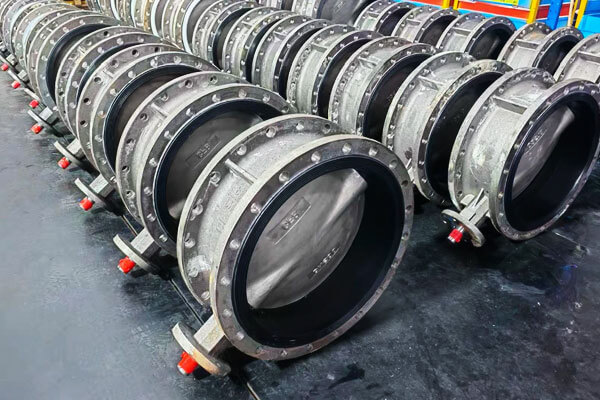
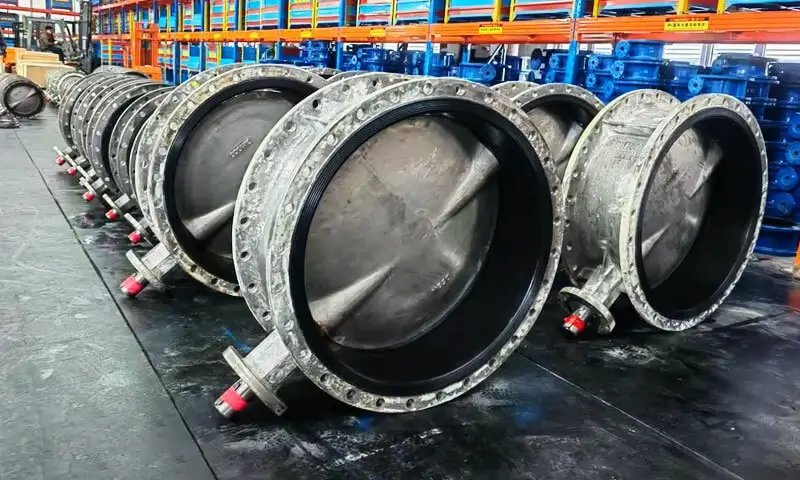
A butterfly valve body is the main pressure‑containing housing of a butterfly valve.
It supports the stem bearings, accommodates the valve seat, provides the sealing surfaces for pipeline connections, and resists both internal fluid pressure and external mechanical loads.
Basic Components of a Butterfly Valve
| Component | Function |
| Body | Houses the disc and seats; provides pipe connections (flanged, lug, wafer, or butt‑weld ends). |
| Disc | The rotating closure member that regulates flow; typically cast integrally with or separately from the stem. |
| Stem / shaft | Transmits torque from the actuator to the disc. |
| Seats | Provide a leak‑tight seal between the disc and body. |
| Actuator | Manual (lever, handwheel) or automated (pneumatic, electric, hydraulic). |
| Bonnet / top flange | Houses the stem and provides mounting for the actuator. |
Types of Butterfly Valve Body Designs
| Body type | Description | Typical applications |
| Wafer‑style | Thin body with through‑bolt holes; sandwiched between pipe flanges. | Low‑pressure, compact systems. |
| Lug‑style | Threaded inserts on each side; can be used as an end‑of‑line valve. | Moderate pressure; maintenance access. |
| Flanged | Integral flanges on both ends; bolted directly to pipe flanges. | High‑pressure, large‑diameter systems. |
| Butt‑weld | Ends designed for welding directly into pipe. | High‑temperature, high‑pressure, leak‑critical systems. |
| Offset / eccentric | Disc offset from the centre for better sealing and reduced torque. | High‑performance, tight shut‑off applications. |
Critical Functional Requirements
| Requirement | Engineering implication |
| Pressure integrity | Must withstand internal pressure without leakage or deformation (up to ASME Class 150‑2500). |
| Corrosion resistance | Resists media (water, chemicals, gases, seawater) without degradation. |
| Dimensional accuracy | Precise bore diameter and face‑to‑face dimensions for flange compatibility. |
| Surface finish | Smooth bore and flange faces reduce flow resistance and ensure sealing. |
| Structural rigidity | Maintains alignment of disc and seats under thermal and pressure cycling. |
| Fatigue resistance | Withstands repeated cycling and pressure fluctuations. |
3. Why Choose Investment Casting for Butterfly Valve Bodies?
The manufacturing method selected for a butterfly valve body has a profound impact on its dimensional accuracy, mechanical performance, corrosion resistance, production efficiency, and overall cost.
Among the various manufacturing processes available, investment casting has become one of the preferred choices for producing high-quality butterfly valve bodies, particularly those used in demanding industrial applications.
Unlike conventional casting methods, investment casting employs expendable wax patterns and precision ceramic molds to produce near-net-shape components with exceptional dimensional accuracy and surface finish.
The process is capable of reproducing intricate geometries that would be difficult, costly, or even impossible to manufacture using traditional sand casting or extensive machining.
As a result, investment casting not only improves product quality but also enhances manufacturing efficiency and reduces material waste.
For butterfly valve bodies, which incorporate complex flow passages, sealing surfaces, stem bores, and flange connections, investment casting offers a unique combination of design flexibility, structural integrity, and production consistency.
Key Advantages of Investment Casting for Valve Bodies
| Advantage | Explanation |
| Complex internal geometry | Flow passages, ribs, and mounting features can be cast directly, eliminating multi‑piece fabrication. |
| Near‑net shape | Minimal machining reduces material waste and lowers production cost. |
| Excellent surface finish | As‑cast Ra 1.6‑6.3 µm reduces flow resistance and improves seat sealing. |
| Tight dimensional tolerances | Ensures flange alignment, seat concentricity, and leak‑tight assembly. |
Alloy versatility |
Casts any castable stainless steel, duplex, superalloy, or nickel alloy. |
| Pressure integrity | Sound castings with proper gating achieve pressure‑tight performance up to ANSI Class 2500. |
| Uniform microstructure | Fine‑grained cast structure provides consistent mechanical properties. |
| Cost‑effectiveness at medium volumes | 100‑10,000 parts/year; ideal for custom and standard sizes. |
4. Material Selection for Investment Cast Butterfly Valve Bodies
Selecting an appropriate material is one of the most critical decisions in the design and manufacture of an investment cast butterfly valve body.
While the investment casting process determines the dimensional quality and geometric complexity of the component, the alloy determines its mechanical properties, corrosion resistance, pressure capability, temperature range, and expected service life.
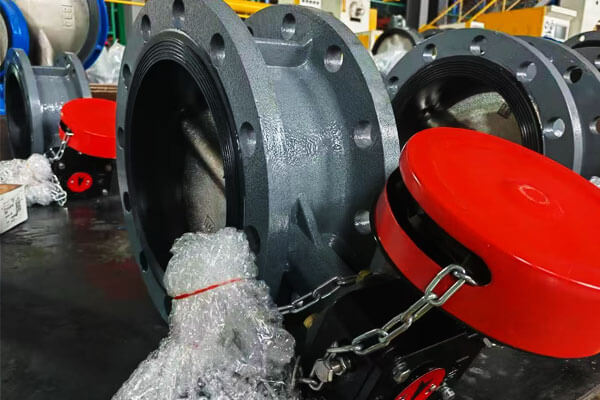
Stainless Steel
Stainless steel is the most commonly used material for investment cast butterfly valve bodies due to its excellent balance of corrosion resistance, mechanical strength, manufacturability, and long-term reliability.
The chromium-rich passive oxide film formed on the surface provides effective protection against atmospheric corrosion and many industrial chemicals.
CF8 (Equivalent to ASTM A351 Grade CF8)
CF8 is the cast equivalent of wrought Type 304 stainless steel and contains approximately 18% chromium and 8% nickel.
It offers good corrosion resistance in water, steam, food products, and many mildly corrosive chemicals.
Its advantages include:
- Good general corrosion resistance
- Excellent castability
- Good weldability
- Stable mechanical properties
- Competitive material cost
CF8 is widely used in:
- Water treatment systems
- Food processing
- HVAC equipment
- General industrial pipelines
- Low-corrosion chemical services
However, CF8 is not recommended for environments containing high concentrations of chlorides, where localized pitting and crevice corrosion may occur.
CF8M (Equivalent to ASTM A351 Grade CF8M)
CF8M corresponds to wrought Type 316 stainless steel but includes approximately 2–3% molybdenum.
The addition of molybdenum significantly improves resistance to:
- Chloride pitting
- Crevice corrosion
- Marine environments
- Organic acids
- Chemical process fluids
Typical applications include:
- Offshore engineering
- Seawater cooling systems
- Chemical plants
- Pharmaceutical equipment
- Pulp and paper industries
Although CF8M is generally more expensive than CF8, its enhanced corrosion resistance often results in substantially lower maintenance costs over the valve’s operating life.
Low-Carbon Stainless Steels (CF3 and CF3M)
CF3 and CF3M are low-carbon versions of CF8 and CF8M, respectively.
Their reduced carbon content minimizes carbide precipitation during welding, thereby improving resistance to intergranular corrosion in heat-affected zones.
These grades are commonly selected for:
- Welded piping systems
- Pharmaceutical manufacturing
- Food processing equipment
- High-purity chemical systems
Where extensive welding is anticipated, low-carbon stainless steels are generally preferred over standard grades.
Carbon Steel
Although stainless steel dominates corrosive applications, carbon steel remains an economical choice for many butterfly valve bodies operating under non-corrosive or mildly corrosive conditions.
WCB Carbon Steel
ASTM A216 WCB is one of the most widely used cast carbon steels in the valve industry.
Its advantages include:
- High mechanical strength
- Good impact toughness
- Excellent machinability
- Low material cost
- Good pressure resistance
Typical applications include:
- Oil pipelines
- Natural gas transmission
- Steam systems
- Fire protection
- Industrial utilities
However, WCB requires protective coatings or internal linings when exposed to corrosive environments.
LCC Low-Temperature Carbon Steel
LCC is specifically developed for low-temperature service.
Compared with WCB, it exhibits improved impact toughness at sub-zero temperatures and is commonly used in:
- LNG facilities
- Cryogenic storage
- Refrigeration systems
- Arctic pipeline infrastructure
Duplex Stainless Steel
As industrial environments become increasingly aggressive, duplex stainless steels have gained widespread acceptance for high-performance butterfly valve bodies.
Duplex stainless steels contain approximately equal proportions of ferrite and austenite, combining the advantages of both microstructures.
Their characteristics include:
- Very high tensile strength
- Excellent chloride resistance
- Outstanding stress corrosion cracking resistance
- Good fatigue performance
- Excellent erosion resistance
Compared with conventional austenitic stainless steels, duplex alloys often provide nearly twice the yield strength while maintaining excellent corrosion resistance.
Common investment casting grades include:
- CD4MCu
- ASTM A890 Grade 4A
- ASTM A890 Grade 5A
Typical applications include:
- Offshore oil platforms
- Desalination plants
- Marine pipelines
- Chemical reactors
- Seawater cooling systems
Although duplex alloys are more expensive than conventional stainless steels, their extended service life often justifies the additional investment.
Nickel-Based Alloys
Some industrial processes operate under conditions that exceed the capabilities of stainless steels.
Highly concentrated acids, elevated temperatures, oxidizing chemicals, and reducing environments require specialized alloys with exceptional corrosion resistance.
Investment casting allows butterfly valve bodies to be manufactured from nickel-based alloys such as:
Hastelloy
Hastelloy alloys exhibit outstanding resistance to:
- Hydrochloric acid
- Sulfuric acid
- Phosphoric acid
- Chlorides
- Oxidizing chemicals
They are widely used in chemical processing plants where conventional stainless steels would rapidly corrode.
Inconel
Inconel alloys provide:
- Excellent high-temperature strength
- Oxidation resistance
- Thermal fatigue resistance
- Pressure resistance at elevated temperatures
Applications include:
- Power generation
- Petrochemical processing
- Aerospace support systems
- High-temperature chemical plants
Monel
Monel alloys possess exceptional resistance to:
- Seawater
- Hydrofluoric acid
- Salt solutions
- Marine biofouling
They are frequently selected for marine and offshore butterfly valves.
Although nickel alloys represent a significant material investment, they can dramatically reduce maintenance costs and downtime in severe service environments.
5. Mechanical Performance of Investment Cast Butterfly Valve Bodies
The primary purpose of any butterfly valve body is to provide reliable mechanical support under demanding operating conditions.
While investment casting is often recognized for its excellent dimensional accuracy and surface finish, its ability to produce components with outstanding mechanical performance is equally important.
Pressure Resistance
Pressure containment is the fundamental function of every valve body.
During operation, the body experiences internal hydrostatic pressure that generates tensile stresses throughout the casting.
Critical stress regions include:
- Stem openings
- Flange roots
- Bolt holes
- Wall transitions
- Reinforcing rib intersections
Investment casting contributes to superior pressure performance through:
- Uniform wall thickness
- Reduced machining-induced stress
- Smooth geometric transitions
- High dimensional consistency
Pressure capability is ultimately verified through hydrostatic pressure testing in accordance with applicable industry standards.
Structural Strength
Structural strength refers to the valve body’s ability to resist permanent deformation under mechanical loading.
Important material properties include:
- Yield strength
- Tensile strength
- Elastic modulus
- Hardness
Investment cast stainless steels typically provide excellent combinations of strength and ductility, enabling the valve body to withstand:
- Pipeline loads
- Actuator torque
- Installation forces
- Thermal expansion stresses
Proper heat treatment further improves strength by refining the alloy’s microstructure.
Fatigue Resistance
Unlike static pressure vessels, butterfly valves often experience repeated loading throughout their service life.
Each operating cycle generates:
- Pressure fluctuations
- Stem torque
- Vibration
- Thermal expansion
- Mechanical impact
Over thousands—or even millions—of cycles, microscopic fatigue cracks may develop.
Investment casting improves fatigue performance through:
- Smooth surface finish
- Reduced stress concentration
- Uniform microstructure
- High dimensional accuracy
Design features such as generous fillets and optimized rib placement further enhance fatigue resistance by distributing stresses more evenly.
Impact Toughness
Industrial valves may be exposed to sudden mechanical impacts during transportation, installation, or operation. In low-temperature environments, inadequate toughness can lead to brittle fracture.
Impact toughness is therefore an essential property, particularly for:
- LNG systems
- Cryogenic pipelines
- Offshore installations
- Cold-climate infrastructure
Materials such as LCC carbon steel and duplex stainless steel retain excellent toughness at reduced temperatures, making them suitable for demanding applications.
Wear and Erosion Resistance
Although the valve body is generally not subjected to direct sliding contact like the disc or seat, it can still experience erosion from high-velocity fluids carrying abrasive particles.
Typical erosive media include:
- Slurries
- Sand-laden water
- Mining tailings
- Fly ash
- Chemical suspensions
Investment cast duplex stainless steels and nickel-based alloys provide superior resistance to erosion due to their higher hardness and stronger microstructures.
Optimized internal flow passages also reduce localized turbulence, minimizing erosion over extended service periods.
Corrosion Resistance
Corrosion remains one of the leading causes of valve failure in industrial systems.
Depending on the operating environment, butterfly valve bodies may encounter:
- General corrosion
- Pitting corrosion
- Crevice corrosion
- Galvanic corrosion
- Intergranular corrosion
- Stress corrosion cracking
Investment casting supports the use of highly corrosion-resistant alloys while producing dense, high-quality castings with minimal surface defects.
Proper surface treatments—such as passivation or electropolishing—can further enhance corrosion resistance by strengthening the protective oxide layer on stainless steel surfaces.
High-Temperature Performance
High-temperature service presents additional engineering challenges.
As temperature increases:
- Yield strength decreases
- Creep resistance becomes important
- Oxidation accelerates
- Thermal fatigue may develop
For elevated-temperature applications, investment cast valve bodies are commonly manufactured from heat-resistant stainless steels or nickel-based superalloys capable of maintaining mechanical properties under prolonged thermal exposure.
Dimensional Stability
Dimensional stability is particularly important because butterfly valves rely on precise alignment between the body, stem, disc, and seat.
Poor dimensional stability can lead to:
- Increased operating torque
- Seat wear
- Leakage
- Premature bearing failure
Investment casting provides excellent dimensional repeatability by minimizing distortion during manufacturing.
Controlled heat treatment and precision machining further ensure that critical dimensions remain within specified tolerances.
This high level of dimensional stability contributes directly to smooth valve operation, reliable sealing performance, and long service life.
6. Heat Treatment and Surface Finishing of Investment Cast Butterfly Valve Body
Heat treatment and surface finishing are not secondary post-processing steps in valve manufacturing;
rather, they are critical stages that directly determine the mechanical reliability, corrosion resistance, dimensional stability, and service life of investment cast butterfly valve bodies.
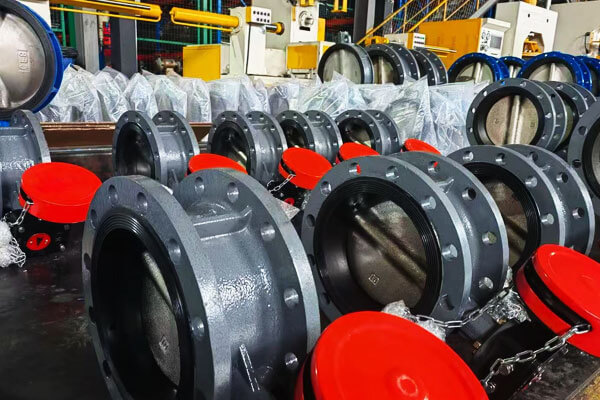
Heat Treatment: Microstructure Engineering for Performance Optimization
Heat treatment is applied to modify the microstructure of the cast alloy, eliminate residual stresses, and achieve the required balance of strength, toughness, and corrosion resistance.
Solution Heat Treatment (Austenitic Stainless Steels)
For stainless steel grades such as CF8, CF8M, CF3, and CF3M, solution treatment is the most critical process.
The process involves:
- Heating the casting to approximately 1040°C–1120°C
- Holding at temperature to dissolve carbides and homogenize the structure
- Rapid quenching (usually water cooling)
Key outcomes include:
- Elimination of chromium carbide precipitation
- Restoration of corrosion resistance
- Improved ductility and toughness
- Homogenized austenitic microstructure
Without proper solution treatment, stainless steel valve bodies may suffer from intergranular corrosion and premature failure in chloride-rich environments.
Stress Relief Heat Treatment (Carbon and Alloy Steels)
Cast carbon steel valve bodies (e.g., WCB, LCC) often retain residual stresses from solidification and cooling.
Stress relief is performed at 550°C–650°C to:
- Reduce internal residual stresses
- Improve dimensional stability
- Minimize distortion during machining and service
- Enhance fatigue resistance
This process is particularly important for large-diameter butterfly valve bodies where uneven cooling gradients are more pronounced.
Normalizing and Quenching & Tempering
For carbon and low-alloy steels requiring higher strength:
- Normalizing refines grain structure and improves uniformity
- Quenching and tempering significantly enhance strength and hardness while maintaining adequate toughness
These treatments are commonly used in high-pressure applications such as oil pipelines and steam systems.
Surface Finishing: Functional and Protective Enhancement
Surface finishing is equally important as it directly affects corrosion resistance, cleanliness, hydraulic performance, and aesthetic quality.
Shot Blasting and Cleaning
Shot blasting is typically the first finishing step after casting removal.
Its functions include:
- Removing ceramic shell residues
- Eliminating oxide scale
- Uniform surface texturing
- Preparing the surface for further treatment
For carbon steel castings, steel shot is commonly used, while stainless steel components often use stainless steel shot or controlled media to prevent contamination.
Pickling and Descaling
Pickling is a chemical process used primarily for stainless steel castings.
It removes:
- Heat tint
- Oxide layers
- Surface contamination from high-temperature processing
Acid mixtures (typically nitric + hydrofluoric acid systems) restore a clean metallic surface, which is essential for corrosion resistance.
Passivation Treatment
Passivation enhances the natural corrosion resistance of stainless steel by promoting the formation of a stable chromium oxide layer.
Benefits include:
- Improved pitting resistance
- Enhanced chemical stability
- Long-term surface protection
- Reduced risk of localized corrosion
This step is critical for CF8M valve bodies used in marine and chemical environments.
Electropolishing (High-End Applications)
Electropolishing is an electrochemical finishing process that removes microscopic surface peaks, resulting in an extremely smooth and clean surface.
Advantages include:
- Ultra-low surface roughness
- Improved hygienic performance
- Reduced bacterial adhesion
- Enhanced corrosion resistance
- Improved flow characteristics
It is widely used in:
- Pharmaceutical systems
- Biotechnology pipelines
- Food-grade processing equipment
- Ultra-pure water systems
Protective Coatings (Carbon Steel Applications)
For carbon steel valve bodies, protective coatings are essential to prevent environmental corrosion.
Common coating systems include:
- Fusion Bonded Epoxy (FBE)
- Polyurethane coatings
- Zinc-rich primers
- Powder coating systems
These coatings provide long-term resistance against moisture, chemicals, and atmospheric corrosion.
7. Machining of Investment‑Cast Valve Bodies
Investment casting produces near‑net‑shape bodies, but critical dimensions require machining.
Typical Machining Operations
| Operation | Purpose | Tolerance |
| Flange face milling | Achieve flatness and parallelism | ±0.05 mm |
| Bore turning | Achieve precise internal diameter | ±0.05‑0.10 mm |
| Bolt hole drilling | Create flange bolt holes | ±0.1‑0.2 mm |
| Thread tapping (lugs) | Create threads for lug‑style valves | ISO / ASME standard |
| Seat groove turning | Precision recess for seat ring | ±0.02‑0.05 mm |
| Stem hole boring | For valve stem | ±0.02‑0.05 mm |
| Mounting pad machining | For actuator mounting | ±0.05‑0.10 mm |
Machining Challenges
| Challenge | Cause | Solution |
| Work hardening | Austenitic stainless work‑hardens | Sharp carbide tools; appropriate feeds/speeds. |
| Tool wear | Stainless is abrasive | Coated carbide (TiAlN, PVD); coolant. |
| Chatter / vibration | Thin‑walled sections | Use steady rests; increase rigidity; reduce overhang. |
| Dimension stability | Residual stress from casting | Stress relief; rough machining → aging → finish machining. |
8. Quality Control and Inspection
Investment‑cast butterfly valve bodies require rigorous quality assurance to meet industry standards.
Nondestructive Testing (NDT)
| NDT method | Detects | Standard | Frequency |
| Visual inspection | Surface defects | ASTM E430 | 100% |
| Dye penetrant (PT) | Surface cracks, porosity | ASTM E165 | 100% (critical areas) |
| Radiography (X‑ray) | Internal porosity, inclusions | ASTM E94 | 10‑25% (batch) |
| Ultrasonic | Internal defects, wall thickness | ASTM E114 | 10‑25% (batch) |
| Pressure testing | Leak‑tightness | API 598 | 100% |
Dimensional Inspection
| Measurement | Equipment | Tolerance |
| Bore diameter | CMM or bore gauge | ±0.05 mm |
| Flange face flatness | Optical or dial gauge | ≤0.05 mm/m |
| Face‑to‑face dimension | CMM or tape measure | ±0.5‑1.0 mm |
| Flange bolt hole pattern | CMM or template | ±0.1‑0.2 mm |
| Seat groove dimensions | CMM or special gauge | ±0.02‑0.05 mm |
Mechanical Testing
| Test | Purpose | Standard |
| Tensile | Yield, tensile, elongation | ASTM E8 / EN 10002 |
| Hardness | HB or HRB | ASTM E10 / ASTM E18 |
| Impact (Charpy) | Toughness | ASTM E23 |
| Hydrostatic test | Pressure integrity | API 598 / ASME B16.34 |
9. Industrial Applications of Investment Casting Butterfly Valve Body
Investment cast butterfly valve bodies are widely used across numerous industries because they combine high dimensional accuracy, excellent mechanical properties, and outstanding corrosion resistance.
Their ability to accommodate complex geometries while maintaining pressure integrity makes them suitable for both standard industrial services and highly demanding operating environments.
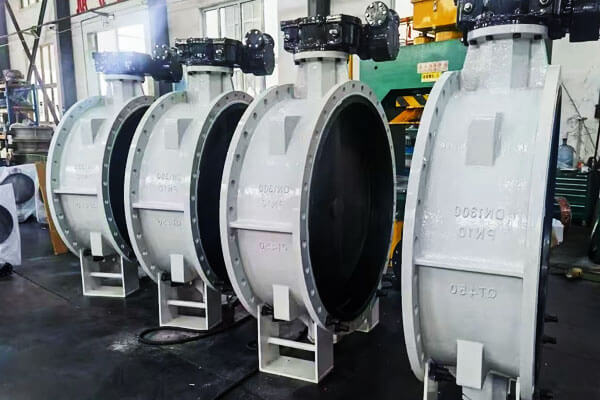
Water Treatment and Distribution
Water treatment is one of the largest application sectors for butterfly valves.
Municipal water plants, desalination facilities, wastewater treatment stations, and irrigation systems all require reliable flow control equipment capable of operating continuously with minimal maintenance.
Investment cast butterfly valve bodies are particularly advantageous because they provide:
- Excellent dimensional consistency for reliable sealing
- Smooth internal surfaces that reduce flow resistance
- Good corrosion resistance in potable and treated water
- Long service life under frequent operating cycles
Depending on water quality and operating conditions, commonly used materials include:
- CF8 stainless steel
- CF8M stainless steel
- Ductile iron with protective coatings
- Duplex stainless steel for seawater applications
For desalination plants, duplex stainless steel is often preferred because of its superior resistance to chloride-induced pitting and crevice corrosion.
Oil and Gas Industry
Oil and gas production subjects valve bodies to some of the harshest service conditions encountered in industrial applications.
Typical operating challenges include:
- High pressure
- Elevated temperatures
- Hydrogen sulfide (H₂S)
- Carbon dioxide (CO₂)
- Abrasive particles
- Offshore marine environments
Investment cast butterfly valve bodies offer excellent pressure containment while accommodating corrosion-resistant alloys specifically designed for sour service.
Common materials include:
- WCB carbon steel
- CF8M stainless steel
- Duplex stainless steel
- Super duplex stainless steel
- Nickel-based alloys
Typical applications include:
- Crude oil pipelines
- Offshore platforms
- Refinery process units
- Natural gas transmission
- LNG terminals
- Petrochemical plants
The precision of investment casting also improves sealing reliability, which is critical for preventing fugitive emissions and ensuring environmental compliance.
Chemical Processing
Chemical plants handle highly aggressive media that can rapidly degrade conventional engineering materials.
Typical chemicals include:
- Sulfuric acid
- Hydrochloric acid
- Nitric acid
- Sodium hydroxide
- Chloride solutions
- Organic solvents
Investment casting enables manufacturers to produce butterfly valve bodies from highly corrosion-resistant alloys while maintaining excellent dimensional precision.
Depending on the process chemistry, suitable materials include:
- CF8M stainless steel
- Duplex stainless steel
- Hastelloy
- Inconel
- Monel
The excellent surface finish produced by investment casting also minimizes crevice formation, reducing localized corrosion and facilitating equipment cleaning.
Power Generation
Power plants require valves capable of operating continuously under demanding thermal and mechanical conditions.
Applications include:
- Boiler feedwater systems
- Steam distribution
- Cooling water systems
- Flue gas desulfurization
- Condensate systems
Valve bodies must withstand:
- High pressure
- Thermal cycling
- Elevated temperatures
- Corrosive condensates
Heat-resistant stainless steels and nickel-based alloys are commonly selected for these applications.
The dimensional stability provided by investment casting contributes to consistent valve performance during repeated thermal expansion and contraction cycles.
Food and Beverage Industry
Food processing equipment must satisfy strict hygiene standards while maintaining excellent corrosion resistance.
Typical applications include:
- Beverage production
- Dairy processing
- Brewing
- Sugar refining
- Edible oil production
Investment cast stainless steel butterfly valve bodies offer several important advantages:
- Smooth, cleanable surfaces
- Low bacterial adhesion
- Excellent corrosion resistance
- High dimensional accuracy
- Compatibility with sanitary cleaning procedures
Electropolished CF3 and CF3M stainless steels are frequently used in hygienic process systems where product purity is essential.
Pharmaceutical and Biotechnology Industries
Pharmaceutical manufacturing imposes even stricter requirements than food processing.
Valve bodies must exhibit:
- Extremely smooth surfaces
- Minimal contamination risk
- Excellent cleanability
- Resistance to aggressive sterilization chemicals
- Compliance with GMP standards
Investment casting provides exceptional geometric accuracy while minimizing surface imperfections that could harbor microorganisms.
Additional electropolishing further improves:
- Surface roughness
- Corrosion resistance
- Sterility
- Product purity
These characteristics make investment cast butterfly valve bodies well suited for sterile processing systems.
Marine Engineering
Marine environments combine several aggressive factors:
- Saltwater corrosion
- High humidity
- Biological fouling
- Mechanical vibration
- Cyclic loading
Valve bodies used aboard ships, offshore platforms, and coastal facilities require outstanding corrosion resistance.
Common materials include:
- Duplex stainless steel
- Super duplex stainless steel
- Monel
- Bronze alloys
Investment casting allows complex marine valve designs while ensuring excellent mechanical integrity under continuous exposure to seawater.
Mining and Mineral Processing
Mining operations present unique challenges due to highly abrasive slurries containing suspended solids.
Valve bodies must resist:
- Abrasive wear
- Impact loading
- Corrosion
- High flow velocities
Investment cast duplex stainless steel offers an excellent combination of wear resistance, strength, and corrosion resistance, making it suitable for slurry transportation systems.
HVAC and Building Services
Large commercial buildings frequently use butterfly valves for:
- Chilled water
- Heating systems
- Cooling towers
- Fire protection
- Water distribution
Investment cast valve bodies provide lightweight construction, accurate dimensions, and dependable sealing while reducing maintenance costs over long operating periods.
10. Future Development Trends
| Trend | Description | Impact on investment‑cast valve bodies |
| Additive manufacturing of wax patterns | 3D‑printed patterns eliminate tooling for low volumes. | Enables rapid prototyping; custom sizes without die cost. |
| Digital twin and simulation | Real‑time simulation of casting and machining. | Reduces defects; optimises process. |
| AI‑driven defect prediction | Machine learning predicts porosity and inclusions. | Improves yield; reduces inspection. |
High‑performance duplex alloys |
New duplex alloys with higher strength and corrosion resistance. | Enables thinner sections; weight reduction. |
| Sustainable shell materials | Bio‑based binders; recyclable shell. | Reduces environmental impact. |
| Smart valve bodies | Embedded sensors for temperature, pressure, corrosion. | Enables predictive maintenance; condition monitoring. |
| Large‑diameter investment casting | Casting sizes up to DN1200 / 48″. | Expands application range to large pipelines. |
| Electrification of melting | Induction melting with renewable electricity. | Reduces carbon footprint. |
11. Conclusion
Investment casting is the premier manufacturing process for high‑performance butterfly valve bodies, particularly in stainless steel and duplex alloys.
It offers a unique combination of geometric complexity, dimensional accuracy, surface finish, and material integrity that is unmatched by sand casting, forging, or fabrication.
The process delivers near‑net‑shape components with minimal machining, excellent pressure integrity, and consistent mechanical properties.
For valve bodies requiring corrosion resistance, tight tolerances, and long service life—whether in chemical plants, offshore platforms, or food processing lines—investment casting is the method of choice.
Success in investment‑cast butterfly valve bodies depends on rigorous control across the entire production chain: alloy selection, pattern design, shell building, melting, pouring, heat treatment, machining, and inspection.
Advances in simulation, automation, and sustainable materials are further enhancing the process, making it more efficient, reliable, and environmentally friendly.
As industries demand higher performance, lighter weight, and longer life from flow control equipment, investment casting will continue to play a central role in meeting these challenges.
FAQs
What is the maximum size of a butterfly valve body that can be investment‑cast?
Typical investment casting capacity: up to 600 mm (24″) diameter for wafer/lug bodies; larger sizes up to 900 mm (36″) are possible with specialised shell building.
For very large valves (>48″), sand casting or fabrication is more economical.
What is the difference between wafer and lug‑style valve bodies?
Wafer‑style bodies are thin and clamped between flanges; lug‑style bodies have threaded inserts on each side and can be used as end‑of‑line valves. Both are investment‑castable.
Can investment‑cast valve bodies be repaired?
Minor casting defects can be repaired by welding (with appropriate filler and preheat), but large defects typically result in scrap. HIP can eliminate porosity but cannot repair surface defects.
What is the typical lead time for investment‑cast valve bodies?
8‑12 weeks for tooling and first articles; 2‑4 weeks for repeat orders (with existing tooling). Rush orders may be expedited at additional cost.