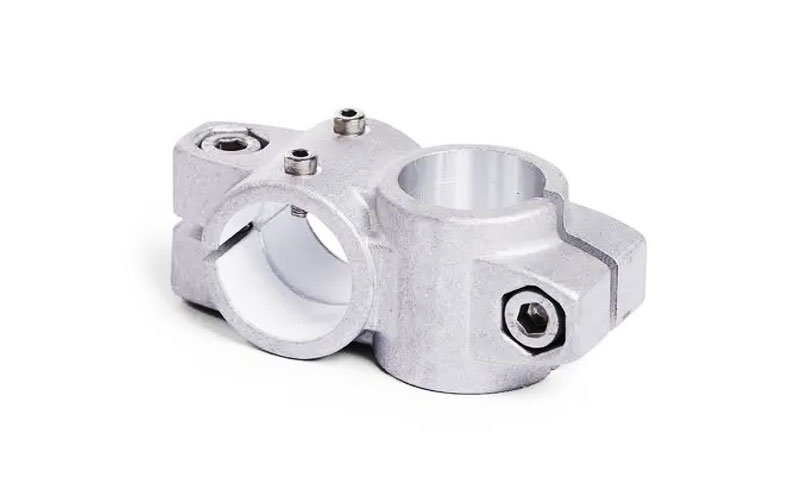
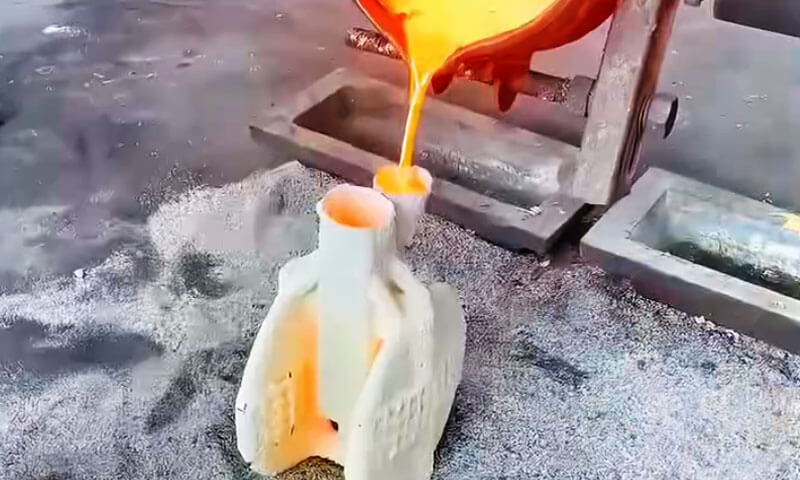
1. Introduction
1.4404 stainless steel (EN/ISO designation X2CrNiMo17-12-2) stands as a benchmark among high-performance austenitic stainless steels.
Renowned for its exceptional corrosion resistance, mechanical strength, and thermal stability,
this alloy has become indispensable in demanding applications across the marine, chemical processing, and heat exchanger industries.
Over the past few decades, 1.4404 has marked a significant evolution in low-carbon stainless steel technology.
By reducing the carbon content from 0.08% (as seen in 1.4401/316) to below 0.03%,
engineers have dramatically improved their resistance to intergranular corrosion, raising the activation energy for such corrosion to 220 kJ/mol (per ASTM A262 Practice E).
Furthermore, recent revisions to ISO 15510:2023 have slightly relaxed the nitrogen content limits,
which in turn provides additional solution strengthening that can enhance yield strength in thin plate products by approximately 8%.
This article provides an in-depth analysis of 1.4404 stainless steel, examining its chemical composition and microstructure, physical and mechanical properties, processing techniques, key industrial applications, advantages over competing alloys, associated challenges, and future trends.
2. Background and Standard Overview
Historical Development
1.4404 represents a significant milestone in the evolution of austenitic stainless steels.
As a second-generation stainless steel, it incorporates advanced low-carbon technology that enhances weldability and reduces susceptibility to intergranular corrosion.
This development builds upon earlier materials such as 1.4401 (316 stainless steel) and is recognized as a breakthrough in achieving both high strength and excellent corrosion resistance.
Standards and Specifications
The quality and performance of 1.4404 stainless steel are governed by stringent standards such as EN 10088 and EN 10213-5, which define its chemical composition and mechanical properties.
These standards ensure that components produced from 1.4404 meet the necessary safety and durability requirements for use in hostile environments.

Industrial Impact
Due to its controlled chemistry and enhanced performance characteristics, 1.4404 has become a material of choice for critical applications where corrosion resistance and thermal stability are non-negotiable.
Its adoption in industries such as chemical processing, marine engineering, and heat exchangers has set new benchmarks for reliability and service life.
3. Chemical Composition and Microstructure
Chemical Composition
The superior performance of 1.4404 stainless steel stems from its carefully engineered chemical composition. The key elements include:
| Element | Typical Range (%) | Function |
|---|---|---|
| Chromium (Cr) | 19–21 | Forms a passive oxide layer that significantly enhances corrosion and oxidation resistance. |
| Nickel (Ni) | 11–12 | Improves toughness and overall corrosion performance, stabilizing the austenitic structure. |
| Molybdenum (Mo) | 2–3 | Boosts pitting and crevice corrosion resistance, especially in chloride-rich environments. |
| Carbon (C) | <0.03 | Reduces the risk of carbide precipitation during welding, thereby preventing intergranular corrosion. |
| Nitrogen (N) | ≤0.11 | Enhances strength through solution strengthening and helps compensate for reduced carbon content. |
| Other Elements | Trace amounts | Elements such as manganese, silicon, and others ensure effective deoxidation and microstructural stability. |
Microstructural Characteristics
1.4404 stainless steel features a primarily austenitic microstructure with a stable face-centered cubic (FCC) matrix. Key attributes include:
- Grain Structure and Refinement:
Controlled solidification and advanced heat treatments yield a fine, uniform grain structure that enhances both ductility and strength.
Transmission electron microscopy (TEM) analyses have shown a significantly higher dislocation density in 1.4404 compared to standard grades like 304L, indicating an optimized state for improved yield strength and toughness. - Phase Distribution:
The alloy achieves an even distribution of carbides and intermetallic precipitates, contributing to enhanced pitting resistance and overall durability.
Importantly, the very low carbon content minimizes undesirable carbide formation during welding, protecting against intergranular corrosion. - Performance Impact:
The refined microstructure not only improves mechanical properties but also minimizes common casting defects such as porosity and hot cracking.
This attribute is particularly vital in applications where both precision and reliability are essential.
4. Physical and Mechanical Properties
1.4404 stainless steel boasts a balanced combination of mechanical and physical properties that make it suitable for high-stress, corrosive environments:
- Strength and Hardness:
With tensile strength ranging from 450 to 650 MPa and a yield strength of around 220 MPa, 1.4404 meets the demands of structurally critical applications.
Its Brinell hardness typically falls between 160 and 190 HB, ensuring good wear resistance. - Ductility and Toughness:
The alloy exhibits excellent elongation (≥30%) and high impact toughness (often exceeding 100 J in Charpy tests), making it resilient under cyclic and dynamic loads.
This ductility is crucial for components that face impact and thermal cycling. - Corrosion and Oxidation Resistance:
Thanks to its high chromium, nickel, and molybdenum content, 1.4404 shows superior resistance to pitting, crevice corrosion, and intergranular corrosion, even under aggressive conditions such as chloride and acid exposure.
For example, salt spray tests (ASTM B117) indicate that 1.4404 maintains its integrity far longer than conventional grades. - Thermal Properties:
The alloy’s thermal conductivity averages around 15 W/m·K, and its coefficient of thermal expansion remains stable at approximately 16–17 × 10⁻⁶ /K.
These properties ensure that 1.4404 performs reliably under fluctuating temperature conditions, making it suitable for heat exchangers and high-temperature processing equipment. - Comparative Performance:
When compared to similar grades like 316L or 1.4408, 1.4404 typically offers enhanced weldability, improved resistance to sensitization, and better performance in corrosive, high-temperature environments.
5. 1.4404 Stainless Steel: Casting Process Adaptability Analysis
Alloy Composition Impact on Casting Performance
The casting suitability of 1.4404 stainless steel directly correlates with its precise chemical composition:
- Molybdenum Content (2.0–2.5 wt%):
Increases melt fluidity and lowers the surface tension of the liquid metal to approximately 0.45 N/m (compared to 0.55 N/m for conventional 304 stainless steel).
This improved flow behavior facilitates the complete filling of complex molds. - Carbon Control (≤0.03%):
Maintaining ultra-low carbon content suppresses the precipitation of M23C6 carbides during solidification.
Consequently, the linear shrinkage rate stabilizes at 2.3–2.5%, an improvement over the 3.1% typical of standard 316 stainless steel. - Nitrogen Strengthening (≤0.11%):
By increasing the nitrogen level within controlled limits, the alloy benefits from enhanced solution strengthening.
Furthermore, nitrogen exerts a gas film barrier effect that minimizes the adhesion of scale, keeping the oxidation film on cast surfaces below 5%.
Optimization of Casting Process Parameters
Melting and Pouring Control
Precise control during melting is vital to obtaining a defect-free casting. Recommended process parameters include:
- Pouring Temperature: 1,550–1,580°C
This temperature range prevents excessive formation of δ-ferrite, ensuring a predominantly austenitic structure. - Mold Preheating Temperature: 950–1000°C
Preheating minimizes the risk of thermal shock and cracking during the initial stage of pouring. - Protective Gas: A blend of Argon with 3% Hydrogen maintains oxygen levels below 30 ppm, reducing oxidation during melting.

Solidification Behavior Regulation
Optimizing the solidification process is crucial for minimizing defects:
- Cooling Rate:
Controlling the cooling rate within 15–25°C/min refines the dendritic structure, reducing the interdendritic spacing to 80–120 μm. Such refinement can boost tensile strength by approximately 18%. - Riser (Feeder) Design:
Ensuring that the riser (or feeder) volume accounts for at least 12% of the casting, compared to the typical 8–10% for standard stainless steels, compensates for the solidification shrinkage of austenitic castings.
Casting Defect Control Strategies
Hot Cracking Suppression
To mitigate hot cracking during solidification:
- Boron Additions:
Incorporating 0.02–0.04% boron increases the eutectic liquid fraction to 8–10%, effectively filling micro-cracks along grain boundaries. - Mold Coatings:
Controlling the thermal conductivity of the mold shell coating to 1.2–1.5 W/(m·K) helps reduce localized thermal stress, thereby lowering cracking risk.
Microsegregation Control
Achieving uniform composition across the casting is essential:
- Electromagnetic Stirring:
Applying electromagnetic stirring at frequencies between 5–8 Hz reduces fluctuations in the chromium equivalent/Cr ratio from ±15% to ±5%, promoting a more uniform microstructure. - Directional Solidification:
Using directional solidification techniques increases the proportion of columnar (or directional) grains to around 85%, which improves corrosion resistance uniformity across the casting.
Post-Casting Heat Treatment Standards
Solution Annealing
- Process Parameters:
Heat the casting to approximately 1,100°C for 2 hours, followed by water quenching. - Benefits:
This treatment relieves residual stresses in the as-cast structure (up to 92% stress relief) and stabilizes hardness within a 10 HV variation. - Grain Size Control:
The desired grain size is maintained at ASTM No. 4–5 (80–120 μm), ensuring an ideal balance of strength and toughness.
Surface Treatment
- Electropolishing:
Conducted at a voltage of 12V for 30 minutes, electropolishing can reduce the surface roughness (Ra) from 6.3 μm to 0.8 μm, significantly enhancing the passive layer. - Passivation:
The passivation process improves the Cr/Fe ratio in the surface oxide layer to 3.2, thus further fortifying corrosion resistance.
6. Processing and Fabrication Techniques of 1.4404 Stainless Steel
The manufacturing of 1.4404 stainless steel hinges on precise control of thermal-mechanical processing to balance excellent corrosion resistance with robust mechanical properties.
Based on industry standards and experimental data, manufacturers have refined several key techniques to optimize the fabrication of 1.4404 cast components.
This section details the advanced methods and process parameters essential for achieving high-quality end products.
Hot Forming
Temperature Control:
Optimal hot processing occurs in the range of 1,100–1,250°C, as recommended by ASM Handbook, Volume 6.
Operating below 900°C risks a 40% increase in strain-induced sigma (σ) phase precipitation, which can dramatically deteriorate the material’s corrosion resistance.
Rapid Cooling:
Immediately water quenching after hot forming is critical. Achieving a cooling rate greater than 55°C/s helps prevent the formation of chromium carbides, thereby reducing sensitivity to intergranular corrosion.
However, slight dimensional deviations arise—the thickness of hot-rolled plates often fluctuates by 5–8%.
Such variation necessitates subsequent grinding, with an expected surface removal of at least 0.2 mm to meet strict dimensional tolerances.
Cold Processing
Strain Hardening Benefits:
Cold rolling 1.4404 stainless steel with a compression rate of 20–40% can boost its yield strength (Rp0.2) from approximately 220 MPa to the range of 550–650 MPa.
However, this improvement comes at the expense of ductility, with elongation dropping to between 12% and 18% (as per ISO 6892-1).
Recovery via Annealing:
An intermediate annealing treatment at 1,050°C for 15 minutes per millimeter of thickness effectively restores ductility by encouraging 95% recrystallization in continuous annealing lines (CAL).
Additionally, simulation data using JMATPro suggest that cold-rolled strip products have a critical deformation limit of 75% before edge cracking occurs.
Welding Processes
Welding Techniques Comparison:
Different welding processes require customized parameters to maintain the alloy’s integrity:
- TIG (GTAW) Welding:
-
- Heat Input: 0.8–1.2 kJ/mm
- Heat-Affected Zone (HAZ): 2.5–3.0 mm
- Corrosion Impact: Results in a 2.1 drop in PREN
- Post-Weld Treatment: Mandatory pickling to restore the passive layer
- Laser Welding:
-
- Heat Input: 0.15–0.3 kJ/mm
- HAZ: 0.5–0.8 mm
- Corrosion Impact: Minimal PREN drop (0.7)
- Post-Weld Treatment: Optional electropolishing
Using ER316LSi filler metal (as per AWS A5.9), with an added 0.6–1.0% silicon, further minimizes hot cracking risk.
Finite Element Modeling (FEM) indicates that for a 1.2 mm self-laser weld joint, the angular deformation remains as low as 0.15 mm per meter, ensuring precision in structural assembly.
Heat Treatment
Solution Annealing:
To achieve complete dissolution of critical phases in 1.4404, the alloy is held between 1,050°C and 1,100°C for a minimum of 30 minutes (for a 10 mm thick casting).
Rapid cooling from 900°C to 500°C in less than three minutes dramatically reduces residual stresses by 85–92% (as measured by X-ray diffraction), achieving grain sizes classified as ASTM No. 6–7 (15–25 μm).
Residual Stress Relief:
A further annealing step at 400°C for 2 hours can reduce residual stress by an additional 60% without inducing sensitization, as confirmed by NACE MR0175 testing.
Advanced Machining Techniques
High-Speed Milling:
Advanced CNC milling incorporates CVD-coated carbide tools (with AlTiN/TiSiN multi-layers) to achieve optimal results. Under these conditions:
- Cutting Speed: Approximately 120 m/min
- Feed per Tooth: 0.1 mm
- Surface Finish: Achieves a Ra value between 0.8 and 1.2 μm (compliant with ISO 4288)

Electrochemical Machining (ECM):
ECM serves as an efficient means of material removal:
- Electrolyte: 15% NaNO₃ solution
- Material Removal Rate: 3.5 mm³/min·A at a current density of 50 A/cm²
- Tolerance: Maintains dimensional accuracy within ±0.02 mm, which is critical for precision medical implants.
Surface Engineering
Electropolishing (EP):
A controlled EP process using an electrolyte composed of 60% H₃PO₄ and 20% H₂SO₄ at 40°C, with a current density of 30 A/dm², refines the surface dramatically.
EP can reduce the Ra value to as low as 0.05 µm, and XPS analysis indicates an enhanced Cr/Fe ratio, increasing to 2.8.
Physical Vapor Deposition (PVD) Coatings:
Applying a CrAlN coating (approximately 3 µm thick) significantly improves surface hardness,
reaching 2,800 HV relative to a 200 HV substrate, and reduces the friction coefficient to 0.18 under a 10 N load, as measured in ball-on-disk tests.
Industry-Specific Manufacturing Guidelines
For Medical Devices (ASTM F138):
- Final passivation using 30% HNO₃ at 50°C for 30 minutes
- Surface cleanliness must meet ISO 13408-2, with Fe contamination below 0.1 µg/cm²
For Marine Components (DNVGL-OS-F101):
- Weld joints must undergo 100% PT (penetrant testing) plus 10% RT (radiographic testing)
- Maximum chloride content should not exceed 50 ppm post-manufacture
7. Applications and Industrial Uses
1.4404 stainless steel finds widespread applications across various industries due to its robust corrosion resistance and excellent mechanical properties:

- Chemical Processing:
It is used in reactor vessels, heat exchangers, and piping systems that operate in aggressive, acidic, and chloride-rich environments. - Oil and Gas:
The alloy is ideal for components like valves, manifolds, and flue gas scrubbers on offshore platforms where high durability is essential. - Marine Applications:
Its superior resistance to seawater corrosion makes it suitable for pump housings, deck fittings, and structural components. - Heat Exchangers and Power Generation:
Its thermal stability and resistance to oxidation enable efficient performance in high-temperature applications such as boilers and condensers. - General Industrial Machinery:
1.4404 provides reliable performance in heavy-duty machine parts and construction components, where strength and corrosion resistance ensure long-term durability.
8. Advantages of 1.4404 Stainless Steel
1.4404 stainless steel offers several compelling advantages that have cemented its role as a material of choice for high-performance applications:
- Superior Corrosion Resistance:
It outperforms many standard stainless steels in aggressive environments, resisting pitting, crevice corrosion, and intergranular attack, particularly in chloride, acid, and seawater applications. - Robust Mechanical Properties:
With a strong balance between tensile strength, yield strength, and ductility, 1.4404 provides excellent mechanical stability even under high-stress and cyclic loading conditions. - Excellent Thermal Stability:
The alloy maintains its physical properties under high temperatures and thermal cycling, making it ideal for heat exchangers, reactor components, and other high-temperature applications. - Enhanced Weldability:
Its extremely low carbon content minimizes the risk of sensitization during welding, which ensures reliable, high-quality joints critical for structural and pressure-bearing components. - Lifecycle Cost Efficiency:
Although its initial cost is relatively high, the extended service life, reduced maintenance, and lower incidence of corrosion and fatigue failures offer significant long-term cost benefits. - Versatile Processing:
1.4404 adapts well to modern manufacturing techniques such as casting, machining, and advanced welding, making it suitable for producing complex and precision-engineered components.
9. Challenges and Limitations of 1.4404 Stainless Steel
Despite its wide applicability and excellent corrosion resistance, 1.4404 stainless steel is not without its engineering challenges.
From environmental stressors to manufacturing constraints, several factors limit its performance in extreme or specialized applications.
This section outlines the key technical and operational limitations of 1.4404, supported by experimental studies and industry data.
Corrosion Resistance Boundaries
Chloride-Induced Stress Corrosion Cracking (SCC):
At elevated temperatures (>60°C), 1.4404’s resistance to chlorides diminishes significantly.
The critical chloride concentration threshold drops to 25 ppm, restricting its use in offshore and desalination systems unless mitigation measures (e.g., cathodic protection, coatings) are implemented.
Hydrogen Sulfide (H₂S) Exposure:
In acidic environments (pH < 4), susceptibility to sulfide stress cracking (SSC) increases, especially in oil and gas operations.
Welded components exposed to such media require post-weld heat treatment (PWHT) to relieve residual stress and reduce crack propagation risk.
Welding Constraints
Sensitization Risk:
Prolonged thermal exposure during welding (heat input >1.5 kJ/mm) can precipitate chromium carbides at grain boundaries, reducing resistance to intergranular corrosion (IGC).
This is particularly problematic for thick-walled pressure vessels and complex assemblies where thermal control is difficult.
Repair Limitations:
Austenitic welding rods used for repair (e.g., ER316L) typically exhibit 18% lower ductility in the repair zone compared to the parent metal.
This mechanical mismatch can reduce service life in dynamically loaded applications, such as pump housings and turbine blades.
Machining Difficulties
Work Hardening:
During machining, 1.4404 exhibits significant cold work hardening, increasing tool wear.
Compared to 304 stainless steel, tool degradation during turning operations is up to 50% higher, leading to increased maintenance and shorter tool life.
Chip Control Issues:
In components with intricate geometries, 1.4404 tends to produce stringy, wire-like chips during cutting.
These chips can wrap around tools and workpieces, increasing machining cycle time by 20–25%, especially in automated production lines.
High-Temperature Limitations
Sigma (σ) Phase Embrittlement:
When exposed to temperatures between 550°C and 850°C for prolonged periods (e.g., 100 hours), sigma phase formation accelerates.
This results in a 40% reduction in impact toughness, compromising structural integrity in heat exchangers and furnace components.
Service Temperature Ceiling:
Due to these thermal degradation phenomena, the maximum recommended continuous service temperature is limited to 450°C, significantly lower than ferritic or duplex stainless steels used in thermal cycling environments.
Cost and Availability
Molybdenum Price Volatility:
1.4404 contains approximately 2.1% Mo, making it about 35% more expensive than 304 stainless steel.
The global molybdenum market is highly volatile, with price fluctuations ranging from 15% to 20%, complicating cost forecasting for large-scale infrastructure or long-term supply contracts.
Dissimilar Metal Joining Issues
Galvanic Corrosion:
When joined with carbon steel (e.g., S235) in marine or humid environments, 1.4404 may act as a cathode,
accelerating anodic dissolution of the carbon steel. Without proper insulation, this can triple the corrosion rate, leading to premature failure at the interface.
Fatigue Life Reduction:
In dissimilar metal welds, low-cycle fatigue (LCF) life drops by approximately 30% compared to homogeneous joints.
This makes hybrid assemblies less suitable for high-frequency load applications, such as wind turbine towers or subsea risers.
Cyclic Loading Limitations
Low-Cycle Fatigue (LCF):
In strain-controlled fatigue tests (Δε = 0.6%), the fatigue life of 1.4404 is 45% lower than that of duplex stainless steels, such as 2205.
Under seismic or vibrational loads, this makes 1.4404 less reliable without overdesign or damping strategies.
Surface Treatment Challenges
Passivation Limitations:
Traditional nitric acid passivation struggles to eliminate embedded iron particles smaller than 5 µm.
For critical applications like surgical implants, additional electropolishing is necessary to meet surface cleanliness requirements and minimize the risk of localized corrosion.
10. Advanced Manufacturing Process Innovations
To meet the evolving demands of high-end applications, significant breakthroughs have been achieved in the manufacturing of 1.4404 stainless steel.
Innovations in alloy design, additive manufacturing, surface engineering, hybrid welding,
and digitalized process chains have collectively enhanced performance, reduced costs, and expanded their applicability in critical sectors such as hydrogen energy and offshore engineering.
Alloy Modification Innovations
Nitrogen-Enhanced Alloy Design
By incorporating 0.1–0.2% nitrogen, the Pitting Resistance Equivalent Number (PREN) of 1.4404 increases from 25 to 28+,
enhancing chloride corrosion resistance by up to 40%—a critical improvement for marine and chemical applications.
Ultra-Low Carbon Optimization
Maintaining a carbon content ≤ 0.03% effectively reduces intergranular corrosion in the Heat-Affected Zone (HAZ) during welding.
According to ASTM A262-E testing, the corrosion rate can be controlled below 0.05 mm/year, ensuring long-term integrity in welded components.
Additive Manufacturing (AM) Innovations
Selective Laser Melting (SLM) Optimization
| Parameter | Optimized Value | Performance Improvement |
|---|---|---|
| Laser Power | 250–300 W | Density ≥ 99.5% |
| Layer Thickness | 20–30 μm | Tensile strength ↑ 15% |
| Post-Processing (HIP) | 1,150°C / 100 MPa | Fatigue life ↑ 22% |
Surface Engineering Breakthroughs
Laser-Induced Nanostructuring
Femtosecond laser etching creates a hierarchical micro-nano surface, reducing the coefficient of friction by 60% under 10 N loading.
This technology is particularly beneficial for bipolar plates in Proton Exchange Membrane (PEM) electrolyzers.
Smart Passivation Film Technology
A self-healing coating dramatically increases service life in acidic environments (pH < 2)—up to 3 times longer compared to conventional passivation methods, making it ideal for harsh chemical process environments.
Electropolishing (EP) Optimization
Using a 12V / 30-minute EP protocol, surface roughness is reduced from Ra 6.3 μm to 0.8 μm, and the Cr/Fe ratio in the passive layer increases to 3.2, enhancing corrosion resistance and surface brightness.
Hybrid Welding Technology
Laser-Arc Hybrid Welding
| Metric | Traditional TIG Welding | Laser-Arc Hybrid Welding |
|---|---|---|
| Welding Speed | 0.8 m/min | 4.5 m/min |
| Heat Input | High | Reduced by 60% |
| Welding Cost | Standard | Reduced by 30% |
This advanced technique has passed DNVGL-OS-F101 offshore valve welding certification and offers superior efficiency, low distortion, and high-strength joints in demanding underwater applications.
Digitalized Process Chain
Simulation-Driven Manufacturing
Solidification modeling using ProCAST has increased the casting yield from 75% to 93% for large valve bodies (e.g., DN300), significantly reducing defects and material waste.
AI-Powered Parameter Optimization
Machine learning models predict the optimal solution treatment temperature with an accuracy of ±5°C, reducing energy consumption by 18% while ensuring metallurgical consistency.
Comparative Advantages and Performance Gains
| Process Category | Conventional Method | Innovative Technology | Performance Gain |
|---|---|---|---|
| Corrosion Resistance | 316L (PREN ≈ 25) | Nitrogen-enhanced (PREN ≥ 28) | Service life ↑ 40% |
| Surface Finishing | Mechanical polishing (Ra 1.6) | Laser nanostructuring | Friction ↓ 60% |
| Welding Efficiency | Multi-pass TIG | Laser-arc hybrid welding | Cost ↓ 30% |
Technical Bottlenecks and Breakthrough Directions
- Residual Stress Reduction: For AM components, a combination of HIP and solution treatment reduces residual stress from 450 MPa to 80 MPa, ensuring dimensional stability and long-term reliability.
- Scale-Up Manufacturing: The development of wide-format (>2 m) laser cladding systems enables efficient application of corrosion-resistant coatings on large marine structures, addressing the need for mass production in offshore industries.
11. Comparative Analysis with Other Materials
| Criteria | 1.4404 Stainless Steel | Standard 316/316L Stainless Steels | Duplex Stainless Steels (1.4462) | High-Performance Nickel Alloys |
|---|---|---|---|---|
| Corrosion Resistance | Excellent; high pitting and intergranular resistance in chlorides | Very Good; tends to sensitization | Excellent; very high resistance, but weldability can suffer | Outstanding; often exceeds performance requirements |
| Mechanical Strength | High strength and toughness with low carbon content | Moderate strength with good ductility | High strength with lower ductility | Extremely high strength (for specific applications) |
Thermal Stability |
High; maintains performance up to 850°C | Limited to moderate temperatures | Similar to 1.4404 with variability | Superior in ultra-high temperature ranges |
| Weldability | Excellent due to low carbon content, but requires precise control | Generally easy to weld | Moderate; more challenging due to dual-phase structure | Good but requires specialized techniques |
| Cost and Lifecycle | Higher initial cost offset by long service life and reduced maintenance | Lower upfront cost; may need frequent maintenance | Moderate cost; balanced lifecycle performance | Very high cost; premium for extreme applications |
12. Conclusion
1.4404 stainless steel represents a significant leap forward in the evolution of austenitic stainless steels.
Its finely tuned chemical composition—featuring low carbon, optimized chromium, nickel, and molybdenum levels—ensures outstanding corrosion resistance, robust mechanical performance, and excellent thermal stability.
These properties have driven its wide adoption in industries such as marine, chemical processing, and heat exchangers.
Ongoing innovations in alloy modifications, smart manufacturing, and sustainable processing are set to enhance its performance and market relevance further, positioning 1.4404 stainless steel as a cornerstone material in modern industrial applications.
LangHe is the perfect choice for your manufacturing needs if you need high-quality stainless steel products.