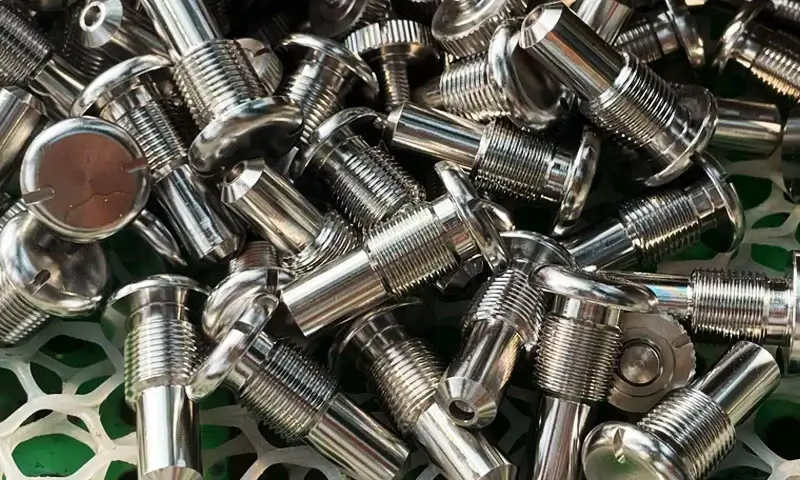
Tool steel is an essential material in modern manufacturing, playing a pivotal role in producing tools that must endure harsh conditions and deliver high precision.
Whether in the automotive, aerospace, electronics, or consumer goods industries,
tool steel’s outstanding hardness, wear resistance, and strength make it indispensable for high-performance applications.
This article provides an in-depth look into the different grades of tool steel, their unique properties, and where they are applied, helping you navigate the complexity of selecting the right steel for your needs.
1. What is Tool Steel?
Tool steel refers to a group of high-carbon steels that are specifically designed to withstand the stresses and wear associated with tool-making applications.
These steels are engineered to perform under extreme conditions, such as high temperatures,
intense pressure, and abrasive wear, making them essential in the production of cutting tools, molds, dies, and other industrial tools.
Tool steels have unique properties that distinguish them from other types of steel,
such as excellent hardness, wear resistance, toughness, and the ability to retain strength at elevated temperatures.
2. Types of Tool Steel
Tool steels are engineered to meet specific needs across industries. Let’s explore the key types:
Water-Hardening Tool Steels (W-type)
- Properties: High carbon content (typically 0.90–1.40%), making them easy to harden by quenching in water.

W1 Tool Steel - Applications: Basic tools such as drills, punches, and reamers.
-
- W1 Steel: Contains 1.00–1.10% carbon, offering high hardness but lower toughness.
- W2 Steel: Slightly higher in carbon (1.10–1.40%), enhancing hardness further at the expense of toughness.
Cold Work Tool Steels
Cold work tool steels are designed for tools that perform at relatively low temperatures. These steels offer excellent hardness and wear resistance, essential for cutting and shaping tools.

- D-type (High Carbon High Chromium)
-
- Characteristics: Known for outstanding wear resistance, typically containing 11–13% chromium.
- Applications: Dies for blanking, forming, and coining, along with shear blades and punches.
- Notable Alloys: D2 Steel (12% chromium) achieves a Rockwell C hardness of 57-62.
- O-type (Oil-Hardening)
-
- Characteristics: These steels harden in oil, offering a balance between wear resistance and toughness.
- Applications: Cutting tools, stamping dies, and forming tools.
- Notable Alloys: O1 Steel (0.90% carbon) provides a hardness of 60-64 HRC after oil quenching.
- A-type (Air-Hardening)
-
- Characteristics: Hardens in air, offering good toughness and dimensional stability.
- Applications: Used in gauges, blanking dies, and forming tools.
- Notable Alloys: A2 Steel (5% chromium) offers high dimensional stability with a hardness of 55-59 HRC.
Shock-Resisting Tool Steels (S-type)
S-type tool steels are engineered to withstand sudden impacts or shock loads, making them ideal for tools that endure heavy-duty cold working.

- Properties: Exceptional toughness, allowing the steel to absorb high impact without cracking.
- Applications: Chisels, punches, rivet sets, and heavy-duty tools.
- Notable Alloy: S7 Steel stands out due to its ability to resist fracturing under impact, boasting toughness ratings of 25-30 ft-lbs.
Hot Work Tool Steels
These steels are formulated to retain hardness and toughness under high temperatures.
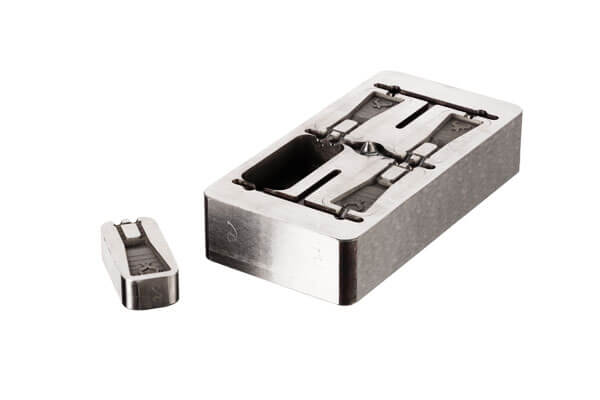
- Properties: They maintain their mechanical properties even at temperatures up to 1200°F (650°C).
- Applications: Die casting, forging dies, and plastic molds.
- Notable Alloys: H13 Steel (5% chromium, 1.5% molybdenum) excels in heat resistance, retaining 90% of its hardness at temperatures of up to 1100°F.
High-Speed Steels (HSS)
High-speed steels are designed for tools that need to operate at high cutting speeds.

- M-type (Molybdenum High-Speed Steels): These steels allow cutting at high speeds without a significant loss in hardness.
M2 Steel (6% tungsten, 5% molybdenum) is a prime example, offering versatility and high hardness (60-65 HRC). - T-type (Tungsten High-Speed Steels): Highly resistant to heat and wear, used for heavy-duty cutting applications.
T1 Steel (18% tungsten) maintains a hardness of over 70 HRC under demanding conditions.
3. Key Properties of Tool Steel
Below, we delve deeper into the key properties of tool steel that make it indispensable in a wide range of industries.
Hardness
One of the most critical properties of tool steel is its hardness. Hardness refers to the material’s resistance to surface indentation and wear.
Tool steels are specifically designed to maintain a sharp cutting edge or form tools capable of withstanding intense wear over extended use.
- High Hardness for Cutting and Shaping: Tool steels like D2 Steel can achieve a hardness range of 57-62 HRC (Rockwell C), ensuring they maintain sharpness even under tough conditions.
- Achieved Through Heat Treatment: Hardness is achieved by quenching the steel in a specific medium (water, oil, or air), followed by tempering to reduce brittleness while maintaining high hardness.
Why It’s Important: Hardness ensures that the tool can maintain its shape and sharpness during use,
reducing the frequency of replacements and increasing the efficiency of operations such as cutting, stamping, and molding.
Toughness
Toughness refers to the ability of tool steel to absorb impact without fracturing.
It is especially important for tools that experience sudden shock loads, like punches, chisels, and heavy-duty tooling equipment.

- Balancing Hardness with Toughness: Hardness alone is not enough; a tough tool steel will resist cracking under high-impact stress.
S7 Steel, for instance, has outstanding toughness, making it resistant to shock and able to withstand heavy-duty tasks without breaking. - Toughness vs. Brittleness: A more brittle steel may fracture when subjected to sudden shocks or high impact,
which is why choosing a balanced alloy like A2 Steel (with its good toughness and hardness) is often essential for tools that face a variety of stresses.
Why It’s Important: Toughness ensures the longevity of tools subjected to frequent impacts or rough handling.
Tools used in industries like construction or mining need to endure high shock loads without cracking.
Wear Resistance
Wear resistance is the ability of tool steel to resist degradation caused by friction and mechanical wear.
This property is critical for tools that work with hard materials or undergo extensive wear, like cutting tools, dies, and molds.
- Carbide Formation: Alloying elements like vanadium, chromium, and tungsten contribute to the formation of hard carbides in the steel, significantly improving its wear resistance.
For instance, D2 Steel (with high chromium content) offers excellent wear resistance, making it ideal for dies and cutting tools. - Minimizing Tool Wear: The more wear-resistant a tool is, the longer it can operate without the need for maintenance or replacement, providing significant cost savings over time.
Why It’s Important: Wear resistance ensures that tools maintain their effectiveness and shape during extensive use, increasing overall efficiency and reducing downtime for tool maintenance.
Heat Resistance
Heat resistance is crucial for tool steels used in high-temperature environments, where tools must maintain their strength and hardness even when exposed to extreme heat.
This is particularly important for hot work tools used in die casting, forging, and other high-heat applications.
- Maintaining Hardness at Elevated Temperatures: Tool steels like H13 are engineered to retain their mechanical properties, such as hardness and strength, even at temperatures up to 1200°F (650°C).
- Thermal Stability: Heat-resistant tool steels can withstand thermal cycling (repeated heating and cooling) without suffering from significant structural changes, which can lead to failure.
Why It’s Important: Heat resistance allows tool steels to function in environments where other materials would lose their strength or degrade, such as metal forging and hot forming.
Machinability
While tool steels are generally designed for high performance under extreme conditions, some grades offer superior machinability,
which is essential for creating complex shapes and components before heat treatment.
- Ease of Shaping: Alloys like O1 Steel (oil-hardening steel) are particularly known for their machinability, allowing for easier cutting and shaping during the manufacturing process.
- Impact on Tooling and Costs: Tool steels with better machinability allow manufacturers to achieve precise designs quickly, lowering machining costs and lead times.
Why It’s Important: Machinability enables efficient manufacturing processes, reducing the time and costs involved in creating tools or components with intricate designs or specifications.
Dimensional Stability
Dimensional stability refers to a steel’s ability to maintain its shape and size under heat and stress, which is critical for precision tools and components.
- Minimizing Warping: Tool steels like A2 (air-hardening steel) are known for their superior dimensional stability.
This is especially valuable in tools and dies that need to maintain tight tolerances. - Thermal Expansion Control: Steel with high dimensional stability resists expansion or contraction due to temperature fluctuations, ensuring consistent tool performance.
Why It’s Important: Dimensional stability ensures that tools and components retain their exact size and shape,
leading to high precision and fewer defects in the final product, particularly in the manufacturing of molds and gauges.
Corrosion Resistance
Although not the primary characteristic of all tool steels, corrosion resistance is critical in specific applications where the tool is exposed to moisture, chemicals, or other corrosive environments.
- Chromium Addition: High-alloy steels like D2 Steel (12% chromium) are particularly resistant to corrosion,
which is why they are used in environments where tools are exposed to humidity or corrosive substances. - Protective Surface Coatings: In some cases, tool steels are coated or treated with anti-corrosion finishes to further enhance their resistance to rust and degradation.
Why It’s Important: Corrosion resistance ensures that tools can operate reliably in environments with high humidity or exposure to chemicals, which extends the lifespan of the tool and reduces maintenance costs.
4. Heat Treatment of Tool Steel
Heat treatment is a crucial process in enhancing the performance and properties of tool steels.
By controlling temperature, time, and cooling methods, heat treatment alters the steel’s microstructure, providing the desired combination of hardness, toughness, and wear resistance.
This section explores the different stages and techniques of heat treatment used to optimize the performance of tool steel.
The Basics of Heat Treatment for Tool Steel
Heat treatment involves a series of controlled heating and cooling steps that change the physical and sometimes chemical properties of tool steel. The main stages typically include:
- Austenitizing: The process of heating the steel to a high temperature, where its microstructure becomes austenitic (a solid solution of carbon in iron).
- Quenching: Rapid cooling to harden the steel, typically done by immersion in a liquid medium (like oil, water, or air).
- Tempering: Reheating the steel to a lower temperature to reduce brittleness and adjust the hardness to the desired level.
Each of these steps is critical for achieving the right balance of properties in the final tool.
Key Heat Treatment Processes
Austenitizing
Austenitizing is the first step in the heat treatment of tool steel, during which the steel is heated to a temperature above its critical point
(the temperature at which the microstructure transforms into austenite, generally between 800°C and 1300°C depending on the steel grade).
- Objective: To dissolve carbon and other alloying elements into a solid solution, creating a uniform structure that can be rapidly cooled to form martensite or other desired phases.
- Temperature Control: The austenitizing temperature must be carefully controlled.
Too high a temperature can lead to grain growth and reduce strength, while too low a temperature may not dissolve enough carbon, affecting the final hardness.
Quenching
Quenching is the rapid cooling of the steel to harden it. The choice of quenching medium—oil, water, air, or gas—depends on the specific grade of tool steel and the desired properties.
- Quenching Media:
-
- Water: Provides the fastest cooling rate, leading to a high hardness, but can induce cracking or distortion in some tool steels.
- Oil: Slower than water, oil reduces the risk of cracking, making it ideal for steels that are prone to thermal stresses, such as D2 Tool Steel.
- Air: Air quenching is used for alloys like A2 Steel (air-hardening steel), which are designed to be hardened in air rather than a liquid medium.
- Objective: The rapid cooling locks the carbon in a distorted structure (martensite), leading to high hardness.
However, this process also increases internal stresses, which can make the steel brittle.
Tempering
After quenching, the tool steel is typically very hard but also brittle.
Tempering is the process of reheating the steel to a lower temperature, typically between 150°C and 650°C, to reduce brittleness and adjust hardness without sacrificing too much strength.

- Objective: To relieve internal stresses induced by quenching and allow a controlled reduction in hardness to improve toughness.
- Effect on Properties: The tempering process allows the carbon trapped in the martensitic structure to precipitate into fine carbides, improving toughness while reducing brittleness.
-
- High-Temperature Tempering (over 500°C): Increases toughness at the cost of some hardness, making it suitable for tools that must endure impact and shock, like S7 Steel.
- Low-Temperature Tempering (under 300°C): Preserves hardness while offering some toughness, ideal for tools that require a sharp edge, such as cutting tools.
Normalizing
Normalizing is another heat treatment process that involves heating the steel to a temperature higher than its critical point and then air cooling it.
While similar to austenitizing, normalizing is typically used for refining the grain structure of the steel.
- Objective: To refine the grain structure and relieve internal stresses that could distort machining. This process is commonly used for steels that have been previously forged or cast.
- Effect on Microstructure: Normalizing results in a more uniform microstructure, improving the steel’s overall performance in further heat treatment processes.
Annealing
Annealing involves heating the steel to a high temperature and then slowly cooling it, typically in a furnace. The purpose of annealing is to soften the steel, making it easier to machine or form.
- Objective: To relieve internal stresses, increase ductility, and refine the microstructure of the steel, making it more suitable for further machining or processing.
- Effect on Properties: Annealing lowers hardness and increases toughness, making it easier to work with in its initial stages.
Special Heat Treatment Techniques
Cryogenic Treatment
Cryogenic treatment involves cooling the steel to extremely low temperatures (typically -196°C using liquid nitrogen). This process is particularly effective after quenching and tempering.
- Objective: To convert retained austenite into martensite and enhance the formation of fine carbides, improving wear resistance, hardness, and dimensional stability.
- Effect on Properties: Cryogenic treatment enhances the wear resistance and longevity of the steel, making it ideal for tools used in high-wear applications, such as cutting or grinding.
Surface Hardening (Case Hardening)
Surface hardening techniques, such as carburizing and nitriding, are used to harden the surface of the tool steel while maintaining a tougher, more ductile core.
- Carburizing: Involves heating the steel in a carbon-rich environment, allowing carbon to diffuse into the surface layer, thereby increasing surface hardness.
- Nitriding: A similar process where nitrogen is introduced to the surface of the steel to form hard nitrides, improving wear and corrosion resistance without the need for quenching.
- Objective: To achieve high surface hardness for tools that experience heavy wear while retaining a tough and ductile interior.
- Effect on Properties: These processes extend the life of tools in applications where the surface is subjected to intense friction or corrosion but where a tough core is needed to absorb shock.
5. Alloying Elements in Tool Steel
The performance of tool steel is significantly influenced by the alloying elements added during its production.
These elements are specifically chosen to enhance the steel’s properties such as hardness, wear resistance, toughness, and heat resistance.
Carbon (C)
Carbon is the primary element in tool steel, and it plays a crucial role in determining the hardness and strength of the steel. The carbon content in tool steel typically ranges from 0.5% to 2.0%.
Effect on Properties:
- Hardness: Higher carbon content leads to increased hardness, as it forms carbides with other alloying elements.
- Wear Resistance: Carbon enhances wear resistance by increasing hardness and forming hard carbides in the steel.
- Toughness: However, too much carbon can make the steel brittle, reducing its toughness. A balanced amount is necessary for optimal performance.
Chromium (Cr)
Chromium is one of the most important alloying elements in tool steel, especially in high-speed steels and cold work tool steels.
It is responsible for increasing hardness, wear resistance, and corrosion resistance.
Effect on Properties:
- Hardenability: Chromium increases the hardenability of tool steel, which means it helps the steel retain its hardness even after being heated and quenched.
- Wear Resistance: It forms strong carbide structures, which contribute to the steel’s wear resistance.
- Corrosion Resistance: Chromium also improves corrosion resistance, especially in tool steels like D2 and M2, making them suitable for use in environments where oxidation is a concern.
- Toughness: While chromium enhances strength, excessive amounts can reduce toughness, especially at high temperatures.
Molybdenum (Mo)
Molybdenum is commonly added to high-speed steels and other tool steels to enhance high-temperature strength and wear resistance.
It also improves the steel’s ability to maintain hardness at elevated temperatures.
Effect on Properties:
- High-Temperature Strength: Molybdenum increases the steel’s resistance to softening at high temperatures, which is crucial for cutting and molding tools exposed to heat.
- Hardenability: It enhances the hardenability of tool steel, ensuring uniform hardness across the steel.
- Carbide Formation: Molybdenum helps in the formation of carbide structures, improving wear resistance.
- Toughness: Unlike some other alloying elements, molybdenum can increase toughness at higher temperatures, making it suitable for tools used in tough, high-stress conditions.
Tungsten (W)
Tungsten is one of the most important alloying elements in high-speed steels. It contributes to the steel’s ability to retain its hardness even at extremely high temperatures.
Effect on Properties:
- Heat Resistance: Tungsten increases the heat resistance of tool steels, allowing them to perform well at elevated temperatures without losing hardness.
- Hardness: It forms hard tungsten carbides, which increase wear resistance and maintain the cutting edge of tools.
- Toughness: While tungsten improves heat resistance, excessive amounts can reduce toughness and make the steel more brittle.
- Carbide Formation: Tungsten forms carbides with carbon, improving wear resistance, especially in applications involving high-speed machining or cutting.
Vanadium (V)
Vanadium is another important alloying element in tool steel, particularly in high-speed steels. It enhances wear resistance and improves the microstructure by refining the grain size.
Effect on Properties:
- Carbide Formation: Vanadium promotes the formation of fine carbides, which improve wear resistance and edge retention in cutting tools.
- Grain Refinement: Vanadium refines the grain structure of tool steel, which enhances toughness and reduces the risk of fracture.
- Strength and Toughness: It increases the overall strength of the steel while also maintaining a good balance of toughness.
- Hardenability: Vanadium improves hardenability, allowing for deeper penetration of hardness during heat treatment.
Nickel (Ni)
Nickel is added to tool steel to improve its toughness, particularly at low temperatures.
It also enhances the steel’s resistance to impact and shock, making it a critical element for tools used in tough, high-impact environments.
Effect on Properties:
- Toughness: Nickel improves toughness, especially at low temperatures, which makes it suitable for tools exposed to sudden shocks or impact.
- Corrosion Resistance: Nickel also adds corrosion resistance, particularly in steels used for manufacturing equipment that must withstand moisture and other corrosive environments.
- Hardenability: Nickel can enhance the hardenability of steel, although it is not as strong an influence on hardenability as chromium or molybdenum.
Cobalt (Co)
Cobalt is commonly used in high-speed steels to improve wear resistance, hardness, and heat resistance.
It is especially useful in tools that are subjected to high-speed cutting or heavy wear conditions.
Silicon (Si)
Silicon is primarily used to improve the steel’s hardness and strength. It is often used in combination with other alloying elements to enhance the steel’s overall performance.
Boron (B)
Boron is sometimes added in small amounts to tool steel to increase hardenability. It is especially useful in steel grades that require deep hardening but where cost is a concern.
Other Elements
Tool steels may also contain trace amounts of other elements like titanium (Ti), manganese (Mn),
and aluminum (Al) to refine the microstructure, improve corrosion resistance, or enhance other specialized properties.
These elements are used in combination with the main alloying elements to achieve the specific characteristics required for different tool applications.
6. Applications of Tool Steel
Tool steel is engineered to meet the demanding requirements of various industrial applications,
particularly in the manufacturing of tools and equipment that undergo heavy stress, high temperatures, and intense wear.
Cutting Tools
One of the most common applications of tool steel is in the production of cutting tools.
Tool steels are widely used in the manufacture of cutting tools due to their excellent hardness, wear resistance, and ability to withstand high temperatures.
Applications:
- Drills: Drilling tools, such as twist drills, reamers, and broaches, require tool steel to maintain sharp edges and withstand the wear that comes with penetrating tough materials.
- End Mills and Cutters: Used for machining a variety of materials, end mills and cutting tools made from high-speed steels
like M2 or M42 can operate at high speeds and temperatures without losing their cutting efficiency. - Saws and Blades: Circular saw blades, band saw blades and other industrial cutting tools are made from tool steel for their hardness and wear resistance,
which are critical for cutting through metal, wood, and composite materials. - Taps and Dies: These are used for threading operations, and tool steels with excellent toughness, like H13 and S7, are preferred to maintain durability and precision under stress.
Forming Tools (Molds and Dies)
Tool steels are extensively used in the manufacturing of dies and molds for shaping, forming, or stamping metal parts.
These tools must withstand high pressures, temperatures, and abrasive wear over long production runs.
Applications:
- Injection Molds: Tool steels, such as P20 and H13, are used for injection molding plastic, rubber, and metal parts.
They need to maintain dimensional accuracy and resist wear during repeated cycles. - Die Casting Dies: High-performance tool steels like H13 and A2 are used in die casting, where molten metals are forced into molds.
These dies must withstand thermal cycling and high-stress conditions without cracking or losing shape. - Stamping Dies: In sheet metal stamping, tool steels such as D2 and A2 provide the necessary wear resistance and toughness to form parts like automotive components, electronic housings, and more.
- Forging Dies: Tool steels like H13 are also used for forging dies in the manufacturing of hot-formed parts like automotive and aerospace components.
Cold Work Tools
Cold work tools are used in applications where the material being processed is at room temperature or only slightly heated.
These tools require exceptional hardness and wear resistance to handle the stresses of cutting, shearing, and shaping cold metals.
Applications:
- Shear Blades: Used in the cutting and shearing of metal sheets and bars, cold work tool steels such as D2 and O1 are selected for their ability to resist edge wear.
- Punches and Dies: Cold work punches, used in processes such as punching, blanking, and perforating, rely on tool steels like A2 or D2 to maintain sharp edges and ensure long tool life.
- Cold Stamping Tools: Tools used in the production of cold-formed parts, such as washers and bolts, are often made from cold work tool steels to resist wear and retain their shape under pressure.
- Cutting and Bending Tools: Various cutting and bending tools for cold-forming operations use tool steels for their durability and strength under cold, high-stress conditions.
Hot Work Tools
Hot work tools are employed in applications where metal is heated to high temperatures during manufacturing processes.
These tools must not only be hard and wear-resistant but also maintain their strength and toughness at elevated temperatures.
Applications:
- Hot Forging Dies: Used in processes such as forging steel parts,
hot work tool steels like H13 and H21 are crucial for maintaining their shape and resisting thermal cracking during the forging of hot metals. - Extrusion Dies: In the extrusion of aluminum, steel, and other metals, tool steels that can withstand high temperatures without warping or cracking are necessary.
H13 is commonly used for this purpose. - Rolling Mill Rolls: Hot work steels are used to make rolls for steel mills and aluminum rolling mills.
These rolls must endure high pressures and temperatures while providing accurate dimensions for the finished product. - Hot Stamping Dies: Used in the production of parts in the automotive and aerospace industries,
hot stamping dies require tool steels with high toughness and wear resistance at elevated temperatures.
Aerospace and Automotive Applications
Tool steel plays a pivotal role in the aerospace and automotive industries, where precision, reliability, and high performance are essential.
Applications:
- Engine Components: Tool steels are used in the production of engine components like turbine blades, valve seats, and gears,
where high strength and resistance to high temperatures are required. - Cutting and Machining Parts: In the automotive and aerospace industries, high-speed steels like M2 or M42 are used to manufacture cutting tools that can process hard metals with precision.
- Molds for Automotive Parts: Injection molds for producing plastic and composite automotive parts,
such as dashboards and bumpers, are often made from tool steels to ensure high dimensional accuracy and long-term use.
Medical Tools and Devices
Tool steels are increasingly used in the medical industry, particularly for instruments that require high precision, strength, and wear resistance.
Applications:
- Surgical Instruments: Tool steels like O1 or D2 are used in the production of surgical blades, scalpels, and forceps.
These tools must maintain sharp edges and resist corrosion and wear during use. - Dental Instruments: Dental drills, scalers, and other tools are made from tool steel for their precision and durability.
- Implants and Prosthetics: Tool steels are also used in the production of implants and prosthetic devices due to their excellent strength-to-weight ratio and biocompatibility.
Other Specialized Applications
Tool steel also finds applications in a range of specialized industries, such as mining, energy,
and defense, where it is used to make equipment and tools designed to withstand extreme conditions.
Applications:
- Mining Tools: Tool steels are used for manufacturing mining equipment such as rock drills, crushers, and excavators. These tools must endure significant wear and impact forces.
- Energy Industry Tools: In the energy sector, particularly in oil and gas extraction, tool steels are used for downhole tools,
drilling bits, and other equipment exposed to high pressure and temperature conditions. - Military Equipment: Tool steels are used to make high-performance equipment, such as firearm parts, armor-piercing ammunition, and military-grade machinery.
7. Conclusion
Tool steel remains a cornerstone in modern manufacturing due to its exceptional combination of hardness, toughness, and heat resistance.
Whether you’re working with cutting tools, molds, or dies, selecting the appropriate tool steel grade is crucial for optimizing performance and ensuring the longevity of your tools.
By understanding the different types of tool steels and their unique properties, you can make an informed decision that maximizes the efficiency and durability of your tooling operations.
If you’re looking for high-quality custom tool steel products, choosing LangHe is the perfect decision for your manufacturing needs.