1. 介绍
数控加工 不锈钢是现代制造业的基础能力,因为不锈钢兼具耐腐蚀性能, 力量, CNC 工艺可提供几何精度,使用寿命长.
不锈钢的典型 CNC 操作包括铣削, 转动, 钻孔, 和线程, 加工结果在很大程度上取决于加工的材质和加热方式, 芯片形成, 和刀具磨损得到管理.
同时, 不锈钢不是单一材料. 它是一类合金,其加工行为在奥氏体合金中差异很大, 铁素体, 马氏体, 和双工成绩.
实际上, 这意味着“加工不锈钢”实际上是一个工艺设计问题: 合金, 工具, 冷却液策略, 并且切割条件都需要精心搭配.
2. 为什么不锈钢对机械加工要求很高
加工不锈钢的难度来自于材料在应力和热量下的表现方式.
当切削刃接触工件时, 不锈钢往往会抵抗变形,然后在接触区域迅速硬化.
如果工具摩擦而不是干净地切割, 在下一次扫描开始之前,表面可能会变得更硬.
这会产生复合效应: 更多的力量, 更多热量, 更多磨损, 表面光洁度不佳的风险更大.
炎热是另一个重大挑战. 不锈钢不像许多其他金属那样容易导热, 如此多的热负荷仍然集中在切削刃上.
工具, 不是芯片, 吸收大部分能量. 这会缩短刀具寿命并增加边缘故障的风险, 切削区域的堆积材料, 和长距离运行时的尺寸漂移.
切屑控制同样重要. 不锈钢通常形成长形, 坚韧的切屑会缠绕在刀具上, 堵塞工作区域, 或干扰表面质量.
在精密工作中, 芯片行为不是事后的想法; 它是加工策略的核心部分.
3. 常见不锈钢族及其加工特性
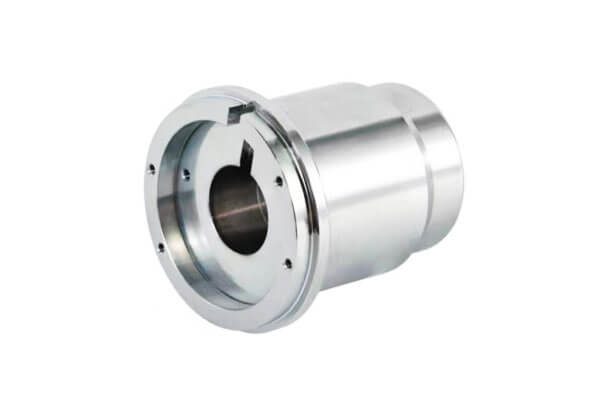
不锈钢 不是单一的加工材料,而是具有明显不同切削行为的广泛合金系列.
在数控生产中, 最重要的分类是按冶金结构分类, 因为结构强烈影响切屑形成, 工作硬化, 热流, 工具穿, 和可达到的表面光洁度.
奥氏体不锈钢
代表成绩:
304, 304l, 316, 316l, 321, 310s, 和自由加工变体,例如 303.
加工特点:
奥氏体不锈钢是应用最广泛的不锈钢系列,也是加工要求最高的不锈钢系列之一.
其显着特征是强应变硬化: 当工具进行摩擦而非切割时,表面会迅速硬化.
这意味着光, 犹豫不决的削减往往会适得其反.
该材料还具有相对较低的导热率, 因此热量集中在切削刃附近,而不是被切屑有效带走.
实践, 奥氏体材质往往会产生长, 坚韧的切屑和更高的切削力.
热量通常会加速刀具磨损, 边缘堆积, 和加工硬化表面层.
奥氏体钢种中, 316 和316L一般都比较难 304 因为添加的钼提高了耐腐蚀性,同时也提高了耐加工性.
年级 303 是一个值得注意的例外,因为添加硫可以提高机械加工性, 使其比标准产品更加适合生产 304 或者 316.
典型的加工影响:
锋利的工具, 稳定的工件夹持, 受控芯片负载, 有效的冷却剂输送至关重要.
奥氏体不锈钢奖励自信的切割; 啮合不良通常会导致加工硬化和刀具寿命迅速缩短.
铁素体不锈钢
代表成绩:
409, 410s, 430, 434, 444.
加工特点:
铁素体不锈钢通常比奥氏体不锈钢更容易加工. 它们通常表现出较少的加工硬化, 他们的芯片行为通常更易于管理.
对于很多商店来说, 铁素体不锈钢感觉更接近碳钢,而不是要求更高的奥氏体系列, 尽管它仍然需要适当的不锈钢加工纪律.
这些材质通常会产生较低的切削力,并可提供更宽的工艺窗口.
表面光洁度通常更容易控制, 与奥氏体或双相加工相比,刀具磨损通常不太严重.
然而, 性能仍因牌号和热处理条件而异. 较高合金铁素体材质仍可能表现出很大的阻力,需要仔细选择工具.
典型的加工影响:
当需要耐腐蚀性但必须保持合理的机械加工性时,铁素体不锈钢是一个不错的选择.
它们通常比奥氏体钢种具有更高的生产率, 尤其是在车削和钻孔操作中.
马氏体不锈钢
代表成绩:
410, 416, 420, 431, 440一个, 440c.
加工特点:
考虑强度时选用马氏体不锈钢, 硬度, 耐磨性比最大耐腐蚀性更重要.
它们的加工行为在很大程度上取决于条件.
退火状态, 他们可能加工得相对较好; 处于硬化状态, 它们变得更加困难,并且通常需要刚性设置和耐磨工具.
因为这些牌号可以热处理至高硬度, 它们通常在软化状态下进行加工,然后再进行硬化.
该策略提高了工艺效率并降低了工具成本.
硬化状态下, 切削力上升, 边缘磨损变得更加严重, 如果工艺不仔细优化,刀具寿命可能会急剧下降.
典型的加工影响:
马氏体不锈钢通常最好通过“机器软处理”来处理, 稍后硬化”工作流程.
当热处理后加工不可避免时, 操作需要坚固的夹具, 稳定的刀具路径, 和专为硬质材料设计的工具.
双工不锈钢
代表成绩:
2205, 2304, 2507, 以及相关的双相或超级双相钢种.
加工特点:
双相不锈钢结合了奥氏体和铁素体结构, 这赋予了它们出色的强度和出色的耐腐蚀性, 特别是在富含氯化物或腐蚀性环境中.
然而, 这些相同的优点使它们比传统不锈钢更具加工挑战性.
双相材质通常会产生高切削力, 明显的缺口磨损, 以及更苛刻的切屑控制.
它们的高强度意味着刀具在每次切割过程中必须做更多的机械工作, 而它们的耐腐蚀化学成分通常有助于提高切削区域的韧性和热量集中.
因此,工艺窗口比铁素体或快削材质更窄.
典型的加工影响:
双相不锈钢受益于刚性工件夹具, 受控进入, 适当的饲喂策略, 以及避免摩擦或间歇性边缘负载的切削条件.
当服务性能至关重要时,它是一个强有力的候选者, 但这并不是机械车间最宽容的家庭.
易切削不锈钢
代表成绩:
303, 416, 430f, 420f, 430F 变种.
加工特点:
易切削不锈钢专为提高生产效率而设计.
它们通常含有硫, 硒, 或其他可改善断屑并降低切削阻力的添加物. 因此, 它们比标准同类产品更容易加工.
这些牌号在大批量生产中特别有价值, 其中循环时间, 工具寿命, 和切屑控制对成本有直接影响.
代价是机械加工性的提高通常会导致耐腐蚀性的一些降低, 韧性, 可焊性, 或与更清洁的标准等级相比的成型性.
由于这个原因, 当应用程序能够容忍这些妥协时,最好使用它们.
典型的加工影响:
当生产效率很重要并且零件几何形状适合具有改善的切屑行为的不锈钢牌号时,易加工牌号是理想的选择.
它们通常被选择用于车削零件, 配件, 紧固件, 以及需要大批量输出的组件.
4. 不锈钢数控加工的核心技术挑战
工作硬化
加工不锈钢最显着的困难之一是它的倾向 努力工作.
当切削刀具不能干净地去除材料时, 表层发生塑性变形并变得比基材更硬.
该硬化层可以抵抗下一次切削, 增加切削力并加速刀具磨损.
这种现象在精加工操作中尤其成问题, 轻切削深度走刀, 和断断续续的剪辑.
实际上, 较弱的切割可能会使下一次切割比第一次更困难. 为此原因, 不锈钢加工奖励果断的参与而不是犹豫的摩擦.
低导热率
不锈钢不能有效散热. 在CNC加工期间, 这意味着大部分切削热仍然集中在刀尖和工作表面附近,而不是被切屑带走.
结果是工具温度更高, 更快的边缘退化, 长周期中尺寸漂移的风险更大.
热集中不仅仅是刀具寿命问题. 它还影响表面完整性, 芯片行为, 和工艺稳定性.
在碳钢上表现良好的机器设置在不锈钢上可能会变得不稳定,原因很简单,因为热量无法足够快地逸出.
高切削力
与普通结构钢相比,不锈钢通常需要更大的加工力.
其韧性和应变硬化倾向增加了对切屑形成的抵抗力, 特别是在神经和双工成绩中.
切削力越大,机床主轴的负载就越大, 固定装置, 插入, 和刀柄.
如果设置缺乏刚性, 系统开始偏转. 这种偏转会产生颤动, 表面效果不佳, 和几何误差.
在不锈钢加工中, 刀具路径质量很重要, 但机械刚度同样重要.
刀具磨损和刃口失效
与许多其他金属相比,不锈钢的刀具磨损通常更快且更不易磨损.
常见的磨损模式包括后刀面磨损, 缺口磨损, 边缘碎裂, 积屑瘤形成, 和切削刃的热软化.
一旦开始磨损, 切削性能可能会迅速而不是逐渐恶化.
这就是为什么不锈钢加工不仅需要耐用的工具, 但也有严格的监督.
对于粗加工来说可以接受的刀具对于关键的精加工来说可能已经太磨损了. 该过程必须围绕边缘条件进行组织, 不仅仅是主轴时间.
切屑控制问题
不锈钢经常生产长, 弦乐, 或碎屑不良.
这些芯片可能会干扰工具, 环绕旋转部件, 损坏表面, 或使自动化生产变得复杂.
在深孔钻削中, 转动, 和开槽, 排屑成为主要的生产问题.
切屑控制不良也会造成二次质量问题. 重新切入表面的切屑会留下划痕, 局部供暖, 或毛刺.
为此原因, 切屑控制是质量控制的一部分, 不仅仅是家政服务.
表面完整性风险
如果不锈钢部件的表面完整性受到损害,则其可能满足尺寸公差,但仍然不适合使用.
毛刺, 涂抹材料, 嵌入式芯片, 局部硬化, 热变色都会降低耐腐蚀性或密封性能.
这在医学上尤其重要, 食物, 海洋, 和化学应用. 在这些领域, 最终的表面状况通常决定零件是否真正可用.
5. 提高机械加工性能的工艺策略
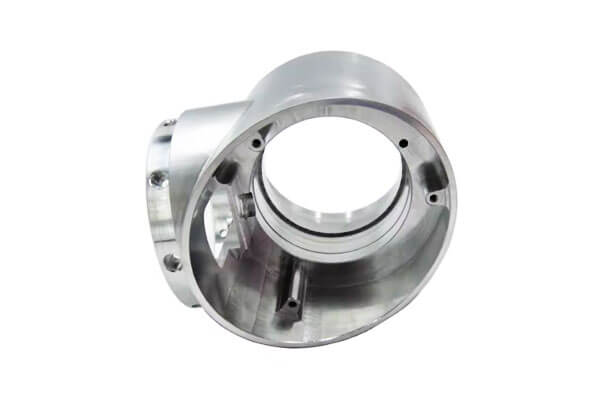
选择正确的不锈钢牌号
最有效的可加工性改进始于切割开始之前: 材料选择. 不同的不锈钢系列在 CNC 操作中的表现截然不同.
如果零件不需要尽可能高的耐腐蚀性或机械强度, 更易于加工的材质可以显着提高生产效率.
在某些应用中, 易切削不锈钢在耐腐蚀性和可制造性之间提供了实用的折衷方案.
应始终根据实际使用环境选择等级, 不是出于习惯或方便.
优先考虑清洁切割, 不宜轻柔摩擦
不锈钢机械加工通常应以制造 清洁剪 而不是轻轻擦拭.
太浅或太保守的切割可能只会使表面变硬,并使下一道工序变得更加困难.
这就是为什么不锈钢通常具有稳定的性能更好的原因, 自信的参与.
良好控制的切割可有效去除金属, 限制加工硬化, 并减少热量积聚.
在实际加工方面, 该工艺应设计为能够切穿材料, 不要意外地打磨它.
保持严格的设置
刚性至关重要. 不锈钢会因任何振动而惩罚薄弱的设置, 刀具偏转, 或夹具运动迅速转化为热量, 穿, 和尺寸误差.
机床, 工件夹持系统, 刀架, 刀具的几何形状必须足够稳定以承受更高的载荷.
应尽可能减少刀具悬伸, 夹紧应支撑靠近切削区域的零件.
严格的设置并非精益求精; 这是可靠的不锈钢加工的先决条件.
作为一个系统控制切削参数
切割速度, 饲料率, 切割深度, 和进入策略应该一起调整而不是单独调整. 不锈钢加工对参数平衡高度敏感.
速度太低会促进摩擦和加工硬化, 而进给量太低会产生薄弱的切屑和较差的表面状况.
最好的参数集是创建稳定芯片的参数集, 可接受的温度, 和足够长的刀具寿命使工艺经济.
不锈钢很少有单一的通用设置. 正确的值取决于等级, 工具类型, 零件几何, 和冷却策略.
使用适当的刀具几何形状
刀具几何形状对切削加工性起着决定性作用. 不锈钢通常受益于锋利的边缘, 适当时正前角, 和支持干净疏散的断屑功能.
边缘质量很重要,因为钝的或支撑不良的边缘往往会摩擦而不是切割.
适用于较硬的不锈钢材质或断续切削, 边缘力量可能比攻击性更重要.
因此,几何形状应与操作相匹配: 粗加工, 精加工, 钻孔, 开槽, 或螺纹各需要不同的锐度平衡, 力量, 和切屑控制.
使用有效的冷却剂管理热量
在许多不锈钢作业中,冷却液不是可选的. 其作用是去除切削区域的热量, 减少摩擦, 稳定边缘, 并帮助将切屑从刀具上冲走.
在高性能不锈钢加工中, 冷却剂输送方法与冷却剂类型一样重要.
洪水冷却液, 定向冷却剂, 或内部贯穿刀具冷却液可能都有用,具体取决于操作.
基本目标是控制切割区域. 如果允许热量集中在边缘, 刀具寿命和表面质量都会受到影响.
通过更好的规划减少二次操作
精心规划的不锈钢加工工艺可最大限度地减少重新夹紧, 不必要的工具更换, 和反复切削硬化表面.
每一个额外的处理步骤都会增加出错的机会, 污染, 或位置精度损失.
可能, 应按照保持基准完整性并避免关键特征不必要的中断的顺序加工零件.
良好的工艺规划通常是仅可机加工的不锈钢零件与生产持续盈利的不锈钢零件之间的区别.
监控工具磨损和表面状况
因为不锈钢会使工具很快劣化, 应将刀具磨损监控纳入流程中.
目视检查, 维度检查, 和表面质量审查都很重要. 等到工具完全失效通常会导致报废或返工.
对于关键部件, 应检查最终表面是否有毛刺, 变色, 粗糙度, 以及任何局部加工硬化的迹象.
在不锈钢加工中, 预防性而非纠正性的质量保证才是最有效的.
6. 工具, 冷却液, 和切割策略
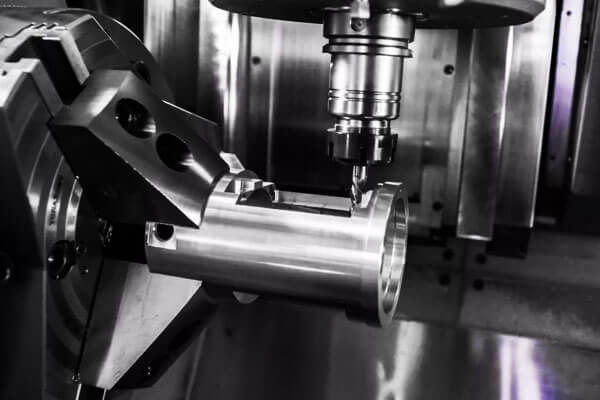
不锈钢的工具要求
刀具选择是不锈钢加工最决定性的因素之一.
与较软的金属不同, 不锈钢不能容忍薄弱的切削刃, 排屑不良, 或不稳定的刀具几何形状.
工具在高温下必须保持锋利, 抵抗边缘变形, 并在整个操作过程中保持稳定的切割轮廓.
为此原因, 不锈钢工具应同时选择 边缘强度 和 切割效率 铭记于心.
非常锋利的工具可以干净地切割, 但如果边缘太脆弱,则可能会在断续切削或硬质材料中过早碎裂.
反过来, 几何形状较差的坚固边缘会产生过多的热量和摩擦.
最佳解决方案是平衡的工具设计,支持决定性剪切,同时保持结构完整性.
刀片和刀具的几何形状还应反映操作类型. 粗加工刀具需要排屑和韧性, 而精加工刀具需要边缘精度和稳定性.
钻孔, 铣削, 转动, 线程, 和切槽都会产生不同的热和机械条件, 因此,单个通用工具很少能在所有操作中提供最佳结果.
边缘锋利度和耐磨性的重要性
在不锈钢加工中, 边缘清晰度不仅仅是一个最终问题; 它是一个生产率变量.
钝边会促进摩擦, 摩擦促进加工硬化, 热量积累, 和过早磨损.
一旦表层硬化, 下一次工具接合变得更加困难, 创建负反馈循环.
同时, 不锈钢的磨蚀性足以使边缘快速磨损, 尤其是合金或双相钢.
因此,刀具必须保持其切削几何形状足够长的时间才能完成操作,而表面质量不会急剧下降.
这就是为什么工具磨损监测在不锈钢生产中如此重要: 工具的使用寿命通常在视觉故障变得明显之前就结束了.
冷却剂作为热和过程控制工具
不锈钢加工中的冷却液应被理解为一种过程控制机制, 不仅仅是润滑助剂.
其主要功能是减少切削区域的热量, 有助于防止边缘粘连, 改善排屑, 并稳定工具和工件的温度.
因为不锈钢会在切削刃附近保留热量, 冷却液在长时间切削中变得尤为重要, 钻井作业, 深腔, 和精加工路径.
如果冷却液输送较弱或方向不佳, 热量保持集中, 刀具磨损加速, 尺寸稳定性可能会受到影响.
在许多情况下, 冷却液如何到达切削区域比冷却液本身更重要.
瞄准良好的冷却液流可以冲走切屑并在刀具和工件之间保持更稳定的界面.
内部冷却液输送在深孔钻削和高深宽比特征中通常特别有价值, 排屑困难且发热严重的地方.
干式加工与. 湿法加工
干式加工在某些不锈钢应用中非常有效, 但对于要求严格的生产来说,它很少是最安全的默认选择.
不带冷却液, 不锈钢会产生过多的热量, 特别是在涉及连续接触或有限排屑的操作中.
热负荷可能会缩短刀具寿命并损害表面完整性.
湿式加工, 相比之下, 通常提供更好的热控制和排屑.
这通常是转向的首选策略, 钻孔, 和铣削不锈钢时刀具寿命, 表面饰面, 和流程的一致性很重要.
在一些高度专业化的情况下, 最小量润滑或其他受控润滑策略可能是合适的, 但该工艺仍必须确保热量和切屑流保持在控制之下.
切割策略: 干净地去除材料
最有效的不锈钢切割策略是促进干净的剪切而不是摩擦或刮擦动作.
不锈钢奖励稳定的切屑负载并惩罚犹豫.
掠过表面的光路可能看起来很保守, 但如果没有完全去除硬化层,可能会使下一步操作变得更加困难.
为此原因, 削减策略的设计应保持参与度. 刀具路径稳定性, 一致的切削深度, 正确的入口和出口几何形状都很重要.
接合的突然变化会增加冲击载荷并导致边缘失效, 特别是在硬化或双相钢种中.
粗加工和精加工应区别对待
精加工和粗加工不应采用相同的逻辑. 粗加工的目的是高效切削, 热稳定性, 和切屑控制.
精加工关乎尺寸精度, 表面质量, 并在最后一道工序中保持干净的切削条件.
在精加工操作中, 如果速度过度降低会导致摩擦,则会适得其反.
目标不仅仅是“放慢速度”,” 但要足够精确地切割,以便在没有加工硬化或边缘颤动的情况下产生最终表面.
实践, 精加工不锈钢通常比粗加工需要更多的纪律,因为最后的刀具路径是赢得或失去表面完整性的关键.
7. 表面完整性和质量控制
表面完整性不仅仅是粗糙度
在不锈钢加工中, 表面完整性不限于 Ra 值或视觉外观.
如果加工表面包含毛刺,零件可能测量正确但性能仍然不佳, 微泪, 涂抹金属, 残余应力, 或硬化的皮肤层.
这些问题会影响耐腐蚀性, 疲劳生活, 密封性能, 和卫生.
这对于医疗用不锈钢部件尤其重要, 食物, 海洋, 和化学环境.
在那些应用中, 表面是功能设计的一部分, 不是事后的想法.
常见的表面缺陷
不锈钢加工中特别常见的几种缺陷. 毛刺 经常出现在洞口处, 边缘, 和相交特征.
它们会阻碍流动, 干扰装配, 或制造污染陷阱. 工具痕迹 如果切割不稳定,可能会残留在密封面或可见表面上.
涂抹材质 当工具摩擦而不是切割时可能会发生, 留下视觉上光滑但冶金性能受损的表面.
另一个问题是形成一个 加工硬化表面层.
这可能并不总是可见, 但它会降低后续操作中的机械加工性并可能影响腐蚀行为.
在关键应用中, 这种隐藏的损害往往比简单的外观缺陷更严重.
尺寸稳定性和测量
不锈钢加工的质量控制从尺寸控制开始, 但它不应该就此结束.
由于热膨胀,不锈钢零件在加工过程中可能会略有变化, 工具穿, 和工件从夹紧应力中释放都会影响最终的几何形状.
适用于薄壁或细长部件, 这种影响可能是显着的.
应在流程的正确阶段检查关键尺寸, 不仅在最后. 过程中测量有助于在零件完成之前检测漂移.
对于具有严格公差的零件, 数据一致性至关重要; 应尽量减少重复夹紧,因为每次复位都会带来位置风险.
去毛刺和边缘修整
去毛刺是许多不锈钢零件必要的精加工步骤. 小毛刺可能看起来微不足道, 但在精密应用中它们可能会产生严重的问题.
在螺纹零件中, 毛刺会损坏组件. 流体处理组件, 它们会扰乱流动或中断进入系统. 在卫生应用中, 它们会滞留碎片并使清洁变得复杂.
边缘调节对于内部通道尤其重要, 孔, 和相交特征. 精加工的边缘可提高性能和安全性.
在某些部分, 轻微的边缘断裂还可以减少应力集中并改善疲劳行为.
清洗和钝化
加工后, 不锈钢零件通常受益于清洁和, 在适当的情况下, 钝化.
机械加工可能会留下切屑, 切削液, 工具中的铁污染, 以及其他损害表面状况的残留物.
清洁去除松散的污染物, 而钝化有助于恢复不锈钢表面的保护性能.
当零件在腐蚀性环境中运行时,此步骤尤其重要, 湿的, 或卫生环境.
如果表面因制造而受到污染,即使是高质量的机加工部件也可能表现不佳.
因此,表面保护是加工质量的延续, 不是一个单独的问题.
检查策略
有效的检查应该从多个角度观察零件. 尺寸精度验证几何形状.
表面粗糙度确认光洁度质量. 目视检查发现毛刺, 工具痕迹, 和变色.
功能检查确认密封面, 线程, 孔, 和配合面的行为符合预期.
对于关键的不锈钢部件, 检查还应考虑零件是否因热或过大的切削力而损坏.
在要求苛刻的应用中, 零件的表面状况对其使用寿命的影响与其标称尺寸一样大.
质量控制作为一个过程, 不是最终检查
最可靠的质量控制系统不会等到最后才发现问题.
他们通过监控工具磨损来提高流程质量, 控制冷却剂输送, 防止闲聊, 并保持夹具稳定性.
需要进行最终检查, 但它不应该是防止过程不稳定的主要防御措施.
在不锈钢加工中, 良好的质量控制意味着更少的意外, 减少返工, 和更一致的产品.
最好的零件不是仅通过检查就能制造出来的; 它们的制造工艺足够稳定,可以首先产生良好的表面.
8. CNC加工不锈钢零件的应用
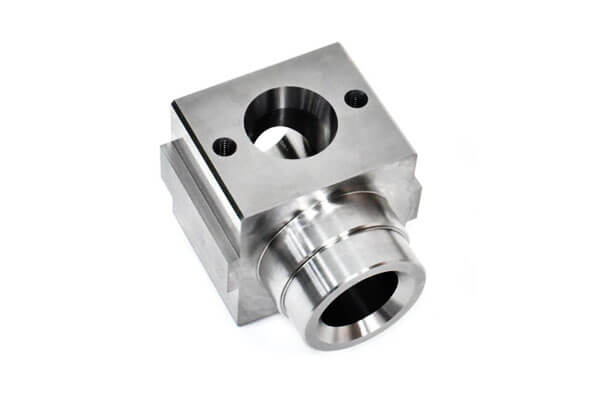
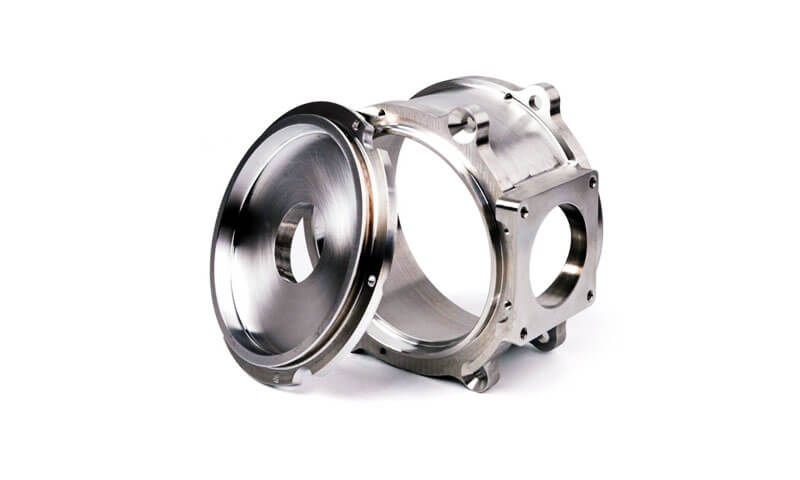
CNC加工不锈钢广泛应用于精度和耐腐蚀性必须共存的地方.
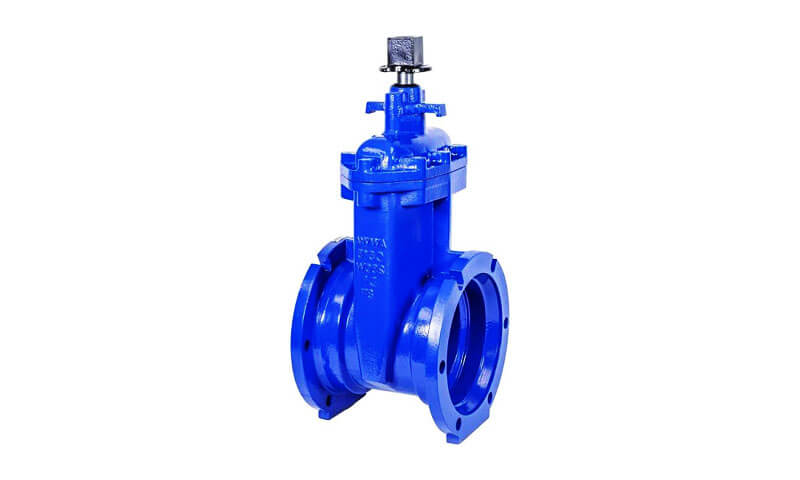
它出现在阀门中, 泵, 配件, 医疗器械, 食品加工零件, 海洋组成部分, 化学设备, 仪器仪表硬件, 和暴露于潮湿或腐蚀性介质的结构元件.
医疗领域, 不锈钢对于手术器械仍然很有价值, 设备外壳, 以及必须平衡清洁度和耐用性的精密部件.
在食品和饮料行业, 不锈钢对于卫生表面至关重要, 卫生配件, 以及能够承受反复清洁的部件.
在海洋和化学环境中, 材料的耐腐蚀性成为决定性的优势.
9. CNC加工与. 精密铸造不锈钢
| 比较方面 | CNC加工不锈钢 | 精密铸造 不锈钢 |
| 制造原理 | 通过切割从锻坯中去除材料, 钻孔, 铣削, 或转动. | 将熔融不锈钢倒入陶瓷模具中形成近净形零件. |
| 维度的准确性 | 很高; 严格公差的理想选择, 精密钻孔, 线程, 和密封面. | 良好, 但最终的关键尺寸通常需要二次加工. |
| 表面饰面 | 出色的, 特别是在功能表面和精密接口上. | 铸态表面通常较粗糙,可能需要精加工. |
| 几何自由度 | 最适合工具可访问的形状和相对开放的几何形状. | 更适合复杂的外部形状, 综合形式, 和近净形零件. |
| 内部复杂性 | 受工具访问限制, 刀具长度, 和排屑. | 复杂型腔的强大优势, 弯曲的段落, 和集成流路. |
材质结构 |
采用致密的锻造不锈钢, 连续晶粒结构. | 使用铸造不锈钢; 性能在很大程度上取决于铸件质量和凝固控制. |
| 机械一致性 | 通常非常稳定且可预测. | 良好, 但对孔隙率更敏感, 收缩, 和铸造缺陷. |
| 物质利用 | 降低, 特别是对于复杂的零件; 更多废料作为碎片. | 更高, 因为零件的成型接近最终形状. |
| 原型的交货时间 | 快速地; 无需模具. | 慢点; 首先需要工具和流程设置. |
| 批量生产的交货时间 | 对于中小批量和简单零件非常有效. | 对于中到大批量有效, 特别是对于复杂的零件. |
工具成本 |
标准 CNC 生产低或无. | 由于模型和模具准备,前期成本较高. |
| 单位成本趋势 | 最适合小体积的, 精准驱动, 或经常改变设计. | 最适合稳定的设计和更复杂的大规模零件. |
| 典型缺陷 / 风险 | 毛刺, 工具痕迹, 工作硬化, 夹紧偏差. | 孔隙率, 收缩, 包含, 尺寸收缩率. |
| 后处理 | 通常仅限于去毛刺, 打扫, 和表面饰面. | 经常需要去毛刺, 热处理, 和本地 CNC 精加工. |
最适合 |
精密配件, 医疗零件, 密封组件, 螺纹零件, 原型. | 泵主体, 阀体, 喷嘴体, 复杂的流体控制部件, 结构铸件. |
| 综合实力 | 卓越的精度, 结束, 和灵活性. | 卓越的复杂性处理和材料效率. |
| 总体限制 | 对于高度复杂的形状来说不太经济. | 未经二次加工精度较低. |
10. 结论
CNC 加工不锈钢是一项技术要求很高但回报很高的过程.
材料的强度, 耐腐蚀性, 和使用寿命使其在现代工程中不可或缺, 而其加工硬化行为, 热量集中, 和刀具磨损特性需要严格的加工方法.
最成功的结果来自于将成绩与申请相匹配, 保持严格的过程控制, 选择合适的工具, 并将热管理视为中心设计变量.
当这些原则得到正确应用时, 不锈钢可以加工成精密的, 耐用的, 以及在各行业中可靠运行的高价值组件.
朗合数控加工不锈钢服务
Langhe行业 提供专为要求严苛的工业应用量身定制的高精度数控加工不锈钢服务.
具有强大的铣削能力, 转动, 钻孔, 线程, 和定制整理, 狼河 可以生产具有严格公差的不锈钢部件, 质量稳定, 和出色的表面完整性.
从快速原型到小批量、大规模生产, 该服务旨在支持复杂的几何形状, 耐腐蚀性能, 以及各种不锈钢牌号的可靠重复性.