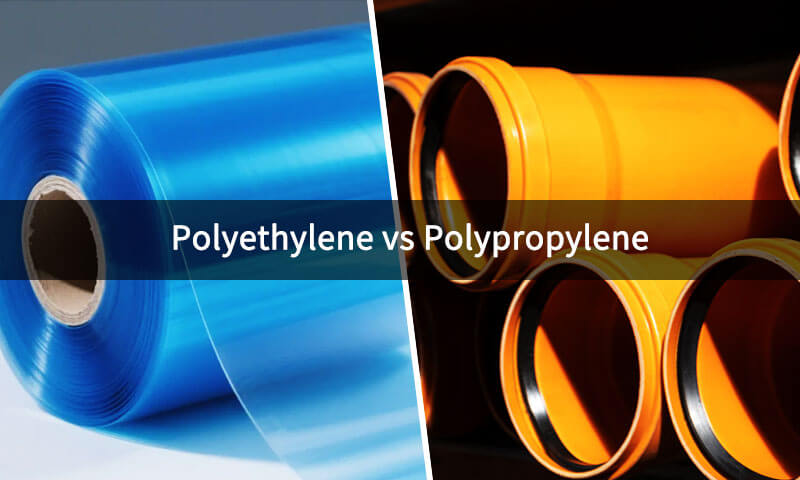
Polyetylen (Thể dục) và polypropylen (PP) là hai loại nhựa nhiệt dẻo hàng hóa được sản xuất rộng rãi nhất trên thế giới, cùng nhau chiếm hơn 50% sản lượng nhựa toàn cầu.
Họ thống trị bao bì, Ô tô, sự thi công, thuộc về y học, và ứng dụng hàng tiêu dùng.
Mặc dù có những điểm tương đồng - cả hai đều là polyolefin dẻo nhiệt có nguồn gốc từ nguyên liệu hydrocarbon - nhưng chúng có những đặc tính khác biệt rõ rệt khiến loại này phù hợp hơn loại kia cho các ứng dụng cụ thể.
Việc lựa chọn giữa PE và PP đòi hỏi sự hiểu biết sâu sắc về cách các cấu trúc hóa học này chi phối hiệu suất trong kỹ thuật, Bao bì, và chế biến công nghiệp.
1. Polyetylen là gì?
Polyetylen (Thể dục) là một loại polymer nhiệt dẻo được tạo ra thông qua quá trình trùng hợp các monome ethylene.
Nó là một trong những họ polyme được sử dụng rộng rãi nhất vì cấu trúc phân tử của nó có thể được sửa đổi để tạo ra các vật liệu từ màng có độ dẻo cao đến màng cứng., thành phần kỹ thuật cường độ cao.
Các tính chất của polyetylen bị ảnh hưởng mạnh mẽ bởi trọng lượng phân tử, phân nhánh chuỗi, kết tinh, Tỉ trọng, và điều kiện xử lý.
Tăng độ tuyến tính và độ kết tinh phân tử thường cải thiện độ cứng, sức mạnh, kháng hóa chất, và sự ổn định kích thước, trong khi phân nhánh cao hơn có xu hướng tăng tính linh hoạt và giảm mật độ.
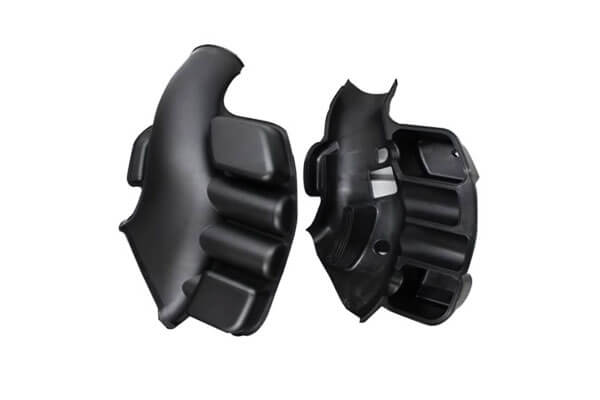
Không giống như nhiều loại nhựa kỹ thuật, PE có khả năng hấp thụ độ ẩm rất thấp và khả năng chống lại nhiều loại hóa chất tuyệt vời.
Nó cũng nhẹ và tương đối dễ xử lý, làm cho nó trở nên hấp dẫn đối với cả sản phẩm khối lượng lớn và các thành phần công nghiệp chuyên dụng.
| Tài sản | Chi tiết |
| Tên hóa học | Polyetylen |
| Công thức hóa học | (C₂H₄)ₙ |
| Xương sống polyme | –CH₂–CH₂– |
| Monome | Etylen |
| số CAS | 9002-88-4 |
| Loại polyme | Nhựa nhiệt dẻo |
| Phạm vi mật độ | 0.91–0,96 g/cm³ |
| điểm nóng chảy | 105–135°C |
Các loại Polyethylene chính
Polyethylene thường được phân loại theo mật độ, cấu trúc phân tử, và trọng lượng phân tử.
| Kiểu | Đặc điểm kết cấu | Hiệu suất điển hình | Các ứng dụng phổ biến |
| LDPE | Phân nhánh cao, độ kết tinh tương đối thấp | Linh hoạt, khó, khả năng xử lý tốt | Phim, túi xách, lớp phủ, cách điện cáp |
| LLDPE | Đường trục tuyến tính với sự phân nhánh chuỗi ngắn | Khả năng chịu kéo và đâm thủng cao hơn LDPE trong khi vẫn giữ được tính linh hoạt | Phim bao bì, lớp lót, phim nông nghiệp |
| MDPE | Mật độ trung gian và độ kết tinh | Độ cứng cân bằng, độ dẻo dai, và khả năng chống nứt ứng suất môi trường | Ống, container, sản phẩm công nghiệp |
| HDPE | Nhiều chuỗi tuyến tính hơn và độ kết tinh cao hơn | Độ cứng cao, sức mạnh, kháng hóa chất, và độ bền va đập | Ống, xe tăng, container, Các bộ phận ô tô |
| UHMWPE | Trọng lượng phân tử cực cao với các chuỗi có độ vướng víu cao | Kháng mòn đặc biệt, Tác động đến độ dẻo dai, và ma sát thấp | Mặc lót, Vòng bi, hướng dẫn, linh kiện y tế |
2. Polypropylen là gì?
Polypropylen (PP) là một loại polymer nhiệt dẻo được tạo ra bằng cách trùng hợp các monome propylene.
Nó thuộc cùng họ polyolefin với polyetylen nhưng có cấu trúc phân tử khác: Một nhóm methyl được gắn vào xương sống polymer.
Sự khác biệt về cấu trúc này ảnh hưởng đến tính di động của chuỗi, kết tinh, Độ cứng, Hành vi nhiệt, và hiệu suất mệt mỏi.
Kết quả là, PP thường cung cấp một sự kết hợp đặc biệt hấp dẫn của Mật độ thấp, độ cứng, kháng hóa chất, Kháng mệt mỏi, và khả năng xử lý.
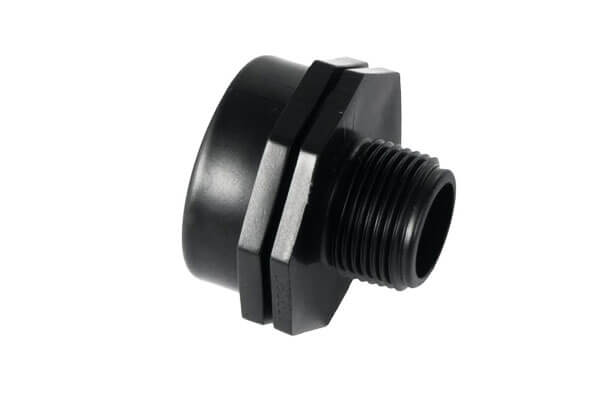
Polypropylen được sử dụng rộng rãi trong các bộ phận đúc phun, Hệ thống ô tô, Bao bì, sản phẩm điện, thiết bị thí nghiệm, sản phẩm y tế, và thiết bị công nghiệp.
Các đặc tính của nó cũng có thể được điều chỉnh thông qua quá trình đồng trùng hợp, chất làm đầy, sợi, bộ điều chỉnh tác động, và các chất phụ gia khác.
| Tài sản | Chi tiết |
| Tên hóa học | Polypropylen |
| Công thức hóa học | (C₃H₆)ₙ |
| Xương sống polyme | –CH₂–CH(CH₃)- |
| Monome | Propylen |
| số CAS | 9003-07-0 |
| Loại polyme | Nhựa nhiệt dẻo |
| Phạm vi mật độ | 0.895–0,92 g/cm³ |
| điểm nóng chảy | 130–171°C |
Các loại Polypropylen chính
Polypropylen thương mại chủ yếu được phân loại theo cấu trúc phân tử và hàm lượng comonomer.
| Kiểu | Đặc điểm kết cấu | Hiệu suất điển hình | Các ứng dụng phổ biến |
| PP đồng nhất | Các đơn vị lặp lại chủ yếu là propylene | Độ cứng cao, sức mạnh tốt, kháng hóa chất tốt, khả năng nhiệt độ tốt | Các bộ phận ô tô, container, thiết bị, Thành phần công nghiệp |
| Chất đồng trùng hợp ngẫu nhiên PP | Propylene kết hợp với các đơn vị comonome phân bố ngẫu nhiên | Cải thiện tính linh hoạt, hành vi tác động, và độ rõ quang học thường tốt hơn | Bao bì, sản phẩm y tế, container trong suốt |
Chất đồng trùng hợp khối PP |
Nền propylen chứa pha giàu cao su phân tán | Tăng cường khả năng chống va đập, đặc biệt cho các bộ phận đúc đòi hỏi khắt khe | Thành phần ô tô, container hạng nặng, Nhà công nghiệp |
| PP gia cố | PP kết hợp với sợi thủy tinh, chất độn khoáng, hoặc quân tiếp viện khác | Tăng độ cứng, sự ổn định kích thước, và khả năng chịu tải | Kết cấu phụ tùng ô tô, Thành phần máy móc, vỏ điện |
3. Tính chất cơ học: Polyetylen so với. Polypropylen
Các giá trị dưới đây là phạm vi kỹ thuật điển hình hơn là thông số kỹ thuật vật liệu phổ quát.
Đặc tính thực tế có thể thay đổi tùy theo nhà cung cấp nhựa, chỉ định lớp, chuẩn bị mẫu vật, điều kiện đúc, định hướng, và tiêu chuẩn kiểm tra.
Để lựa chọn vật liệu, bảng dữ liệu kỹ thuật của nhà cung cấp và phương pháp thử nghiệm ASTM/ISO hiện hành phải được sử dụng làm tài liệu tham khảo cuối cùng.
| Tài sản cơ học | LDPE | HDPE | PP đồng nhất | Chất đồng trùng hợp khối PP |
| Độ bền kéo ở năng suất | ~8–15 MPa | ~20–32 MPa | ~30–40 MPa | ~20–35 MPa |
| Độ bền kéo khi đứt | ~8–25 MPa | ~25–40 MPa | ~25–45 MPa | ~20–40 MPa |
| Độ giãn dài khi nghỉ | ~100–600% | ~500–1.000%* | ~50–600%* | ~100–700%* |
| Mô đun kéo | ~150–300 MPa | ~700–1.500 MPa | ~1.000–1.800 MPa | ~700–1.500 MPa |
| Mô đun uốn | ~150–350 MPa | ~800–1.600 MPa | ~1.000–1.800 MPa | ~700–1.500 MPa |
| Độ cứng | ~40–50 Bờ D | ~60–70 Bờ D | ~65–75 Bờ D | ~55–70 Bờ D |
| Khả năng chống creep | Thấp trung bình | Trung bình tốt | Trung bình tốt | Vừa phải |
| Kháng mệt mỏi | Tốt | Tốt | Xuất sắc | Xuất sắc |
4. So sánh tính chất nhiệt và khả năng chịu nhiệt độ
Khả năng chịu nhiệt độ là yếu tố phân biệt quan trọng giữa polyetylen và polypropylen.
Cả hai đều là nhựa nhiệt dẻo bán tinh thể, nhưng cấu trúc phân tử của chúng khiến chúng có hành vi nóng chảy khác nhau, Ổn định nhiệt, và hiệu suất ở nhiệt độ thấp.
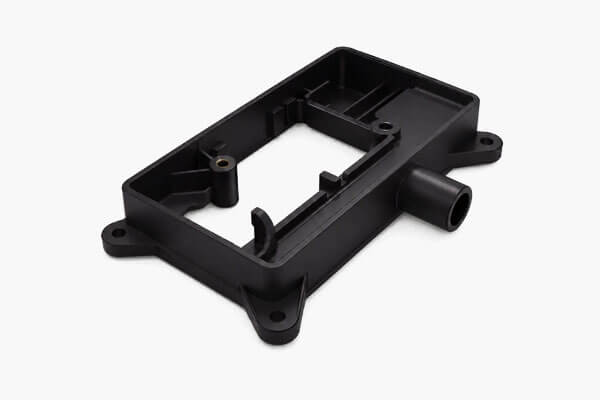
Hiệu suất nhiệt độ tăng cao
PP thường giữ được độ cứng và tính toàn vẹn cơ học ở nhiệt độ cao hơn LDPE và HDPE.
Điều này làm cho chất đồng nhất PP trở nên hấp dẫn đối với các thành phần tiếp xúc với chất lỏng ấm, khoang động cơ, thiết bị, và thiết bị công nghiệp.
LDPE có độ cứng nhiệt thấp nhất trong số các loại được xem xét. Cấu trúc phân tử tương đối linh hoạt của nó làm cho nó mềm và biến dạng dễ dàng hơn khi nhiệt độ tăng.
HDPE hoạt động tốt hơn LDPE, nhưng việc tiếp xúc kéo dài với nhiệt độ cao vẫn có thể dẫn đến biến dạng từ biến và kích thước.
Chất đồng trùng hợp khối PP mang lại khả năng chống va đập được cải thiện nhưng có thể có độ cứng và khả năng chịu nhiệt thấp hơn một chút so với chất đồng trùng hợp PP do cấu trúc biến tính bằng cao su của nó.
Hiệu suất nhiệt độ thấp
Polyethylene thường có lợi thế trong môi trường lạnh. Các loại nhựa HDPE và đặc biệt là PE có công thức phù hợp có thể duy trì độ bền va đập đáng kể ở nhiệt độ thấp.
PP thông thường, bằng cách so sánh, có thể trở nên giòn hơn đáng kể khi nhiệt độ giảm. Điều này đặc biệt quan trọng đối với các bộ phận tiếp xúc với tác động đột ngột ở vùng khí hậu lạnh..
Chất đồng trùng hợp khối PP được thiết kế đặc biệt để cải thiện hạn chế này. Pha đàn hồi phân tán của nó hấp thụ năng lượng va chạm và mang lại độ bền ở nhiệt độ thấp tốt hơn đáng kể so với chất đồng nhất PP tiêu chuẩn.
Giãn nở nhiệt và ổn định kích thước
Cả PE và PP đều có hệ số giãn nở nhiệt tương đối cao so với kim loại. Do đó, sự thay đổi nhiệt độ có thể tạo ra chuyển động chiều đáng chú ý, đặc biệt là trong các bộ phận chính xác có kích thước dài hoặc khe hở hẹp.
5. So sánh kháng hóa chất: Polyetylen so với. Polypropylen
Cả polyetylen (Thể dục) và polypropylen (PP) được công nhận rộng rãi nhờ khả năng chống nước tuyệt vời, axit, kiềm, và nhiều loại hóa chất công nghiệp.
Cấu trúc hydrocarbon không phân cực của chúng mang lại cho chúng một lợi thế quan trọng so với nhiều loại nhựa kỹ thuật: Khả năng kháng hóa chất nói chung là mạnh mẽ mà không cần dựa vào lớp phủ bảo vệ.
Kháng hóa chất polyetylen
Polyethylene thường cung cấp khả năng kháng hóa chất nước tuyệt vời.
HDPE đặc biệt được sử dụng rộng rãi cho bể chứa hóa chất, trống, đường ống, lớp lót, và thùng chứa vì nó kết hợp khả năng kháng hóa chất với độ dẻo dai tốt và độ thấm tương đối thấp đối với nhiều chất.
PE hoạt động tốt trước nhiều:
- Axit loãng
- Chất kiềm và bazơ
- muối
- Rượu
- Nước và dung dịch nước
- Nhiều chất tẩy rửa
Tuy nhiên, Polyetylen không chịu được mọi môi trường hóa học.
Chắc chắn chất oxy hóa mạnh, hợp chất thơm, và dung môi gốc hydrocarbon có thể ảnh hưởng đến PE, đặc biệt ở nhiệt độ cao hoặc dưới áp lực cơ học kéo dài.
Do đó, loại PE cụ thể rất quan trọng khi dự kiến sẽ tiếp xúc với hóa chất trong thời gian dài..
Kháng hóa chất Polypropylen
Polypropylen có khả năng kháng mạnh tương tự với nhiều loại axit, kiềm, muối, chất tẩy rửa, và dung dịch hóa chất nước.
Nó được sử dụng rộng rãi trong Thiết bị xử lý hóa học, sản phẩm phòng thí nghiệm, bể chứa, bơm, Van, và hệ thống đường ống.
Một ưu điểm đáng chú ý của PP là sự kết hợp giữa khả năng kháng hóa chất và khả năng chịu nhiệt độ cao hơn nhiều loại PE thông thường.
Điều này làm cho PP đặc biệt hấp dẫn khi tiếp xúc với hóa chất xảy ra ở nhiệt độ cao vừa phải.
Tuy nhiên PP có thể bị ảnh hưởng bởi một số chất thơm nhất định, clo, và các hóa chất gốc hydrocarbon.
Rủi ro thường tăng theo nhiệt độ, sự tập trung, thời gian phơi nhiễm, và tải cơ học.
Do đó, đánh giá khả năng tương thích hóa học phải luôn dựa trên các điều kiện sử dụng thực tế thay vì chỉ dựa trên tên polymer.
PE vs. Kháng hóa chất PP
| Hóa chất / Môi trường | Polyetylen (Thể dục) | Polypropylen (PP) |
| Nước | Xuất sắc | Xuất sắc |
| Axit loãng | Xuất sắc | Xuất sắc |
| chất kiềm | Xuất sắc | Xuất sắc |
| muối | Xuất sắc | Xuất sắc |
| Chất tẩy rửa | Xuất sắc | Xuất sắc |
| Rượu | Nói chung là tốt – xuất sắc | Nói chung là tốt – xuất sắc |
| Hydrocacbon | Biến | Biến |
| Dung môi thơm | Giới hạn | Giới hạn |
| chất oxy hóa mạnh | Giới hạn | Giới hạn |
| Dịch vụ hóa chất nhiệt độ cao | Tốt cho các lớp PE đã chọn | Nói chung là tốt hơn |
6. Hấp thụ nước, Độ ẩm và độ ổn định kích thước
Một trong những điểm tương đồng hữu ích nhất giữa PE và PP là chúng hấp thụ nước rất thấp.
Không giống như các loại nhựa kỹ thuật hút ẩm như nylon hay polyamit, không phải vật liệu nào cũng dễ dàng hấp thụ một lượng đáng kể độ ẩm của khí quyển vào cấu trúc polymer của nó.
Đặc tính này rất quan trọng vì sự hấp thụ độ ẩm có thể gây ra những thay đổi về kích thước, tính chất cơ học bị thay đổi, và những khó khăn trong quá trình xử lý các loại nhựa nhiệt dẻo khác. PE và PP phần lớn tránh được những vấn đề này.
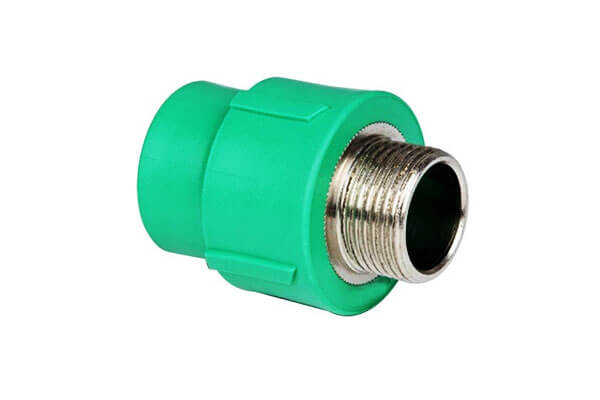
Hành vi độ ẩm
Về cơ bản, Polyethylene và Polypropylen đều kỵ nước, polyme không phân cực. Nước có ít ái lực với chuỗi phân tử của chúng, vì vậy lượng nước hấp thụ rất thấp trong điều kiện bình thường.
Kết quả là, Các bộ phận PE và PP thường duy trì tốt kích thước và đặc tính cơ học trong môi trường ẩm ướt hoặc khi tiếp xúc với nước không liên tục.
| Tài sản | Polyetylen | Polypropylen | Ý nghĩa thực tiễn |
| Hấp thụ nước | Rất thấp | Rất thấp | Hiệu suất tốt trong môi trường ẩm ướt |
| Độ nhạy ẩm trong quá trình chế biến | Thấp | Thấp | Thường không cần sấy trước nhiều |
| Thay đổi kích thước từ độ ẩm | Rất nhỏ | Rất nhỏ | Thích hợp cho các bộ phận tiếp xúc với nước |
| Độ ổn định thủy phân | Nói chung là xuất sắc | Nói chung là xuất sắc | Hữu ích khi tiếp xúc với nước kéo dài |
| Cách điện liên quan đến độ ẩm | Xuất sắc | Xuất sắc | Thích hợp cho nhiều ứng dụng điện |
Sự ổn định kích thước: Độ ẩm so với. Nhiệt độ
Khả năng hấp thụ độ ẩm thấp không có nghĩa là PE và PP ổn định kích thước trong mọi điều kiện môi trường.
Đối với các thành phần chính xác, sự giãn nở nhiệt và độ rão nói chung là những vấn đề cần cân nhắc quan trọng hơn nhiều so với sự hấp thụ độ ẩm..
Cả hai polyme đều có độ giãn nở nhiệt cao hơn đáng kể so với kim loại. Do đó, sự thay đổi nhiệt độ có thể gây ra sự chuyển động kích thước đáng chú ý, đặc biệt ở những phần lớn, lắp ráp chính xác, và các bộ phận có khe hở chặt chẽ.
Tải cơ học dài hạn đưa ra một mối quan tâm khác: leo. Khi PE hoặc PP liên tục chịu ứng suất, chuyển động phân tử dần dần có thể gây ra những thay đổi chiều vĩnh viễn.
Hiệu ứng này trở nên rõ rệt hơn khi nhiệt độ và ứng suất tác dụng tăng lên..
Vì thế, các bộ phận như ống lót, hỗ trợ, hướng dẫn, hải cẩu, và các bộ phận bằng nhựa kết cấu phải được đánh giá về môi trường sử dụng hoàn chỉnh thay vì chỉ kích thước ban đầu của chúng.
7. So sánh chế biến và sản xuất
PE và PP là những loại nhựa nhiệt dẻo có tính linh hoạt cao và có thể biến thành sản phẩm hoàn chỉnh thông qua một loạt quy trình sản xuất.
Tính linh hoạt trong xử lý của họ là một trong những lý do chính khiến họ chiếm thị phần lớn như vậy trên thị trường nhựa.
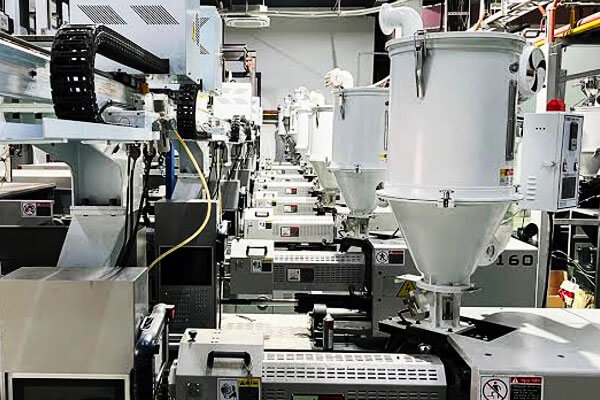
ép phun
Đúc phun đặc biệt quan trọng đối với PP, trong đó đặc tính dòng chảy của vật liệu và độ cứng tương đối cao làm cho nó phù hợp để sản xuất các sản phẩm phức tạp, các thành phần nhẹ với khối lượng sản xuất cao.
Các bộ phận ô tô, vỏ điện, linh kiện thiết bị, container, và các sản phẩm công nghiệp thường được sản xuất theo cách này.
HDPE cũng rất thích hợp cho việc ép phun, đặc biệt đối với các thùng chứa cứng, sự đóng cửa, Thành phần công nghiệp, và các bộ phận kết cấu bằng nhựa.
LDPE thường được chọn khi sản phẩm cuối cùng yêu cầu tính linh hoạt cao hơn thay vì độ cứng cao.
Phun ra
Đùn đùn là một phương pháp xử lý chính cho cả hai họ polyme. PE có sự hiện diện đặc biệt mạnh mẽ trong các sản phẩm ép đùn, bao gồm cả đường ống, Tấm, phim, Hồ sơ, lớp lót, và cách điện cáp.
HDPE được sử dụng rộng rãi cho đường ống áp lực và không áp lực vì sự kết hợp của độ dẻo dai, kháng hóa chất, và khả năng hàn rất phù hợp với các hệ thống xử lý chất lỏng.
PP còn được ép đùn thành ống, Tấm, phim, Hồ sơ, và các sản phẩm công nghiệp chuyên dụng có độ cứng hoặc khả năng chịu nhiệt cao hơn sẽ có lợi.
Đúc thổi và đúc quay
Thể dục, đặc biệt là nhựa HDPE, được sử dụng rộng rãi cho chai đúc thổi, trống, xe tăng, container, và các sản phẩm rỗng khác.
Độ dẻo dai và khả năng xử lý của nó làm cho nó đặc biệt thích hợp cho các thùng chứa lớn hoặc chịu va đập.
Đúc quay là một quá trình PE quan trọng khác, đặc biệt là cho xe tăng lớn, thùng, ống dẫn, và container công nghiệp.
PP cũng có thể được chế biến thành các sản phẩm rỗng, mặc dù cửa sổ xử lý và hồ sơ ứng dụng của nó khác với cửa sổ xử lý của PE.
Nhiệt luyện và chế tạo
Cả tấm PE và PP đều có thể được ép nóng thành bìa, khay, vỏ, lớp lót, và các thành phần lớn khác.
Họ cũng có thể được tham gia thông qua hàn nhiệt, mông hợp nhất, hàn đùn, và buộc cơ khí, cho phép các nhà sản xuất chế tạo các cấu trúc lớn mà không cần các công cụ đúc thông thường.
Điều này đặc biệt có giá trị đối với bể chứa hóa chất, đường ống, lớp lót bảo vệ, và thiết bị công nghiệp tùy chỉnh.
Gia công CNC
PE và PP cũng có thể gia công CNC khi khối lượng sản xuất quá thấp để có thể sử dụng dụng cụ chuyên dụng hoặc khi cần có hình dạng tùy chỉnh đặc biệt.
Gia công đòi hỏi điều kiện cắt thích hợp vì cả hai vật liệu đều có độ cứng tương đối thấp và có thể biến dạng dưới lực kẹp hoặc lực cắt quá lớn.
Trong số các lớp PE, UHMWPE đưa ra những thách thức gia công bổ sung vì trọng lượng phân tử cao của nó, Độ đàn hồi, và xu hướng sinh nhiệt trong quá trình cắt.
Dụng cụ thích hợp, làm việc, và kiểm soát nhiệt do đó rất quan trọng để đạt được kích thước nhất quán.
8. Đặc điểm bề mặt và hình thức
Hình dáng bề mặt thường không phải là lý do chính để lựa chọn polyetylen hoặc polypropylen, nhưng nó trở nên quan trọng khi vật liệu được sử dụng cho các bộ phận nhìn thấy được, sản phẩm tiêu dùng, vỏ, Bao bì, hoặc các bộ phận yêu cầu hoàn thiện về mặt xúc giác hoặc thẩm mỹ cụ thể.
Đặc tính bề mặt Polyetylen
Sự xuất hiện của polyetylen phụ thuộc mạnh mẽ vào loại và độ kết tinh của nó. LDPE có xu hướng mềm hơn, vẻ ngoài linh hoạt hơn, trong khi HDPE thường có bề mặt cứng hơn và mờ đục hơn.
HDPE thường thể hiện một Bề mặt mịn đến hơi có kết cấu với vẻ ngoài từ trong mờ đến mờ đục tự nhiên.
Bề mặt của nó có thể được gia công, đánh bóng, có kết cấu, hoặc được hoàn thiện bằng máy móc, mặc dù việc đạt được bề mặt trang trí có độ bóng cao có thể khó khăn hơn so với một số loại nhựa khác.
Đặc tính bề mặt Polypropylen
PP thường cung cấp một lau dọn, trơn tru, và bề mặt tương đối cứng, đặc biệt là trong các thành phần đúc phun.
Nó có thể được sản xuất với nhiều màu sắc và kết cấu khác nhau và được sử dụng rộng rãi ở những nơi phải cùng tồn tại về hình thức và chức năng..
Năng lượng bề mặt thấp của PP có thể tạo ra các loại sơn thông thường, liên kết dính, và in ấn khó khăn.
Xử lý bề mặt như xử lý ngọn lửa, điều trị corona, điều trị huyết tương, hoặc sơn lót chuyên dụng có thể được yêu cầu để cải thiện độ bám dính.
9. Cân nhắc về môi trường và bền vững
| Diện mạo | Polyetylen | Polypropylen |
| Tính tái chế | Xuất sắc (tái chế rộng rãi) | Xuất sắc (ngày càng được tái chế) |
| Nội dung tái chế có sẵn | Cao | Vừa phải |
| Khả năng phân hủy sinh học | Không phân hủy sinh học | Không phân hủy sinh học |
| Sự bền vững của môi trường | Cao (thế kỷ) | Cao (thế kỷ) |
| Năng lượng để sản xuất (Mj/kg) | 70Mạnh90 | 70–85 |
| Dấu chân carbon (kg CO₂/kg) | 1.5Cấm2,5 | 1.5Cấm2,5 |
| Các lớp dựa trên sinh học | Có sẵn (PE sinh học) | Có sẵn (PP sinh học) |
| Đóng góp của vi nhựa | Có ý nghĩa | Có ý nghĩa |
10. Ứng dụng: Polyetylen so với. Polypropylen
PE và PP được sử dụng trong nhiều ngành công nghiệp đặc biệt, nhưng các ứng dụng của họ có xu hướng phản ánh các cấu hình hiệu suất khác nhau.
Ví dụ ứng dụng Polyethylene
Ngành công nghiệp đóng gói
- Màng bọc căng LDPE: Màng căng pallet công nghiệp và màng bám thực phẩm sử dụng LDPE để có độ giãn dài cực cao (200–600%), khả năng chống đâm thủng tuyệt vời và khả năng tự dính dưới sức căng.
Điểm nóng chảy thấp của LDPE cũng cho phép nó hàn nhiệt sạch trên dây chuyền đóng gói tốc độ cao. - Bình sữa và bình đựng chất tẩy rửa HDPE: HDPE đúc thổi là tiêu chuẩn cho các thùng chứa chất lỏng cứng vì nó mang lại độ cứng tốt, đặc tính chống ẩm tuyệt vời và chống va đập với chi phí thấp.
Điểm nóng chảy 125–135°C của nó chịu được các quy trình rót nóng cho đồ uống và hóa chất công nghiệp. - Bao tải vận chuyển hạng nặng LLDPE: Polyethylene tuyến tính mật độ thấp được sử dụng làm bao tải vận chuyển công nghiệp vì nó kết hợp tính linh hoạt của LDPE với độ bền xé và khả năng chống đâm thủng cao hơn, đối mặt với tình trạng xử lý thô bạo trong chuỗi logistics.
Cơ sở hạ tầng và xây dựng
- Ống nước và khí đốt đô thị HDPE: Polyetylen mật độ cao là vật liệu chủ yếu cho các đường dây phân phối nước uống và dịch vụ khí đốt tự nhiên được chôn dưới đất.
Khả năng kháng hóa chất tuyệt vời của nó đối với các thành phần đất, hệ thống khớp nối linh hoạt và không ăn mòn giúp giảm chi phí lắp đặt và rủi ro rò rỉ so với ống kim loại. - Màng địa kỹ thuật HDPE: 0.5–Bãi chôn lấp bằng tấm HDPE dày 2,5 mm, ao khai thác và hồ chứa nước là rào cản không thấm nước.
Khả năng hấp thụ nước thấp của HDPE, khả năng chống lại hóa chất trong đất và khả năng hàn nhiệt tại hiện trường khiến nó trở thành tiêu chuẩn công nghiệp. - Rào cản hơi LDPE: Tấm LDPE mỏng được lắp đặt phía sau các bức tường của tòa nhà làm rào cản chống ẩm và radon, tận dụng tốc độ truyền hơi nước gần như bằng 0 của PE.
Điện và Cáp
- Cách điện dây và cáp LDPE: Polyetylen mật độ thấp là vật liệu cách nhiệt chính tiêu chuẩn cho thấp- và cáp điện trung thế và hệ thống dây thông tin liên lạc.
Tính chất điện môi tuyệt vời của nó, tính linh hoạt và chi phí xử lý thấp làm cho nó trở nên lý tưởng cho lớp phủ dây dẫn đùn tốc độ cao. - Vỏ bọc cáp HDPE: Trung bình- và cáp cao thế sử dụng lớp vỏ ngoài bằng nhựa HDPE để bảo vệ cơ học cao hơn, Khả năng chống nghiền và chống chịu thời tiết cho việc chôn cất trực tiếp và lắp đặt trên cao.
Chuỗi lạnh và đông lạnh
- Bao bì thực phẩm đông lạnh LDPE: Màng và túi LDPE linh hoạt chiếm ưu thế trong bao bì thực phẩm cấp đông sâu vì LDPE vẫn linh hoạt và chịu va đập ở nhiệt độ từ -40°C trở xuống, mà không trở nên giòn như PP.
- Thùng chứa đông lạnh HDPE: Bể và thùng chứa HDPE đúc xoay lưu trữ nitơ lỏng và các chất lỏng đông lạnh khác ở nhiệt độ thấp tới -196°C, nơi PP sẽ tan vỡ.
Hàng tiêu dùng
- Túi đựng hàng tạp hóa bằng nhựa HDPE và túi đựng đồ có thể tái sử dụng: Sự kết hợp của chi phí thấp, Độ bền tốt và khả năng chống nước khiến HDPE trở thành tiêu chuẩn cho túi xách mang đi và túi mua sắm có thể tái sử dụng.
- Đồ chơi linh hoạt và chai bóp: LDPE được sử dụng cho phần mềm, đồ chơi trẻ em và chai phân phối có thể bóp được vì tính linh hoạt cực cao và cảm giác như cao su của nó.
Ví dụ ứng dụng Polypropylen
Dịch vụ đóng gói và thực phẩm
- Nắp và nắp chai PP: Chất đồng nhất PP ép phun là vật liệu gần như phổ biến để làm nắp chai nước giải khát có vít.
Độ cứng cao của nó, Khả năng chống rão tốt và điểm nóng chảy 160°C đảm bảo độ kín khít mà không bị biến dạng trong quá trình đổ đầy nóng, thanh trùng và vận chuyển. - Hộp đựng thức ăn an toàn cho lò vi sóng: PP là tiêu chuẩn cho khay đựng thức ăn và hộp đựng thực phẩm dùng được trong lò vi sóng vì nó chịu được nhiệt độ 100–120°C mà không bị mềm, và thường được công nhận là an toàn khi tiếp xúc với thực phẩm ở nhiệt độ cao.
- Cốc và nắp dùng một lần được định hình bằng nhiệt: Tấm PP khổ mỏng định hình nhiệt thành cốc uống nước dùng một lần cứng và nắp vòm với độ nét sắc nét hơn và độ cứng tốt hơn so với các sản phẩm PE tương đương.
Công nghiệp ô tô
- Tấm cản copolyme khối PP: Cản và tấm thân ô tô sử dụng chất đồng trùng hợp khối PP biến đổi khi va chạm.
Các phân đoạn khối ethylene cải thiện khả năng chống va đập ở nhiệt độ thấp để các bộ phận có thể tồn tại trong cái lạnh mùa đông mà không bị nứt, trong khi độ cứng vốn có của PP duy trì hình dạng cấu trúc. - Vỏ pin và các bộ phận dưới mui xe: Homopolymer PP được gia cố bằng sợi thủy tinh được sử dụng cho vỏ ắc quy ô tô và các bộ phận trong khoang động cơ.
Nó chống lại dầu, nhiên liệu và nhiệt độ dưới mui xe tăng cao tốt hơn PE. - Tấm cửa nội thất và trang trí: PP chứa Talc có trọng lượng nhẹ, mô-đun cửa bên trong cứng và nền bảng điều khiển, cung cấp sự ổn định kích thước tốt và chi phí thấp.
Gia dụng và Thiết bị
- Dụng cụ nấu nướng và bảo quản an toàn với máy rửa chén: PP là tiêu chuẩn cho hộp đựng thực phẩm và dụng cụ nhà bếp được bán trên thị trường dưới dạng an toàn với máy rửa chén, bởi vì nó tồn tại sau nhiều chu kỳ giặt 60–70°C lặp đi lặp lại mà không bị cong vênh hoặc xuống cấp, không giống như HDPE làm mềm.
- Bồn máy giặt và vỏ thiết bị: Chất đồng nhất PP đúc phun lớn tạo thành trống máy giặt và vỏ thiết bị, kết hợp khả năng chống nước, độ cứng và chi phí thấp.
Công nghiệp và Kỹ thuật
- Ống PP xử lý hóa chất: Hệ thống ống polypropylene xử lý môi trường hóa học mạnh bao gồm axit, bazơ và dung dịch muối ở nhiệt độ cao hơn ống HDPE có thể chịu được.
- Bánh răng và vòng bi nhựa: Homopolymer PP được sử dụng cho ánh sáng- đến các bánh răng và ống lót tải trung bình trong máy móc công nghiệp.
Đặc tính tự bôi trơn tự nhiên của nó, khả năng chống mài mòn và độ ổn định kích thước làm cho nó phù hợp với các ứng dụng chuyển động tốc độ thấp.
Sợi và Dệt may
- Sợi thảm PP: Hầu hết các loại sợi thảm tổng hợp dân dụng và thương mại là polypropylen. Nó chống lại sự nhuộm màu, độ ẩm và nấm mốc tốt hơn nylon, với chi phí thấp hơn.
- Vải địa kỹ thuật và dây thừng công nghiệp: Sợi PP và sợi đơn dùng làm vải địa kỹ thuật làm đường, dây thừng biển và lưới hàng hóa, tận dụng khả năng kháng hóa chất tốt và tỷ lệ cường độ trên trọng lượng cao của PP.
11. Bảng so sánh toàn diện: Polyetylen so với. Polypropylen
| Tài sản | Polyetylen (Thể dục) | Polypropylen (PP) | Cân nhắc lựa chọn |
| Tỉ trọng | ~0,91–0,96 g/cm³ | ~0,895–0,92 g/cm³ | Cả hai đều nhẹ; PP thường nhẹ hơn một chút |
| Độ cứng | Thấp đến trung bình, Tùy thuộc vào lớp | Nói chung cao hơn | PP được ưu tiên hơn khi cần độ cứng cao hơn |
| Kháng lực tác động | Xuất sắc, đặc biệt là HDPE và UHMWPE | Tốt; giảm ở nhiệt độ thấp | PE thường được ưa chuộng cho các ứng dụng chịu nhiều tác động |
| Độ bền kéo | Trung bình đến cao | Trung bình đến cao | Phụ thuộc nhiều vào cấp độ và cấu trúc phân tử |
| Linh hoạt | Cao hơn, đặc biệt là LDPE | Vừa phải | PE tốt hơn cho màng dẻo, ống, và lót |
| Điện trở nhiệt | Vừa phải; thay đổi đáng kể theo lớp | Nói chung cao hơn | PP thuận lợi cho dịch vụ nhiệt độ cao |
| Hiệu suất nhiệt độ thấp | Nói chung là xuất sắc | Nhạy cảm hơn với nhiệt độ thấp | PE thường được ưu tiên cho môi trường lạnh |
| Kháng hóa chất | Xuất sắc | Xuất sắc | Cả hai đều kháng được nhiều axit, kiềm, muối, và hóa chất nước |
| Hấp thụ nước | Rất thấp | Rất thấp | Cả hai đều cung cấp khả năng chống ẩm tuyệt vời |
| Khả năng chống creep | Vừa phải; thay đổi theo lớp | Vừa phải | Việc lựa chọn cốt thép hoặc cấp độ có thể cần thiết cho tải trọng bền vững |
Chống tia cực tím |
Yêu cầu ổn định để tiếp xúc lâu dài | Yêu cầu ổn định để tiếp xúc lâu dài | Các lớp ổn định tia cực tím được khuyên dùng ngoài trời |
| Cách điện điện | Xuất sắc | Xuất sắc | Cả hai đều được sử dụng rộng rãi làm vật liệu cách điện |
| Xử lý điển hình | Phun ra, Đúc, Đúc phun, đúc quay | Đúc phun, phun ra, Đúc, Thermoforming | Lựa chọn phụ thuộc vào hình dạng bộ phận và khối lượng sản xuất |
| Chi phí điển hình | Nói chung là tiết kiệm | Nói chung là tiết kiệm | Giá thị trường thay đổi tùy theo loại và khu vực |
| Lợi thế được biết đến nhiều nhất | Độ dẻo dai, kháng hóa chất, linh hoạt | Độ cứng, điện trở nhiệt, Mật độ thấp | Chọn theo yêu cầu dịch vụ chủ đạo |
| Các ứng dụng điển hình | Thùng chứa, Ống, lớp lót, phim, xe tăng, mặc thành phần | Các bộ phận ô tô, hộp đựng thức ăn, thiết bị thí nghiệm, thiết bị, Thành phần hóa học | Cả hai đều phục vụ thị trường công nghiệp và tiêu dùng rộng lớn |
12. Các bộ phận Polyethylene và Polypropylen tùy chỉnh từ ngành công nghiệp LangHe
LangHe Industry cung cấp các giải pháp thành phần polymer tùy chỉnh cho các ứng dụng yêu cầu kết cấu nhẹ, kháng hóa chất, Hiệu suất mặc, hấp thụ độ ẩm thấp, và kiểm soát kích thước đáng tin cậy.
Các thành phần PE và PP có thể được sản xuất theo yêu cầu ứng dụng, bản vẽ kỹ thuật, 3mô hình D, hoặc các loại vật liệu được chỉ định.
| Khả năng | Chi tiết |
| Nguyên vật liệu | LDPE, HDPE, LLDPE, UHMWPE, PP đồng nhất, PP đồng trùng hợp ngẫu nhiên, Khối Copolymer PP. |
| Xử lý | ép phun, phun ra, đúc thổi, Thermoforming, Gia công CNC. |
| trọng lượng một phần | 0.01 kg đến 50 kg. |
| Chất lượng | ISO 9001:2015 được chứng nhận. |
| Thời gian dẫn đầu | 2–4 tuần để gia công; 4–8 tuần cho dụng cụ và sản xuất. |
13. Phần kết luận
Polyethylene nói chung là sự lựa chọn mạnh mẽ hơn khi độ dẻo dai, linh hoạt, kháng hóa chất, hiệu suất tác động ở nhiệt độ thấp, hoặc chống mài mòn là yêu cầu chính.
HDPE cung cấp sự cân bằng hữu ích giữa độ cứng và độ dẻo dai, trong khi UHMWPE mở rộng PE sang các ứng dụng đòi hỏi độ mài mòn cao và ma sát thấp.
Polypropylene thường được ưa thích khi độ cứng, Kháng mệt mỏi, xây dựng nhẹ, kháng hóa chất, và yêu cầu khả năng chịu nhiệt độ tương đối cao hơn.
Chất đồng nhất PP thích hợp cho các thành phần cứng, trong khi chất đồng trùng hợp khối PP mang lại hiệu quả tác động được cải thiện.
Đối với các thành phần tùy chỉnh, câu hỏi không chỉ đơn giản “PE hoặc PP?” mà thay vào đó là “Loại và quy trình sản xuất cụ thể nào sẽ mang lại hiệu suất cần thiết trong suốt thời gian sử dụng của bộ phận?” Sự khác biệt đó rất quan trọng đối với kỹ thuật polyme đáng tin cậy.
Câu hỏi thường gặp
Đó là mạnh hơn, polyetylen hoặc polypropylen?
Nó phụ thuộc vào lớp cụ thể. Chất đồng nhất PP thường cung cấp độ cứng cao hơn và độ bền kéo hữu ích, trong khi HDPE mang lại sự kết hợp tuyệt vời giữa độ dẻo dai và sức mạnh.
Vì thế, mạnh hơn cần được đánh giá về độ bền kéo, Độ cứng, Kháng lực tác động, hoặc khả năng chịu tải lâu dài.
Cái nào có khả năng kháng hóa chất tốt hơn, PE hoặc PP?
Cả hai đều cung cấp khả năng chống chịu tuyệt vời với nhiều loại axit, kiềm, muối, chất tẩy rửa, và hóa chất nước.
PP thường có ưu điểm khi tiếp xúc với hóa chất xảy ra ở nhiệt độ cao, trong khi HDPE được sử dụng rộng rãi để lưu trữ hóa chất nói chung và xử lý chất lỏng.
Polyetylen có linh hoạt hơn polypropylen không?
Nói chung là, Đúng. LDPE linh hoạt hơn đáng kể so với PP thông thường.
HDPE cứng hơn đáng kể, nhưng PP thường cung cấp độ cứng cao hơn LDPE và có thể được thiết kế cho các ứng dụng kết cấu cứng.
Cái nào linh hoạt hơn: polyetylen hoặc polypropylen?
Polyethylene thường linh hoạt hơn polypropylene. LDPE đặc biệt linh hoạt; HDPE cứng hơn.
Polyethylene và polypropylene có thể được tái chế cùng nhau?
KHÔNG. PE và PP có mật độ và đặc tính khác nhau và không thể tái chế cùng nhau trong hầu hết các luồng tái chế.
Cái nào có độ rõ nét tốt hơn: PE hoặc PP?
LDPE và LLDPE có thể có độ rõ nét tốt. PP copolyme ngẫu nhiên cũng có độ trong tốt. HDPE và PP homopolyme mờ đục.