

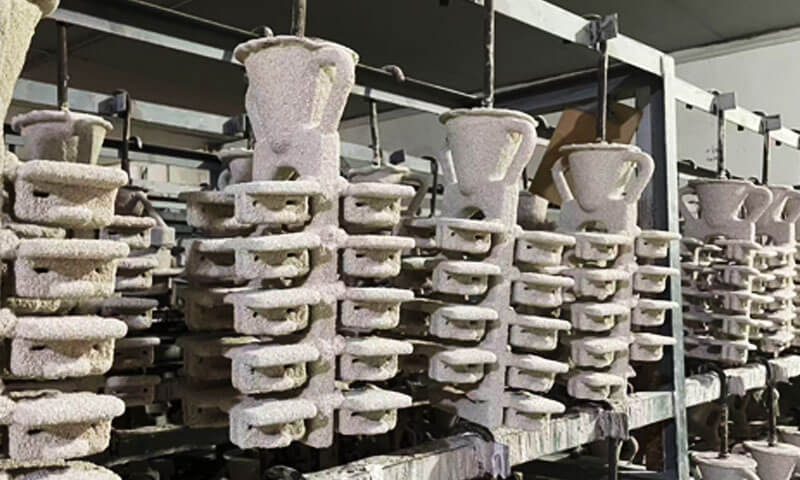
Giới thiệu
Trong số các quy trình đúc chính xác, đúc mẫu chảy—thường được gọi là “đúc sáp bị mất”—nổi bật nhờ khả năng tạo ra các bộ phận kim loại có hình dạng gần như lưới với bề mặt hoàn thiện đặc biệt, hình học phức tạp, và dung sai kích thước chặt chẽ.
Bài viết này mổ xẻ quá trình đúc đầu tư từ nguyên tắc đầu tiên đến ứng dụng nâng cao.
Chúng ta sẽ khám phá nền tảng luyện kim của nó, quy trình chi tiết, biến thể công nghệ (thủy tinh nước, Silica sol, tổng hợp), cơ chế khiếm khuyết, định vị so sánh với các phương pháp sản xuất khác, và các trường hợp sử dụng công nghiệp.
1. Đúc đầu tư là gì?
Đúc đầu tư, còn được gọi là quá trình mất sàng lọc, là một phương pháp tạo hình kim loại chính xác trong đó sáp dùng một lần hoặc mẫu dễ nóng chảy được phủ một lớp vỏ gốm chịu lửa, sau đó được loại bỏ để tạo ra một khoang chứa đầy kim loại nóng chảy.
Quá trình này được thiết kế để tái tạo mẫu gốc với độ trung thực cao, làm cho nó trở thành một trong những con đường sản xuất hiệu quả nhất cho các ngành phức tạp, bộ phận kim loại gần dạng lưới.
Không giống như các cách đúc thông thường thường được tối ưu hóa để đơn giản hoặc chỉ khối lượng, đúc đầu tư được xây dựng xung quanh sao chép chi tiết, Kiểm soát kích thước, và linh hoạt hợp kim.
Nó được sử dụng khi một thành phần phải kết hợp hình học phức tạp, độ chính xác chức năng, và chất lượng luyện kim đáng tin cậy trong một chuỗi quy trình duy nhất.
Đó là lý do tại sao nó được áp dụng rộng rãi trong các ngành công nghiệp như hàng không vũ trụ., năng lượng, Ô tô, Thiết bị y tế, và phần cứng công nghiệp chính xác.
Lợi thế cạnh tranh cốt lõi của đúc đầu tư
So với các quá trình tạo hình kim loại khác, đúc đầu tư cung cấp sáu lợi thế cốt lõi mang lại cho nó một vị trí thị trường đặc biệt và lâu dài:
Độ chính xác chiều cao và độ hoàn thiện bề mặt
Đúc đầu tư có thể đạt được dung sai kích thước tiêu chuẩn của CT4–CT7, chặt chẽ hơn đáng kể so với đúc cát (CT9–CT14).
Độ nhám bề mặt thường có thể được kiểm soát ở Ra 1,6–6,3 μm, giúp giảm đáng kể nhu cầu mài rộng, đánh bóng, hoặc hoàn thiện thứ cấp trên các bề mặt chức năng trang trí và chính xác.
Khả năng đặc biệt cho hình học phức tạp
Quá trình này đặc biệt phù hợp với các bộ phận có tính năng phức tạp, bao gồm Khoang bên trong, undercuts, Phần tường mỏng (xuống 0.5 mm), bề mặt cong phức tạp, và các mẫu lỗ nhỏ.
Nó có thể tái tạo gần như mọi hình học cần thiết cho các bộ phận chính xác trong công nghiệp.
Khả năng tương thích hợp kim rộng
Đúc đầu tư tương thích với rất nhiều loại hợp kim, bao gồm kim loại màu và kim loại màu thông thường cũng như các vật liệu hiệu suất cao đòi hỏi khắt khe.
Nó có thể được áp dụng cho thép không gỉ, Thép carbon, Hợp kim nhôm, Hợp kim đồng, Superalloys dựa trên niken, Hợp kim dựa trên coban, và thậm chí cả các hợp kim hoạt động như titan.
Dung sai hợp kim rộng này giúp các kỹ sư tự do hơn nhiều trong việc lựa chọn vật liệu so với nhiều quy trình tạo hình khác.
Chất lượng luyện kim cao
Lớp vỏ gốm trơ về mặt hóa học giúp giảm thiểu ô nhiễm kim loại nóng chảy.
Ngoài ra, quá trình hóa rắn có kiểm soát và hệ thống cổng được thiết kế tốt giúp giảm thiểu co ngót, Độ xốp, và sự phân biệt, sản xuất các bộ phận có cấu trúc vi mô dày đặc và hiệu suất cơ học ổn định.
Hiệu quả vật chất cao
Là một quá trình gần như hình lưới, đúc đầu tư cung cấp tỷ lệ sử dụng vật liệu xấp xỉ 92%–98%, giảm đáng kể chất thải kim loại so với quy trình gia công trừ.
Thang đo sản xuất linh hoạt
Đúc đầu tư có khả năng thích ứng cao, làm cho nó phù hợp cho nguyên mẫu tùy chỉnh một lần, bộ phận đặc biệt lô nhỏ, và sản xuất số lượng lớn các bộ phận được tiêu chuẩn hóa.
2. Nguyên tắc luyện kim và quy trình cốt lõi
Đúc mẫu chảy không chỉ là phương pháp tạo hình. Đó là sự tích hợp chặt chẽ hệ thống luyện kim độ trung thực của mẫu nào, hành vi vỏ, Quản lý nhiệt, và quá trình hóa rắn hợp kim đều tương tác.
Chất lượng của phần cuối cùng được quyết định bởi việc bốn yếu tố này được kiểm soát cùng nhau tốt như thế nào.
Sao chép hình học thông qua chuyển mẫu
Quá trình bắt đầu bằng mẫu sáp hoặc mẫu dễ nóng chảy để ghi lại hình dạng phần cuối cùng với độ trung thực cao.
Vì khuôn gốm được chế tạo trực tiếp xung quanh mẫu này, khoang tái tạo hình dạng dự kiến gần như từng điểm một.
Đó chính là điều mang lại lợi thế cho hoạt động đầu tư trong việc sản xuất:
- xương sườn tốt,
- chuyển tiếp sắc nét,
- rãnh,
- lỗ nhỏ,
- đoạn văn nội bộ,
- và các đặc điểm bề mặt phức tạp.
Nói cách khác, đúc đầu tư không “xấp xỉ” hình dạng.
Nó chuyển nó từ mẫu vào khuôn với khả năng giữ chi tiết rất cao. Đó là nền tảng của khả năng gần như hình lưới của nó.
Vỏ gốm làm rào cản nhiệt chính xác
Vỏ gốm không chỉ là vật chứa kim loại nóng chảy. Đó là một cấu trúc vật liệu chịu lửa chính xác phải thỏa mãn hai yêu cầu xung đột nhau cùng một lúc.
Nó phải đủ mạnh mẽ để chịu đựng:
- sương,
- Vỏ bắn,
- rót,
- áp suất kim loại,
- và sốc nhiệt.
Đồng thời, nó phải giữ nguyên kích thước trung thực để khoang không làm biến dạng hình dạng bộ phận.
Sự cân bằng này giữa sức mạnh cơ học Và sự ổn định kích thước là một trong những thách thức kỹ thuật trọng tâm của việc đúc mẫu đầu tư.
Nếu vỏ quá yếu, nó nứt hoặc ăn mòn. Nếu nó được kiểm soát kém, nó bóp méo hoặc mất đi độ trung thực.
Do đó, lớp vỏ là một giao diện kỹ thuật quan trọng giữa mẫu và vật đúc cuối cùng..
Kiểm soát hóa rắn làm lõi luyện kim
Khi kim loại nóng chảy đi vào khoang vỏ, quá trình này trở thành một câu hỏi cách hợp kim lấp đầy và đông đặc lại.
Giai đoạn này xác định xem phần đó có dày đặc hay không, âm thanh, và ổn định kích thước, hoặc liệu nó có chứa độ xốp hay không, co ngót, lạnh, hoặc mất cân bằng cơ cấu.
Các biến kiểm soát chính bao gồm:
- thiết kế hệ thống cổng,
- vị trí nâng,
- nhiệt độ làm nóng vỏ,
- Nhiệt độ đổ,
- tính lưu động của hợp kim,
- và tốc độ đông đặc.
Những yếu tố này định hình cấu trúc bên trong của vật đúc cũng giống như chúng định hình hình dạng bên ngoài..
Một bộ phận có thể trông ổn ở bên ngoài nhưng vẫn bị lỗi bên trong nếu quá trình đông đặc không được quản lý đúng cách.
Tại sao quá trình này là luyện kim, không chỉ hình học
Đúc mẫu chảy thường được mô tả là một quá trình tạo hình chính xác, nhưng mô tả đó không đầy đủ.
Nó cũng là một quá trình luyện kim, bởi vì các thuộc tính cuối cùng của bộ phận được tạo ra trong quá trình nấu chảy, rót, điền vào, và sự đông đặc.
Điều đó có nghĩa là xưởng đúc không chỉ tái tạo hình dạng. Nó đang tích cực quản lý:
- Cấu trúc hạt,
- Tỉ trọng,
- sự tách biệt,
- Khiếm khuyết hình thành,
- và hành vi cơ học cuối cùng.
Đây là lý do tại sao đúc mẫu chiếm một vị trí đặc biệt trong số các công nghệ tạo hình kim loại.
Nó kết hợp sao chép hình dạng với hợp nhất luyện kim có kiểm soát, và cả hai đều quan trọng như nhau.
3. Hoàn thành toàn bộ quy trình đúc đầu tư
Đúc đầu tư công nghiệp là một chuỗi quy trình được kiểm soát chặt chẽ, trong đó mọi công đoạn đều ảnh hưởng đến chất lượng đúc cuối cùng.
Độ chính xác kích thước, tình trạng bề mặt, Âm thanh nội bộ, và hiệu suất luyện kim đều được xác định bởi quy trình được quản lý tốt như thế nào từ mẫu sáp đến khâu kiểm tra cuối cùng.
Trong thực tế, Đúc mẫu không phải là một hoạt động đơn lẻ mà là một chuỗi các bước sản xuất phụ thuộc lẫn nhau.
3.1 Sản xuất mẫu sáp và lựa chọn vật liệu
Mẫu sáp là sự thể hiện vật lý đầu tiên của phần cuối cùng, do đó độ ổn định kích thước của nó xác định trực tiếp trần chính xác của vật đúc.
Lựa chọn chất liệu sáp
Đúc đầu tư công nghiệp thường sử dụng ba loại sáp:
- Sáp nhiệt độ thấp đơn giản, bộ phận có độ chính xác thấp
- Sáp nhiệt độ trung bình cho sản xuất thông dụng
- Sáp nhiệt độ cao cho các ứng dụng siêu chính xác hoặc đặc biệt
Trong số này, sáp nhiệt độ trung bình được sử dụng rộng rãi nhất. Nó cung cấp độ co thấp, Tính trôi chảy tốt, hiệu suất xử lý ổn định, và tái tạo chi tiết đáng tin cậy.
Điều đó làm cho nó phù hợp với hầu hết các loại thép, Hợp kim đồng, và đúc hợp kim nhôm.
Kiểm soát ép phun
Việc phun sáp phải được kiểm soát bởi:
- nhiệt độ sáp,
- áp suất phun,
- thời gian nắm giữ,
- và hình học một phần.
Nếu sáp quá lạnh, khả năng lấp đầy xấu đi. Nếu trời quá nóng, sự ổn định kích thước có thể bị ảnh hưởng.
Việc giữ áp suất cũng rất cần thiết vì các lỗ rỗng co ngót bên trong trong sáp sau này có thể được di truyền qua quá trình đúc kim loại dưới dạng khuyết tật..

Bù co ngót
Mẫu sáp phải bao gồm mức độ co ngót được tính toán dựa trên hợp kim được đúc.
Các hợp kim khác nhau đông cứng lại với đặc tính co ngót khác nhau, vì vậy việc đền bù phải được tích hợp vào công cụ ngay từ đầu.
Kiểm soát khiếm khuyết
Các mẫu sáp phải được kiểm tra:
- bong bóng,
- trầm cảm,
- sự biến dạng,
- Flash,
- và hư hỏng bề mặt.
Bất kỳ mẫu sáp bị lỗi nào cũng phải bị loại bỏ trước khi đưa vào sản xuất vỏ, bởi vì các khuyết tật về sáp thường trở thành các khuyết tật đúc sau này trong quá trình.
3.2 Thiết kế hệ thống cổng và lắp ráp mẫu
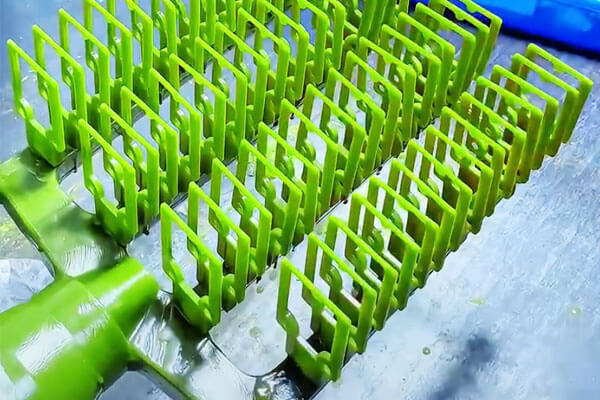
Cá nhân Mẫu sáp được tập hợp thành một cụm hoặc cây, giúp cải thiện hiệu quả sản xuất và cho phép sản xuất nhiều vật đúc trong một chu kỳ khuôn.
Bố cục cụm
Khoảng cách giữa các mẫu phải đủ để tránh va chạm vào vỏ trong quá trình phủ và sấy khô.
Số lượng bộ phận trên mỗi cụm cũng phải phù hợp với công suất lò, nhịp điệu đổ, và hành vi hóa rắn hợp kim.
Thiết kế cổng
Hệ thống cổng phải hỗ trợ:
- làm đầy mịn màng,
- nhiễu loạn thấp,
- và kiểm soát dòng chảy kim loại.
Dòng chảy tầng được ưu tiên hơn vì sự hỗn loạn làm tăng nguy cơ:
- không khí,
- gấp oxit,
- và bao gồm xỉ.
Đối với các hợp kim đòi hỏi khắt khe hơn, đặc biệt là thép hợp kim cao và siêu hợp kim, các cách sắp xếp cổng đáy hoặc bước chạy thường được sử dụng.
Bẫy xỉ hoặc phần mở rộng đường dẫn có thể được thêm vào để chặn các tạp chất nổi trước khi chúng đi vào khoang.
Bố trí Riser
Risers được đặt tại các điểm nóng và vùng đông đặc cuối cùng để cung cấp kim loại cấp liệu trong quá trình đông đặc. Điều này là cần thiết để ngăn ngừa:
- SHROWAGE CAUNIDE,
- độ xốp vi mô,
- và sự co rút của đường tâm.
Đối với hợp kim có phạm vi đóng băng rộng, có thể cần nhiều ống nâng phụ để duy trì hoạt động nạp liệu tốt.
3.3 Chế tạo vỏ gốm (Quy trình cốt lõi của quá trình đúc đầu tư)
Làm vỏ gốm là công đoạn tốn nhiều thời gian và kỹ thuật nhất.
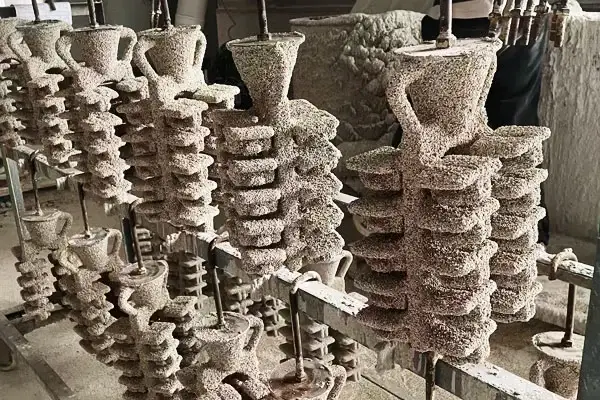
Lớp vỏ được hình thành bằng cách phủ nhiều lần vữa chịu lửa và vữa cát khô, chia thành áo khoác mặt, lớp phủ chuyển tiếp và lớp phủ dự phòng với các vật liệu và chức năng chịu lửa khác nhau.
Kết cấu lớp và vật liệu phù hợp
- Áo khoác mặt (lớp bề mặt): Tiếp xúc trực tiếp với kim loại nóng chảy ở nhiệt độ cao, đòi hỏi độ chịu lửa cực cao và độ trơ hóa học.
Dành cho thép không gỉ và siêu hợp kim cao cấp, bột zircon có độ tinh khiết cao và cát zircon được sử dụng; đối với thép cacbon tổng hợp, alumina nung chảy thường được sử dụng.
Lớp này ngăn chặn sự xâm nhập của kim loại, dính cát và phản ứng hóa học giữa kim loại nóng chảy và vật liệu chịu lửa. - Áo khoác chuyển tiếp: Tăng cường độ bền liên kết giữa lớp phủ mặt và lớp phủ dự phòng để tránh hiện tượng bong tróc vỏ trong quá trình nung và đổ.
- Áo khoác dự phòng (lớp sau): Sử dụng cát thạch anh và cốt liệu mullite chi phí thấp để cải thiện độ bền kết cấu tổng thể của vỏ và giảm chi phí vật liệu toàn diện.
Kiểm soát sấy:
Mỗi lớp phủ phải trải qua quá trình sấy khô tự nhiên hoàn toàn ở nhiệt độ không đổi (22~26°C) và độ ẩm không đổi (55%~65% RH).
Sấy khô không đủ để lại nước tự do còn sót lại bên trong vỏ, trở thành nguồn hydro và gây ra lỗ rỗng trong vật đúc.
Tổng số lớp vỏ dao động từ 8 ĐẾN 12; vật đúc có thành dày lớn đòi hỏi nhiều hơn 12 lớp để tăng cường sức mạnh.
Phân biệt chất kết dính:
Loại chất kết dính quyết định khả năng chịu lửa của vỏ, hàm lượng tạp chất và hiệu suất tổng thể, đó cũng là cơ sở để phân loại các tuyến kỹ thuật đúc đầu tư lớn.
3.4 Sương
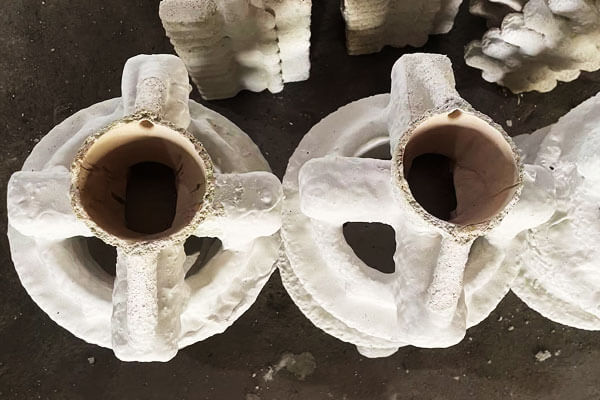
Quá trình tẩy sáp sẽ loại bỏ vật liệu hoa văn khỏi vỏ gốm và tạo ra khoang rỗng mà sau này sẽ được lấp đầy bằng kim loại nóng chảy.
Phương pháp công nghiệp tiêu chuẩn
Phương pháp công nghiệp được ưa chuộng là tẩy lông bằng hơi nước áp suất cao. Cách này được sử dụng rộng rãi vì loại bỏ sáp nhanh chóng và giảm nguy cơ hư hỏng vỏ..
Kiểm soát quá trình
Việc tẩy sáp bằng hơi nước phải được kiểm soát cẩn thận để:
- sáp tan chảy hoàn toàn,
- vỏ không bị nứt do sốc nhiệt,
- và không có dư lượng còn lại bên trong khoang.
Bất kỳ lượng sáp còn sót lại nào cũng là một vấn đề nghiêm trọng vì nó có thể bị phân hủy trong quá trình nung sau này và tạo ra ô nhiễm carbon., sự tiến hóa khí, hoặc khuyết tật bề mặt trong lần đúc cuối cùng.
Phục hồi vật liệu
Sáp thu hồi thường được thu thập, lọc, và tái chế, giúp cải thiện tính kinh tế của quy trình và hỗ trợ tái sử dụng vật liệu.
3.5 Đốt vỏ và làm nóng trước khi đổ
Vỏ gốm rỗng cần nung ở nhiệt độ cao từng đoạn để loại bỏ hoàn toàn cặn hữu cơ, thiêu kết các hạt vật liệu chịu lửa và ổn định cấu trúc vỏ; việc gia nhiệt trước được tiến hành trước khi rót để thích ứng với nhiệt độ kim loại nóng chảy.
Bắn theo phân đoạn
Việc bắn vỏ thường được thực hiện theo từng giai đoạn:
- Giai đoạn nhiệt độ thấp: loại bỏ các chất hữu cơ còn sót lại và dấu vết sáp
- Giai đoạn nhiệt độ trung bình: loại bỏ độ ẩm liên kết và phân hủy dư lượng chất kết dính còn lại
- Giai đoạn nhiệt độ cao: thiêu kết lớp vỏ chịu lửa và tạo nên sức bền cuối cùng
Việc gia nhiệt theo giai đoạn này ngăn ngừa nứt vỏ và đảm bảo vỏ đạt được điều kiện cấu trúc và nhiệt ổn định.
Làm nóng trước khi đổ
Vỏ nung sau đó được làm nóng trước để giảm khoảng cách nhiệt độ giữa khuôn và kim loại nóng chảy.. Làm nóng trước giúp:
- cải thiện làm đầy,
- giảm thiểu rủi ro chạy sai và đóng nguội,
- giảm thiểu sốc nhiệt,
- và hỗ trợ các phần mỏng hơn trong quá trình làm đầy.
Phạm vi làm nóng trước chính xác phụ thuộc vào hợp kim, phần dày, và một phần phức tạp.
3.6 Tan chảy, Kiểm soát khí quyển, và đổ
Đây là giai đoạn quyết định độ tinh khiết luyện kim và điền khuôn.
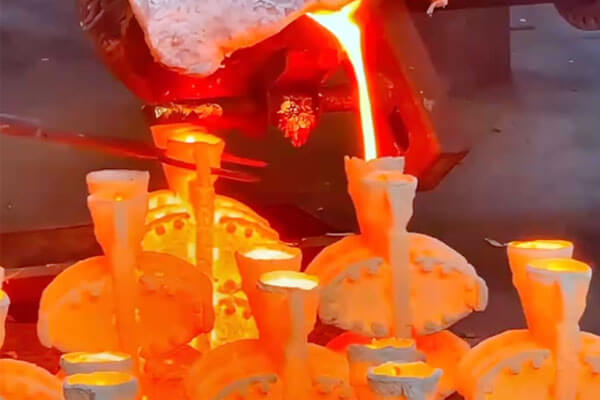
Thiết bị nấu chảy
Phương pháp nấu chảy phải phù hợp với họ hợp kim:
- Lò cảm ứng tần số trung bình cho đúc công nghiệp nói chung
- Cảm ứng chân không nóng chảy (Vim) cho hợp kim niken, hợp kim titan, và thép không gỉ có độ tinh khiết cao
Kiểm soát bầu không khí
Yêu cầu về khí quyển phụ thuộc vào hợp kim:
- thép carbon thông thường có thể được nấu chảy trong các hệ thống dựa trên không khí,
- thép không gỉ và hợp kim đồng thường yêu cầu che chắn bằng nitơ hoặc argon,
- và hợp kim phản ứng hoặc hiệu suất cao yêu cầu môi trường chân không hoặc được kiểm soát chặt chẽ.
Kiểm soát nhiệt độ rót
Nhiệt độ đổ là một trong những thông số nhạy cảm nhất trong quá trình đúc mẫu chảy. Nếu nó quá cao, tăng nguy cơ phân biệt và vi xốp.
Nếu nó quá thấp, tính lưu động giảm xuống và có thể xảy ra tình trạng chạy sai hoặc đóng nguội.
Độ quá nhiệt phải phù hợp với tính chất hóa học của hợp kim, lưu động, và hành vi hóa rắn.
Chế độ đổ
Đổ trọng lực là phương pháp phổ biến nhất. Đổ rót có hỗ trợ chân không có thể được sử dụng cho các bộ phận siêu mỏng hoặc có độ phức tạp cao.
Bất chấp phương pháp, dòng chảy phải duy trì ổn định và càng nhiều lớp càng tốt.
3.7 Làm mát, Sự rung chuyển, và làm sạch sơ cấp
Sau khi đổ, kim loại phải đông đặc và nguội đi trong điều kiện được kiểm soát.
Chế độ làm mát
Vật đúc bên trong vỏ gốm được làm mát chậm tự nhiên.
Đối với hợp kim dễ bị nứt nhiệt (chẳng hạn như thép không gỉ hợp kim cao và siêu hợp kim), làm mát nhanh cưỡng bức bị cấm để giải phóng ứng suất đông đặc dần dần.
Loại bỏ vỏ
Khi vật đúc đạt đến nhiệt độ phòng, vỏ gốm được loại bỏ bởi:
- rung động cơ học,
- nước áp lực cao,
- hoặc các phương pháp làm sạch bằng mài mòn như phun bi.
Mục đích là loại bỏ toàn bộ cặn vỏ mà không làm hỏng bề mặt vật đúc.
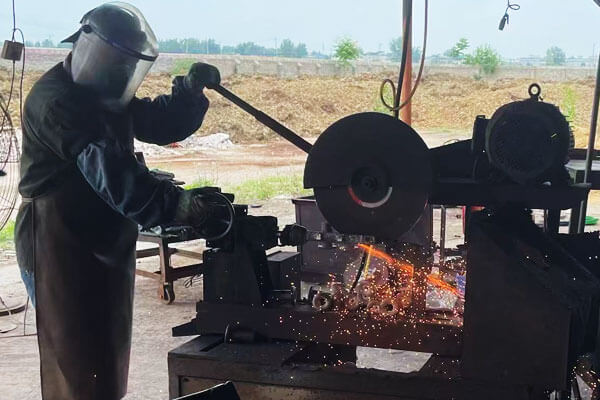
Cắt tỉa sơ cấp
Ở giai đoạn này, vật đúc được tách ra khỏi hệ thống chạy và nâng.
Vật liệu dư thừa được loại bỏ, và các bước mài hoặc làm sạch đầu tiên được thực hiện trên các vùng đầu nối và các điểm cắt.
3.8 Xử lý hậu kỳ và hoàn thiện cuối cùng
Sau khi thân đúc được sản xuất, các hoạt động bổ sung được sử dụng để đáp ứng chiều cuối cùng, cơ học, và yêu cầu bề mặt.
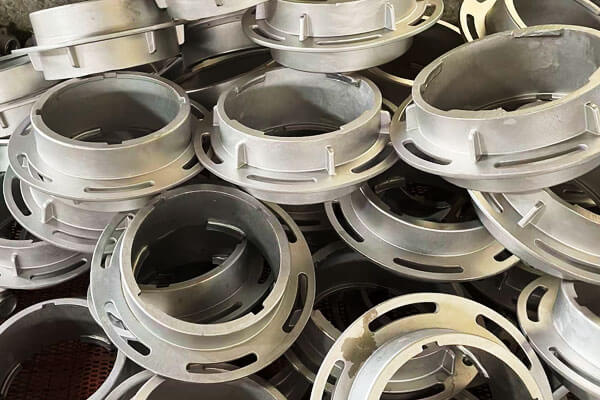
Các bước xử lý hậu kỳ phổ biến
- Mài và mài chính xác
- Điều trị nhiệt
- Bề mặt hoàn thiện
- Gia công chính xác
- Kiểm tra không phá hủy
- Kiểm tra chiều cuối cùng
Điều trị nhiệt
Lộ trình xử lý nhiệt phụ thuộc vào hợp kim:
- thép carbon có thể yêu cầu bình thường hóa, làm dịu đi, và ủ,
- thép không gỉ có thể cần ủ dung dịch,
- hợp kim được tăng cường kết tủa có thể yêu cầu dung dịch cộng với lão hóa.
Bước này rất cần thiết để ổn định cấu trúc vi mô và đạt được các tính chất cơ học cuối cùng.
Xử lý bề mặt
Tùy thuộc vào ứng dụng, bộ phận có thể nhận được:
- bắn nổ,
- ngâm,
- thụ động,
- Anod hóa,
- mạ điện,
- hoặc lớp phủ bảo vệ.
Gia công chính xác
Các bề mặt quan trọng như:
- khuôn mặt lắp ráp,
- lỗ ren,
- bề mặt định vị,
- và khu vực niêm phong
có thể yêu cầu gia công bổ sung với các khoản phụ cấp nhỏ.
Điều tra
Việc kiểm tra chất lượng cuối cùng thường bao gồm:
- Kiểm tra thâm nhập,
- Xét nghiệm X quang,
- Kiểm tra siêu âm,
- và đo kích thước.
Chỉ những bộ phận vượt qua tất cả các bước kiểm tra bắt buộc mới được phân loại, đóng gói, và giao hàng.
4. Phân loại công nghệ đúc đầu tư chính thống
Cách thực tế nhất để phân loại việc đúc đầu tư chính thống là hệ thống chất kết dính được sử dụng để xây dựng vỏ gốm.
Trong thực tế công nghiệp hiện nay, ba tuyến đường chính là đúc đầu tư thủy tinh, Đúc đầu tư silica sol, Và đúc đầu tư composite.
Cách phân loại này được sử dụng rộng rãi vì chất kết dính ảnh hưởng trực tiếp đến độ bền của vỏ., độ chính xác chiều, chất lượng bề mặt, chu trình làm vỏ, và các họ hợp kim mà mỗi tuyến đường có thể hỗ trợ.
Đúc đầu tư thủy tinh nước
Đúc đầu tư thủy tinh nước Sử dụng Natri silicat như chất kết dính vỏ.
Các mô tả của ngành mô tả nó là một quy trình có chu trình tạo vỏ tương đối ngắn và chi phí thấp., điều này làm cho nó trở nên hấp dẫn đối với sản xuất nơi kinh tế là quan trọng.
Đồng thời, nhiều nguồn lưu ý rằng vỏ thủy tinh nước thường cho độ chính xác chiều thấp hơn và độ nhám bề mặt cao hơn hơn vỏ silica-sol.
Do đó, tuyến đường này được hiểu tốt nhất là một phương pháp đúc chính xác theo định hướng chi phí.
Nó được sử dụng rộng rãi cho thép carbon, Thép hợp kim thấp, Hợp kim nhôm, và đúc hợp kim đồng, trong đó sự cân bằng quy trình có lợi cho năng suất và giá cả trên bề mặt hoặc mức dung sai cao nhất.
Đúc đầu tư silica sol
Đúc đầu tư silica-sol Sử dụng Silica keo như chất kết dính.
Các nguồn kỹ thuật luôn mô tả nó là tuyến đường có độ chính xác cao hơn: nó cung cấp dung sai kích thước và hình học tốt hơn, chất lượng bề mặt mịn hơn, và hiệu suất vỏ tổng thể mạnh hơn so với đúc thủy tinh.
Nó cũng liên quan đến thời gian chế tạo vỏ lâu hơn và chi phí cao hơn., bởi vì độ chính xác đạt được thông qua việc sản xuất vỏ được kiểm soát chặt chẽ hơn.
Tuyến đường này thường là sự lựa chọn ưu tiên cho thép không gỉ, thép chịu nhiệt, và đúc hợp kim hiệu suất cao, đặc biệt là nơi phần cần chi tiết tốt, chất lượng bề mặt đáng tin cậy, và kiểm soát dung sai chặt chẽ hơn.
Trong thực tế, silica sol là con đường thường được liên kết nhất với các bộ phận công nghiệp đòi hỏi khắt khe, nơi chất lượng quy trình phải phù hợp với hiệu suất của hợp kim.
Đúc đầu tư tổng hợp
Đúc đầu tư tổng hợp là một cách tiếp cận lai kết hợp các yếu tố của cả hai hệ thống chất kết dính để cân bằng độ chính xác, năng suất, và chi phí.
Các nguồn đúc mô tả loại tuyến đường này như một nền tảng trung gian thực tế, trong đó thiết kế vỏ hoặc lựa chọn chất kết dính được điều chỉnh sao cho quy trình không hoàn toàn tốn kém như silica sol, nhưng cũng không bị hạn chế về mặt chi phí như việc bắn thủy tinh nước tinh khiết.
Về mặt kỹ thuật, tuyến đường tổng hợp được sử dụng khi bộ phận đó cần kinh tế tốt hơn so với đúc toàn bộ silica-sol nhưng cũng cần chất lượng tốt hơn so với đúc thủy tinh nước tinh khiết.
Việc thực hiện chính xác khác nhau tùy theo xưởng đúc, bởi vì hệ thống composite phụ thuộc rất nhiều vào cách lớp phủ mặt, áo dự phòng, và chất kết dính hóa học được kết hợp.
5. Khiếm khuyết đúc điển hình: Nguyên nhân gốc rễ và các biện pháp khắc phục có mục tiêu
Đúc đầu tư, mặc dù độ chính xác của nó, dễ mắc phải một số loại khuyết tật. Bảng dưới đây tóm tắt các lỗi thường gặp, nguồn gốc của họ, và hành động khắc phục.
| Khuyết điểm | Thị giác / chữ ký NDT | Nguyên nhân gốc | Biện pháp khắc phục |
| Độ xốp khí | Tròn, khoảng trống bên trong có thành nhẵn | Khí hòa tan (H₂, N₂) trong kim loại nóng chảy; khử oxy thấp | nóng chảy chân không; khử khí bằng khí trơ; thực hành khử oxy thích hợp |
| Độ xốp co ngót | lởm chởm, khoảng trống không đều | Cho ăn không đủ; thiết kế bậc thang kém | Tăng kích thước ống nâng; thêm ớn lạnh; sửa đổi cổng để thúc đẩy quá trình hóa rắn định hướng |
| Giọt nước mắt nóng bỏng | Vết nứt rách rưới, cạnh bị oxy hóa | Ứng suất kéo trong quá trình đông đặc muộn; hạn chế khuôn | Giảm độ cứng của vỏ; nhiệt độ rót thấp hơn; Sửa đổi thành phần hợp kim |
| Bao gồm (xỉ, Dross) | Các hạt phi kim loại không đều | Đổ hỗn loạn; tan chảy bẩn; vật liệu chịu lửa bị xói mòn | Sử dụng sạc sạch; bộ lọc gốm; đổ đáy; làm đầy nhẹ nhàng |
Độ nhám bề mặt / đường gân |
Các đường nổi lên hoặc các “vây” khi đúc | Vỏ nứt trong quá trình đổ đầy; độ bền vỏ thấp | Tăng độ dày vỏ; hàm lượng chất kết dính cao hơn; sử dụng vật liệu chịu lửa mạnh hơn |
| Ai Cập / đóng cửa lạnh lùng | Điền không đầy đủ; bề mặt gấp | Nhiệt độ rót thấp; tính lưu động kém; phần mỏng | Tăng nhiệt độ rót; cải thiện cổng; sơ tán nấm mốc (đúc chân không) |
| Sự thay đổi cốt lõi | Sự thay đổi độ dày của tường | Chuyển động của lõi trong quá trình xây dựng hoặc đổ vỏ | Hỗ trợ cốt lõi tốt hơn (tràng hạt); làm khô vỏ chậm hơn; áp suất đổ thấp hơn |
6. So sánh với đúc cát, Đúc chết, và rèn
Các kỹ sư thường so sánh việc đúc mẫu đầu tư với ba tuyến sản xuất thay thế. Bảng dưới đây cung cấp sự cân bằng về mặt định lượng.
| Tiêu chí đánh giá | Đúc đầu tư | Đúc cát | Đúc chết (HPDC) | Rèn |
| Bề mặt hoàn thiện (Ra, Sọ) | 1.6Mạnh6.3 | 6.3–25 | 0.8Ăn33.2 | 0.4Ăn33.2 |
| Dung sai kích thước (mm / 25 mm) | ±0,1–0,3 | ± 0,5–1,0 | ±0,1–0,3 | ±0,05–0,2 |
| Phần thực hành tối thiểu (mm) | 0.5Mạnh1.5 | 3—5 | 0.5Mạnh1.0 | 1–3 |
| Độ phức tạp hình học | Rất cao; undercuts, Chi tiết tốt, Các tính năng nội bộ | Cao với lõi, nhưng độ chính xác hạn chế | Vừa phải; khả năng cắt xén hạn chế | Thấp đến trung bình; tốt nhất cho hình dạng đơn giản hơn |
| Sử dụng vật liệu | 90–95% | 60–80% | 90–95% | 60–80% |
| Chi phí dụng cụ | Trung bình đến cao | Thấp đến trung bình | Cao | Rất cao |
| Chi phí mỗi bộ phận ở khối lượng lớn | Vừa phải | Thấp | Rất thấp | Vừa phải |
| Chi phí mỗi bộ phận ở khối lượng thấp | Cao trừ khi dụng cụ được khấu hao | Thấp đến trung bình | Không thực tế do gánh nặng dụng cụ | Rất cao |
| Trọng lượng tối đa điển hình | Lên đến khoảng 150 kg cho thép đúc | Rất lớn; qua 10,000 kg có thể | Thông thường khoảng 15 kg | Qua 500 kg có thể |
| Phạm vi hợp kim | Hầu như tất cả các hợp kim đúc được | Hầu như tất cả các hợp kim đúc được | Chủ yếu là hợp kim màu | Tất cả kim loại, nhưng bị giới hạn về mặt hình học |
7. Ứng dụng công nghiệp của đúc đầu tư
Đúc mẫu chảy được sử dụng trong các ngành công nghiệp nơi độ phức tạp hình học, chất lượng bề mặt, hiệu suất hợp kim, và độ lặp lại quan trọng hơn chi phí sản xuất thấp nhất có thể.
Tua bin khí và hàng không vũ trụ
Hàng không vũ trụ là một trong những lĩnh vực ứng dụng đòi hỏi kỹ thuật cao nhất để đúc mẫu đầu tư.
Các thành phần như Lưỡi dao tuabin, Vanes, Vòi phun nhiên liệu, trường hợp khuếch tán, và các bộ phận nóng khác thường yêu cầu hình dạng cánh máy bay phức tạp, tường mỏng, đoạn nội bộ chính xác, và độ bền nhiệt độ cao tuyệt vời.
Các siêu hợp kim gốc niken và hợp kim gốc coban được sử dụng rộng rãi vì chúng có thể duy trì tính toàn vẹn cơ học trong điều kiện nhiệt độ và ứng suất khắc nghiệt..
Thiết bị y tế và cấy ghép
Các ứng dụng y tế đặt ra một loạt các yêu cầu khác nhau trong quy trình.
Các bộ phận như cấy ghép chỉnh hình, Thân cây, khay đầu gối, dụng cụ phẫu thuật, và phần cứng giải phẫu chính xác yêu cầu tương thích sinh học, chất lượng bề mặt, độ chính xác chiều, và hiệu suất cơ học đáng tin cậy.
Vật liệu phổ biến bao gồm 316L Thép không gỉ, Hợp kim Co-Cr-Mo, và các hợp kim Titan như Ti-6al-4V.
Ô tô và vận tải
Trong lĩnh vực ô tô, đúc đầu tư được sử dụng cho các thành phần như Bánh xe tăng áp, ống xả, Các thành phần liên quan đến EGR, dĩa thay đổi, dấu ngoặc, và phần cứng hiệu suất cao khác.
Những bộ phận này thường yêu cầu cân bằng khả năng chịu nhiệt, kiểm soát cân nặng, và độ phức tạp hình học.
Thép không gỉ và thép cacbon cao hoặc thép hợp kim thường được sử dụng tùy thuộc vào trường hợp tải nhiệt và cơ khí.
Dầu khí, Xử lý hóa học, và xử lý chất lỏng
Các ngành công nghiệp dầu khí và hóa chất phụ thuộc rất nhiều vào việc đúc khuôn đầu tư cho thân van, Máy bơm bơm, vỏ đồng hồ đo lưu lượng, phụ kiện, và các thành phần dòng chảy chống ăn mòn.
Vật liệu điển hình bao gồm Thép không gỉ loại CF-8M, Thép không gỉ song công, và hợp kim chống ăn mòn gốc niken.
Sản xuất điện và thiết bị nhiệt
Việc sản xuất điện đòi hỏi phải đầu tư vào một số điều kiện dịch vụ khắc nghiệt nhất.
Các thành phần như lót đốt, phần chuyển tiếp, vòng vòi phun, và phần cứng khí nóng khác tiếp xúc với quá trình oxy hóa, Đạp xe nhiệt, và dòng khí nhiệt độ cao.
Các loại thép không gỉ như 310 và các hợp kim gốc niken như Bất tiện 625 thường được sử dụng vì khả năng chịu nhiệt độ cao.
10. Phần kết luận
Đúc đầu tư là một trưởng thành, công nghệ tạo hình kim loại chính xác đa nhánh và liên tục phát triển.
Giá trị cốt lõi của nó nằm ở việc phá vỡ các giới hạn về cấu trúc của khuôn truyền thống và hiện thực hóa việc tạo hình dạng gần như lưới tích hợp của các bộ phận hiệu suất cao phức tạp.
Ba tuyến kỹ thuật dựa trên chất kết dính chính thống tạo thành một thị trường có thứ bậc rõ ràng: Đúc đầu tư thủy tinh nước chi phí thấp chiếm ưu thế trong các bộ phận công nghiệp nói chung có độ chính xác trung bình,
trong khi quá trình đúc mẫu silica sol có độ tinh khiết cao trở thành tiêu chuẩn vàng cho các bộ phận có độ chính xác cao cấp trong ngành hàng không vũ trụ, lĩnh vực y tế và năng lượng cao cấp.
Chất lượng của vật đúc đầu tư phụ thuộc vào sự kiểm soát chính xác toàn chuỗi của quá trình chế tạo mẫu sáp, làm vỏ, sương, bắn, tan chảy và đổ.
Mỗi thông số quá trình và định mức hoạt động được lồng vào nhau, và bất kỳ sơ suất nào cũng sẽ gây ra các khiếm khuyết xếp tầng.
Mặc dù bị hạn chế bởi chu kỳ sản xuất và chi phí trong một số trường hợp, lợi thế độc đáo của nó trong việc hình thành cấu trúc phức tạp, chất lượng luyện kim và khả năng thích ứng của vật liệu đảm bảo vị thế không thể thay thế của nó trong sản xuất cao cấp.
Được thúc đẩy bởi sản xuất thông minh, sản xuất xanh và lặp lại vật liệu mới, đúc đầu tư hiện đại sẽ tiếp tục vượt qua các nút thắt kỹ thuật, nâng cao hiệu quả sản xuất và giảm chi phí toàn diện.
Là một công nghệ đúc chính xác nền tảng, nó sẽ tiếp tục hỗ trợ nâng cấp sản xuất thiết bị cao cấp toàn cầu và mở rộng ranh giới ứng dụng của nó trong các ngành công nghiệp mới nổi.
Câu hỏi thường gặp
Ý tưởng chính đằng sau việc đúc đầu tư là gì?
Mẫu sáp hoặc nhựa dùng một lần được bao quanh bởi lớp vỏ gốm, mô hình được loại bỏ, và kim loại nóng chảy được đổ vào khoang để tạo ra một bộ phận gần như hình lưới.
Tại sao đúc đầu tư được chọn thay vì đúc cát?
Bởi vì nó thường cho chi tiết tốt hơn, bề mặt hoàn thiện tốt hơn, và dung sai chặt chẽ hơn, làm giảm công việc hoàn thiện.
Hệ thống chất kết dính nào cho độ chính xác cao nhất?
Silica sol thường được sử dụng cho các kết quả có độ chính xác cao nhất, đúc đầu tư bề mặt nhẵn, trong khi hệ thống thủy tinh có định hướng chi phí nhiều hơn.
Những khiếm khuyết phổ biến nhất là gì?
Bao gồm, Độ xốp, Khiếm khuyết co ngót, chạy sai/đóng nguội, và nứt vỏ là một trong những vấn đề đúc phổ biến nhất.

