

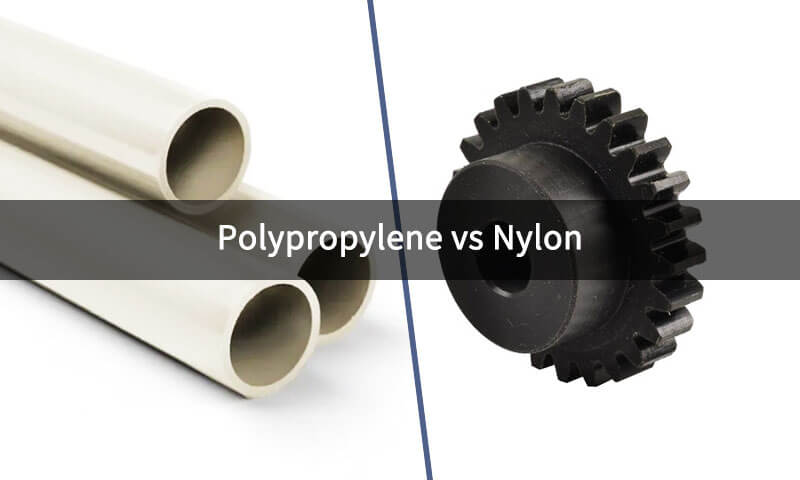
Polypropylen là một polyolefin bán tinh thể được biết đến với mật độ thấp, chống ẩm tuyệt vời, kháng hóa chất, Kháng mệt mỏi, và xử lý tương đối dễ dàng.
Nylon, một họ polyamit, thường được công nhận vì độ bền và độ cứng cao hơn, Độ bền tuyệt vời, Ma sát thấp, Đang đeo điện trở, và hiệu suất nhiệt độ cao tốt hơn.
Điều quan trọng là tránh coi một trong hai vật liệu là một, đặc điểm kỹ thuật cố định. PP và nylon là các họ vật liệu chứ không phải là các loại riêng lẻ.
PA6, PA66, PA12, nylon chứa đầy thủy tinh, PP đồng nhất, chất đồng trùng hợp PP, PP chứa đầy khoáng chất, và PP gia cố bằng thủy tinh có thể có những đặc tính khác nhau đáng kể.
Vì thế, một ý nghĩa polypropylen và nylon so sánh nên xem xét không chỉ sức mạnh và khả năng chịu nhiệt độ, mà còn hấp thụ độ ẩm, Khả năng tương thích hóa học, ma sát và mài mòn, hiệu suất điện, sự ổn định kích thước, hành vi ép phun, chi phí sản xuất, và điều kiện sử dụng thực tế.
1. Polypropylen là gì?
Polypropylen (PP) là một loại polyme nhiệt dẻo được sử dụng rộng rãi thuộc nhóm họ polyolefin.
Nó có giá trị vì mật độ thấp, Kháng hóa chất tuyệt vời, hấp thụ độ ẩm rất thấp, hiệu suất mệt mỏi tốt, Cách điện điện, và khả năng xử lý hiệu quả.
Polypropylen đặc biệt hấp dẫn khi các thành phần nhựa cần kết hợp trọng lượng nhẹ, kháng hóa chất và độ ẩm, Độ cứng tốt, hiệu suất uốn lặp đi lặp lại, và sản xuất hiệu quả chi phí.
Polypropylen về cơ bản khác với nylon ở thành phần hóa học phân tử của nó. Xương sống polymer của nó chủ yếu bao gồm các chuỗi hydrocarbon với các nhóm methyl tuần hoàn (-CH₃) gắn vào xương sống carbon.
Không giống như nylon, PP không chứa nhóm amit phân cực có khả năng tạo liên kết hydro mạnh với phân tử nước.
Cấu trúc phân tử tương đối không phân cực này chịu trách nhiệm cho nhiều đặc tính kỹ thuật quan trọng của polypropylen.
Nó góp phần vào sự hấp thụ nước rất thấp, sức đề kháng tuyệt vời với nhiều hóa chất, cách điện ổn định, Mật độ thấp, và khả năng chống thay đổi kích thước liên quan đến độ ẩm tốt.
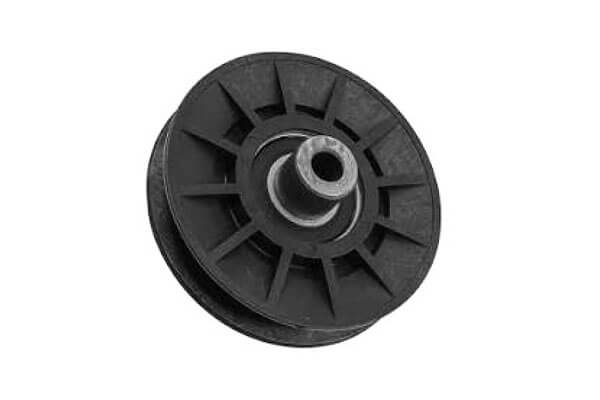
Các công thức khác nhau có thể được thiết kế cho các ứng dụng khác nhau.
Các loại polypropylen phổ biến bao gồm:
- PP đồng nhất
- Chất đồng trùng hợp ngẫu nhiên PP
- Chất đồng trùng hợp tác động PP
- PP gia cố bằng sợi thủy tinh
- PP chứa đầy khoáng chất
- PP chứa đầy Talc
- PP ổn định tia cực tím
- PP chống cháy
- PP biến đổi điện
Khả năng biến đổi PP thông qua quá trình đồng trùng hợp, chất làm đầy, sợi, và phụ gia cho phép nhà sản xuất cân bằng độ cứng, sức mạnh tác động, kháng hóa chất, vẻ bề ngoài, hành vi xử lý, và chi phí.
Ưu điểm và hạn chế của Polypropylen
Những ưu điểm chính của polypropylen bao gồm:
- Mật độ thấp: PP sản xuất linh kiện nhẹ.
- Chống ẩm tuyệt vời: Khả năng hấp thụ nước cực kỳ thấp.
- Kháng hóa chất tốt: Đặc biệt hiệu quả chống lại nhiều axit nước, kiềm, muối, và chất tẩy rửa.
- Kháng mệt mỏi tuyệt vời: Thích hợp cho bản lề uốn cong và sống động lặp đi lặp lại.
- Cách điện tốt: Hữu ích cho vỏ điện và các bộ phận cách điện.
- Đặc tính ép phun tuyệt vời: Độ nhớt nóng chảy thấp và dòng chảy tốt tạo điều kiện cho sản xuất khối lượng lớn.
- Chi phí vật liệu thấp: PP thường tiết kiệm hơn nylon kỹ thuật.
- Tính linh hoạt thiết kế tốt: Nó có thể được sản xuất với nhiều màu sắc khác nhau, công thức, và sự xuất hiện bề mặt.
Tuy nhiên, polypropylene cũng có những hạn chế.
PP tiêu chuẩn thường cung cấp độ cứng thấp hơn và hiệu suất cơ học ở nhiệt độ cao hơn nylon.
Dưới tải cơ học duy trì, đặc biệt ở nhiệt độ cao, PP có thể bị rão và biến dạng.
Hệ số giãn nở nhiệt tương đối cao của nó cũng có thể quan trọng trong các ứng dụng chính xác.
Ngoài ra, PP chưa biến tính có thể bị phân hủy khi tiếp xúc với tia cực tím kéo dài, vì vậy các ứng dụng ngoài trời có thể yêu cầu chất ổn định tia cực tím hoặc các biện pháp bảo vệ khác.
2. Nylon là gì?
Nylon là một họ nhựa nhiệt kỹ thuật thuộc nhóm polyamide (PA) nhóm.
Nó được sử dụng rộng rãi khi các thành phần nhựa phải cung cấp sự kết hợp giữa độ bền cao, Độ cứng, độ dẻo dai, Đang đeo điện trở, Ma sát thấp, Hiệu suất mệt mỏi, và khả năng chịu nhiệt độ cao.
Về cơ bản, nylon khác với polypropylen ở tính chất hóa học phân tử của nó..
Xương sống polymer chứa định kỳ nhóm amit (-CONH-), tạo ra các tương tác giữa các phân tử mạnh hơn những tương tác có trong cấu trúc hydrocarbon không phân cực của PP.
Các nhóm amide này chịu trách nhiệm cho nhiều đặc tính kỹ thuật mong muốn của nylon.
Chúng góp phần tạo nên độ bền cơ học của nó, Độ cứng, độ dẻo dai, và khả năng chịu được ma sát và tải trọng lặp đi lặp lại.
Đồng thời, Bản chất phân cực của các nhóm amide khiến nylon hấp thụ độ ẩm. Đây là một trong những yếu tố quan trọng nhất khi so sánh nylon và polypropylen.
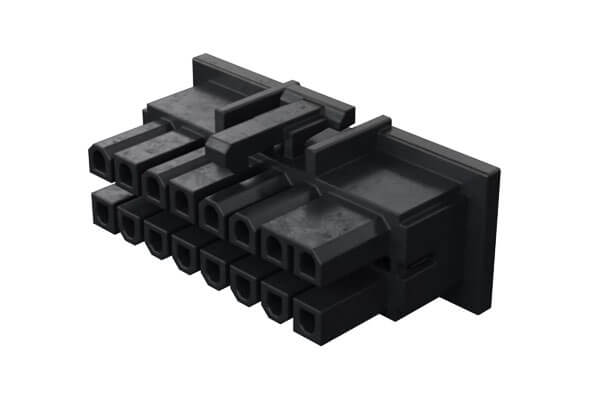
Nylon không phải là một chất liệu duy nhất. Một số họ polyamit quan trọng về mặt thương mại tồn tại,
bao gồm:
- PA6
- PA66
- PA11
- PA12
- PA46
- Các loại PA được gia cố bằng sợi thủy tinh khác nhau
- Lớp PA chứa đầy khoáng chất
- Lớp PA chống cháy
- Lớp PA ổn định nhiệt
Trong số này, PA6 và PA66 đặc biệt phổ biến trong các ứng dụng kỹ thuật.
Nylon được sử dụng rộng rãi cho các bộ phận cơ khí vì nó có thể kết hợp hiệu suất kết cấu với độ ma sát tương đối thấp.
Không giống như nhiều kim loại, nó cũng có thể cung cấp một giải pháp thay thế nhẹ cho bánh răng, ống lót, con lăn, hướng dẫn, và các bộ phận chuyển động khác.
Ưu điểm và hạn chế của nylon
Ưu điểm chính của nylon bao gồm:
- Độ bền kéo cao
- Độ cứng cao
- Độ bền tuyệt vời
- Kháng mệt mỏi tốt
- Kháng mặc tuyệt vời
- Ma sát thấp
- Khả năng chống chịu tải cơ học lặp đi lặp lại tốt
- Hiệu suất nhiệt độ cao tốt hơn PP tiêu chuẩn
- Sự phù hợp mạnh mẽ cho các thành phần cơ khí
Những hạn chế của nó bao gồm:
- Hấp thụ độ ẩm cao hơn
- Thay đổi kích thước liên quan đến độ ẩm
- Yêu cầu sấy khắt khe hơn
- Nhiệt độ xử lý cao hơn
- Độ nhạy cao hơn với điều kiện xử lý
- Chi phí vật liệu cao hơn
- Những thay đổi đặc tính tiềm năng giữa trạng thái khô và điều hòa độ ẩm
3. Sức mạnh của Polypropylen và Nylon
Độ bền và độ cứng cao hơn của nylon
Khi so sánh polypropylene và nylon về độ bền cơ học, nylon thường cung cấp độ bền kéo cao hơn, Độ cứng, và khả năng chịu tải tốt hơn polypropylen không độn.
Các loại PP không độn điển hình có độ bền kéo xấp xỉ 25–40 MPa, trong khi các loại PA6 và PA66 thông thường thường có thể đạt khoảng 50MP90 MPA, tùy thuộc vào cấp lớp cụ thể và điều kiện kiểm tra.
Sự khác biệt có liên quan chặt chẽ đến cấu trúc phân tử. Polypropylen có khung hydrocarbon tương đối không phân cực, trong khi nylon chứa các nhóm amit phân cực tạo ra tương tác giữa các phân tử và liên kết hydro mạnh hơn.
Những tương tác này hạn chế chuyển động phân tử và cho phép nylon chống biến dạng hiệu quả hơn dưới tác dụng của tải cơ học..
Hiệu suất mỏi uốn tuyệt vời của Polypropylen
Mặc dù nylon thường bền hơn, polypropylene có một lợi thế cơ học quan trọng trong uốn cong lặp đi lặp lại.
PP có thể chịu được sự uốn cong theo chu kỳ trên diện rộng mà không bị nứt khi bộ phận được thiết kế phù hợp.
Điều này làm cho nó đặc biệt thích hợp cho bản lề sống, đóng cửa linh hoạt, tính năng vừa vặn, và các thành phần bị uốn cong nhiều lần.
Vì thế, độ bền kéo cao hơn không tự động làm cho nylon trở thành vật liệu tốt hơn cho mọi ứng dụng cơ khí.
Chế độ tải phải được xem xét cùng với sức mạnh, Độ cứng, Mệt mỏi, sự va chạm, và yêu cầu leo.
Cải thiện sức mạnh với cốt thép
Cả hai polyme đều có thể được gia cố để đạt được hiệu suất cơ học cao hơn đáng kể.
PP gia cố bằng sợi thủy tinh có thể đạt độ bền kéo xấp xỉ 70MP90 MPA ở các lớp đại diện, trong khi 30% PA6 được gia cố bằng sợi thủy tinh có thể đạt tới khoảng 130–170 MPa, tùy thuộc vào công thức và điều kiện thử nghiệm.
Gia cố cũng làm tăng độ cứng và khả năng chống leo, mặc dù nó có thể gây ra tính bất đẳng hướng lớn hơn, sự khác biệt về độ co ngót của khuôn, và cân nhắc xử lý.
4. Khả năng chịu nhiệt độ của Polypropylen và Nylon
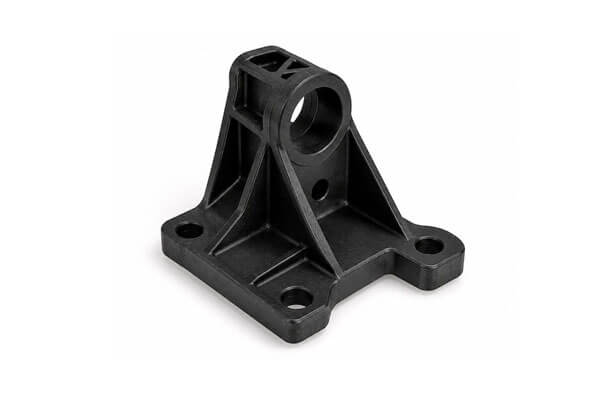
Khả năng chịu nhiệt độ cao hơn của nylon
Nylon thường cung cấp khả năng chịu nhiệt độ tốt hơn polypropylen, đặc biệt khi vật liệu phải duy trì độ bền cơ học và độ cứng ở nhiệt độ cao.
Các loại polypropylen điển hình có nhiệt độ nóng chảy xấp xỉ 160Mạnh170 ° C., trong khi PA6 tan chảy ở khoảng 220° C. và PA66 vào khoảng 255° C..
Tuy nhiên, nhiệt độ nóng chảy không nên nhầm lẫn với nhiệt độ hoạt động liên tục.
Các thành phần nhựa nhiệt dẻo thường mất đi độ cứng và khả năng chịu tải trước khi đạt đến điểm nóng chảy.
Nylon thường giữ được các đặc tính cơ học hữu ích ở nhiệt độ cao hơn.
Tùy thuộc vào cấp độ và cốt thép, nylon có thể cung cấp hiệu suất làm lệch nhiệt tốt hơn đáng kể và khả năng chống biến dạng.
Khả năng nhiệt độ vừa phải của Polypropylen
Polypropylen vẫn có hiệu quả cao trong nhiều ứng dụng hoạt động ở nhiệt độ vừa phải.
Chi phí thấp của nó, kháng hóa chất, và khả năng hấp thụ độ ẩm thấp có thể làm cho nó tiết kiệm hơn nylon khi không cần chịu nhiệt độ cao.
Ví dụ, PP được sử dụng rộng rãi làm container, ống dẫn, vỏ, thành phần đường ống, và các bộ phận bên trong ô tô nơi nhiệt độ vận hành vẫn nằm trong phạm vi thực tế của vật liệu.
5. Polypropylene vs Nylon Độ ẩm và kháng hóa chất
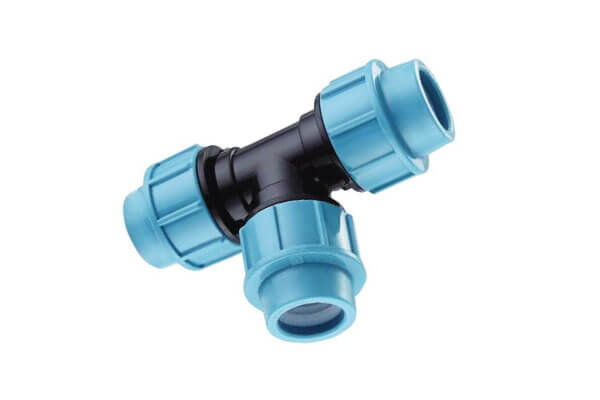
Khả năng chống ẩm vượt trội của Polypropylen
Polypropylen có ưu điểm lớn hơn nylon về khả năng chống ẩm. Cấu trúc phân tử của nó chủ yếu là không phân cực, vì vậy nước có sự tương tác rất hạn chế với chuỗi polyme.
Các loại polypropylene điển hình có khả năng hấp thụ nước cực thấp, thường xuyên xung quanh 0.01% hoặc ít hơn sau 24 giờ, tùy theo cấp độ và phương pháp kiểm tra.
Khả năng hấp thụ độ ẩm thấp này cho phép các thành phần PP duy trì kích thước tương đối ổn định, cân nặng, tính chất cơ học, và đặc tính điện trong môi trường ẩm ướt hoặc ẩm ướt.
Khả năng hấp thụ độ ẩm cao hơn của nylon
Nylon hoạt động khác vì xương sống phân tử của nó chứa các nhóm amit phân cực.
Các nhóm này dễ dàng tương tác với các phân tử nước, cho phép nylon hấp thụ độ ẩm nhiều hơn đáng kể.
Tùy thuộc vào loại polyamit và điều kiện môi trường, nylon có thể hấp thụ vài phần trăm trọng lượng của nó trong nước ở trạng thái cân bằng.
PA6 và PA66 đặc biệt nhạy cảm với độ ẩm so với polypropylen.
Độ ẩm đóng vai trò như chất làm dẻo trong nylon. Khi hàm lượng nước tăng, nylon thường trở nên dẻo hơn trong khi độ cứng và độ bền của nó giảm. Đồng thời, mở rộng chiều có thể xảy ra.
Hành vi này đặc biệt quan trọng đối với các thành phần chính xác như bánh răng, ống lót, đầu nối, và vỏ có dung sai chặt chẽ.
Khả năng kháng hóa chất tuyệt vời của Polypropylen
Polypropylen cũng có khả năng chống chịu tuyệt vời với nhiều loại hóa chất, cụ thể Pha loãng axit, kiềm, muối, chất tẩy rửa, và dung dịch hóa chất nước.
Sự kết hợp giữa khả năng kháng hóa chất và khả năng hút ẩm thấp khiến PP được sử dụng rộng rãi làm thùng chứa hóa chất, xe tăng, đường ống, thiết bị thí nghiệm, lớp lót, và các bộ phận xử lý chất lỏng.
Tốt nhưng khả năng kháng hóa chất phụ thuộc vào ứng dụng nhiều hơn của nylon
Nylon cung cấp sức đề kháng hữu ích cho nhiều loại dầu, nhiên liệu, mỡ, và hóa chất công nghiệp. Tuy nhiên, khả năng kháng hóa chất của nó phụ thuộc nhiều hơn vào các điều kiện dịch vụ và hóa chất cụ thể.
Một số axit mạnh và môi trường hóa học mạnh có thể tấn công vật liệu polyamit. Nhiệt độ tăng cao và ứng suất cơ học có thể ảnh hưởng hơn nữa đến khả năng tương thích hóa học.
Do đó, không nên lựa chọn nylon chỉ dựa trên cơ sở phân loại kháng hóa chất chung.
thực tế nồng độ hóa chất, nhiệt độ, thời gian phơi sáng, mức độ căng thẳng, và lớp nylon nên được đánh giá.
6. Polypropylen so với ma sát nylon và khả năng chống mài mòn
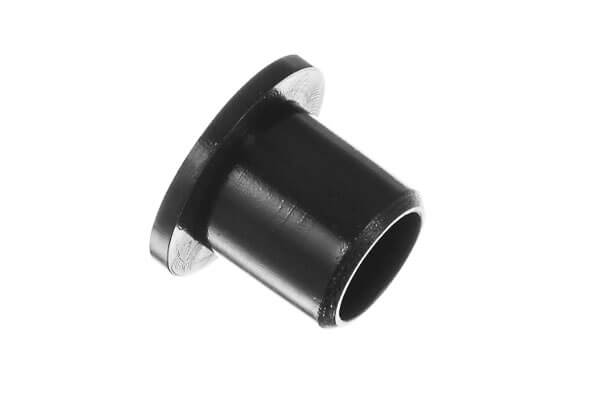
Hiệu suất mài mòn cơ học tốt hơn của nylon
Nylon được công nhận rộng rãi là vật liệu kỹ thuật hữu ích cho các ứng dụng liên quan đến ma sát, trượt, và tiếp xúc cơ học lặp đi lặp lại.
Sự kết hợp của sức mạnh của nó, độ dẻo dai, Độ cứng, và ma sát tương đối thấp làm cho nó thích hợp cho các bánh răng, ống lót, Vòng bi, con lăn, mặc dải, và các thành phần hướng dẫn.
Hệ số ma sát khô điển hình của nylon có thể rơi vào khoảng xấp xỉ 0.2Tiết0.4, phụ thuộc mạnh mẽ vào lớp, mặt đối diện, trọng tải, tốc độ trượt, bề mặt hoàn thiện, và phương pháp thử.
Độ bền cơ học tương đối cao của nylon cho phép nó chịu được ứng suất tiếp xúc mà không bị biến dạng quá mức, điều này đặc biệt quan trọng trong các bộ phận trượt có tải.
Đặc tính ma sát thấp của Polypropylen
Polypropylen cũng có thể có độ ma sát tương đối thấp và có thể hoạt động tốt trong các ứng dụng trượt đã chọn.
Một số loại PP nhất định được sử dụng khi có trọng lượng nhẹ, kháng hóa chất, và vật liệu trượt chi phí thấp là cần thiết.
Tuy nhiên, hệ số ma sát và khả năng chống mài mòn không giống nhau.
Vật liệu có thể có hệ số ma sát thấp trong khi vẫn bị tổn thất vật liệu tương đối cao khi tiếp xúc cơ học liên tục.
Đối với các bộ phận chịu tải nặng hoặc di chuyển liên tục, nylon thường mang lại sự kết hợp thuận lợi hơn giữa khả năng chịu tải cơ học và khả năng chống mài mòn.
Các hợp chất chuyên dụng có thể cải thiện khả năng chống mài mòn
Cả hai vật liệu đều có thể được sửa đổi cho các ứng dụng ma sát.
Các hợp chất nylon có thể kết hợp với PTFE, than chì, molypden disulfua, chất bôi trơn gốc silicone, hoặc các chất phụ gia khác để giảm ma sát và cải thiện khả năng chống mài mòn.
Polypropylen cũng có thể được pha chế với chất độn và chất phụ gia bôi trơn cho các ứng dụng chuyên dụng có độ ma sát thấp.
Tuy nhiên, cốt thép phải được lựa chọn cẩn thận. Sợi thủy tinh có thể làm tăng đáng kể độ cứng và khả năng chịu tải, nhưng chúng cũng có thể ảnh hưởng đến cơ chế mài mòn và hoạt động của bề mặt tiếp xúc.
7. Tính chất điện của Polypropylen và nylon
Cách điện tuyệt vời của Polypropylen
Polypropylen là vật liệu cách điện tuyệt vời và đặc biệt có giá trị khi cần hiệu suất điện môi ổn định.
Các loại PP đại diện có thể có hằng số điện môi xấp xỉ 2.2–2.6 và điện trở suất theo thứ tự 10¹⁶ Ω·cm, mặc dù các giá trị thay đổi theo tần số, nhiệt độ, công thức, và điều kiện thử nghiệm.
Sự kết hợp của điện trở suất cao, hằng số điện môi thấp, và khả năng hấp thụ độ ẩm cực thấp làm cho polypropylen hữu ích trong việc cách điện, phim tụ điện, thành phần cáp, bộ phận điện tử, và các ứng dụng điện môi khác.
Cách điện tốt của nylon
Nylon cũng là chất cách điện hiệu quả, đặc biệt trong điều kiện khô ráo.
Các loại nylon đại diện có thể có hằng số điện môi xung quanh 3.5Cấm4.0, mặc dù giá trị chính xác phụ thuộc nhiều vào loại polymer, Tính thường xuyên, nhiệt độ, và độ ẩm.
Ưu điểm của nylon là nó kết hợp khả năng cách điện với độ bền cơ học và độ dẻo dai cao hơn đáng kể so với polypropylen thông thường..
Điều này làm cho nó hữu ích cho các đầu nối điện, vỏ, thành phần quản lý cáp, và các bộ phận cách điện đòi hỏi khắt khe về mặt cơ học.
8. Polypropylen và nylon để ép phun
Khả năng xử lý khuôn ép tuyệt vời của Polypropylen
Polypropylen là một trong những loại nhựa nhiệt dẻo được đúc phun rộng rãi nhất vì nó kết hợp dòng chảy nóng chảy tốt, yêu cầu xử lý tương đối thấp, độ nhạy ẩm thấp, và thời gian chu kỳ ngắn.
Độ nhớt nóng chảy tương đối thấp của nó cho phép PP nóng chảy lấp đầy các khoang khuôn phức tạp một cách hiệu quả, làm cho nó phù hợp với các thành phần tường mỏng, tính năng vừa vặn, bản lề sống, container, vỏ, và các sản phẩm số lượng lớn khác.
Ưu điểm chính của quá trình xử lý PP là nhựa thông thường không yêu cầu sấy khô trước nhiều như nylon.
Bởi vì polypropylene hấp thụ rất ít độ ẩm, các nhà sản xuất thường có thể xử lý trực tiếp PP được lưu trữ đúng cách hoặc bằng các quy trình xử lý vật liệu tương đối đơn giản.
PP cũng có cửa sổ xử lý tương đối rộng.
Nhiệt độ nóng chảy điển hình thường nằm trong khoảng 200Mùi250 ° C., tùy thuộc vào lớp và ứng dụng, trong khi nhiệt độ khuôn thường được kiểm soát ở nhiệt độ thấp hơn đáng kể.
Các điều kiện chính xác phải được thiết lập từ các khuyến nghị xử lý của nhà sản xuất nhựa.
Độ nhạy ẩm cao hơn của nylon
Nylon cũng rất thích hợp cho Đúc phun, nhưng yêu cầu xử lý của nó khắt khe hơn.
Hầu hết các loại nhựa nylon đều hút ẩm và có thể hấp thụ độ ẩm trong không khí trong quá trình bảo quản.
Trước khi đúc, nylon nói chung cần phải được sấy khô đúng cách đến độ ẩm quy định.
Nếu độ ẩm quá cao vẫn còn trong nhựa, sự kết hợp của nước và nhiệt độ nóng chảy cao có thể gây ra sự phân hủy thủy phân, giảm trọng lượng phân tử và có khả năng làm giảm hiệu suất cơ học của thành phần đã hoàn thiện.
Điều này làm cho việc xử lý vật liệu trở nên đặc biệt quan trọng khi xử lý nylon..
Nhựa nên được bảo quản trong bao bì chống ẩm, và điều kiện sấy khô phải được kiểm soát theo loại PA cụ thể.
Nhiệt độ xử lý cao hơn cho nylon
Nylon thường yêu cầu nhiệt độ nóng chảy cao hơn polypropylen.
PA6 thường được xử lý ở nhiệt độ nóng chảy khoảng 240–280°C, trong khi PA66 có thể yêu cầu khoảng 260Mùi300 ° C., tùy thuộc vào loại và công nghệ xử lý.
Nhiệt độ xử lý cao hơn làm tăng nhu cầu năng lượng và đặt ra yêu cầu lớn hơn đối với thiết bị đúc khuôn, thành phần khuôn, và kiểm soát quá trình.
Tuy nhiên, Nhiệt độ xử lý cao hơn của nylon cũng phản ánh điểm nóng chảy cao hơn của nó và cho phép sản xuất các bộ phận có khả năng mang lại hiệu suất cơ học và nhiệt cao hơn.
9. Độ ổn định kích thước của Polypropylen và Nylon
| Diện mạo | Polypropylen | Nylon |
| Hấp thụ độ ẩm | Rất thấp | Cao |
| Thay đổi kích thước theo độ ẩm | Tối thiểu | Có ý nghĩa |
| Độ co khuôn (%) | 1.0Cấm2,5 | 0.5Cấm2.0 |
| Co ngót sau đúc | Vừa phải | Có ý nghĩa (điều hòa độ ẩm) |
| Khả năng chống creep | Vừa phải | Tốt |
Bản chất kỵ nước của Polypropylene mang lại cho nó sự ổn định kích thước tuyệt vời trong môi trường ẩm ướt.
Nylon hút ẩm, làm cho các bộ phận phồng lên và kích thước thay đổi. Tuy nhiên, Các bộ phận nylon có thể được điều hòa độ ẩm để đạt được kích thước ổn định.
10. Polypropylen và nylon: Cân nhắc về chi phí và sản xuất
Chi phí vật liệu
Polypropylen thường tiết kiệm hơn nylon. Mật độ thấp của nó cũng có nghĩa là có thể cần ít vật liệu hơn theo trọng lượng để tạo ra một bộ phận có thể tích tương đương..
Đối với sản phẩm có số lượng lớn, điều này có thể mang lại lợi thế đáng kể về chi phí.
Nylon thường đắt hơn vì nó là loại nhựa nhiệt dẻo kỹ thuật có hiệu suất cơ học và nhiệt cao hơn.
Tuy nhiên, độ bền và độ cứng cao hơn của nó có thể cho phép các nhà thiết kế giảm độ dày thành hoặc kích thước bộ phận, bù đắp một phần chi phí nhựa cao hơn.
Cân nhắc sản xuất
| Nhân tố | Polypropylen | Nylon |
| Chi phí vật liệu | Nói chung là thấp hơn | Nói chung cao hơn |
| Tỉ trọng | Thấp hơn | Cao hơn |
| Nhiệt độ xử lý | Thấp hơn | Cao hơn |
| Yêu cầu sấy khô | Tối thiểu | Thường quan trọng |
| Đúc phun | Tương đối dễ dàng | Nhạy cảm hơn với quy trình |
| Hiệu suất chu trình | Xuất sắc | Tốt |
| Độ nhạy ẩm | Rất thấp | Cao |
| Độ phức tạp của công cụ/quy trình | Nói chung là thấp hơn | Nói chung cao hơn |
| Kinh tế ứng dụng điển hình | Khối lượng lớn, bộ phận nhạy cảm với chi phí | Các thành phần quan trọng về hiệu suất |
Polypropylen thường dễ xử lý hơn và ít tốn kém hơn.
Độ nhạy ẩm thấp giúp đơn giản hóa việc xử lý vật liệu, trong khi đặc tính dòng chảy tốt của nó hỗ trợ quá trình ép phun hiệu quả và khối lượng sản xuất cao.
Nylon yêu cầu kiểm soát sản xuất cẩn thận hơn. Trước khi ép phun, nhiều loại nhựa nylon phải được sấy khô đúng cách để ngăn ngừa sự xuống cấp do độ ẩm và các khuyết tật về khuôn.
Nhiệt độ khuôn, nhiệt độ tan chảy, thời gian cư trú, và điều kiện làm mát cũng đòi hỏi phải kiểm soát chặt chẽ hơn.
11. Ứng dụng Polypropylen và Nylon
Phạm vi ứng dụng của polypropylen (PP) và nylon (PA) chồng chéo trên nhiều lĩnh vực, nhưng mỗi loại vật liệu lại phù hợp hơn với những điều kiện vận hành khác nhau.
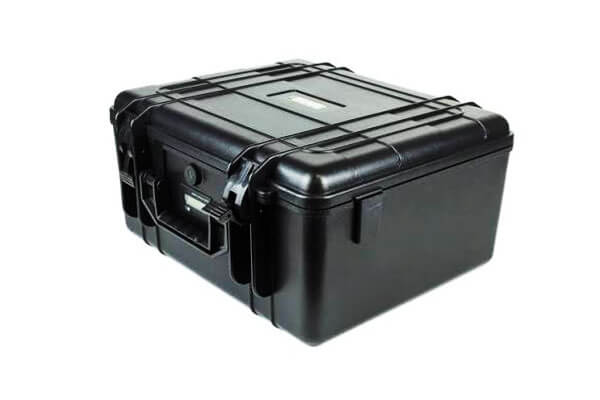
Ứng dụng Polypropylen
Polypropylen được sử dụng rộng rãi ở những nơi Mật độ thấp, hấp thụ độ ẩm thấp, kháng hóa chất, Kháng mệt mỏi, và xử lý khối lượng lớn kinh tế là quan trọng.
| Lĩnh vực ứng dụng | Thành phần PP điển hình | Tại sao PP được chọn |
| Bao bì | Thùng chứa, nắp chai, sự đóng cửa, khay, Bao bì thực phẩm | Mật độ thấp, Kháng độ ẩm, kháng hóa chất, Khả năng xử lý |
| ô tô | Cản trước, trang trí nội thất, tấm cửa, trường hợp pin, bể chứa chất lỏng | Nhẹ, hiệu suất tác động, kháng hóa chất, Hiệu quả chi phí |
| Ống nước & Hệ thống nước | Ống, phụ kiện, Các thành phần bơm, bộ phận tưới tiêu | Hấp thụ nước thấp và khả năng chống lại nhiều hóa chất |
Sản phẩm tiêu dùng |
Thùng đựng đồ, nội thất, Bộ dụng cụ thiết bị, đồ gia dụng | Nhẹ, bền, tiết kiệm |
| Điện & Điện tử | Linh kiện cách điện, các bộ phận liên quan đến cáp, phim tụ điện, vỏ | Cách điện tốt và độ nhạy ẩm thấp |
| Thuộc về y học & Sản phẩm phòng thí nghiệm | Thùng chứa, khay, ống tiêm, thiết bị thí nghiệm | Kháng hóa chất, hấp thụ độ ẩm thấp, lớp phù hợp có sẵn |
| Thiết bị công nghiệp | Xe tăng, ống dẫn, container, bao gồm, bộ phận xử lý chất lỏng | Kháng hóa chất, Trọng lượng thấp, chế biến tiết kiệm |
Ứng dụng nylon
Nylon chủ yếu được sử dụng ở những nơi sức mạnh, Độ cứng, độ dẻo dai, Ma sát thấp, Đang đeo điện trở, và hiệu suất nhiệt độ cao quan trọng hơn chi phí vật liệu tối thiểu và khả năng hấp thụ độ ẩm.
| Lĩnh vực ứng dụng | Các thành phần nylon điển hình | Tại sao nylon được chọn |
| ô tô | Bánh răng, Vòng bi, ống lót, Các thành phần động cơ, đầu nối, dấu ngoặc | Sức mạnh cao, Độ cứng, Đang đeo điện trở, khả năng nhiệt độ |
| Điện & Điện tử | Vỏ đầu nối, khối thiết bị đầu cuối, linh kiện ngắt mạch | Sức mạnh cơ học, cách nhiệt, hiệu suất chiều |
| Máy móc công nghiệp | Bánh răng, con lăn, thành phần mang, Mặc tấm, Các bộ phận băng tải | Ma sát thấp, Đang đeo điện trở, khả năng chịu tải |
Buộc chặt & Phần cứng |
Dây buộc cáp, hạt, clip, buộc chặt, các thành phần vừa khít | Sức mạnh, độ dẻo dai, Kháng mệt mỏi |
| Các thành phần cơ học | Ống lót, ròng rọc, hướng dẫn, Bánh răng, khung cấu trúc | Độ cứng cao và hiệu suất ma sát tốt |
| Sợi & Dệt may | Sợi công nghiệp, dây lốp, dây câu, sợi bàn chải, dệt may kỹ thuật | Độ bền kéo cao, độ dẻo dai, Kháng mài mòn |
| Sản phẩm tiêu dùng | Dây kéo, khóa, vỏ dụng cụ, linh kiện cơ khí | Độ dẻo dai, sức mạnh, Đang đeo điện trở |
Polypropylen và nylon: Lựa chọn ứng dụng
Việc lựa chọn giữa PP và nylon có thể được đơn giản hóa bằng cách xác định yêu cầu dịch vụ chủ yếu:
- Chọn polypropylen khi cân nặng thấp, Kháng độ ẩm, kháng hóa chất, Hiệu suất mệt mỏi, và chi phí sản xuất thấp là yêu cầu hàng đầu.
- Chọn nylon khi cường độ cao, Độ cứng, Đang đeo điện trở, Ma sát thấp, độ dẻo dai, hoặc hiệu suất ở nhiệt độ cao là quan trọng hơn.
- Xem xét PP gia cố khi kết cấu nhẹ là quan trọng nhưng cần có độ cứng và cường độ cao hơn.
- Xem xét gia cố nylon khi bộ phận phải chịu được tải trọng cơ học cao, căng thẳng liên tục, hoặc đòi hỏi điều kiện nhiệt.
12. Phần kết luận
Polypropylen và nylon là vật liệu kỹ thuật bổ sung, không phải đối thủ cạnh tranh trực tiếp.
Mỗi loại chiếm một vị trí hiệu suất riêng biệt được xác định bởi tính chất hóa học cơ bản của nó:
polypropylene mang lại chi phí thấp, độ ổn định kích thước tuyệt vời và độ nhạy ẩm cao nhưng lại có độ bền và hiệu suất mài mòn thấp hơn;
nylon mang lại độ bền cao, khả năng chống mài mòn và chịu dầu tuyệt vời với chi phí cao hơn, độ nhạy ẩm và độ phức tạp xử lý.
Không có gì vượt trội trên toàn cầu. PP là sự lựa chọn tối ưu cho linh kiện hàng hóa, bộ phận chính xác trong độ ẩm thay đổi, ứng dụng nước nóng và các sản phẩm nhạy cảm với chi phí.
Nylon là sự lựa chọn tốt hơn cho các thành phần kết cấu chịu tải cao, mặc các bộ phận, các bộ phận dưới mui xe tiếp xúc với dầu và các ứng dụng nhiệt độ cao có gia cố bằng kính.
Lỗi lựa chọn phổ biến nhất là chỉ định nylon khi PP hoạt động phù hợp với tổng chi phí thấp hơn 40–60%., hoặc chỉ định PP cho các ứng dụng chịu tải cao, nơi sẽ xảy ra hư hỏng sớm.
So sánh có hệ thống với các điều kiện vận hành thực tế — không mặc định là vật liệu quen thuộc — đảm bảo hiệu suất tối ưu với tổng chi phí tối thiểu.
Câu hỏi thường gặp
Polypropylen và nylon có thể được tái chế?
Đúng, cả hai vật liệu đều có thể tái chế. Polypropylen được tái chế rộng rãi (mã nhựa #5). Nylon có thể tái chế nhưng ít được tái chế hơn polypropylen.
Nylon hay polypropylene giòn hơn ở nhiệt độ thấp?
Polypropylen giòn hơn ở nhiệt độ thấp. Nó có nhiệt độ chuyển thủy tinh từ –10 đến 0°C, bên dưới nó trở nên giòn. Nylon vẫn bền ở mức -30 đến -40°C.
Polypropylen có mạnh hơn nylon không?
Nói chung là, KHÔNG. Nylon tiêu chuẩn thường có độ bền kéo cao hơn, Độ cứng, và khả năng chịu tải tốt hơn polypropylen không độn. Tuy nhiên, polypropylene có mật độ thấp hơn và khả năng chống mỏi và chống ẩm tuyệt vời.
PP gia cố cũng có thể đạt được hiệu suất cơ học cao hơn đáng kể và có thể hoạt động tốt hơn nylon không độn trong các ứng dụng cụ thể.
Polypropylen có khả năng chịu nhiệt tốt hơn nylon?
Nói chung là, nylon có khả năng chịu nhiệt tốt hơn polypropylen tiêu chuẩn.
Các loại nylon thông thường có nhiệt độ nóng chảy cao hơn và thường giữ được độ bền cơ học và độ cứng tốt hơn ở nhiệt độ cao.
Các lớp gia cố có thể cải thiện hơn nữa hiệu suất nhiệt độ cao của cả hai vật liệu.
Cái nào hút nước nhiều hơn, polypropylen hoặc nylon?
Nylon hấp thụ nhiều nước hơn đáng kể so với polypropylen. Polypropylen có khả năng hấp thụ độ ẩm cực thấp, trong khi nylon có tính hút ẩm vì nó có các nhóm amit phân cực.
Sự hấp thụ độ ẩm có thể ảnh hưởng đến kích thước của nylon, Độ cứng, độ dẻo dai, và tính chất điện.
Cái nào rẻ hơn, polypropylen hoặc nylon?
Polypropylen thường rẻ hơn nylon. PP cũng có mật độ thấp hơn, có thể giảm hơn nữa mức tiêu thụ vật liệu theo trọng lượng thành phần.
Tuy nhiên, tổng chi phí nên bao gồm việc xử lý, dụng cụ, thiết kế một phần, tăng cường, phế liệu, và cuộc sống phục vụ.
Một bộ phận nylon đắt tiền hơn cuối cùng có thể tiết kiệm hơn nếu nó mang lại tuổi thọ sử dụng lâu hơn đáng kể hoặc cho phép kích thước nhỏ hơn., thiết kế thành phần mạnh mẽ hơn.
Cái nào có độ ổn định kích thước tốt hơn, polypropylen hoặc nylon?
Câu trả lời phụ thuộc vào môi trường.
Polypropylen có ưu điểm lớn về độ ổn định kích thước liên quan đến độ ẩm vì nó hấp thụ rất ít nước.. Nylon có thể trải qua những thay đổi về kích thước khi nó hấp thụ độ ẩm.
Tuy nhiên, PP có độ giãn nở nhiệt tương đối cao, trong khi nylon gia cố có thể mang lại sự ổn định kích thước tuyệt vời theo nhiệt độ khi được pha chế đúng cách.
Cho các ứng dụng chính xác, các kỹ sư nên đánh giá cả sự thay đổi kích thước do độ ẩm và nhiệt độ gây ra.

