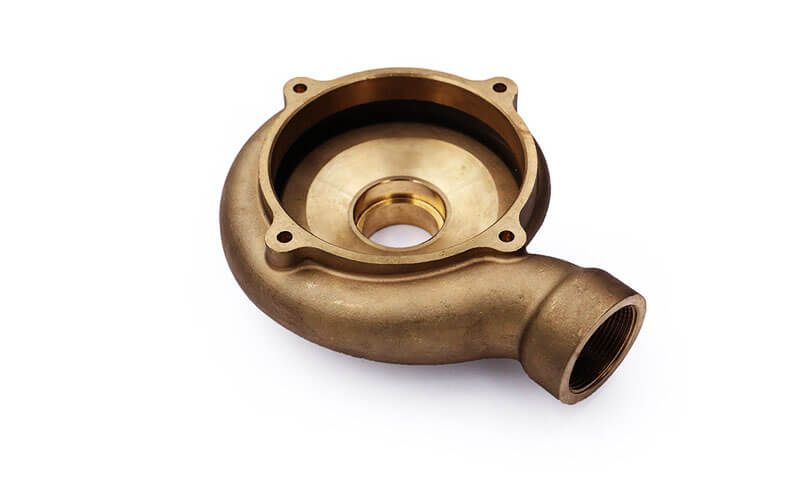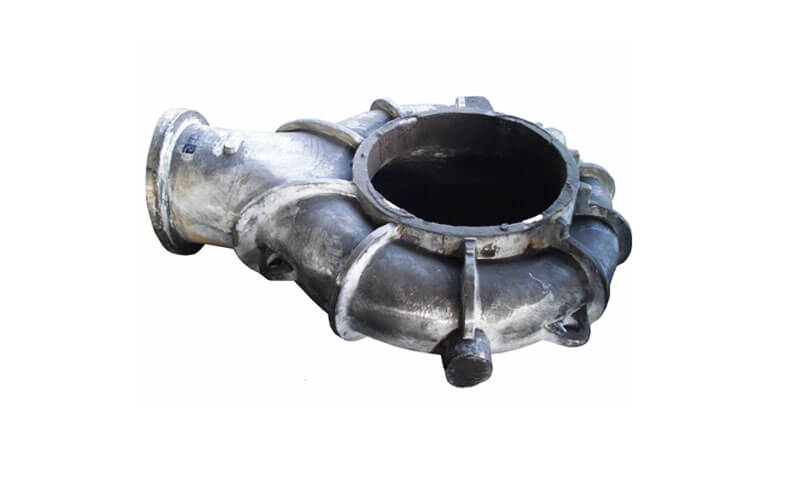
Лиття в пісок стало однією з найважливіших технологій формування в сучасному ливарному виробництві.
Він широко поширений, оскільки поєднує хороша якість ливарної поверхні, висока розмірна точність, нижча норма браку, широка адаптивність процесу, і відносно низька трудомісткість.
У порівнянні з традиційним глиняним піском, пісок на основі смол забезпечує більшу жорсткість форми, краще збереження форми, і покращена придатність для складних виливків.
Для багатьох ливарних виробництв, це вже не просто альтернативний процес; це основний шлях для виробництва високоякісних виливків зі стабільною економічністю.
Тим не менш, лиття з піску не є процесом «встановив і забув»..
Незважаючи на те, що технологія є зрілою, Успіх виробництва все ще залежить від дисциплінованого контролю обладнання, матеріали, Параметри обробки, і практика виготовлення прес-форм.
Невеликі відхилення в дозуванні смоли, якість піску, Підготовка цвілі, вентиляція, або конструкція заливної системи може швидко призвести до таких дефектів, як газова пористість, Погана обробка поверхні, нестабільність розмірів, або низька врожайність.
Цей посібник містить структурований, практичний, та інженерно-орієнтований аналіз лиття з піску, висвітлення загальних проблем, повний виробничий процес, основні вимоги до матеріалів, і найефективніші способи зниження витрат при одночасному підвищенні якості.
1. Чому так широко використовується лиття з піску
Смола пісочний кастинг перевершує звичайне лиття з глиняного піску за структурною стабільністю та економічністю виробництва, формування незамінних технічних переваг у виготовленні якісного литва:
- Чудова якість лиття: Затверділа піщана смоляна форма має високу жорсткість, плоскі розділові поверхні, і стабільне збереження розмірів, ефективно зменшує відхилення розмірів і шорсткість поверхні виливків.
Це дозволяє уникнути дефектів поверхні, таких як вкраплення піску та струпи, які часто зустрічаються у виробах з глиняного піску. - Низька виробнича залежність: Система самозатвердіння реалізує автоматичне затвердіння без ручного ущільнення та тривалого висихання,
зниження залежності від досвіду роботи працівників і стандартизація якості серійного виробництва. - Широка гнучкість застосування: Пристосовується до малих, середній, і великі виливки зі складною конструкцією, він підтримує диверсифіковане виробництво від дрібносерійних індивідуальних деталей до масових стандартизованих компонентів.
- Оптимізоване виробниче середовище: Реакція затвердіння стабільна з низьким вмістом пилу та низьким забрудненням, значно покращує чистоту майстерні порівняно з традиційними процесами лиття в пісок.
- Керована ефективність переробки: Відпрацьований пісок можна регенерувати та повторно використовувати після професійної обробки, реалізація переробки ресурсів і зниження комплексних витрат виробництва.
2. Правильне проектування процесу є основою якості
У смоляному піску, якість продукції не досягається на етапі розливу; воно визначається набагато раніше, на етапі проектування процесу.
Добре розроблений процес встановлює правильний баланс між міцністю форми, Вилікування поведінки, стан піску, ефективність годування, продуктивність вентиляції, і виробничий ритм.
Якщо ці змінні не скоординовані належним чином, навіть якісна сировина та кваліфіковані оператори не зможуть отримати стабільні результати.
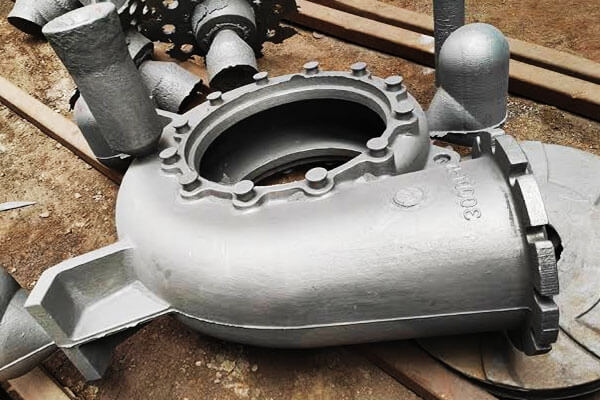
Проектування процесу має відображати реальні умови виробництва
Процес смоляного піску ніколи не повинен розроблятися лише на основі теорії чи лабораторних припущень. Воно має бути узгоджене з реальним ливарним середовищем, включаючи:
- цикл розливу та ритм виробництва,
- температура навколишнього середовища та сезонні коливання,
- розмір прес-форми та товщина секції лиття,
- рекультиваційна якість використаного піску,
- стабільність обладнання,
- і робочий процес оператора.
Наприклад, та сама формула затвердіння може працювати добре в одній майстерні, але стати ненадійною в іншій, якщо температура піску, вологість, або час затвердіння значно відрізняється.
Тому правильний процес не є фіксованим шаблоном. Це контрольована стратегія виробництва, яка відповідає реальним умовам роботи ливарного цеху.
Остаточна міцність повинна бути визначена науково
Одним із найважливіших технологічних рішень є визначення кінцева міцність смоли піщаної форми.
Смоляний пісок зазвичай досягає найвищої міцності після природного твердіння, часто навколо 24 годинник, але це не означає, що кожен ливарний завод повинен сліпо використовувати 24-годинний стандарт.
Правильна мета залежить від того, як довго форма залишається в системі перед заливкою.
- Для невеликих операцій з довгими виробничими циклами, 24-годинний кінцевий стандарт міцності може бути прийнятним.
- Для виробничих ліній, де розлив відбувається раніше, відповідним критерієм є фактично досягнута міцність перед заливкою.
Головне уникати двох протилежних помилок:
- Надмірна міцність
Збільшення міцності форми понад необхідне збільшує споживання смоли, збільшує вартість матеріалу, і може створити непотрібну жорсткість, яка ускладнює витрушування та відновлення. - Недостатня міцність
Якщо форма занадто слабка, це може спотворюватися, тріщина, або втратити стабільність розмірів, спричиняючи брухт і зміну процесу.
Ідеальна кінцева міцність - це мінімальна міцність, необхідна для забезпечення цілісності форми під час роботи, складання, і розливу.
Співвідношення піску і металу має бути збалансованим
З співвідношення пісок-залізо
Якщо коефіцієнт занадто високий, процес може стати марним:
- витрачається більше смоли та затверджувача,
- утворюються більші піщані блоки,
- рекультивація ускладнюється,
- ЗАКОН піднімається,
- і дефекти, пов’язані з газом, стають більш імовірними.
Якщо коефіцієнт занадто низький, форма може стати механічно небезпечною:
- прорив металу стає більш імовірним,
- може виникнути локальна деформація,
- і контроль форми лиття послаблюється.
Практичний робочий полігон(загалом 2.2:1 до 3:1) зазвичай вибирається відповідно до розміру частини та структурної складності, але принцип залишається тим самим:
форма повинна містити рівно стільки піску, щоб забезпечити надійність і контроль розмірів, не створюючи зайвого матеріального навантаження.
Система заливки повинна відповідати тепловим властивостям смоляного піску
Смоляний пісок нескінченно довго не переносить нагрівання.
Його термічна стабільність обмежена, тому розливна система повинна бути розроблена для заповнення форми швидко, плавно, і без надмірної турбулентності до того, як форма втратить міцність.
Це робить розливну систему важливою частиною проектування процесу. Хороша система розливу повинна:
- забезпечити стабільний потік металу,
- мінімізувати окислення та захоплення повітря,
- запобігти передчасному замерзанню,
- і зберегти цілісність форми під час наповнення.
У багатьох сферах застосування смоли-піску, використання керамічні трубки і багаторазовий, розподілені інґейти покращує подачу металу та зменшує локалізовану термічну напругу.
Мета полягає не просто ввести метал у порожнину, але робити це таким чином, щоб поважати характеристики затвердіння цвілі.
Проектування процесу також має враховувати запобігання дефектам
Правильне проектування процесу — це, по суті, запобігання дефектам за допомогою техніки.
Багато поширених дефектів лиття в смоляно-піщаних системах не є випадковими; вони є передбачуваним результатом неправильних дизайнерських рішень.
Типові приклади включають:
- Газовий пористість викликаний надмірним LOI, погана прохідність, або слабка вентиляція,
- неправильно через повільне заповнення або поганий тепловий баланс,
- Включення піску викликані недостатньою жорсткістю форми або стабільністю поверхні,
- шорсткість поверхні спричинене нестабільною підготовкою форми,
- спотворення викликаний неправильним балансом міцності або обмеження.
Добре розроблений процес зменшує ці ризики ще до початку виробництва. Це набагато ефективніше, ніж намагатися виправити дефекти постфактум.
Стабільний дизайн процесу покращує як якість, так і вартість
У ливарному виробництві існує поширене непорозуміння, що вищий консерватизм процесу автоматично означає вищу якість.
Насправді, надмірне проектування може створити непотрібні витрати без покращення продуктивності.
Найкраща конструкція процесу не є найнадійнішою чи найскладнішою; це той, який є технічно достатньо, економічно раціональний, і стабільний в роботі.
Раціональна конструкція процесу допомагає ливарному цеху:
- зменшити витрату смоли,
- нижча норма браку,
- покращити консистенцію партії,
- стабілізують властивості цвілі,
- і тримати собівартість під контролем.
Ось чому розробка процесу є центральною для економіки лиття з піску, а також якості.
Стабільне вікно процесу зменшує залежність від оцінки оператора та дозволяє виробництву працювати з передбачуваними результатами.
Інженерний принцип проектування процесу
Основний принцип простий: форма повинна бути досить міцною, щоб зберегти форму, але не настільки міцний або настільки жорсткий, щоб його було дорого або важко випустити.
Одночасно, система наповнення повинна бути достатньо швидкою, щоб завершити заливку, поки форма стабільна, але достатньо м’який, щоб уникнути дефектів.
Цей баланс між міцність, проникність, заповнюваність, та економіка є справжньою основою якості лиття з піску.
3. Вибір сировини: Практична основа стабільності процесу
У смоляному піску, вибір сировини не є деталлю закупівлі; це рішення керування процесом.
Стійкість форми, повторюваність лікування, якість регенерованого піску, і кінцева цілісність поверхні виливка починається з консистенції матеріалу.
Якщо сировина нестійка, навіть добре розроблений процес буде дрейфувати.
Якщо сировина добре контролюється, усією системою лиття стає легше керувати, легше розмножувати, і легше оптимізувати економічно.
З точки зору ливарної техніки, Основне правило просте: сировина повинна відповідати єдиним технічним умовам і залишатися незмінною для всіх партій.
Це єдиний надійний спосіб уникнути коливань якості, зменшити відходи смоли, захистити меліоративну систему, і тримати рівень браку під контролем.
Офіційні технічні специфікації для основної сировини
У наведеній нижче таблиці підсумовано найважливіші очікувані показники продуктивності основної сировини, що використовується в системах із смоляного піску.
| Сировина | Основні технічні характеристики | Функціональна роль у процесі | Основний ризик низької якості |
| Сирий кварцовий пісок | Розмір частинок: 40/70 сітка для великих і середніх виливків, 50/100 сітка для звичайних деталей; Sio₂ > 90%; вміст грязі < 0.2–0,3%; вміст води < 0.1–0,2%; вміст мікропорошку нижче 140 сітка ≤ 0,5–1,0%; значення витрати кислоти < 5 мл; LOI < 5%; форма зерна кругла або багатокутна з низьким кутовим коефіцієнтом | Забезпечує основну скелетну структуру прес-форми та визначає поведінку упаковки, проникність, і базова стабільність розмірів | Надмірна витрата смоли, погана прохідність, поверхневі дефекти, нестабільна міцність форми |
| Регенерований пісок | LOI < 3.0%; значення витрати кислоти < 2.0 мл; рН < 5; 200-залишки сітчастого шасі < 1%; загальна кількість шасі < 0.2%; вміст води < 0.2%; округла форма зерна зі стабільною поверхневою активністю | Знижує витрати на матеріали та підтримує стале повторне використання піску після рекультивації | Генерація газу, погана консистенція склеювання, нестійке затвердіння, накопичення дефектів |
Фуранова смола |
Вміст азоту 2.0–5,0%; 24-годинна міцність на розрив > 1.5 MPA; вільний формальдегід < 0.3%; вільний фенол < 0.3%; в'язкість < 60 мПа·с; щільність 1.15–1,25 г/см³; стабільна теплова поведінка при високій температурі | Утворює сполучну структуру, яка надає прес-формі міцності до самотвердіння | Низька міцність форми, високе використання смоли, нестійке затвердіння, підвищений ризик дефектів |
| Затверджувач органічної сульфокислоти | В'язкість < 200 мПа·с; речовина, нерозчинна у воді < 0.1%; оборотне заморожування та розчинення; використовувати сегментовані моделі кислотності або двокомпонентні (a+b) системи адаптації до сезонних змін температури | Контролює швидкість затвердіння, робочий час, і остаточне затвердіння форми | Надто швидке або надто повільне затвердіння, непослідовний час використання, забиті трубопроводи, погана повторюваність форми |
| Покриття на спиртовій основі | Щільність 1.25–1,35 г/см³; в'язкість 6–7 с; 2-годинна норма призупинення > 97%; сильне розчісування, вирівнювання, проникнення, і тріщиностійкість; висока міцність покриття і стійкість до термічних ударів | Покращує якість поверхні форми, захищає від проникнення металу, і зменшує шорсткість або дефекти вигорання | Погана обробка поверхні, проникнення металу, утворення тріщин, відшарування покриття |
Інженерний принцип вибору сировини
Ключовий принцип полягає в тому сировину необхідно розглядати як скоординовану систему а не список самостійних покупок.
Кварцовий пісок, меліорований пісок, смола, затверджувач, і покриття впливають одне на одного.
Якщо один матеріал нестабільний, це часто змушує компенсацію через інший матеріал, підвищення вартості та ускладнення контролю над процесом.
4. Повний робочий процес промислового виробництва
Нижче наведено практичний робочий процес для виробництва лиття з піску.
| Сцена | Основна мета | Ключовий технічний фокус | Типові ризики |
| 1. Планування процесу | Визначте маршрут лиття та виробничу мету | Геометрія деталей, Розмір партії, допуски, метод заливки | Неправильний вибір процесу, нестабільна врожайність |
| 2. Підготовка сировини | Переконайтеся, що матеріали відповідають специфікаціям | Якість регенерованого піску, температура піску, стан смоли та затверджувача | Непостійна міцність з’єднання, надлишкове газоутворення |
| 3. Перевірка обладнання | Підтвердити стабільну роботу змішувача, пилозбірник, та системи дозування | Консистенція потоку, чистота трубопроводу, калібрування | Дрейф дозування, заблоковані лінії, погана меліорація |
| 4. Перевірка форми/інструменту | Перевірте шаблони, серцевинні коробки, і світильники | Перевірка розмірів, носити, вирівнювання, якість випуску | Спалах, невідповідність, неповна форма |
| 5. Змішування піску | Отримайте однорідний пісок на основі смол | Точне дозування, навіть змішування, контроль температури | Слабка або нерівномірна міцність форми |
| 6. Формування та трамбування | Створіть форму з правильною щільністю та вентиляцією | Спосіб заповнення, баланс ущільнення, вентиляційні отвори | Нещільні кути, уловлений газ, локальний колапс |
| 7. Розміщення і збірка серцевини | Забезпечити точність внутрішньої порожнини | Основне налаштування, підтримка, покриття, вентиляція | Зсув ядра, поганий вихлоп, нерівність |
8. Перевірка системи заливки |
Підтвердьте швидкий і стабільний вхід металу | Обтягуючий, використання керамічної трубки, баланс бігуна | Єгипет, турбулентність, захоплення оксиду |
| 9. Заливання | Безпечно та повністю заповніть форму | Температура, оцінювати, безперервність | Холод закривається, усадка, спалювати |
| 10. Затвердіння і охолодження | Дозволяють контрольоване формування структури | Час охолодження, стриманість, поведінка гарячої точки | Розтріскування, деформація, пористість |
| 11. Витрушування та очищення | Відокремити виливок від піску | Час витрушування, захист поверхні | Пошкодження поверхні, залишковий пісок, спотворення |
| 12. Розкрій та оздоблення | Зніміть годівниці, воріт, і спалах | Змастити, шліфування, локальний ремонт | Надмірне подрібнення, втрата розмірів |
| 13. Огляд | Підтвердьте відповідність перед випуском | Візуальний, розмірний, внутрішня якість | Витік прихованого дефекту |
| 14. Переробка та рекультивація | Повторне використання піску та контроль витрат | Очищення піском, охолодження, скринінг, ЗАКОН контроль | Старіння піску, зайві штрафи |
5. Вимоги до дизайну та виготовлення прес-форм для лиття з полімерного піску
Смоляний пісок висуває інші вимоги до інструментів і дизайну форм, ніж глинистий пісок.
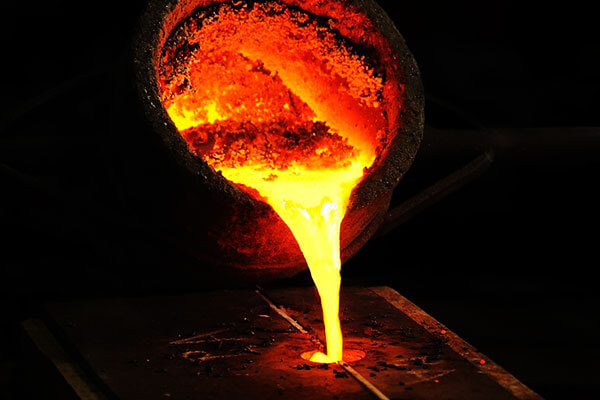
Часто можливий менший припуск на обробку
Оскільки затверділі смолисто-піщані форми жорсткіші та більш стабільні за розмірами, процес може підтримувати менші припуски на обробку.
Це зменшує споживання металу та вартість обробки, одночасно покращуючи ефективну точність розмірів виливка.
Кут осадки повинен бути більшим
Смоляний пісок має меншу здатність до розсіювання, ніж глинистий пісок, і більше тертя під час знімання малюнка.
Якщо кут тяги занадто малий, візерунок може бути пошкоджений під час малювання, і поверхня форми може бути порвана.
Отже:
- збільште кут тяги, де це можливо,
- дизайн для плавного зняття малюнка,
- уникайте примусового видалення ударом.
Більше значення має шорсткість поверхні малюнка
Оздоблення поверхні шаблону форми сильно впливає на кінцеву поверхню лиття.
Більш гладка поверхня візерунка зазвичай підтримує більш гладку поверхню лиття.
Для смоло-піщаних систем, якість обробки малюнка не є косметичною. Це вимога процесу.
Вентиляція є важливою
Оскільки смоляні системи виділяють газ під час заливки, Вентиляція повинна бути ретельно спроектована.
Товсті секції, стінові панелі, а великі форми вимагають надійних вентиляційних шляхів, особливо навколо ядер і закритих порожнин.
6. Три найважливіші важелі для зменшення витрат
Контроль витрат на лиття з піску залежить від трьох основних параметрів: оптимізація обладнання, доопрацювання процесу, і скринінг сировини, досягнення збалансованої якості та економічної вигоди.
Оптимізуйте вибір і роботу обладнання
- Надайте пріоритет високоефективному обладнанню для видалення пилу, щоб стабілізувати якість регенерованого піску та уникнути збільшення споживання смоли, спричиненого надмірною кількістю мікропорошків.
- Вибирайте високонадійне виробниче обладнання з низькими витратами на технічне обслуговування, щоб зменшити час простою через збій і витрати на заміну аксесуарів, покращення використання обладнання.
- Використовуйте обладнання з низьким енергоспоживанням, щоб уникнути втрати потужності в режимі очікування та максимізувати ефективність використання енергії.
Удосконалення керування параметрами процесу
Стабілізуйте значення LOI в оптимальному діапазоні, уникайте надмірної обробки регенерованого піску, і зменшити інвестиції в обладнання та сировину.
Динамічно калібруйте кінцеву міцність і співвідношення піску та металу відповідно до умов виробництва, щоб усунути відходи матеріалу, одночасно забезпечуючи кваліфікацію литва.
Оптимізуйте вентиляційні та вентиляційні системи, щоб істотно знизити рівень браку.
Науковий відбір сировини
- Вибір сирого піску: Надайте перевагу очищеному піску з наднизьким вмістом бруду та мікропорошку, щоб мінімізувати споживання смоли, далі йде промитий пісок; заборонити необроблений сирий пісок.
Дотримуйтеся закупівель на відстані, щоб зменшити витрати на транспортування та вибирайте пісок із низьким кутовим коефіцієнтом для кращої продуктивності формування. - Вибір смоли: Уникайте низькоякісних смол, покладаючись виключно на дані виробника.
Перевірити виробничу потужність виробника, системи контролю якості, та провести незалежне тестування вибірки.
Використовуйте високостабільну смолу марки, щоб зменшити дозування та стабілізувати виробництво, незважаючи на дещо вищі ціни за одиницю. - Підбір допоміжних матеріалів: Виберіть допоміжні затверджувачі, покриття, і звільнювачі з відповідними характеристиками, збалансованість стабільності якості та зручності закупівлі для зменшення витрат допоміжних матеріалів та трудових витрат.
7. Висновок
Смоляний пісок, що самотвердіє, є високоефективним, високоточний, і екологічно чистий процес формування, який вирішує проблеми якості та екологічні проблеми традиційного лиття з глиняного піску.
Стабільність виробництва та економічні переваги залежать від стандартизованого контролю повного процесу:
точний відбір сировини, калібрування наукового параметра, моніторинг роботи обладнання в режимі реального часу, і адаптивна конструкція прес-форми є основними гарантіями низької кількості брухту та низької вартості виробництва.
З постійним вдосконаленням стандартів якості промислового лиття, смола пісок лиття буде розвиватися далі інтелектуальний контроль параметрів, зелене виробництво з низьким вмістом вуглецю, і повна переробка ресурсів.
Оптимізоване управління процесом і чіткий контроль витрат дозволять ливарним цехам максимізувати якість продукції при одночасному зниженні загального споживання, у довгостроковій перспективі робить лиття з піску основним процесом точного формування високоякісних промислових виливків.