

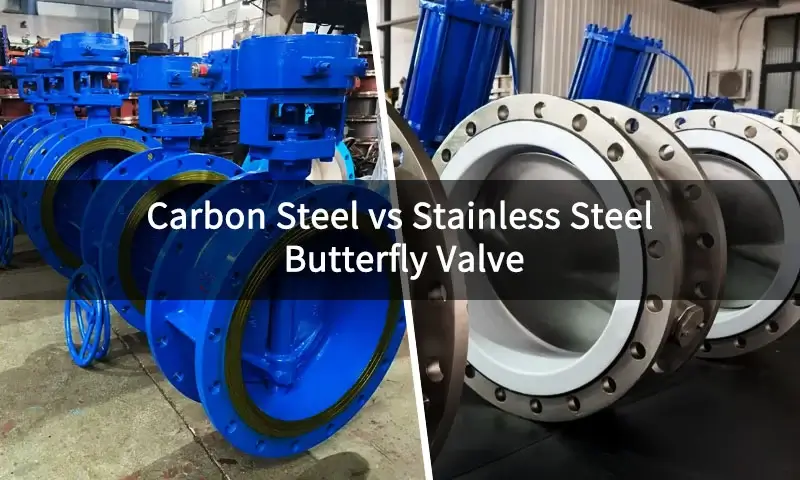
Поворотні клапани є одними з найбільш широко використовуваних пристроїв регулювання потоку в промислових системах трубопроводів, цінуються за їх компактний дизайн, легка вага, швидка робота на чверть оберту, і економічна ефективність.
Однак, продуктивність, надійність, і термін служби дросельної заслінки критично залежать від одного фундаментального рішення: вибір матеріалу корпусу і диска.
Два домінуючих сімейства матеріалів для поворотних клапанів вуглецева сталь і нержавіюча сталь.
Вуглецева сталь забезпечує виняткову міцність і економічну ефективність, що робить його вибором за замовчуванням для загальних промислових застосувань, таких як вода, повітря, пара, і нафтові послуги.
Нержавіюча сталь, з чудовою стійкістю до корозії, гігієнічні властивості, і здатність до високих температур, є матеріалом вибору для агресивних середовищ, Морські середовища, переробка харчових продуктів, та фармацевтичні програми.
Вибір між поворотними клапанами з вуглецевої та нержавіючої сталі — це не просто питання вартості, це стратегічне рішення, яке впливає на термін служби обладнання, вимоги до обслуговування, дотримання нормативних норм, і загальна вартість власності.
1. Що таке поворотний клапан?
A клапан метелика є клапан поворотного руху на чверть обороту який контролює потік рідини шляхом обертання круглого диска, встановленого на центральному валу.
Коли ручка, коробка передач, пневматичний привід, або електричний привід обертає шток 90 ступенів, диск повертається одночасно:
- Повністю відкритий (0°): Диск розташований паралельно напрямку потоку, забезпечує максимальний потік з відносно низькою втратою тиску.
- Частково відкрито: Диск частково закриває трубопровід, регулювання швидкості потоку.
- Повністю закритий (90°): Диск перпендикулярний до потоку, ущільнення до сідла клапана для запобігання проходженню рідини.
На відміну від засувок, для роботи яких потрібно багато обертів, Поворотні клапани забезпечують надзвичайно швидке відкриття та закриття, що робить їх ідеальними для автоматизованого керування процесами та аварійного відключення.
Продуктивність дросельної заслінки залежить не тільки від її конструкції, але й від вибору матеріалів корпусу, дискові матеріали, стовбурові матеріали, ущільнювальні компоненти, і точність виготовлення.
Серед цих факторів, матеріал корпусу, зокрема вуглецева сталь проти нержавіючої сталі, часто є основним визначальним фактором довговічності, Корозійна стійкість, Служба життя, і загальна вартість життєвого циклу.
Поширені типи поворотних клапанів
| Тип дросельного клапана | Структурні характеристики | Типові програми |
| Вафель -метелик клапан | Встановлюється між двома фланцями труб і кріпиться за допомогою фланцевих болтів, що проходять через трубопровід. Компактний, легкий, і економічний. | Водопостачання, Системи HVAC, зрошення, стиснене повітря, пожежна захист, і загальні промислові послуги. |
| Клапан метелика | Оснащений різьбовими вушками з обох боків корпусу клапана, що дозволяє кріпити кожен фланець окремо. | Промисловість, хімічні рослини, переробка харчових продуктів, фармацевтичні системи, і трубопроводи, які потребують частого обслуговування. |
| Двофланцевий поворотний клапан | Має вбудовані фланці з обох боків корпусу клапана для прямого болтового з’єднання з відповідними фланцями. Забезпечує відмінну структурну жорсткість і вирівнювання. | Міський водопровід, електростанції, морська інженерія, видобуток, нафта & газові трубопроводи, та інші важкі промислові системи. |
Концентричний (Центральна лінія) Клапан метелика |
Диск і шток розташовані на одній центральній лінії, з пружним еластомерним сидінням, що забезпечує герметичність під час обертання. | Очищення води, ОВК, охолоджувальна вода, системи водовідведення, і промислове застосування загального призначення. |
| Поворотний клапан із подвійним зміщенням | Шток зміщений як від центру диска, так і від центральної лінії корпусу клапана, зменшення тертя між диском і сідлом під час роботи. | Нафтохімічні заводи, Парові системи, Генерація живлення, Офшорні платформи, і технологічні трубопроводи середнього та високого тиску. |
| Дроссельний клапан із потрійним зміщенням | Включає третє геометричне зміщення, створення конічного механізму ущільнення метал-метал, який практично виключає натирання під час роботи. | Нафтопереробні заводи, Об’єкти СПГ, Хімічна обробка, високотемпературні парові системи, офшорна інженерія, та інші програми з важким обслуговуванням. |
Чому матеріал корпусу є критичним
Визначає матеріал корпусу дросельної заслінки:
- Корозійна стійкість: Здатність витримувати робочу рідину та умови навколишнього середовища.
- Температурна здатність: Максимальна і мінімальна робочі температури.
- Рейтинг тиску: Максимально допустимий робочий тиск.
- Механічна міцність: Здатність витримувати напругу лінії, термічний цикл, і вібрація.
- Вартість: Вартість матеріалу значно впливає на загальну вартість клапана.
- Відповідність: Чи відповідає клапан нормативним вимогам (їжа, фармацевтичний, ядерний, тощо).
2. Поворотний клапан з вуглецевої сталі
Що таке вуглецева сталь?
Вуглецева сталь це залізовуглецевий сплав, що містить відносно невелику кількість легуючих елементів.
Його міцність в основному досягається за рахунок вмісту вуглецю та термічної обробки, а не додавання хрому чи нікелю.
Оскільки в ньому відсутня пасивна плівка оксиду хрому, яка є в нержавіючій сталі, вуглецева сталь має обмежену стійкість до корозії, але забезпечує чудову механічну міцність, обробка, та ефективність витрат.
Для поворотних клапанів, вуглецева сталь залишається одним із найбільш широко використовуваних матеріалів для корпусу в галузях промисловості, де корозія помірна, а механічні характеристики є основною вимогою.
Захисні покриття, накладки, або системи фарбування часто застосовуються для підвищення стійкості до навколишнього середовища.
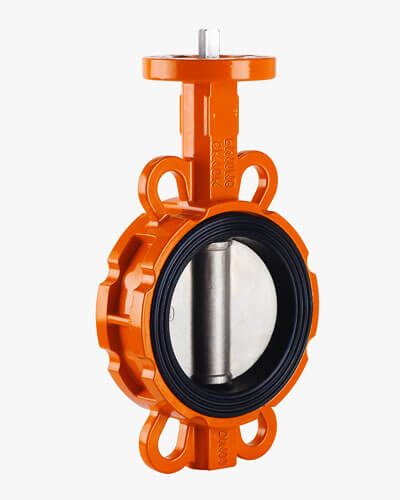
Загальні марки вуглецевої сталі для поворотних клапанів
У міжнародних стандартах на клапани зазвичай вказуються такі класи:
| Сорт | Стандартний | Типове застосування | Характеристики |
| ASTM A216 WCB | Лита вуглецева сталь | Загальні промислові клапани | Відмінна міцність і зварюваність |
| ASTM A216 WCC | Лита вуглецева сталь | Обладнання під тиском | Покращена ударна в'язкість |
| ASTM A352 LCB | Низькотемпературна лита сталь | Кріогенний і низькотемпературний сервіс | Висока міцність |
| ASTM A105 | Кована вуглецева сталь | Ковані клапани високого тиску | Чудова механічна міцність |
| ASTM A350 LF2 | Кована низькотемпературна сталь | Низькотемпературні трубопроводи | Чудова міцність при низьких температурах |
Серед них, ASTM A216 WCB є галузевим стандартом для дросельних клапанів із вуглецевої сталі загального призначення, оскільки забезпечує збалансоване поєднання механічних властивостей, наявність, і виробничої економіки.
Характеристики поворотних клапанів з вуглецевої сталі
Висока міцність і стійкість до тиску
Дроссельні клапани з вуглецевої сталі забезпечують відмінну механічну міцність і жорсткість, що робить їх придатними для систем трубопроводів високого тиску та клапанів великого діаметру.
Звичайні матеріали, такі як ASTM A216 WCB, A352LCB, і A105 забезпечують надійну структурну роботу в складних умовах експлуатації.
Широка температурна адаптація
Залежно від сорту матеріалу, Клапани з вуглецевої сталі можуть працювати в широкому діапазоні температур.
Стандартний WCB зазвичай використовується для загального промислового обслуговування, тоді як LCB призначений для застосування при низьких температурах, виготовлення вуглецевої сталі, придатної для пари, нафта, газовий, і комунальні системи.
Відмінна технологічність
Вуглецева сталь має гарну ливарну здатність, обробка, і зварюваність, дозволяє ефективне виробництво за допомогою лиття, кування, Обробка з ЧПУ, і зварювання. Досконалий виробничий процес також допомагає знизити виробничі витрати.
Економічне рішення
У порівнянні з нержавіючої сталлю, вуглецева сталь більш економічна, але при цьому забезпечує чудові механічні характеристики.
Це часто кращий вибір для некорозійних або помірно корозійних середовищ, де висока корозійна стійкість не потрібна.
Обмежена стійкість до корозії
Вуглецева сталь природно не протистоїть корозії та зазвичай потребує захисних покриттів, таких як епоксидна смола, Фебе, або покриття, багаті цинком.
В агресивних середовищах, додатковий захист від корозії необхідний для забезпечення тривалого терміну служби.
3. Клапан метелика з нержавіючої сталі
Що таке нержавіюча сталь?
Нержавіюча сталь це сплав на основі заліза, що містить мінімум приблизно 10.5% хром, який утворює на поверхні стабільну пасивну плівку оксиду хрому.
Цей пасивний шар постійно відновлюється при пошкодженні, забезпечує виняткову стійкість до окислення та корозії без необхідності додаткового захисного покриття.
Залежно від складу сплаву, нержавіюча сталь також може містити нікель, молібден, азот, марганець, титан, ніобій, або мідь для підвищення стійкості до корозії, механічна міцність, міцність, зварюваність, або високотемпературна продуктивність.
Для поворотних клапанів, нержавіюча сталь є кращим матеріалом для тривалого терміну служби, Корозійна стійкість, чистота продукту, або необхідні гігієнічні показники.
Він широко використовується в хімічній обробці, фармацевтичні препарати, виробництво продуктів харчування та напоїв, офшорна інженерія, Рослини для опріснення, і рідинні системи високої чистоти.
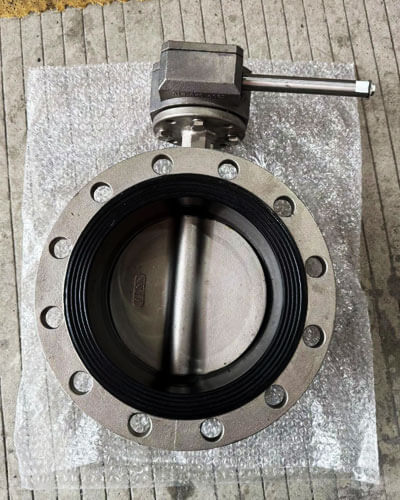
Загальні марки нержавіючої сталі для поворотних клапанів
Різні марки нержавіючої сталі вибираються відповідно до корозійної стійкості, механічна міцність, температурна здатність, та обслуговувальне середовище.
| Клас з нержавіючої сталі | Еквівалентний матеріал | Ключові характеристики | Типові програми |
| CF8 | Кадати 304 Нержавіюча сталь (У 1.4308) | Відмінна загальна резистентність до корозії, Хороша міцність, Хороша зварюваність, економний | Очищення води, ОВК, переробка харчових продуктів, загальнохімічні служби |
| Cf8m | Кадати 316 Нержавіюча сталь (У 1.4408) | Корозійна стійкість, підвищена за допомогою молібдену, відмінна стійкість до хлоридів і морської води | Хімічна обробка, морська інженерія, Офшорні платформи, опріснення |
| CF3 | Лита нержавіюча сталь 304L (У 1.4306) | Низький вміст вуглецю зводить до мінімуму виділення карбіду та покращує зварюваність | Зварні системи трубопроводів, фармацевтичне обладнання, харчова промисловість і виробництво напоїв |
Cf3m |
Лита нержавіюча сталь 316L (У 1.4404) | Версія CF8M з низьким вмістом вуглецю з чудовою стійкістю до корозії зварного шва | Технологічні системи високої чистоти, біотехнологія, фармацевтичні та хімічні заводи |
| Дуплексна нержавіюча сталь | ASTM A890 клас 4А (2205) | Висока сила, Відмінна стійкість до піттінгу, Корозія щілини, і стрес -розтріскування | Офшорна нафта & газовий, трубопроводи морської води, м’якоть & паперовий, Системи тиску |
| Супер дуплексна нержавіюча сталь | ASTM A890 клас 5A/6A (2507) | Видатна резистентність до корозії, дуже висока механічна міцність, виняткова продуктивність морської води | Офшорні платформи, підводне обладнання, Рослини для опріснення, агресивна хімічна обробка |
Характеристики поворотних клапанів з нержавіючої сталі
Відмінна резистентність до корозії
Основною перевагою поворотних поворотних клапанів з нержавіючої сталі є їх чудова стійкість до корозії.
Збагачена хромом пасивна плівка захищає клапан від іржі, окислення, і багато хімічних речовин, робить нержавіючу сталь придатною для жорстких і корозійних середовищ.
Чудові хімічні та гігієнічні показники
Такі оцінки Cf8m (316), дуплекс, і супердуплексна нержавіюча сталь забезпечують підвищену стійкість до хлоридів, кислоти, і морська вода.
Їх гладка, непориста поверхня також робить їх ідеальними для обробки харчових продуктів, фармацевтичні препарати, та інші санітарні додатки.
Надійна робота при високих температурах
Аустенітні нержавіючі сталі зберігають хорошу міцність і стійкість до окислення при підвищених температурах, забезпечення стабільної роботи в парових системах, хімічні рослини, та інші високотемпературні послуги.
Довгий термін служби
Оскільки нержавіюча сталь стійка до корозії, носити, і окислення, зазвичай вона потребує менше обслуговування та має довший термін служби, ніж вуглецева сталь, особливо у складних робочих середовищах.
Більш висока початкова вартість
Хоча дискові клапани з нержавіючої сталі мають вищу закупівельну ціну, ніж клапани з вуглецевої сталі, їхні менші вимоги до обслуговування та довший термін служби часто призводять до нижчої загальної вартості життєвого циклу корозійних застосувань.
4. Виробництво та обробка поворотних клапанів
Продуктивність і термін служби дросельної заслінки залежать не тільки від вибору матеріалу, але і від якості виготовлення..
Від лиття або кування корпусу клапана до точної механічної обробки та остаточного випробування, кожен етап виробництва безпосередньо впливає на точність розмірів, герметична продуктивність, опір тиску, та надійність експлуатації.
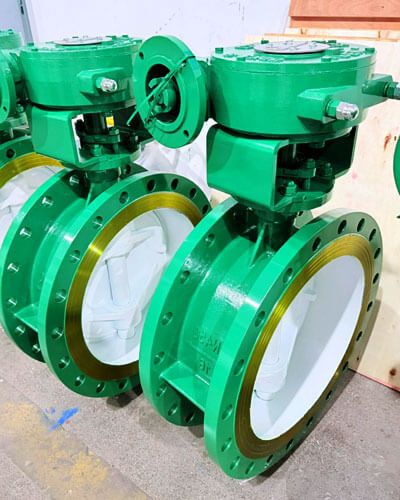
Точне кастинг
Поворотні клапани з вуглецевої сталі
Середній- і великогабаритні поворотний клапан з вуглецевої сталі тіла зазвичай виготовляються з використанням пісочний кастинг, в тому числі процеси з використанням зеленого піску та піску на основі смол.
Ці технології добре зарекомендували себе для виробництва відносно великих компонентів, що містять тиск, і пропонують сприятливий баланс між ефективністю виробництва, виливка, вартість інструменту, і вимоги до розмірів.
Вуглецеву сталь, як правило, легше відливати, ніж високолеговану нержавіючу сталь, оскільки її вимоги до плавлення та заливки менш вимогливі..
Відносно зрілий процес також робить вуглецеву сталь привабливою для промислового виробництва клапанів у великих обсягах.
Для менших або геометрично складних компонентів, інвестиційне кастинг можуть бути використані там, де покращена точність розмірів, якість поверхні, і зменшений припуск на обробку.
Поворотні клапани з нержавіючої сталі
Поворотний клапан з нержавіючої сталі компоненти виготовляються з використанням обох інвестиційне кастинг і піщане лиття, відповідний метод визначається головним чином розміром і геометрією компонента.
Лиття по моделлю, також відомий як процес загубленого воску, особливо підходить для маленьких- до компонентів середнього розміру зі складною геометрією.
Він може забезпечити відносно точні розміри та гладкі поверхні, зменшення вимог до подальшої обробки.
Корпуси клапанів з нержавіючої сталі з великим отвором частіше виготовляються шляхом лиття в пісок через практичні обмеження литва за виплавленими моделями для дуже великих компонентів..
Точна обробка ЧПУ
Після виготовлення необробленого лиття або кування, Обробка з ЧПК створює точні характеристики, необхідні для складання та герметизації.
Критичні операції обробки включають:
- Обробка фланців за міжнародними стандартами (Asme, У, ISO)
- Розточування внутрішнього потоку
- Прецизійна обробка отворів для штока
- Обробка ущільнювальних поверхонь дисків
- Обробка посадочних місць підшипників і втулок
- Обробка різьблення клапанів з вухами
- Оздоблення поверхні ущільнювальних інтерфейсів
Сучасні обробні центри з ЧПК зазвичай досягають допусків у межах ±0,02–0,05 мм, забезпечення відмінної концентричності між корпусом клапана, стовбур, і диск.
Висока точність обробки знижує робочий момент, підвищує надійність герметизації, і продовжує термін служби.
5. Порівняння механічних властивостей: Поворотний клапан із вуглецевої сталі та нержавіючої сталі
Механічні властивості визначають, як корпус клапана та диск реагують на внутрішній тиск, зовнішні навантаження, зміни температури, і повторні робочі цикли.
Однак, Властивості матеріалу самі по собі не визначають номінальний тиск дросельної заслінки.
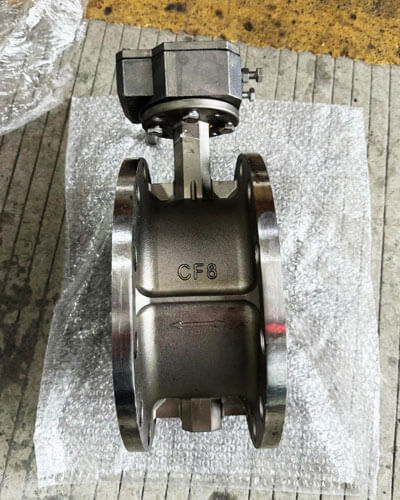
Фактичний тиск також залежить від Товщина стіни, геометрія клапана, діаметр, стандарт дизайну, температура, клас тиску, конфігурація диска, і якість виготовлення.
У наведеній нижче таблиці наведено репрезентативні мінімальні або визначені значення для звичайних литих матеріалів клапанів.
Точні вимоги слід завжди звіряти з застосовним стандартом на матеріали та виданням.
| Власність | Вуглецева сталь A216 WCB | Нержавіюча сталь CF8 (304-типу) | Нержавіюча сталь CF8M (316-типу) | Дуплекс CD3MN (2205-типу) |
| 0.2% Похідна сила, хв. | ≥ 250 MPA | ≥ 205 MPA | ≥ 205 MPA | ≥ 450 MPA |
| Сила на розрив | 485–655 МПа | ≥ 485 MPA | ≥ 485 MPA | ≥ 655 MPA |
| Подовження на перерві, хв. | ≥ 24% | ≥ 35% | ≥ 30% | ≥ 25% |
| Типовий діапазон твердості* | ~130–180 HB | ~140–190 HB | ~150–200 HB | ~220–280 HB |
| Модуль еластичності | ~206 ГПа | ~ 193 GPA | ~ 193 GPA | ~ 200 ГПА |
*Значення твердості є орієнтовними, а не універсальними допустимими діапазонами і можуть змінюватися залежно від термічної обробки, специфікація продукту, і умови тестування.
6. Порівняння стійкості до корозії
Стійкість до корозії, безперечно, є найважливіша відмінність між поворотними клапанами з вуглецевої та нержавіючої сталі.
Новий клапан може зберігати достатню механічну міцність, але поступово втрачати цілісність межі тиску, якщо корозія зменшує його ефективну товщину стінки.
Отже, стійкість до корозії може мати прямий вплив на довгострокову надійність клапана.
| Сервісне середовище | WCB з вуглецевої сталі | CF8 / 304 Нержавіючий | Cf8m / 316 Нержавіючий |
| Сухе повітря / інертний газ | Прийнятно | Відмінний | Відмінний |
| Чиста прісна вода | Вимагає захисту від корозії | Відмінний | Відмінний |
| Гаряча циркуляційна вода | Бідний без охорони | Добре – Дуже добре | Дуже добре–відмінно |
| Морська вода / концентрований розсіл | Бідний | Високий ризик питтингу | Краще, але все ще залежить від програми |
| Слабкі органічні кислоти | Загалом бідно | Добре підходить для вибраних медіа | Краще для багатьох послуг |
| Сильні мінеральні кислоти | Загалом непридатний без спеціального захисту | Високозалежна застосування | Високозалежна застосування |
| Прибережна атмосфера на відкритому повітрі | Потребує покриття та догляду | Дуже добре | Відмінний |
| Хлоридовмісні технологічні рідини | Бідний | Помірний–високий ризик залежно від умов | Загалом краще ніж 304 |
7. Температурна продуктивність: Поворотний клапан із вуглецевої сталі та нержавіючої сталі
Температура є вирішальним фактором у виборі матеріалу для поворотної заслінки, оскільки вона безпосередньо впливає Похідна сила, Сила на розрив, Вплив міцність, Опір повзучості, Теплове розширення, поведінка окислення, герметична продуктивність, і рейтинг тиск-температура.
Матеріал, який добре працює за температури навколишнього середовища, може зазнати значних змін у механічних властивостях із підвищенням або пониженням робочої температури.
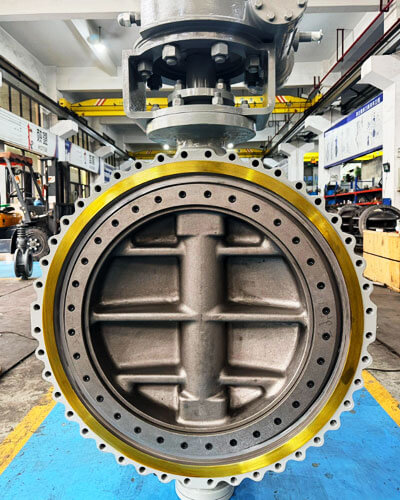
Типові температурні характеристики
| Матеріал | Типова максимальна безперервна робоча температура* | Типова мінімальна робоча температура* | Термічний ударний стійкість | Основне температурне обмеження |
| WCB з вуглецевої сталі | ~425°C | ~−29°C | Помірний | Зниження міцності та окислення при підвищеній температурі; обмежена низькотемпературна в'язкість |
| LCB з низькотемпературної вуглецевої сталі | ~425°C | ~−46°C | Помірний | Краща низькотемпературна міцність, ніж WCB, але все ще підлягає обмеженням високотемпературної міцності |
| Аустенітна нержавіюча сталь 304 / 316 | ~800–850°C у вибраних високотемпературних застосуваннях | При належній кваліфікації до ~−196°C | Відмінний | Повзати, окислення, і металургійні зміни стають важливими при підвищених температурах |
Дуплексна нержавіюча сталь 2205 |
~300°C | ~−40°C, залежно від програми | Добрий | Крихкість і небажане випадання фаз після тривалого впливу підвищених температур |
| Супер дуплексна нержавіюча сталь 2507 | ~300°C | ~−40°C, залежно від програми | Добрий | Подібні високотемпературні металургійні обмеження для дуплексних марок |
*Ці цінності є орієнтовні матеріально-послугові асортименти, не універсальні робочі межі дросельної заслінки.
Фактичні допустимі температури повинні бути встановлені на основі застосовної специфікації матеріалу, тиск і температура клапана, матеріал для сидіння, система ущільнення, стандарт дизайну, та дані виробника.
8. Ефективність тиску: Поворотний клапан із вуглецевої сталі та нержавіючої сталі
Ефективність тиску регулюється взаємодією між міцність матеріалу, геометрія компонентів, Товщина стіни, температура, клас тиску, і стандарт дизайну.
Для промислової арматури, ASME B16.34 є одним із ключових стандартів, які використовуються для оцінки тиску та температури, розміри, матеріали, тестування, і відповідні вимоги до конструкцій закритих клапанів.
Ефективність тиску: Практичне порівняння
| Фактор | Вуглецева сталь | CF8 / CF8M Аустенітна нержавіюча сталь | Дуплексна нержавіюча сталь |
| Межа текучості при кімнатній температурі | Високий | Помірний | Дуже високий |
| Стримування тиску | Відмінний | Відмінний | Відмінний |
| Співвідношення міцності і вартості | Відмінний | Помірний | Добрий |
| Потенціал для легкої конструкції | Добрий | Помірний | Відмінний |
| Збереження високотемпературної міцності | Помірний | Добрий | Температурний обмеження |
| Втрата тиску, пов'язана з корозією | Вищий ризик | Менший ризик | Дуже низький у відповідних середовищах |
| Придатність до високого тиску | Відмінний з відповідним дизайном | Добрий екземпляр | Відмінний |
| Типова інженерна перевага | Економічна міцність конструкції | Корозійна стійкість + міцність | Висока сила + Корозійна стійкість |
Ключовий інженерний принцип
Коректне порівняння не є:
Який матеріал має найвищий показник тиску?
Натомість, це повинно бути:
Який матеріал і конструкція клапана можуть безпечно та економічно підтримувати необхідну границю тиску протягом усього запланованого терміну служби?
Ця різниця має вирішальне значення в промисловій арматурі.
Дроссельний клапан із вуглецевої сталі може забезпечити найекономніший тиск у чистоті, не корозійне обслуговування, в той час як клапан з нержавіючої сталі або дуплексний клапан може забезпечити чудову довготривалу цілісність тиску, коли корозія є домінуючим механізмом деградації.
9. Зносостійкість і термін служби
Зносостійкість є важливим моментом при виборі між поворотними клапанами з вуглецевої та нержавіючої сталі, особливо в програмах, що включають часті цикли, абразивні частинки, висока швидкість течії, або повторного дроселювання.
Однак, зносостійкість не слід оцінювати виключно за матеріалом корпусу.
У дросельній заслінці, з диск, стовбур, місце, опорні поверхні, ущільнення країв, і внутрішні покриття можуть відчувати дуже різні механізми зносу.
Тому фактичний термін служби визначається взаємодією матеріал, рідина, конструкція клапана, робоча частота, перепад тиску, Швидкість потоку, та умови утримання.
| Фактор | Вуглецева сталь | Нержавіюча сталь (Аустенітний) | Дуплексна нержавіюча сталь |
| Стійкість до стирання | Добрий (важчі оцінки) | Помірний | Добре-відмінно |
| Корозійно-ерозійний | Бідний (залежить від покриття) | Добрий | Відмінний |
| Стійкість до подразнення | Добрий | Бідний (схильність до роздратування) | Відмінний |
| Очікуваний термін служби (корозійний) | 5– 20 років (з покриттям) | 30-60+ років | 30-60+ років |
| Частота технічного обслуговування | Високий (огляд покриття) | Низький | Низький |
10. Сумісність з рідинами та гігієнічна придатність
Сумісність з рідинами
- Клапани з вуглецевої сталі сумісні з сухими вуглеводнями, мазути, мастила, стиснене повітря та інертні гази.
Вони, як правило, непридатні для водних розчинів, кислоти, луги та сольові рідини без внутрішньої оболонки. - Клапани з нержавіючої сталі сумісні з дуже широким спектром хімікатів, рідини на водній основі, харчові продукти та потоки фармацевтичних процесів. Вибір сорту базується на вмісті хлоридів, pH і температура.
Гігієнічні та санітарні показники
Це область абсолютної переваги для нержавіючої сталі:
- Вуглецеву сталь не можна використовувати для прямого харчування, контакт із напоями чи фармацевтичними продуктами.
Продукти корозії та іони заліза забруднюють технологічні потоки, і навіть покриті поверхні виходять з ладу, коли покриття пошкоджено. - Нержавіюча сталь має непористу структуру, хімічно інертна поверхня, яка протистоїть утворенню біоплівки та витримує багаторазове CIP (чисто) і SIP (стерилізувати на місці) цикли.
Поворотні клапани з нержавіючої сталі санітарного класу з полірованими внутрішніми частинами відповідають 3-A, Стандарти EHEDG і FDA для контакту з харчовими продуктами.
11. Порівняння вартості: Поворотний клапан із вуглецевої сталі та нержавіючої сталі
Вартість часто є вирішальним фактором, коли технічні вимоги програми можуть бути задоволені більш ніж одним матеріалом.
Однак, порівняння тільки ціни покупки може призвести до неправильного рішення.
Економічно правильне порівняння базується на Загальна вартість власності (TCO).
Загальна вартість власності
TCO = вартість придбання + Вартість встановлення + Вартість технічного обслуговування + Захист від корозії + Час простою + Вартість заміни
Порівняння вартості життєвого циклу
| Коефіцієнт витрат | Вуглецева сталь | 304 / CF8 | 316 / Cf8m | Дуплекс / Супер дуплекс |
| Початкова вартість матеріалу | Низький | Середній | Середньо -високий | Високий–дуже високий |
| Вартість виготовлення | Низький | Середній | Середньо -високий | Високий |
| Вартість обробки | Низький | Вищий | Вищий | Вищий |
| Захист від корозії | Зазвичай потрібно | Зазвичай мінімальний | Зазвичай мінімальний | Зазвичай мінімальний |
| Догляд за покриттям | Потенційно значний | Низький | Низький | Низький |
| Ризик заміни, пов'язаний з корозією | Вищий | Помірний | Низькорозмірний | Низький у відповідних середовищах |
| Довгострокова вартість корозійної служби | Потенційно високий | Помірний | Часто сприятливий | Може бути сприятливим |
| Найкращий економічний випадок | Не піддається корозії / контрольоване середовище | Загальна служба захисту від корозії | Хлорид / хімічні середовища | Сильна корозія + високі механічні вимоги |
12. Інструкція з вибору програми: Поворотний клапан із вуглецевої сталі та нержавіючої сталі
Немає універсально кращого матеріалу. Правильний вибір залежить від взаємодії між рідинна хімія, температура, тиск, ризик корозії, механічне навантаження, вимоги до чистоти, та економіка проекту.
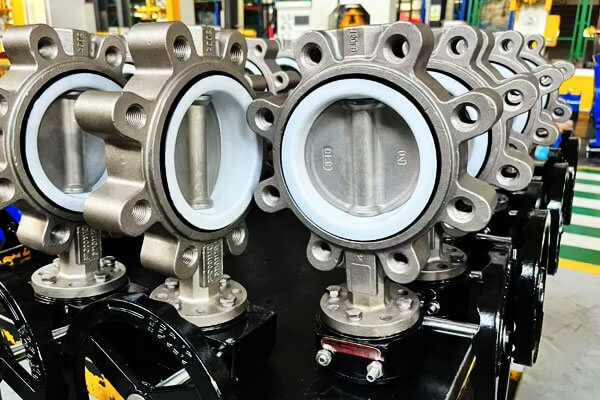
Коли вуглецева сталь є кращим вибором
Поворотні клапани з вуглецевої сталі часто є кращим рішенням:
- Рідина відносно не викликає корозії
- Робоча температура знаходиться в межах кваліфікованого діапазону матеріалу
- Система знаходиться в приміщенні або належним чином захищена
- Захисні покриття можна підтримувати
- Початкова вартість капіталу є головним фактором
- Великі розміри клапанів роблять нержавіючу сталь непропорційно дорогою
- При помірних температурах потрібна висока механічна міцність
Типові програми включають:
- Системи HVAC
- Системи протипожежного водопостачання
- Загальний розподіл води
- Промислові системи охолодження
- Системи стисненого повітря
- Нафтогазові підприємства
- Загальні технологічні трубопроводи
Коли 304 / Підходить нержавіюча сталь CF8
304-Тип нержавіючої сталі зазвичай вибирається, коли потрібна помірна або висока стійкість до корозії, але середовище не надто багате хлоридами.
Відповідні програми можуть включати:
- Харчове обладнання
- Загальні хімічні системи
- Очищення води
- Чисті промислові рідини
- Архітектурне та зовнішнє обладнання
- Загальногігієнічні застосування
Його слід використовувати обережно в гарячому хлоридному середовищі, оскільки локальна точкова та щілинна корозія може стати значною.
Коли 316 / Бажано використовувати нержавіючу сталь CF8M
316-Тип нержавіючої сталі часто є кращим вибором, якщо вплив хлориду, хімічне забруднення, або прибережне середовище є важливим.
Типові програми включають:
- Морські системи
- Прибережні переробні заводи
- Хімічна обробка
- Харчова та фармацевтична переробка
- Вода високої чистоти
- Фармацевтичні комунальні послуги
- Певні системи розсолу
Наявність молібдену забезпечує кращу стійкість до локальної корозії порівняно з нержавіючої сталлю типу 304.
Коли дуплексна нержавіюча сталь є кращим варіантом
Дуплексна нержавіюча сталь особливо приваблива, коли важливі як механічна міцність, так і стійкість до корозії.
Зазвичай вважається за:
- Офшорні системи
- Опріснення
- Служба морської води
- Водяні системи високого тиску
- Видобуток нафти і газу
- Технологічні рідини, багаті хлоридами
- Хімічна обробка
Його більш висока межа текучості може забезпечити структурні переваги, а його стійкість до корозії може істотно збільшити термін служби в агресивних середовищах.
Коли супердуплексна нержавіюча сталь виправдана
Супер дуплекс зазвичай розглядається, коли робоче середовище занадто агресивне для звичайної аустенітної нержавіючої сталі або коли одночасно потрібна висока міцність.
Потенційні програми включають:
- Жорстка морська вода
- Офшорна нафта і газ
- Високохлоридний розсіл
- Опріснення
- Підводні системи
- Корозійні рідини під високим тиском
Більш високі витрати на матеріали та виготовлення повинні бути виправдані необхідним терміном служби та наслідками відмови.
13. Поворотний клапан із вуглецевої сталі та нержавіючої сталі: Комплексна таблиця порівняння
У наступній таблиці підсумовано основні технічні відмінності між поворотними клапанами з вуглецевої та нержавіючої сталі, включаючи дуплексні класи, де це доречно.
| Фактор відбору | WCB з вуглецевої сталі | 304 / CF8 нержавіюча сталь | 316 / CF8M нержавіюча сталь | Дуплекс 2205 | Супер дуплекс 2507 |
| Матеріальна сім'я | Вуглецева сталь | Аустенітний нержавіючий | Аустенітний нержавіючий | Дуплекс нержавіючий | Супер дуплекс з нержавіючої сталі |
| Типовий межа текучості | ≥250 МПа | ≥205 МПа | ≥205 МПа | Мінімальний клас ~450 МПа | Загалом дуже високий |
| Сила на розрив | 485–655 МПа | ≥485 МПа | ≥485 МПа | ≥655 МПа | Як правило, дуже високий |
| Пластичність | Добрий | Відмінний | Відмінний | Добрий | Добрий |
| Низькотемпературна в'язкість | Обмежено для WCB | Відмінний | Відмінний | Залежно від оцінки | Залежно від оцінки |
| Типовий низькотемпературний напрямок | WCB ~−29°C; LCB ~−46°C | Може мати кваліфікацію для кріогенного обслуговування | Може мати кваліфікацію для кріогенного обслуговування | Часто обмежується приблизно до –40°C залежно від сорту | Часто обмежується приблизно до –40°C залежно від сорту |
| Здатність до високих температур | Помірний | Високий | Високий | Більш обмежений | Більш обмежений |
| Високотемпературний металургійний концерн | Втрата міцності, окислення, повзати | Повзати, окислення, фазові ефекти | Повзати, окислення, фазові ефекти | Випадання інтерметалічної фази | Випадання інтерметалічної фази |
Загальна резистентність до корозії |
Низький без захисту | Високий | Дуже високий | Дуже високий | Відмінний |
| Стійкість до хлоридів | Бідний | Помірний | Добрий | Дуже добре | Відмінний |
| Придатність до морської води | Бідний без надійного захисту | Обмежений | Краще, але залежить від програми | Дуже добре | Відмінний |
| Хімічна стійкість | Обмежений | Підходить для окремих хімічних речовин | Дуже добре підходить для багатьох застосувань | Дуже добре | Чудово підходить для окремих суворих умов |
| Опір зносу | Добрий; можна наплавити | Помірний | Помірний | Добрий | Добрий |
| Обробка | Відмінний | Помірний | Помірний | Важкий | Важкий |
| Вартість лиття | Низькорозмірний | Помірний - високий | Високий | Високий | Дуже високий |
| Вартість обробки | Низький | Вищий | Вищий | Високий | Високий |
Захист поверхні |
Зазвичай потрібне покриття | Зазвичай без покриття | Зазвичай без покриття | Зазвичай без покриття | Зазвичай без покриття |
| Вимога до пасивації | Ні | Часто корисний після виготовлення | Часто корисний після виготовлення | Важливо для корозійних характеристик | Важливо для корозійних характеристик |
| Гігієнічна придатність | Загалом обмежений | Чудовий, якщо правильно виготовлений | Відмінний | Залежно від програми | Залежно від програми |
| Початкова вартість покупки | Найнижчий | Помірний | Помірний - високий | Високий | Найвищий |
| Вартість обслуговування в корозійному режимі | Потенційно високий | Низькорозмірний | Низький | Низький | Низький |
| Економіка життєвого циклу | Чудово не піддається корозії | Добре піддається помірній корозії | Відмінно працює в хлоридних/хімічних середовищах | Відмінно справляється з сильною корозією + висока сила | Виправдано для важких умов |
Типові програми |
Вода, ОВК, пожежна вода, комунальні послуги, нафта & газовий | Їжа, вода, загальнохімічна служба | Морський, їжа, аптека, хімічний | Офшорний, морська вода, опріснення, нафта & газовий | Сувора морська вода, офшорний, підводка, розсол |
| Основна перевага | Низька вартість + хороша сила | Корозійна стійкість + міцність | Поліпшена стійкість до хлориду | Міцність + Корозійна стійкість | Серед цих варіантів максимальна стійкість до корозії |
| Первинне обмеження | Корозія | Ризик утворення хлоридів | Більша вартість, ніж 304 | Чутливість температури + вартість | Висока вартість + температурна чутливість |
14. Як вибрати поворотні клапани з вуглецевої та нержавіючої сталі
Дотримуйтеся цієї структурованої системи прийняття рішень, щоб вибрати оптимальний матеріал для кожного застосування:
- Визначте повні умови експлуатації Текуча композиція документа, рН, вміст хлоридів, температура, тиск, завантаження твердих речовин і циклічний режим. Не покладайтеся на загальні описи послуг.
- Встановіть необхідний проектний ресурс Визначити плановий термін служби установки. Для короткострокових тимчасових об'єктів, вуглецева сталь зазвичай більш економічна.
На постійне 20+ рік установок, нержавіюча сталь майже завжди дешевша з часом. - Розрахувати загальну вартість життєвого циклу Включати покупку, встановлення, технічне обслуговування, вартість заміни та очікуваний час простою протягом повного проектного періоду. Уникайте рішень, заснованих виключно на початковій ціні.
- Оцініть відповідність і вимоги безпеки Для їжі, фармацевтичний, питної води та кріогенних послуг, використання нержавіючої сталі часто є обов’язковим згідно з положеннями або галузевими стандартами.
- Оцініть доступність обслуговування Для похованих, віддалених або важкодоступних установок, віддайте перевагу довговічній нержавіючій сталі, щоб мінімізувати дорогі втручання в технічне обслуговування.
- Розглянемо проміжні рішення для граничних випадків Для застосувань, де повна нержавіюча сталь є непомірно високою, розгляньте клапани з вуглецевої сталі з обробкою з нержавіючої сталі (диск і шток), або внутрішні корпуси з вуглецевої сталі.
15. Чому варто вибрати LangHe для компонентів поворотного клапана?
LangHe Foundry спеціалізується на високоякісному точному литті компонентів поворотних клапанів, пропонуючи комплексні рішення від вибору матеріалів до готових компонентів.
Зв’яжіться з нами для нестандартних поворотних клапанів.
| Можливість | Деталі |
| Матеріали | Вуглецева сталь (WCB, WCC, LCB), Нержавіюча сталь (CF‑8, CF‑8M, CF‑3, CF‑3M), Дуплекс (CD‑3MN, CE‑8MN). |
| Метод лиття | Лиття по моделлю, пісочний кастинг. |
| Вага частини | 0.05 кг до 100 кг. |
| Допуски | ±0,1-0,3 мм (CT5-CT7 відповідно до ISO 8062). |
| Поверхнева обробка | Ra 1,6-6,3 мкм як литий; доступна електрополірування. |
| Термічна обробка | Розведення розчину, нормалізуючий, полегшення стресу. |
| Якість | ISO 9001:2015 сертифікований; 100% НК і випробування тиском. |
| Час | 8-12 тижнів для інструментів; 2-4 тижні для повторних замовлень. |
Навіщо співпрацювати з LangHe?
- Власний інструмент: Воскові матриці та візерунки розроблені та виготовлені власними силами.
- Моделювання процесу: Моделювання затвердіння для виливків без дефектів.
- Автоматизоване будівництво оболонки: Незмінна якість оболонки та водопроникність.
- Вакуумне плавлення: Доступно для високолегованих марок.
- Повна відстежуваність: Матеріально-технологічна документація для кожної партії.
- Інженерна підтримка: Допомога у виборі матеріалів та оптимізації дизайну.
16. Висновок
Поворотні клапани з вуглецевої та нержавіючої сталі служать по-різному, чітко визначені ролі в контролі промислових рідин, і жоден не є універсально вищим за інший.
Клапани з вуглецевої сталі забезпечують виняткові конструктивні характеристики за низької початкової вартості, що робить їх економічною робочою конячкою для сухих, некорозійні комунальні послуги, де корозія не є обмежуючим фактором.
Клапани з нержавіючої сталі забезпечують неперевершену стійкість до корозії, гігієнічність і тривалий термін служби, виправдовуючи їх вищу початкову вартість у корозійних, санітарно-технічні та критично важливі додатки.
Найвигідніший вибір ніколи не визначається лише ціною покупки.
Систематична оцінка хімічного складу рідини, Умови експлуатації, розрахунковий термін служби та загальна вартість життєвого циклу постійно дають змогу вибрати оптимальний матеріал.
Оскільки промислові процеси продовжують вимагати більшої надійності, подовжені міжсервісні інтервали та суворіша нормативна відповідність, Поворотні клапани з нержавіючої сталі продовжуватимуть зростати на ринку, в той час як клапани з вуглецевої сталі залишаються незамінною базовою лінією для загального комунального господарства та вуглеводневих послуг.
Поширені запитання
Який матеріал краще для дросельної заслінки, вуглецева сталь або нержавіюча сталь?
Це залежить від програми. Вуглецева сталь краща для некорозійних послуг, де основним фактором є вартість.
Нержавіюча сталь краще підходить для корозійних середовищ, гігієнічно критичні програми, і високотемпературні послуги.
Немає універсально кращого матеріалу — тільки правильний матеріал для конкретного застосування.
Поворотні клапани з нержавіючої сталі дорожчі за вуглецеву сталь?
Так. Клапани з нержавіючої сталі зазвичай коштують у 3-5 разів дорожче, ніж клапани з вуглецевої сталі.
Однак, довший термін служби та менші витрати на технічне обслуговування часто роблять нержавіючу сталь більш економічно ефективною протягом усього життєвого циклу.
Яка різниця між нержавіючої сталлю CF‑8 і CF‑8M?
CF‑8 еквівалентний 304 нержавіюча сталь (немає молібдену).
CF‑8M еквівалентний 316 нержавіюча сталь, містить 2-3% молібдену для покращеної стійкості до точкової корекції хлориду. CF‑8M є кращим для морських і хімічних послуг.
Поворотний клапан із нержавіючої сталі міцніший за вуглецеву сталь?
Не обов’язково.
Стандартні аустенітні нержавіючі сталі, такі як CF8 і CF8M, можуть мати нижча межа текучості, ніж вуглецева сталь A216 WCB, хоча вони, як правило, пропонують більшу пластичність і відмінну міцність.
Дуплексна нержавіюча сталь, навпаки, може мати значно вищу межу текучості, ніж як WCB, так і звичайна аустенітна нержавіюча сталь.
Отже, нержавіюча сталь не повинна розглядатися як одна механічна категорія.

