

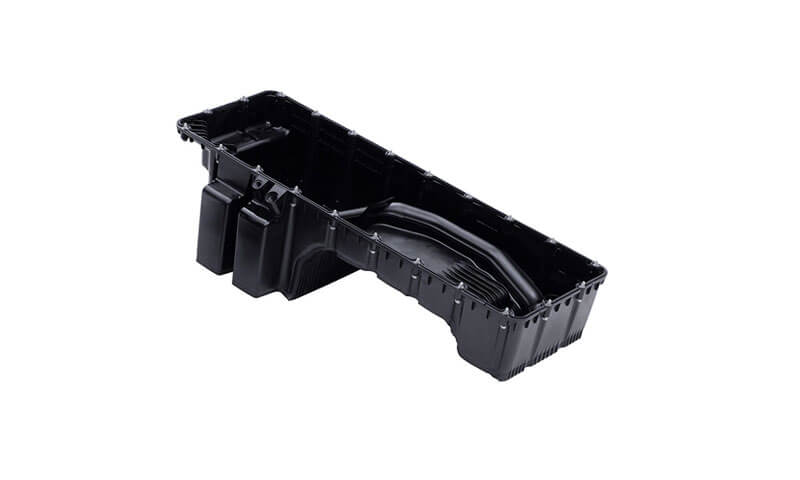
Poliamid kimyası hakkında bilgi edinin, temel mekanik ve termal özellikler, üretim yöntemleri, güçlendirilmiş kaliteler, avantajlar, sınırlamalar, geri dönüşüm, ve endüstriyel uygulamalar.
Poliamid, dünyadaki en çok yönlü ve yaygın olarak kullanılan mühendislik polimerleri ailesinden biridir..
Banyonuzdaki diş fırçasından otomotiv motorlarındaki yüksek performanslı dişlilere kadar, Giysinizdeki elyaflardan havacılık uygulamalarındaki yapısal bileşenlere kadar, poliamidler her yerde.
Olağanüstü mekanik mukavemet kombinasyonu, Direnç Giymek, kimyasal istikrar, ve işlenebilirlik onları sayısız endüstride vazgeçilmez kıldı.
Ticari mühendislik uygulamalarında, dönem naylon sıklıkla poliamid ile birbirinin yerine kullanılır.
Her ne kadar bu, PA6 ve PA66 gibi birçok yaygın malzeme için genel olarak kabul edilebilir olsa da, poliamid aslında daha geniş bilimsel ve teknik sınıflandırmadır.
Aile geleneksel alifatik naylonları içerir, uzun zincirli poliamidler, yüksek sıcaklıkta yarı aromatik poliamidler, ve aramitler gibi son derece uzmanlaşmış aromatik poliamitler.
1. Poliamid Nedir??
Poliamid (Pa) ana moleküler zincirde tekrarlanan amid gruplarını içeren bir polimer sınıfıdır. Amit bağlantısı yaygın olarak şu şekilde temsil edilir::
–CO–NH–
Amit bağı, bir karboksilik asit grubu arasındaki yoğunlaşma reaksiyonuyla oluşturulur. (–COOH) ve bir amin grubu (–NH₂).
Bir poliamidin genel kimyasal yapısı şu şekilde temsil edilebilir::
-[–CO–R–CO–NH–R’–NH–]-
R ve R' değişen uzunluklarda hidrokarbon zincirleri olduğunda.
Bu tekrarlanan kimyasal bağlar, poliamidleri polietilen gibi diğer büyük polimer ailelerinden ayırır., polipropilen, polikarbonat, ve polyester.
Poliamidler farklı monomer sistemlerinden üretilebilmektedir., önemli ölçüde farklı moleküler yapılara ve performans özelliklerine sahip malzemelerle sonuçlanır.
Kimyasal bileşime bağlı olarak, bir poliamid nispeten esnek ve neme dayanıklı olabilir, son derece sert ve aşınmaya dayanıklı, veya yüksek sıcaklıklarda çalışabilen.
Moleküler düzeyde, amid grupları polardır ve komşu polimer zincirleri arasında hidrojen bağları oluşturabilirler.
Bu moleküller arası kuvvetler nispeten güçlü ve yapışkan bir polimer yapısı oluşturmaya yardımcı olur.. Sonuç olarak, birçok poliamid sağlar:
- Yüksek çekme mukavemeti ve sertlik
- İyi tokluk ve yorulma direnci
- Mükemmel aşınma ve aşınma direnci
- Uygun koşullar altında düşük sürtünme
- Yağlara karşı iyi direnç, yakıt, ve birçok endüstriyel kimyasal
- Yararlı termal performans
- Cam elyafla güçlendirme için güçlü potansiyel, karbon fiber, veya mineral dolgu maddeleri
Termoset polimerlerden farklı olarak, ticari açıdan en önemli mühendislik poliamidleri termoplastikler.
Isıtıldığında yumuşar veya erir ve enjeksiyonlu kalıplama ve ekstrüzyon gibi yöntemler kullanılarak işlenebilir..
Bu işlenebilirlik, poliamidi modern üretimde özellikle önemli hale getirmiştir çünkü karmaşık bileşenler genellikle iyi mekanik performansı korurken yüksek hacimlerde ekonomik olarak üretilebilir..
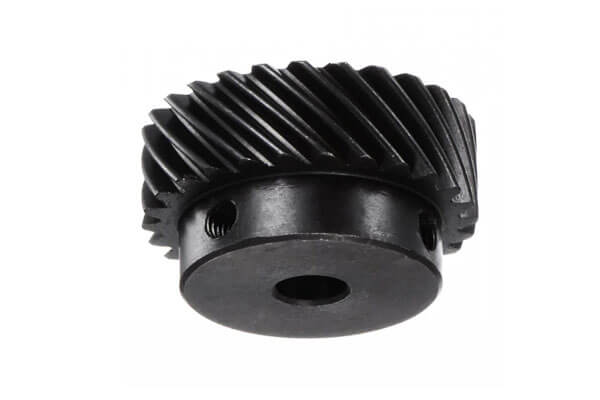
Poliamid ve Naylon İlişkisi
Dönem naylon ilk kez DuPont tarafından tanıtıldı 1938 poliamidi için 6,6 (PA66), elyaf ve tekstilde kullanılan.
Mesai, naylon, alifatik poliamidlerin (en yaygın poliamid türü) genel adı haline geldi ve tüketici ve endüstriyel bağlamlarda sıklıkla poliamid ile birbirinin yerine kullanılır..
Fakat, poliamid, aşağıdakileri kapsayan daha geniş bir bilimsel terimdir::
| Tip | Örnekler | Tanım |
| Alifatik Poliamidler | PA6, PA66, PA11, PA12 | En yaygın poliamidler; naylon olarak da bilinir. |
| Aromatik Poliamitler (Aramidler) | Kevlar®, Nomex® | Yüksek performanslı; omurgadaki aromatik halkalar. |
| Yarı Aromatik Poliamitler | PPA (poliftalamid) | Yüksek sıcaklık performansı; aromatik + alifatik birimler. |
| Poliamid‑İmitler | PAI (Torlon®) | Yüksek performans; Amit gruplarına ek olarak imid grupları. |
Anahtar nokta: Tüm naylonlar poliamiddir, ancak tüm poliamidler naylon değildir. “Poliamid” terimi tüm aile için doğru teknik terimdir.
2. Poliamid Nasıl Yapılır??
Poliamid, tekrarlanan polimer zincirleri oluşturularak üretilir. amid bağlantıları (–CONH–).
Dereceye bağlı olarak, ticari poliamitler esas olarak şu yöntemlerle üretilir: yoğunlaşma polimerizasyonu veya halka açma polimerizasyonu.
Yoğunlaşma Polimerizasyonu
Birçok poliamid, özellikle PA66, bir diaminin bir dikarboksilik asitle reaksiyona sokulmasıyla üretilir. Reaksiyon küçük molekülleri serbest bırakırken amid bağları oluşturur, genellikle su.
Örneğin, PA66'dan üretilmiştir hekzametilendiamin Ve adipik asit.
Monomer oranının hassas kontrolü, sıcaklık, basınç, ve polimerizasyon süresi önemlidir çünkü bu faktörler moleküler ağırlığı etkiler, viskozite, kristallik, ve son mekanik performans.
Halka Açıcı Polimerizasyon
Diğer önemli notlar, örneğin PA6, genellikle halka açılması polimerizasyonu yoluyla üretilir. kaprolaktam.
Kontrollü sıcaklık ve basınç altında, siklik kaprolaktam molekülleri açılır ve uzun zincirli PA6 polimerleri oluşturmak üzere birbirine bağlanır.
Bu rota verimli büyük ölçekli üretime olanak tanır ve mühendislik plastikleri için yaygın olarak kullanılır., lifler, filmler, ve kalıplanmış bileşenler.
Polimer Bileşimi ve Modifikasyonu
Polimerizasyondan sonra, baz poliamid birleştirme yoluyla daha da değiştirilebilir.
Üreticiler dahil olabilir cam elyafları, karbon lifleri, mineral dolgu maddeleri, darbe değiştiriciler, alev geciktiriciler, yağlayıcılar, veya stabilizatörler Malzemeyi belirli uygulamalara göre uyarlamak.
Bitmiş polimer tipik olarak peletlenir ve sonraki işlemler için granüller halinde sağlanır. enjeksiyon kalıplama, ekstrüzyon, üfleme kalıplama, veya diğer polimer üretim yöntemleri.
3. Başlıca Poliamid Türleri ve Sınıfları
Poliamid tek bir malzeme değil, önemli ölçüde farklı moleküler yapılara sahip geniş bir polimer ailesidir., termal davranış, nem emilimi, Mekanik Özellikler, ve işleme özellikleri.
Alifatik Poliamidler (Naylon çorap)
Alifatik poliamitler, poliamidlerin en büyük ve ticari açıdan en önemli grubunu temsil eder..
Enjeksiyon kalıplamada yaygın olarak kullanılırlar, ekstrüzyon, elyaf üretimi, ve diğer endüstriyel işlemler çünkü uygun bir mekanik güç dengesi sunuyorlar, Direnç Giymek, İşlenebilirlik, ve maliyet.
| Seviye | Tipik Erime Aralığı (° C) | Anahtar Özellikler | Tipik uygulamalar |
| PA6 | 215–225 | İyi tokluk, darbe direnci, Direnç Giymek, ve işlenebilirlik; nispeten yüksek nem emilimi. | Otomotiv parçaları, vites, konutlar, endüstriyel bileşenler, lifler. |
| PA66 | 255–265 | Daha yüksek güç, sertlik, ısı direnci, ve PA6'ya göre sürünme direnci. | Vites, rulmanlar, burçlar, bağlantı elemanları, Elektrik Bileşenleri, kaput altı otomotiv parçaları. |
| PA11 | 185–195 | Mükemmel esneklik ve darbe dayanımı; Düşük nem emilimi ve iyi kimyasal direnç. | Esnek boru, pnömatik hatlar, kablo ceketler, otomotiv sıvı sistemleri. |
| PA12 | 175–185 | Çok düşük nem emilimi, Mükemmel kimyasal direnç, esneklik, ve boyutsal istikrar. | Yakıt hatları, pnömatik boru, tıbbi boru, kablo izolasyonu, hassas bileşenler. |
PA610 |
215–225 | PA6 ve PA66'ya göre daha iyi boyutsal kararlılık ve daha düşük nem emilimi. | Elektrik konnektörleri, kablo bileşenleri, endüstriyel parçalar, kıllar. |
| PA612 | 210–220 | İyi tokluk, kimyasal direnç, boyutsal stabilite, ve su emiliminin azalması. | Otomotiv sıvı hatları, Elektrik Bileşenleri, boru, hassas kalıplanmış parçalar. |
| PA1010 | 195–205 | Kısmen veya büyük ölçüde biyolojik bazlı hammadde potansiyeli; Düşük nem emilimi ve iyi tokluk. | Sürdürülebilir tüketici ürünleri, otomotiv bileşenleri, Endüstriyel uygulamalar. |
Yarı Aromatik Poliamitler
Yarı aromatik poliamitler alifatik zincir parçalarını aromatik yapılarla birleştirir.
Aromatik halkalar moleküler sertliği ve termal stabiliteyi artırır, bu malzemelerin geleneksel PA6 veya PA66'nın pratik aralığının ötesindeki sıcaklıklarda çalışmasına olanak tanır.
| Malzeme Ailesi | Temsili Notlar | Tipik Erime Aralığı (° C) | Temel özellikler | Tipik uygulamalar |
| PPA | PA6T/66, PA6T/6I, PA9T ve ilgili kopoliamitler | Yaklaşık. 280–330* | Yüksek ısı direnci, yüksek sertlik, iyi kimyasal direnç, düşük sürünme, ve geliştirilmiş boyutsal kararlılık. | Otomotiv kaput altı bileşenleri, yüksek sıcaklık konnektörleri, LED bileşenleri, pompa parçaları. |
| PA6T bazlı Poliamitler | PA6T ve kopolimerize PA6T sistemleri | Çoğunlukla yukarıda 300 yüksek PA6T bileşimleri için* | Çok yüksek termal stabilite, mükemmel güç, ve yüksek sıcaklıklarda mekanik özelliklerin iyi korunması. | Elektrik ve elektronik konnektörler, otomotiv bileşenleri, endüstriyel ekipman. |
PA9T |
Poliamid 9T | Yaklaşık. 300–310* | Yüksek ısı direnci, nispeten düşük nem emilimi, mükemmel boyutsal kararlılık ve kimyasal direnç. | Yüzeye monte elektronikler, konektörler, hassas elektrik bileşenleri. |
Aromatik Poliamitler (Aramidler)
Aromatik poliamidler, yaygın olarak bilinir aramidler, aromatik halkaların polimer omurgasının büyük bir bölümünü oluşturduğu yüksek performanslı bir sınıfı temsil eder.
Sert moleküler yapıları onlara olağanüstü gerilme mukavemeti kazandırır, modül, termal stabilite, ve bazı kalitelerde aleve dayanıklılık.
| Aramid Tipi | Temsili Malzeme | Moleküler Yapı | Anahtar Özellikler | Tipik uygulamalar |
| Para-aramid | Kevlar® | Para odaklı aromatik poliamid | Son derece yüksek çekme mukavemeti ve modülü, Mükemmel darbe direnci, ve iyi termal stabilite. | Balistik koruma, havacılık kompozitleri, takviye kabloları, lastikler, halatlar, spor ekipmanı. |
| Meta-aramid | Nomex® | Meta odaklı aromatik poliamid | Mükemmel alev direnci, termal stabilite, elektrikli yalıtım, ve ısıya maruz kalmaya karşı direnç. | Koruyucu kıyafet, elektrikli yalıtım, havacılık iç mekanları, filtreleme ortamı. |
Poliamid-imid (PAI)
Poliamid-imid, ultra yüksek performanslı bir polimer ailesini temsil eder. amid ve imid fonksiyonel grupları moleküler yapı içerisinde.
Sonuç olağanüstü termal stabiliteye sahip bir malzemedir, mekanik güç, Direnç Giymek, ve yük taşıma özelliği.
En iyi bilinen ticari örneklerden biri Torlon® PAI.
| Malzeme | Kimyasal Aile | Anahtar Özellikler | Tipik uygulamalar |
| PAI | Poliamid-imid | Son derece yüksek mukavemet ve sertlik, Mükemmel aşınma direnci, düşük sürünme, olağanüstü termal stabilite, ve ağır mekanik yükler altında iyi performans. | Rulmanlar, burçlar, fatura, kompresör bileşenleri, havacılık parçaları, yarı iletken ekipman, yüksek sıcaklık endüstriyel bileşenleri. |
4. Poliamidin Temel Özellikleri
Poliamidin performansı moleküler yapısına göre belirlenir, özellikle amid gruplarının konsantrasyonu, moleküler ağırlık, kristallik, ve esnek alifatik bölümler ile sert aromatik yapılar arasındaki denge.
Mekanik Mukavemet ve Sertlik
Çoğu mühendislik sınıfı poliamid, uygun bir mukavemet-ağırlık oranı sağlar.
PA6 ve PA66, Örneğin, dişliler için yaygın olarak kullanılır, parantez, konutlar, klips, ve yapısal bileşenler, çünkü çelikten daha hafif kalarak tekrarlanan mekanik yüklemelere dayanabilirler, alüminyum, veya çinko alaşımları.
Poliamidin mekanik özellikleri nem durumuna bağlı olarak önemli ölçüde değişebilir..
Çünkü amid grupları su moleküllerini çeker, emilen nem plastikleştirici görevi görebilir.
Bu genellikle sertliği ve çekme mukavemetini azaltırken esnekliği ve darbe direncini artırır..
Cam elyaf takviyesi, sertliği ve mukavemeti önemli ölçüde artırabilir.
Güçlendirilmiş bir PA66 bileşeni, dolgusuz polimerden birkaç kat daha yüksek bir modüle ulaşabilir, zorlu otomotiv ve endüstriyel uygulamalara uygun hale getirir.
Tokluk ve etki direnci
Poliamid genellikle darbelere ve tekrarlanan yüklemelere karşı iyi bir direnç gösterir.
PA6 ve PA66, sertlik ve dayanıklılık arasında faydalı bir denge sunar, PA11 ve PA12 gibi uzun zincirli kaliteler özellikle esneklik ve darbe performansı açısından değerlidir, özellikle düşük sıcaklıklarda.
Bu özellik poliamidin titreşime maruz kalan bileşenler için uygun olmasını sağlar, şok, döngüsel stres, ve mekanik hareket.
Otomotiv klipleri, kablo koruma sistemleri, pnömatik boru, ve endüstriyel konutlar tipik örneklerdir.
Fakat, Darbe performansı çeşitli faktörlere bağlıdır, sıcaklık dahil, nem içeriği, kristallik, duvar kalınlığı, ve takviye seviyesi.
Yüksek oranda doldurulmuş veya yüksek kristalli kaliteler daha fazla sertlik sunabilir ancak darbe direncini azaltabilir.
Aşınma Direnci ve Düşük Sürtünme Performansı
Poliamid, iyi aşınma direnci ve nispeten düşük sürtünme katsayısı nedeniyle tribolojik uygulamalarda yaygın olarak kullanılmaktadır..
Dişliler gibi bileşenler, burçlar, rulmanlar, silindirler, rehberler, ve aşınma pedleri daha az gürültüyle çalışabilir ve, Bazı durumlarda, harici yağlama olmadan.
Zorlu sürgülü uygulamalar için, poliamid gibi katkı maddeleri ile modifiye edilebilir:
- Daha düşük sürtünme için PTFE;
- Geliştirilmiş kayma davranışı için molibden disülfit;
- Artan sertlik için cam elyaflar;
- Gelişmiş güç ve termal iletkenlik için karbon fiberler;
- Geliştirilmiş kuru çalışma performansı için katı yağlayıcılar.
Nihai aşınma davranışı büyük ölçüde eşleşen malzemelere bağlıdır, yüzey basıncı, kayma hızı, sıcaklık, ve yağlama koşulları.
Termal performans
Poliamitler genellikle polipropilen ve polietilen gibi ticari plastiklerden daha iyi ısı direnci sağlar. Fakat, termal kapasite sınıflar arasında önemli ölçüde farklılık gösterir.
PA6 ve PA66, orta derecede yüksek sıcaklıktaki birçok uygulama için uygundur, PPA gibi yarı aromatik poliamitler ise daha zorlu ortamlar için tasarlanmıştır, otomotiv kaporta altı bileşenleri ve yüksek sıcaklığa dayanıklı elektrik konnektörleri dahil.
Erime noktası, ısı sapma sıcaklığı, Bir poliamid seçerken sürekli servis sıcaklığı ve sürekli servis sıcaklığının tümü dikkate alınmalıdır..
Takviye, yüksek sıcaklıklarda boyutsal stabiliteyi daha da geliştirebilir, ancak aynı zamanda dayanıklılığı ve işlenebilirliği de etkileyebilir.
Nem Emme ve Boyutsal Kararlılık
Nem emilimi, poliamid kullanırken en önemli mühendislik hususlarından biridir..
Polimer yapısındaki amid grupları çevredeki ortamdan suyu emebilir, Boyutlarda ve mekanik özelliklerde değişikliklere neden olmak.
PA6 ve PA66 gibi kısa zincirli poliamitler genellikle PA11 ve PA12 gibi uzun zincirli poliamidlere göre daha fazla nem emer.
Hassas bileşenler tasarlanırken bu karakteristik dikkate alınmalıdır..
Boyut toleransları, hem üretimdeki küçülmeyi hem de servis sırasındaki potansiyel çevresel koşulları hesaba katmalıdır..
Kimyasal direnç
Poliamid genellikle yağlara maruz kaldığında iyi performans gösterir, gresler, yakıt, ve birçok hidrokarbon.
PA malzemelerinin otomotiv yakıt sistemlerinde yaygın olarak kullanılmasının bir nedeni de budur., endüstriyel ekipman, ve sıvı taşıma uygulamaları.
Fakat, kimyasal direnç evrensel değildir. Güçlü asitler, güçlü oksitleyici maddeler, belirli çözücüler, ve yüksek sıcaklıktaki kimyasallara uzun süre maruz kalmak polimeri bozabilir.
Bu nedenle malzeme seçiminde, yalnızca bir malzemenin "kimyasal olarak dirençli" genel sınıflandırmasına dayanmak yerine, hizmet ortamının tamamı dikkate alınmalıdır.
Elektriksel Özellikler
Poliamid doğal olarak elektriksel olarak yalıtkandır ve elektrik konnektörlerinde yaygın olarak kullanılır., terminal muhafazaları, bobin oluşturucular, ve yalıtım bileşenleri.
Fakat, emilen nem dielektrik özellikleri ve yüzey direncini etkileyebilir.
Yüksek voltajlı veya yüksek güvenilirliğe sahip elektrik uygulamaları için, mühendisler genellikle elektrik performansı için özel olarak formüle edilmiş kaliteleri seçerler, alev direnci, düşük nem emilimi, veya yüksek sıcaklık stabilitesi.
5. Poliamid Üretim ve İşleme Yöntemleri
Poliamid termoplastik bir malzemedir, ısıtılarak yumuşatılmasına ve çeşitli üretim süreçleri kullanılarak şekillendirilmesine olanak tanır.
Optimum işleme yöntemi polimer kalitesine bağlıdır, bileşen geometrisi, üretim hacmi, boyutsal tolerans, yüzey gereksinimleri, ve takviye sistemi.
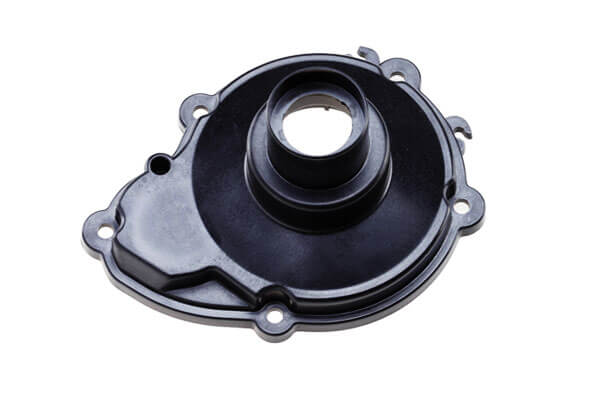
Enjeksiyon Kalıplama
Enjeksiyon kalıplama poliamid bileşenlerin mühendisliği için en önemli üretim yöntemlerinden biridir.
Kurutulmuş polimer topakları ısıtılmış bir varilde eritilir ve basınç altında hassas bir kalıba enjekte edilir..
Proses özellikle karmaşık üretim için uygundur, Tutarlı geometriye sahip yüksek hacimli bileşenler.
Tipik uygulamalar:
- Dişliler ve mekanik bileşenler;
- Otomotiv klipsleri ve braketleri;
- Elektrik konnektörleri;
- Cihaz bileşenleri;
- Muhafazalar ve muhafazalar;
- Hassas endüstriyel parçalar.
Çünkü poliamid nemi emebilir, kalıplamadan önce uygun reçine kurutması kritik öneme sahiptir
Cam elyaf takviyeli poliamidler de yaygın olarak enjeksiyonla kalıplanır, kalıp tasarımı ve işleme koşullarının elyaf oryantasyonunu hesaba katması gerekmesine rağmen, artan viskozite, ve anizotropik büzülme.
Ekstrüzyon
Ekstrüzyon, sabit kesitli poliamid ürünleri sürekli olarak üretmek için kullanılır. Erimiş polimer şekillendirilmiş bir kalıptan geçirilir ve ardından soğutulur ve boyutlandırılır.
Yaygın ekstrüzyon ürünleri arasında borular bulunur, borular, filmler, çarşaf, çubuklar, kablo izolasyonu, ve mühendislik profilleri.
PA11 ve PA12, kimyasal direnç kombinasyonlarından dolayı esnek borular için özellikle önemlidir, esneklik, ve nispeten düşük nem emilimi.
Profil ve boru ekstrüzyonunda, sıcaklık kontrolü, erime stabilitesi, soğutma oranı, ve boyut kalibrasyonu tutarlı duvar kalınlığını ve geometriyi korumak için gereklidir.
Üfleme kalıplama
İçi boş poliamid bileşenlerin gerekli olduğu durumlarda üflemeli kalıplama kullanılır. Isıtılmış bir polimer tüp veya ön kalıp, hava basıncı kullanılarak bir kalıbın içinde genişletilir..
Poliamid şişirme kalıplama, otomotiv sıvı depoları için yaygın olarak kullanılır, kanallar, yakıt sistemi bileşenleri, ve özel endüstriyel konteynerler.
Ek bariyer özellikleri gerektiğinde çok katmanlı yapılar da üretilebilir.
Sıkıştırma ve Transfer Kalıplama
Standart termoplastik poliamidler için enjeksiyonlu kalıplamaya göre daha az yaygın olmasına rağmen, sıkıştırma kalıplama büyük için yararlı olabilir, son derece güçlendirilmiş, veya özel bileşenler.
İşlem, belirli uzun elyaf takviyeli malzemeleri barındırabilir ve parça geometrisi veya takviye mimarisinin geleneksel enjeksiyon kalıplama yoluyla elde edilmesi zor olduğunda seçilebilir..
CNC İşleme
Poliamid ayrıca CNC tornalama kullanılarak ekstrüzyon veya döküm stoktan da işlenebilir, frezeleme, sondaj, ve diğer çıkarma işlemleri.
CNC İşleme özellikle yararlıdır:
- Prototip geliştirme;
- Düşük hacimli üretim;
- Büyük bileşenler;
- Kalıplanması zor özellikler gerektiren parçalar;
- İşlem sonrası sıkı toleranslar gerektiren bileşenler.
Fakat, Hassas poliamid bileşenler işlenirken neme bağlı boyut değişiklikleri dikkate alınmalıdır. Malzeme koşullandırma ideal olarak son muayeneden önce kontrol edilmelidir..
Katkı maddesi üretimi
Çeşitli poliamid malzemeler, özellikle PA12 ve PA11, gibi eklemeli imalat teknolojilerinde yaygın olarak kullanılmaktadır. Seçici lazer sinterleme (SLS) Ve Çoklu Jet Füzyonu (MJF)
Bu süreçler özellikle prototipler için uygundur., özelleştirilmiş ürünler, karmaşık iç geometriler, ve düşük ila orta hacimli üretim.
Enjeksiyon kalıplamayla karşılaştırıldığında, Katmanlı üretim, özel takım ihtiyacını ortadan kaldırır ancak genellikle büyük üretim hacimlerinde daha yüksek birim maliyetler gerektirir.
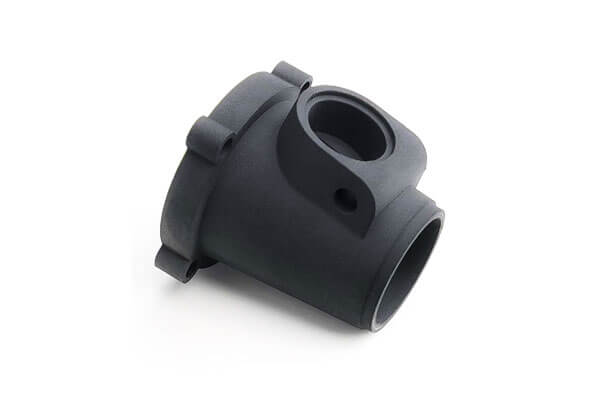
6. Güçlendirilmiş ve Modifiye Poliamid Malzemeler
Dolgusuz poliamid dengeli bir güç kombinasyonu sağlar, sertlik, Direnç Giymek, ve işlenebilirlik.
Fakat, birçok mühendislik uygulaması standart PA6 veya PA66'nın ötesinde özellikler gerektirir.
Bu nedenle, poliamid sıklıkla takviye edici elyaflarla birleştirilir, mineral dolgu maddeleri, darbe değiştiriciler, alev geciktiriciler, yağlayıcılar, ve diğer fonksiyonel katkı maddeleri.
| Modifiye Poliamid Tipi | Birincil Değişiklik | Ana Performans İyileştirmesi | Tipik uygulamalar |
| Cam elyaf takviyeli PA | Cam elyafları | Kuvvet, sertlik, ısı direnci | Otomotiv yapıları, konektörler, makine |
| Karbon fiberle güçlendirilmiş PA | Karbon fiberler | Yüksek özgül mukavemet ve sertlik | Havacılık, robot, yüksek performanslı parçalar |
| Mineral dolgulu PA | Talk, mika, mineraller | Boyutsal stabilite, Düşük Büzülme | Konutlar, büyük hassas bileşenler |
| Darbe modifiyeli PA | Elastomer değiştiriciler | Geliştirilmiş tokluk ve darbe direnci | Otomotiv ve koruyucu bileşenler |
Alev geciktirici PA |
Alev geciktirici katkı maddeleri | Geliştirilmiş yangın performansı | Elektrikli ve elektronik bileşenler |
| Kendinden yağlamalı PA | Ptfe, MoS₂, yağlayıcı katkı maddeleri | Daha az sürtünme ve aşınma | Rulmanlar, vites, kayar parçalar |
| İletken PA | Karbon bazlı iletken dolgu maddeleri | ESD kontrolü veya elektriksel iletkenlik | Elektronik ve statik elektriğe duyarlı ekipmanlar |
7. Poliamidin Avantajları ve Sınırlamaları
Temel avantajlar
- Yüksek özel güç: Olağanüstü güç-ağırlık oranı, yapısal uygulamalarda uygun maliyetli metal değişimine olanak tanır.
- Mükemmel aşınma performansı: Kendiliğinden yağlama özellikleri, birçok hafif ila orta yük uygulamasında harici yağlama ihtiyacını ortadan kaldırır.
- İyi kimyasal direnç: Yağlara karşı olağanüstü tolerans, otomotiv ve endüstriyel ortamlar için yakıtlar ve gresler.
- Geniş işlenebilirlik: İyi eriyik akışkanlığı ile tüm önemli termoplastik üretim yöntemleriyle uyumludur.
- Yüksek darbe dayanıklılığı: Geniş bir sıcaklık aralığında iyi sünekliği korur, özellikle darbeye dayanıklı kalitelerde.
- Çok yönlü formülasyon: Kolayca güçlendirilir, sertleştirilmiş, hedeflenen performans için alev geciktirici ve bileşik.
- İyi elektrik yalıtımı: Çoğu genel elektrik ve elektronik uygulama için yeterli dielektrik performansı.
Doğal Sınırlamalar
- Yüksek nem emilimi: Standart kaliteler önemli miktarda atmosferik suyu emer, boyut değişikliğine ve özellik değişikliğine neden olmak - en büyük tasarım kısıtlaması.
- Boyutsal değişkenlik: Daha yüksek kalıp büzülmesi ve neme bağlı şişme, dikkatli tolerans tasarımı gerektirir.
- Düşük sıcaklıkta kırılganlık: Değiştirilmemiş standart kaliteler sıfırın altındaki sıcaklıklarda kırılgan hale gelir ve soğuk servis için darbe modifikasyonu gerektirir.
- Sınırlı güçlü asit/alkali direnci: Güçlü mineral asitlerde ve konsantre alkali çözeltilerde bozunur.
- İşleme kurutma gereksinimi: Zorunlu ön kurutma, higroskopik olmayan plastiklere göre işlem adımlarını ve enerji maliyetini artırır.
- UV bozulması: Stabilize edilmemiş kaliteler, uzun süreli dış mekan UV ışınlarına maruz kaldığında bozulur ve dış mekan kullanımı için stabilizasyon gerektirir.
8. Poliamid Uygulamaları
Mekanik mukavemetin birleşimi, Direnç Giymek, düşük ağırlık, kimyasal direnç, ve üretim esnekliği, poliamidin tüketici ürünlerinden yüksek mühendislik gerektiren otomotiv ve endüstriyel bileşenlere kadar çeşitli uygulamalarda hizmet vermesine olanak tanır.
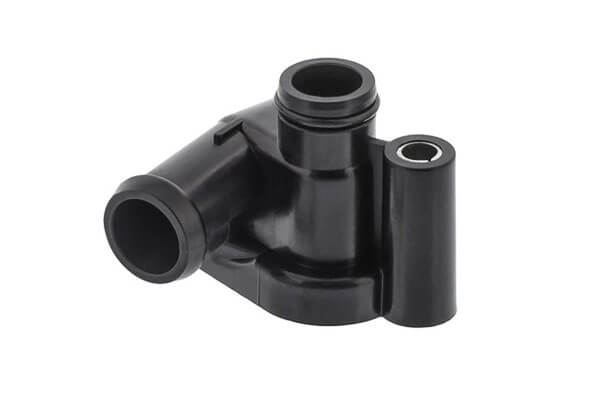
Otomotiv Endüstrisi
Otomotiv mühendislik, mühendislik poliamidlerinin en büyük uygulama alanlarından biridir.
PA6, PA66, ve güçlendirilmiş kaliteler, ağırlığın azaltılması gereken metal bileşenlerin yerine yaygın olarak kullanılmaktadır., korozyon direnci, ve entegre kalıplama avantajlıdır.
Tipik bileşenler şunları içerir::
- Motor kapakları ve braketleri
- Hava girişi bileşenleri
- Soğutma sistemi bileşenleri
- Kablo kılavuzları ve klipsleri
- Dişli Konutları
- Rulman kafesleri
- Yakıt sistemi bileşenleri
- Elektrik konnektörleri
- Yapısal parantez
- Fan ve kasnak bileşenleri
Cam elyaf takviyeli PA66 özellikle kaput altı uygulamalar için önemlidir çünkü takviye sertliği artırır, sürünme direnci, ve boyutsal istikrar.
Elektrik ve elektronik
Poliamid, yalıtım özelliklerinden dolayı elektrikli bileşenlerde yaygın olarak kullanılmaktadır., mekanik güç, ve enjeksiyon kalıplama yeteneği.
Uygulamalar içerir bağlayıcı muhafazalar, terminal blokları, kablo rakorları, anahtarlar, sensör muhafazaları, devre koruma bileşenleri, ve elektrik muhafazaları.
Alev geciktirici kaliteler genellikle düzenleyici gerekliliklerin kontrollü ateşleme ve alev yayılmasını gerektirdiği durumlarda seçilir.
Endüstriyel makine
Makinede, hafif bileşenlerin tekrarlanan mekanik harekete dayanması gereken yerlerde sıklıkla poliamid kullanılır.
Yaygın örnekler şunları içerir::
- Dişliler ve dişli çarklar
- Burçlar ve rulmanlar
- Silindir
- Şeritler giyin
- Kılavuz raylar
- Kablo taşıyıcıları
- Sızdırmazlık bileşenleri
- Makine korumaları
- Konveyör bileşenleri
Metalik bileşenlerle karşılaştırıldığında, poliamid parçalar ağırlığı azaltabilir, gürültü, ve belirli uygulamalardaki yağlama gereksinimleri.
Sıvı Taşıma ve Boru Tesisatı
PA11 ve PA12, esnekliği birleştirdikleri için boru ve sıvı taşıma uygulamaları için özellikle değerlidir, kimyasal direnç, düşük yoğunluk, ve nispeten düşük nem emilimi.
Onlar için kullanılırlar pnömatik boru, hidrolik hatlar, yakıt hatları, frenle ilgili bileşenler, kablo kaplama, ve endüstriyel hortumlar, belirli sınıfa ve geçerli standartlara bağlı olarak.
Tüketici ve Ticari Ürünler
Poliamid ayrıca dayanıklılık ve darbe dayanımının önemli olduğu tüketici ürünlerinde de yaygın olarak kullanılmaktadır..
Örnekler arasında elektrikli alet bileşenleri yer alır, spor ekipmanı, bağlantı elemanları, konutlar, kulp, tekerlekler, mekanik bağlantı parçaları, ve çeşitli kalıplanmış bileşenler.
Medikal ve Sağlık Uygulamaları
Seçilmiş tıbbi ve sağlık uygulamaları için özel poliamid kaliteleri kullanılabilir, boru dahil, enstrüman bileşenleri, sıvı taşıma parçaları, ve belirli tek kullanımlık veya yeniden kullanılabilir cihazlar.
Bu uygulamalar için, Yine de, biyouyumluluk, sterilizasyon direnci, çıkarılabilirler, kimyasal uyumluluk, ve geçerli düzenleyici gereklilikler, poliamidin genel özelliklerinden varsayılmak yerine, spesifik kaliteye göre değerlendirilmelidir..
9. Poliamid vs. Diğer Mühendislik Plastikleri
Poliamid evrensel olarak diğer mühendislik plastiklerinden üstün değildir.
Her polimerin farklı bir performans profili vardır, ve uygun seçim mekanik yükleme gibi faktörlere bağlıdır., sürtünme, sıcaklık, kimyasal maruziyet, nem, Boyutlu Gereksinimler, ve maliyet.
| Mülk / Faktör | Poliamid (Pa) | Polioksimetilen (POM) | Polipropilen (PP) | Polieter eter keton (Göz atmak) |
| Malzeme sınıfı | Mühendislik termoplastik | Mühendislik termoplastik | Emtia/yarı mühendislik termoplastik | Yüksek performanslı mühendislik termoplastik |
| Tipik güç | İyiden yükseğe | İyi | Ilıman | Çok yüksek |
| Sertlik | İyi; takviye ile daha yüksek | İyi | Ilıman | Harika |
| Darbe direnci | İyi ila mükemmel | İyi | İyi ila mükemmel | İyi |
| Direnç Giymek | İyi ila mükemmel | Harika | Ilıman | Harika |
| Sürtünme | Düşük ila orta | Çok düşük | Düşük | Düşük |
| Nem emilimi | PA6/PA66 için orta ila yüksek; PA11/PA12 için daha düşük | Çok düşük | Çok düşük | Çok düşük |
| Boyutsal stabilite | Ilıman; bazı sınıflarda nemden güçlü bir şekilde etkilenir | Harika | İyi | Harika |
| Sıcaklık kapasitesi | Orta ila yüksek, Sınıfa bağlı olarak | Ilıman | Nispeten düşük | Harika |
| Kimyasal direnç | İyi | İyi | Harika | Harika |
| Elektrik yalıtımı | İyi | İyi | Harika | Harika |
| Yorgunluk direnci | İyi | Harika | İyi | Harika |
| İşlenebilirlik | Harika | Harika | Harika | Daha zorlu |
Göreceli malzeme maliyeti |
Ilıman | Ilıman | Düşük | Çok yüksek |
| Tipik uygulamalar | Vites, burçlar, otomotiv parçaları, konektörler, yapısal bileşenler | Hassas dişliler, rulmanlar, vanalar, mekanizmalar | Ambalajlama, tanklar, yaşayan menteşeler, kimyasal kaplar | Havacılık, yarı iletken, tıbbi, yüksek sıcaklık makineleri |
| Ana avantaj | Dengeli mekanik ve işleme performansı | Düşük sürtünme ve boyutsal kararlılık | Düşük maliyet ve kimyasal direnç | Olağanüstü yüksek sıcaklık ve mekanik performans |
| Ana sınırlama | Nem duyarlılığı | Sınırlı yüksek sıcaklık kapasitesi | Daha düşük mekanik performans | Yüksek maliyet ve daha zorlu işlemler |
10. Polyamid Geri Dönüşümü ve Sürdürülebilirlik
Mekanik Geri Dönüşüm
Sanayi sonrası poliamid hurdası, yeniden öğütme ve yeniden birleştirme yoluyla rutin olarak mekanik olarak geri dönüştürülür..
Geri dönüştürülmüş reçine, mekanik özelliklerinin çoğunu korur ve kritik olmayan yapısal parçalarda yaygın olarak kullanılır..
Tüketici sonrası geri dönüşüm daha az yerleşik ancak büyüyor, özellikle tekstil ve halı elyafı atık akışları için.
Kimyasal Geri Dönüşüm
Gelişmiş depolimerizasyon teknolojileri, poliamid atığını tekrar saf monomer hammaddelerine ayırabilir, Aynı performansa sahip işlenmemiş eşdeğer reçine üretmek.
Endüstriyel ölçekli kimyasal geri dönüşüm tesisleri artık Avrupa ve Kuzey Amerika'da faaliyet gösteriyor, poliamid malzemeler için kapalı döngü daireselliğinin sağlanması.
Biyo Bazlı Poliamitler
Sürdürülebilirlik geri dönüşümle sınırlı değil. Bazı poliamidler, içermek PA11 ve PA1010, spesifik üretim yoluna bağlı olarak kısmen veya büyük ölçüde yenilenebilir hammaddelerden üretilebilir.
Biyo bazlı hammaddeler fosil kaynaklara olan bağımlılığı azaltabilir, ancak biyo bazlı bir polimer otomatik olarak çevresel açıdan üstün değildir.
Tam bir değerlendirme, hammadde tedarikini dikkate almalıdır, tarımsal etkiler, enerji tüketimi, imalat emisyonları, ürün ömrü, Geri dönüşüm, ve yaşam sonu tedavisi.
11. LangHe'den Özel Poliamid Parçalar Sanayi
Langhe Endüstrisi mühendislik plastik bileşenleri için özel üretim çözümleri sağlar, mekanik uygulamalar için tasarlanmış poliamid parçalar dahil, elektrik, otomotiv, sanayi, ve diğer zorlu uygulamalar.
Poliamidi jenerik bir plastik olarak ele almak yerine, malzeme ve üretim süreci bileşenin gerçek çalışma koşullarına göre seçilmelidir.
PA notu gibi faktörler, neme maruz kalma, sıcaklık, mekanik yükleme, boyutsal toleranslar, aşınma gereksinimleri, kimyasal ortam, ve takviye mühendislik geliştirme sırasında değerlendirilir.
Özel Poliamid Üretim Yetenekleri
| Yetenek | Detaylar |
| Malzeme seçimi | PA6, PA66, PA11, PA12 ve güçlendirilmiş veya değiştirilmiş poliamid kaliteleri |
| Malzeme modifikasyonu | Cam elyafı, karbon fiber, mineral dolgulu ve aşınması değiştirilmiş kaliteler, başvuru şartlarına tabi |
| Üretme | Uygun poliamid bileşenler için enjeksiyon kalıplama ve hassas işleme |
| CNC işleme | Dönme, frezeleme, sondaj, sıkıcı, mühendislik plastik bileşenlerinin bitirilmesi ve bitirilmesi |
| Karmaşık geometriler | Konutlar, vites, burçlar, parantez, rehberler, kapaklar, ve özelleştirilmiş mekanik bileşenler |
| Hassas kontrol | Bileşen geometrisine dayalı boyutsal inceleme, Tolerans Gereksinimleri, ve uygulama ihtiyaçları |
| Prototip üretimi | Seri üretim öncesi düşük hacimli ve prototip geliştirme |
| Mühendislik Desteği | Malzeme seçimi, DFM incelemesi, tolerans değerlendirmesi, ve süreç optimizasyonu |
| Kalite | ISO 9001:2015 sertifikalı. |
| Kurşun zamanı | 2- İşleme için 4 hafta; 4- Takımlama ve üretim için 8 hafta. |
12. Çözüm
Poliamid, tek bir malzemeden ziyade geniş bir mühendislik polimerleri ailesidir.
Gelenekselden PA6 ve PA66 daha düşük nem emilimine PA11 ve PA12, yüksek sıcaklık PPA, ve fiber takviyeli kaliteler, farklı formülasyonlar önemli ölçüde farklı mekanik kombinasyonlar sağlar, termal, kimyasal, ve boyutsal performans.
En büyük avantajı dengeli mühendislik performansıdır. Poliamid nispeten düşük yoğunluğu iyi dayanıklılıkla birleştirir, sertlik, Direnç Giymek, kimyasal direnç, elektrikli yalıtım, ve mükemmel işlenebilirlik.
Bu özellikler onu birçok uygulamada metallere ve diğer mühendislik plastiklerine etkili bir alternatif haline getirir.
Aynı zamanda, tasarımcılar sınırlamalarını gözden kaçırmamalı. Nem emilimi, sıcaklığa bağlı özellikler, sürünmek, ve kimyasal uyumluluk uzun vadeli performansı güçlü bir şekilde etkileyebilir.
Bu nedenle malzeme seçimi, yalnızca çekme mukavemeti veya erime noktası yerine, tüm çalışma ortamına dayanmalıdır..
Özel bileşenler için, en güvenilir yaklaşım poliamid kalitesini değerlendirmektir, takviye, üretim süreci, Boyutlu Gereksinimler, hizmet ortamı, ve entegre bir sistem olarak beklenen kullanım ömrü.
Bu faktörler uygun şekilde kontrol edildiğinde, poliamid, çok çeşitli mühendislik bileşenleri için uygun maliyetli ve teknik açıdan sağlam bir çözüm sağlayabilir.
Poliamid Hakkında SSS
Poliamid naylonla aynı mıdır??
Tam olarak değil. Naylon önemli bir poliamid grubudur, özellikle PA6 ve PA66 gibi alifatik poliamitler.
Poliamid, PA11'i de içeren daha geniş bir kimyasal ailedir, PA12, yarı aromatik poliamidler, ve aromatik poliamidler.
Poliamid güçlü bir malzeme midir??
Evet. Poliamid genellikle iyi bir çekme mukavemeti sağlar, sertlik, sertlik, ve yorulma performansı. Cam elyafı- ve karbon fiberle güçlendirilmiş poliamidler dolgusuz kalitelere göre önemli ölçüde daha yüksek sertlik ve mukavemet sağlayabilir.
Polyamid suyu emer mi??
Evet. Nem emilimi birçok poliamidin önemli bir özelliğidir, özellikle PA6 ve PA66.
Su alımı boyutları ve mekanik özellikleri değiştirebilir, bu nedenle hassas uygulamalar için nem ve iklimlendirme dikkate alınmalıdır.
Poliamid yüksek sıcaklık uygulamaları için uygun mudur??
Dereceye bağlıdır. Geleneksel PA6 ve PA66 orta derecede yüksek sıcaklıklar için uygundur, sırasında PPA ve diğer yüksek sıcaklık poliamidleri zorlu termal ortamlara daha uygundur.
Poliamid yapısal parçalarda gerçekten metalin yerini alabilir mi??
A: Evet. Cam elyaf takviyeli poliamitler, yapısal otomotivde döküm alüminyum ve çeliğin yerini almak için yaygın olarak kullanılmaktadır., endüstriyel ve tüketici bileşenleri.
Çoğu yük taşıma uygulaması için yeterli mukavemet sağlarken genellikle parça ağırlığını @-60 oranında azaltırlar.. Metal değişimi, mühendislik poliamidleri için birincil büyüme faktörü olmaya devam ediyor.
Poliamid kimyasallara karşı dayanıklı mıdır??
Polyamid birçok yağa karşı iyi bir dirence sahiptir, yakıt, hidrokarbonlar, ve endüstriyel kimyasallar, ancak güçlü asitlere karşı direnci, oksitleyici maddeler, ve bazı solventler sınırlı olabilir.
Spesifik derece ve çalışma koşulları her zaman değerlendirilmelidir.
Poliamid POM'dan daha mı iyidir??
İkisi de evrensel olarak daha iyi değil. Poliamid genellikle sağlamlık ve mekanik performansın daha güçlü bir kombinasyonunu sunar,
POM sıklıkla üstün boyutsal kararlılık sağlarken, düşük sürtünme, ve aşınma performansı.
Seçim spesifik uygulamaya bağlıdır.
Telif Hakkı ve Ticari Marka Bildirimleri
- Kevlar® ve Nomex® E'nin tescilli ticari markalarıdır. BEN. du Pont de Nemours ve Şirketi (DuPont).
- Torlon® Syensqo'nun tescilli ticari markasıdır.

