1. Увођење
Порозност се истиче као најраспрострањенији и најнерешивији дефект у целој индустрији ливења за улагање.
Међу четири главна дефекта пора у вези са гасом — порозност падавина, заробљена порозност, инвазивна порозност, и реакциона порозност,
Порозност падавина дуго је мучила ливачке техничаре и произвођаче због несталне појаве и двосмислених покретача корена.
Многе фабрике за прецизно ливење често се сусрећу са повременим аномалијама квалитета: серије квалификованих одливака смењују се са неисправним, док се инспектори боре да одреде тачне изворе гаса,
да ли водоник, азот или угљен моноксид, пошто се растворени гас не може директно посматрати или интуитивно верификовати током производње на лицу места.
За разлику од површинских недостатака узрокованих неправилним операцијама израде или изливања шкољки, таложна порозност потиче од унутрашње металуршке неравнотеже растопљене легуре.
Често је резултат кумулативног немара тривијалних оперативних детаља, а не катастрофалних грешака у процесу, чинећи дијагнозу и решавање проблема изузетно изазовним.
На основу класичних ливених монографија укључујући Узроци кварова и противмере ливених одливака и Теорија формирања ливења,
у комбинацији са практичним искуством у производњи на првој линији и стандардизованим металуршким принципима, овај чланак доноси дубину, вишедимензионална анализа која циља на порозност падавина.
Покрива интуитивне критеријуме идентификације, основни металуршки механизми, разноврсни извори гаса, кључни фактори утицаја, карактеристике диференцијације специфичне за легуру,
и циљане свеобухватне стратегије контроле, пружање практичних техничких референци за свакодневну дијагнозу кварова и стандардизовану оптимизацију процеса за практичаре ливења по инвестиционој методи.
2. Класификација порозности гаса у ливеном ливењу
Да се смањи погрешна процена током инспекције у радњи и анализе основних узрока, порозност у вези са гасом у Инвестициони ливење могу се класификовати у четири различите категорије према механизам формирања, морфологија дефекта, и услови покретања.
Ова класификација помаже да се разликују металуршки дефекти од дефекта који су повезани са калупом, везано за руковање, и типови пора изазвани реакцијом.
| Врста порозности | Механизам формирања | Типичан узрок | Природа дефекта | Цоммон Морпхологи / Дистрибуција |
| Порозност падавина | Растворени гасови прелазе границу растворљивости током очвршћавања и таложе се из растопљеног метала | Вишак гаса у топљењу, лоша хигијена топљења, Неадекватна деоксидација, висока влажностност, продужено прегревање | Ендогени металуршки дефект | Често фине до средње поре; може бити широко распрострањена, груписане у зонама последњег смрзавања, жаришта, и дебели пресеци |
| Заробљена порозност | Ваздух или процесни гас су механички заробљени у топљењу током изливања | Турбулентно струјање, лош дизајн капије, превелика брзина изливања, формирање прскања | Механички егзогени дефект | Обично заобљене поре, често усклађени са путевима протока или регионима склоним турбуленцијама |
Инвазивна порозност |
Гас који се ствара споља из буђи, шкољка, ватросталне, или помоћни материјали продиру у површину растопљеног метала | Влага у шкољкама или алатима, термичко разлагање материјала калупа, недовољно загревање или сушење | Спољни недостатак уласка гаса | Често близу површине, подручја контакта са плесни, или региона у близини извора испуштања гаса |
| Порозност реакције | Гас се производи хемијским реакцијама између елемената легуре, нечистоће, и материјали за калупе | Реакције метала и калупа, реакције нечистоћа, формирање гаса везано за оксид | Хемијски изазван дефект | Може се појавити са оксидима, шљака, продукти реакције, или неправилне групе пора |
3. Визуелне и дистрибуционе карактеристике порозности падавина
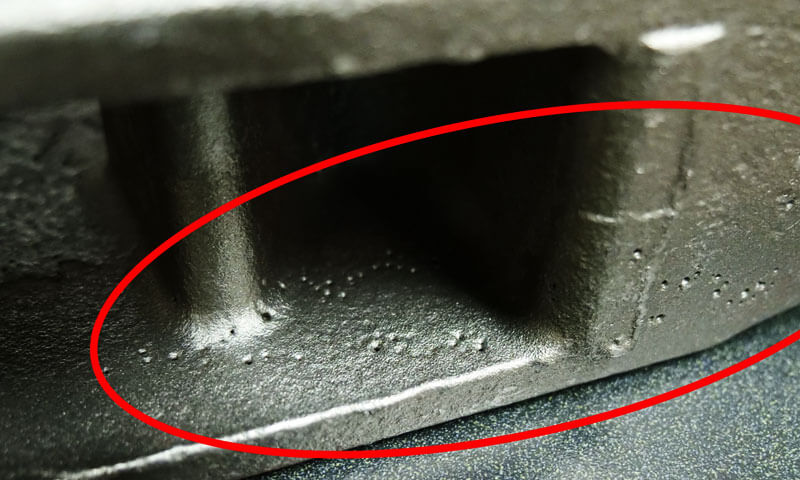
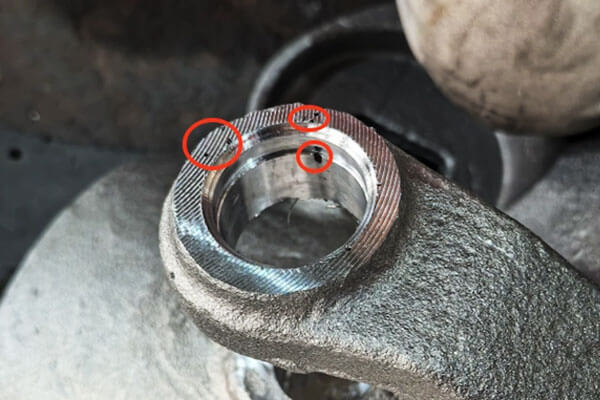
Порозност падавина поседује карактеристичне морфолошке и дистрибутивне особине које га разликују од остала три дефекта пора, омогућавајући брзу и тачну идентификацију током дневне инспекције:
Редовни образац дистрибуције
Поре су равномерно распоређене по целом попречном пресеку ливења са већом концентрацијом на врућим местима, делови са дебелим зидовима и области у близини спруве—позиције које се очвршћавају последње током циклуса хлађења.
Таква расподела директно корелира са одложеним очвршћавањем, што нуди довољно времена да растворени гас настане и прерасте у стабилне мехуриће.
Разноврсне морфолошке карактеристике
Морфологија пора значајно варира на основу специфичног времена таложења гаса током очвршћавања.
Представља сферне кластере, полигоналне шупљине, прецизне микро-поре, испрекидане поре са микро-пукотинама, или мешовите композитне структуре.
Рано преципитирани мехурићи имају тенденцију да формирају глатке сферне поре, док касно таложени гас ствара неправилне микро-поре у облику игле и пукотине.
Батцх-Ориентед Оццурренце
Овај недостатак показује типичну корелацију пећи и шарже.
Једном се вишак раствореног гаса акумулира у растопљеној легури, сви одливци изливени из исте пећи за топљење или лонца од растопљеног метала ће развијати таложну порозност синхроно.
Ова карактеристика га ефикасно разликује од спорадичне инвазивне или заробљене порозности узроковане појединачним дефектима калупа.
Феномен очвршћавања аномалног успона
Ризер служи као најинтуитивнији индикатор за процену високог садржаја гаса у растопљеном металу.
Под квалификованим условима топљења, успон представља природну потопљену површину након очвршћавања, нормална физичка појава узрокована скупљањем запремине и компензацијом храњења.
Обрнуто, ако растопљени метал садржи прекомерно презасићени гас, континуирано таложење гаса надокнађује ефекат скупљања, што резултира избоченим врховима успона—ова јасна аномалија делује као рани сигнал упозорења за потенцијалну порозност падавина.
4. Фундаментални механизам формирања
Формирање порозности падавина зависи од разлике у нелинеарној растворљивости гасовитих елемената унутар металне легуре у течном и чврстом стању.
Више гасова укључујући водоник, азот и угљен моноксид се могу растворити у растопљеном металу на високој температури са изузетно високим капацитетом засићења;
ипак, растворљивост гасовитих елемената нагло опада када растопљена легура почне да се хлади и трансформише из течне фазе у чврсту фазу.
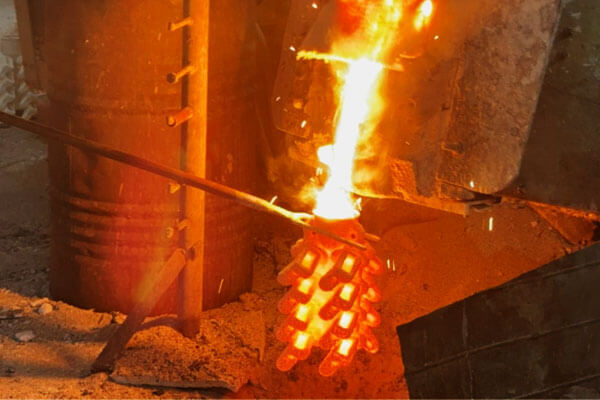
Током кашасте фазе очвршћавања ливених одливака, смањена температура нарушава динамичку равнотежу растварања гаса.
Презасићени атоми гаса се одвајају од матрице легуре, формирају језгро и формирају ситне мехуриће, и постепено се шире уз континуирано агрегирање гаса.
Ако ови мехурићи не успеју да испливају нагоре и побегну са површине растопљеног метала пре потпуног очвршћавања, они ће бити трајно затворени унутар одливака, на крају формирајући порозност падавина.
Једноставна аналогија може разрадити овај принцип: топла вода може растворити велику количину сахарозе, док ће се вишак шећера таложити у чврсте честице како се температура воде смањује.
Порозност падавина прати идентичну физичку логику, осим што се растворени гас преципитира у мехуриће, а не у чврсте честице унутар матрице легуре.
5. Језгро гаса Извори падавина Порозност
Растворени гас који доводи до порозности падавина не долази из једног изолованог извора.
У пракси, то је кумулативни резултат контаминирани материјали пуњења, нестандардне операције топљења, и неправилна пракса деоксидације.
За ефикасно решавање проблема, ови основни узроци могу се груписати у три главне категорије.
Контаминиране сировине и помоћни алати: Примарни извор
Међу свим факторима који доприносе, контаминиране сировине су најчешћи и често најпотцењенији узрок прекомерног садржаја гаса у растопљеном металу.
Влага, контаминација уљем, хрђа, и влажни материјали за пуњење пећи су сви способни да повећају прикупљање гаса, посебно подизање водоника, током топљења.
Посебно важно, али често занемарено питање је кондензација влаге из околине.
Чак и када материјали, Компоненте пећи, а алат се чува у радњи за топљење, и даље могу да апсорбују влагу због дневних температурних флуктуација и локалних промена влажности.
Као што се роса може формирати на шофершајбни аутомобила ноћу, водена пара у ваздуху може да се кондензује на челичним инготима, зидови пећи, држање алата, и помоћну опрему.
Ова влага је често невидљива голим оком, ипак може имати одлучујући утицај на квалитет растопљеног метала.
За анализу кварова на лицу места, треба направити практичну разлику:
- Влага на металном пуњењу, опрема за топљење, и радни алати већа је вероватноћа да ће допринети порозност падавина.
- Влага у посудама за калупе, керамичке шкољке, или ватросталних материјала чешће доводи до инвазивна порозност.
Ова разлика је критична у инвестиционом ливењу. Висококвалитетни одливци захтевају чистоћу, осушити, и правилно контролисане накнаде за пећи.
Ако су сировине контаминиране, никаква оптимизација процеса у наставку не може у потпуности да компензује резултирајући терет гаса.
Нестандардна оперативна понашања топљења
Нерегулисане ручне операције током процеса топљења додатно отежавају апсорпцију гаса растопљеног метала.
Уобичајене неправилне праксе укључују лабаво храњење сировина, блокирани остаци воштаног дрвета унутар пећи што доводи до локализованог прегревања,
продужено држање растопљене легуре на високим температурама, често скидање шљаке које продужава време излагања растопљеног метала околном ваздуху, и несинхронизовано време додавања деоксидатора.
Све ове неправилне операције продужавају високотемпературно активно стање растопљеног метала и драматично повећавају ефикасност апсорпције гаса.
Неисправна деоксидација и унутрашња хемијска реакција
Корелација између деоксидација квалитет и порозност падавина остају контроверзна тема у академској и индустријској пракси ливења.
Већина ауторитативних уџбеника класификује неуспех деоксидације као главни узрок порозности падавина.
Из практичне металуршке перспективе, поре изазване чистим кисеоником су изузетно ретке у истопљеном челику, пошто кисеоник углавном постоји у сложеном, а не у слободном стању.
У суштини, индиректно се формира таложна порозност везана за деоксидационе дефекте:
недовољна деоксидација покреће бурне хемијске реакције угљеник-кисеоник унутар растопљене легуре и ствара гас угљен моноксид.
Акумулирани неиспуштени реакциони гас повећава укупну засићеност гасом и на крају еволуира у порозност падавина.
Овај процес формирања укључује двоструке механизме растварања гаса и хемијске реакције, што га разликује од конвенционалних таложних пора вођених растворљивошћу.
Додатно, очигледна диференцијација специфична за легуру постоји у порозности везаној за деоксидацију:
угљенични челик са високим садржајем угљеника је склон реакцији угљеник-кисеоник и релевантном таложном порозношћу;
нерђајући челик има ултра низак садржај угљеника и обиље активних елемената хрома који се првенствено везују са кисеоником да би формирали стабилне оксиде,
тако да њену таложну порозност првенствено треба приписати обогаћивању водоником и азотом изазваним влажним сировинама уместо неуспешним деоксидацијом.
6. Кључни утицајни фактори & Анализа осетљивости
Синтетизовање металуршких теорија и података о производњи на лицу места, пет одлучујућих фактора одређују јачину генерисања падавинске порозности код уложних одливака:
Почетна концентрација раствореног гаса
Оригинални садржај гаса у растопљеном металу је предуслов.
Што је већа почетна засићеност водоником и азотом, већа је вероватноћа нуклеације мехурића током очвршћавања, и што је шири опсег расподеле пора унутар готових одливака.
Карактеристике очвршћавања легуре
Легуре са великом брзином скупљања очвршћавања и широким опсегом температуре кристализације су осетљивије на порозност падавина.
Легуре које постижу секвенцијално очвршћавање омогућавају унутрашњим мехурићима да лебде нагоре и побегну кроз канале течне фазе;
они који представљају кашасто очвршћавање унапред формирају густе дендрите чврсте фазе, хватајући ситне мехуриће и формирајући дисперговане поре за микроталожење.
Чистоћа пуњења пећи
Преостала влага, масноћа и рђа на сировинама су највише занемарене дневне тачке ризика.
Строге процедуре претходног печења и уклањања нечистоћа су суштинске баријере против обогаћивања водоником.
Стање влажности околине
Радионице са високом влажношћу убрзавају кондензацију росе на металним материјалима и радним алатима,
континуирано допуњујући изворе водене паре за апсорпцију растопљеног металног гаса, посебно изражен у суптропским и кишним пределима.
Стандардизација тока рада топљења
Разуман редослед храњења, контролисано време држања на високој температури,
стандардизовани ритам скидања шљаке и додатак научног деоксидатора директно стабилизују ниво раствореног гаса у растопљеној легури и спречавају ендогено формирање пора.
7. Циљане стратегије превенције и контроле
Пошто порозност падавина произилази из кумулативних тривијалних грешака, а не из појединачних великих грешака у процесу,
потребна је систематска контрола пуне везе која покрива управљање сировинама, спецификације топљења, контрола животне средине и прилагођавање легуре:
Строга претходна обрада сировина
Имплементирати јединствене стандарде прихватања сировина; одбацити зарђале и уљем контаминиране набоје пећи.
Спровести претходно печење на константној температури за све металне материјале, помоћни алати и средства за уклањање шљаке за уклањање кондензоване росе и унутрашње влаге;
класификовати и складиштити материјале у затвореним сувим окружењима како би се избегла секундарна апсорпција влаге.
Стандардизујте оперативне спецификације потпуног топљења
Оптимизирајте поступке храњења како бисте осигурали компактно слагање сировина и уједначено загревање;
забранити продужено држање растопљене легуре прегревања и смањити непотребно поновљено уклањање шљаке.
Формулисати ексклузивне шеме деоксидације засноване на типовима легура за стабилизацију унутрашњег садржаја кисеоника и сузбијање нежељених реакција угљеник-кисеоник.
Оптимизујте параметре очвршћавања и изливања
Подесите температуру изливања и брзину хлађења према карактеристикама легуре и дебљини зида ливења.
За кашасте легуре, оптимизујте распоред улаза и успона да бисте изградили глатке канале за евакуацију мехурића; смањите температуру прегревања на одговарајући начин како бисте скратили време апсорпције гаса при високим температурама.
Побољшајте контролу животне средине у радионици
Инсталирајте опрему за одвлаживање за производне просторе са високом влажношћу; успоставити редовне механизме за површинску инспекцију пећи и алата за уклањање невидљиве кондензоване влаге.
Научно разликовати типове кварова током решавања проблема да бисте доделили циљане планове исправљања.
Диференцирана превенција специфична за легуру
За ливење од угљеничног челика, дати приоритет контроли квалитета деоксидације како би се спречило таложење угљен моноксида;
за ливење од нерђајућег челика и високолегираних челика, фокусирати се на управљање влажношћу и сушење сировина како би се уклонили извори загађења водоником и азотом.
8. Практични дијагностички трагови
Посебно је корисно неколико запажања на терену:
- Ако се исти дефект појави на већини одливака из једне топлоте, сумња на квалитет топљења.
- Ако су поре концентрисане на врућим местима, сумња на интеракцију еволуције гаса и кашњења очвршћавања.
- Ако се посуда за сипање понаша ненормално, сумњате да талина може садржати вишак гаса.
- Ако се недостаци чешће јављају у влажним сезонама, сумња на апсорпцију влаге у материјалима пуњења, алата, или компоненте пећи.
- Ако одливци од нерђајућег челика показују порозност код система са ниским садржајем угљеника, прво погледај влагу, подизање водоника, и пракса топљења, а не претпоставка реакција угљеник-кисеоник.
Ови трагови не замењују металуршку анализу, али они чине праћење узрока много ефикаснијим.
9. Закључак
Порозност падавина је један од најтрајнијих и технички најсуптилнијих недостатака у ливењу.
Настаје када се растворени гас у растопљеном металу избацује током очвршћавања, али не може да побегне пре него што се ливење замрзне.
Зато што дефект зависи и од садржаја гаса растопа и од понашања очвршћавања, често је резултат малих одступања процеса који се акумулирају у видљиви квар.
Његова превенција захтева више од једне корективне радње.
Чист, материјали за суво пуњење; дисциплинована пракса топљења; правилну деоксидацију; контрола влаге; и дизајн чврстоће звука све је битно.
У системима од нерђајућег челика, посебну пажњу треба обратити на влагу у пећи, чистоћа сировина, контаминација везана за водоник, и време излагања топљењу.
Најбољи начин да се контролише порозност падавина је да се она третира као проблем процесног система, није једнократни недостатак.
Када се тај начин размишљања усвоји, узроке постаје лакше ући у траг, серије постају стабилније, а „мистериозна порозност“ постаје инжењерско питање којим се може управљати, а не неизбежна сметња.
Често постављана питања
Која је суштинска разлика између порозности падавина и других гасних пора у ливењу за улагање?
Порозност падавина је ендогени дефект формиран преципитираним презасићеним гасом унутар растопљене легуре,
док су остале поре егзогени дефекти узроковани заробљеним изливањем ваздуха или разложеним гасом калупа.
Како брзо проценити порозност падавина преко статуса успона?
Избочени успон након очвршћавања указује на прекомерни растворени гас унутар растопљеног метала, служи као најинтуитивнији рани знак упозорења на порозност падавина.
Зашто влажни алати изазивају различите дефекте од мокрих шкољки калупа?
Влага на металним алатима углавном повећава садржај растопљеног водоника да би изазвала порозност падавина; влага унутар шкољки калупа разлаже се у спољашњи гас да би покренуо инвазивну порозност.
Зашто је нерђајући челик мање погођен деоксидацијом од угљеничног челика?
Нерђајући челик поседује ултра-низак садржај угљеника и активне елементе хрома који првенствено троше кисеоник,
тако да је његова таложна порозност првенствено повезана са водоником, а не са угљен моноксидом који настаје реакцијом деоксидације.
Који је најисплативији начин да се спречи порозност падавина?
Спроведите строго печење сировина, контрола влажности околине у радионици, и стандардизовати време држања топљења на високим температурама како би се извори гаса одсекли од основног узрока.