1. Увођење
Суперлегуре на бази никла су радни коњ модерног високотемпературног и корозивног сервисног инжењеринга.
Два од најчешће коришћених су Уносилац 718 (УС Н07718) и Уносилац 625 (УС Н06625).
Оба су легуре никл-хрома, али су пројектовани за различите примарне циљеве учинка: 718 за веома високу чврстоћу и отпорност на пузање/замор у опсегу од 400–700 °Ц, и 625 за изузетну отпорност на корозију/оксидацију и стабилност на високим температурама.
Овај чланак их пореди од металургије до примене, пружање података и практичних упутстава како би инжењери могли да изаберу праву легуру за дату услужну коверту.
2. Зашто поредити ове две легуре?
На први поглед, Уносилац 718 и Уносилац 625 су обе „суперлегуре никла,” али та сличност оспорава фундаментално различите филозофије дизајна и коверте режима неуспеха.
Њихово поређење није академско – то је практичан инжењерски корак који директно одређује сигурносне маргине, интервали инспекције, трошкови производње и економија целог животног века.
Различите намере дизајна, различите снаге
- Уносилац 718 био намерно пројектован за механику: то је легура која стврдњава преципитацијом оптимизована за производњу веома фине, кохерентна дисперзија γ″/γ′ преципитира након раствора + старење.
Резултат је изузетна затезна чврстоћа и чврстоћа течења, веома добре перформансе замора, и јака отпорност на пузање у отприлике 400-700 ° Ц домет.
Та комбинација је разлог зашто 718 је свеприсутан у ротирајућим машинама, причвршћивачи високог оптерећења, компоненте турбина и ваздухопловне конструкције у којима циклична механичка напрезања и задржавања оптерећења доминирају спектром отказа. - Уносилац 625 је пројектован за стабилност животне средине: високо У + Мо + Наклопити нивои производе обележени отпорност на корозију и оксидацију у чврстом раствору, заједно са микроструктурном стабилношћу на повишеним температурама.
625 је стога логичан избор када су главне опасности хемијски напад, корозија удубљења/пукотина, СЦЦ изазван хлоридом, или веома агресивне оксидационе атмосфере, и где се очекују обимније заваривање или поправке на терену.
3. Шта је Инцомел 718?
Уносилац 718 (Нас Н07718) је суперлегура никл-хром-гвожђа која је пројектована као а висока чврстоћа, висока температура конструкцијски материјал.
Његов дефинитивни атрибут је да јесте падавина-каљива: након третмана раствором и контролисаног циклуса старења фино се таложи,
кохерентан Ни₃Нб (Ц ") и Ни₃(Алтер,Од) (Ц ') честице које производе веома висок повлачење и затезну чврстоћу док задржавају корисну дуктилност и жилавост на лом.
Због те комбинације — плус добра отпорност на оксидацију — 718 је стандардни избор за делове под великим оптерећењем у ваздухопловству, генерација електричне енергије, уље & гасне и свемирске примене.
Кључне карактеристике
- Отврдњавање падавинама за изузетну чврстоћу.
Када се правилно термички обради, 718 развија густу дисперзију γ″/γ′ талога.
Типичне затезне чврстоће при вршној старости су у ~1,2–1,4 ГПа домет и 0.2% границе приноса око ~1,0–1,1 ГПа (вредности зависе од облика производа и темперамента).
Ово чини 718 једна од најјачих легура на бази Ни које се учвршћују старењем и могу се користити на повишеним температурама. - Добра отпорност на пузање и замор на средње високим температурама.
Његов дизајниран сервисни прозор је отприлике 200-700 ° Ц; 718 задржава супериорни век трајања пузања/разбијања и издржљивост на замор у том појасу у поређењу са легурама у чврстом раствору. - Уравнотежена жилавост и дуктилност за структурну употребу.
Упркос високој снази, вршно третирана 718 одржава обрадиво издужење (уобичајено >10% зависно од стања) и жилавост лома адекватна за ротирајуће и носиве делове. - Прихватљива отпорност на корозију и оксидацију.
Његов баланс Цр/Ни даје разумну отпорност на оксидацију и многе индустријске атмосфере, иако отпорност на питинг и хлорид изазвана СЦЦ је инфериорна у односу на легуре са високим Мо (Нпр., Уносилац 625). - Фактори облика & обрасци за снабдевање.
Широко доступан као отковци, бара, плоча, лист, цеви и ливени одливци. Примене у ваздухопловству често користе коване или коване форме са строгом металуршком контролом. - Разматрање израде.
718 је заварљив, али заваривање мења микроструктуру која очвршћава старењем; раствор након заваривања и третмани старења обично су потребни за критичне, Компоненте високог снагом.
У стареном стању 718 је релативно тешко машински; произвођачи га често испоручују третираним раствором за производњу, а затим старе након завршне обраде. - Типичне апликације (илустративно): турбинских дискова и вратила, причвршћивачи и вијци високе чврстоће, конструкције ракетних мотора, компоненте врућег пресека које захтевају и снагу и жилавост.
4. Шта је Инцомел 625?
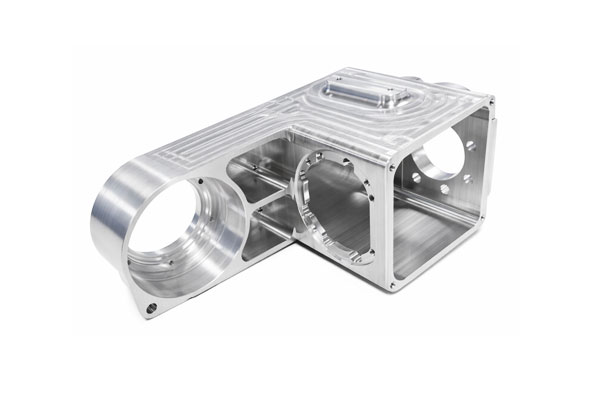
Уносилац 625 (Нас Н06625) је високо-никл, високо-молибден, легура стабилизована ниобијумом формулисана за изузетна отпорност на корозију и термичка стабилност.
За разлику од 718, 625 добија своје перформансе првенствено кроз ојачање чврстим раствором (висок садржај Ни са додатком Мо/Нб) него путем падавина-очвршћавања.
Легура је позната по отпорности на удубљење, пукотинска корозија и хлоридно напрегнуто-корозивно пуцање; такође је лако заварити и израдити, што га је учинило радним коњем у хемијској преради, подморске и нуклеарне средине.
Кључне карактеристике
- Изузетна отпорност на корозију.
Хигх Ни + Мо + Хемија Нб даје одличну отпорност на прикудан, пукотина корозија и хлорид СЦЦ, и јаке перформансе у многим редукујућим и оксидирајућим киселинама и срединама морске воде.
Ово чини 625 подразумевани избор где корозија изазива ризик од квара. - Стабилност чврстог раствора & отпорност на оксидацију при високим температурама.
Стабилна аустенитна матрица отпорна је на промене фазе и крхкост интерметала у широком температурном опсегу.
625 често се наводи где хемијска стабилност или отпорност на оксидацију на повишеним температурама је потребно (рад до ~900 °Ц у неким оксидационим окружењима,
иако дуготрајно носиви (пузати) способност је нижа од 718 у опсегу 400–700 °Ц). - Одлична заварљивост и поправљивост.
625 опрашта заваривање фузијом и типично не захтева старење после заваривања да поврати својства, поједностављивање производње и поправке на терену.
Обично се користи као пунило за заваривање или за облагање/преклапање када је потребна отпорност на корозију на структурно различитој подлози. - Добра дуктилност и жилавост.
У жареном стању 625 обично приказује издужења ~30% и умерене тврдоће (≤~240 ХБ), олакшавајући обликовање и машинску обраду у поређењу са каљеним 718. - Фактори облика & обрасци за снабдевање.
Лако доступан у тањиру, цев, бара, цев, потрошни материјал за заваривање и ливени облици; широко се користи за облоге и облоге отпорне на корозију. - Типичне апликације (илустративно): подморски вентили и фитинзи, хемијско-процесне измењиваче топлоте и цеви, нуклеарне компоненте, издувне компоненте и облоге за делове осетљиве на корозију.
5. хемија & металургија — оно што чини сваку легуру откуцаном
Овај одељак даје практичне, инжењерског нивоа хемије за Уносилац 718 и Уносилац 625, и објашњава како специфични елементи и њихове интеракције стварају карактеристичне микроструктуре и својства легура.
Бројеви су типични распони композиције по тежинским процентима које користе пројектанти и инжењери набавке; увек потврдите сертификованом хемијском анализом добављача за серију коју купујете.
Уносилац 718 (УС Н07718) — типичан прозор спецификације
| Елемент | Типичан распон (вт.%) | Белешке |
| У | 50.0 - 55.0 | Главни матрични елемент (аустенитну матрицу). |
| ЦР | 17.0 - 21.0 | Оксидација и отпорност на корозију; стабилизује матрицу. |
| Фе | бал. (≈ 17 - 21 типичан) | Баланс елемент; променљив. |
| Наклопити + Окренут | 4.75 - 5.50 | Примарни елемент за јачање (ц″ формација). |
Мо |
2.80 - 3.30 | Учвршћивач у чврстом раствору; доприноси отпорности на корозију. |
| Од | 0.65 - 1.15 | Доприноси γ′ и хемији карбида; ради са Ал. |
| Алтер | 0.20 - 0.80 | ц′ бивши; помаже чврстоћу на високим температурама. |
| Ц | ~0,03 – 0.08 | Формирање карбида — контролисано да ограничи карбиде на граници зрна. |
Мн |
≤ 0.35 | Нечистоћа/мање легирање. |
| И | ≤ 0.35 | Остаци нечистоћа/деоксидатора. |
| С, П | траг (врло низак) | Одржава се минимално да би се избегло кртост. |
| Б, Зр (трагови) | веома мали нивои ппм | Контролисани додаци трагова (Б ~0,003–0,01%) може бити присутан ради побољшања особина пузања/граничних зрна. |
Уносилац 625 (УС Н06625) — типичан прозор спецификације
| Елемент | Типичан распон (вт.%) | Белешке |
| У | ≥ 58.0 (равнотежа) | Доминантни матрични елемент (аустенит високог Ни). |
| ЦР | 20.0 - 23.0 | Отпорност на корозију / оксидацију. |
| Мо | 8.0 - 10.0 | Главни доприноси отпорности на удубљење/пукотине и јачању чврстим раствором. |
| Наклопити + Окренут | 3.15 - 4.15 | Нб стабилизује карбиде и побољшава чврстоћу/отпорност на корозију. |
Фе |
≈ ≤ 5.0 | Мањи елемент равнотеже. |
| Ц | ≤ 0.10 | Држао ниско; контролисаних карбида. |
| Мн, И | ≤ 0.5 сваки | Мањи састојци (деоксидације и остатака процеса). |
| Н | обично веома ниска (контролисан) | Азот се може контролисати да би се побољшала отпорност на отпорност на удубљење у неким подврстама. |
| С, П | траг (врло низак) | Минимизирано да би се избегло крхкост/сегрегација. |
6. Микроструктура & механизама јачања
- 718: Легура која очвршћава старењем. Главна фаза очвршћавања је метастабилни Ни₃Нб (Ц "), уз прилог Ни₃(Алтер,Од) (Ц ').
Одговарајући третман раствора + старење производи казну, густа дистрибуција талога која причвршћује дислокације и даје високу чврстоћу на истезање/затезну чврстоћу и отпорност на пузање.
Контрола δ-фазе (орторомбни Ни₃Нб) а карбиди су важни јер груби δ или карбиди смањују жилавост и дуктилност. - 625: Чврсто решење ојачано са неким поруџбинама кратког домета од Нб и Мо; то је не ослањају се на циклус падавина-отврдњавање.
Микроструктура је стабилна аустенитна (кубичан) матрица са високим садржајем Ни која је отпорна на фазне трансформације и одржава жилавост и дуктилност чак и након заваривања или на повишеним температурама.
Ова стабилност такође помаже да се избегну фазе крхкости у многим окружењима.
7. Механичка својства: Уносилац 718 вс Инцонел 625
(Заступник, номиналне вредности — увек потврдите сертификатима млина/добављача за тачан облик и темперамент вашег производа.)
| Имовина | Уносилац 718 (раствором третиран & стар) | Уносилац 625 (жарозан / типичан) |
| Нас | Н07718 | Н06625 |
| Густина (г · цм⁻³) | ~8.19. | ~8.44. |
| Затезна чврстоћа (Рм) | ≥ ~1,200–1,380 МПа типично (стар). | ~690–930 МПа (жарозан, зависно од производа). |
| Снага приноса (0.2% зборник) | ≥ ~1,030 МПа (стар) типичан. | ~275–520 МПа (жарозан, распони зависе од производа/форме). |
Издужење |
≥ ~12% (стар; зависно од стања). | ~ 30% (жарено типично). |
| Тврдоћа | ≈ 330–380 ХБ (топлотни третиран). | ≈ ≤240 ХБ (жарозан). |
| Типична висока температура употребе (структурални) | Одличан до ~650–700 °Ц за носивост. | Користи се у топлијим/оксидационим сервисима до ~900 °Ц за отпорност на оксидацију/корозију, али снага пузања нижа од 718 на умереним температурама. |
Интерпретација:
718 је изразито јача у термички обрађеном стању (већи попуштање и затезна чврстоћа), док 625 нуди бољу дуктилност и перформансе корозије са разумном чврстоћом у жареном стању.
8. Поређење перформанси при високим температурама
Перформансе при високим температурама су сложена мера: отпорност на оксидацију, фазна стабилност, кратко- и дугорочну снагу (пузање и пуцање), термички умор, и димензиону стабилност под термичким циклусом све материје.
| Аспект | Уносилац 718 | Уносилац 625 |
| Пројектовање/прозор температуре структуре | Најбоља структурна употреба ≈ 200–650/700 °Ц (отпорност на падавине и отпорност на пузање). | Стабилност чврстог раствора до више температуре (~800–980 °Ц) за сервис корозије/оксидације, али нижа снага пузања од 718 у опсегу 400-700 °Ц. |
| Снага пузања / кидања | Супериорнији у опсегу од 400–700 °Ц због γ″/γ′ талога; доказана дугорочна отпорност на пузање када је правилно термички обрађена. | Умерен; добро за неке апликације са високим Т, али слабија снага пузања под великим напрезањем у односу на 718. |
| Топлотна стабилност / фазна стабилност | Захтева контролисану топлотну обраду; прекомерна експозиција близу опсега δ-формације (~650–980 °Ц) може исталожити δ/Лавес фазе које деградирају жилавост. | Микроструктура је термички стабилнија (нема γ″ падавина за растварање); мање осетљив на типичне циклусе заваривања/термичке температуре. |
Отпорност на оксидацију |
Добри (формирање хрома), али ограничено у екстремним условима оксидације у односу на неке легуре са високим садржајем Ни/Мо. | Одличан, посебно у оксидирајућим или сулфидизирајућим атмосферама због високог садржаја Ни+Мо и стабилног формирања каменца. |
| Термички замор (бициклизам) | Добро када дизајн одржава температуру у опсегу стабилног талога; отпорност на замор има користи од високе чврстоће. | Добра отпорност на термичке циклусе из перспективе оксидације/разбијања каменца; ниже перформансе заморног напрезања под великим механичким оптерећењем. |
| Типична инжењерска последица | Користите где механички живот (пузати, умор, руптура) контролише дизајн. | Користите где стабилност животне средине (корозија/оксидација при повишеном Т) и дизајн контроле заварљивости. |
9. Поређење термичке обраде
Топлотна обрада је најважнији корак обраде 718 и релативно једноставан корак за 625.
Одабрани циклуси дефинишу микроструктуру, механичко понашање, и дугорочну стабилност.
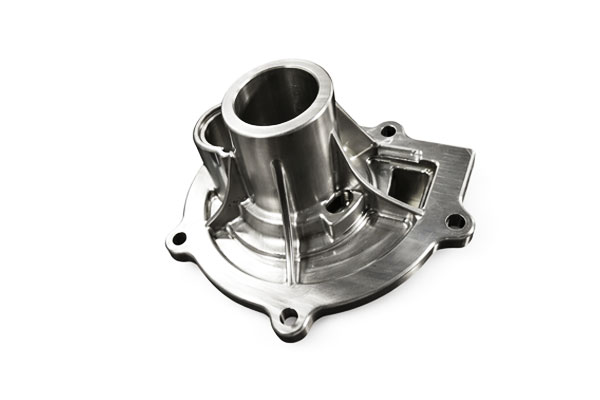
Уносилац 718 (Отврдњавање падавина)
- Третман решења: растварају непожељне атоме Лавес/δ и растворене супстанце — типичан опсег 980–1,020 °Ц (неке спецификације користе 1,030 ° Ц), држати за изједначавање хемије, затим гашење водом.
Ово производи хомогену γ матрицу са раствореном материјом у чврстом раствору. - Старење (двостепени, уобичајена комерцијална пракса): прво старење на ~720–740 °Ц неколико сати, контролисано хлађење до ~620–650 °Ц са даљим држањем, затим охладите на ваздуху до амбијента.
Ова секвенца производи Ц " (Н₃нб) доминантни преципитати и нешто γ′.
Многи произвођачи оригиналне опреме користе стандардно „старење 718“, као нпр 720 ° Ц × 8 х → охладити 620 ° Ц × 8 х → хлађење на ваздуху (времена/температуре варирају у зависности од спецификације и дебљине пресека). - Осетљивости: нетачно решење, недовољна брзина гашења, преко- или недовољно старење производе грубе талоге, δ фаза или Лавес који смањују жилавост и век трајања замора.
Пост-заваривање топлоте (Пхт) је често потребно да критични склопови поново успоставе вршна својства.
Уносилац 625 (Решење Аннеал / жарозан)
- Аннеал / раствор третирати: уобичајено за жарење или третман раствором 625 у ≈980–1150 °Ц да се раствори било који талог или хомогенизује сегрегација, затим је хладно ваздух; легура уопште не захтева старење да добије снагу.
- Осетљивости: 625 је толерантан на заваривање и термичке екскурзије; избегавајте продужено излагање у опсегу који може да промовише штетне интерметале ако су присутни необични додаци легуре.
За побољшано пузање или специфичне микроструктуре, могу се специфицирати специјализоване подврсте или прерада.
10. Корозија, Оксидација, и отпорност на животну средину
- Уносилац 625: изузетан отпор према прикудан, пукотинска корозија и хлорид-индукована корозиона напона пуцања захваљујући високом Ни + Нивои Мо и Нб.
Отпоран је на широк спектар редукујућих и оксидационих киселина, морска вода и многи агресивни медији — зато је уобичајено у хемијској преради, подморске и нуклеарне примене. - Уносилац 718: добра општа отпорност на корозију и оксидацију (добар ниво Цр/Ни) али није тако суштински отпоран до питтинг или хлорид СЦЦ као 625. 718 се често користи тамо где је изложеност корозији умерена, али где механичке перформансе доминирају.
Ако 718 мора се користити у тешким корозивним окружењима, заштитне мере (превлаке, детаљи дизајна) или алтернативе легуре (625, 625 облагање облогом, или легуре са више Мо) сматрају се.
11. Измишљотина, Заваривање, и производност
Понашање у производњи покреће производност, поправљивост, и коштати. Испод су практични, белешке високе вредности.
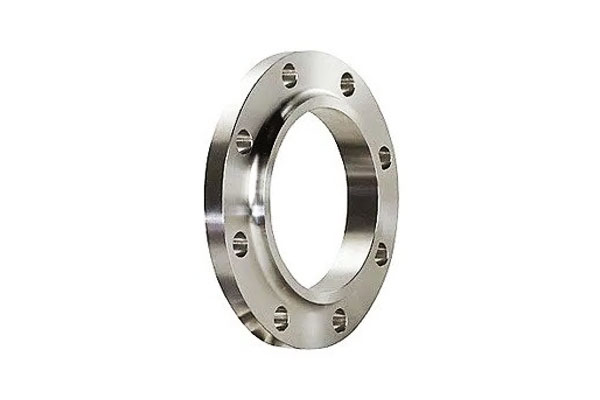
Заваривање & придружити се
Уносилац 625
- Одлична заваривост. Толерантан на уобичајене процесе заваривања фузијом (Гтав / окрет, Гмав / миг, Размазати).
- Метал за пуњење: обично заварени одговарајућим Ни-Цр-Мо пунилима (Нпр., комерцијални потрошни материјал типа ЕРНиЦрМо) да задржи отпорност на корозију.
- Нема обавезног старења: заваре углавном раде не захтевају старење након заваривања за опоравак од корозије или жилавости; жилавост и дуктилност остају високе.
- Уобичајена употреба као пунило/облога: због ове толеранције завара, 625 се широко користи као заваривање/облога за заштиту подлоге.
Уносилац 718
- Заварљив, али осетљив. Заваривање ремети расподелу талога; Пост-заваривање топлоте (Пхт) или је у најмању руку често потребан одговарајући циклус старења да би критични делови повратили механичка својства.
- Метал за пуњење: користите одговарајућа Ни-Цр-Фе-Нб пунила формулисана за 718 да би се минимизирали ефекти разблаживања.
- ДО цонтрол: зона погођена топлотом може да формира δ/Лавес или грубе талоге—контролишите међупролазне температуре и користите квалификоване ВПС/ПКР.
- Сложеност поправке: поправке на терену су могуће, али се морају планирати са ПВХТ способношћу ако је потребан опоравак снаге.
Обрадивост и обликовање
- Обрада: оба се теже обрађују од угљеничних челика; 718 у остарјелом/очврслом стању је знатно тврђе.
Типична пракса је да се машина 718 у раствору третиран (мекан) услов, затим извршити коначно старење. 625 (жарозан) лакше машине и форме.
Користите алате високих перформанси, ниске брзине сечења, и поплавно хлађење како би се минимизирало радно очвршћавање и хабање алата. - Формирање: 625 нуди одличну дуктилност за операције формирања; 718 мора се формирати у меком стању пре старења. Хладан рад 718 након старења може изазвати пуцање.
Додатна производња (У ам) & Металургија у праху
- АМ подобност: обе легуре се широко користе у фузији ласерског слоја праха (ЛПБФ) и таложење усмерене енергије (Дед) процеси.
-
- 718: широко се користи у АМ за ваздухопловство; захтева пажљиву контролу термичке историје и решење након изградње + старење а често и ХИП за уклањање порозности и развијање пуне снаге.
- 625: популаран у АМ за комплексне компоненте отпорне на корозију; У ам 625 често захтева ХИП/решење за најбољу дуктилност и затварање дефекта, али без старења падавина.
- АМ ризици: порозност, анизотропија и резидуални стрес—наведите ХИП, термичка обрада и НДТ за критичне делове.
12. Трошак, доступности и стандарда
- Трошкови материјала: варира у зависности од тржишних цена никла и молибдена. На неким тржиштима Инцонел 625 (виши Ни & Мо) може бити скупље по кг од 718,
али укупни трошкови животног циклуса (укључујући одржавање и замену) често фаворизује 625 када би корозивна окружења скратила животни век компоненти.
Проверите тренутне цене робе и време испоруке добављача. - Расположивост & спецификације: обе легуре су стандардизоване и широко доступне у шипкама, отприцати, плоча, форме за пуњење цеви и вара.
Типичне референце: УС Н07718 (718) и УНС Н06625 (625) и АСТМ/АСМЕ спецификације производа — верификовати специфични стандард производа који је потребан за набавку.
13. Апликације Иннгон 718 вс Инцонел 625
Обоје Уносилац 718 и Уносилац 625 се широко користе у инжењерским индустријама високих перформанси.
Ваздухопловство и ваздухопловство
- Дискови гасних турбина и ротори компресора (Уносилац 718)
- Осовине турбина, причвршћивачи високе чврстоће, и вијци (Уносилац 718)
- Издувни системи мотора авиона и компоненте за реверзију потиска (Уносилац 625)
- Облоге и канали за сагоревање изложени оксидацији и термичком циклусу (Уносилац 625)
Уље & Гас анд Субсеа Енгинееринг
- Компоненте ушћа бушотине под високим притиском и алати за бушотине (Уносилац 718)
- Подморски причвршћивачи и структурни спојеви изложени великим оптерећењима (Уносилац 718)
- Подморски цјевоводи, флексибилни подизачи, и облоге за оффсхоре опрему (Уносилац 625)
- Системи за убризгавање морске воде, подземни вентили, и многоструке (Уносилац 625)
Генерација електричне енергије (Гасна турбина и нуклеарна)
- Компоненте ротора гасне турбине и високотемпературни вијци (Уносилац 718)
- Причвршћивачи парних турбина и конструктивни носачи (Уносилац 718)
- Цеви за измењивач топлоте, белови, и дилатационих спојева (Уносилац 625)
- Цевоводи и структурне компоненте система расхладне течности нуклеарног реактора (Уносилац 625)
Хемијска прерада и петрохемијска индустрија
- Унутрашњост реактора и причвршћивачи високе чврстоће изложени термичком циклусу (Уносилац 718)
- Компоненте посуде под притиском које захтевају структурну поузданост (Уносилац 718)
- Опрема за руковање киселином, пумпе, и вентили (Уносилац 625)
- Цеви за размењивање топлоте и цевоводе за хемијски процес (Уносилац 625)
Поморска и приобална инфраструктура
- Морски причвршћивачи и конектори високе чврстоће (Уносилац 718)
- Подморски конструкцијски хардвер изложен цикличним оптерећењима (Уносилац 718)
- Компоненте изложене морској води као што су осовине пумпе и елементи пропелера (Уносилац 625)
- Системи цевовода платформе на мору и облоге отпорне на корозију (Уносилац 625)
Аутомобили и мотоспорти високих перформанси
- Турбински точкови турбопуњача и издувни причвршћивачи високе чврстоће (Уносилац 718)
- Компоненте вентила тркачког мотора и структурални издувни хардвер (Уносилац 718)
- Издувни системи и компоненте топлотне заштите (Уносилац 625)
- Цевоводи и колектори за високе температуре (Уносилац 625)
Адитивна производња и напредни инжењеринг
- Комплексни ваздухопловни структурни делови произведени адитивном производњом (Уносилац 718)
- Решеткасте структуре високе чврстоће и компоненте турбина (Уносилац 718)
- АМ компоненте отпорне на корозију за опрему за хемијску обраду (Уносилац 625)
- Прилагођени измењивач топлоте и компоненте протока (Уносилац 625)
14. Уносилац 718 вс Инцонел 625 — Кључне разлике
Белешке: вредности су репрезентативни инжењерски распони од типичних листова са подацима добављача и инжењерских референци.
Увек потврдите тачан састав, механички подаци и распореди термичке обраде из МТР добављача и применљивих спецификација пре коначног дизајна или набавке.
| Тема | Уносилац 718 | Уносилац 625 |
| Примарна намера дизајна | Високо структурна снага, пузати & отпорност на замор у опсегу од ~200–700 °Ц (легура за стврдњавање падавина). | Корозија / отпорност на оксидацију и стабилност животне средине при високим температурама; ојачано чврсто решење. |
| Нас | УС Н07718 | УС Н06625 |
| Механизам за јачање | Отврђивање падавина | Јачање чврстог решења |
| Типична затезна чврстоћа (Рм) | ~1.200–1.380 МПа (врхунац старости; зависно од производа). | ~690–930 МПа (жарозан; зависно од производа). |
| Типична граница попуштања (0.2% зборник) | ~1.000–1.100 МПа (стар). | ~275–520 МПа (жарозан; широк асортиман производа). |
| Тврдоћа (типично ХБ) | ~330–380 ХБ (остарели/очврсли). | ≤ ~240 ХБ (жарозан). |
Густина |
~8.19 г · цм⁻³ | ~8.40–8,44 г·цм⁻³ |
| Корисна структурна температура | Најбоља структурна/циклична услуга до ~650–700 °Ц. | Добра еколошка стабилност/отпорност на оксидацију више температуре (~800–980 °Ц), али мања снага пузања под великим напрезањем. |
| Пузати / перформансе руптуре | Супериорнији у опсегу 400–700 °Ц (дизајниран за отпорност на пузање). | Умерен; има добре перформансе у погледу стабилности на корозију/оксидацију, али слабију снагу пузања у односу на 718 при умереној Т. |
| Прикудан / Цревице / отпорност на хлориде | Добар генерал отпорност на корозију али мање отпоран до питтинг/СЦЦ у односу на легуре са високим Мо. | Одличан отпорност на удубљење/пукотине и хлорид СЦЦ (висока Мо + У + Наклопити). |
Отпорност на оксидацију |
Добри (формирање хрома), али мање робустан у најтежим оксидационим/сулфидирајућим атмосферама у односу на 625. | Одлична отпорност на оксидацију и сулфидацију у многим агресивним атмосферама. |
| Завабилност / поправити | Заварљив али осетљива — заваривање омета преципитате; ПВХТ и контролисано старење често потребни за критичне делове. | Одлична заваривост; задржава жилавост и отпорност на корозију након заваривања; често се користи као пунило / облога. |
| Измишљотина / обрада | Тешко у старости; обично машински обрађени раствором (мекан) услов затим остарели. | Дуптилнији и лакши за формирање/машину у жареном стању; повољан за теренске поправке. |
Захтеви за топлотну обраду |
Критичан: раствор третирати + контролисано старење (двостепено старење) развити γ″/γ′. | Обично се користи жарено/отопљено; нема старења падавина потребно за својства услуге. |
| Типичне индустрије / компоненте | Ваздухопловство ротирајући делови, турбински дискови, причвршћивачи високе чврстоће, компоненте ракете, вратила високог оптерећења. | Опрема за хемијске процесе, подморски вентили/разводници, цев за измењивач топлоте, облагање/преклапање, нуклеарне компоненте. |
| Предности | Веома висок попуштање/затезна чврстоћа; одличан замор и век пузања у предвиђеном Т опсегу. | Изузетна отпорност на корозију/питтинг; лако заваривање/поправка; термичка/оксидациона стабилност. |
Ограничења |
Мање отпоран на агресивна хлоридна окружења; израда захтева прецизну топлотну обраду; већа тежина обраде у остарјелом стању. | Нижа вршна чврстоћа структуре и век пузања на умереним температурама у односу на 718; нешто већи трошак сировине због садржаја Ни/Мо. |
| Када изабрати | Када механички живот (пузати, умор, стрес-руптура) је контролни режим квара. | Када еколошки напад (питтинг/пукотина/СЦЦ, оксидација) или се контролише производња/заварљивост. |
| Хибридна стратегија | Често упарен са 625 облоге/уметци где постоји изложеност корозији али 718 је потребно структурно. | Често се користи као облога или пунило преко структуралних подлога (укључујући 718 језгра) За заштиту од корозије. |
15. Закључци
Кратак одговор: Не постоји једна „боља“ легура — Уносилац 718 и уносил 625 изврсни у различитим проблемима.
Изабрати 718 када механички живот (снага, умор и пузање) је доминантни покретач дизајна; изабрати 625 када отпор околине (питтинг/пукотина/СЦЦ, оксидација) а производња/заварљивост су доминантни.
Тамо где постоје оба захтева, користите хибридно решење (Нпр., 718 структурно језгро + 625 облоге/уметци) или проценити алтернативне легуре пројектоване за комбиновани захтев.
Често постављана питања
Која је легура боља за турбинске дискове и причвршћиваче са високим оптерећењем?
Уносилац 718. Његове падавине-отврдњавање (ц″/ц′) микроструктура даје далеко бољи принос, перформансе затезања и пузања/замора у опсегу од ~200–700 °Ц.
Коју легуру да одаберем за подморске вентиле и услуге морске воде?
Уносилац 625. Хигх Ни + Мо + Нб хемија пружа одличну отпорност на питинг, пукотина корозија и хлорид СЦЦ у срединама морске воде.
Могу ли заварити Инцонел 718 без термичке обраде после заваривања?
Ви моћи заварити га, али за апликације високе чврстоће заваривање узнемирава стање падавина.
За критичне компоненте, контролисан ПВХТ (решење + старење) је често потребно за враћање одређених својстава.
Која легура је боље отпорна на пуцање од корозије под напоном?
625 генерално показује бољу отпорност на СЦЦ изазван хлоридом него 718.
Међутим, Отпор СЦЦ зависи од температуре, стрес, стање површине и окружење—тестирање се препоручује за критичне услуге.
То је хибридни приступ (718 језгро + 625 одевен) практичним?
Да — уобичајено инжењерско решење: користити 718 за носећу конструкцију и 625 прекривач/облога или уметци за заштиту изложених површина од корозивног напада.
Обезбедите металуршку компатибилност и квалификоване поступке заваривања/облагања.
Која је легура боља за адитивну производњу (У ам)?
Оба се користе у АМ. 718 је уобичајено за ваздухопловне АМ делове високе чврстоће, али захтева пажљиво решење након изградње + старење (а често и ХИП).
625 је популаран за АМ делове отпорне на корозију и обично му је потребан ХИП/решење за пуну густину, али без старења.