Komerčne čistá trieda titánu 1 (Trieda CP-Ti 1) je najmäkšia a najťažnejšia zo štandardných komerčne čistých druhov titánu.
Jeho nízka hladina intersticiálnych nečistôt mu dáva vynikajúcu odolnosť proti korózii, vynikajúca formovateľnosť a zvárateľnosť, a vysoká biologická inertnosť.
Známka 1 sa volí tam, kde je odolnosť proti korózii, vyrábateľnosť, a biokompatibilita sú hlavnými hnacími silami návrhu a tam, kde sa nevyžaduje vysoká štrukturálna pevnosť.
1. Čo je titánová trieda CP-Ti 1?
Trieda CP-Ti 1 (Komerčne čistý titán – akosť 1) je najjemnejší, najťažnejší a najmenej intersticiálny variant spracovaného komerčne čistého titánu.
Je v podstate nelegovaný titán s prísnymi limitmi intersticiálnych prvkov (kyslík, dusík, uhlík, vodík a menšie nečistoty).
Materiál je optimalizovaný pre maximálna odolnosť proti korózii, tvárnosť a biologická inertnosť skôr ako pre vysokú pevnosť.
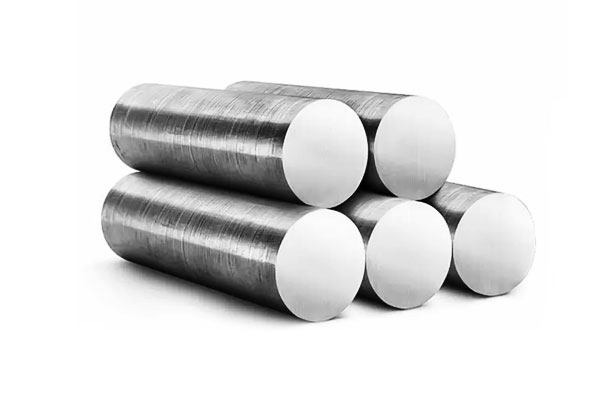
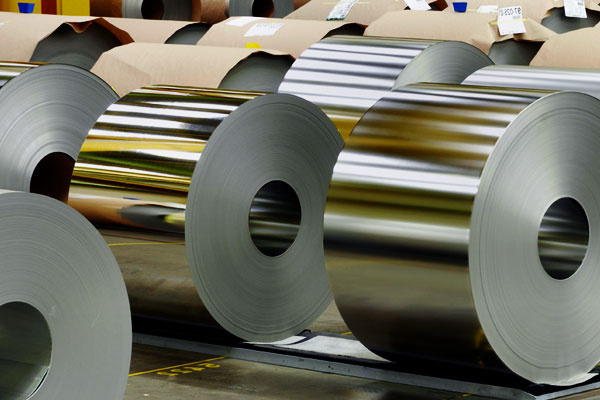
Známka 1 dodáva sa ako list, tanier, bar, trubica, drôtu a tvarovaných komponentov a je široko používaný v korozívnych prostrediach, námorná služba, zdravotnícke pomôcky a tam, kde sa vyžaduje hlboké ťahanie alebo zložité tvarovanie.
Globálne štandardné ekvivalenty — CP-Ti Grade 1
| Štandardný systém | Označenie / kód | Typické meno(siež) používané v priemysle |
| My (USA) | R50250 | US R50250 |
| Astm / ASME (USA) | ASTM B265 (Známka 1) / ASME SB-265; ASTM F67 (Špecifikácia chirurgického implantátu pokrýva stupne 1–4) | Trieda CP-Ti 1, Stupeň 1 |
| Od / V (Európa / Nemecko) | Materiál č. 3.7025 / Gr 1 | 3.7025, You-Build 1 |
| Gb / GB-T (Čína) | TA1 (pre sériu GB/T 3620.x) | TA1 |
| On je (Japonsko) | TP270 / TR270 (Rodina JIS H4600) | Trieda JIS 1 / TP270 |
| DIN W-č. / Materiál č. | 3.7025 | Ti1 / You-Build 1 |
| Spoločný obchod / mená predajcov | - | Trieda CP-Ti 1, Ti-1, Gr 1, Ti1, TA1, TP270 |
2. Chemické zloženie a úloha intersticiálnych látok
- Základná chémia: Známka 1 sa skladá z >99% titán podľa hmotnosti. Zvyšná frakcia pozostáva zo starostlivo obmedzených množstiev kyslíka, dusík, uhlík, vodík a železo.
- Vlastnosti kontroly intersticiálnych reklám: Kyslík a dusík obsadzujú intersticiálne miesta v šesťuholníkovej tesnej (hcp) α-titánová mriežka.
Malé zvýšenia týchto intersticiálnych častí spôsobujú merateľné zvýšenie klzu a pevnosti v ťahu (intersticiálne spevnenie) pri súčasnom znížení ťažnosti, lomová húževnatosť a tvárnosť.
Tento kompromis je ústredný: Známka 1 je špecifikovaný s najnižším povoleným intersticiálnym obsahom, aby sa maximalizovala ťažnosť a húževnatosť. - Drobné nečistoty: Uhlík a vodík podobne ovplyvňujú krehnutie a musia byť obmedzené; železo v nízkych hladinách je tolerované, ale vyššie Fe môže ovplyvniť korózne správanie a rast zŕn počas spracovania.
- Praktický význam: Pri objednávke Grade 1, dizajnéri by mali potvrdiť presné limity zloženia požadované pre aplikáciu, pretože aj malé zmeny v obsahu kyslíka alebo dusíka zmenia tvarovanie a mechanické vlastnosti.
3. Fyzický & Mechanické vlastnosti triedy CP-Ti 1
| Majetok | Typická hodnota (žíhaný, zástupca) | Jednotky | Poznámky / závislosť |
| Hustota | 4.50 | g·cm⁻3 | Nominálna objemová hmotnosť pre triedu CP-Ti 1 — užitočné na výpočty hmotnosti/hmotnosti. |
| Youngov modul (Modul pružnosti, E) | 105 | GPA | Relatívne nízka v porovnaní s oceľou; ovplyvňuje výchylku a prirodzenú frekvenciu. Málo ovplyvnený prácou za studena. |
| Poissonov pomer | 0.34 | - | Typická izotropná aproximácia pre návrh. |
Pevnosť v ťahu (Uts) |
240 - 350 | MPA | Silne závislé od formy produktu (pokrývka, bar, trubica) a predchádzajúce práce za studena; vyššie, ak sú opracované za studena. |
| Výnosová sila (0.2% kompenzácia) | 170 - 275 | MPA | Typické hodnoty žíhania blízko spodného konca; zvyšuje sa pri práci za studena. Pri objednávke uveďte formu/stav. |
| Predĺženie pri zlomenine (%) | 20 - 35 | % | Vysoká ťažnosť v žíhanom plechu/platni; hodnoty klesajú so zvyšujúcim sa obsahom kyslíka alebo prácou za studena. |
| Tvrdosť podľa Vickersa (HV) | ~80 – 160 | HV | Relatívne nízka tvrdosť medzi titánovými výrobkami; sa líši podľa práce za studena a stavu povrchu. |
Tvrdosť podľa Brinella (približne) |
~70 – 150 | HB | Priblížiť sa; v prípade potreby previesť z HV — tvrdosť použite len ako porovnávací ukazovateľ. |
| Modul šmyku (G) | ~ 40 | GPA | Užitočné pre výpočty krútenia a šmyku (G ≈ E / (2(1+n))). |
| Tepelná vodivosť | ~ 22 | W·m⁻¹·K⁻¹ | Nízka v porovnaní s bežnými konštrukčnými kovmi – dôležitý je tepelný manažment rezania a zvárania. |
| Koeficient tepelnej rozťažnosti (20–100 ° C) | ~8.6 | um·m⁻1·K⁻1 | Ovplyvňuje zmeny rozmerov s teplotou a bimetalickým napätím. |
Špecifická tepelná kapacita |
~ 520 | J·kg⁻¹·K⁻¹ | Relevantné pre výpočty tepelnej hmotnosti a vykurovania. |
| Teplota topenia | 1668 | ° C | Solidus/teplota taveniny (približne). |
| Elektrický odpor (na 20 ° C) | ~420 | nΩ·m (0.42 µω · m) | Relatívne vysoký odpor; dôležité pre elektrické/EM konštrukčné úvahy. |
| Únava (orientačné) | ~80 – 140 | MPA | Veľmi závisí od povrchovej úpravy, zvyškové napätie, a alfa-prípad; použite testovanie špecifické pre aplikáciu pre kritické návrhy. |
Zlomenina (K_ic, orientačné) |
Mierne až vysoké (dobrá húževnatosť) | MPA · √m | Trieda CP-Ti 1 vo všeobecnosti vykazuje dobrú húževnatosť v žíhanom stave; hodnoty sa líšia v závislosti od hrúbky a obsahu kyslíka. |
| Korózia | Vynikajúci (pasívny film TiO₂) | kvalitatívne | Vynikajúca odolnosť v oxidačných a mnohých chloridových prostrediach; test na agresívne redukčné chemikálie. |
| Magnetická priepustnosť | ≈1,003 – 1.01 | - | V podstate nemagnetické – užitočné tam, kde je potrebný nízky magnetický podpis. |
4. Mikroštruktúra a metalurgia – prečo sa CP-Ti správa tak, ako sa správa
- Jednofázová štruktúra α pri izbovej teplote: Nelegovaný titán pri okolitých podmienkach existuje v α (hcp) kryštalizácia. Bez β-stabilizujúcich legujúcich prvkov, Známka 1 zostáva α pri prevádzkových teplotách relevantných pre väčšinu aplikácií.
- Mechanizmy sily: Pretože neexistujú žiadne prísady do zosilňujúcej zliatiny, Pevnosť 1. stupňa je odvodená od odolnosti mriežky (vnútorný), hustota dislokácie (z práce za studena), veľkosť zŕn a intersticiálny obsah.
Práca za studena zvyšuje hustotu dislokácií a tým aj pevnosť v ťahu; žíhacie cykly znižujú hustotu dislokácií a obnovujú ťažnosť. - Povrchový oxid: Titán vyvíja tenký, adherentná vrstva oxidu (Tio₂) spontánne vo vzduchu. Tento pasívny film je hlavným faktorom odolnosti proti korózii.
Hrúbka a stechiometria oxidu sú ovplyvnené povrchovou úpravou a tepelnou expozíciou počas spracovania. - Citlivosť spracovania: Kov je citlivý na kontamináciu pri vysokoteplotnom spracovaní – nasávanie kyslíka a dusíka pri zvýšených teplotách vytvára skrehnuté povrchové vrstvy ("prípad alfa"), ktoré znižujú húževnatosť a únavové vlastnosti, pokiaľ nie sú odstránené.
5. Odolnosť proti korózii a biokompatibilita
- Pasívna ochrana: Odolnosť proti korózii 1. stupňa pochádza z rýchleho vytvárania stajne, samoopravný pasívny film TiO₂.
Tento film je chemicky stabilný v oxidačných médiách a mnohých prostrediach obsahujúcich chloridy, poskytuje vynikajúcu odolnosť v morskej vode, mnohé procesné chémie a atmosférické expozície. - Obmedzenia: Za určitých agresívnych redukčných podmienok (Napr., niektoré koncentrované kyseliny alebo prostredia znižujúce vysokú teplotu), môže dôjsť k lokalizovanej korózii alebo zrýchlenému napadnutiu.
Mechanická abrázia, ktorá odstraňuje pasívny film, môže viesť k prechodnej korózii, kým nedôjde k repasivácii. - Biokompatibilitu: Chemicky inertný povrchový oxid, nízke uvoľňovanie iónov a neprítomnosť úmyselných toxických legujúcich prvkov robí Grade 1 vysoko biokompatibilný.
Je vhodný pre mnoho dlhodobých aplikácií v kontakte s tkanivom, vrátane niektorých implantátov a chirurgických nástrojov, za predpokladu, že sú splnené mechanické požiadavky. - Návod na dizajn: Pre kritické scenáre korózie, vykonať testovanie korózie špecifické pre aplikáciu (vystavenie, štrbina, galvanické párovanie) namiesto spoliehania sa len na všeobecné vyhlásenia o „vynikajúcej odolnosti proti korózii“.
6. Výroba: formovanie, obrábanie, a úvahy o zváraní
Formujúci
- Formovanie chladu: Známka 1 je vysoko tvarovateľný – hĺbkové ťahanie, ohýbanie, zvlákňovanie a iné operácie tvárnenia za studena sú v porovnaní s titánmi s vyššou pevnosťou jednoduché.
Pri konštrukcii nástrojov by sa malo brať do úvahy odpruženie a anizotropia. - Horúca forma: Vykonáva sa nad teplotou okolia, ale pod teplotou, pri ktorej je príjem kyslíka/dusíka významný, alebo v kontrolovanej atmosfére (inertný plyn, vákuum).
Práca za tepla môže znížiť zaťaženie pri tvárnení, ale vyžaduje si prísnu kontrolu atmosféry, aby sa zabránilo krehnutiu povrchu. - Náradie: Používajte leštené matrice a nástroje odolné voči korózii, aby ste zabránili kontaminácii; mazanie a konštrukcia lisovnice sú dôležité na minimalizáciu zadretia.
Obrábanie
- Rezné správanie: Napriek svojej relatívnej mäkkosti, titán sa obrába ťažšie ako mnohé ocele kvôli zlej tepelnej vodivosti (teplo sa koncentruje na rozhraní nástroja a čipu) a tendenciu k otužovaniu.
Čipy môžu byť dlhé a gumovité, pokiaľ sa nepoužijú správne parametre. - Odporúčaný prístup: Použite pevné nastavenia, ostré nástroje, kontrolované krmivá, a stredné otáčky vretena. Zdôraznite odvod triesok a riadenie životnosti nástroja.
Stratégie chladiacich kvapalín a rezných kvapalín by sa mali zvoliť tak, aby sa zabránilo nasávaniu vodíka alebo kontaminácii.
Zváranie a spájanie
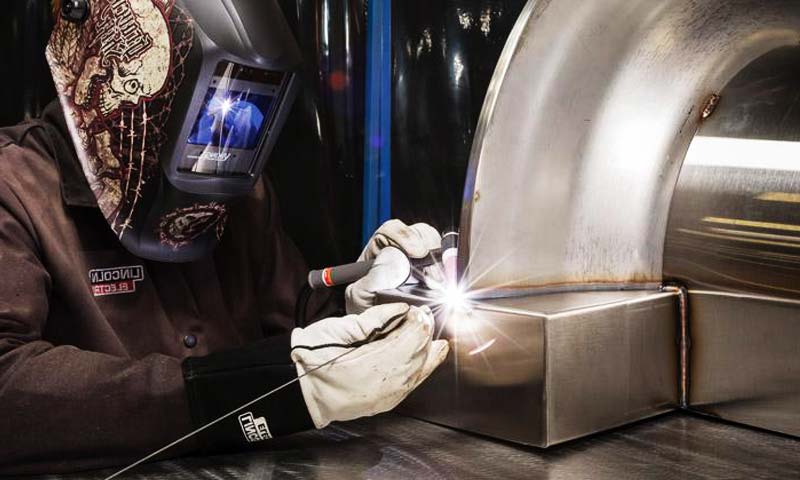
- Zvárateľnosť: Známka 1 ľahko zvára bežnými tavnými procesmi (TIG/GTAW, plazma) pretože je nelegovaný a netvorí krehké intermetalické látky.
Pevné spájanie (trením miešať, elektrónový lúč) je tiež možné, ak to geometria a náklady dovoľujú. - Chránenie: Plochy zvaru chráňte inertným plynom (argón) pre- a post-flow, aby sa zabránilo kontaminácii atmosféry. Zabráňte vystaveniu horúceho titánu vzduchu a vlhkosti.
- Zóna postihnutá tepelne (Hazard): Ak je tienenie nedostatočné, zachytávanie kyslíka/dusíka v HAZ skrehne oblasť.
Pre kritické časti sa odporúča čistenie po zváraní na odstránenie povrchových oxidov a kontaminácie. - Mechanická úprava: Spodné strany zvarov a guľôčky môžu vyžadovať brúsenie alebo opracovanie; používajte vhodné abrazíva a zabráňte kontaminácii počas dokončovania.
7. Tepelné spracovanie, povrchové ošetrenia, a možnosti dokončovania
- Tepelné spracovanie: Známka 1 nie je tepelne spracovateľný v zmysle spevnenia zliatiny, pretože mu chýbajú legujúce prvky na spevnenie fázovou transformáciou.
Tepelné cykly sa používajú iba na zmiernenie napätia alebo na obnovenie ťažnosti po spracovaní za studena. - Povrchové čistenie a pasivácia: Typické čistenie (kyslé morenie, alkalické čistenie) a kontrolované oxidačné úpravy sa používajú na odstránenie kontaminantov a obnovenie čistého pasívneho filmu.
Eloxovanie sa môže použiť na prispôsobenie hrúbky a vzhľadu oxidu. - Nátery a úpravy opotrebovania: Pre aplikácie vyžadujúce zvýšenú odolnosť proti opotrebovaniu, povlaky (keramika, tvrdé PVD/DLC, tepelný sprej) alebo sa aplikujú povrchové úpravy,
uvedomujúc si, že podkladový oxid a substrát musia byť správne pripravené na priľnavosť. - Integrita: Vyhnite sa spracovateľským trasám, ktoré vytvárajú skrehnuté „alfa puzdro“.
Kde sa tvorí prípad alfa (z vystavenia vysokej teplote v kyslíku), môže byť potrebné odstránenie mechanickými alebo chemickými prostriedkami.
8. Typické aplikácie triedy CP-Ti 1
- Chemické spracovanie: Výmenník tepla, potrubie, a armatúry vystavené pôsobeniu korózie, oxidačné médiá, kde záleží na dlhej životnosti a nenáročnosti na údržbu.
- Morský a systémy s morskou vodou: Čerpadlo, komponenty odsoľovacieho zariadenia, a potrubia s morskou vodou ťažia z odolnosti 1. stupňa voči biologickému znečisteniu a korózii v chloridovom prostredí.
- Lekárske prístroje a vybavenie: Chirurgické nástroje, nenosné implantáty a komponenty, ktoré vyžadujú inertnosť a biokompatibilitu.
- Architektonické a spotrebiteľské využitie: Vonkajšie architektonické prvky, spojovacie a dekoratívne prvky, kde je dôležitá odolnosť proti korózii a vzhľad.
- Elektronika a špeciálne diely: Komponenty, kde je výhodná nízka magnetická permeabilita a korózna stabilita.
- Poznámky o dizajne: V konštrukčných aplikáciách, kde je zaťaženie významné, Známka 1 je vo všeobecnosti nahradený vyššími triedami CP alebo legovaným titánom, aby sa zmenšila veľkosť sekcií.
Známka 1 sa uprednostňuje pri zložitosti tvarovania a odolnosť proti korózii prevažuje nad požiadavkami na mechanickú pevnosť.
9. Výhody & Obmedzenia
Výhody triedy CP-Ti 1
- Najvyššia tvárnosť a ťažnosť medzi komerčnými druhmi titánu.
- Vynikajúca zvárateľnosť a stabilita výroby.
- Vynikajúca vnútorná odolnosť proti korózii.
- Vynikajúca biokompatibilita (netoxický, nemagnetický).
- Nízka hustota, ľahký, a vysoká rozmerová stabilita.
- Stabilný výkon pri kryogénnych a miernych teplotách.
Obmedzenia triedy CP-Ti 1
- Nízka mechanická pevnosť; nevhodné pre vysoko zaťažené konštrukčné diely.
- Netvrditeľné tepelným spracovaním (len pracovne otužovanie).
- Obmedzené použitie v silne redukujúcich kyselinách bez modifikácie zliatiny (Napr., Známka 7 s Pd).
- Vyššie náklady na materiál ako uhlíková oceľ a nehrdzavejúca oceľ.
10. Porovnanie s CP-Ti stupňami 2–4
Nižšie je zameraná, porovnanie inžinierskej úrovne, ktoré zdôrazňuje, ako Grade 1 sa líši od ročníka 2-4 v chémii, mechanický výkon, výrobné správanie a typické aplikácie.
Zobrazené údaje sú zástupca (žíhané/tepané podmienky) a určené na usmernenie pri výbere materiálu – vždy si overte dodávateľa / špecifikácie certifikátov pre garantované hodnoty.
| Atribút | Známka 1 (US R50250) | Známka 2 (50 400 USD) | Známka 3 (US R50550) | Známka 4 (50700 USD) |
| Max Fe (7%) | 0.20 | 0.30 | 0.30 | 0.50 |
| Max C (7%) | 0.08 | 0.08 | 0.08 | 0.08 |
| Max N (7%) | 0.03 | 0.03 | 0.05 | 0.05 |
| Max O (7%) | 0.18 | 0.25 | 0.35 | 0.40 |
| Max H (7%) | 0.015 | 0.015 | 0.015 | 0.015 |
| Typický výnos (Ys, žíhaný) | ≈ ≥200 MPa | ≈ ≥270 MPa | ≈ ≥350 MPa | ≈ ≥410 MPa |
| Typický UTS (rozsah, žíhaný) | ≈ 290–410 MPa | ≈ 390–540 MPa | ≈ 460–590 MPa | ≈ 540–740 MPa |
| Typické predĺženie (A, žíhaný) | ≈ 30% | ≈ 22% | ≈ 18% | ≈ 16% |
Primárny inžiniersky kompromis |
Maximálna ťažnosť / Formovateľnosť, najlepšie pasívne korózne správanie | Vyvážená ťažnosť + vyššia sila; najpoužívanejší stupeň CP | Vyššia pevnosť pre štrukturálne použitie pri zachovaní odolnosti proti korózii | Najvyššia pevnosť medzi triedami CP (deformovateľné); znížená tvárnosť |
| Bežné použitie | Hlboký výkres, chemické zložky/zložky morskej vody, niektoré medicínske časti | Všeobecné procesné zariadenia, hadičky, konštrukčné prvky s miernym zaťažením | Komponenty vyžadujúce vyššie prípustné namáhanie, ťažšie prevádzkové časti procesu | Tam, kde je potrebná vyššia pevnosť CP titánu (namáhaním tvrdené spojovacie prvky, hriadeľ, ťažšie prevádzkové diely) |
11. Záver
Titánová trieda CP-Ti 1 predstavuje najčistejšia a najtvarovateľnejšia forma komerčne čistého titánu.
Jeho charakteristické vlastnosti – veľmi nízky intersticiálny obsah, jednofázová α mikroštruktúra, a stajňa, samoopravný oxidový film – dodáva mu výnimočnú odolnosť proti korózii, vynikajúca ťažnosť, a vynikajúca biokompatibilita.
Tieto atribúty robia Grade 1 preferovaný materiál pre chemicky agresívne prostredie, vystavenie morskej vode, lekárske a biomedicínske využitie, a aplikácie vyžadujúce hlboké ťahanie alebo zložité tvárnenie za studena.
Z inžinierskeho hľadiska, Známka 1 je nie je to vysokopevnostný materiál, a nemal by sa vyberať tam, kde je dominantnou požiadavkou konštrukčná účinnosť alebo nosnosť.
Namiesto toho, jeho hodnota spočíva v spoľahlivosti, výroba, a dlhú životnosť v korozívnych alebo citlivých prostrediach.
Keď sú správne špecifikované – najmä s ohľadom na limity intersticiálnych reklám, stav povrchu, a výrobné kontroly – stupeň CP-Ti 1 poskytuje predvídateľný výkon a nízke riziko životného cyklu.
Časté otázky
Čo znamená „CP-Ti“.?
Skratka CP-Ti Komerčne čistý titán. Vzťahuje sa na titán, ktorý nie je zámerne legovaný, s vlastnosťami riadenými najmä stopovými intersticiálnymi prvkami (kyslík, dusík, uhlík, vodík) skôr ako legujúce prísady.
Je triedy CP-Ti 1 tepelne liečiteľný?
Nie. Známka 1 je tepelne neupraviteľné na spevnenie pretože je nelegovaný. Tepelné spracovanie sa používa iba na zmiernenie napätia alebo žíhanie na obnovenie ťažnosti po spracovaní za studena.
Je Grade 1 pevnejšie alebo slabšie ako zliatiny titánu ako Ti-6Al-4V?
Známka 1 je oveľa slabšie z hľadiska medze klzu a pevnosti v ťahu ako Ti-6Al-4V a iné druhy legovaného titánu.
Jeho výhody spočívajú v odolnosti proti korózii, ťažkosť, a jednoduchosť tvarovania – nie pevnosť.
Prečo je CP-Ti Grade 1 tak odolný voči korózii?
Jeho odolnosť proti korózii pochádza z a stajňa, priľnavý oxid titaničitý (Tio₂) pasívny film ktoré sa tvoria okamžite vo vzduchu alebo vo vodnom prostredí.
Tento film je samoliečivý a chráni kov v mnohých oxidačných prostrediach a prostrediach obsahujúcich chloridy.
Je triedy CP-Ti 1 magnetický?
Nie. Trieda CP-Ti 1 je v podstate nemagnetické, vďaka čomu je vhodný pre aplikácie citlivé na magnetické polia (Napr., určité lekárske a elektronické použitie).