1. Zavedenie
Žehlička, jeden z najrozšírenejších a najuniverzálnejších kovov, bola nevyhnutná pri formovaní priemyselného rozvoja počas celej histórie.
Jeho bezkonkurenčná kombinácia sily, trvanlivosť, a prispôsobivosť z neho robí nepostrádateľný materiál v stavebníctve, výroba, a stroje.
Pochopenie rôznych typov železa a ich jedinečných vlastností umožňuje výrobcom,
inžinieri, a dizajnéri, aby robili informované rozhodnutia pri výbere vhodného materiálu pre konkrétne aplikácie.
Tento článok bude skúmať rôzne druhy železa, skúmanie ich chemického zloženia, kľúčové vlastnosti, a aplikácie v reálnom svete.
Ponorením sa do vlastností jednotlivých druhov železa, naším cieľom je poskytnúť cenné informácie, ktoré vám pomôžu pri výbere najlepšej žehličky pre vaše priemyselné potreby.
2. Čo je železo?
Žehlička (FE) je jedným z najrozšírenejších chemických prvkov na Zemi, tvorí o 5% zemskej kôry.
Známy pre svoj historický význam a široké využitie v rôznych odvetviach, železo formovalo ľudskú civilizáciu po tisíce rokov.
Z doby železnej, keď nahradil bronz ako primárny materiál nástrojov a zbraní, na moderné priemyselné aplikácie, význam železa zostáva nepopierateľný.

Zatiaľ čo čisté železo je pomerne mäkký a poddajný, jeho mechanické vlastnosti je možné výrazne zlepšiť pridaním rôznych prvkov ako napr uhlík a legujúcich kovov.
Tieto prísady modifikujú jeho fyzikálne a chemické vlastnosti, umožňuje použitie železa v širokom spektre aplikácií, od stavebné materiály do automobilový komponenty.
História železa
Význam železa siaha až do minulosti 3,000 rokov. Ten Doba železná, začiatok okolo 1200 BC, znamenala dramatický posun od Bronzová doba, kde sa bronz používal na nástroje a zbrane.
Žehlička, je hojnejší a pevnejší ako bronz, rýchlo získal popularitu.
Prvé spôsoby výroby železa boli primitívne, a nebolo to až do príchodu výbuch v stredoveku
že železo sa stalo dostupnejším, čo vedie k masovej výrobe železa a, neskôr, oceľ.
Chemické zloženie železa
Železo je a prechodný kov s atómovým číslom 26. Jeho atómová štruktúra mu umožňuje ľahko vytvárať zliatiny,
najmä s uhlík, mangán, a ďalšie kovy, vďaka čomu je všestranný na rôzne použitie.
- Čisté železo (FE): Vo svojej čistej podobe, železo je relatívne mäkké a náchylné na hrdzavenie. To je dôvod, prečo sa čisté železo zriedka používa v nelegovanej forme na priemyselné aplikácie.
- Zliatiny železa: Uvedením uhlík, železo sa dá premeniť oceľ, jeden z najpoužívanejších materiálov v modernom priemysle.
V kombinácii s chróm, tvorí sa nehrdzavejúca oceľ, ponúka odolnosť voči korózii a teplu.
Kľúčové vlastnosti železa
Fyzikálne vlastnosti železa mu umožňujú slúžiť ako základ pre rôzne zliatiny a materiály používané v širokej škále priemyselných odvetví. Nižšie sú uvedené niektoré z hlavných vlastností železa:
| Majetok | Popis |
|---|---|
| Pevnosť | Železo je silné, najmä pri legovaní uhlíkom alebo inými kovmi, je ideálny pre štrukturálne aplikácie. |
| Podvoznosť | Čisté železo je kujné, čo umožňuje jeho tvarovanie za tepla. This characteristic is improved when alloyed. |
| Magnetický | Iron is ferromagnetic, meaning it can be magnetized. It retains magnetic properties, making it useful for motors and electrical components. |
| Ťažkosť | Iron can stretch into thin wires, particularly in its pure form, but its ductility increases when combined with alloying elements. |
| Náchylnosť | Pure iron is prone to rusting when exposed to oxygen and moisture. Zliatiny ako nehrdzavejúca oceľ Zlepšiť odolnosť proti korózii. |
3. Vlastnosti a vlastnosti jednotlivých druhov železa
V tejto časti, we will explore the properties and characteristics of four major types of iron: kované železo, liatina, oceľ, and pig iron.
Kované železo
Wrought iron is a highly malleable form of iron with a carbon content of less than 0.1%.
This low carbon content gives it excellent workability, allowing it to be shaped and molded with ease.
Historicky, wrought iron was used in the construction of structures such as bridges and railways due to its strength and corrosion resistance.

Avšak, dnes, jeho použitie je primárne vyhradené pre dekoratívne a okrasné aplikácie kvôli jeho estetickému vzhľadu a jednoduchosti výroby.
Vlastnosti:
- Nízky obsah uhlíka: Obsah uhlíka je taký nízky, že výrazne nemení vlastnosti železa, výsledkom je materiál, ktorý sa ľahko tvaruje a pracuje s ním.
- Odpor: Vnútorná vláknitá štruktúra tepaného železa mu dodáva prirodzenú odolnosť proti korózii.
Táto vlastnosť ho robí obzvlášť vhodným pre vonkajšie prostredie, kde hrdza a rozklad sú bežné problémy pre iné kovy. - Kláštornosť a ťažnosť: Kované železo sa dá ohýbať a tvarovať bez toho, aby sa zlomilo, vďaka tomu je ideálny pre zložité návrhy a detailné remeselné spracovanie.
Charakteristika:
- Spracovateľnosť: Kované železo sa vďaka nízkemu obsahu uhlíka ľahko tvaruje a zvára, čo je ideálne pre okrasné aplikácie, kde je kľúčom presnosť.
- Únava: Je menej pravdepodobné, že materiál zlyhá pri neustálom namáhaní, čo prispieva k jeho dlhej životnosti, najmä v štruktúrach pod neustálym pohybom.
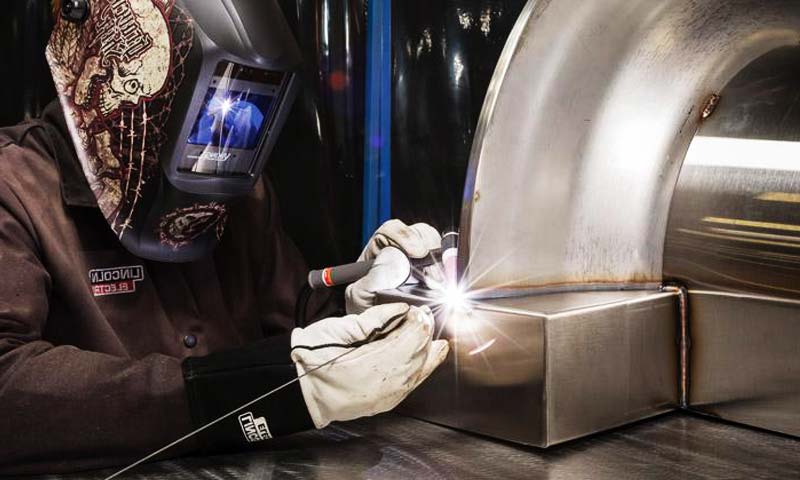
- Zvárateľnosť: Kované železo sa dá zvárať bez námahy, vďaka tomu je ideálny na vytváranie bezšvíkových spojov v dekoratívnych aplikáciách.
Liatina
Liatina je skupina železo-uhlíkových zliatin obsahujúcich vyššie percento uhlíka ako kujné železo, zvyčajne od 2.5% do 4%.
Vysoký obsah uhlíka robí liatinu veľmi tvrdou, ale aj krehkou. Napriek tomu, vyniká v aplikáciách vyžadujúcich zložité tvary a vysokú odolnosť proti opotrebovaniu.

Jeho schopnosť ľahko sa formovať do zložitých vzorov z neho robí obľúbený materiál pre časti strojov, blok, a ďalšie vysokovýkonné komponenty.
Vlastnosti:
- Vysoký obsah uhlíka: Zvýšený obsah uhlíka dodáva liatine jej tvrdosť a odolnosť proti opotrebovaniu.
Avšak, tiež robí materiál krehkým a menej pružným ako kované železo alebo oceľ. - Vynikajúca odlievateľnosť: Vysoká tekutosť roztavenej liatiny umožňuje jej odlievanie do foriem a tuhnutie do zložitých tvarov, kľúčová výhoda pre hromadnú výrobu zložitých dielov.
- Odpor: Vďaka tvrdosti liatiny je mimoriadne odolná voči oderu a opotrebovaniu, nevyhnutná kvalita pre komponenty, ktoré sú vystavené konštantnému treniu alebo veľkým nárazovým silám.
Charakteristika:
- Krehkosť: Zatiaľ čo liatina je veľmi pevná v tlaku, je náchylný na zlomenie pri namáhaní v ťahu alebo náraze.
Preto, nie je vhodný pre aplikácie, ktoré vyžadujú flexibilitu alebo vysokú pevnosť v ťahu. - Tlmenie vibrácií: Liatinová štruktúra umožňuje absorbovať vibrácie, preto sa často používa v motorových blokoch a základniach ťažkých strojov.
- Tlmenie zvuku: Okrem jeho použitia v motoroch, liatina sa často používa v strojoch, ktoré vyžadujú zníženie hluku, pretože účinne tlmí vibrácie.
Typy liatinových železa:
| Typ | Obsah | Charakteristika | Žiadosti |
|---|---|---|---|
| Šedá železo | 2.5% - 4% | Grafitové vločky zlepšujú tlmenie a zlievateľnosť. | Blok, potrubia, komponenty strojov. |
| Biela železo | 2.5% - 4% | Ťažko, krehký, s malým množstvom grafitu. | Mlynské obklady, časti odolné voči opotrebovaniu. |
| Ťažko | 3% - 4% | Nodulárny grafit poskytuje zvýšenú pevnosť v ťahu a ťažnosť. | Automobilové diely, potrubia, ťažký stroj. |
| Kmeňová žehlička | 2.5% - 3.5% | Tepelne spracované pre zvýšenú ťažnosť. | Súčiastky strojov, automobilové diely. |
Oceľ (Uhlíková oceľ a legovaná oceľ)
Oceľ je rafinovaná forma železa so zníženým obsahom uhlíka (menej ako 2%) a legujúce prvky, ako je mangán, chróm, alebo niklu.

Je neuveriteľne všestranný, ponúka kombináciu sily, tvrdosť, a flexibilita. Môže byť prispôsobený tak, aby spĺňal špecifické požiadavky aplikácie úpravou jeho legovacieho zloženia.
Vlastnosti:
- Nižší obsah uhlíka: V porovnaní s liatinou, oceľ má nižší obsah uhlíka, čo zlepšuje jeho pevnosť, ťažkosť, a tvrdosť.
Vďaka tomu je oceľ oveľa všestrannejšia pre širokú škálu aplikácií. - Zliatinové prvky: Pridanie prvkov ako mangán a nikel môže zlepšiť vlastnosti, ako je odolnosť proti opotrebovaniu, tvrdosť, a odolnosť proti korózii.
- Odpor (pre nehrdzavejúcu oceľ): Nehrdzavejúca oceľ, ktorý obsahuje minimálne 10.5% chróm, ponúka vynikajúcu odolnosť proti hrdzi a korózii,
vďaka čomu je ideálny do prostredia vystaveného vlhkosti, chemikálie, alebo vysoké teploty.
Charakteristika:
- Sila a tvrdosť: Oceľ odolá vyššiemu namáhaniu a nárazom v porovnaní s liatinou, vďaka čomu je vhodný pre aplikácie vyžadujúce vysokú pevnosť v ťahu.
- Všestrannosť: Oceľ sa dá ľahko legovať, aby sa dosiahli špecifické vlastnosti, ako je zvýšená tvrdosť, odolnosť voči vysokým teplotám, alebo zvýšená odolnosť proti korózii.
- Ťažnosť a kláštornosť: Schopnosť ocele tvarovať sa do rôznych tvarov, či už kovaním, valcujúci, alebo zváranie, dáva mu výhodu vo výrobných procesoch, ktoré si vyžadujú flexibilitu.
Druhy ocele:
- Uhlíková oceľ: Pozostáva hlavne zo železa a uhlíka, uhlíková oceľ je najpoužívanejšou formou ocele. Je pevný, ale menej odolný voči korózii.
- Zliatinová oceľ: Obsahuje ďalšie prvky ako napr chróm, nikel, a molybdén na zlepšenie špecifických vlastností, ako je tepelná odolnosť, tvrdosť, a odolnosť proti opotrebeniu.
- Nerezová oceľ: Nerezová oceľ je vďaka obsahu chrómu odolná voči korózii. Je široko používaný v odvetviach ako napr spracovanie potravín, zdravotnícke pomôcky, a kozmonautika.
Surové železo
Surové železo je medziprodukt vyrobený tavením železnej rudy s koksom a vápencom vo vysokej peci.
Má vysoký obsah uhlíka (o 3-4%) a obsahuje rôzne nečistoty, takže je príliš krehký pre väčšinu priamych použití.

Surové železo sa primárne používa ako surovina pri výrobe oceľ a liatina.
Vlastnosti:
- Vysoký obsah uhlíka: Surové železo je veľmi krehké kvôli zvýšenému obsahu uhlíka, čo obmedzuje jeho okamžitú aplikáciu.
- Nečistota: Obsahuje celý rad nečistôt, ako je síra, fosfor, a kremík, ktoré je potrebné pred ďalším spracovaním odstrániť.
Charakteristika:
- Krehkosť: Vysoký obsah uhlíka a nečistôt spôsobujú, že surové železo je krehké a nevhodné pre väčšinu priamych aplikácií.
- Medzimateriál: Slúži ako surovina pri výrobe ocele alebo iných druhov železa.
Súhrn vlastností a charakteristík
| Typ železa | Obsah | Kľúčové vlastnosti | Charakteristika | Bežné aplikácie |
|---|---|---|---|---|
| Kované železo | <0.1% | Poddajný, odolný voči korózii, Ľahko sa zvára | Poddajný, ľahko sfalšovateľné, vysoká odolnosť proti únave | Brána, zábradlia, ploty, nábytok, dekoratívne umenie |
| Liatina | 2.5% - 4% | Ťažko, krehký, vynikajúca odlievateľnosť, odpor | Krehký pri namáhaní v ťahu, Vynikajúce tlmenie vibrácií | Blok, potrubia, ťažký stroj, riad |
| Oceľ | <2% | Silný, tvrdý, všestranný, vysoká odolnosť proti korózii (pre nehrdzavejúcu oceľ) | Všestranný, Vojvodka, prispôsobiteľné legovacími prvkami | Výstavba, automobilový, kozmonautika, zdravotnícke pomôcky |
| Surové železo | 3% - 4% | Krehký, vysoký obsah uhlíka, nečistý | Medziprodukt, príliš krehké na priame použitie | Výroba ocele, zlievarne, odlievanie |
4. Spracovanie a výroba každého typu železa
Spôsoby výroby a spracovania pre každý druh železa –kované železo, liatina, oceľ, a surové železo-sú rozhodujúce pri určovaní vlastností materiálu a vhodnosti pre rôzne aplikácie.
Každý typ železa prechádza rôznymi procesmi, ako je tavenie, odlievanie, a rafináciu, na dosiahnutie špecifických mechanických vlastností, sila, a trvanlivosť.
Proces výroby tepaného železa
Kované železo sa tradične vyrába pomocou priame zníženie alebo kvitnutie spracovanie,
ale v modernej dobe, vyrába sa pomocou pokročilejších metód, ako je napr puddlovací proces alebo elektrické oblúkové pece.
Tepané železo má veľmi nízky obsah uhlíka, robí ho kujným a tvárnym.
Výrobný proces musí zabezpečiť minimálny obsah uhlíka a zároveň zabezpečiť vytvorenie vláknitej vnútornej štruktúry pre lepšiu spracovateľnosť a odolnosť proti korózii.
Kroky spracovania:
- Taviace sa: Proces začína zahrievaním železnej rudy v peci (alebo kvitnúce) pri vysokých teplotách v prítomnosti dreveného uhlia (uhlík). Toto redukuje železnú rudu na výrobu železného kovu.
- Pudling Process: V modernej dobe, kujné železo sa vyrába pomocou pudlovacej pece.
Tento proces zahŕňa zahrievanie surového železa a následné použitie mechanického miešadla na odstránenie prebytočného uhlíka, ponecháva železo s nízkym obsahom uhlíka. - Kladenie a tvarovanie: Po znížení obsahu uhlíka, Železo sa kladivom odstraňuje, aby sa odstránili nečistoty a aby sa z neho vytvarovali tyče alebo predvalky.
Tento krok tiež pomáha vytvoriť vláknitú štruktúru, ktorá dodáva tepanému železu jeho charakteristickú tvárnosť a odolnosť voči hrdzi. - Dokončenie: Konečné kované železo sa valcuje, zbitý, alebo vykované do požadovaného tvaru, či už na stavebné alebo dekoratívne aplikácie.
Kľúčové výrobné charakteristiky:
- Nízky obsah uhlíka: Zvyčajne menej ako 0.1%, vďaka čomu je žehlička mäkká a poddajná.
- Vláknitá štruktúra: Táto vnútorná štruktúra dodáva tepanému železu jeho jedinečnú odolnosť proti korózii a vysokú kujnosť.
- Kujnosť a spracovateľnosť: Dá sa ľahko zvárať a tvarovať.
Proces výroby liatiny
Výroba liatina zahŕňa proces tzv tavenie v ktorej sa železná ruda taví v a výbuch spolu s koksom (forma uhlíka) a vápenec.
Primárnou vlastnosťou liatiny je jej vyšší obsah uhlíka (okolo 2.5% - 4%), čo mu dodáva tvrdosť a odolnosť proti opotrebovaniu, ale zároveň ho robí krehkým.
Kroky spracovania:
- Tavenie vo vysokej peci: Železná ruda, koks, a vápenec sa zavádza do vysokej pece.
Koks slúži ako palivo aj ako redukčné činidlo, premena železnej rudy (Fe203) do roztaveného železa. - Rafinácia: Roztavené železo obsahuje nečistoty, ako je síra, fosfor, a nadbytočný uhlík.
Tieto nečistoty sa odstránia zavedením tavív alebo iných rafinačných činidiel. To pomáha vytvárať čistič, čistejšej forme roztaveného železa. - Odlievanie: Po odstránení nečistôt, roztavené železo sa naleje do foriem, aby sa vytvoril požadovaný tvar.
Tu dostáva liatina svoje odlievateľnosť, pretože sa dá ľahko naliať do foriem na vytvorenie zložitých tvarov, ako sú bloky motorov, potrubia, a komponenty s ťažkými výkonmi. - Ochladenie: Roztavené železo sa nechá vychladnúť a stuhne, tvárnenie liatiny s požadovanou pevnosťou a tvrdosťou.

Výroba liatiny

Kľúčové výrobné charakteristiky:
- Vysoký obsah uhlíka: Obsah uhlíka je rozhodujúci pre zlepšenie tvrdosti, ale tiež vedie k krehkejšiemu materiálu.
- Odlievateľnosť: Liatinu je možné naliať do zložitých foriem, vďaka čomu je ideálny na výrobu zložitých tvarov a veľkých komponentov.
- Tlmenie vibrácií: Jeho mikroštruktúra umožňuje liatine absorbovať vibrácie, čo ho robí užitočným v strojoch a komponentoch motorov.
Proces výroby ocele
Oceľ sa vyrába rafináciou surové železo v a výbuch alebo pec elektrickým oblúkom (Eaf) a potom úpravou obsahu uhlíka a legujúcich prvkov.
Jeho výroba je vysoko kontrolovaný proces, umožňuje výrobcom vyrábať širokú škálu ocelí, od uhlíkovej ocele po vysokolegované ocele so špecializovanými vlastnosťami.
Kroky spracovania:
- Výbuch (BF) alebo Elektrická oblúková pec (Eaf): Vo vysokej peci, surové železo sa taví, a nečistoty sa odstraňujú pomocou prostriedkov na báze kyslíka alebo uhlíka.
V procese EAF, kovový šrot sa taví elektrickou energiou. - Rafinácia: Po výrobe roztaveného kovu, ďalej sa rafinuje, aby sa znížil obsah uhlíka a iných nečistôt.
V niektorých procesoch, špecifické legujúce prvky ako napr mangán, chróm, alebo nikel sa pridávajú na prispôsobenie vlastností ocele. - Nepretržité odlievanie: Roztavená oceľ sa naleje do foriem na plynulé liatie, aby sa vytvorili predvalky, doska, alebo kvitnúce, ktoré sa potom ďalej spracovávajú valcovaním alebo kovaním.
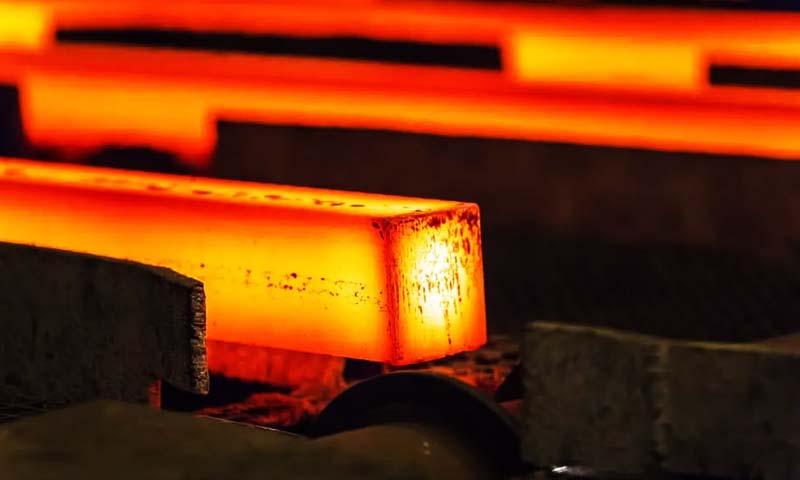
- Valcovanie za tepla a valcovanie za studena: Predvalky sa zahrievajú a prechádzajú cez valce, aby vytvorili požadovaný tvar a veľkosť.
Pre určité aplikácie, oceľ môže byť valcovaná za studena, čo dáva kovu hladký povrch a dodatočnú pevnosť. - Tepelné spracovanie: Na zlepšenie vlastností ako je tvrdosť, tvrdosť, a sila, oceľ je tepelne spracovaná. Medzi bežné metódy tepelného spracovania patrí žíhanie, zhasnutie, a temperovanie.
Kľúčové výrobné charakteristiky:
- Nižší obsah uhlíka: Oceľ má zvyčajne menej ako 2% uhlík, čo mu dáva pevnosť a tvárnosť v porovnaní s liatinou.
- Legovacia flexibilita: Oceľ môže byť legovaná rôznymi kovmi, aby sa dosiahli špecifické vlastnosti, ako je odolnosť proti korózii, vysoká teplota, alebo húževnatosť.
- Formovateľnosť: Oceľ sa dá ľahko kovať, zváraný, a vyrobené do rôznych tvarov, ponúka flexibilitu vo výrobe.
Proces výroby surového železa
Surové železo je produktom prvotného tavenia železnej rudy vo vysokej peci. Nie je priamo použiteľný vo väčšine aplikácií kvôli vysokému obsahu uhlíka a nečistôt.
Namiesto toho, slúži ako medziprodukt, ktorý sa ďalej spracováva na oceľ alebo liatinu.
Kroky spracovania:
- Tavenie železnej rudy: Vo vysokej peci, železná ruda (často hematit alebo magnetit), koks (uhlík), a vápenec sa zavádza pri vysokých teplotách.
Koks pôsobí ako redukčné činidlo, premena železnej rudy na roztavené železo. - Odstraňovanie uhlíka a nečistôt: Roztavené železo obsahuje vysoký obsah uhlíka (okolo 3-4%) a rôzne nečistoty ako síra, fosfor, a kremík.
Tie nie sú žiaduce pre mnohé priemyselné aplikácie, preto musia byť odstránené počas procesu rafinácie. - Výroba surového železa: Výsledný produkt je "surové železo", ktorý sa naleje do foriem vychladnúť a stuhnúť. Termín surové železo pochádza z tvaru foriem, ktoré pripomínajú prasatá.
Kľúčové výrobné charakteristiky:
- Vysoký obsah uhlíka: Vysoký obsah uhlíka robí surové železo krehkým, nevhodné na priame použitie vo väčšine aplikácií bez ďalšieho spracovania.
- Nečistota: Surové železo obsahuje značné množstvo síry, fosfor, a kremík, ktoré obmedzujú jeho použitie bez ďalšieho spresnenia.
5. Aplikácia každého druhu železa
Žehlička, so svojimi rôznymi formami -kované železo, liatina, oceľ, a surové železo-má rôznorodé aplikácie, ktoré pokrývajú rôzne odvetvia.
Každý typ železa ponúka jedinečné vlastnosti, ako je kujnosť, sila, a odolnosť proti korózii, aby boli vhodné pre špecifické potreby.
Nižšie, podrobnejšie preskúmame praktické využitie každého druhu železa.
Kované aplikácie
Architektonický dizajn:
- Kované železo je široko používané v okrasné práce vďaka svojej tvárnosti a estetickej príťažlivosti.
- Brána, zábradlia, a balkóny sú bežné príklady, najmä pre historické alebo dekoratívne stavby.
Výroba nábytku:
- Je ideálny na tvorenie záhradný nábytok ako tabuľky, stoličky, a lavičky kvôli svojej odolnosti a jednoduchosti tvarovania.
Umenie a remeslo:
- Vďaka možnosti ľahkého kovania a tvarovania je obľúbenou voľbou pre umelecké sochy a kovové umenie.
Historická infraštruktúra:
- Kované železo sa historicky používalo pri stavbe železnice, mosty, a priemyselné budovy vďaka svojej kombinácii pevnosti a kujnosti.
Liatinové aplikácie
Komponenty motora:
- Na výrobu sa bežne používa liatina blok a hlava valca kvôli svojej schopnosti tlmiť vibrácie a odolávať opotrebovaniu.
Rúry a inštalatérske práce:
- Svoj odpor robí z liatiny materiál voľby kanalizačné potrubia, vodné potrubia, a drenážne systémy.
Ťažký stroj:
- Odolnosť liatiny proti opotrebeniu ju robí ideálnou pre strojové lôžka, rámy, a formy, zvlášť pre zlievárenské prevádzky.
Riad:
- Liatinové panvice, Holandské rúry, a panvice na vyprážanie sú cenené za svoje zadržiavanie tepla a dokonca aj vlastnosti pri varení.
Priemyselné diely:
- Bežne používané v komponenty ťažkých strojov ako výstroj, čerpadlá, a diely motora ktoré zažívajú vysokú mieru opotrebovania.
Oceľové aplikácie
Výstavba:
- Oceľ je základným materiálom výstavba, poskytnutie konštrukčná oceľ pre budov, mosty, a mrakodrapy.
- Rebar (posilňovacie tyče) vyrobený z ocele sa používa na vystuženie betónu, ensuring strength and stability in large infrastructure projects.
Automobilový priemysel:
- Steel is essential in the production of vehicle frames, telesné panely, diely motora, a safety components.
- High-strength steel alloys are used in crash-resistant štruktúry, ensuring vehicle safety.
Letectvo a kozmonautika:
- Oceľové zliatiny are widely used in manufacturing aircraft frames, podvozok, a komponenty motora due to their lightweight yet strong properties.
Nástroje a stroje:
- Oceľový sila a odolnosť make it ideal for nástroje, industrial machinery parts, a ball bearings used in manufacturing operations.
Zdravotníctvo:
- Nehrdzavejúca oceľ, a highly corrosion-resistant form of steel, sa široko používa pre chirurgické nástroje, implantáty, a zdravotníctvo because it is safe, odolný, and easy to sterilize.
Aplikácie surového železa
Výroba ocele:
- Pig iron is primarily used as the raw material for steel production in blast furnaces, where its high carbon content is reduced to produce various grades of steel.
Zlievárne:
- Pig iron can be legovaný and processed further for odlievanie into components like výstroj, čerpadlá, a strojové diely, especially in industrial applications requiring high durability.
Odlievanie pre ťažké stroje:
- It is also used for casting heavy-duty industrial parts, ako výstroj, blok, a čerpadlá, v zlievarne.
Výroba železa:
- Surové železo slúži ako medziprodukt na výrobu liatinových výrobkov, ako šedá železo, ťažko, a biela železo, po legovaní inými prvkami.
6. Záver
Pochopenie rôznych typov železa a ich jedinečných vlastností je nevyhnutné pre výber najvhodnejšieho materiálu pre danú aplikáciu.
Ako sa technológie neustále vyvíjajú, úloha železa vo výrobe zostane nenahraditeľná,
s pokrokmi v legovacích a spracovateľských technikách, ktoré vedú k ešte špecializovanejším a na výkon orientovaným materiálom.
Pri výbere typov železa pre váš ďalší projekt, zvážte špecifickú silu, trvanlivosť, odpor, a spracovateľnosť požadovaná pre vašu aplikáciu.
Na zákazku, vysokokvalitné železné výrobky, zvážte partnerstvo s dôveryhodnými výrobcami, ktorí vám môžu poskytnúť riešenia na mieru, aby vyhovovali vašim priemyselným potrebám.
Ak hľadáte kvalitné žehliace výrobky na mieru, výber LangHe je ideálne rozhodnutie pre vaše výrobné potreby.