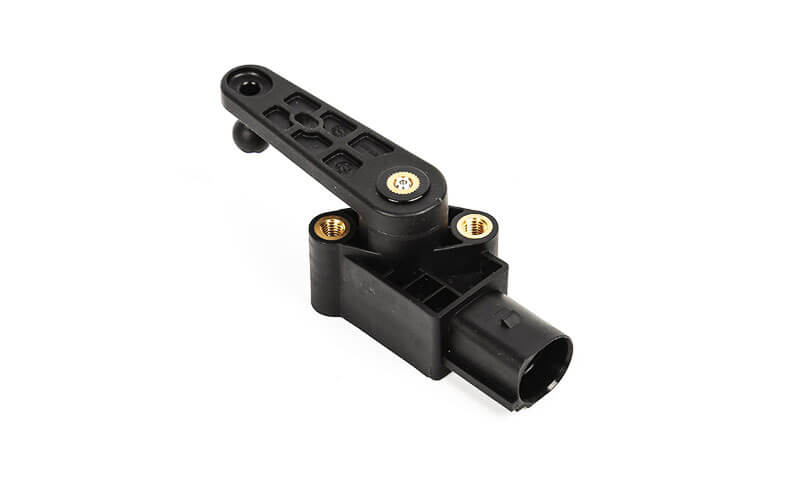
Os produtos modernos combinam cada vez mais plásticos com metais, condutores elétricos, componentes roscados, ímãs, e outros materiais funcionais.
Tradicionalmente, esses componentes são fabricados separadamente e posteriormente montados com parafusos, ajuste de imprensa, fascinante, adesivos, ou soldagem.
Embora tais métodos continuem úteis, eles adicionam etapas de montagem, aumentar a contagem de peças, e pode introduzir problemas de alinhamento e confiabilidade.
Inserir moldagem fornece uma abordagem alternativa integrando uma inserção pré-formada diretamente em um componente de polímero moldado durante o processo de moldagem por injeção.
Em vez de montar a inserção e a peça plástica após a moldagem, a inserção é posicionada primeiro dentro do molde, após o qual o polímero fundido flui ao seu redor e solidifica para formar um componente mecanicamente integrado.
Este artigo explica os princípios, Materiais, processos de fabricação, considerações de design, vantagens, limitações, e aplicações de moldagem por inserção, com especial atenção aos fatores de engenharia que determinam a qualidade final da peça.
1. O que é moldagem por inserção?
A moldagem por inserção é uma moldagem por injeção processo no qual um componente pré-fabricado, conhecido como inserção, é colocado dentro de uma cavidade do molde e posteriormente encapsulado ou parcialmente envolvido por plástico fundido.
A inserção pode ser feita de metal, plástico, cerâmica, material condutor elétrico, ou outro substrato rígido.
Uma vez que o polímero é injetado e resfriado, a inserção fica permanentemente integrada no componente moldado.
Um processo simplificado pode ser representado como:
Preparação do inserto → Posicionamento do inserto → Fechamento do molde → Injeção de plástico → Embalagem e resfriamento → Abertura do molde → Ejeção
O componente resultante é, portanto, um conjunto multimaterial fabricado em uma única operação de moldagem.
Como a moldagem por inserção difere da moldagem por injeção padrão
| Aspecto | Moldagem por injeção padrão | Inserir Moldagem |
| Material principal | Polímero | Polímero + inserção pré-formada |
| Inserir posicionamento | Não obrigatório | Etapa crítica de fabricação |
| Conjunto | Geralmente necessário para produtos multimateriais | Muitas vezes significativamente reduzido |
| Complexidade da ferramenta | Relativamente simples | Maior devido à localização e retenção da inserção |
| Controle dimensional | Principalmente relacionado a polímeros | Polímero + inserir tolerâncias |
| Interação material | Principalmente comportamento do polímero | Interação térmica e mecânica entre materiais |
| Aplicações típicas | Caixas de plástico, capas, partes estruturais | Conectores, componentes roscados, sensores, peças elétricas, componentes reforçados |
Como a moldagem por inserção cria integração mecânica
A relação entre a inserção e o polímero moldado pode ser projetada de diversas maneiras.
Para uma inserção metálica roscada, por exemplo, o polímero pode fluir em torno de recursos externos especialmente projetados, como serrilhados, sulcos, Undercuts, ou costelas.
Após o resfriamento, esses recursos criam intertravamento mecânico, dificultando a rotação ou a retirada da pastilha.
Para um terminal elétrico, o polímero pode envolver uma porção definida do elemento condutor enquanto deixa a área de contato funcional exposta.
O polímero moldado fornece então isolamento, suporte estrutural, e estabilidade posicional.
O mecanismo de integração depende, portanto, da aplicação. Pode envolver:
- Intertravamento mecânico através de ranhuras, grunhidos, costelas, ou subconstos.
- Interferência gerada pela contração do polímero ao redor da inserção.
- Colagem química ou adesiva quando materiais compatíveis e tratamentos de superfície são usados.
- Encapsulamento geométrico, em que o polímero envolve fisicamente a inserção e impede o movimento.
Em aplicações exigentes, vários mecanismos podem funcionar simultaneamente.
2. Como funciona a moldagem por inserção?
A moldagem por inserção consiste em vários estágios controlados, começando com a preparação da pastilha e terminando com a inspeção do componente integrado acabado.
Fluxo de trabalho típico de moldagem por inserção
Fabricação do inserto → Limpeza e preparação → Inspeção dimensional → Carregamento do inserto → Fechamento do molde → Injeção de polímero → Embalagem → Resfriamento → Abertura do molde → Ejeção → Inspeção dimensional e funcional
2.1 Preparação de Inserção
O processo começa com a fabricação e preparação da pastilha.
Para inserções metálicas, isso pode envolver usinagem CNC, estampagem, girando, rumo frio, formação de fio, moagem, ou outros processos de usinagem.
A pastilha deve atender aos requisitos dimensionais e de superfície definidos pelo projeto de moldagem.
A condição da superfície é particularmente importante. Óleo, Escala de óxido, cavacos de usinagem, e outros contaminantes podem interferir na ligação do polímero ou causar defeitos de moldagem.
Dependendo do aplicativo, as inserções podem, portanto, sofrer:
- Desengorduramento e limpeza
- Rugosidade superficial
- Revestimento
- Passivação
- Tratamento químico
- Pré -aquecimento
- Inspeção dimensional
A pastilha também deve ser verificada quanto a rebarbas e arestas vivas. Rebarbas excessivas podem danificar o molde ou criar concentrações de tensão localizadas no polímero moldado.
2.2 Inserir colocação e posicionamento
Após a preparação, a inserção é colocada em um local dedicado dentro do molde.
Isso pode ser feito manualmente, semiautomático, ou por um sistema de carregamento automatizado.
Para componentes simples, os operadores podem posicionar as pastilhas diretamente na cavidade do molde.
A produção de alto volume geralmente se beneficia da inserção automatizada, especialmente quando há múltiplas inserções por peça ou quando é necessária repetibilidade precisa.
O sistema de posicionamento deve evitar que o inserto se mova durante o fechamento do molde e injeção do polímero. Dependendo da geometria, a inserção pode ser retida usando:
- Localizando pinos
- Núcleos de molde
- Cavidades ou bolsas
- Suportes magnéticos
- Retenção de vácuo
- Grampos mecânicos
- Jogos dedicados
O posicionamento do inserto é especialmente crítico para conectores elétricos e componentes mecânicos de precisão, onde mesmo um pequeno erro de posição pode afetar a compatibilidade da montagem ou o desempenho funcional.
2.3 Fechamento de molde
Uma vez que a inserção foi posicionada, o molde fecha e a inserção fica encerrada dentro da cavidade do molde.
Nesta fase, o projeto do molde deve fornecer folga suficiente ao redor da inserção, mantendo a espessura necessária da parede do polímero.
O ferramental também deve evitar que a pastilha seja esmagada ou deslocada.
Para aplicações de precisão, o molde pode incorporar recursos de localização especializados que suportam diretamente a inserção durante a injeção.
O fechamento adequado do molde é importante porque qualquer incompatibilidade ao redor da pastilha pode produzir rebarbas ou defeitos dimensionais.
2.4 Injeção de Plástico
A unidade de injeção então plastifica o polímero selecionado e injeta o material fundido na cavidade do molde.
À medida que o polímero flui ao redor da inserção, preenche o espaço de cavidade disponível e forma a geometria externa do componente.
Esta etapa é uma das partes tecnicamente mais sensíveis da moldagem por inserção. O processo deve equilibrar:
- Pressão de injeção
- Velocidade de injeção
- Temperatura de fusão
- Temperatura do molde
- Projeto de portão
- Caminho de fluxo
- Ventilação
Pressão de injeção excessivamente alta pode causar deslocamento da pastilha, enquanto a pressão insuficiente pode resultar em enchimento incompleto.
Uma posição inadequada da comporta pode produzir linhas de solda, aprisionamento de ar, enchimento irregular, ou tensão excessiva ao redor da pastilha.
Para componentes complexos, a análise do fluxo do molde pode ser usada para prever o comportamento do enchimento do polímero antes que o ferramental de produção seja finalizado.
2.5 Embalagem e resfriamento
Depois que a cavidade estiver preenchida, pressão de retenção ou empacotamento é aplicada para compensar o encolhimento do polímero durante a solidificação.
O componente então esfria dentro do molde até atingir rigidez suficiente para ejeção.
O resfriamento é particularmente importante na moldagem por inserção porque a inserção e o polímero podem ter propriedades térmicas muito diferentes.
Por exemplo, uma inserção de metal geralmente tem uma condutividade térmica muito maior do que a maioria dos polímeros.
Pode, portanto, atuar como um dissipador de calor localizado, alterando a taxa de resfriamento do polímero circundante. Isto pode afetar:
- Encolhimento local
- Estresse residual
- Cristalinidade em polímeros semicristalinos
- Deformação
- Estabilidade dimensional
- Integridade da interface
Consequentemente, o projeto do canal de resfriamento e o controle da temperatura do molde devem ser considerados em torno de inserções críticas, em vez de tratar todo o componente como termicamente uniforme.
2.6 Abertura de molde e ejeção de peças
Uma vez que o resfriamento adequado tenha ocorrido, o molde abre e o componente moldado por inserção completo é ejetado.
A ejeção deve ser cuidadosamente projetada porque o polímero moldado pode aderir firmemente à inserção.
Força de ejeção excessiva pode deformar o plástico, danificar recursos delicados, ou alterar a posição da inserção.
Para componentes com geometrias complexas, pinos ejetores, mangas, levantadores, ou outros mecanismos podem ser necessários.
Operações Secundárias e Inspeção
Dependendo do design do componente, as operações de pós-moldagem podem incluir corte, rebarbação, usinagem, limpeza de linha, acabamento superficial, testes elétricos, ou correção dimensional.
A inspeção de qualidade normalmente cobre tanto o corpo de plástico quanto a interface da pastilha.
As características críticas podem incluir a posição da inserção, concentricidade, comprimento exposto, integridade do encadeamento, força de arrancamento, resistência rotacional, continuidade elétrica, e precisão dimensional geral.
Para componentes de alta confiabilidade, o teste funcional é muitas vezes mais significativo do que apenas a inspeção dimensional.
Uma inserção roscada, por exemplo, deve não apenas estar localizado corretamente, mas também suportar o torque especificado de instalação e serviço.
3. Tipos de pastilhas usadas na moldagem por pastilhas
A inserção é o núcleo funcional em torno do qual o componente plástico é moldado.
Seu material, geometria, condição da superfície, e a precisão dimensional afetam diretamente a resistência, confiabilidade, e vida útil da peça acabada.
Inserções roscadas
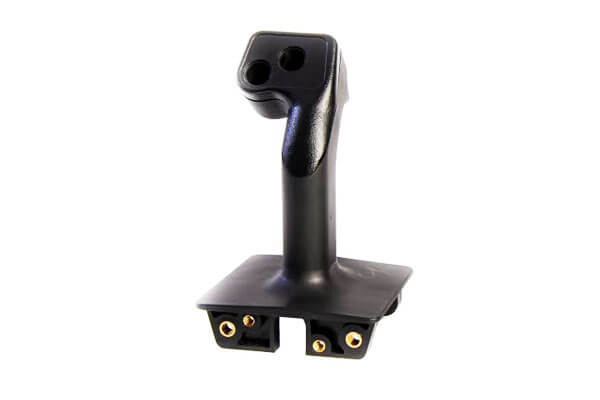
As pastilhas roscadas estão entre as pastilhas mais comuns usadas em moldagem por injeção.
Eles são normalmente fabricados em latão, aço inoxidável, aço carbono, ou ligas de zinco e são incorporados em um componente plástico para fornecer uma conexão roscada durável.
Ao contrário de um fio formado diretamente em plástico, uma inserção de metal pode suportar montagens e desmontagens repetidas com risco substancialmente menor de desgaste ou deformação da rosca.
serrilhado, com nervuras, ou superfícies externas recortadas são frequentemente usadas para melhorar o intertravamento mecânico entre a pastilha e o polímero circundante.
As aplicações típicas incluem:
- Caixas eletrônicas e elétricas
- Componentes automotivos internos e externos
- Produtos de consumo
- Armários industriais
- Suportes de montagem e pontos de fixação
As principais considerações de projeto são a retenção da pastilha, resistência ao arrancamento, resistência de torque rotacional, e espessura adequada da parede plástica ao redor da pastilha.
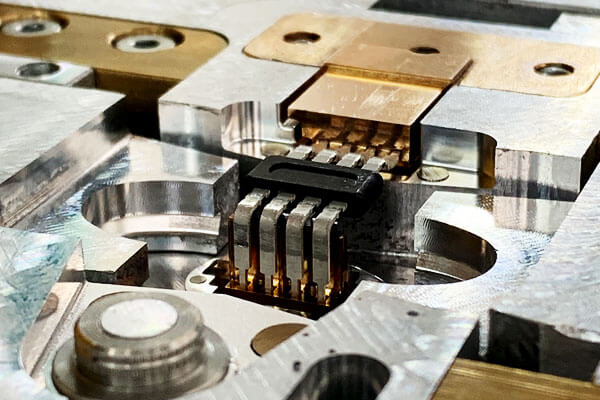
Contatos e terminais elétricos
Insertos elétricos são usados quando o componente moldado deve fornecer simultaneamente proteção estrutural e conectividade elétrica.
Materiais comuns incluem cobre, latão, Bronze de fósforo, e outras ligas condutoras, às vezes com níquel, estanho, prata, ou banhado a ouro.
Exemplos típicos incluem pinos conectores, terminais, elementos de barramento, contatos de aterramento, componentes de mudança, e contatos condutores.
O processo de moldagem deve evitar o deslocamento da pastilha e proteger as superfícies de contato críticas da contaminação do polímero..
A precisão dimensional é particularmente importante porque a posição de um terminal pode determinar a compatibilidade elétrica e mecânica da montagem final.
As principais considerações incluem condutividade elétrica, resistência de contato, Resistência à corrosão, integridade do revestimento, distância de isolamento, e estabilidade dimensional durante a moldagem.
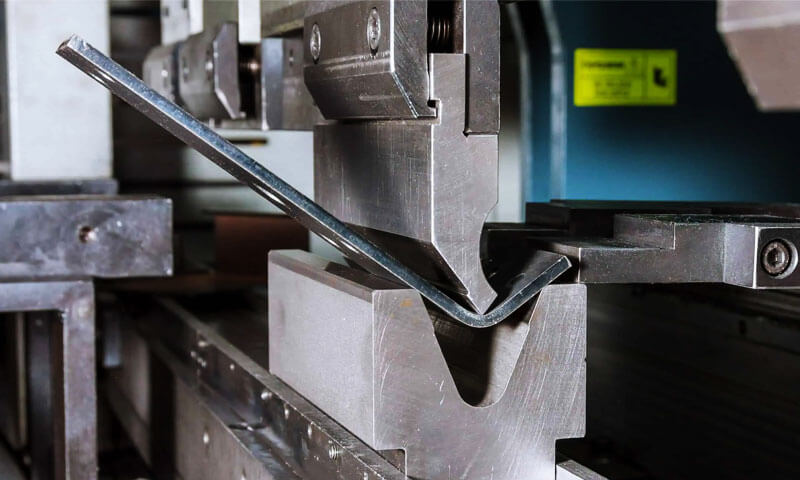
Inserções de metal estampado
As pastilhas estampadas são produzidas a partir de chapa metálica usando estampagem progressiva, socando, flexão, ou operações de formação antes de serem colocadas no molde de injeção.
Eles são particularmente úteis quando um componente plástico requer reforço localizado ou funcionalidade mecânica ou elétrica integrada.
Aço, aço inoxidável, alumínio, e ligas de cobre são comumente usadas.
Insertos estampados podem funcionar como:
- Elementos de reforço estrutural
- Suportes de montagem
- Componentes de aterramento
- Elementos espalhadores de calor
- Condutores elétricos
- Costelas ou armações de reforço
Porque os componentes estampados podem ser fabricados economicamente em grandes volumes, eles são particularmente adequados para aplicações automotivas e elétricas.
Insertos de precisão usinados em CNC
Pastilhas usinadas em CNC são usadas quando o componente incorporado requer tolerâncias dimensionais mais restritas, geometria complexa, ou características de superfície especializadas.
Aço inoxidável, alumínio, titânio, latão, e ligas de engenharia podem ser usinadas em pastilhas altamente precisas antes da moldagem.
Essas inserções são frequentemente usadas em equipamentos médicos, Componentes aeroespaciais, instrumentos de precisão, Sensores industriais, e conjuntos mecânicos de alto desempenho.
A usinagem CNC permite recursos como furos de precisão, tópicos, sulcos, localização de superfícies, e contornos complexos a serem controlados independentemente do processo de moldagem.
Isto é particularmente valioso quando certas superfícies funcionais não conseguem atingir a precisão necessária economicamente apenas através da moldagem por injeção.
Pastilhas Cerâmicas
As pastilhas cerâmicas são selecionadas para aplicações que exigem propriedades que metais e polímeros convencionais não podem fornecer.
Alumina e zircônia são escolhas comuns devido à sua resistência a altas temperaturas, isolamento elétrico, dureza, e resistência ao desgaste.
Eles podem ser usados em:
- Componentes de isolamento elétrico
- Conjuntos de alta temperatura
- Componentes resistentes ao desgaste
- Altas do sensor
- Dispositivos médicos e industriais especializados
A cerâmica é inerentemente frágil, no entanto, então carregamento de molde, manuseio de inserção, choque térmico, e a fixação mecânica devem ser cuidadosamente controladas.
O polímero selecionado para moldagem também deve ser compatível com o comportamento de expansão térmica da cerâmica.
Inserções de vidro
O vidro pode ser incorporado em componentes poliméricos moldados quando a transparência óptica, Resistência química, ou inspeção visual é necessária.
O vidro borossilicato é particularmente útil devido ao seu coeficiente relativamente baixo de expansão térmica e boa estabilidade térmica e química..
As aplicações típicas incluem janelas de visualização, componentes ópticos, indicadores de nível de fluido, sensores, e produtos médicos ou laboratoriais especializados.
O projeto do molde deve proteger o vidro contra estresse mecânico excessivo e choque térmico. O posicionamento preciso também é essencial quando o vidro funciona como superfície óptica ou de vedação.
Inserções de polímero
A moldagem por inserção não se limita a metais e materiais inorgânicos. Um componente de polímero pré-formado também pode ser moldado em outro polímero quando diferentes características de material são necessárias na mesma montagem..
Por exemplo, um plástico de engenharia rígido pode fornecer suporte estrutural, enquanto um elastômero mais macio fornece vedação ou isolamento de vibração.
Materiais como PEEK, Ptfe, TPU, e outros polímeros de engenharia podem, portanto, servir como insertos dependendo da aplicação.
O principal desafio técnico é conseguir ligação interfacial suficiente ou retenção mecânica entre os dois polímeros.
Diferenças na temperatura de fusão, Expansão térmica, Compatibilidade química, e o encolhimento devem ser considerados durante a seleção do material e o projeto do molde.
4. Materiais para moldagem por inserção
A seleção de materiais para moldagem por inserção envolve duas decisões separadas, mas interconectadas: o material de inserção e a resina de moldagem.
Os dois materiais devem suportar a temperatura e pressão de moldagem, proporcionando retenção mecânica adequada, estabilidade dimensional, e, onde aplicável, compatibilidade química ou elétrica.
Materiais de inserção comuns
| Inserir material | Principais características | Aplicações típicas | Considerações importantes |
| Latão | Excelente máquina, boa condutividade, Resistência à corrosão | Inserções roscadas, terminais, conectores elétricos | Oxidação, requisitos de revestimento, Expansão térmica |
| Aço inoxidável | Alta resistência, Resistência à corrosão, resistência à temperatura | Médico, automotivo, componentes industriais | Maior custo de usinagem; inserir preparação de superfície |
| Aço carbono | Alta resistência e custo relativamente baixo | Inserções estruturais, prendedores, componentes de reforço | Proteção contra corrosão pode ser necessária |
| Alumínio | Leve, condutor, boa condutividade térmica | Afotos de calor, inserções estruturais, Componentes automotivos | Menor dureza e resistência do que muitos aços |
| Ligas de cobre | Alta condutividade elétrica e térmica | Contatos elétricos, terminais, inserções condutoras | Custo do material e oxidação |
Titânio |
Alta força específica, Resistência à corrosão, baixa densidade | Aeroespacial, médico, componentes de alto desempenho | Alto custo de material e usinagem |
| Cerâmica | Resistência a altas temperaturas, dureza, isolamento elétrico | Sensores, isoladores, componentes de desgaste | Fragilidade e sensibilidade ao choque térmico |
| Vidro | Transparência, Estabilidade química, estabilidade dimensional | Peças ópticas, óculos de visão, sensores | Fragilidade e sensibilidade ao choque térmico |
| Plásticos de Engenharia | Leve, Resistência química, propriedades mecânicas personalizadas | Montagens multimateriais, vedações, componentes isolantes | Compatibilidade e ligação de polímeros |
Resinas termoplásticas para moldagem por inserção
Os termoplásticos são os materiais de moldagem mais utilizados porque podem ser aquecidos, injetado ao redor da inserção, e solidificado em um componente de formato preciso.
A escolha da resina depende da carga mecânica, temperatura, exposição química, requisitos elétricos, aparência, e vida útil esperada.
| Resina para Moldagem | Propriedades -chave | Aplicações típicas | Inserir compatibilidade |
| Abs | Boa resistência ao impacto, estabilidade dimensional, aparência superficial | Caixas, Componentes automotivos, produtos de consumo | Excelente com inserções de metal comuns |
| Nylon (PA6 / PA66) | Alta resistência, resistência ao desgaste, capacidade de temperatura | Automotivo, engrenagens, Componentes estruturais | Excelente; o condicionamento de umidade deve ser considerado |
| Policarbonato (PC) | Força de alto impacto, transparência, Resistência ao calor | Capinhas eletrônicas, dispositivos médicos, componentes ópticos | Bom |
| POM (Acetal) | Baixo atrito, alta rigidez, boa estabilidade dimensional | Engrenagens, buchas, Componentes mecânicos de precisão | Bom; é necessário um controle cuidadoso das condições de moldagem |
| PBT | Bom isolamento elétrico, Resistência química, estabilidade dimensional | Conectores, sensores, componentes elétricos automotivos | Excelente |
ESPIAR |
Alta resistência, Excelente resistência química, capacidade de alta temperatura | Aeroespacial, médico, semicondutores e componentes industriais exigentes | Excelente para aplicações de alto desempenho |
| PP | Baixa densidade, Resistência química, baixo custo | Automotivo, produtos de consumo, componentes industriais | Bom; a adesão à superfície pode exigir consideração especial |
| TPU | Elasticidade, Resistência à abrasão, Absorção de impacto | Vedações, punhos, rodas, componentes flexíveis | Bom, especialmente para intertravamento mecânico |
| LSR | Excelente flexibilidade, resistência à temperatura, resistência às intempéries e biocompatibilidade | Selos médicos, diafragmas, Juntas, componentes de toque suave | Excelente quando projetado adequadamente para ligação mecânica ou química |
A compatibilidade do material é crítica
A pastilha e o polímero não coexistem simplesmente dentro do componente acabado; eles formam um sistema composto que experimenta calor, mecânico, e tensões ambientais ao longo de sua vida útil.
Um dos fatores mais importantes é Expansão térmica. Os metais geralmente têm coeficientes de expansão térmica mais baixos do que muitos polímeros.
Durante a moldagem e posterior resfriamento, esta diferença pode gerar tensão residual na interface inserto-polímero. Estresse excessivo pode causar rachaduras, Vareira, lacunas interfaciais, ou força de retenção reduzida.
A temperatura de moldagem também deve permanecer abaixo da temperatura na qual a pastilha sofre alterações dimensionais ou metalúrgicas indesejáveis..
Por outro lado, o polímero deve ter fluxo de fusão suficiente para envolver completamente a inserção e preencher regiões estreitas sem produzir vazios ou encapsulamento incompleto.
A condição da superfície é igualmente importante. Dependendo do aplicativo, superfícies de inserção podem ser serrilhadas, ranhurado, tratado quimicamente, banhado, áspero, ou modificado de outra forma para melhorar o intertravamento mecânico ou a adesão.
Para inserções elétricas, no entanto, a superfície de contato funcional pode precisar permanecer limpa e livre de contaminação por polímero.
5. Processos de fabricação de moldagem de inserção
A moldagem por inserção pode ser implementada através de diferentes configurações de produção, dependendo da complexidade da peça, volume de produção, inserir geometria, requisitos trabalhistas, e precisão dimensional.
| Processo de fabricação | Descrição | Principais vantagens |
| Carregamento manual de inserção | Os operadores colocam manualmente cada inserto no molde antes do ciclo de injeção. Depois de confirmar a posição da inserção, o molde fecha e o polímero é injetado ao seu redor. | Baixo investimento inicial; flexível para mudanças frequentes de design; adequado para configurações complexas de pastilhas. |
| Moldagem por inserção semiautomática | As inserções são preparadas ou fornecidas automaticamente, enquanto os operadores realizam o carregamento, posicionamento, ou inspeção final. Algumas etapas do ciclo de moldagem são automatizadas. | Melhor produtividade e consistência do que o carregamento totalmente manual sem o investimento necessário para automação completa. |
| Moldagem por inserção totalmente automatizada | Robôs, sistemas pick-and-place, alimentadores, sensores, e sistemas de visão carregam inserções automaticamente, verificar sua presença e orientação, executar moldagem, e remova os componentes acabados. | Alta eficiência de produção; posicionamento consistente da pastilha; mão de obra reduzida; melhor rastreabilidade e repetibilidade. |
| Moldagem por injeção vertical | O molde fecha verticalmente, comumente permitindo que as inserções sejam colocadas na metade inferior do molde antes da injeção. | Colocação fácil da inserção; boa acessibilidade; risco reduzido de deslocamento da pastilha durante o carregamento; adequado para carregamento manual ou automatizado. |
Vertical vs.. Moldagem por injeção horizontal |
Máquinas horizontais injetam polímero em um molde posicionado horizontalmente, enquanto as máquinas verticais usam um molde orientado verticalmente. A configuração ideal depende da geometria da pastilha, Tamanho da peça, estratégia de automação, e requisitos de produção. | A seleção correta da máquina pode melhorar a estabilidade da pastilha, eficiência do ciclo, compatibilidade de automação, e custo total de fabricação. |
| Moldagem por inserção multicavidades | Um único molde contém múltiplas cavidades idênticas, com insertos posicionados em cada cavidade antes da injeção simultânea. | Alto rendimento por ciclo; menor custo unitário em volumes de produção suficientes; uso eficiente do tempo da máquina. |
6. Considerações sobre o projeto de moldagem de inserção
A moldagem por inserção bem-sucedida começa com o design e não com a produção. A inserção, polímero, mofo, e as condições de processamento devem ser consideradas como um sistema integrado.
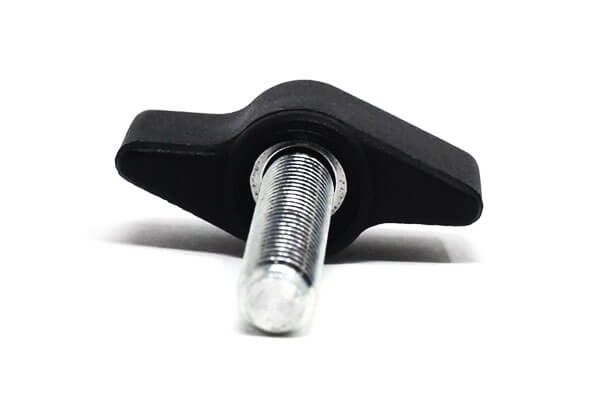
Inserir Geometria e Retenção Mecânica
A geometria da pastilha tem influência direta na resistência do conjunto moldado.
Uma pastilha cilíndrica lisa pode fornecer resistência relativamente limitada à rotação ou ao arrancamento, enquanto serrilhado, sulcos, costelas, buracos, ou outros recursos de travamento mecânico podem melhorar substancialmente a retenção.
Por exemplo, uma inserção roscada de latão usada em um invólucro de plástico não deve depender apenas do polímero circundante para resistir ao torque de instalação.
A geometria externa ou recartilhada adequadamente projetada distribui a carga no polímero e reduz a possibilidade de rotação da pastilha.
O projeto deve, portanto, distinguir entre:
- Retenção axial, o que evita que a inserção seja puxada.
- Retenção rotacional, o que evita que a pastilha gire.
- Retenção lateral, que controla o movimento dentro do componente moldado.
- Precisão posicional, que determina a localização final da interface funcional.
Espessura da parede ao redor das inserções
A espessura adequada do polímero deve ser mantida ao redor da inserção para fornecer suporte estrutural e permitir enchimento confiável.
Se a parede circundante for muito fina, o polímero pode esfriar prematuramente ou desenvolver tensão excessiva. Se for muito grosso, podem ocorrer encolhimento localizado e marcas de afundamento.
Como princípio geral de design, o polímero deve transitar gradualmente ao redor da pastilha, em vez de formar mudanças abruptas na espessura da parede.
As dimensões exatas dependem da resina, tamanho da inserção, condições de moldagem, e requisitos mecânicos.
Ângulos de inclinação e ejeção
O rascunho deve ser incorporado nas superfícies do molde sempre que possível para facilitar a liberação da peça.
A tiragem insuficiente aumenta a força de ejeção e pode causar arranhões, deformação, ou danos ao redor da inserção.
A presença de uma pastilha também pode complicar a ejeção porque o metal e o polímero têm diferentes comportamentos de contração..
Os projetistas de ferramentas devem garantir que os pinos ejetores, levantadores, deslizamentos, e outros mecanismos não interferem na inserção.
Localização da porta e fluxo de polímero
A localização da porta é particularmente importante na moldagem por pastilha porque a pastilha pode obstruir o fluxo do polímero e criar linhas de solda, armadilhas de ar, ou enchimento irregular.
A porta geralmente deve ser posicionada de modo que o polímero flua suavemente ao redor da inserção, em vez de impactar diretamente uma característica frágil ou mal suportada..
Para componentes complexos, múltiplos portões ou injeção sequencial podem ser considerados para obter enchimento equilibrado.
A simulação de fluxo pode ajudar a prever:
- Tempo de preenchimento
- Formação de linha de solda
- Aprisionamento de ar
- Distribuição de pressão
- Orientação da fibra
- Inserir deslocamento
- Potenciais tiros curtos
Isto é especialmente valioso para componentes moldados por inserção grandes ou altamente projetados.
Expansão Térmica e Tensão Residual
Uma das questões mais importantes do projeto é a diferença na expansão térmica entre a pastilha e o polímero.
Os metais geralmente têm coeficientes de expansão térmica mais baixos do que muitos termoplásticos..
À medida que a peça moldada esfria da temperatura de processamento até a temperatura ambiente, a contração diferencial pode gerar tensões ao redor da interface.
Para montagens de precisão, engenheiros devem avaliar:
- Inserir material
- Coeficiente de expansão térmica do polímero
- Temperatura de processamento
- Faixa de temperatura operacional
- Inserir dimensões
- Espessura do encapsulamento
- Ciclagem térmica esperada
Isto se torna particularmente importante no setor automotivo, eletrônico, e aplicações de alta temperatura.
Compatibilidade do material
A inserção e o polímero devem ser compatíveis não apenas mecanicamente, mas também química e termicamente.
Problemas potenciais incluem corrosão, ataque químico, baixa adesão, interação galvânica, absorção de umidade, e degradação durante a moldagem.
Por exemplo, polímeros de engenharia sensíveis à umidade, como certos tipos de náilon e PEEK, requerem secagem adequada antes do processamento.
O controle inadequado de umidade pode causar hidrólise, propriedades mecânicas reduzidas, Defeitos de superfície, ou instabilidade dimensional.
Condição da superfície da inserção
A condição da superfície da pastilha influencia fortemente a qualidade e repetibilidade da interface moldada.
Superfícies lisas podem ser apropriadas quando for necessária montagem controlada ou condutividade elétrica, enquanto superfícies texturizadas podem fornecer maior intertravamento mecânico.
Dependendo do aplicativo, inserções podem ser:
- serrilhado
- Ranhurado
- Perfurado
- Revestido
- Banhado
- Áspero
- Tratado quimicamente
O tratamento de superfície selecionado deve ser compatível com o polímero e o ambiente de serviço, em vez de ser escolhido apenas pela aparência.
Ventilação de molde
A ventilação adequada é essencial quando o polímero flui ao redor de uma pastilha. O ar preso entre a inserção e a parede da cavidade pode produzir queimaduras, vazios, encapsulamento incompleto, ou regiões de interface fracas.
As aberturas de ventilação devem, portanto, ser posicionadas em locais onde o ar possa se acumular, particularmente perto do final dos caminhos de fluxo e ao redor de geometrias de pastilhas complexas.
Inserir tolerâncias e precisão de posicionamento
A tolerância dimensional do inserto deve ser considerada em conjunto com a tolerância do plástico moldado.
Para montagens de alta precisão, a posição da pastilha pode precisar ser controlada em vários eixos porque mesmo um pequeno erro de posição pode afetar o alinhamento do conector, concentricidade do eixo, precisão de fixação, ou espaçamento de contato elétrico.
Um desenho prático de moldagem por inserção deve, portanto, identificar dimensões críticas para o funcionamento, em vez de aplicar tolerâncias desnecessariamente estreitas a cada recurso.
Automação e produção de alto volume
Para produção em massa, o projeto deve ser otimizado para carregamento automatizado da pastilha e posicionamento confiável ciclo a ciclo.
Recursos que permitem que a pastilha seja orientada em apenas uma direção podem reduzir bastante os erros de montagem.
Sistemas automatizados podem usar equipamentos robóticos de coleta e colocação, alimentadores de tigela, inspeção de visão, sensores, e carregamento automatizado de moldes.
Projetar a pastilha e as ferramentas para automação pode melhorar substancialmente a consistência da produção e, ao mesmo tempo, reduzir os requisitos de mão de obra.
7. Vantagens da moldagem por inserção
| Vantagem | Explicação |
| Integração de design | Combina vários componentes (inserir + plástico) em um único, parte integrada, reduzindo a montagem e o manuseio. |
| Redução de custos | Elimina operações secundárias (Por exemplo, colando, pressionando, de solda) e reduz custos de montagem. |
| Propriedades mecânicas melhoradas | O plástico encapsula a inserção, criando um forte, vínculo durável, muitas vezes com intertravamento mecânico. |
| Desempenho aprimorado | Combina as melhores propriedades de ambos os materiais: a resistência e condutividade da pastilha com a flexibilidade de design e resistência à corrosão do plástico. |
| Liberdade de design | Permite geometrias complexas, sobremolamento, e componentes multimateriais. |
Estabilidade dimensional |
A pastilha proporciona estabilidade dimensional e precisão. |
| Integração funcional | Permite recursos funcionais (tópicos, contatos elétricos, vedações, etc.) ser integrado diretamente na parte. |
| Redução de peso | Substitui montagens totalmente metálicas mais pesadas por híbridos plástico-metal mais leves. |
| Resistência à corrosão | O plástico protege a pastilha contra corrosão e ataques ambientais. |
| Isolamento elétrico | O plástico fornece isolamento ao redor da inserção. |
8. Aplicações de Moldagem por Inserção
A moldagem por inserção é amplamente utilizada quando um componente moldado de polímero deve incorporar um metal, cerâmica, vidro, ou outro material de engenharia como parte integrante da montagem acabada.
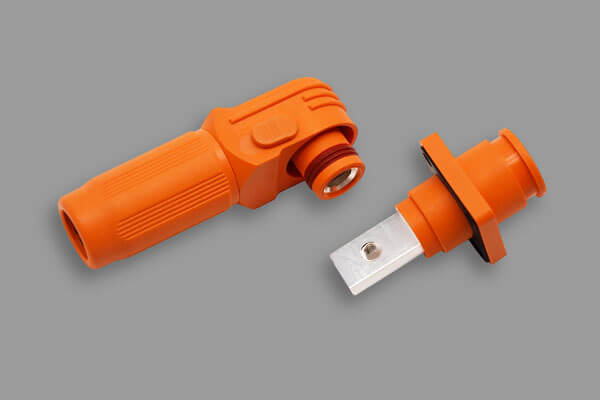
Componentes automotivos
O automotivo a indústria é uma das principais áreas de aplicação para moldagem por inserção.
As inserções metálicas podem fornecer reforço estrutural ou pontos de fixação confiáveis, enquanto o polímero circundante reduz o peso e integra funções adicionais.
As aplicações típicas incluem:
- Conectores e terminais elétricos automotivos
- Carcaças de sensores e componentes de montagem
- Pontos de montagem roscados
- Buchas e suportes de rolamento
- Componentes de comutação e controle
- Componentes do sistema de combustível e fluido
- Componentes elétricos sob o capô
Componentes elétricos e eletrônicos
A moldagem por inserção é particularmente eficaz para componentes elétricos porque as inserções metálicas condutoras podem ser encapsuladas em polímeros eletricamente isolantes.
Cobre, latão, Bronze de fósforo, e outras ligas condutoras são comumente usadas para terminais, pinos, contatos, e componentes relacionados ao barramento.
O polímero moldado fornece isolamento elétrico enquanto mantém a posição precisa dos elementos condutores.
As aplicações incluem:
- Conectores elétricos
- Blocos terminais
- Trocar componentes
- Altas do sensor
- Componentes da bobina e do motor
- Conectores de fios e cabos
- Módulos de controle eletrônico
Componentes médicos e de saúde
Médico os dispositivos geralmente exigem componentes compactos que combinam características mecânicas de precisão com polímeros biocompatíveis ou quimicamente resistentes.
A moldagem por inserção pode integrar componentes de aço inoxidável, pinos de precisão, elementos encadeados, e outras inserções funcionais diretamente em invólucros de polímero.
As aplicações típicas incluem:
- Instrumentos cirúrgicos e de diagnóstico
- Conectores médicos
- Componentes para manuseio de fluidos
- Caixas de dispositivos
- Conjuntos médicos descartáveis
- Componentes de posicionamento de precisão
Equipamento e máquinas industriais
Produtos industriais frequentemente exigem insertos metálicos roscados, buchas resistentes ao desgaste, eixos, componentes de reforço, ou elementos de montagem de precisão em estruturas poliméricas.
As aplicações incluem:
- Caixas de máquinas
- Alças industriais
- Componentes de engrenagem e acionamento
- Rolamentos e buchas
- Componentes hidráulicos e pneumáticos
- Equipamento de controle
- Sensores industriais
Produtos de consumo e domésticos
Os produtos de consumo se beneficiam da moldagem por inserção quando a aparência, eficiência de montagem, e integração funcional são importantes.
Exemplos incluem:
- Carcaças de ferramentas elétricas
- Componentes do aparelho
- Câmera e caixas eletrônicas
- Alças e punhos
- Hardware de móveis
- Equipamento esportivo
- Produtos de higiene pessoal
Aplicações aeroespaciais e de alto desempenho
As aplicações aeroespaciais impõem requisitos particularmente exigentes em termos de materiais e consistência de fabricação.
Inserções metálicas usinadas com precisão podem ser incorporadas em polímeros de engenharia de alto desempenho, como PEEK ou termoplásticos reforçados.
As aplicações potenciais incluem:
- Componentes estruturais leves
- Conectores elétricos
- Conjuntos de sensores
- Hardware interior de aeronaves
- Carcaças de alta temperatura
- Componentes de fixação de precisão
9. Inserir Moldagem vs.. Outros métodos de fabricação
A moldagem por inserção não é universalmente superior à montagem convencional ou outras tecnologias de moldagem. Seu principal valor vem da integração de diversas funções de fabricação em um único componente.
O processo apropriado depende do volume de produção, geometria de parte, combinação de materiais, desempenho necessário, e custo total de fabricação.
| Método de fabricação | Abordagem Básica | Vantagens | Limitações | Mais adequado para |
| Inserir Moldagem | Molde o polímero diretamente em torno de uma inserção pré-posicionada. | Integra componentes; reduz a montagem; excelente consistência posicional; projetos compactos. | Requer ferramentas compatíveis com pastilhas e design cuidadoso de materiais/processos. | Conjuntos metal-plástico, conectores, componentes roscados, Estados de precisão. |
| Moldagem por Injeção Convencional + Conjunto | Molde as peças de polímero separadamente e monte as inserções depois. | Alta flexibilidade; ferramentas de moldagem simples; fácil substituição de componentes. | Mão de obra adicional, equipamento de montagem, e acumulação de tolerância. | Produtos que exigem trocas frequentes de componentes ou baixa complexidade de montagem. |
| Sobremoldagem | Uma segunda camada de polímero é moldada sobre um polímero ou componente existente. | Boa ergonomia, vedação, e funcionalidade multimaterial. | A ligação polímero a polímero pode exigir uma seleção cuidadosa do material. | Punhos, vedações, produtos de toque suave, componentes multimateriais. |
| Fixação mecânica | Parafusos, parafusos, clipes, ou outros fixadores unem componentes separados. | Fácil desmontagem e manutenção; tecnologia altamente estabelecida. | Mais componentes; maior custo de montagem; tamanho de pacote maior. | Produtos e conjuntos utilizáveis que requerem desmontagem. |
Conjunto de encaixe por pressão |
Uma pastilha é forçada mecanicamente em um recurso moldado ou usinado. | Simples e econômico; nenhum adesivo adicional necessário. | Requer controle preciso de interferência; forças de inserção podem danificar componentes. | Buchas, pinos, rolamentos, e inserções de metal simples. |
| Ligação adesiva | O adesivo une polímero e inserto ou múltiplos componentes. | Pode unir materiais diferentes e distribuir tensões por uma grande área. | Tempo de cura, Preparação de superfície, envelhecimento, e compatibilidade química podem ser preocupações. | Vedação, ligação estrutural, e montagens complexas de materiais diferentes. |
| Fundição de inserção de metal | Insertos de metal são incorporados durante uma operação de fundição de metal. | Adequado para componentes com predominância de metal e aplicações de alta temperatura. | Temperaturas mais altas restringem a seleção da pastilha e do material. | Carcaças e componentes metálicos que exigem recursos incorporados. |
10. Soluções personalizadas de moldagem por inserção da LangHe Tech
Um fornecedor confiável de moldagem por inserção deve fornecer mais do que capacidade de moldagem por injeção.
A qualidade do componente final depende da interação entre a fabricação da pastilha, Design de molde, seleção de polímero, parâmetros de injeção, Controle dimensional, e inspeção pós-moldagem.
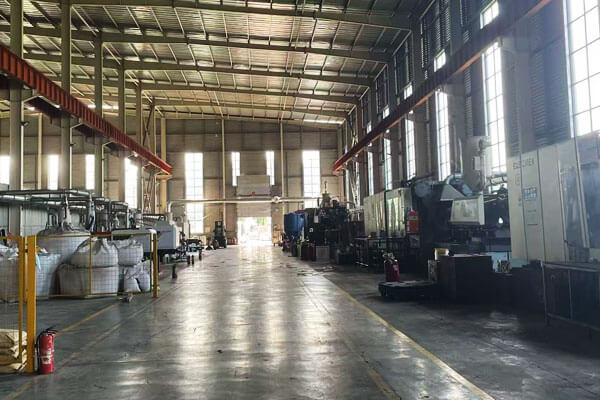
LangHe Tecnologia pode abordar a moldagem por inserção personalizada como um processo de fabricação integrado, começando com os requisitos funcionais e desenhos de engenharia do cliente e estendendo-se através de ferramentas, moldagem, Inspeção, e entrega de produção.
| Capacidade | Detalhes |
| Inserir materiais | Latão, cobre, aço inoxidável, alumínio, titânio, ESPIAR, cerâmica, vidro. |
| Resinas | Abs, nylon (PA6, PA66), PC, POM, PBT, ESPIAR, PP, TPU, LSR, e notas personalizadas. |
| Tipos de inserção | Inserções roscadas, contatos elétricos, inserções de estampagem, pastilhas usinadas com precisão, inserções personalizadas. |
| Moldagem | Moldagem por injeção, sobremolamento, moldagem de dois tiros, moldagem por compressão. |
| Inserção | Manual, semi-automatizado, inserção robótica totalmente automatizada. |
| Qualidade | ISO 9001:2015 certificado; 100% Inspeção; Cmm; sistemas de visão. |
| Tempo de espera | 2–4 semanas para protótipos; 4–6 semanas para ferramentas de produção. |
11. Conclusão
A moldagem por inserção é uma tecnologia de fabricação altamente eficaz para integrar metal, cerâmica, vidro, ou outras inserções diretamente em componentes termoplásticos ou elastoméricos.
Sua vantagem fundamental é integração funcional: vários materiais e funções podem ser combinados em um único componente moldado, reduzindo as operações de montagem subsequentes.
No entanto, O sucesso da moldagem por pastilha depende muito mais do que simplesmente colocar uma pastilha dentro de um molde.
Inserir geometria, seleção de polímero, Expansão térmica, Design de molde, pressão de injeção, comportamento de preenchimento, resfriamento, automação, e a inspeção de qualidade devem ser consideradas em conjunto.
A abordagem mais confiável é, portanto, tratar a moldagem por inserção como uma solução de engenharia integrada, em vez de uma operação isolada de moldagem por injeção..
Análise adequada de DFM, fabricação controlada de insertos, ferramentas otimizadas, parâmetros de processo validados, e a inspeção sistemática são a base para a produção de componentes moldados por inserção confiáveis em escala comercial.
Perguntas frequentes
Como as pastilhas são mantidas em posição durante a moldagem?
As inserções podem ser retidas usando cavidades de molde, pinos de localização, núcleos, sulcos, grunhidos, Undercuts, recursos de interferência, sistemas magnéticos, retenção de vácuo, ou mecanismos de preensão automatizados.
O método apropriado depende da geometria da pastilha e dos requisitos de produção.
Qual é a diferença entre moldagem por inserção e sobremoldagem?
Inserir moldagem geralmente envolve moldar polímero em torno de uma inserção pré-fabricada, muitas vezes um componente metálico.
Sobremoldagem normalmente envolve moldar um material sobre um substrato existente, que pode ser outro polímero, um elastômero, ou um componente previamente moldado. As duas tecnologias podem se sobrepor em certas aplicações.
A moldagem por inserção pode ser usada com borracha de silicone líquida (LSR)?
UM: Sim. LSR pode ser usado para moldagem por inserção de vedações, Juntas, e componentes médicos. Oferece excelente resistência ao calor e biocompatibilidade.