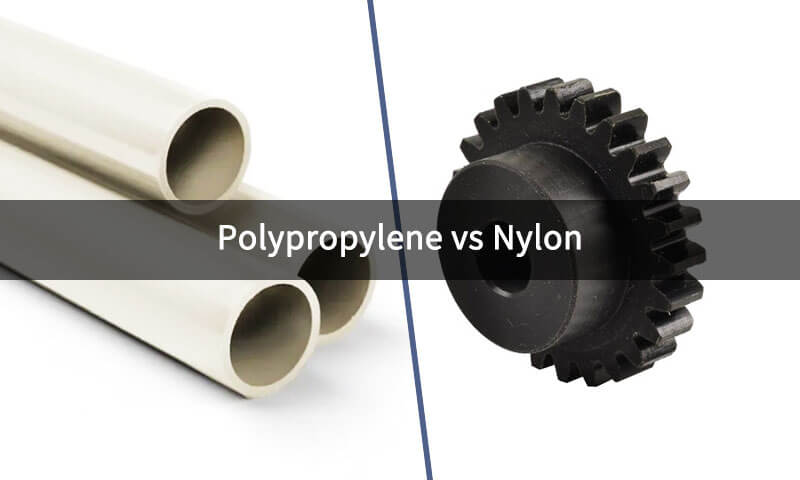
O polipropileno é uma poliolefina semicristalina conhecida por sua baixa densidade, excelente resistência à umidade, Resistência química, Resistência à fadiga, e processamento relativamente fácil.
Nylon, uma família de poliamidas, é geralmente reconhecido por sua maior resistência e rigidez, Excelente resistência, baixo atrito, resistência ao desgaste, e melhor desempenho em altas temperaturas.
Também é importante evitar tratar qualquer material como um único, especificação fixa. PP e náilon são famílias de materiais e não classes individuais.
PA6, PA66, PA12, nylon cheio de vidro, Homopolímero PP, Copolímero PP, PP com enchimento mineral, e o PP reforçado com vidro podem ter propriedades substancialmente diferentes.
Portanto, um significativo polipropileno vs náilon a comparação deve considerar não apenas a força e a resistência à temperatura, mas também absorção de umidade, Compatibilidade química, fricção e desgaste, desempenho elétrico, estabilidade dimensional, comportamento de moldagem por injeção, custo de fabricação, e condições reais de serviço.
1. O que é polipropileno?
Polipropileno (PP) é um polímero termoplástico amplamente utilizado pertencente ao família de poliolefinas.
É valorizado por sua baixa densidade, Excelente resistência química, absorção de umidade muito baixa, bom desempenho de fadiga, isolamento elétrico, e processabilidade eficiente.
O polipropileno é particularmente atraente quando os componentes plásticos precisam combinar baixo peso, resistência química e à umidade, boa resistência, desempenho de flexão repetida, e fabricação econômica.
O polipropileno difere fundamentalmente do náilon em sua química molecular. Sua estrutura polimérica consiste principalmente em cadeias de hidrocarbonetos com grupos metil recorrentes. (-CH₃) ligado à espinha dorsal de carbono.
Ao contrário do náilon, O PP não contém grupos amida polares capazes de formar fortes ligações de hidrogênio com moléculas de água.
Esta estrutura molecular relativamente não polar é responsável por muitas das importantes características de engenharia do polipropileno..
Contribui para a sua baixíssima absorção de água, excelente resistência a muitos produtos químicos, isolamento elétrico estável, baixa densidade, e boa resistência a mudanças dimensionais relacionadas à umidade.
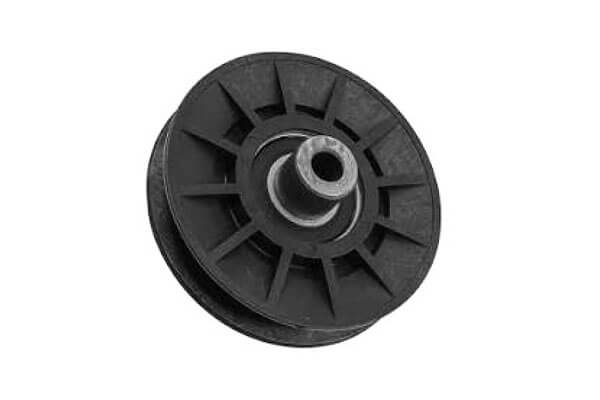
Diferentes formulações podem ser projetadas para diferentes aplicações.
Categorias comuns de polipropileno incluem:
- Homopolímero PP
- Copolímero aleatório PP
- Copolímero de impacto PP
- PP reforçado com fibra de vidro
- PP com enchimento mineral
- PP preenchido com talco
- PP estabilizado contra UV
- PP retardador de chama
- PP eletricamente modificado
A capacidade de modificar PP através da copolimerização, preenchimentos, fibras, e aditivos permitem que os fabricantes equilibrem a rigidez, resistência ao impacto, Resistência química, aparência, comportamento de processamento, e custo.
Vantagens e Limitações do Polipropileno
As principais vantagens do polipropileno incluem:
- Baixa densidade: PP produz componentes leves.
- Excelente resistência à umidade: A absorção de água é extremamente baixa.
- Boa resistência química: Particularmente eficaz contra muitos ácidos aquosos, Alkalis, sais, e detergentes.
- Excelente resistência à fadiga: Adequado para flexões repetidas e dobradiças vivas.
- Bom isolamento elétrico: Útil para caixas elétricas e componentes isolantes.
- Excelentes características de moldagem por injeção: Baixa viscosidade de fusão e bom fluxo facilitam a produção de grandes volumes.
- Baixo custo de material: O PP é geralmente mais econômico do que o náilon de engenharia.
- Boa flexibilidade de design: Pode ser produzido em diversas cores, formulações, e aparências superficiais.
No entanto, o polipropileno também tem limitações.
O PP padrão geralmente fornece menor rigidez e desempenho mecânico em altas temperaturas do que o náilon.
Sob cargas mecânicas sustentadas, particularmente a temperaturas elevadas, PP pode sofrer fluência e deformação.
Seu coeficiente relativamente alto de expansão térmica também pode ser importante em aplicações de precisão.
Além disso, PP não modificado pode degradar sob exposição ultravioleta prolongada, portanto, aplicações externas podem exigir estabilizadores UV ou outras medidas de proteção.
2. O que é nylon?
Nylon é uma família de termoplásticos de engenharia pertencentes à poliamida (PA) grupo.
É amplamente utilizado quando os componentes plásticos devem fornecer uma combinação de alta resistência, rigidez, resistência, resistência ao desgaste, baixo atrito, desempenho de fadiga, e capacidade de temperatura elevada.
O nylon difere fundamentalmente do polipropileno na sua química molecular.
A espinha dorsal do polímero contém recorrentes grupos amida (-CONH-), que criam interações intermoleculares mais fortes do que aquelas presentes na estrutura de hidrocarbonetos não polares do PP.
Esses grupos amida são responsáveis por muitas das propriedades de engenharia desejáveis do náilon.
Eles contribuem para sua resistência mecânica, rigidez, resistência, e capacidade de suportar fricção e carregamento repetidos.
Ao mesmo tempo, a natureza polar dos grupos amida faz com que o náilon absorva umidade. Esta é uma das considerações mais importantes quando se compara náilon vs polipropileno.
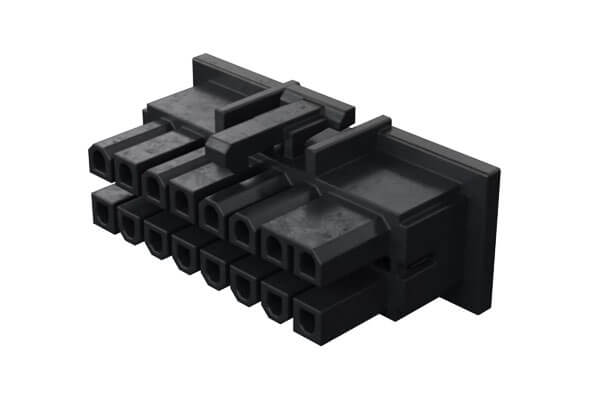
O nylon não é um material único. Existem várias famílias de poliamidas comercialmente importantes,
incluindo:
- PA6
- PA66
- PA11
- PA12
- PA46
- Vários tipos de PA reforçados com fibra de vidro
- Classes de PA com preenchimento mineral
- Graus PA retardadores de chama
- Classes de PA estabilizadas termicamente
Entre estes, PA6 e PA66 são particularmente comuns em aplicações de engenharia.
O nylon é amplamente utilizado em componentes mecânicos porque pode combinar desempenho estrutural com atrito relativamente baixo.
Ao contrário de muitos metais, também pode fornecer uma alternativa leve para engrenagens, buchas, rolos, guias, e outros componentes móveis.
Vantagens e limitações do nylon
As principais vantagens do Nylon incluem:
- Alta resistência à tração
- Alta rigidez
- Excelente resistência
- Boa resistência à fadiga
- Excelente resistência ao desgaste
- Baixo atrito
- Boa resistência a cargas mecânicas repetidas
- Melhor desempenho em altas temperaturas do que o PP padrão
- Forte adequação para componentes mecânicos
Suas limitações incluem:
- Maior absorção de umidade
- Mudanças dimensionais relacionadas à umidade
- Requisitos de secagem mais exigentes
- Temperaturas de processamento mais altas
- Maior sensibilidade às condições de processamento
- Maior custo de material
- Possíveis mudanças de propriedades entre estados secos e condicionados por umidade
3. Polipropileno vs Nylon Resistência
Maior resistência e rigidez do nylon
Ao comparar polipropileno versus náilon em termos de resistência mecânica, nylon geralmente fornece maior resistência à tração, rigidez, e capacidade de carga do que o polipropileno não preenchido.
Os graus típicos de PP sem carga têm resistência à tração de aproximadamente 25–40MPa, enquanto os graus comuns PA6 e PA66 normalmente podem atingir cerca de 50–90 MPa, dependendo da nota específica e das condições de teste.
A diferença está intimamente relacionada à estrutura molecular. O polipropileno tem uma estrutura de hidrocarboneto relativamente não polar, enquanto o náilon contém grupos amida polares que criam interações intermoleculares e ligações de hidrogênio mais fortes.
Estas interações restringem o movimento molecular e permitem que o náilon resista à deformação de forma mais eficaz sob carga mecânica..
Excelente desempenho de fadiga por flexão do polipropileno
Embora o náilon seja geralmente mais forte, o polipropileno tem uma importante vantagem mecânica em flexão repetida.
O PP pode suportar flexões cíclicas extensas sem rachar quando o componente é projetado adequadamente.
Isto o torna particularmente adequado para dobradiças vivas, fechos flexíveis, recursos de encaixe, e componentes repetidamente flexionados.
Portanto, maior resistência à tração não torna automaticamente o náilon o melhor material para todas as aplicações mecânicas.
O modo de carregamento deve ser considerado em conjunto com a resistência, rigidez, fadiga, impacto, e requisitos de fluência.
Maior resistência com reforço
Ambos os polímeros podem ser reforçados para alcançar um desempenho mecânico substancialmente superior.
O PP reforçado com fibra de vidro pode atingir resistência à tração de aproximadamente 70–90 MPa em notas representativas, enquanto 30% PA6 reforçado com fibra de vidro pode atingir aproximadamente 130–170 MPa, dependendo da formulação e das condições de teste.
O reforço também aumenta a rigidez e a resistência à fluência, embora possa introduzir maior anisotropia, diferenças de encolhimento de moldagem, e considerações de processamento.
4. Resistência à temperatura de polipropileno vs nylon
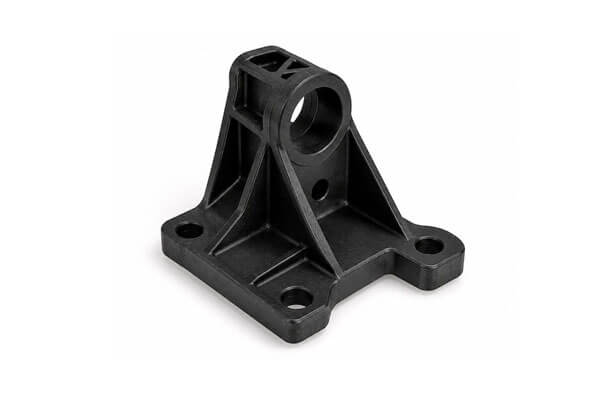
Maior resistência à temperatura do nylon
O nylon geralmente oferece melhor resistência à temperatura do que o polipropileno, particularmente quando o material deve manter resistência mecânica e rigidez em temperaturas elevadas.
Os graus típicos de polipropileno têm uma temperatura de fusão de aproximadamente 160–170 ° C., enquanto PA6 derrete em torno 220° c e PA66 em aproximadamente 255° c.
No entanto, a temperatura de fusão não deve ser confundida com a temperatura operacional contínua.
Componentes termoplásticos geralmente perdem rigidez e capacidade de suporte de carga bem antes de atingirem seu ponto de fusão..
O nylon geralmente retém propriedades mecânicas úteis em temperaturas mais altas.
Dependendo do grau e reforço, o náilon pode fornecer desempenho de deflexão térmica significativamente melhor e resistência à deformação.
Capacidade de temperatura moderada do polipropileno
O polipropileno permanece altamente eficaz em muitas aplicações que operam em temperaturas moderadas.
Seu baixo custo, Resistência química, e a baixa absorção de umidade pode torná-lo mais econômico do que o náilon quando a resistência a temperaturas extremas não é necessária.
Por exemplo, PP é amplamente utilizado para recipientes, dutos, caixas, componentes de tubulação, e peças interiores automotivas onde as temperaturas operacionais permanecem dentro da faixa prática do material.
5. Polipropileno vs Nylon Umidade e Resistência Química
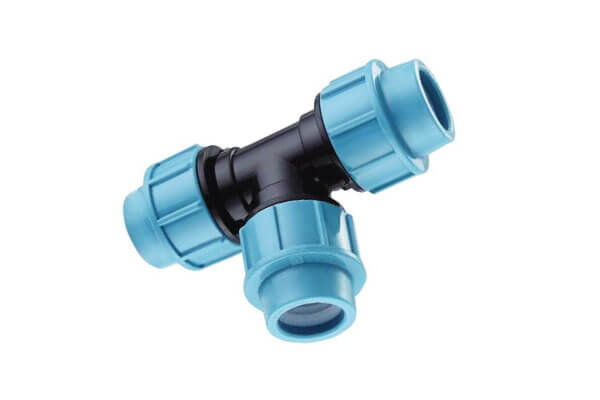
Resistência superior à umidade do polipropileno
O polipropileno tem uma grande vantagem sobre o náilon na resistência à umidade. Sua estrutura molecular é predominantemente apolar, então a água tem interação muito limitada com as cadeias poliméricas.
Classes típicas de polipropileno apresentam absorção de água extremamente baixa, muitas vezes por perto 0.01% ou menos depois 24 horas, dependendo da nota e método de teste.
Esta baixa absorção de umidade permite que os componentes de PP mantenham dimensões relativamente estáveis, peso, propriedades mecânicas, e características elétricas em ambientes úmidos ou molhados.
Maior absorção de umidade de nylon
O nylon se comporta de maneira diferente porque sua estrutura molecular contém grupos amida polares.
Esses grupos interagem prontamente com moléculas de água, permitindo que o náilon absorva significativamente mais umidade.
Dependendo do tipo de poliamida e das condições ambientais, nylon pode absorver vários por cento do seu peso em água no equilíbrio.
PA6 e PA66 são particularmente sensíveis à umidade em comparação com o polipropileno.
A umidade atua como plastificante no náilon. À medida que o conteúdo de água aumenta, o náilon geralmente se torna mais dúctil enquanto sua rigidez e resistência diminuem. Ao mesmo tempo, expansão dimensional pode ocorrer.
Este comportamento é particularmente importante para componentes de precisão, como engrenagens, buchas, conectores, e alojamentos de tolerância apertada.
Excelente resistência química do polipropileno
O polipropileno também oferece excelente resistência a muitos produtos químicos, particularmente ácidos diluídos, Alkalis, sais, detergentes, e soluções químicas aquosas.
Esta combinação de resistência química e baixa absorção de umidade torna o PP amplamente utilizado em recipientes de produtos químicos, tanques, tubulação, equipamento de laboratório, forros, e componentes para manuseio de fluidos.
Resistência química do nylon boa, mas mais dependente da aplicação
O nylon fornece resistência útil a muitos óleos, combustíveis, graxas, e produtos químicos industriais. No entanto, sua resistência química é mais dependente das condições químicas e de serviço específicas.
Certos ácidos fortes e ambientes químicos agressivos podem atacar materiais de poliamida. A temperatura elevada e o estresse mecânico podem influenciar ainda mais a compatibilidade química.
Consequentemente, o náilon não deve ser selecionado apenas com base em classificações gerais de resistência química.
O real concentração química, temperatura, duração da exposição, nível de estresse, e grau de náilon deve ser avaliado.
6. Polipropileno vs Nylon Resistência à fricção e ao desgaste
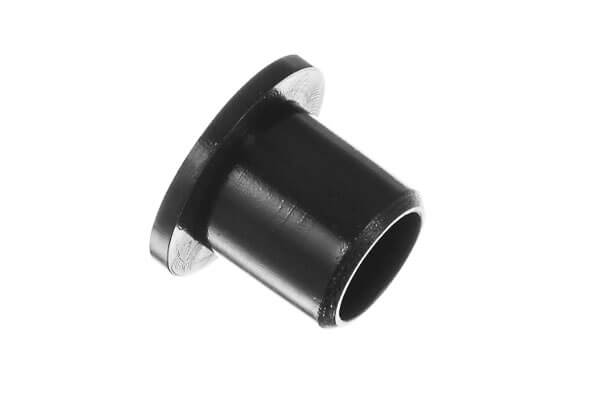
Melhor desempenho de desgaste mecânico do nylon
O nylon é amplamente reconhecido como um material de engenharia útil para aplicações que envolvem fricção., deslizando, e contato mecânico repetido.
Sua combinação de força, resistência, rigidez, e o atrito relativamente baixo o torna adequado para engrenagens, buchas, rolamentos, rolos, usar tiras, e componentes de guia.
Os coeficientes de atrito a seco típicos para o náilon podem cair na faixa aproximada de 0.2–0.4, dependendo fortemente da nota, contraface, carregar, velocidade de deslizamento, acabamento superficial, e método de teste.
A resistência mecânica relativamente alta do náilon permite suportar tensões de contato sem deformação excessiva, o que é particularmente importante em componentes deslizantes carregados.
Características de baixo atrito do polipropileno
O polipropileno também pode apresentar atrito relativamente baixo e pode funcionar bem em aplicações deslizantes selecionadas.
Certos tipos de PP são usados quando um peso leve, quimicamente resistente, e é necessário material deslizante de baixo custo.
No entanto, coeficiente de atrito e resistência ao desgaste não são propriedades idênticas.
Um material pode ter um baixo coeficiente de atrito enquanto ainda apresenta perdas de material relativamente altas sob contato mecânico sustentado..
Para componentes fortemente carregados ou em movimento contínuo, o náilon geralmente fornece uma combinação mais favorável de capacidade de carga mecânica e resistência ao desgaste.
Compostos especializados podem melhorar a resistência ao desgaste
Ambos os materiais podem ser modificados para aplicações tribológicas.
Compostos de nylon podem incorporar PTFE, grafite, dissulfeto de molibdênio, lubrificantes à base de silicone, ou outros aditivos para reduzir o atrito e melhorar a resistência ao desgaste.
O polipropileno também pode ser formulado com cargas e aditivos lubrificantes para aplicações especializadas de baixo atrito.
No entanto, o reforço deve ser cuidadosamente selecionado. As fibras de vidro podem aumentar significativamente a rigidez e a capacidade de carga, mas também podem influenciar o mecanismo de desgaste e o comportamento da superfície de contato.
7. Propriedades elétricas de polipropileno vs nylon
Excelente Isolamento Elétrico de Polipropileno
O polipropileno é um excelente material isolante elétrico e é particularmente valioso quando é necessário um desempenho dielétrico estável..
Graus representativos de PP podem ter uma constante dielétrica de aproximadamente 2.2–2,6 e resistividade de volume na ordem de 10¹⁶Ω·cm, embora os valores variem com a frequência, temperatura, formulação, e condições de teste.
Sua combinação de alta resistividade elétrica, baixa constante dielétrica, e a absorção de umidade extremamente baixa torna o polipropileno útil para isolamento elétrico, filmes de capacitor, componentes de cabo, peças eletrônicas, e outras aplicações dielétricas.
Bom isolamento elétrico de nylon
O nylon também é um isolante elétrico eficaz, particularmente em condições secas.
Graus representativos de náilon podem ter constantes dielétricas em torno 3.5–4.0, embora o valor exato dependa fortemente do tipo de polímero, freqüência, temperatura, e teor de umidade.
A vantagem do nylon é que ele combina isolamento elétrico com resistência mecânica e tenacidade substancialmente maiores do que o polipropileno convencional..
Isso o torna útil para conectores elétricos, caixas, componentes de gerenciamento de cabos, e peças isolantes mecanicamente exigentes.
8. Polipropileno vs Nylon para Moldagem por Injeção
Excelente processabilidade de moldagem por injeção de polipropileno
O polipropileno é um dos termoplásticos mais amplamente moldados por injeção porque combina bom fluxo de fusão, requisitos de processamento relativamente baixos, baixa sensibilidade à umidade, e tempos de ciclo curtos.
Sua viscosidade de fusão relativamente baixa permite que o PP fundido preencha eficientemente cavidades de molde complexas, tornando-o adequado para componentes de parede fina, recursos de encaixe, dobradiças vivas, contêineres, caixas, e outros produtos de alto volume.
Uma grande vantagem de processamento do PP é que a resina normalmente não requer a extensa pré-secagem exigida pelo náilon.
Porque o polipropileno absorve muito pouca umidade, os fabricantes geralmente podem processar PP armazenado adequadamente diretamente ou com procedimentos de condicionamento de material relativamente simples.
PP também possui uma janela de processamento relativamente ampla.
As temperaturas de fusão típicas estão frequentemente na faixa de aproximadamente 200–250 ° C., dependendo do grau e aplicação, enquanto as temperaturas do molde são comumente controladas em temperaturas consideravelmente mais baixas.
As condições exatas devem ser estabelecidas a partir das recomendações de processamento do fabricante da resina.
Maior sensibilidade à umidade do nylon
O nylon também é altamente adequado para moldagem por injeção, mas seus requisitos de processamento são mais exigentes.
A maioria das resinas de náilon são higroscópicas e podem absorver a umidade atmosférica durante o armazenamento..
Antes de moldar, o náilon geralmente precisa ser devidamente seco a um nível de umidade especificado.
Se umidade excessiva permanecer na resina, a combinação de água e alta temperatura de fusão pode causar degradação hidrolítica, reduzindo o peso molecular e diminuindo potencialmente o desempenho mecânico do componente acabado.
Isto torna o manuseio de materiais particularmente importante no processamento de náilon.
A resina deve ser armazenada em embalagens resistentes à umidade, e as condições de secagem devem ser controladas de acordo com o grau específico de PA.
Temperaturas de processamento mais altas para nylon
O nylon geralmente requer temperaturas de fusão mais altas do que o polipropileno.
PA6 é comumente processado em temperaturas de fusão em torno 240–280ºC, enquanto o PA66 pode exigir aproximadamente 260–300 ° C., dependendo do grau e da tecnologia de processamento.
A temperatura de processamento mais alta aumenta os requisitos de energia e impõe maiores demandas aos equipamentos de moldagem, componentes do molde, e controle de processo.
No entanto, A maior temperatura de processamento do nylon também reflete seu maior ponto de fusão e permite a produção de componentes capazes de proporcionar maior desempenho mecânico e térmico.
9. Estabilidade dimensional de polipropileno vs nylon
| Aspecto | Polipropileno | Nylon |
| Absorção de umidade | Muito baixo | Alto |
| Mudança dimensional com umidade | Mínimo | Significativo |
| Encolhimento do molde (%) | 1.0–2.5 | 0.5–2.0 |
| Encolhimento pós-moldagem | Moderado | Significativo (condicionamento de umidade) |
| Resistência à fluência | Moderado | Bom |
A natureza hidrofóbica do polipropileno proporciona excelente estabilidade dimensional em ambientes úmidos.
O náilon absorve a umidade, fazendo com que as peças inchem e as dimensões mudem. No entanto, peças de náilon podem ser condicionadas à umidade para atingir dimensões estáveis.
10. Polipropileno vs Nylon: Considerações sobre custo e fabricação
Custo de materiais
O polipropileno é geralmente mais econômico que o náilon. Sua baixa densidade também significa que pode ser necessário menos material em peso para produzir um componente de volume comparável.
Para produtos de alto volume, isso pode fornecer uma vantagem de custo significativa.
O náilon é normalmente mais caro porque é um termoplástico de engenharia com maior desempenho mecânico e térmico..
No entanto, sua maior resistência e rigidez podem permitir que os projetistas reduzam a espessura da parede ou o tamanho do componente, compensando parcialmente o maior custo da resina.
Considerações de fabricação
| Fator | Polipropileno | Nylon |
| Custo de materiais | Geralmente menor | Geralmente mais alto |
| Densidade | Mais baixo | Mais alto |
| Temperatura de processamento | Mais baixo | Mais alto |
| Requisito de secagem | Mínimo | Geralmente crítico |
| Moldagem por injeção | Relativamente fácil | Mais sensível ao processo |
| Eficiência do ciclo | Excelente | Bom |
| Sensibilidade à umidade | Muito baixo | Alto |
| Complexidade de ferramentas/processos | Geralmente menor | Geralmente mais alto |
| Economia de aplicação típica | Alto volume, peças sensíveis ao custo | Componentes críticos para o desempenho |
O polipropileno é geralmente mais fácil e menos caro de processar.
Sua baixa sensibilidade à umidade simplifica o manuseio do material, enquanto suas boas características de fluxo suportam moldagem por injeção eficiente e altos volumes de produção.
O nylon requer um controle de fabricação mais cuidadoso. Antes da moldagem por injeção, muitas resinas de náilon devem ser devidamente secas para evitar degradação relacionada à umidade e defeitos de moldagem.
Temperatura do molde, temperatura de fusão, tempo de residência, e as condições de resfriamento também exigem um controle mais próximo.
11. Aplicações de polipropileno vs nylon
A faixa de aplicação de polipropileno (PP) e náilon (PA) sobreposições em muitas áreas, mas cada material é mais adequado a diferentes condições operacionais.
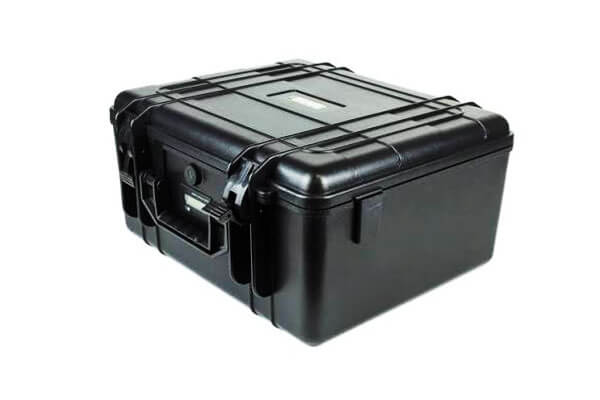
Aplicações de polipropileno
O polipropileno é amplamente utilizado onde baixa densidade, baixa absorção de umidade, Resistência química, Resistência à fadiga, e processamento econômico de alto volume são importantes.
| Setor de aplicativos | Componentes PP típicos | Por que PP é selecionado |
| Embalagem | Contêineres, tampas de garrafa, fechamentos, bandejas, embalagem de alimentos | Baixa densidade, Resistência à umidade, Resistência química, Processabilidade |
| Automotivo | Pára-choques, acabamento interno, painéis de porta, caixas de bateria, reservatórios de fluido | Leve, impacto no desempenho, Resistência química, eficiência de custos |
| Encanamento & Sistemas de Água | Tubos, acessórios, componentes da bomba, peças de irrigação | Baixa absorção de água e resistência a muitos produtos químicos |
Produtos de consumo |
Caixas de armazenamento, mobília, Aparedes, utilidades domésticas | Leve, durável, econômico |
| Elétrica & Eletrônica | Componentes isolantes, peças relacionadas a cabos, filmes de capacitor, caixas | Bom isolamento elétrico e baixa sensibilidade à umidade |
| Médico & Produtos de Laboratório | Contêineres, bandejas, seringas, equipamento de laboratório | Resistência química, baixa absorção de umidade, classes adequadas disponíveis |
| Equipamento industrial | Tanques, dutos, contêineres, capas, componentes para manuseio de fluidos | Resistência química, baixo peso, processamento econômico |
Aplicações de náilon
O nylon é usado principalmente onde força, rigidez, resistência, baixo atrito, resistência ao desgaste, e desempenho em temperaturas elevadas são mais importantes do que o custo mínimo do material e a absorção de umidade.
| Setor de aplicativos | Componentes típicos de nylon | Por que o nylon é selecionado |
| Automotivo | Engrenagens, rolamentos, buchas, Componentes do motor, conectores, Suportes | Alta resistência, rigidez, resistência ao desgaste, capacidade de temperatura |
| Elétrica & Eletrônica | Carcaças de conectores, blocos terminais, componentes do disjuntor | Força mecânica, isolamento, desempenho dimensional |
| Máquinas industriais | Engrenagens, rolos, componentes de rolamento, use pratos, peças transportadoras | Baixo atrito, resistência ao desgaste, capacidade de carga |
Prendedores & Hardware |
Abraçadeiras, nozes, clipes, prendedores, componentes de encaixe rápido | Força, resistência, Resistência à fadiga |
| Componentes mecânicos | Buchas, polias, guias, engrenagens, Suportes estruturais | Alta rigidez e bom desempenho tribológico |
| Fibras & Têxteis | Fibras industriais, cordão de pneu, linha de pesca, filamentos de escova, têxteis técnicos | Alta resistência à tração, resistência, Resistência à abrasão |
| Produtos de consumo | Zíperes, fivelas, caixas de ferramentas, componentes mecânicos | Resistência, força, resistência ao desgaste |
Polipropileno vs Nylon: Seleção de aplicativos
A escolha entre PP e nylon pode ser simplificada identificando o requisito de serviço dominante:
- Escolha polipropileno quando baixo peso, Resistência à umidade, Resistência química, desempenho de fadiga, e baixo custo de fabricação são os principais requisitos.
- Escolha náilon quando alta resistência, rigidez, resistência ao desgaste, baixo atrito, resistência, ou desempenho em temperatura elevada é mais importante.
- Considere PP reforçado quando a construção leve é importante, mas são necessárias maior rigidez e resistência.
- Considere náilon reforçado quando o componente deve suportar altas cargas mecânicas, estresse contínuo, ou condições térmicas exigentes.
12. Conclusão
Polipropileno e náilon são materiais de engenharia complementares, não concorrentes diretos.
Cada um ocupa um nicho de desempenho distinto definido pela sua química fundamental:
polipropileno oferece baixo custo, excelente estabilidade dimensional e insensibilidade à umidade em detrimento de menor resistência e desempenho ao desgaste;
nylon oferece alta resistência, excelente resistência ao desgaste e tolerância ao óleo em detrimento de custos mais elevados, sensibilidade à umidade e complexidade de processamento.
Nenhum dos dois é universalmente superior. PP é a escolha ideal para componentes de commodities, peças de precisão em umidade variável, aplicações de água quente e produtos sensíveis ao custo.
O nylon é a melhor escolha para componentes estruturais de alta carga, use peças, componentes sob o capô expostos a óleo e aplicações de alta temperatura com reforço de vidro.
O erro de seleção mais comum é especificar o náilon quando o PP teria um desempenho adequado com um custo total 40-60% menor, ou especificando PP para aplicações de desgaste de alta carga onde ocorrerá falha prematura.
A comparação sistemática com as condições operacionais reais - sem usar o material familiar - garante desempenho ideal com custo total mínimo.
Perguntas frequentes
O polipropileno e o náilon podem ser reciclados?
Sim, ambos os materiais são recicláveis. O polipropileno é amplamente reciclado (código de resina #5). O náilon é reciclável, mas é menos comumente reciclado que o polipropileno.
O náilon ou o polipropileno são mais frágeis em baixas temperaturas??
O polipropileno é mais frágil em baixas temperaturas. Tem uma temperatura de transição vítrea de –10 a 0°C, abaixo do qual se torna quebradiço. O nylon permanece resistente até –30 a –40°C.
O polipropileno é mais forte que o náilon?
Geralmente, não. O náilon padrão normalmente tem maior resistência à tração, rigidez, e capacidade de carga do que o polipropileno não preenchido. No entanto, o polipropileno tem menor densidade e excelente resistência à fadiga e à umidade.
O PP reforçado também pode atingir um desempenho mecânico substancialmente superior e pode superar o náilon sem carga em aplicações específicas.
O polipropileno é mais resistente ao calor que o náilon??
Geralmente, o náilon tem melhor resistência ao calor do que o polipropileno padrão.
Os graus comuns de náilon têm temperaturas de fusão mais altas e geralmente retêm melhor a resistência mecânica e a rigidez em temperaturas elevadas.
Classes reforçadas podem melhorar ainda mais o desempenho em altas temperaturas de ambos os materiais.
Que absorve mais água, polipropileno ou náilon?
O nylon absorve significativamente mais água do que o polipropileno. O polipropileno tem absorção de umidade extremamente baixa, enquanto o náilon é higroscópico por causa de seus grupos amida polares.
A absorção de umidade pode afetar as dimensões do náilon, rigidez, resistência, e propriedades elétricas.
O que é mais barato, polipropileno ou náilon?
O polipropileno é geralmente mais barato que o náilon. PP também tem densidade menor, o que pode reduzir ainda mais o consumo de material por peso do componente.
No entanto, o custo total deve incluir o processamento, ferramentas, projeto de peça, reforço, sucata, e vida de serviço.
Um componente de náilon mais caro pode, em última análise, ser mais econômico se proporcionar uma vida útil significativamente mais longa ou permitir uma vida útil menor., design de componentes mais forte.
Qual tem melhor estabilidade dimensional, polipropileno ou náilon?
A resposta depende do ambiente.
O polipropileno tem uma grande vantagem na estabilidade dimensional relacionada à umidade porque absorve muito pouca água. O nylon pode sofrer alterações dimensionais à medida que absorve umidade.
No entanto, PP tem expansão térmica relativamente alta, enquanto o náilon reforçado pode fornecer excelente estabilidade dimensional em relação à temperatura quando formulado adequadamente.
Para aplicações de precisão, os engenheiros devem avaliar as mudanças dimensionais induzidas pela umidade e pela temperatura.