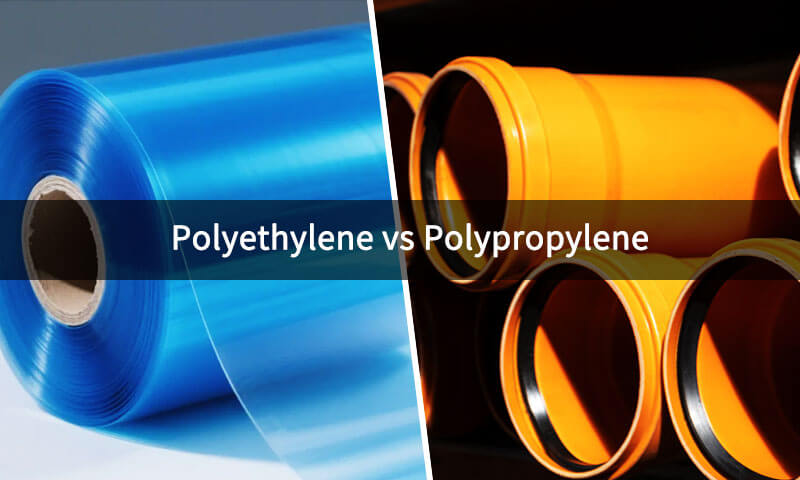
Polietileno (Educação Física) e polipropileno (PP) são os dois termoplásticos commodities mais produzidos no mundo, juntos contabilizando mais 50% da produção global de plástico.
Eles dominam as embalagens, automotivo, construção, médico, e aplicações de bens de consumo.
Apesar de suas semelhanças – ambas são poliolefinas termoplásticas derivadas de matérias-primas de hidrocarbonetos – elas possuem propriedades distintas que tornam uma mais adequada que a outra para aplicações específicas..
A seleção entre PE e PP requer uma compreensão profunda de como essas estruturas químicas governam o desempenho na engenharia, embalagem, e processamento industrial.
1. O que é polietileno?
Polietileno (Educação Física) é um polímero termoplástico produzido através da polimerização de monômeros de etileno.
É uma das famílias de polímeros mais utilizadas porque sua estrutura molecular pode ser modificada para produzir materiais que variam de filmes altamente flexíveis a rígidos., componentes de engenharia de alta resistência.
As propriedades do polietileno são fortemente influenciadas por peso molecular, ramificação de cadeia, cristalinidade, densidade, e condições de processamento.
O aumento da linearidade molecular e da cristalinidade geralmente melhora a rigidez, força, Resistência química, e estabilidade dimensional, enquanto a ramificação mais alta tende a aumentar a flexibilidade e reduzir a densidade.
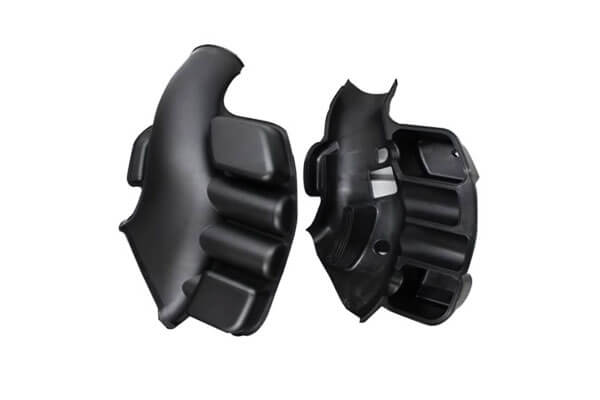
Ao contrário de muitos plásticos de engenharia, PE tem absorção de umidade muito baixa e excelente resistência a uma ampla gama de produtos químicos.
Também é leve e relativamente fácil de processar, tornando-o atraente tanto para produtos de alto volume quanto para componentes industriais especializados.
| Propriedade | Detalhe |
| Nome químico | Polietileno |
| Fórmula química | (C₂H₄)ₙ |
| Estrutura de polímero | –CH₂–CH₂– |
| Monômero | Etileno |
| Número CAS | 9002-88-4 |
| Tipo de polímero | Termoplástico |
| Faixa de densidade | 0.91–0,96g/cm³ |
| Ponto de fusão | 105–135ºC |
Principais tipos de polietileno
O polietileno é comumente classificado de acordo com a densidade, estrutura molecular, e peso molecular.
| Tipo | Características Estruturais | Desempenho típico | Aplicações comuns |
| PEBD | Altamente ramificado, cristalinidade relativamente baixa | Flexível, difícil, boa processabilidade | Filmes, bolsas, Revestimentos, isolamento de cabos |
| PEBDL | Backbone linear com ramificação de cadeia curta | Maior resistência à tração e à perfuração do que o LDPE, mantendo a flexibilidade | Filmes para embalagens, forros, filmes agrícolas |
| PEMD | Densidade e cristalinidade intermediárias | Rigidez equilibrada, resistência, e resistência ambiental à rachadura por estresse | Tubos, contêineres, produtos industriais |
| PEAD | Cadeias mais lineares e maior cristalinidade | Alta rigidez, força, Resistência química, e impacto em resistência | Tubos, tanques, contêineres, peças automotivas |
| UHMWPE | Peso molecular extremamente alto com cadeias altamente emaranhadas | Resistência excepcional ao desgaste, tenacidade de impacto, e baixo atrito | Revestimentos de desgaste, rolamentos, guias, componentes médicos |
2. O que é polipropileno?
Polipropileno (PP) é um polímero termoplástico produzido pela polimerização de monômeros de propileno.
Pertence à mesma família das poliolefinas do polietileno, mas possui uma estrutura molecular diferente.: um o grupo metil está ligado à estrutura do polímero.
Esta diferença estrutural afeta a mobilidade da cadeia, cristalinidade, rigidez, comportamento térmico, e desempenho de fadiga.
Como resultado, O PP geralmente fornece uma combinação particularmente atraente de baixa densidade, rigidez, Resistência química, Resistência à fadiga, e processabilidade.
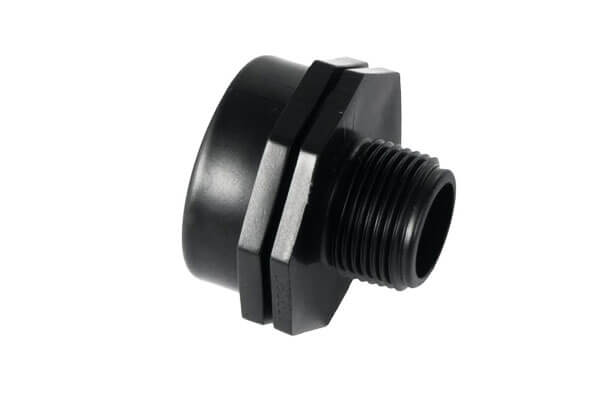
O polipropileno é amplamente utilizado em componentes moldados por injeção, sistemas automotivos, embalagem, produtos elétricos, equipamento de laboratório, produtos médicos, e equipamento industrial.
Suas propriedades também podem ser adaptadas através da copolimerização, preenchimentos, fibras, modificadores de impacto, e outros aditivos.
| Propriedade | Detalhe |
| Nome químico | Polipropileno |
| Fórmula química | (C₃H₆)ₙ |
| Estrutura de polímero | –CH₂–CH(CH₃)- |
| Monômero | Propileno |
| Número CAS | 9003-07-0 |
| Tipo de polímero | Termoplástico |
| Faixa de densidade | 0.895–0,92g/cm³ |
| Ponto de fusão | 130–171ºC |
Principais tipos de polipropileno
O polipropileno comercial é classificado principalmente de acordo com sua estrutura molecular e conteúdo de comonômero.
| Tipo | Características Estruturais | Desempenho típico | Aplicações comuns |
| Homopolímero PP | Principalmente unidades repetitivas de propileno | Alta rigidez, boa força, boa resistência química, boa capacidade de temperatura | Peças automotivas, contêineres, aparelhos, componentes industriais |
| Copolímero PP Aleatório | Propileno combinado com unidades de comonômero distribuídas aleatoriamente | Flexibilidade melhorada, comportamento de impacto, e muitas vezes melhor clareza óptica | Embalagem, produtos médicos, recipientes transparentes |
Copolímero em bloco PP |
Matriz de propileno contendo uma fase dispersa rica em borracha | Maior resistência ao impacto, especialmente para peças moldadas exigentes | Componentes automotivos, contêineres pesados, Estados industriais |
| PP reforçado | PP combinado com fibra de vidro, enchimentos minerais, ou outros reforços | Maior rigidez, estabilidade dimensional, e capacidade de carga de carga | Peças automotivas estruturais, componentes de máquinas, Estados elétricos |
3. Propriedades mecânicas: Polietileno vs.. Polipropileno
Os valores abaixo são faixas típicas de engenharia em vez de especificações universais de materiais.
As propriedades reais podem variar de acordo com o fornecedor da resina, designação de grau, preparação de amostras, condições de moldagem, orientação, e padrão de teste.
Para seleção de materiais, a ficha técnica do fornecedor e o método de teste ASTM/ISO aplicável devem ser usados como referência final.
| Propriedade mecânica | PEBD | PEAD | Homopolímero PP | Copolímero em bloco PP |
| Resistência à tração no rendimento | ~8–15 MPa | ~20–32MPa | ~30–40MPa | ~20–35MPa |
| Resistência à tração na ruptura | ~8–25MPa | ~25–40MPa | ~25–45MPa | ~20–40 MPa |
| Alongamento no intervalo | ~100–600% | ~500–1.000%* | ~50–600%* | ~100–700%* |
| Módulo de tração | ~150–300MPa | ~700–1.500 MPa | ~1.000–1.800 MPa | ~700–1.500 MPa |
| Módulo Flexural | ~150–350MPa | ~800–1.600 MPa | ~1.000–1.800 MPa | ~700–1.500 MPa |
| Dureza | ~40–50 Costa D | ~60–70 Costa D | ~65–75 Costa D | ~55–70 Costa D |
| Resistência à fluência | Baixo moderado | Moderado - bom | Moderado - bom | Moderado |
| Resistência à fadiga | Bom | Bom | Excelente | Excelente |
4. Comparação de propriedades térmicas e resistência à temperatura
A resistência à temperatura é um importante fator de diferenciação entre polietileno e polipropileno.
Ambos são termoplásticos semicristalinos, mas suas estruturas moleculares lhes conferem um comportamento de fusão diferente, Estabilidade térmica, e desempenho em baixa temperatura.
Desempenho de temperatura elevada
O PP geralmente mantém sua rigidez e integridade mecânica em temperaturas mais altas que o LDPE e o HDPE.
Isto torna o homopolímero PP atraente para componentes expostos a fluidos quentes, compartimentos do motor, aparelhos, e equipamento industrial.
O LDPE tem a menor rigidez térmica entre os graus considerados. Sua estrutura molecular relativamente flexível faz com que ela amoleça e se deforme mais facilmente à medida que a temperatura aumenta..
O HDPE tem melhor desempenho que o LDPE, mas a exposição prolongada a temperaturas elevadas ainda pode resultar em fluência e deformação dimensional.
O copolímero em bloco PP proporciona melhor resistência ao impacto, mas pode ter rigidez e resistência ao calor um pouco mais baixas do que o homopolímero PP devido à sua estrutura modificada com borracha.
Desempenho em baixas temperaturas
O polietileno geralmente tem uma vantagem em ambientes frios. O HDPE e os graus de PE especialmente formulados de forma adequada podem reter uma resistência substancial ao impacto em baixas temperaturas.
PP convencional, em comparação, pode se tornar significativamente mais frágil à medida que a temperatura diminui. Isto é particularmente importante para componentes expostos a impactos repentinos em climas frios.
O copolímero em bloco PP é projetado especificamente para melhorar esta limitação. Sua fase elastomérica dispersa absorve energia de impacto e fornece resistência a baixas temperaturas substancialmente melhor do que o homopolímero PP padrão.
Expansão Térmica e Estabilidade Dimensional
Tanto o PE quanto o PP têm coeficientes de expansão térmica relativamente altos em comparação com os metais. As mudanças de temperatura podem, portanto, produzir movimentos dimensionais perceptíveis, particularmente em componentes de precisão com dimensões longas ou folgas estreitas.
5. Comparação de resistência química: Polietileno vs.. Polipropileno
Tanto polietileno (Educação Física) e polipropileno (PP) são amplamente reconhecidos por sua excelente resistência à água, ácidos, Alkalis, e muitos produtos químicos industriais.
Suas estruturas de hidrocarbonetos não polares lhes conferem uma vantagem importante sobre muitos plásticos de engenharia.: a resistência química é geralmente forte sem depender de revestimentos protetores.
Resistência Química do Polietileno
O polietileno geralmente oferece excelente resistência a produtos químicos aquosos.
PEAD é particularmente amplamente utilizado para tanques químicos, bateria, tubulação, forros, e recipientes porque combina resistência química com boa tenacidade e permeabilidade relativamente baixa a muitas substâncias.
PE tem um bom desempenho contra muitos:
- Diluir ácidos
- Álcalis e bases
- Sais
- Álcoois
- Água e soluções aquosas
- Muitos detergentes
No entanto, o polietileno não é resistente a todos os ambientes químicos.
Certo agentes oxidantes fortes, compostos aromáticos, e solventes à base de hidrocarbonetos pode afetar EP, particularmente em temperaturas elevadas ou sob estresse mecânico sustentado.
O grau específico de PE é, portanto, importante quando se espera uma exposição química de longo prazo.
Resistência Química do Polipropileno
O polipropileno oferece resistência igualmente forte a muitos ácidos, Alkalis, sais, detergentes, e soluções químicas aquosas.
É amplamente usado em Equipamento de processamento químico, produtos de laboratório, Tanques de armazenamento, bombas, válvulas, e sistemas de tubulação.
Uma vantagem notável do PP é a sua combinação de resistência química e capacidade de temperatura mais alta do que muitos tipos convencionais de PE.
Isto torna o PP particularmente atraente quando a exposição química ocorre sob temperaturas moderadamente elevadas.
No entanto, o PP pode ser afectado por certos aromáticos, clorado, e produtos químicos à base de hidrocarbonetos.
O risco geralmente aumenta com a temperatura, concentração, período de exposição, e carregamento mecânico.
Consequentemente, uma avaliação de compatibilidade química deve sempre basear-se nas condições reais de serviço e não apenas no nome do polímero.
EP versus. Resistência Química PP
| Químico / Ambiente | Polietileno (Educação Física) | Polipropileno (PP) |
| Água | Excelente | Excelente |
| Diluir ácidos | Excelente | Excelente |
| Álcalis | Excelente | Excelente |
| Sais | Excelente | Excelente |
| Detergentes | Excelente | Excelente |
| Álcoois | Geralmente bom–excelente | Geralmente bom–excelente |
| Hidrocarbonetos | Variável | Variável |
| Solventes aromáticos | Limitado | Limitado |
| Oxidantes fortes | Limitado | Limitado |
| Serviço químico de alta temperatura | Bom para notas de educação física selecionadas | Geralmente melhor |
6. Absorção de Água, Umidade e estabilidade dimensional
Uma das semelhanças mais úteis entre PE e PP é a sua absorção de água muito baixa.
Ao contrário dos plásticos de engenharia higroscópicos, como náilon ou poliamida, nenhum dos materiais absorve prontamente quantidades significativas de umidade atmosférica em sua estrutura polimérica.
Esta característica é importante porque a absorção de umidade pode causar alterações dimensionais, propriedades mecânicas alteradas, e dificuldades de processamento em outros termoplásticos. PE e PP evitam em grande parte esses problemas.
Comportamento de umidade
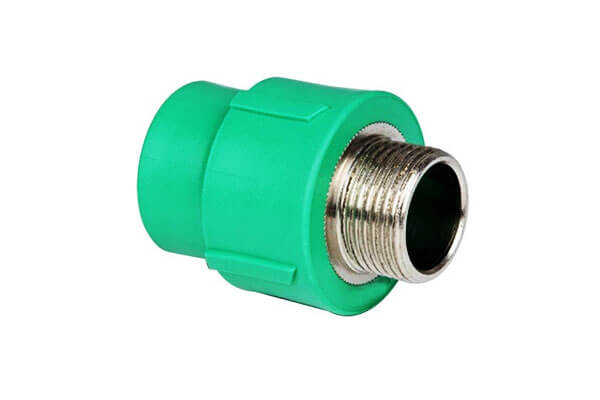
O polietileno e o polipropileno são ambos essencialmente hidrofóbico, polímeros não polares. A água tem pouca afinidade com suas cadeias moleculares, então a absorção de água é muito baixa em condições normais.
Como resultado, As peças de PE e PP geralmente mantêm bem suas dimensões e características mecânicas em ambientes úmidos ou durante exposição intermitente à água.
| Propriedade | Polietileno | Polipropileno | Significado prático |
| Absorção de água | Muito baixo | Muito baixo | Bom desempenho em ambientes úmidos e molhados |
| Sensibilidade à umidade durante o processamento | Baixo | Baixo | Geralmente não é necessária uma pré-secagem extensa |
| Mudança dimensional devido à umidade | Muito pequeno | Muito pequeno | Adequado para componentes em contato com água |
| Estabilidade hidrolítica | Geralmente excelente | Geralmente excelente | Útil para exposição aquosa prolongada |
| Isolamento elétrico relacionado à umidade | Excelente | Excelente | Adequado para muitas aplicações elétricas |
Estabilidade dimensional: Umidade versus. Temperatura
A baixa absorção de umidade não significa que o PE e o PP sejam dimensionalmente estáveis sob todas as condições ambientais.
Para componentes de precisão, a expansão térmica e a fluência são geralmente considerações muito mais importantes do que a absorção de umidade.
Ambos os polímeros têm expansão térmica consideravelmente maior que os metais. As mudanças de temperatura podem, portanto, causar movimento dimensional perceptível, especialmente em grandes partes, montagens de precisão, e componentes com folgas apertadas.
Carga mecânica de longo prazo introduz outra preocupação: rastejar. Quando PE ou PP são continuamente submetidos a tensões, o movimento molecular gradual pode causar mudanças dimensionais permanentes.
O efeito torna-se mais pronunciado à medida que a temperatura e a tensão aplicada aumentam.
Portanto, componentes como buchas, suportes, guias, vedações, e as peças plásticas estruturais devem ser avaliadas pelo seu ambiente de serviço completo, e não apenas pelas suas dimensões iniciais.
7. Comparação de processamento e fabricação
PE e PP são termoplásticos altamente versáteis e podem ser transformados em produtos acabados através de uma ampla gama de processos de fabricação.
A sua flexibilidade de processamento é uma das principais razões pelas quais ocupam uma fatia tão grande do mercado de plásticos..
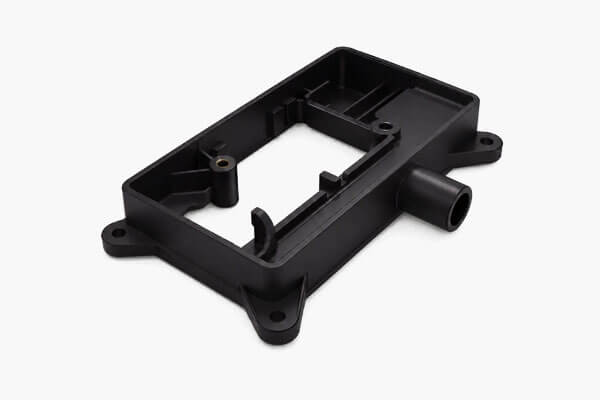
Moldagem por injeção
Moldagem por injeção é particularmente importante para PP, onde as características de fluxo do material e a rigidez relativamente alta o tornam adequado para a produção de complexos, componentes leves em altos volumes de produção.
Peças automotivas, Estados elétricos, componentes do aparelho, contêineres, e os produtos industriais são frequentemente fabricados desta forma.
O HDPE também é adequado para moldagem por injeção, especialmente para recipientes rígidos, fechamentos, componentes industriais, e peças plásticas estruturais.
O LDPE é geralmente selecionado quando o produto final requer maior flexibilidade em vez de alta rigidez.
Extrusão
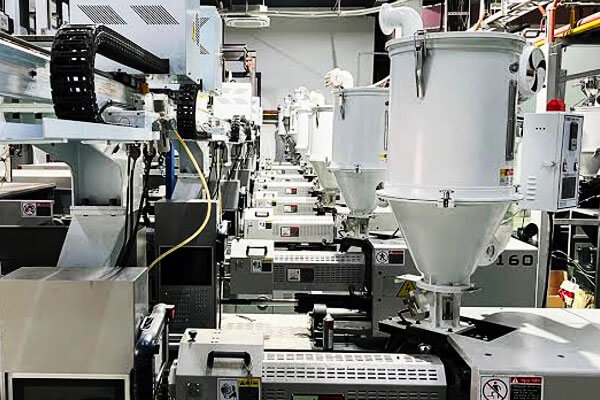
A extrusão é uma importante rota de processamento para ambas as famílias de polímeros. O PE tem uma presença particularmente forte em produtos extrudados, incluindo tubos, folhas, filmes, perfis, forros, e isolamento de cabos.
O HDPE é amplamente utilizado para tubulações sob pressão e sem pressão devido à sua combinação de resistência, Resistência química, e a soldabilidade é adequada para sistemas de manuseio de fluidos.
PP também é extrudado em tubos, folhas, filmes, perfis, e produtos industriais especializados onde maior rigidez ou capacidade de temperatura são benéficas.
Moldagem por sopro e moldagem rotacional
Educação Física, especialmente HDPE, é amplamente utilizado para garrafas moldadas por sopro, bateria, tanques, contêineres, e outros produtos ocos.
Sua tenacidade e processabilidade o tornam particularmente adequado para recipientes grandes ou resistentes a impactos.
A rotomoldagem é outro processo importante de PE, especialmente para tanques grandes, BINS, dutos, e contêineres industriais.
O PP também pode ser processado em produtos ocos, embora sua janela de processamento e perfil de aplicação sejam diferentes daqueles do PE.
Termoformagem e Fabricação
Ambas as folhas PE e PP podem ser termoformadas em coberturas, bandejas, caixas, forros, e outros grandes componentes.
Eles também podem ser unidos através soldagem térmica, fusão de bunda, soldagem por extrusão, e fixação mecânica, permitindo que os fabricantes fabriquem grandes estruturas sem ferramentas de moldagem convencionais.
Isto é particularmente valioso para tanques químicos, canalização, revestimentos protetores, e equipamentos industriais personalizados.
Usinagem CNC
PE e PP também podem ser CNC usinado quando os volumes de produção são muito baixos para justificar ferramentas dedicadas ou quando são necessárias geometrias excepcionalmente personalizadas.
A usinagem requer condições de corte adequadas porque ambos os materiais têm rigidez relativamente baixa e podem deformar-se sob forças excessivas de fixação ou de corte..
Entre as notas de educação física, UHMWPE apresenta desafios adicionais de usinagem devido ao seu alto peso molecular, elasticidade, e tendência de gerar calor durante o corte.
Ferramentas adequadas, fixação de trabalho, e o controle térmico são, portanto, importantes para alcançar dimensões consistentes.
8. Características e aparência da superfície
A aparência da superfície geralmente não é o principal motivo para selecionar polietileno ou polipropileno, mas torna-se importante quando o material é usado para componentes visíveis, produtos de consumo, caixas, embalagem, ou peças que requerem um acabamento tátil ou estético específico.
Características da superfície de polietileno
A aparência do polietileno depende fortemente do seu grau e cristalinidade. O LDPE tende a ter um aspecto mais suave, aparência mais flexível, enquanto o HDPE geralmente fornece uma superfície mais rígida e opaca.
O HDPE geralmente exibe um superfície lisa a levemente texturizada com uma aparência natural translúcida a opaca.
Sua superfície pode ser usinada, polido, texturizado, ou de outra forma acabado mecanicamente, embora conseguir uma superfície decorativa altamente brilhante possa ser mais desafiador do que com alguns outros plásticos.
Características da superfície de polipropileno
O PP geralmente fornece um limpar, suave, e superfície relativamente rígida, particularmente em componentes moldados por injeção.
Pode ser produzido em uma ampla gama de cores e texturas e é amplamente utilizado onde a aparência e o desempenho funcional devem coexistir..
A baixa energia superficial do PP pode tornar a pintura convencional, colagem adesiva, e impressão difícil.
Tratamento de superfície como tratamento de chama, tratamento corona, tratamento com plasma, ou primers especializados pode ser necessário para melhorar a adesão.
9. Considerações ambientais e de sustentabilidade
| Aspecto | Polietileno | Polipropileno |
| Reciclabalidade | Excelente (amplamente reciclado) | Excelente (cada vez mais reciclado) |
| Conteúdo reciclado disponível | Alto | Moderado |
| Biodegradabilidade | Não biodegradável | Não biodegradável |
| Persistência ambiental | Alto (séculos) | Alto (séculos) |
| Energia para produzir (Mj/kg) | 70–90 | 70–85 |
| Pegada de carbono (kg CO₂/kg) | 1.5–2.5 | 1.5–2.5 |
| Notas de base biológica | Disponível (bio-PE) | Disponível (bio-PP) |
| Contribuição microplástica | Significativo | Significativo |
10. Aplicações: Polietileno vs.. Polipropileno
PE e PP são usados em uma gama excepcionalmente ampla de indústrias, mas suas aplicações tendem a refletir seus diferentes perfis de desempenho.
Exemplos de aplicação de polietileno
Indústria de embalagens
- Filme extensível de LDPE: O envoltório extensível para paletes industriais e o filme plástico para alimentos usam LDPE por seu alongamento extremo (200–600%), excelente resistência à perfuração e capacidade de autoadesão sob tensão.
O baixo ponto de fusão do LDPE também permite uma vedação térmica limpa em linhas de embalagem de alta velocidade. - Jarras de leite e frascos de detergente HDPE: O HDPE moldado por sopro é o padrão para recipientes rígidos para líquidos porque proporciona boa rigidez, excelentes propriedades de barreira contra umidade e resistência ao impacto a baixo custo.
Seu ponto de fusão de 125 a 135°C suporta processos de enchimento a quente para bebidas e produtos químicos industriais. - Sacos de transporte pesados LLDPE: O polietileno linear de baixa densidade é usado para sacos de transporte industrial porque combina a flexibilidade do LDPE com maior resistência ao rasgo e à perfuração, enfrentando manuseio brusco em cadeias logísticas.
Infraestrutura e Construção
- Tubulação municipal de água e gás HDPE: O polietileno de alta densidade é o material dominante para linhas enterradas de distribuição de água potável e gás natural.
Sua excelente resistência química aos constituintes do solo, corrosão zero e sistemas de juntas flexíveis reduzem o custo de instalação e o risco de vazamento em comparação com tubos de metal. - Geomembranas HDPE: 0.5Folhas de HDPE com 2,5 mm de espessura revestem aterros sanitários, lagoas de mineração e reservatórios de água como barreiras impermeáveis.
Baixa absorção de água do HDPE, a resistência aos produtos químicos do solo e a capacidade de ser soldada termicamente no campo tornam-no o padrão da indústria. - Barreiras de vapor LDPE: Folhas finas de LDPE são instaladas atrás das paredes dos edifícios como barreiras contra umidade e radônio, aproveitando a taxa de transmissão de vapor de água quase zero de PE.
Elétrica e Cabo
- Isolamento de fios e cabos LDPE: O polietileno de baixa densidade é o isolamento primário padrão para baixa- e cabos de energia de média tensão e fiação de comunicação.
Suas excelentes propriedades dielétricas, flexibilidade e baixo custo de processamento o tornam ideal para revestimento de condutores por extrusão de alta velocidade. - Revestimentos de cabos HDPE: Médio- e cabos de alta tensão usam revestimentos externos de HDPE para maior proteção mecânica, resistência ao esmagamento e resistência às intempéries para enterramento direto e instalações suspensas.
Cadeia Fria e Criogênica
- Embalagem de alimentos congelados LDPE: Filmes e sacos flexíveis de LDPE dominam as embalagens de alimentos ultracongelados porque o LDPE permanece flexível e resistente a impactos até -40°C e abaixo, sem se tornar frágil como o PP faria.
- Recipientes de armazenamento criogênico HDPE: Tanques e recipientes de HDPE moldados rotativamente armazenam nitrogênio líquido e outros fluidos criogênicos em temperaturas tão baixas quanto -196°C, onde PP iria quebrar.
Bens de consumo
- Sacolas plásticas de HDPE e sacolas reutilizáveis: A combinação de baixo custo, boa resistência e resistência à água tornam o HDPE o padrão para sacolas de transporte e sacolas de compras reutilizáveis.
- Brinquedos flexíveis e garrafas squeeze: LDPE é usado para soft, brinquedos infantis que podem ser apertados e frascos dispensadores devido à sua extrema flexibilidade e toque de borracha.
Exemplos de aplicação de polipropileno
Embalagem e serviço de alimentação
- Tampas e fechos de garrafas em PP: O homopolímero PP moldado por injeção é o material quase universal para tampas de garrafa de bebidas rosqueadas.
Sua alta rigidez, boa resistência à fluência e ponto de fusão de 160°C garantem vedação hermética sem deformação durante o enchimento a quente, pasteurização e transporte. - Recipientes para alimentos adequados para micro-ondas: PP é o padrão para bandejas de refeição e recipientes de armazenamento de alimentos para micro-ondas porque suporta temperaturas de 100 a 120°C sem amolecer, e é geralmente reconhecido como seguro para contato com alimentos em temperaturas elevadas.
- Copos e tampas descartáveis termoformados: Folhas de PP de espessura fina são termoformadas em copos descartáveis rígidos e tampas de cúpula com definição mais nítida e melhor rigidez do que produtos de PE comparáveis.
Indústria automotiva
- Pára-choques de copolímero em bloco PP: Pára-choques e painéis de carroceria automotivos usam copolímero em bloco PP modificado por impacto.
Os segmentos do bloco de etileno melhoram a resistência ao impacto em baixas temperaturas para que as peças sobrevivam ao frio do inverno sem rachar, enquanto a rigidez inerente do PP mantém a forma estrutural. - Carcaças de bateria e componentes sob o capô: O homopolímero PP com reforço de fibra de vidro é usado em caixas de baterias automotivas e peças de compartimentos de motores.
Resiste a óleos, combustíveis e temperaturas elevadas sob o capô são melhores do que PE. - Painéis e acabamentos das portas interiores: PP preenchido com talco forma leve, módulos rígidos de portas internas e substratos de painel de instrumentos, oferecendo boa estabilidade dimensional e baixo custo.
Doméstico e Eletrodomésticos
- Utensílios de cozinha e armazenamento próprios para máquina de lavar louça: PP é o padrão para recipientes de armazenamento de alimentos e utensílios de cozinha comercializados como laváveis na máquina de lavar louça, porque sobrevive a repetidos ciclos de lavagem a 60–70°C sem deformar ou degradar, ao contrário do HDPE que suaviza.
- Cubas de máquinas de lavar e caixas de eletrodomésticos: Grande homopolímero PP moldado por injeção forma tambores de máquinas de lavar e carcaças de eletrodomésticos, combinando resistência à água, rigidez e baixo custo.
Industrial e Engenharia
- Tubo PP para processamento químico: Os sistemas de tubos de polipropileno suportam ambientes químicos agressivos, incluindo ácidos, bases e soluções salinas em temperaturas mais altas do que o tubo HDPE pode suportar.
- Engrenagens e rolamentos de plástico: O homopolímero PP é usado para luz- para engrenagens e buchas de carga média em máquinas industriais.
Suas propriedades autolubrificantes naturais, a resistência ao desgaste e a estabilidade dimensional o tornam adequado para aplicações de movimento de baixa velocidade.
Fibras e Têxteis
- Fibras de carpete PP: A maior parte da fibra sintética de carpetes residenciais e comerciais é de polipropileno. Resiste a manchas, umidade e mofo melhor que náilon, a um custo menor.
- Geotêxteis e cordas industriais: Fibra descontínua PP e monofilamento são usados para geotêxteis de construção de estradas, cordas marítimas e redes de carga, aproveitando a boa resistência química do PP e a alta relação resistência/peso.
11. Tabela de comparação abrangente: Polietileno vs.. Polipropileno
| Propriedade | Polietileno (Educação Física) | Polipropileno (PP) | Consideração de seleção |
| Densidade | ~0,91–0,96 g/cm³ | ~0,895–0,92 g/cm³ | Ambos são leves; PP é geralmente um pouco mais leve |
| Rigidez | Baixo a moderado, dependendo da nota | Geralmente mais alto | PP é preferível quando é necessária maior rigidez |
| Resistência ao impacto | Excelente, especialmente HDPE e UHMWPE | Bom; reduzido em baixas temperaturas | PE é frequentemente preferido para aplicações de alto impacto |
| Resistência à tracção | Moderado a alto | Moderado a alto | Fortemente dependente do grau e da estrutura molecular |
| Flexibilidade | Mais alto, particularmente PEBD | Moderado | PE é melhor para filmes flexíveis, tubulação, e forros |
| Resistência ao calor | Moderado; varia significativamente de acordo com a série | Geralmente mais alto | PP é vantajoso para serviços em temperaturas elevadas |
| Desempenho em baixas temperaturas | Geralmente excelente | Mais sensível a baixas temperaturas | PE é frequentemente preferido para ambientes frios |
| Resistência química | Excelente | Excelente | Ambos resistem a muitos ácidos, Alkalis, sais, e produtos químicos aquosos |
| Absorção de Água | Muito baixo | Muito baixo | Ambos fornecem excelente resistência à umidade |
| Resistência à fluência | Moderado; varia de acordo com a série | Moderado | Seleção de reforço ou grau pode ser necessária para cargas sustentadas |
Resistência UV |
Requer estabilização para exposição a longo prazo | Requer estabilização para exposição a longo prazo | Classes estabilizadas contra UV são recomendadas ao ar livre |
| Isolamento elétrico | Excelente | Excelente | Ambos são amplamente utilizados como materiais isolantes |
| Processamento Típico | Extrusão, moldagem por sopro, moldagem por injeção, rotomoldagem | Moldagem por injeção, extrusão, moldagem por sopro, Termoformagem | A seleção depende da geometria da peça e do volume de produção |
| Custo típico | Geralmente econômico | Geralmente econômico | O preço de mercado varia de acordo com o grau e a região |
| Vantagem mais conhecida | Resistência, Resistência química, flexibilidade | Rigidez, Resistência ao calor, baixa densidade | Escolha de acordo com o requisito de serviço dominante |
| Aplicações típicas | Contêineres, tubos, forros, filmes, tanques, componentes de desgaste | Peças automotivas, recipientes para alimentos, equipamento de laboratório, aparelhos, componentes químicos | Ambos atendem amplos mercados industriais e de consumo |
12. Peças personalizadas de polietileno e polipropileno da indústria LangHe
A LangHe Industry fornece soluções personalizadas de componentes de polímero para aplicações que exigem construção leve, Resistência química, use desempenho, baixa absorção de umidade, e controle dimensional confiável.
Componentes PE e PP podem ser fabricados de acordo com os requisitos da aplicação, desenhos de engenharia, 3Modelos D, ou graus de materiais especificados.
| Capacidade | Detalhes |
| Materiais | PEBD, PEAD, PEBDL, UHMWPE, Homopolímero PP, Copolímero Aleatório PP, Copolímero em Bloco PP. |
| Processamento | Moldagem por injeção, extrusão, moldagem por sopro, Termoformagem, Usinagem CNC. |
| Peso da peça | 0.01 kg para 50 kg. |
| Qualidade | ISO 9001:2015 certificado. |
| Tempo de espera | 2–4 semanas para usinagem; 4–8 semanas para ferramentas e produção. |
13. Conclusão
O polietileno é geralmente a escolha mais forte quando a tenacidade, flexibilidade, Resistência química, desempenho de impacto em baixa temperatura, ou resistência ao desgaste é o requisito principal.
HDPE fornece um equilíbrio útil entre rigidez e resistência, enquanto o UHMWPE estende o PE para aplicações exigentes de desgaste e baixo atrito.
O polipropileno é geralmente preferido quando a rigidez, Resistência à fadiga, Construção leve, Resistência química, e capacidade de temperatura relativamente mais alta são necessárias.
O homopolímero PP é adequado para componentes rígidos, enquanto o copolímero em bloco PP oferece melhor desempenho de impacto.
Para componentes personalizados, a questão não é simplesmente “PE ou PP?” mas sim “Qual classe específica e processo de fabricação fornecerão o desempenho necessário ao longo da vida útil do componente?”Essa distinção é crítica para uma engenharia de polímeros confiável.
Perguntas frequentes
O que é mais forte, polietileno ou polipropileno?
Depende da nota específica. O homopolímero PP geralmente fornece maior rigidez e resistência à tração útil, enquanto o HDPE oferece uma excelente combinação de tenacidade e resistência.
Portanto, mais forte deve ser avaliado em termos de resistência à tração, rigidez, Resistência ao impacto, ou capacidade de suporte de carga a longo prazo.
Qual tem melhor resistência química, PE ou PP?
Ambos fornecem excelente resistência a muitos ácidos, Alkalis, sais, detergentes, e produtos químicos aquosos.
O PP geralmente tem uma vantagem quando a exposição química ocorre em temperaturas elevadas, enquanto o HDPE é amplamente utilizado para armazenamento geral de produtos químicos e manuseio de fluidos.
O polietileno é mais flexível que o polipropileno??
Geralmente, sim. O LDPE é significativamente mais flexível que o PP convencional.
HDPE é consideravelmente mais rígido, mas o PP geralmente fornece maior rigidez que o LDPE e pode ser projetado para aplicações estruturais rígidas.
O que é mais flexível: polietileno ou polipropileno?
O polietileno é geralmente mais flexível que o polipropileno. O LDPE é particularmente flexível; HDPE é mais rígido.
O polietileno e o polipropileno podem ser reciclados juntos?
Não. PE e PP têm densidades e propriedades diferentes e não podem ser reciclados juntos na maioria dos fluxos de reciclagem.
Qual tem melhor clareza: PE ou PP?
LDPE e LLDPE podem ter boa clareza. O copolímero aleatório PP também tem boa clareza. HDPE e PP homopolímero são opacos.