Ievads
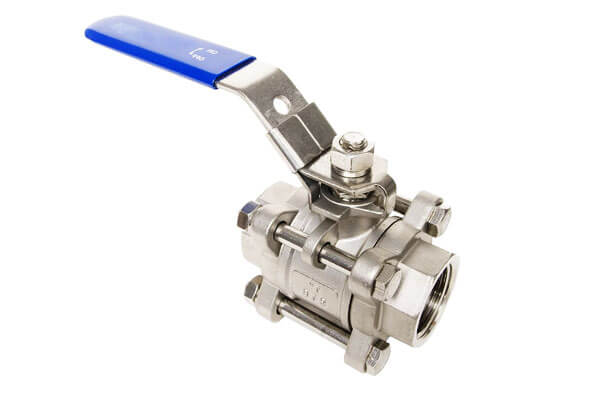
Nerūsējošā tērauda lodveida vārsti ir vienas no uzticamākajām un daudzpusīgākajām plūsmas kontroles ierīcēm, ko izmanto mūsdienu rūpniecisko cauruļvadu sistēmās.
To vienkāršā ceturkšņa apgrieziena darbība, lieliska blīvējuma veiktspēja, augsta spiediena pretestība, un izcilā izturība pret koroziju padara tos par vēlamo izvēli lietojumiem, sākot no ūdens apstrādes un ķīmiskās apstrādes līdz naftai un gāzei, farmaceitiski, pārtikas pārstrāde, un jūras inženierija.
Nerūsējošā tērauda lodveida vārsta veiktspēja ir atkarīga ne tikai no tā konstrukcijas, bet arī no ražošanas procesa, ko izmanto tā kritisko komponentu ražošanai..
Starp dažādām pieejamajām ražošanas metodēm, investīciju liešana, pazīstams arī kā zaudēta vaska liešana, ir kļuvis par nozares standartu augstas kvalitātes nerūsējošā tērauda vārstu korpusu ražošanā, motora pārsegi, un citas sarežģītas sastāvdaļas.
Salīdzinājumā ar smilšu liešanu vai parasto apstrādi, ieguldījumu liešana nodrošina izcilu izmēru precizitāti, ārkārtas virsmas apdare, lieliska metalurģiskā integritāte, un lielāka dizaina elastība, padarot to īpaši piemērotu precīzijas vārstu ražošanai.
1. Kas ir nerūsējošā tērauda lodveida vārsts?
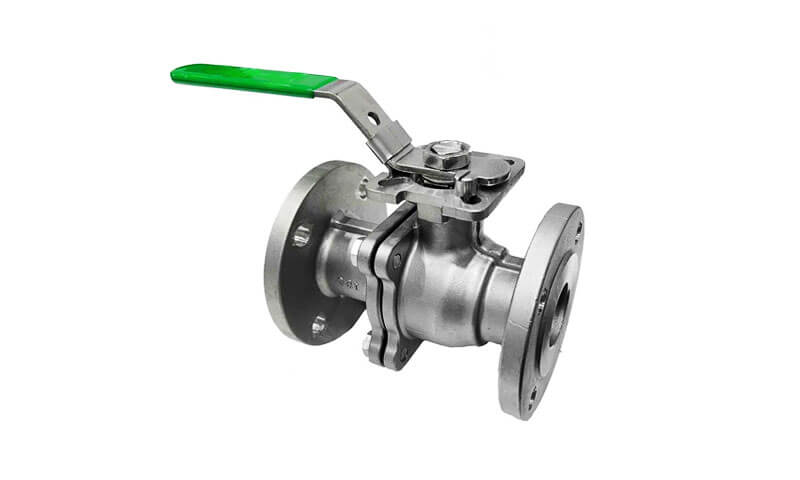
Izšķirt nerūsējošais tērauds lodīšu vārsts ir ceturtdaļas pagrieziena slēgvārsts, kas kontrolē šķidruma plūsmu, pagriežot sfērisku lodi ar precīzi apstrādātu urbumu 90 grādiem.
Kad urbums sakrīt ar cauruļvadu, vārsts ir pilnībā atvērts, kas nodrošina neierobežotu plūsmu.
Bumbiņas pagriešana perpendikulāri plūsmas ceļam pilnībā bloķē barotni, nodrošinot burbuļdrošu slēgšanu.
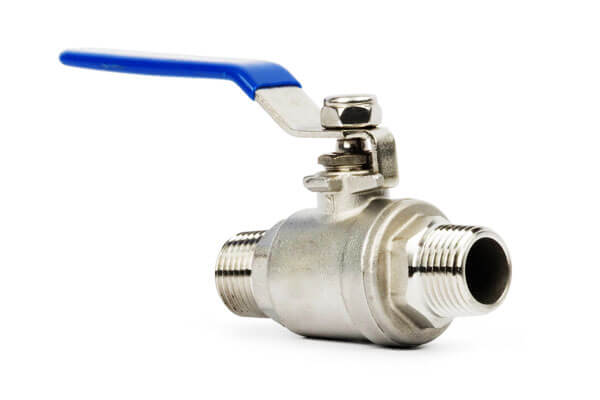
To zemā darba griezes momenta dēļ, ātra atvēršana un aizvēršana, un minimāls spiediena zudums, nerūsējošā tērauda lodveida vārsti tiek plaši izmantoti sistēmās, kurām nepieciešama uzticama izolācija, bieža darbība, un ilgs kalpošanas laiks.
Atšķirībā no aizbīdņiem vai globusa vārstiem, kuru darbībai nepieciešami vairāki pagriezieni, lodveida vārsti nodrošina tūlītēju plūsmas kontroli ar vienkāršu ceturtdaļas apgrieziena kustību, padarot tos ideāli piemērotus automatizētām sistēmām, kurās tiek izmantota pneimatika, elektrisks, vai hidrauliskie izpildmehānismi.
Nerūsējošā tērauda lodveida vārsta galvenās sastāvdaļas
| Komponents | Darbība | Tipiska ražošanas metode |
| Ķermenis | Spiedienu saturošs korpuss; satur bumbu, sēdekļi, un kāts. | Investīciju liešana (visizplatītākais), smilšu liešana, kalšana. |
| Bumba | Sfērisks aizvēršanas elements ar cilindrisku urbumu. | Investīciju liešana, viltots, vai apstrādāti no stieņa. |
| Stumbrs (vārpsta) | Pārraida griezes momentu no izpildmehānisma uz lodi. | Mehāniski apstrādāts no stieņa (nerūsējošais tērauds). |
| Sēdekļi | Nodrošiniet blīvējumu starp lodi un korpusu; nomaināms. | Ptfe, pastiprināts PTFE, Palūrēt, vai metāls. |
| Pievads | Manuālā svira, rokas ritenis, pneimatisks, vai elektrisks. | Komerciālās sastāvdaļas. |
| Motora pārsegs / augšējais atloks | Novieto kātu un nodrošina pievada stiprinājumu. | Ieguldījumu liešana vai mehāniskā apstrāde. |
| Roņi / iesaiņošana | Novērst noplūdi gar kātu. | Ptfe, grafīts. |
Izplatītākie nerūsējošā tērauda lodveida vārstu veidi
| Vārsta tips | Apraksts | Tipiskas lietojumprogrammas |
| Pilna osta (Pilns urbums) | Lodveida urbuma diametrs ir vienāds ar caurules diametru; minimāls spiediena kritums. | Vispārējs pielietojums, kur plūsmas ierobežojums nav vēlams. |
| Samazināta osta (samazināts urbums) | Lodes urbuma diametrs ir mazāks par caurules diametru; zemākas izmaksas. | Izmaksu jutīgas lietojumprogrammas; pieļaujams mērens spiediena kritums. |
| 3virziena lodveida vārsts | L-porta vai T-porta lode; novirza vai sajauc plūsmu. | Šķidruma pārslēgšana, Sajaukšana, un izplatīšanu. |
| Peldošs lodveida vārsts | Bumba nav fiksēta; sēdekļi notur to pozīcijā. | Zems līdz vidējs spiediens (≤ Klase 600). |
| Piestiprināms pie stūres | Bumba tiek atbalstīta ar stublāju (fiksēta vārpsta); sēdekļi ir ar atsperi. | Augsts spiediens (≥ Klase 600), lieli diametri. |
| Augšējais ieraksts | Korpuss atveras no augšas; ļauj veikt tūlītēju apkopi. | Cauruļvadu lietojumprogrammas, kurām nepieciešama minimāla demontāža. |
| Sadalīts korpuss | Korpuss salikts no diviem vai trim gabaliem. | Vispārējs industriāls; vieglāk montēt un uzturēt. |
2. Kāpēc investīciju liešana ir vēlamā ražošanas metode?
Ražošanas tehnoloģijai ir izšķiroša loma sniegumā, uzticamība, un nerūsējošā tērauda lodveida vārstu kalpošanas laiks.
Starp dažādām pieejamajām ražošanas metodēm, investīciju liešana ir kļuvusi par vēlamo izvēli vārstu korpusu un citu sarežģītu komponentu ražošanai, jo tā apvieno izcilu izmēru precizitāti ar izcilu metalurģisko kvalitāti un dizaina elastību.
Atšķirībā no smilšu liešanas, kas bieži prasa plašu apstrādi, vai kalšana, kam ir ierobežota ģeometriskā sarežģītība,
investīciju liešana ļauj ražotājiem ražot gandrīz tīkla formas komponentus ar sarežģītām iekšējām ejām, Gludas virsmas, un konsekventu sienu biezumu.
Šīs īpašības ir īpaši svarīgas lodveida vārstiem, kur blīvējuma veiktspēja, spiediena integritāte, un plūsmas efektivitāte lielā mērā ir atkarīga no vārsta korpusa precizitātes.
Process ir īpaši piemērots vidējam- uz liela apjoma ražošanu, piedāvājot optimālu līdzsvaru starp ražošanas izmaksām, materiālu izmantošana, un produkta kvalitāte.
Galvenās lodveida vārstu ieguldījumu liešanas priekšrocības
| Priekšrocība | Paskaidrojums |
| Tuva tīkla forma | Detaļas tiek izlietas līdz gandrīz galīgajiem izmēriem, samazinot apstrādi un atkritumus. |
| Sarežģīta iekšējā ģeometrija | Iekšējās plūsmas ejas, ostas, un montāžas funkcijas ir izlietas integrāli. |
| Lieliska virsmas apdare | As-cast Ra 1,6–6,3 µm samazina plūsmas pretestību un uzlabo blīvējumu. |
| Stingras dimensijas pielaides | Nodrošina klīrensu starp bumbu pret ķermeni, sēdekļu izlīdzināšana, un hermētisks blīvējums. |
| Vienveidīga mikrostruktūra | Smalki graudainā liešanas struktūra nodrošina nemainīgas mehāniskās īpašības. |
Spiediena integritāte |
Skaņas lējumi ar atbilstošu slēgšanu nodrošina klases spiediena necaurlaidību 2500. |
| Sakausējuma daudzpusība | Lieto gandrīz jebkuru liejamu nerūsējošo tēraudu: CF-8, CF-8M, CF-3, CF-3M, CN-7M, divstāvu, superduplekss, un niķeļa sakausējumi. |
| Izmaksu efektivitāte vidējiem apjomiem | 100-10 000 daļas gadā; ideāli piemērots pielāgotiem un standarta vārstu izmēriem. |
| Samazināta montāža | Integrēta atloku liešana, priekšnieki, un montāžas funkcijas novērš metināšanu/skrūvēšanu. |
3. Nerūsējošā tērauda materiālu izvēle investīciju liešanai
Materiālu izvēle ir viens no vissvarīgākajiem inženiertehniskajiem lēmumiem nerūsējošā tērauda lodveida vārstu ražošanā.
Izvēlētais sakausējums tieši ietekmē vārsta mehānisko izturību, izturība pret koroziju, spiediena spēja, metināmība, mašīnīgums, un kalpošanas laiks.
| ASTM liešanas pakāpe | UNS numurs | Līdzvērtīga kaltas pakāpe | Materiāla tips | Galvenās īpašības | Tipiskas lietojumprogrammas |
| CF8 | J92600 | Aisi 304 | Austenīta nerūsējošais tērauds | Lieliska izturība pret koroziju, Laba metināmība, ekonomisks | Ūdens apstrāde, HVAC, pārtikas pārstrāde, vispārējais rūpnieciskais pakalpojums |
| Cf8m | J92900 | Aisi 316 | Austenīta nerūsējošais tērauds | Lieliska izturība pret hlorīdiem un ķīmiskām vielām, pateicoties molibdēna pievienošanai | Ķīmiskā apstrāde, jūras inženierija, jūras aprīkojums |
| CF3 | J92500 | AISI 304L | Zema oglekļa satura austenīta nerūsējošais tērauds | Uzlabota metināmība un samazināts starpkristālu korozijas risks | Metinātās cauruļvadu sistēmas, farmaceitiskie un sanitārie lietojumi |
CF3M |
J92800 | AISI 316L | Zema oglekļa satura austenīta nerūsējošais tērauds | Lieliska izturība pret koroziju ar uzlabotu metināmību | Pārtika & dzēriens, farmaceitisks, atsāšana, ķīmiskie augi |
| CA15 | J91109 | Aisi 410 | Martensīta nerūsējošais tērauds | Lielas izturības, cietība, un nodiluma pretestība | Vārstu apdare, stublāji, augstspiediena komponenti |
| CD4MCU | J93370 | Dupleksa nerūsējošā tērauda | Dupleksa nerūsējošā tērauda | Izcila izturība un noturība pret bedrēm, plaisas korozija, un stresa korozijas plaisāšana | Jūras platformas, jūras ūdens sistēmas, eļļas & gāze |
4. Investīciju liešanas ražošanas process nerūsējošā tērauda lodveida vārstam
Nerūsējošā tērauda lodveida vārsta veiktspēja un uzticamība lielā mērā ir atkarīga no tā ražošanas procesa precizitātes un konsekvences..
Investīciju liešana, pazīstams arī kā zaudētā vaska liešanas process, ir vēlamā metode augstas kvalitātes nerūsējošā tērauda vārstu korpusu un sarežģītu konstrukcijas komponentu ražošanai, jo tā apvieno izcilu izmēru precizitāti, augstāka virsmas apdare, un augsta metalurģiskā integritāte.
Pilns ražošanas process ietver virkni rūpīgi kontrolētu posmu.
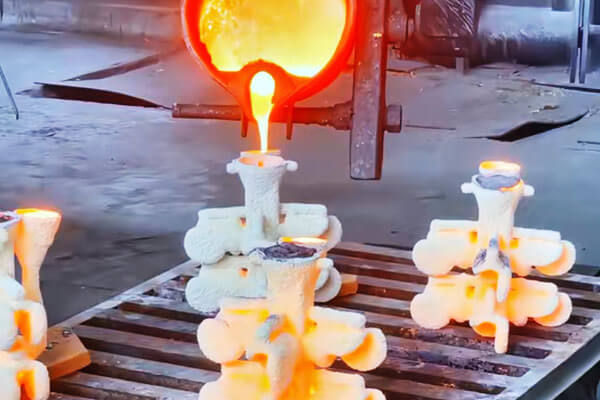
Ražošanas procesa plūsma
Inženiertehniskais dizains → Instrumenti → Vaska raksts → Vaska montāža → Keramikas apvalks → Vaska noņemšana → Korpusa apdedzināšana → Nerūsējošā tērauda ieliešana → Dzesēšana → Korpusa noņemšana → Termiskā apstrāde → CNC apstrāde → Virsmas apdare → Pārbaude → Vārstu montāža
Inženierprojektēšana un CAD modelēšana
Process sākas ar detalizētu inženiertehnisko projektu.
Inženieri izveido vārsta korpusa un saistīto komponentu trīsdimensiju CAD modeli, ņemot vērā:
- Spiediena prasības
- Sienas biezuma sadalījums
- Apstrādes pielaides
- Liešanas saraušanās
- Plūsmas īpašības
- Montāžas saskarnes
Mūsdienu ražotāji bieži veic liešanas simulāciju un sacietēšanas analīzi pirms instrumentu izgatavošanas.
Šīs simulācijas palīdz identificēt iespējamos defektus, piemēram, saraušanās porainību, gaisa iesprūšana, un nevienmērīga dzesēšana, allowing optimization of the gating and feeding system in advance.
Instrumentu un vaska rakstu ražošana
Precision metal dies are manufactured for wax injection.
Molten wax is injected into the die under controlled pressure and temperature to create accurate wax replicas of the valve body.
Key control points include:
- Wax temperature
- Injekcijas spiediens
- Atdzesēšanas laiks
- Izmēra stabilitāte
- Virsmas kvalitāte
Because the wax pattern directly determines the final casting geometry, pattern accuracy is essential for achieving tight tolerances.
Vaska komplekts
Individual wax patterns are attached to a central wax runner system to form a casting tree.
The runner and gate arrangement must provide:
- Balanced metal flow
- Smooth cavity filling
- Adequate feeding
- Minimāla turbulence
- High casting yield
Proper wax assembly is a critical factor in reducing casting defects.
Keramikas apvalka ēka
The wax assembly is repeatedly dipped into a ceramic slurry and coated with refractory sand.
Katrs slānis tiek žāvēts pirms nākamā slāņa uzklāšanas. Atkarībā no vārsta korpusa izmēra un svara, apvalks parasti sastāv no 6–10 keramikas slāņiem.
Keramikas apvalkam ir jānodrošina:
- Lielas izturības
- Laba caurlaidība
- Lieliska ugunsizturība
- Termiskā triecienizturība
- Izmēra stabilitāte
Atkāpšanās un čaumalas šaušana
Pēc korpusa uzbūves, vasks tiek noņemts, izmantojot augstspiediena tvaiku autoklāvā.
Pēc tam apvalks tiek apdedzināts augstā temperatūrā, parasti 900–1100°C, līdz:
- Noņemiet vaska atlikumus
- Palieliniet apvalka izturību
- Likvidējiet mitrumu
- Uzlabojiet termisko stabilitāti
Pareizi apdedzināts apvalks ir būtisks nerūsējošā tērauda liešanai bez defektiem.
Nerūsējošā tērauda kausēšana un liešana
Nerūsējošais tērauds tiek izkausēts indukcijas krāsnīs rūpīgi kontrolētos apstākļos.
Ķīmiskais sastāvs tiek nepārtraukti uzraudzīts, lai nodrošinātu atbilstību ASTM specifikācijām.
Kritiskie liešanas parametri ietver:
- Sakausējuma sastāvs
- Temperatūras liešanas
- Pārkaršanas temperatūra
- Skābekļa kontrole
- Iekļaušanas kontrole
- Izliešanas ātrums
Tā kā nerūsējošais tērauds ir jutīgs pret oksidāciju, Turbulence liešanas laikā ir jāsamazina līdz minimumam.
Apvalka noņemšana un nogriešana
Pēc atdzesēšanas, keramikas apvalks tiek mehāniski noņemts.
Pēc tam liešanas koks tiek sadalīts atsevišķos komponentos.
Tipiskās operācijas ietver:
- Nokauts
- Šāvienu spridzināšana
- Vārtu noņemšana
- Slīpēšana
- Tīrīšana ar virsmu
Termiskā apstrāde
Termiskā apstrāde optimizē lējuma mikrostruktūru un izturību pret koroziju.
Kopējās ārstēšanas metodes ietver:
| Termiskā apstrāde | Mērķis |
| Risinājumu rūdīšana | Atjaunot izturību pret koroziju |
| Stresa mazināšana | Samaziniet atlikušo stresu |
| Rūdīšana & Rūdījums | Uzlabojiet izturību noteiktām klasēm |
Pareiza termiskā apstrāde ir īpaši svarīga CF8M, CF3M, un dupleksais nerūsējošais tērauds.
CNC precīzā apstrāde
Lai gan investīciju liešana nodrošina gandrīz tīkla formas komponentus, kritiskām virsmām joprojām ir nepieciešama precīza apstrāde.
Tipiskas apstrādes darbības ietver:
- Atloku sejas apstrāde
- Vītnes apstrāde
- Kāta urbuma apstrāde
- Sēdekļu kabatas apstrāde
- Izpildmehānisma montāžas virsmas
- Spiediena blīvēšanas saskarnes
Augstas precizitātes CNC aprīkojums nodrošina izcilu koncentriskumu un blīvēšanas veiktspēju.
Virsmas apdare
Atkarībā no pieteikuma, vārsta korpuss var tikt pakļauts:
- Marinēšana
- Pasniegšana
- Mehāniska pulēšana
- Elektropulēšana
- Stikla pērlīšu apstrāde
Šīs apstrādes uzlabo izturību pret koroziju un virsmas tīrību.
Precīza pārbaude un apdare
Complete dimensional calibration, ultrasonic nondestructive testing (Ut), magnetic particle testing (Kalna attālums), hydraulic pressure tightness test, and surface finishing to deliver qualified high-precision stainless steel ball valve castings.
5. Korozijas izturības un virsmas apstrādes risinājumi
One of the primary reasons for choosing stainless steel ball valves is their excellent corrosion resistance.
Tomēr, the final corrosion performance depends not only on alloy composition but also on surface condition, tīrība, termiskā apstrāde, un apdares procesi.
Kāpēc nerūsējošais tērauds ir izturīgs pret koroziju
Stainless steel contains at least 10.5% hroms, kas veido plānu, stabils, and self-healing passive oxide layer on the surface.
This passive film:
- Novērš turpmāku oksidāciju
- Repairs itself when damaged
- Protects against many chemicals
- Improves long-term durability
Higher chromium, niķelis, molibdēns, and nitrogen contents further enhance corrosion resistance.
Kopējās virsmas apstrādes tehnoloģijas
| Virsmas apstrāde | Main Purpose | Typical Surface Condition | Lietojumprogrammas |
| Marinēšana | Remove scale and oxides | Clean metallic surface | General industrial service |
| Pasniegšana | Enhance passive film | Chemically stabilized surface | Ķīmiskā un sanitārā rūpniecība |
| Elektropulēšana | Samaziniet raupjumu un piesārņojumu | Spogulim līdzīga apdare | Farmaceitiskie un pusvadītāji |
| Mehāniska pulēšana | Uzlabojiet izskatu un tīrību | Gluda pulēta apdare | Pārtika un dzēriens |
| Stikla pērlīšu spridzināšana | Vienveidīgs matēts izskats | Satīna apdare | Jūras un arhitektūras |
| Šāvienu spridzināšana | Noņemiet virsmas atlikumus | Notīra teksturētu virsmu | Vispārējie rūpniecības vārsti |
6. Izplatīti investīciju liešanas defekti un inženiertehniskie risinājumi
Ieguldījuma nerūsējošā tērauda lodveida vārstu sastāvdaļas ir jutīgas pret noteiktiem defektu veidiem. Zemāk esošajā tabulā tie ir uzskaitīti, to cēloņi, un korektīvie pasākumi.
| Defekts | Vizuāls/NDT paraksts | Galvenais iemesls | Profilakse / līdzeklis |
| Gāzes porainība | Apaļi iekšējie tukšumi | Izšķīdināts ūdeņradis/slāpeklis; slikta deoksidācija. | Vakuuma degazēšana; izmantojiet tīru lādiņu; uzlabot liešanas praksi. |
| Saraušanās porainība | Robaini iekšējie tukšumi | Nepietiekama barošana; slikts stāvvada dizains. | Optimizējiet slēgšanu/stāvēšanu; izmantojiet drebuļus; simulēt sacietēšanu. |
| Karsta asarošana | Plaisas ar nodriskātām malām | Stiepes spriegums sacietēšanas laikā; čaulas ierobežojums. | Samaziniet ieliešanas temperatūru; uzlabot apvalka saliekamību; modificēt sakausējumu. |
| Ieslēgumi (oksīds/izdedži) | Neregulāras nemetāliskas daļiņas | Nemierīga liešana; netīrs kausējums; erodēts apvalks. | Keramikas filtri; grunts liešana; tīrs lādiņš. |
Ēģipte / auksti ciet |
Nepilnīgs pildījums; salocīta virsma | Zema liešanas temperatūra; slikta plūstamība. | Palieliniet ieliešanas temperatūru; uzlabot vārtu vadību; evakuēt pelējumu. |
| Virsmas nelīdzenums / spuru atdalīšana | Paaugstinātas līnijas uz virsmas | Korpusa plaisāšana pildīšanas laikā; zema apvalka izturība. | Palieliniet apvalka biezumu; izmantojiet stiprāku saistvielu. |
| Karbīda nokrišņi (sensibilizācija) | Starpgranulu uzbrukums (korozijas tests) | Lēna dzesēšana līdz 450-850°C; augsts oglekļa daudzums. | Izmantojiet zemu oglekļa saturu (CF-3/CF-3M); Ātra dzēšana. |
| Izmēru novirze | Izmēri, kas neatbilst pielaidēm | Vaska saraušanās variācijas; čaulas paplašināšana; mirst valkāt. | Kontroles vaska injekcija; uzturēt mirst stāvokli. |
Kvalitātes nodrošināšana
| QA elements | Metode | Pieņemšanas kritēriji |
| Ķīmiskā analīze | Spektrometrija | Atbilst ASTM A351/A743/A890 specifikācijai. |
| Mehāniskā pārbaude | Stiepts, cietība, trieciens | Atbilst pakāpes prasībām. |
| Ndt | Krāsviela (Pt), radiogrāfija (Rt), ferīta mērīšana | Nav plaisu, porainība pārsniedz specifikāciju; ferīta saturs 30–60% dupleksam. |
| Dimensiju pārbaude | CMM, mērinstrumenti | Atbilst zīmēšanas pielaidēm. |
| Spiediena pārbaude | Hidrostatisks (1.5× Nominālais spiediens) | Nav noplūdes; nav deformācijas. |
| Virsmas apdare | Vizuāls, profilometrs | Ra ≤6,3 µm (vai kā norādīts). |
7. Investīciju liešanas nerūsējošā tērauda lodveida vārstu priekšrocības
Investīciju liešana ir kļuvusi par vēlamo ražošanas procesu nerūsējošā tērauda lodveida vārstiem, jo tas nodrošina izcilu precizitātes līdzsvaru, strukturālā integritāte, ražošanas efektivitāte, un ilgtermiņa sniegums.
Ārkārtas dimensijas precizitāte
Viena no investīciju liešanas lielākajām priekšrocībām ir tā spēja ražot gandrīz tīkla formas komponenti ar izcilu izmēru precizitāti.
Salīdzinājumā ar tradicionālajiem liešanas procesiem, investīciju liešanas piedāvājumi:
- Stingras dimensijas pielaides
- Lieliska atkārtojamība
- Vienāds sienas biezums
- Precīzas iekšējās plūsmas ejas
- Samazināta apstrādes pielaide
Šīs īpašības ir īpaši svarīgas lodveida vārstiem, jo precīza korpusa ģeometrija tieši ietekmē sēdekļa izlīdzināšanu, stumbra pozicionēšana, aizzīmogošana, un spiediena integritāte.
Augsta izmēru konsistence arī vienkāršo montāžu un nodrošina vārsta komponentu savstarpēju aizvietojamību masveida ražošanā.
Augstāka virsmas apdare
Ieguldījumu liešana dabiski rada daudz gludāku virsmu nekā parastā smilšu liešana.
Gludāka liešanas virsma piedāvā vairākas inženiertehniskas priekšrocības:
- Zemākas apstrādes izmaksas
- Labāka virsmu blīvēšana
- Samazināta šķidruma pretestība
- Uzlabota pārklājuma un pasivēšanas kvalitāte
- Uzlabots produkta izskats
Piemērots sanitārajām vajadzībām, piemēram, farmācijai vai pārtikas pārstrādei, gludas virsmas arī samazina baktēriju saķeri un vienkāršo tīrīšanas procedūras.
Sarežģīta ģeometrija bez plašas apstrādes
Lodveida vārstu korpusiem ir vairākas sarežģītas funkcijas, ieskaitot:
- Iekšējās plūsmas ejas
- Stumbra dobumi
- Sēdekļu kabatas
- Montāžas priekšnieki
- Atloku vai vītņoti savienojumi
Ieguldījumu liešana ļauj šīs sarežģītās ģeometrijas izgatavot vienā lējuma veidā, ievērojami samazinot sekundārās apstrādes darbības.
Salīdzinājumā ar apstrādi no kaltiem blokiem, investīciju liešana:
- Samazina materiālu atkritumus
- Saīsina ražošanas ciklus
- Samazina instrumentu nodilumu
- Uzlabo ražošanas efektivitāti
Lieliska spiediena integritāte
Pressure-containing components require a dense and homogeneous internal structure.
With properly designed gating systems, virziena sacietēšana, and controlled pouring conditions, investment-cast stainless steel valve bodies achieve:
- High structural integrity
- Vienāds sienas biezums
- Excellent pressure resistance
- Low internal defect rates
- Reliable sealing performance
After pressure testing and non-destructive inspection, these castings meet stringent industrial standards for pressure-retaining equipment.
Izcila izturība pret koroziju
The combination of premium stainless steel alloys and appropriate surface treatments provides exceptional resistance to:
- Atmospheric corrosion
- Freshwater corrosion
- Seawater exposure
- Chloride attack
- Organiskās ķīmiskās vielas
- Vieglas skābes un sārmi
Tādas pakāpes kā Cf8m (316 nerūsējošais tērauds) offer excellent resistance to chloride-induced pitting and crevice corrosion, Padarot tos ideālus jūras, jūrā, un ķīmiskās apstrādes lietojumprogrammas.
Ilgs kalpošanas laiks un zema apkope
Stainless steel investment-cast ball valves are designed for decades of reliable operation.
Their advantages include:
- Lieliska nodiluma pretestība
- Stable sealing performance
- Zems darbības griezes moments
- Minimāla ar koroziju saistīta apkope
- Augsta izturība pret nogurumu
Šīs īpašības ievērojami samazina apkopes biežumu un darbības dīkstāves laiku.
8. Nerūsējošā tērauda lodveida vārstu rūpnieciskie pielietojumi
| Rūpniecība | Tipiskas lietojumprogrammas | Vārsta tips | Sakausējuma pakāpe | Galvenās prasības |
| Eļļas & gāze | Cauruļvada izolācija, akas galva, naftas pārstrādes rūpnīca, jūrā | Trunnion, peldošs, 3- ceļš | CF-8M, CD-3MN | Augsts spiediens, skāba gāze (H₂s), hlorīda SCC izturība. |
| Ķīmiskā apstrāde | Skābju apstrāde, šķīdinātāja pārnešana, reaktora izolācija | Atlaists, Pilna osta | CN-7M, CF-8M | Skābju izturība, hermētiska slēgšana. |
| Jūras / jūrā | Jūras ūdens dzesēšana, balasta sistēmas, atsāšana | Atlaists, cilpa | CF-3M, CD-3MN | Jūras ūdens korozija, pretestība. |
| Pārtika & dzēriens | Sanitārā apstrāde, CIP sistēmas, iepildīšana pudelēs | Sanitārs, atlaists | CF-3M (316Lukturis) | FDA apstiprināts, elektropolēts, viegli tīrāms. |
| Farmaceitisks | WFI sistēmas, tīrs tvaiks, sterila apstrāde | Sanitārs, atlaists | CF-3M (316Lukturis) | Īpaši tīrs, nav porains, sterilizējams. |
Enerģijas ražošana |
Dzesēšanas ūdens, tvaika līnijas, kondensāts | Atlaists, sadurmetināšana | CF-8, CF-8M | Augsta temperatūra, spiediena riteņbraukšana. |
| Laistīt & notekūdeņi | Attīrīšanas iekārtas, sadalījums, apūdeņošana | Vafele, atlaists | CF-8, CF-8M | Izturība pret koroziju, ilgs kalpošanas laiks. |
| Mīkstums & papīrpapīrs | Ķīmiskā atgūšana, balināšanas līnijas, krājumu apstrāde | Atlaists, 3- ceļš | CN-7M, divstāvu | Izturība pret hlora dioksīdu. |
| Pusvadītājs | Īpaši tīrs ūdens, ķīmisko vielu piegāde | Kompakts, atlaists | CF-3M (316Lukturis) | Īpaši tīrs, zema daļiņu veidošanās. |
| Aviācija | Hidraulisks, kurināt, un pneimatiskās sistēmas | Kompakts, krusts | 17-4Ph, 304Lukturis | Lielas izturības, hermētisks, viegls svars. |
9. Nerūsējošā tērauda lodveida vārsts vs. Oglekļa tērauda lodveida vārsts
Gan nerūsējošā tērauda, gan oglekļa tērauda lodveida vārsti tiek plaši izmantoti rūpnieciskajās cauruļvadu sistēmās.
Tomēr, katrs materiāls piedāvā atšķirīgas priekšrocības atkarībā no darbības vides, procesa vide, apkopes prasības, un budžeta apsvērumi.
| Salīdzinājuma vienums | Nerūsējošā tērauda lodveida vārsts | Oglekļa tērauda lodveida vārsts |
| Tipiski materiāli | CF8, Cf8m, CF3, CF3M, Dupleksa nerūsējošā tērauda | WCB, WCC, LCB, LCC |
| Izturība pret koroziju | Lielisks; dabiski izturīgs pret rūsu, ķīmiskās vielas, un hlorīdi | Mērens; nepieciešami pārklājumi vai oderējums aizsardzībai pret koroziju |
| Mehāniskā izturība | Augsta izturība ar izcilu stingrību | Augsta izturība un lieliska konstrukcijas stingrība |
| Temperatūras spēja | Piemērots kriogēnai apkalpošanai un paaugstinātai temperatūrai (Atkarībā no pakāpes) | Piemērots vispārējai rūpnieciskai temperatūrai; īpašas sakausējumu kategorijas, kas nepieciešamas ekstremāliem apstākļiem |
| Spiediena spēja | Lieliski piemērots vidējam- un augstspiediena sistēmas | Lieliski piemērots augstspiediena rūpnieciskiem lietojumiem |
| Aizsardzība pret virsmu | Parasti nepieciešama tikai pasivēšana vai pulēšana | Parasti nepieciešams epoksīda pārklājums, cinkojošs, vai citi aizsargpārklājumi |
Apkopes prasības |
Zema apkope, pateicoties raksturīgajai izturībai pret koroziju | Nepieciešama periodiska pārbaude un pārklājuma apkope |
| Ražošanas izmaksas | Augstākas materiālu un apstrādes izmaksas | Zemākas ražošanas izmaksas |
| Dzīves cikla izmaksas | Pazemināts ilgstošas darbības laikā, pateicoties izturībai un samazinātai apkopei | Zemāks sākotnējais ieguldījums, bet potenciāli augstākas uzturēšanas izmaksas |
| Tipiskas lietojumprogrammas | Ķīmiskā apstrāde, jūras, pārtika, farmaceitisks, ūdens apstrāde | Eļļas & gāze, enerģijas ražošana, HVAC, pašvaldības infrastruktūra, vispārējā nozare |
| Primārās priekšrocības | Augstāka izturība pret koroziju, higiēna, ilgs kalpošanas laiks | Rentabls, lielas izturības, lieliska spiediena izturība |
| Primārie ierobežojumi | Lielāks sākotnējais ieguldījums | Zemāka izturība pret koroziju bez aizsargapstrādes |
10. Pielāgots investīciju liešanas nerūsējošā tērauda lodveida vārsts no LangHe Foundry
Pareiza ražošanas partnera izvēle ir tikpat svarīga kā atbilstoša vārsta materiāla un konstrukcijas izvēle.
Uzticama liešanas liešanas iekārta ne tikai ražo augstas kvalitātes lējumus, bet arī nodrošina inženierzinātnes, procesa optimizācija, Precīza apstrāde, un visaptveroša kvalitātes nodrošināšana visā ražošanas ciklā.
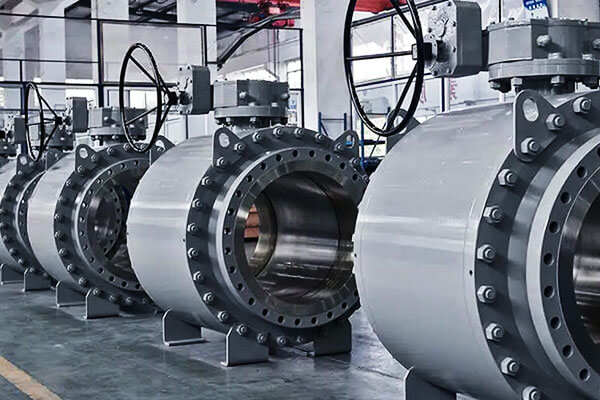
Langhe lietuve specializējas precīzos investīciju liešanas risinājumos nerūsējošā tērauda lodveida vārstu komponentiem, piedāvā integrētus ražošanas pakalpojumus no produktu dizaina un ātras prototipēšanas līdz masveida ražošanai.
Ar lielu pieredzi precīzijas liešanā, CNC apstrāde, termiskā apstrāde, un virsmas apdare,
LangHe piegādā pēc pasūtījuma izstrādātas vārstu sastāvdaļas, kas atbilst tādu nozaru kā naftas un gāzes prasībām, ķīmiskā apstrāde, ūdens apstrāde, pārtikas pārstrāde, jūras inženierija, farmaceitiski, un enerģijas ražošana.
Neatkarīgi no tā, vai klientiem ir nepieciešami standarta vārstu korpusi vai īpaši pielāgoti lējumi ar sarežģītu ģeometriju, LangHe nodrošina rentablu, augstas kvalitātes ražošanas risinājumi, ko nodrošina stingra kvalitātes kontrole un starptautiski ražošanas standarti.
OEM un ODM ražošanas pakalpojumi
| Spēja | Detaļa |
| Sakausējumi | CF-8, CF-8M, CF-3, CF-3M, CN-7M, CD-3MN, CE-8MN, CB7Cu-1 (17-4Ph). |
| Daļas svars | 0.05 kg līdz 100 kg. |
| Izmēri | Līdz 600 mm diametrs. |
| Pielaide | ±0,1–0,3 mm (CT5-CT7 atbilstoši ISO 8062). |
| Virsmas apdare | Ra 1,6–6,3 µm pēc liešanas; pieejama elektropulēšana. |
| Termiskā apstrāde | Risinājumu rūdīšana, novecošanās, stresa mazināšana. |
| Kvalitāte | Iso 9001:2015 sertificēts; 100% NDT un spiediena pārbaude. |
| Sagatavošanās laiks | 8-12 nedēļas instrumentiem un pirmajiem izstrādājumiem; 2-4 nedēļas atkārtotiem pasūtījumiem. |
| Apliecība | PED 2014/68/ES, Dzimis MR0175/ISO 15156 (divstāvu). |
11. Secinājums
Nerūsējošā tērauda lodveida vārsti ir galvenie augstas uzticamības komponenti augstas klases rūpnieciskā šķidruma kontrolei, un investīciju liešana ir kļuvusi par vienīgo augstas efektivitātes, augstas precizitāte, un augstas uzticamības ražošanas risinājums šādiem produktiem.
Pārvarot tradicionālās smilšu liešanas raksturīgos defektus, kalšanas metināšana, un cieto stieņu apstrāde,
investīciju liešana realizē integrētu gandrīz tīkla formas formēšanu, augstas tīrības pakāpes blīva metalurģiskā struktūra, īpaši precīza sfēriska blīvējuma virsma, un lieliska nerūsējošā tērauda lodveida vārstu pretkorozijas veiktspēja.
Tā kā rūpnieciskās iekārtas turpina attīstīties uz augstāku efektivitāti, lielāka automatizācija, un prasīgākas pakalpojumu vides, precīzai investīciju liešanai būs arvien lielāka nozīme vārstu ražošanā.
Uzlabotas tehnoloģijas, piemēram, liešanas simulācija, automatizēta apvalka ēka, inteliģenta apstrāde, digitālā kvalitātes kontrole, un viedās ražošanas sistēmas vēl vairāk uzlabo produktu konsekvenci un ražošanas efektivitāti.
Sadarbojoties ar pieredzējušu investīciju liešanas ražotāju, piemēram, Langhe lietuve, klienti var piekļūt visaptverošam inženiertehniskajam atbalstam, augstākās kvalitātes nerūsējošā tērauda materiāli, progresīvas ražošanas tehnoloģijas, un stingra kvalitātes nodrošināšana.
No prototipu izstrādes līdz liela mēroga ražošanai, precīza investīciju liešana joprojām ir viens no uzticamākajiem un rentablākajiem risinājumiem augstas veiktspējas nerūsējošā tērauda lodveida vārstu ražošanai, kas atbilst augstākajiem starptautiskajiem nozares standartiem..
FAQ
Kāds ir visizplatītākais nerūsējošā tērauda sakausējums lodveida vārstu lējumiem?
CF-8M (316 līdzvērtīgs) ir visizplatītākais lodvārstu komponentu sakausējums, pateicoties tā izcilajai izturībai pret koroziju, labs spēks, un mērenas izmaksas. CF-3M (316Lukturis) ir priekšroka, ja nepieciešama metināšana.
Vai jūras ūdenī var izmantot investīcijas lodveida vārstus?
Jā. CF-8M (316) piedāvā labu jūras ūdens izturību, bet Dupleksa nerūsējošā tērauda (CD-3MN / 2205) ir priekšroka ilgstošai lietošanai jūras ūdenī, jo tai ir izcila hlorīda punktveida izturība un izturība pret sprieguma korozijas plaisāšanu.
Kāda virsmas apdare nepieciešama sanitārajiem lodveida vārstiem?
Sanitārajiem lodveida vārstiem parasti ir nepieciešams elektropulēts vai mehāniski pulēts virsmām ar Ra ≤0,8 µm (un dažreiz Ra ≤0,4 µm) lai novērstu baktēriju saķeri un nodrošinātu tīrāmību.
Kāda ir atšķirība starp pilna porta un samazināta porta lodveida vārstiem?
Pilnas atveres vārstiem ir lodveida urbums, kas vienāds ar caurules diametru, kā rezultātā spiediena kritums ir minimāls. Samazinātajiem porta vārstiem ir mazāks urbums, piedāvājot zemākas izmaksas, bet lielāku spiediena kritumu.
Investīciju liešana var ražot abus veidus.