1. Ievads
Manufacturing has always been the driving force behind industrial progress, bet mūsdienu progresīvās inženierijas laikmetā, simply producing parts is no longer sufficient.
Modern industries demand components that are not only functional but also exceptionally accurate, highly consistent, and capable of performing reliably under increasingly demanding operating conditions.
Whether manufacturing a jet engine turbine blade, a surgical implant, a semiconductor wafer, or a high-pressure valve body, even microscopic dimensional deviations can compromise product performance, reduce service life, or lead to catastrophic system failure.
This demand for increasingly tighter tolerances has given rise to precizitātes ražošana—a highly specialized manufacturing discipline
that integrates advanced machine tools, intelligent automation, sophisticated measurement technologies, materiālu zinātne, and rigorous quality management to produce components with exceptional dimensional accuracy and repeatability.
Unlike conventional manufacturing, which primarily focuses on producing parts that meet basic functional requirements, precision manufacturing emphasizes controlling every variable throughout the production process.
From material selection and process planning to machining, pārbaude, un galīgā montāža, each step is optimized to minimize variation and ensure every component conforms precisely to engineering specifications.
2. Kas ir precīzā ražošana?
Precision manufacturing is the discipline of designing and producing components with exceptionally high levels of dimensional accuracy, geometric consistency, and surface integrity through tightly controlled manufacturing processes.
It combines advanced machinery, digital technologies, skilled engineering, and rigorous quality assurance to ensure that every manufactured part conforms precisely to its intended design specifications.
No inženierijas viedokļa, precision manufacturing is not defined by a single production process.
Tā vietā, it is characterized by the ability to repeatedly manufacture components within extremely narrow tolerances while maintaining consistent quality across low-volume prototypes and high-volume production alike.
Unlike conventional manufacturing, where deviations within relatively broad tolerance limits may be acceptable, precision manufacturing seeks to minimize variation at every stage of production.
Every factor—including machine rigidity, termiskā stabilitāte, tooling condition, fixture accuracy, materiālu īpašības, parametru griešanas, and environmental conditions—is carefully controlled to achieve predictable and repeatable results.
Core Characteristics of Precision Manufacturing
Precision manufacturing is distinguished by several defining characteristics that collectively ensure superior product quality and process reliability.
Ārkārtas dimensijas precizitāte
The primary objective of precision manufacturing is to produce components that closely match their nominal dimensions.
High-precision machine tools, advanced tooling systems, and sophisticated measurement equipment are used to minimize dimensional deviations.
Tight Geometric Tolerances
In addition to size, precision manufacturing controls geometric features such as:
- Līdzenums
- Apaļums
- Cylindricity
- Koncentritāte
- Perpendikulitāte
- Parallelism
- Position accuracy
- Surface profile
Maintaining these characteristics is critical for assemblies requiring perfect alignment and smooth mechanical motion.
Augstāka virsmas apdare
Many precision components require exceptionally smooth surfaces to reduce friction, improve sealing performance, enhance fatigue resistance, or satisfy optical requirements.
Typical surface roughness values range from:
- Ra 1.6 μm for general precision machining
- Ra 0.8 μm for sealing surfaces
- Ra 0.2 μm or lower for optical and medical applications
Advanced finishing processes such as grinding, godējošs, apslāpēšana, pulēšana, and superfinishing are frequently employed to achieve these requirements.
Excellent Repeatability
Precision manufacturing emphasizes process consistency rather than isolated accuracy.
Every part produced should exhibit nearly identical dimensions and properties regardless of production batch or manufacturing date.
Repeatability is essential for automated assembly systems and interchangeable components.
Stable Process Capability
High process capability is achieved through:
- Machine calibration
- Thermal compensation
- Tool condition monitoring
- Procesa optimizācija
- Statistical quality control
Manufacturers often monitor process capability indices such as Cp and Cpk to ensure production remains within specified tolerance limits.
Complete Traceability
Modern precision manufacturing integrates comprehensive production traceability.
Every component may be linked to:
- Materiālu sertifikāti
- Heat treatment records
- Machining parameters
- Inspection reports
- Tooling history
- Operator information
- Quality documentation
Such traceability is particularly important in aerospace, medicīnisks, un automobiļu rūpniecība.
3. Fundamental Principles of Precision Manufacturing
Precision manufacturing is founded on a set of engineering principles that govern how dimensional accuracy, procesa stabilitāte, and product quality are achieved.
These principles ensure that manufacturing systems consistently produce components meeting stringent performance requirements while minimizing variation and defects.
Accuracy vs. Precizitāte
Although often used interchangeably in everyday language, precizitāte un precizitāte have distinct meanings in manufacturing engineering.
Precizitāte refers to how closely a manufactured dimension matches its intended design value.
A highly accurate process produces parts that are very close to the target specification.
Precizitāte, turpretī, describes the consistency or repeatability of the manufacturing process.
A highly precise process produces nearly identical parts repeatedly, even if there is a slight systematic deviation from the nominal dimension.
An ideal manufacturing process is both accurate and precise, consistently producing components that meet design specifications with minimal variation.
Achieving this balance requires rigorous calibration, procesa kontrole, and continuous monitoring.
Engineering Tolerances
No manufacturing process can produce absolutely perfect dimensions. Tā vietā, engineers specify acceptable limits of variation known as pielaides.
Precision manufacturing is characterized by its ability to operate within extremely tight tolerance windows.
Tolerance control extends far beyond simple linear dimensions and includes:
- Izmēru pielaides
- Geometric Dimensioning and Tolerancing (Gd&T)
- Surface profile tolerances
- Position tolerances
- Form tolerances
- Orientation tolerances
- Runout tolerances
Proper tolerance allocation ensures components assemble correctly while avoiding unnecessarily expensive manufacturing processes.
Virsmas integritāte
Precision manufacturing focuses not only on dimensions but also on preserving the functional quality of the manufactured surface.
Surface integrity encompasses multiple characteristics, ieskaitot:
- Virsmas nelīdzenums
- Surface waviness
- Atlikušie spriegumi
- Microhardness
- Microstructural alterations
- Virsmas defekti
High-quality surface integrity contributes to:
- Uzlabota izturība pret nogurumu
- Better sealing performance
- Reduced friction
- Pastiprināta nodiluma izturība
- Increased corrosion resistance
Advanced finishing processes are often employed to optimize surface characteristics for demanding applications.
Procesa stabilitāte
Long-term manufacturing precision depends on maintaining stable production conditions.
Critical factors influencing process stability include:
- Machine tool rigidity
- Thermal expansion control
- Vibration suppression
- Cutting tool wear
- Workholding accuracy
- Environmental temperature
- Coolant performance
- Machine calibration
Rather than correcting defects after they occur, modern precision manufacturing emphasizes preventing variation through proactive process control and continuous improvement.
Stable processes ultimately deliver higher quality, zemākas izmaksas, and greater manufacturing efficiency while meeting the increasingly stringent demands of advanced engineering industries.
4. Key Precision Manufacturing Processes
CNC Precision Machining
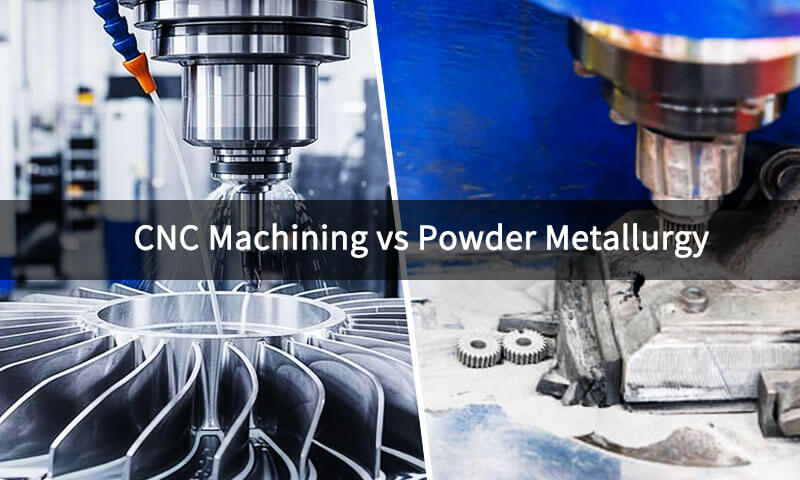
Datora ciparu vadība (CNC) precision machining is one of the most widely used and versatile manufacturing processes in modern industry.
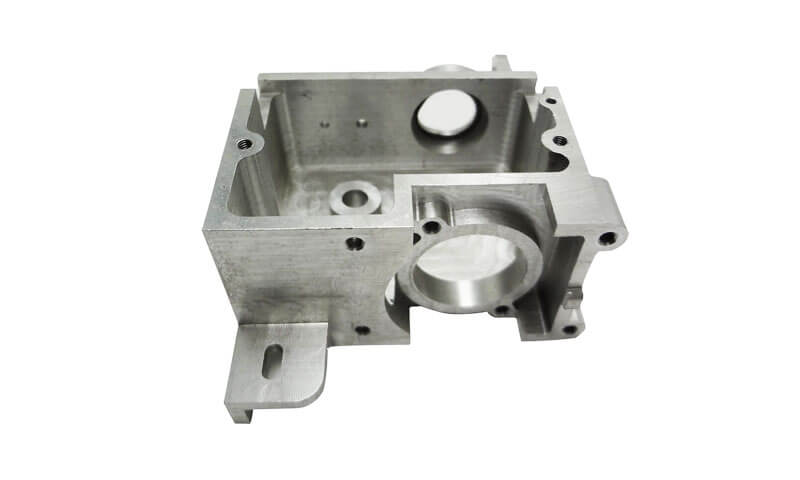
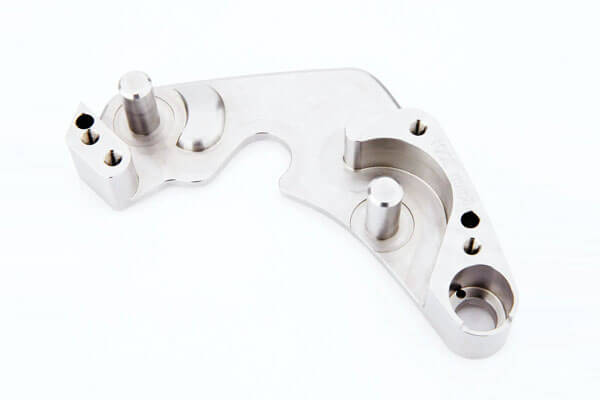
It removes material from a solid workpiece using computer-controlled cutting tools to produce highly accurate and geometrically complex components.
CNC apstrāde supports a wide variety of operations—including milling, pagrieziens, urbšana, garlaicīgs, pieskarties, and multi-axis contouring—and is capable of manufacturing everything from simple mechanical parts to highly intricate aerospace and medical components.
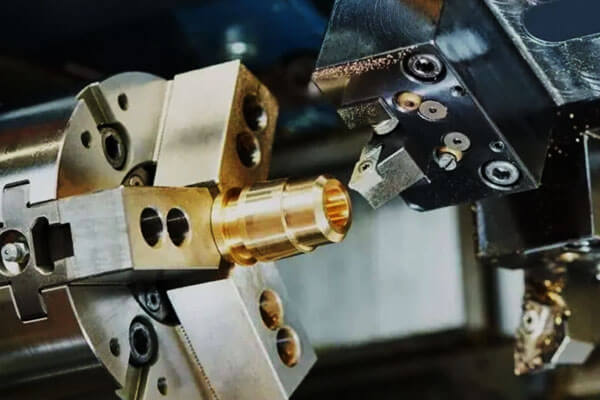
Unlike conventional manual machining, CNC systems execute programmed toolpaths with exceptional accuracy and consistency, minimizing human error and enabling repeatable production across small and large production batches.
| CNC machining type | Spēja | Tolerance | Virsmas apdare (Ra) |
| CNC frēzēšana (3‑axis, 5‑axis) | Complex 3D surfaces, kabatas, kontūras | ±0.005‑0.02 mm | 0.8-1,6 µm |
| CNC virpošana | Cilindriskas daļas, pavedieni, sašaurināt | ±0.005‑0.02 mm | 0.8-1,6 µm |
| CNC slīpēšana | Hard materials; smalks apdare | ±0.001‑0.005 mm | 0.1‑0.4 µm |
| Swiss‑type (pagrieziens + frizēšana) | Mazs, sarežģītas daļas (± 0,01 mm) | ±0.005‑0.01 mm | 0.8-1,6 µm |
| Multi‑axis EDM | Complex cavities, hardened materials | ±0.005‑0.02 mm | 0.4-1,6 µm |
Precīza slīpēšana
Precision grinding is a finishing process that uses abrasive grinding wheels to remove extremely small amounts of material from a workpiece, producing exceptional dimensional accuracy and superior surface integrity.
It is typically performed after machining and heat treatment to achieve final dimensions, improve geometric accuracy, and refine surface finishes.

Because abrasive particles are considerably harder than conventional cutting tools, grinding is capable of machining hardened steels, keramika, karbīdi, and other difficult-to-machine materials with remarkable precision.
| Grinding type | Pieteikums | Tolerance | Ra |
| Virsmas slīpēšana | Plakanas virsmas, parallel faces | ±0.001‑0.003 mm | 0.1‑0.4 µm |
| Cilindriskā slīpēšana | Vārpstas, rolls, gultņu žurnāli | ±0.001‑0.003 mm | 0.1‑0.4 µm |
| Bezcentra slīpēšana | High‑volume cylindrical parts | ±0.002‑0.005 mm | 0.2‑0.8 µm |
| Iekšējā slīpēšana | Inner diameters | ±0.002‑0.005 mm | 0.2‑0.8 µm |
| Jig grinding | Precision holes, kontūras | ±0.001‑0.002 mm | 0.1‑0.2 µm |
Elektriskās izlādes apstrāde (EDM)
Elektriskās izlādes apstrāde (EDM) is a non-contact manufacturing process that removes electrically conductive material through controlled electrical discharges between an electrode and the workpiece.
Instead of relying on mechanical cutting forces, EDM uses thermal energy generated by high-frequency sparks to erode material with exceptional precision.

This process is particularly valuable for producing intricate cavities, sharp internal corners, šauras spraugas, mikroiezīmes, and complex geometries in extremely hard materials that are difficult or impossible to machine conventionally.
| EDM type | Pieteikums | Tolerance | Ra |
| Grimētāja EDM | Veidnes, mirst, dobumi | ±0.005‑0.02 mm | 0.4-1,6 µm |
| Stieples EDM | Contours, sašaurināt, small holes | ±0.002‑0.01 mm | 0.4-1,6 µm |
| Small‑hole EDM | Dzesēšanas caurumi, starting holes | ±0.005‑0.02 mm | 1.6-3,2 µm |
Laser Manufacturing
Laser manufacturing employs highly concentrated laser beams to process materials through localized heating, kūstošs, iztvaikošana, or ablation.
Atkarībā no pieteikuma, lasers can be used for cutting, urbšana, metināšana, gravējums, surface texturing, mikroapstrāde, and precision marking.

Modern fiber lasers, ultrafast femtosecond lasers, and picosecond lasers have dramatically expanded the capabilities of laser processing, enabling extremely fine features with minimal thermal damage.
| Laser process | Pieteikums | Funkcijas izmērs | Tolerance |
| Lāzera griešana | Loksne, caurules | Kerf 0.1‑0.3 mm | ±0.02‑0.05 mm |
| Lāzera urbšana | Small holes in hard materials | 0.02‑1 mm | ±0.005‑0.02 mm |
| Laser marking / gravējums | Identification, apdare | 0.01‑0.05 mm | ±0.01‑0.02 mm |
| Laser micromachining | Fine features on small parts | 0.001‑0.05 mm | ±0.001‑0.005 mm |
| Laser welding | Precision joining | 0.1‑1 mm weld | ±0.02‑0.05 mm |
Precizitātes liešana
Precizitātes liešana encompasses advanced casting technologies capable of producing near-net-shape metal components with high dimensional accuracy, Lieliska virsmas apdare, un sarežģītas ģeometrijas.
Unlike conventional sand casting, precision casting minimizes machining allowances and significantly reduces subsequent material removal.
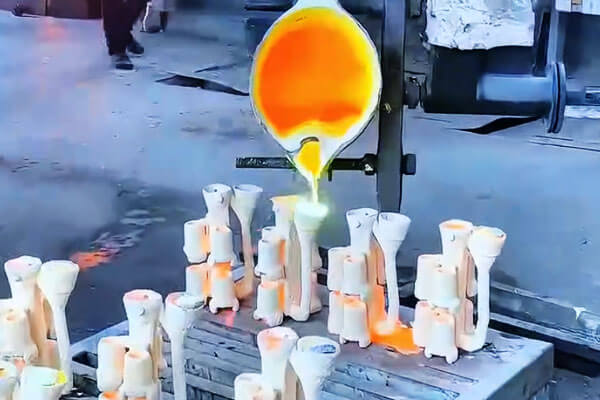
Investīciju liešana, apvalka liešana, zaudēta putu liešana, and precision sand casting are among the most widely used precision casting processes.
| Precision Casting Process | Tipiskas lietojumprogrammas | Typical Dimensional Tolerance* | Tipiska virsmas apdare (Ra) |
| Investīciju liešana (Zaudēto vaska liešana) | Aviācijas un kosmosa komponenti, butterfly valve bodies, sūkņa daļas, medicīniskie implanti, turbīnu asmeņi | ±0.10–0.30 mm per 25 mm | 1.6–6,3 μm |
| Keramikas pelējuma liešana | Automobiļu komponenti, mašīnas, precizitātes korpusi, lāpstiņriteņi | ±0.20–0.50 mm per 25 mm | 3.2–12,5 μm |
| Apvalka liešana | Vārstu ķermeņi, pārnesumu apvalki, sūkņu apvalki, hidrauliskās sastāvdaļas, automobiļu detaļas | ±0.20–0.50 mm per 25 mm | 3.2–6,3 μm |
| Precision Sand Casting | Large industrial valves, sūkņu apvalki, kalnrūpniecības aprīkojums, smagā mašīna | ±0.30–0.80 mm per 25 mm | 6.3–25 μm |
| Lost putu liešana (Full-Mold Casting) | Motora bloki, cilindru galvas, complex pump housings, automotive structural parts | ±0.30–0.80 mm per 25 mm | 6.3–12,5 μm |
| Pastāvīga pelējuma liešana (Gravity Die liešana) | Aluminum valve components, automobiļu detaļas, Elektriskie apvalki | ±0.15–0.50 mm per 25 mm | 1.6–6,3 μm |
| Zema spiediena mirstība | Automobiļu riteņi, aluminum housings, aerospace structural parts | ±0.15–0.40 mm per 25 mm | 1.6–3,2 μm |
| Vacuum Investment Casting | Aviācijas un kosmosa turbīnu komponenti, medicīniskie implanti, high-performance stainless steel and titanium parts | ±0.10–0.20 mm per 25 mm | 0.8–3,2 μm |
Precizitātes kalšana
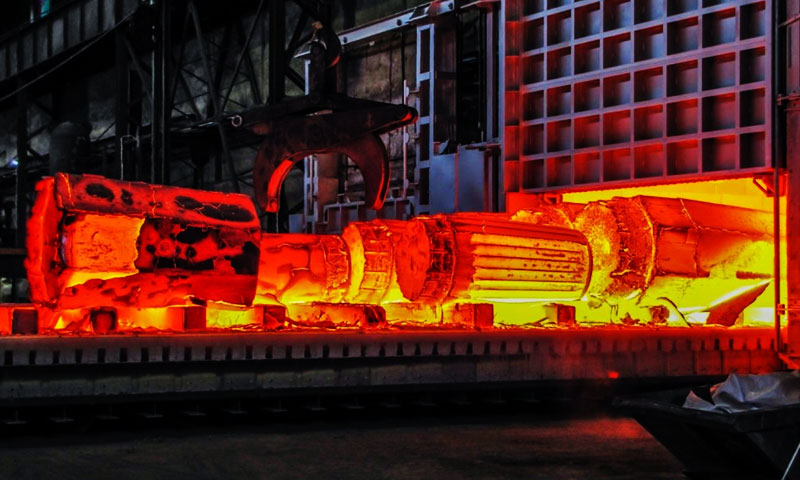
Precision forging is a metal forming process in which carefully controlled compressive forces shape heated or cold metal into near-net-shape components with exceptional mechanical properties and dimensional consistency.
Atšķirībā no liešanas, forging refines the material’s grain structure through plastic deformation, significantly enhancing its strength and fatigue resistance.
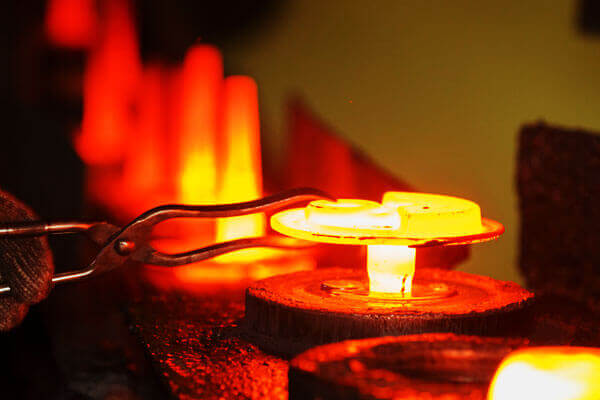
Modern precision forging combines advanced die design, computer simulation, and automated production systems to minimize material waste while maximizing component performance.
| Forging type | Tolerance | Virsmas apdare | Typical products |
| Warm/hot precision forging | ±0,1–0,3 mm | 1.6-6,3 µm | Pārnesumi, vārpstas, Savienojošie stieņi |
| Cold precision forging | ±0.05‑0.1 mm | 0.8-3,2 µm | Stiprinājumi, spraugas, nesošās sacīkstes |
Piedevu ražošana
Piedevu ražošana, plaši pazīstams kā 3D drukāšana, is an advanced manufacturing technology that builds components layer by layer directly from digital three-dimensional models.
Atšķirībā no subtraktīvās ražošanas, which removes material from a solid workpiece, additive manufacturing creates parts by depositing or selectively melting material only where needed.

Metal additive manufacturing technologies—including Selective Laser Melting (SLM), Elektronu staru kūsība (Ebm), Virzīta enerģijas nogulsnēšanās (Dev), and Binder Jetting—have become increasingly important in precision manufacturing.
| Additive process | Materiāli | Funkcijas izmērs | Tolerance |
| Selektīva lāzera saķepināšana (SLS) | Polimēri, metāli | 0.1‑0.2 mm | ±0.1‑0.2 mm |
| Tiešā metāla lāzera saķepināšana (DMLS) | Nerūsējošs, titāns, Super olšūna | 0.05‑0.1 mm | ±0.05‑0.1 mm |
| Elektronu staru kūsība (Ebm) | Titāna sakausējumi | 0.1‑0.2 mm | ±0.1‑0.2 mm |
| Stereolitmikromogrāfija (SLA) | Fotopolimēri | 0.02‑0.05 mm | ±0.02‑0.05 mm |
5. Materials Used in Precision Manufacturing
Metāli
| Materiāls | Lietojumprogrammas | Galvenās īpašības |
| Oglekļa tērauds | Vārpstas, pārnesumi, skrūves, armatūra | Laba izturība un apstrādājamība; ekonomisks. |
| Leģētais tērauds | Pārnesumi, vārpstas, Savienojošie stieņi, Aviācijas un kosmosa stiprinājumi | Lielas izturības, izturība, Sacietējamība. |
| Nerūsējošais tērauds (304, 316, 17-4Ph) | Medicīnas instrumenti, pārtikas aprīkojums, avi kosmosa, jūras | Izturība pret koroziju, izturība. |
| Alumīnija sakausējumi (6061, 7075) | Aviācija, autobūves, elektronikas apvalki | Viegls, Laba mašīnīgums, mērena izturība. |
| Titāna sakausējumi (Pakāpe 5 Ti -6al -4v) | Aviācija, medicīniskie implanti, high‑performance automotive | Exceptional strength‑to‑weight ratio, bioloģiskā savietojamība, izturība pret koroziju. |
| Vara sakausējumi (misiņš, bronza) | Electrical contacts, gultņi, santehnikas piederumi | Elektrovadītspēja, izturība pret koroziju, mašīnīgums. |
| Magnija sakausējumi | Aviācija, automotive lightweight components | Vieglākais strukturālais metāls (1.74 G/cm³). |
| Nickel‑based superalloys (Neiebilstība, Hastelijs) | Strūklu dzinēji, turbīnu asmeņi, ķīmiskā apstrāde | High‑temperature strength, izturība pret oksidāciju. |
Inženierplastika
| Plastmasa | Lietojumprogrammas | Galvenās īpašības |
| Palūrēt | Medicīniskie implanti, avi kosmosa, pusvadītājs | Augsta temperatūra, ķīmiska izturība, nodilums pretestība. |
| Ptfe (Teflons) | Roņi, gultņi, elektriskā izolācija | Zema berze, non‑stick, ķīmiska izturība. |
| Neilons | Pārnesumi, bukses, mechanical components | Labs spēks, nodilums pretestība, self‑lubricating. |
| Delrīns (POM) | Precīzijas pārnesumi, vārsti, stiprinājumi | Augsts stīvums, Zema berze, Izmēra stabilitāte. |
| UHMW‑PE | Conveyor components, wear strips, pārtikas pārstrāde | Very high wear resistance, Zema berze. |
Keramika
| Keramika | Lietojumprogrammas | Galvenās īpašības |
| Alumīnija oksīds (Al₂o₃) | Electrical insulators, griešanas rīki, valkāt daļas | Augsta cietība, elektriskā izolācija, siltumvadītspēja. |
| Cirkonija (Zro₂) | Zobu implanti, gultņi, oxygen sensors | Augsta izturība pret lūzumu, nodilums pretestība. |
| Silicon nitride (Si₃n₄) | Gultņi, griešanas rīki, turbīnu komponenti | Lielas izturības, lūzuma izturība, termiskā trieciena pretestība. |
Saliktie materiāli
| Kompozīts | Lietojumprogrammas | Galvenās īpašības |
| Carbon Fiber Reinforced Plastic (CFRP) | Aviācija, autobūves, sporta preces | High strength‑to‑weight, stīvums. |
| Glass Fiber Reinforced Plastic (GFRP) | Jūras, autobūves, būvniecība | Lower cost than CFRP, Labas mehāniskās īpašības. |
| Carbon‑carbon composites | Aviācija (brakes, nose cones), fusion reactors | Excellent high‑temperature properties, zems blīvums. |
6. Precision Measurement and Quality Control
Measurement is the foundation of precision manufacturing. Without accurate measurement, precision cannot be verified.
Dimensiju pārbaude
| Instrument | Spēja | Typical accuracy | Pieteikums |
| Koordinēt mērīšanas mašīnu (CMM) | 3D measurement of complex parts | ±0.001‑0.005 mm | Prismatic parts, mold and die verification. |
| Optical CMM / Vision system | Ātri, non‑contact measurement of flat parts | ±0.001‑0.005 mm | Elektronika, medicīniskās ierīces, delicate components. |
| Laser interferometer | High‑accuracy length measurement | ±0.0005 mm | Calibration of machine tools, large‑scale measurement. |
| Laser scanner | 3D surface mapping of free‑form parts | ±0,01–0,05 mm | Reverse engineering, comparison to CAD model. |
| Profile projector (optiskais salīdzinātājs) | 2D measurement of simple geometries | ±0.001‑0.005 mm | Small parts, pavedieni, pārnesumi. |
| Mikrometrs / caliper | Manual length measurement | ±0.001‑0.01 mm | Shop floor inspection. |
Surface Roughness Testing
| Parametrs | Apraksts | Parasti diapazons |
| Ra (Vidējais nelīdzenums) | Arithmetic average of absolute values | 0.01-3,2 µm |
| RZ (mean roughness depth) | Average of the highest peak + lowest valley | 0.05‑10 µm |
| Rt (total roughness) | Maximum peak‑to‑valley height | 0.1‑15 µm |
Cietības pārbaude
| Metode | Mērogs | Pieteikums | Parasti diapazons |
| Rokvels | HRC, HRB | Metāli | 20‑70 HRC |
| Brinels | HB | Liešana, BIGNIEKUMI | 100‑600 HB |
| Vikers | Īgns | Small parts, pārklājumi | 50‑1,000 HV |
| Microhardness | Īgns (small loads) | Plānas sekcijas, pārklājumi | 10‑3,000 HV |
Material Composition Analysis
| Metode | Pieteikums | Spēja |
| Optical Emission Spectrometry (Oes) | Metal composition | Quantitative analysis of elements. |
| X‑Ray Fluorescence (Xrf) | Metal composition, pārklājumi | Non‑destructive analysis. |
| Energy‑Dispersive X‑ray Spectroscopy (Red) | Localised analysis, ieslēgumi | Elemental analysis on microscope. |
Non‑Destructive Testing (Ndt)
| NDT method | Detects | Pieteikums |
| Ultraskaņas pārbaude | Internal defects (tukšumi, plaisas, ieslēgumi) | BIGNIEKUMI, liešana, metināt. |
| Rentgenstūra / CT skenēšana | Internal voids, plaisas, porainība | Liešana, metināt, sarežģītas asamblejas. |
| Krāsviela | Surface cracks, porainība | Visi metāli; liešana, metināt. |
| Magnetic particle | Surface cracks in ferromagnetic materials | Steel parts, metināt. |
| Eddy Current | Surface cracks, conductivity changes | Caurules, inspection of conductive materials. |
7. Advantages of Precision Manufacturing
Precision manufacturing has become an indispensable capability for modern industry because it enables the production of components that combine exceptional dimensional accuracy with outstanding mechanical performance, uzticamība, un konsekvence.
Augstāka dimensijas precizitāte
Precision manufacturing consistently achieves tight tolerances that ensure perfect fit, izlīdzināšana, un funkcionalitāte.
This level of accuracy is critical for aerospace engines, medicīniskie implanti, pusvadītāju iekārtas, and precision valve assemblies, where even microscopic deviations can compromise performance.
Outstanding Repeatability
Once an optimized process is established, thousands—or even millions—of identical components can be produced with minimal variation.
High repeatability supports interchangeable parts, automated assembly, and consistent product quality.
Excellent Surface Integrity
Advanced machining and finishing techniques produce smooth, defect-free surfaces that reduce friction, improve sealing, enhance fatigue resistance, and increase wear and corrosion resistance.
Enhanced Product Performance
Accurate geometry and superior surface quality translate directly into improved operational performance, including smoother motion, lower vibration, better fluid flow, reduced energy consumption, and higher efficiency.
Ilgāka kalpošanas dzīve
Precision-manufactured components experience more uniform stress distribution, minimizing localized wear, nogurums, un priekšlaicīga neveiksme.
This leads to extended equipment lifespan and reduced maintenance requirements.
Samazināti materiālu atkritumi
Near-net-shape processes, optimized toolpaths, and precise material removal minimize scrap and improve material utilization.
This is especially valuable when working with expensive materials such as titanium or nickel-based superalloys.
Improved Manufacturing Efficiency
Accurate components require less fitting, adjustment, and rework during assembly.
Automated inspection and digital process control further streamline production, increasing throughput while maintaining quality.
Lower Total Cost of Ownership
Although precision manufacturing may involve higher initial investment in equipment and expertise, it reduces lifecycle costs by lowering defect rates, warranty claims, downtime, and maintenance expenses.
The result is a more economical and reliable product over its entire service life.
Greater Flexibility and Innovation
Modern precision manufacturing enables the production of increasingly complex geometries that would be impossible or prohibitively expensive using conventional methods.
This capability supports innovation in industries such as aerospace, medicīnas tehnoloģija, robotika, un elektronika.
8. Challenges and Limitations of Precision Manufacturing
Neskatoties uz daudzajām priekšrocībām, precision manufacturing also presents significant technical, ekonomisks, and operational challenges.
Achieving and maintaining micron-level accuracy requires substantial investment, rigorous process control, and specialized expertise.
Augstā kapitāla ieguldījums
Precision manufacturing relies on advanced CNC machines, multi-axis machining centers, precision grinders, CMMS, optical measurement systems, and automation equipment.
These technologies require significant upfront investment, as well as ongoing costs for maintenance, calibration, and software upgrades.
Skilled Workforce Requirements
Operating precision equipment demands highly trained engineers, programmers, mašīnisti, and quality specialists.
Expertise in CAD/CAM, Gd&T, metrology, materiālu zinātne, and process optimization is essential, making talent acquisition and development a critical challenge.
Procesa sarežģītība
Producing high-precision components often involves multiple sequential operations—including machining, termiskā apstrāde, slīpēšana, apdare, and inspection—each introducing potential sources of variation.
Coordinating these processes while maintaining dimensional stability requires meticulous planning.
Instrumentu nodilums un apkope
Precision tools gradually wear during operation, affecting dimensional accuracy and surface finish.
Effective tool monitoring, paredzamā apkope, and timely replacement are necessary to prevent quality issues and unplanned downtime.
Environmental Sensitivity
Temperature fluctuations, vibrācija, mitrums, putekļi, and unstable power supplies can all influence machining accuracy.
Maintaining controlled production environments increases both operational complexity and cost.
Inspection and Quality Assurance Costs
Verifying micron-level tolerances requires sophisticated metrology equipment and skilled personnel.
Comprehensive inspection, while essential, adds time and expense to the manufacturing process.
Material Challenges
Advanced materials such as titanium alloys, Niķeļa bāzes superaloys, technical ceramics, and composite materials are often difficult to machine due to high hardness, poor thermal conductivity, or abrasive characteristics.
These materials require specialized tooling and optimized machining strategies.
Piegādes ķēde un ilgtspējība
Precision manufacturing increasingly depends on global supply chains for high-quality raw materials, griešanas rīki, un elektroniskās sastāvdaļas.
Tajā pašā laikā, manufacturers face growing pressure to improve energy efficiency, Samazināt atkritumu, and adopt more sustainable production practices.
9. Industrial Applications of Precision Manufacturing
The ability to produce components with exceptional accuracy and consistency has made precision manufacturing a foundational technology across virtually every high-performance industry.
Aviācijas un aviācija
Few industries demand higher levels of precision than aerospace. Components must withstand extreme temperatures, spiediens, and mechanical loads while maintaining absolute reliability.
Tipiskas lietojumprogrammas ietver:
- Turbīnu asmeņi
- Motora apvalki
- Nolaišanās zobratu komponenti
- Flight control systems
- Structural airframe parts
- Degvielas sistēmas komponenti
Precision manufacturing ensures aerodynamic accuracy, Noguruma pretestība, and compliance with stringent aerospace standards.
Automotive and Electric Vehicles
Modern vehicles incorporate thousands of precision-engineered components, from internal combustion engines to advanced electric drivetrains.
Pieteikumos ietilpst:
- Motora bloki
- Cilindru galvas
- Transmission gears
- Bremžu sistēmas sastāvdaļas
- Electric motor housings
- Battery cooling plates
- Steering and suspension systems
High precision improves efficiency, drošība, izturība, and manufacturing consistency.
Medicīniskās ierīces
Medical technology relies on precision manufacturing to produce components that meet strict biocompatibility and dimensional requirements.
Piemēri ietver:
- Ķirurģiski instrumenti
- Ortopēdiski implanti
- Zobu implanti
- Mugurkaula fiksācijas ierīces
- Endoscopic equipment
- Diagnostic instruments
Micron-level accuracy is essential to ensure proper fit, patient safety, un normatīvo aktu ievērošana.
Semiconductor and Electronics
The electronics industry demands ultra-precision manufacturing for increasingly miniaturized and high-performance devices.
Typical components include:
- Semiconductor processing equipment
- Precision molds
- Savienotāji
- Siltuma izlietnes
- Microelectromechanical systems (Mems)
- Printed circuit board tooling
Advanced manufacturing processes enable the production of intricate features at micro- and nanometer scales.
Enerģijas un enerģijas ražošana
Precision manufacturing supports both conventional and renewable energy systems by producing reliable components capable of operating under harsh conditions.
Pieteikumos ietilpst:
- Gas and steam turbine components
- Nuclear reactor equipment
- Wind turbine gearboxes
- Hydrogen fuel system parts
- Oil and gas valves
- Siltummaiņa komponenti
Accurate manufacturing enhances efficiency, drošība, un operatīvā ilgmūžība.
Industrial Equipment and Fluid Control
Industrial machinery depends on precision components to ensure smooth operation and reliable performance.
Kopējie produkti ietver:
- Sūkņi
- Kompresori
- Gultņi
- Hidrauliskie cilindri
- Butterfly valve bodies
- Lodīšu vārsti
- Precīzijas pārnesumi
Tight tolerances improve sealing, reduce leakage, and extend equipment service life.
Robotika un automatizācija
Robotic systems require lightweight, high-precision components to achieve accurate positioning and repeatable motion.
Precision manufacturing enables:
- Robotu rokas
- Precision gearboxes
- Harmonic drive components
- Motion control systems
- End-effectors
- Linear guide assemblies
10. Emerging Technologies Shaping Precision Manufacturing
| Tehnika | Apraksts | Impact on precision manufacturing |
| AI and Machine Learning | Predictive maintenance, process optimisation, defect detection. | Reduces downtime; improves yield; enables real‑time quality control. |
| Digitālie dvīņi | Virtual replicas of physical processes/machines. | Allows simulation and optimisation without physical prototypes; samazina atkritumus. |
| Industrial Internet of Things (Iiot) | Sensors and connectivity for data collection and analysis. | Enables real‑time monitoring, paredzamā apkope, izsekojamība. |
| Piedevu ražošana (3D Drukāšana) | Layer‑by‑layer part production from digital design. | Enables complex geometries, Samazināti materiālu atkritumi, ātra prototipēšana. |
| Hibrīda ražošana | Combining additive and subtractive processes (Piem., 3D‑printing + CNC apdare). | Offers design freedom with surface finish; reduces lead times. |
Uzlaboti materiāli |
Nanostructured materials, high‑entropy alloys, gudri materiāli. | Enables new performance capabilities; improved properties. |
| Nanomanufacturing | Manufacturing at the atomic/molecular scale. | Enables ultra‑precise devices; new applications in electronics, medicīna, materiāli. |
| Autonomous Manufacturing | Self‑optimising processes, automated material handling, robotic assembly. | Reduces human error; increases throughput; enables 24/7 ražošana. |
| Intelligent Process Control | Real‑time monitoring and adaptive control of manufacturing variables. | Improves quality; reduces variability; enables closed‑loop manufacturing. |
11. Secinājums
Precision manufacturing has evolved from traditional craftsmanship into one of the most sophisticated and strategically important pillars of modern industry.
It is far more than the ability to produce parts with tight tolerances; it represents a comprehensive engineering philosophy centered on accuracy, konsistence, procesa stabilitāte, un pastāvīgs uzlabojums.
By integrating advanced machinery, intelligent automation, Augstas veiktspējas materiāli, digital technologies, and rigorous quality management,
precision manufacturing enables the production of components that meet the increasingly demanding requirements of today’s high-technology industries.
Galu galā, organizations that invest in precision manufacturing are investing in product excellence, operational efficiency, and technological leadership.
By combining engineering expertise with cutting-edge manufacturing capabilities and robust quality systems, precision manufacturing not only delivers components of exceptional accuracy but also drives innovation, reduces lifecycle costs, enhances customer satisfaction, and supports the continued advancement of modern industry.
FAQ
What is the difference between precision manufacturing and general manufacturing?
Precision manufacturing focuses on tight tolerances (±0.001‑0.1 mm), superior surface finishes (Ra <1.6 µm), and consistent repeatability.
General manufacturing may tolerate looser tolerances (±0.1‑1.0 mm) and rougher finishes for less critical applications.
How do I know if a part requires precision manufacturing?
Consider the function, pielaides, virsmas apdare, materiāls, un apjoms.
If the part interacts with other components, has tight fit requirements, or must withstand high stress, precision manufacturing is typically required.
What are the most common defects in precision manufacturing?
Dimensional errors (machining to wrong size), virsmas defekti (skrambas, burrs, instrumentu zīmes), geometric errors (līdzenums, apaļums, koncentritāte), and material defects (porainība, ieslēgumi, plaisas).
These are detected and prevented through inspection, procesa kontrole, un NDT.
Why Is Surface Finish Important?
Surface finish directly influences friction, nodilums pretestība, aizzīmogošana, noguruma dzīve, izturība pret koroziju, and aesthetic quality.
Precision finishing processes such as grinding, godējošs, apslāpēšana, and polishing are often used to achieve the required surface integrity.