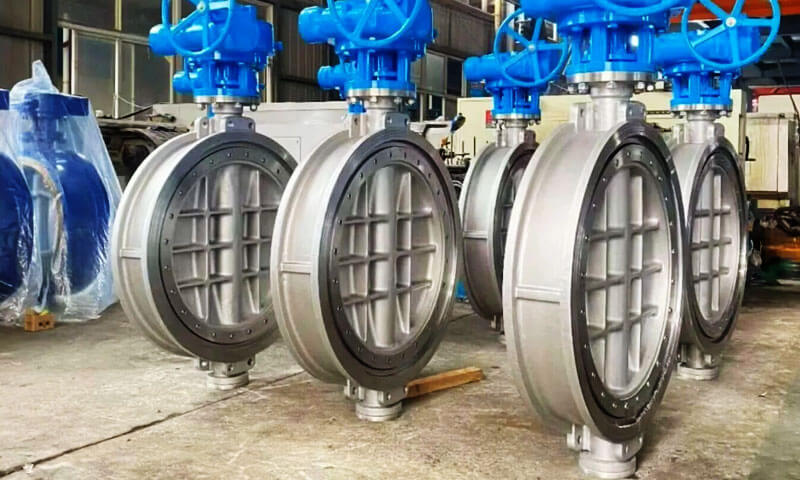
Butterfly vārsti ir vienas no visplašāk izmantotajām plūsmas kontroles ierīcēm rūpnieciskajās cauruļvadu sistēmās, piedāvājot vienkāršu, kompakts, un izmaksu ziņā efektīvs risinājums gāzu plūsmas regulēšanai, šķidrumi, un vircas.
Kad lietojumprogramma prasa spēku, ekonomika, un mērena izturība pret koroziju, oglekļa tērauda droseļvārsti kļūt par noklusējuma izvēli, jo īpaši ūdens attīrīšanā, nafta un gāze, enerģijas ražošana, un vispārējais rūpnieciskais pakalpojums.
Oglekļa tērauda droseļvārstu detaļu - korpusu ražošana, diski, stublāji, un kronšteini — tradicionāli paļāvās uz smilšu liešanu vai izgatavošanu.
Tomēr, investīciju liešana (zaudēto vaska liešana) ir kļuvis par izcilu daudzu oglekļa tērauda vārstu sastāvdaļu ražošanas ceļu, piedāvājums gandrīz neto formas precizitāte, Lieliska virsmas apdare, stingras dimensijas pielaides, un konsekventas mehāniskās īpašības.
Šajā rakstā ir sniegts visaptverošs tehnisks un stratēģisks ceļvedis oglekļa tērauda droseļvārstu ieguldījumu liešanas risinājumiem.
1. Kas ir oglekļa tērauda droseļvārsts?
Izšķirt oglekļa tērauds tauriņa vārsts ir ceturtdaļas pagrieziena rotācijas vārsts, kas paredzēts palaišanai, stop, vai regulējiet šķidruma plūsmu, griežot apļveida disku ap centrālo vārpstu.
Atšķirībā no lineārās kustības vārstiem, piemēram, aizbīdņa vārstiem vai globusa vārstiem, droseļvārstiem ir nepieciešama tikai 90 grādu pagriešana, lai pārvietotos starp pilnībā atvērtu un pilnībā aizvērtu stāvokli, ļauj ātri darboties ar minimālu griezes momentu.
To vienkāršais, bet efektīvais dizains padara tos par vienu no daudzpusīgākajiem vārstu veidiem rūpnieciskajām šķidrumu apstrādes sistēmām.
Oglekļa tērauda droseļvārsti tiek plaši izmantoti cauruļvados, kas transportē ūdeni, tvaika, eļļas, dabasgāze, saspiests gaiss, un dažādi nekodīgi vai viegli kodīgi materiāli.
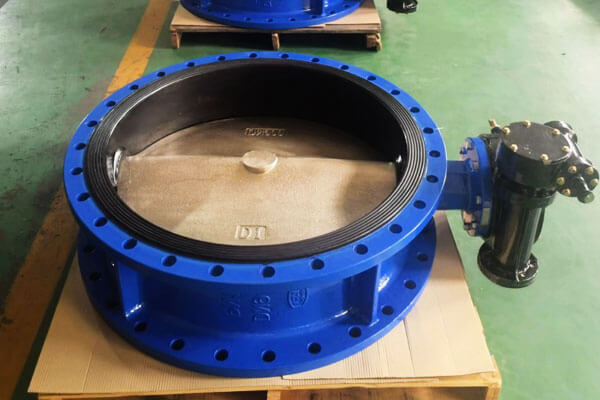
Butterfly Valve pamatkomponenti
| Komponents | Darbība |
| Ķermenis | Korpuss, kurā ir disks, sēdekļi, un kāts; nodrošina cauruļu savienojumus (atlaists, cilpa, vafele). |
| Disks | Rotējošs aizvēršanas elements; kontrolē plūsmu, pagriežot no atvērtas uz aizvērtu stāvokli. |
| Stumbrs (vārpsta) | Pārraida griezes momentu no izpildmehānisma uz disku. |
| Sēdekļi | Nodrošiniet blīvējumu starp disku un korpusu; nomaināms vai integrāli atliets. |
| Pievads | Rokasgrāmata (svira, rokas ritenis) vai automatizēts (pneimatisks, elektrisks, hidraulisks). |
| Motora pārsegs / augšējais atloks | Novieto kātu un nodrošina izpildmehānisma stiprinājumu. |
| Roņi | Novērst noplūdi gar kātu. |
Butterfly vārstu korpusa dizainu veidi
| Ķermeņa tips | Apraksts | Tipiskas lietojumprogrammas |
| Vafeļu stilā | Plāns korpuss ar skrūvju caurumiem; iespiests starp cauruļu atlokiem. | Zems spiediens, kompaktas sistēmas, HVAC, ūdens līnijas. |
| Lug stila | Vītņoti ieliktņi katrā pusē; iespējams gala pakalpojums. | Mērens spiediens; apkopes piekļuve. |
| Atlaists | Integrēti atloki abos galos; pieskrūvēti tieši pie cauruļu atlokiem. | Augsts spiediens, liela diametra sistēmas, eļļas & gāze. |
| Sadurmetināšana | Galus paredzēts metināšanai caurulē. | Augsta temperatūra, augsts spiediens, noplūdēm kritiskās sistēmas. |
Kritiskās funkcionālās prasības oglekļa tērauda droseļvārstiem
| Prasība | Inženierzinātnes nozīme |
| Spiediena integritāte | Jāiztur iekšējais spiediens (līdz ASME klasei 150-600 oglekļa tēraudam). |
| Spēks un stingrība | Jāiztur mehāniskās slodzes, vibrācija, un termiskā riteņbraukšana. |
| Izmēra precizitāte | Precīzs urbums, atloka vērsta, un kāta caurumu izlīdzināšana nodrošina blīvējumu un darbību. |
| Izturība pret koroziju | Mērena izturība pret atmosfēras iedarbību, laistīt, un viegla ķīmiskā vide. |
| Metināmība | Oglekļa tērauda markām jābūt metināmām uzstādīšanai un remontam. |
| Izmaksu efektivitāte | Zemākas materiāla izmaksas nekā nerūsējošajam tēraudam; piemērots liela diametra vārstiem. |
2. Kāpēc investīciju liešana ir ideāli piemērota tauriņvārstu komponentiem
Investīciju liešana, plaši pazīstams kā zaudēts vaska liešanas process, ir atzīta par vienu no progresīvākajām ražošanas tehnoloģijām precīzu metāla detaļu ražošanā.
Salīdzinājumā ar parastajām liešanas metodēm, ieguldījumu liešana piedāvā ievērojamus izmēru precizitātes uzlabojumus, virsmas kvalitāte, strukturālā integritāte, un ražošanas konsekvenci, padarot to īpaši piemērotu augstas veiktspējas droseļvārstu komponentiem.
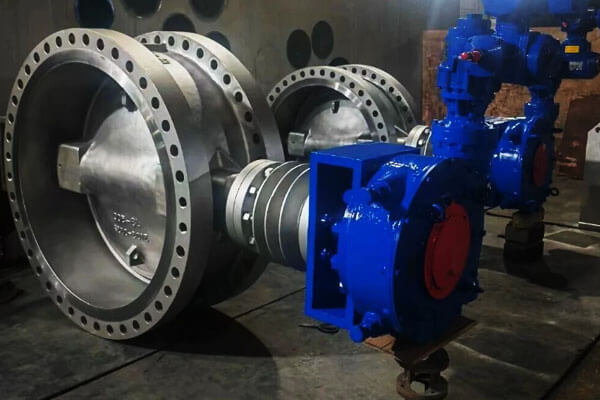
Ārkārtas dimensijas precizitāte
Butterfly vārsti satur daudzas precīzi apstrādātas saskarnes, ieskaitot atloku virsmas, stumbra urbumi, nesošās sēdekļi, un blīvēšanas virsmas.
Pat nelielas izmēru novirzes var izraisīt noplūdi, pārmērīgs darba griezes moments, vai priekšlaicīga nolietošanās.
Investīciju liešana ražo gandrīz tīkla formas detaļas ar stingrām pielaidēm, ievērojami samazinot nepieciešamību pēc koriģējošās apstrādes un nodrošinot lielisku detaļu savstarpēju aizvietojamību.
Ieguvumi ietver:
- Uzlabota montāžas efektivitāte
- Samazinātas apstrādes pielaides
- Labāka blīvējuma veiktspēja
- Konsekventa produktu kvalitāte visās ražošanas partijās
Augstāka virsmas apdare
Atšķirībā no smilšu liešanas, kur rupjas veidnes bieži atstāj raupjas virsmas, Investīciju liešanā tiek izmantoti smalki keramikas apvalki, kas precīzi atveido vaska rakstu.
Tipisks virsmas raupjums svārstās no RA 3.2-6,3 μm, nodrošināšana:
- Labāka pārklājuma saķere
- Samazinātas pulēšanas prasības
- Zemāka šķidruma pretestība
- Uzlabots atklāto vārstu komponentu izskats
Gludāks iekšējais plūsmas ceļš arī samazina turbulenci un samazina spiediena zudumus darbības laikā.
Sarežģīta ģeometrija bez papildu izgatavošanas
Mūsdienu droseļvārstu korpusos bieži ir iestrādātas pastiprinošas ribas, izpildmehānisma montāžas paliktņi, plūsmas virzošās kontūras, un integrētas atbalsta struktūras.
Šo elementu izgatavošana, izmantojot mehānisko apstrādi vai ražošanu, palielina ražošanas sarežģītību un izmaksas.
Ieguldījumu liešana ļauj veidot šīs sarežģītās ģeometrijas tieši liešanas laikā, metināto savienojumu skaita samazināšana un konstrukcijas integritātes uzlabošana.
Uzlabota metalurģiskā kvalitāte
Tā kā izkausēts metāls rūpīgi kontrolētos apstākļos piepilda precīzas keramikas veidni, ieguldījumu liešana var sasniegt:
- Vienveidīga graudu struktūra
- Samazināta segregācija
- Zemāks iekļaušanas saturs
- Uzlabots blīvums
- Paaugstināta noguruma izturība
Šīs metalurģiskās priekšrocības ir īpaši vērtīgas vārstiem, kas darbojas cikliskā spiedienā vai mainīgos termiskajos apstākļos.
Augstāks materiālu izmantošanas līmenis
Tradicionālā apstrāde bieži vien noņem ievērojamu izejmateriāla daļu, lai sasniegtu galīgo ģeometriju, kā rezultātā rodas nevajadzīgi atkritumi.
Investīciju liešana ražo detaļas, kas ir tuvu to galīgajiem izmēriem, piedāvā vairākas ekonomiskas priekšrocības:
- Mazāk materiālu atkritumu
- Samazināts apstrādes laiks
- Mazāks instrumentu nodilums
- Īsāki ražošanas cikli
- Uzlabota ilgtspējība
Ražošanas metožu salīdzinājums
| Ražošanas metode | Precizitāte | Virsmas apdare | Materiālu izmantošana | Ražošanas efektivitāte | Piemērotas lietojumprogrammas |
| Investīciju liešana | Lielisks | Lielisks | Lielisks | Augsts | Precision vārsta komponenti |
| Smilšu liešana | Mērens | Raupjš | Mērens | Augsts | Liels, vienkāršie lējumi |
| Kalšana | Lielisks | Labi | Mērens | Vidējs | Augstas stiprības spiediena daļas |
| CNC apstrāde | Lielisks | Lielisks | Zems | Zems | Nelielas partijas pielāgotas sastāvdaļas |
3. Oglekļa tērauda materiālu izvēle investīciju liešanai
Materiālu izvēle ir viens no vissvarīgākajiem inženiertehniskajiem lēmumiem investīcijām paredzēto droseļvārstu ražošanā.
Lai gan investīciju liešanas process nosaka izmēru precizitāti un struktūras integritāti, līdz oglekļa tērauda marka
Parastās oglekļa tērauda markas investīcijām lietajiem tauriņvārstiem
Dažādas oglekļa tērauda markas ir izstrādātas, lai atbilstu īpašiem ekspluatācijas nosacījumiem.
Standarta lietie oglekļa tēraudi, piemēram, WCB un WCC tiek plaši izmantoti vispārējiem rūpnieciskiem lietojumiem, savukārt zemas temperatūras pakāpes, piemēram, LCB un LCC tiek izvēlēti kriogēnajam pakalpojumam.
Paaugstinātas temperatūras vidēm, hroma-molibdēna sakausējuma lietie tēraudi, ieskaitot WC6 un WC9
Zemāk esošajā tabulā ir apkopotas visbiežāk izmantotās kategorijas, kas tiek izmantotas investīcijām paredzētajiem droseļvārstu komponentiem.
| ASTM pakāpe | ASV Nr. | Ogleklis (%) | Peļņas izturība (MPA) | Stiepes izturība (MPA) | Pagarināšana (%) | Maksimālā servisa temperatūra | Tipiskas lietojumprogrammas |
| WCA | J02502 | ≤0,25 | ≥205 | ≥415 | ≥24 | 425° C | Ekonomiski vārsti zemspiediena un nekritiskiem pakalpojumiem |
| WCB | J03002 | ≤0,30 | ≥250 | ≥485 | ≥22 | 425° C | Standarta droseļvārsti ūdenim, eļļas, gāze, un tvaiks |
| WCC | J02505 | ≤0,25 | ≥275 | ≥485 | ≥22 | 425° C | Lieljaudas vārsti, kuriem nepieciešama lielāka izturība un uzlabota metināmība |
| LCB | J03003 | ≤0,25 | ≥240 | ≥450 | ≥22 | -46° C | Zemas temperatūras cauruļvadi un saldēšanas sistēmas |
| LCC | J03005 | ≤0,25 | ≥275 | ≥485 | ≥22 | -46° C | SDG iekārtas, kriogēnā apstrāde, un aukstā klimata lietojumi |
| WC6 | J12072 | 0.05–0,20 | ≥275 | ≥550 | ≥20 | 540° C | Augstas temperatūras tvaika un elektroenerģijas ražošanas sistēmas |
| WC9 | J21890 | 0.05–0,18 | ≥310 | ≥585 | ≥20 | 595° C | Augstas temperatūras naftas ķīmijas un naftas pārstrādes iekārtas |
Starp šiem materiāliem, ASTM A216 WCB joprojām ir nozares etalons oglekļa tērauda droseļvārstu korpusiem, pateicoties tā lieliskajam mehāniskās veiktspējas līdzsvaram, liešana, mašīnīgums, un rentabilitāte.
Tā ir vēlamā izvēle lielākajai daļai rūpniecisko lietojumu, kas darbojas apkārtējās vides vai mēreni paaugstinātā temperatūrā.
4. Butterfly Valve investīciju liešanas ražošanas process
Oglekļa tērauda droseļvārsta veiktspēju nosaka ne tikai tā konstrukcija un materiālu izvēle, bet arī ražošanas procesa precizitāte un stabilitāte..
Investīciju liešana, pazīstams arī kā zaudēts vaska liešanas process, ir ļoti kontrolēta ražošanas metode, kas spēj ražot sarežģītas vārstu sastāvdaļas ar izcilu izmēru precizitāti, Lieliska virsmas apdare, un konsekventas metalurģiskās īpašības.
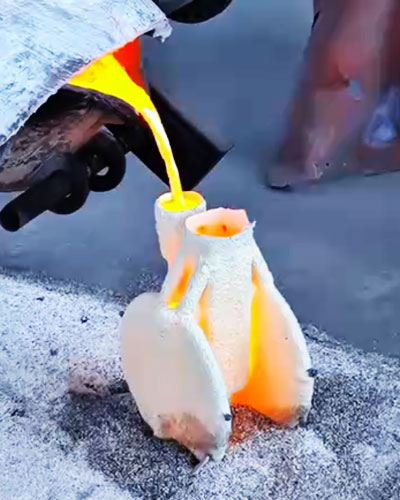
Atšķirībā no parastās smilšu liešanas, investīciju liešana ražo gandrīz tīkla forma sastāvdaļas, kurām nepieciešama ievērojami mazāka apstrāde, vienlaikus saglabājot stingrākas pielaides.
Šis process ir īpaši piemērots droseļvārstu korpusiem, diski, montāžas iekavas, un citas konstrukcijas daļas, kurās precizitāte tieši ietekmē blīvējuma veiktspēju un darbības uzticamību.
Procesa plūsmas pārskats
| Skatuve | Solis | Galvenā detaļa |
| 1 | Rakstu izgatavošana | Vaska iesmidzināšana precīzijas metāla presformā (instruments) atkārto vārsta korpusa formu. |
| 2 | Koku montāža | Vairāki vaska raksti, kas piestiprināti pie centrālās sprauslas (koks). |
| 3 | Čaumalas ēka | 6-10 slāņi keramikas suspensijas (Silīcija dioksīds) + apmetums (cirkons/alumīnija oksīds). |
| 4 | Atkāpšanās | Tvaika autoklāvs izkausē vasku; čaulas paliek. |
5 |
Šāvu šaušana | Apdedzināts 900–1100°C, lai stiprinātu keramiku un noņemtu gaistošos materiālus. |
| 6 | Oglekļa tērauda kausēšana & izliešana | Indukcija vai loka kausēšana 1550–1650°C temperatūrā; ielej iepriekš uzkarsētā čaulā. |
| 7 | Dzesēšana & nokauts | Kontrolēta dzesēšana; apvalks noņemts ar vibrāciju vai ūdens strūklu. |
| 8 | Nogriešana & apdare | Nogriezti vārti un stāvvadi; slīpēšana, šāvienu spridzināšana, kņada. |
| 9 | Termiskā apstrāde | Normalizēšana vai stresa mazināšana, lai sasniegtu noteiktas īpašības. |
| 10 | Pārbaude & pārbaude | Vizuāls, dimensiju, Ndt (Rentgenstūra, krāsviela), hidrostatiskā spiediena pārbaude. |
Oglekļa tērauda vārstu korpusu kritisko procesu vadības ierīces
| Koeficients | Mērķis | Kāpēc tas ir svarīgi |
| Temperatūras liešanas | 1550-1650°C | Pārāk zems → nepareiza palaišana; pārāk augsta → apvalka erozija, gāzes porainība. |
| Korpusa iepriekšēja uzsildīšana | 200-600°C | Novērš termisko šoku; uzlabo pildījumu. |
| Dzesēšanas ātrums | Kontrolēts (gaisa) | Novērš karbīda nokrišņus; nodrošina stingrību. |
| Vārtu dizains | Izvairās no turbulences; veicina virziena sacietēšanu | Samazina ieslēgumus un saraušanās porainību. |
| Termiskā apstrāde | Normalizēšana (870-930°C) vai stresa mazināšanai (600-650°C) | Sasniedz noteiktas mehāniskās īpašības; mazina atlikušo stresu. |
Oglekļa tērauda vārstu lējumu termiskā apstrāde
| Ārstēšana | Temperatūra | Dzesēšana | Mērķis |
| Normalizēšana | 870-930°C | Gaisā vēss | Precizējiet graudu struktūru; uzlabo izturību un stingrību. |
| Stresa mazināšana | 600-650°C | Atdzesē krāsni vai gaisu | Samazina atlikušo spriegumu no liešanas un metināšanas. |
| Rūdīšana & rūdījums | 850-900°C (dzēst) + 550-650°C (rūdījums) | Eļļa vai ūdens + gaisa | Palielina spēku un cietību (augstākas kvalitātes lietojumprogrammām). |
5. Korozijas izturības un virsmas aizsardzības risinājumi
Oglekļa tērauds tiek plaši novērtēts tā augstās izturības dēļ, Lieliska apstrādājamība, un rentabilitāte. Tomēr, atšķirībā no nerūsējošā tērauda, tas nav raksturīgas izturības pret koroziju.
Kad pakļauts skābeklim, mitrums, sāļi, vai ķīmiski agresīvas vides, oglekļa tērauds ir uzņēmīgs pret oksidēšanos, vienmērīga korozija, lobīšana, un plaisu korozija.
Bez pienācīgas aizsardzības, šie korozijas mehānismi var pakāpeniski samazināt sienu biezumu, pasliktināt blīvējuma veiktspēju, palielināt darba griezes momentu, un galu galā saīsināt droseļvārsta kalpošanas laiku.
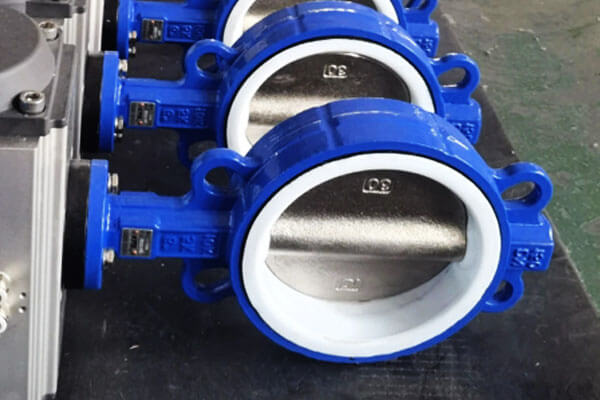
Par laimi, Virsmu inženierijas sasniegumi ir ļāvuši oglekļa tērauda droseļvārstiem sasniegt ilgstošu izturību pat prasīgos ekspluatācijas apstākļos, izmantojot aizsargpārklājumus, Metāla apdare, oderējums, un pareizas apkopes stratēģijas.
Kopējās pretkorozijas aizsardzības metodes
Oglekļa tērauda droseļvārstiem ir pieejamas dažādas virsmas apstrādes tehnoloģijas, katrs piedāvā dažādus korozijas izturības līmeņus, Nodiluma aizsardzība, un ekonomiskā efektivitāte.
| Aizsardzības metode | Procesa apraksts | Tipisks pārklājuma biezums (μm) | Paredzamais kalpošanas laiks* | Tipiskas lietojumprogrammas |
| Epoksīda krāsošana / Šķidrais pārklājums | Rūpnieciskās epoksīda krāsas uzklāšana ar smidzinātāju vai otu | 100–300 | 5– 15 gadi | Vispārējie rūpniecības vārsti, laistīt, gaisa, HVAC |
| Pulvera pārklājums | Elektrostatiskā pulvera izsmidzināšana, kam seko cietēšana krāsnī | 60–120 | 10– 20 gadi | Pilsētas ūdens, rūpniecības aprīkojums, āra instalācijas |
| Fusion Bonded Epoksīds (FBE) | Elektrostatiskais epoksīda pulveris tiek uzklāts uz sakarsētas tērauda virsmas | 250–500 | 20– 30 gadi | Ūdensvadi, aprakti cauruļvadi, ugunsdrošības sistēmas |
| Karstā dip cinkošana | Iegremdēšana izkausētā cinkā, lai izveidotu metalurģisku cinka pārklājumu | 50–100 | 20– 40 gadi | Āra konstrukcijas, piekrastes iekārtas, jūras aprīkojums |
| Galvanizācija (Cinks/niķelis) | Metāla pārklājumu elektroķīmiskā pārklāšana | 5–25 | 5– 15 gadi | Stiprinājumi, stublāji, dekoratīva vai viegla aizsardzība |
Fosfāts |
Ķīmiskais konversijas pārklājums, kas veido fosfāta slāni | 5–20 | 2-5 gadi | Iepriekšēja apstrāde pirms krāsošanas, pagaidu aizsardzība pret koroziju |
| PTFE/FEP odere vai pārklājums | Fluoropolimēra odere uzklāta uz iekšējām virsmām | 300–1000 | Atkarīgs no apkalpošanas apstākļiem | Kodīgas ķīmiskas vielas, skābes, sārms |
| Katodiskā aizsardzība | Upura anodi vai iespaidīgas strāvas sistēmas | - | Atkarīgs no dizaina | Apbedīti cauruļvadi, iegremdēti vārsti |
| Korozijas pabalsts | Projektēšanas laikā iekļauts papildu sienu biezums | 1–3 mm | Atkarīgs no dizaina | Ilgtermiņa rūpnieciskie cauruļvadi |
Atzīmēt: Faktiskais kalpošanas laiks mainās atkarībā no vides apstākļiem, pārklājuma kvalitāte, apkopes prakse, un darba temperatūru.
Starp šīm metodēm, Fusion Bonded Epoksīds (FBE) ir kļuvis par vienu no visplašāk izmantotajiem risinājumiem oglekļa tērauda droseļvārstiem pašvaldības ūdensapgādē, notekūdeņu attīrīšana, un cauruļvadu infrastruktūra tās lieliskās saķeres dēļ, ķīmiska izturība, un ilgtermiņa izturība.
Piemērotas virsmas aizsardzības sistēmas izvēle
Neviena pārklājuma sistēma nav piemērota katrai darbības videi.
Korozijas aizsardzības risinājuma izvēlei jābalstās uz visaptverošu vides iedarbības novērtējumu, mediju īpašības, ekspluatācijas temperatūra, mehānisks nodilums, un apkopes pieejamība.
Tālāk sniegtie ieteikumi sniedz praktiskus norādījumus par izplatītākajiem lietojuma scenārijiem.
| Darbības vide | Ieteicamā virsmas aizsardzība | Inženiertehniskais pamatojums |
| Iekštelpās, sausa vide | Epoksīda krāsa vai pulvera pārklājums (100–150 μm) | Ekonomiska aizsardzība pret atmosfēras koroziju |
| Ārā, iekārtas ārpus piekrastes | Augstas konstrukcijas epoksīda pārklājums vai karstā cinkošana | Lieliska noturība pret lietus, mitrums, un UV ekspozīcija |
| Piekrastes un jūras vide | Karstā cinkošana ar epoksīda pārklājumu (dupleksā pārklājuma sistēma) | Cinks nodrošina upuru aizsardzību, bet epoksīds darbojas kā barjera pret sāls izsmidzināšanu |
| Ūdens apgāde un notekūdeņu attīrīšana | Iekšējais un ārējais Fusion Bonded Epoksīds (FBE) pārklājums | Lieliska izturība pret ūdeni, vieglas ķīmiskas vielas, un mikrobioloģiski ietekmēta korozija |
Ķīmiskā apstrāde |
PTFE vai FEP odere; alternatīvi, nerūsējošais tērauds smagam darbam | Fluoropolimēru oderes ir izturīgas pret agresīvām skābēm, sārms, un šķīdinātāji |
| Apbedīti cauruļvadi | FBE pārklājums apvienots ar katoda aizsardzību | Novērš augsnes koroziju un pagarina pazemes kalpošanas laiku |
| Augsta nodiluma vide | Epoksīda keramikas pārklājums vai nodilumizturīgs polimēru pārklājums | Uzlabo gan koroziju, gan nodilumizturību |
Projektēšanas stratēģijas uzlabotai izturībai pret koroziju
Papildus virsmas apstrādei, pārdomātam inženiertehniskajam dizainam ir nozīmīga loma oglekļa tērauda droseļvārstu izturības pret koroziju uzlabošanā.
Galvenie dizaina apsvērumi ietver:
- Uzturēšana Vienāds sienas biezums lai samazinātu lokālo koroziju.
- Novērš plaisas, kurās var uzkrāties mitrums un piesārņotāji.
- Gludu iekšējo plūsmas kanālu projektēšana, lai samazinātu eroziju-koroziju.
- Ietver lielus rādiusus, lai izvairītos no stresa koncentrācijas un pārklājuma retināšanas.
- Atšķirīgu metālu izolācija, lai novērstu galvanisko koroziju.
- Pieļaujama pietiekama korozijas pielaide lietojumos ar paredzamiem materiāla zudumiem.
- Servisa videi saderīgu blīvējuma materiālu un stiprinājumu izvēle.
6. Bieži sastopami liešanas defekti un inženiertehniskie risinājumi
Investīciju liešana ir slavena ar augstas precizitātes komponentu ražošanu, tomēr neviens ražošanas process nav pilnībā pasargāts no defektiem.
Variācijas veidņu dizainā, metāla kvalitāte, Parametru ieliešana, dzesēšanas apstākļi, vai procesa kontrole var radīt nepilnības, kas ietekmē mehāniskās īpašības, Izmēra precizitāte, un droseļvārsta komponentu blīvēšanas veiktspēja.
Izpratne par šo defektu pamatcēloņiem un piemērotu inženiertehnisko risinājumu ieviešana ir būtiska, lai panāktu nemainīgu produktu kvalitāti un samazinātu ražošanas izmaksas..
| Defekts | Vizuāls/NDT paraksts | Galvenais iemesls | Profilakse / līdzeklis |
| Gāzes porainība | Apaļi iekšējie tukšumi | Izšķīdināts ūdeņradis/slāpeklis; nepietiekama dezoksidācija. | Degas melt; uzlabot liešanas praksi; izmantojiet tīru lādiņu. |
| Saraušanās porainība | Robains, neregulāri iekšējie tukšumi | Nepietiekama barošana; slikts stāvvada dizains. | Optimizējiet slēgšanu/stāvēšanu; izmantojiet drebuļus; simulēt sacietēšanu. |
| Karsta asarošana | Plaisas ar nodriskātām malām | Stiepes spriegums galīgās sacietēšanas laikā; pelējuma ierobežojums. | Samaziniet ieliešanas temperatūru; uzlabot apvalka saliekamību. |
| Ieslēgumi (oksīds/izdedži) | Neregulāras nemetāliskas daļiņas | Nemierīga liešana; netīrs kausējums; erodēts apvalks. | Keramikas filtri; grunts liešana; tīrs lādiņš. |
Ēģipte / auksti ciet |
Nepilnīgs pildījums; salocīta virsma | Zema liešanas temperatūra; slikta plūstamība. | Palieliniet ieliešanas temperatūru; uzlabot vārtu vadību. |
| Virsmas nelīdzenums / spuru atdalīšana | Paaugstinātas līnijas uz virsmas | Korpusa plaisāšana pildīšanas laikā; zema apvalka izturība. | Palieliniet apvalka biezumu; izmantojiet stiprāku saistvielu. |
| Izmēru novirze | Izmēri, kas neatbilst pielaidēm | Vaska saraušanās variācijas; čaulas paplašināšana; mirst valkāt. | Kontroles vaska injekcija; uzturēt mirst stāvokli. |
Oglekļa tērauda vārstu lējumu kvalitātes nodrošināšana
| QA elements | Metode | Pieņemšanas kritēriji |
| Ķīmiskā analīze | Spektrometrija | Atbilst ASTM A216 specifikācijai. |
| Mehāniskā pārbaude | Stiepts, cietība, trieciens | Ienesīgums ≥250 MPa; Pagarinājums ≥22%. |
| Ndt | Krāsviela (Pt) vai radiogrāfija (Rt) | Nav plaisu, porainība pārsniedz specifikāciju. |
| Dimensiju pārbaude | CMM, mērinstrumenti | Atbilst zīmēšanas pielaidēm; atloka sejas plakanums. |
| Spiediena pārbaude | Hidrostatisks (1.5× Nominālais spiediens) | Nav noplūdes; nav deformācijas. |
| Virsmas apdare | Vizuāls, profilometrs | Ra ≤6,3 µm (vai kā norādīts). |
7. Investīciju liešanas oglekļa tērauda tauriņvārsta priekšrocības
| Priekšrocība | Paskaidrojums |
| Sarežģīta ģeometrija | Iekšējās plūsmas ejas, ribas, atloki, un montāžas funkcijas, kas izlietas integrāli. |
| Tuva tīkla forma | Samazina apstrādes laiku un materiālu atkritumus (85-95% materiāla iznākums). |
| Lieliska virsmas apdare | As-cast Ra 1,6–6,3 µm samazina plūsmas pretestību un blīvēšanas problēmas. |
| Stingras dimensijas pielaides | ±0,1–0,3 mm; nodrošina atloku izlīdzināšanu un hermētiskumu. |
| Konsekventas mehāniskās īpašības | Vienveidīga graudu struktūra; uzticama izturība un stingrība. |
| Sakausējuma elastība | Lieto WCB, WCC, LCB, LCC, WC6, WC9, un pielāgotas pakāpes. |
| Izmaksu efektivitāte | Zemākas kopējās izmaksas nekā kalšana + sarežģītu formu apstrāde. |
| Spiediena integritāte | Skaņas lējumi iztur augstu spiedienu (Klase 150-600). |
| Metināmība | Lietā oglekļa tērauda markas ir viegli metināmas uzstādīšanai un remontam. |
| Mērogojamība | Piemērots partijas lielumiem no 100 līdz 10,000+ sastāvdaļas gadā. |
8. Oglekļa tērauda droseļvārstu pielietojumi nozarē
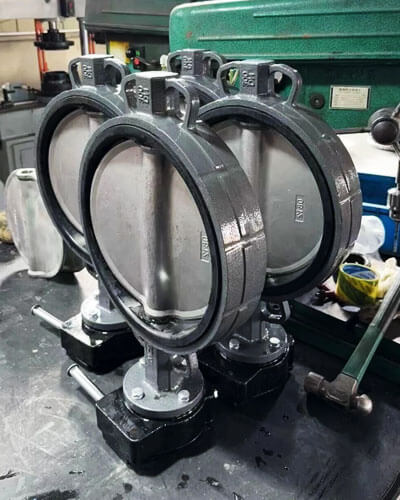
Oglekļa tērauda droseļvārsti, kas ražoti, izmantojot ieguldījumu liešanu, tiek plaši izmantoti nozarēs, kurām nepieciešama uzticama plūsmas kontrole, Augsta mehāniskā izturība, un rentablu darbību.
Viņu lieliskā spiediena nestspēja, apvienojumā ar precīzu ražošanu un aizsargājošu virsmu apstrādi, ļauj tiem efektīvi darboties plašā pakalpojumu vidē.
Naftas un gāzes rūpniecība
Naftas un gāzes nozare izvirza dažas no visaugstākajām prasībām vārstu veiktspējai.
Taustiņu vārsti parasti tiek uzstādīti augštecē, vidus straume, un pakārtotās darbības, kur tās regulē jēlnaftas plūsmu, dabasgāze, rafinēti produkti, un palīgprocesa šķidrumi.
Tipiskas lietojumprogrammas ietver:
- Cauruļvadu transportēšanas sistēmas
- Naftas pārstrādes rūpnīcas
- Gāzes pārstrādes rūpnīcas
- Glabāšanas termināļi
- Jūras platformas
- Sūkņu stacijas
Ūdens apgāde un notekūdeņu attīrīšana
Pašvaldības ūdens infrastruktūra lielā mērā ir atkarīga no droseļvārstiem, jo tie nodrošina ekonomisku plūsmas kontroli liela diametra cauruļvadiem.
Kopējās lietojumprogrammas ietver:
- Dzeramā ūdens sadale
- Ūdens attīrīšanas iekārtas
- Notekūdeņu attīrīšanas iekārtas
- Sūkņu stacijas
- Apūdeņošanas sistēmas
- Atsāļošanas augi
Ķīmiskā pārstrādes nozare
Ķīmiskās ražošanas iekārtās ir nepieciešami vārsti, kas kontrolētos apstākļos spēj apstrādāt dažādus šķidrumus un gāzes.
Oglekļa tērauda droseļvārsti ir piemēroti viegli kodīgām vidēm, ja tie ir aprīkoti ar atbilstošām oderēm vai aizsargpārklājumiem.
Tipiskas lietojumprogrammas ietver:
- Ķīmisko vielu pārvades cauruļvadi
- Uzglabāšanas tvertnes
- Dzesēšanas ūdens sistēmas
- Komunālie cauruļvadi
- Šķīdinātāju apstrādes sistēmas
Atkarībā no procesa vides, vārstu diski un ligzdas var būt oderēti ar PTFE vai citiem korozijizturīgiem materiāliem.
Enerģijas ražošana
Elektrostacijas darbojas augstā temperatūrā un spiedienā, nepieciešama uzticama vārsta veiktspēja nepārtrauktos darbības ciklos.
Parasti tiek izmantoti droseļvārsti:
- Dzesēšanas ūdens cirkulācija
- Kondensatoru sistēmas
- Katlu palīgsistēmas
- Dūmgāzes desulfurizācija (Fgd)
- Ugunsdrošības tīkli
Kalnrūpniecība un minerālu apstrāde
Kalnrūpniecības darbi transportē abrazīvās vircas, notekūdeņi, un procesa šķidrumi, kas ievērojami nolieto cauruļvadu iekārtas.
Tajos bieži tiek uzstādīti droseļvārsti:
- Vircas transportēšanas sistēmas
- Atkritumu cauruļvadi
- Rūdas pārstrādes rūpnīcas
- Ūdens atgūšanas sistēmas
- Putekļu slāpēšanas sistēmas
Jūras un kuģu būves nozare
Jūras vide pakļauj iekārtas mitrumam, sāls aerosols, un temperatūras svārstības.
Tipiskas lietojumprogrammas ietver:
- Balasta ūdens sistēmas
- Dzesēšanas ūdens kontūras
- Bildes sistēmas
- Degvielas pārvades līnijas
- Ugunsdrošības sistēmas
HVAC un celtniecības pakalpojumi
Tirdzniecības ēkās un rūpniecības objektos apkurei tiek izmantoti droseļvārsti, ventilācija, un gaisa kondicionēšanas sistēmas.
Pieteikumos ietilpst:
- Dzesētā ūdens sistēmas
- Karstā ūdens cirkulācija
- Dzesēšanas torņi
- Centralizētā siltumapgāde
- Ugunsdzēsības sprinkleru sistēmas
Pārtikas un vispārējie rūpniecības komunālie pakalpojumi
Lai gan higiēnas procesos parasti priekšroka tiek dota nerūsējošajam tēraudam, oglekļa tērauda droseļvārsti tiek plaši izmantoti komunālajās sistēmās, kas apkalpo pārtikas un dzērienu iekārtas.
Tipiskas lietojumprogrammas ietver:
- Tvaika izplatīšana
- Dzesēšanas ūdens
- Saspiests gaiss
- Komunālie cauruļvadi
- Procesa ūdens, kas nav produkts
9. Oglekļa tērauds vs. Nerūsējošā tērauda tauriņa vārsts
Izvēloties starp a oglekļa tērauds un a nerūsējošā tērauda droseļvārsts nepieciešams novērtēt ne tikai sākotnējo pirkuma cenu.
Inženieriem jāņem vērā mehāniskā veiktspēja, izturība pret koroziju, darbības vide, apkopes prasības, dzīves cikla izmaksas, un atbilstība nozares standartiem.
| Salīdzināšanas faktors | Oglekļa tērauda droseļvārsts | Nerūsējošā tērauda tauriņa vārsts |
| Kopējās materiālu kategorijas | ASTM A216 WCB, WCC, LCB, LCC | ASTM A351 CF8, Cf8m, CF3, CF3M |
| Mehāniskā izturība | Lieliska izturība un stingrība; ideāls vidējam- un augstspiediena sistēmas | Augsta izturība ar izcilu stingrību; nedaudz zemāka tecēšanas robeža dažām austenīta kategorijām |
| Izturība pret koroziju | Mērens; nepieciešams aizsargpārklājums vai oderējums, lai novērstu rūsu | Izcila raksturīgā izturība pret koroziju, pateicoties pasīvajai plēvei, kas bagāta ar hromu |
| Temperatūras spēja | Piemērots apmēram -46°C līdz 425 °C (ir pieejamas īpašas kategorijas augstākām temperatūrām) | Piemērots gan kriogēnai apkalpošanai, gan paaugstinātai temperatūrai, atkarībā no sakausējuma klases |
| Spiediena veiktspēja | Lieliska spiediena nestspēja rūpnieciskajām cauruļvadu sistēmām | Salīdzināma spiediena spēja, ja tā ir izstrādāta atbilstoši tiem pašiem standartiem |
Virsmas aizsardzības prasības |
Epoksīda pārklājums, FBE, cinkojošs, PTFE odere, vai parasti ir nepieciešamas citas aizsardzības procedūras | Parasti nav nepieciešams ārējais pārklājums, izņemot estētiskus vai īpašus ekspluatācijas apstākļus |
| Nodilums un nodilums pretestība | Lieliski pēc termiskās apstrādes; piemērots abrazīviem rūpnieciskiem materiāliem | Laba nodiluma pretestība; var būt nepieciešams ciets pārklājums, ja tiek izmantots liels nobrāzums |
| Metināmība | Labi (īpaši WCC); atkarībā no biezuma var būt nepieciešama pēcmetināšanas termiskā apstrāde | Lieliska metināmība ar minimālu pēcmetināšanas apstrādi daudzām kategorijām |
| Mašīnīgums | Labāka mehānisma; mazāks instrumentu nodilums un lielāks apstrādes ātrums | Grūtāk apstrādājams, jo ir lielāka darba rūdīšanas tendence |
| Ražošanas izmaksas | Zemākas izejvielu un pārstrādes izmaksas | Augstākas materiālu un apstrādes izmaksas |
| Apkopes prasības | Nepieciešama periodiska pārklājuma pārbaude un korozijas apkope | Zemāka apkope korozīvā vidē, pateicoties pašpasivējošai virsmai |
Paredzamais kalpošanas laiks |
Ilgs kalpošanas laiks ar pareizu pārklājumu un apkopi | Ļoti ilgs kalpošanas laiks, īpaši korozīvā vai jūras vidē |
| Tipiskas lietojumprogrammas | Eļļas & gāze, ūdens apstrāde, HVAC, enerģijas ražošana, kalnrūpniecība, pašvaldības infrastruktūra | Ķīmiskā apstrāde, jūras inženierija, farmaceitisks, pārtika & dzēriens, atsāšana, Jūras platformas |
| Primārās priekšrocības | Lielas izturības, ekonomisks, lieliska spiediena izturība, ideāli piemērots liela diametra vārstiem | Augstāka izturība pret koroziju, higiēnisks, Zema apkope, lieliska izturība |
| Primārie ierobežojumi | Uzņēmīgs pret koroziju bez aizsargapstrādes | Augstākas sākotnējās investīcijas un apstrādes izmaksas |
| Labākais atlases scenārijs | Izmaksu jutīgi projekti ar nekodīgu vai viegli kodīgu materiālu | Ļoti kodīgs, sanitārs, ar hlorīdu bagāts, vai uzturēšanai kritiskās vidēs |
| Kopējā izmaksu veiktspēja | Zemāks sākotnējais ieguldījums un lieliska vērtība vispārējiem rūpnieciskiem pakalpojumiem | Augstākas sākotnējās izmaksas, bet mazāka apkope un ilgāks dzīves cikls korozīvos lietojumos |
10. Secinājums
Tā kā rūpnieciskās sistēmas turpina attīstīties uz augstāku efektivitāti, lielāka uzticamība, un zemākas dzīves cikla izmaksas, pieprasījums pēc precīzi izstrādātām plūsmas kontroles iekārtām nekad nav bijis tik liels.
Starp daudzajām mūsdienās pieejamajām vārstu ražošanas tehnoloģijām, investīciju liešana ir kļuvusi par vienu no vismodernākajiem un uzticamākajiem procesiem augstas kvalitātes oglekļa tērauda droseļvārstu ražošanā.
Tā spēja ražot sarežģītas sastāvdaļas ar izcilu izmēru precizitāti, augstāka virsmas apdare, un konsekventas metalurģiskās īpašības nodrošina ievērojamas konkurences priekšrocības salīdzinājumā ar parastajām liešanas metodēm.
Raugoties uz priekšu, jaunās tehnoloģijas, tostarp rūpniecība 4.0, mākslīgais intelekts (Ai), Rūpnieciskais lietu internets (Iiot), robotu automatizācija, digitālie dvīņi, un procesu uzraudzība reāllaikā — paredzams, ka tas vēl vairāk pārveidos investīciju liešanas nozari.
Tā kā nozares turpina pieprasīt augstāku veiktspēju, ilgāks mūžs, un zemākas izmaksas, investīcijas lietie oglekļa tērauda vārsti ar to robusto konstrukciju un precīzu izgatavošanu joprojām būs kritisks risinājums plūsmas kontrolei.
Pielāgots oglekļa tērauda droseļvārsts no LangHe Foundry
Langhe lietuve specializējas investīciju liešanas oglekļa tērauda droseļvārstu komponentu ražošanā pēc pasūtījuma, piedāvājot integrētus risinājumus no inženiertehniskā dizaina un precīzās liešanas līdz CNC apstrādei, termiskā apstrāde, virsmas apdare, un kvalitātes pārbaude.
Vai par naftu un gāzi, ūdens apstrāde, enerģijas ražošana, ķīmiskā apstrāde, kalnrūpniecība, jūras inženierija, vai vispārējās rūpnieciskās cauruļvadu sistēmas,
LangHe Foundry nodrošina pielāgotus droseļvārstu liešanas risinājumus, kas izstrādāti, lai atbilstu starptautiskajiem standartiem un klienta specifiskajām tehniskajām prasībām.
Tā apvieno inženierzinātnes, precizitātes ražošana, un stingra kvalitātes kontrole padara LangHe par uzticamu partneri oriģinālo iekārtu ražotājiem, vārstu ražotāji, un rūpniecisko iekārtu piegādātājiem, kas meklē izturīgu, augstas veiktspējas oglekļa tērauda droseļvārsta komponenti.
FAQ
Kāda ir visizplatītākā oglekļa tērauda marka droseļvārstu korpusiem?
WCB (ASTM A216) ir visizplatītākā vispārēja pielietojuma droseļvārstu korpusu kategorija, piedāvā labu spēku (≥485 MPa stiepes), metināmība, un ekonomika.
Kāda ir atšķirība starp vafeļu un cilpas tipa vārstiem??
Vafeļu tipa vārsti ir plāni un nostiprināti starp atlokiem; tos nevar izmantot kā gala vārstus.
Izciļņa tipa vārstiem ir vītņoti ieliktņi, un tos var pieskrūvēt vienā caurules pusē līnijas beigu apkalpošanai.
Vai oglekļa tērauda droseļvārstus var metināt uz lauka?
Jā, WCB un WCC kategorijas ir viegli metināmas. Uzkarsēšana (100-150°C) and post‑weld heat treatment are recommended for thick sections.
Kāpēc oglekļa tērauda droseļvārstiem priekšroka tiek dota ieguldījumu liešanai, nevis smilšu liešanai??
Investment casting offers significantly higher dimensional accuracy, smoother surface finishes, and tighter manufacturing tolerances than traditional sand casting.
Because components are produced in a near-net-shape form, less machining is required, reducing production time and material waste.
Papildus, investment casting produces a more uniform microstructure with fewer internal defects, resulting in improved mechanical strength, aizzīmogošana, and product consistency.
These advantages make it particularly suitable for butterfly valve components that require precision mating surfaces and reliable long-term operation.