1. Ievads
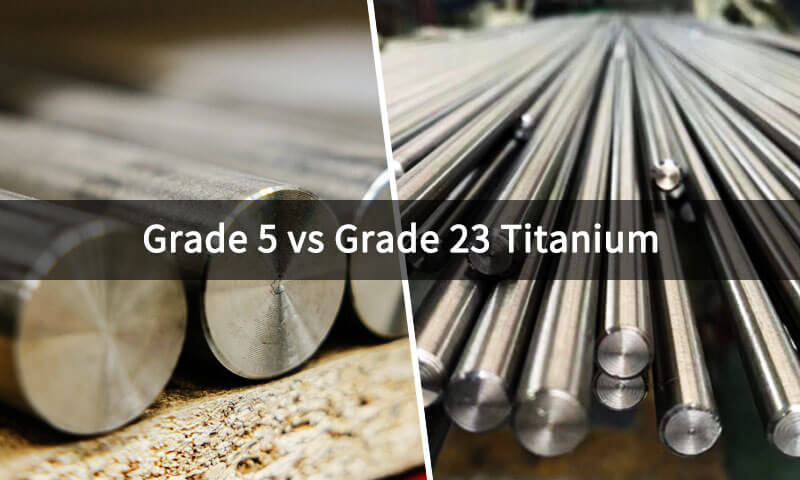
Pakāpe 5 un pakāpe 23 ir divi pazīstamākie Ti-6Al-4V ģimenes locekļi, bet pēc noklusējuma tie nav savstarpēji aizstājami.
Titāna pakāpe 5, parasti identificēts kā Ti-6al-4v / ASV R56400, ir visplašāk izmantotā titāna šķira un klasiskais augstas stiprības α+β titāna sakausējums.
Titāna pakāpe 23, parasti identificēts kā Ti-6al-4v Eli / US R56407 / ASTM B348 klase 23, ir tā paša pamata sakausējuma īpaši zemā intersticiālā versija, ar stingrākiem skābekļa ierobežojumiem, ogleklis, un dzelzs.
Šī tīrības atšķirība ķīmijā ir neliela, bet seku ziņā liela.
Pareizais veids, kā tos salīdzināt, nav "spēcīgs sakausējums pret medicīnisko sakausējumu,” bet gan kā vienas metalurģijas platformas divi noskaņoti varianti.
Pakāpe 5 ir darba zirgs izvēle kosmosa un vispārējai augstas veiktspējas inženierijai.
Pakāpe 23 ir izturīgs pret bojājumiem, kriogēniski draudzīgs, uz bioloģisko saderību orientēts precizējums, ko izmanto elastības gadījumā, lūzuma izturība, un uzticamība zemā temperatūrā ir svarīgāka nekā pēdējā spēka izspiešana.
2. Kas ir pakāpe 5 Titāna sakausējums?
Pakāpe 5 titāna sakausējums ir rūpnieciskajā praksē visplašāk izmantotais titāna sakausējums, un tas ir plaši pazīstams kā Ti-6al-4v.
Tas pieder pie alfa-plus-beta titāna sakausējumu saime, kas nozīmē, ka tā mikrostruktūra satur kontrolētu alfa un beta fāžu maisījumu.
Šī divfāžu struktūra ir tās izcilās kombinācijas pamatā lielas izturības, zems blīvums, laba izturība pret koroziju, un plaša inženiertehniskā lietderība.
Kas padara Grade 5 tik svarīgi nav tas, ka tas ir visizturīgākais pret koroziju vai visvieglāk veidojamais titāna sakausējums. Tās vērtība ir līdzsvarā.
Tas piedāvā spēcīgu kompromisu starp veiktspēju, ražošana, un izmaksas, tāpēc tas ir kļuvis par noklusējuma titāna klasi daudzām kosmosa nozarēm, jūras, rūpniecisks, un medicīniskas lietojumprogrammas.
Metalurģijas identitāte
Pakāpe 5 ir izstrādāta pēc vienkāršas, bet spēcīgas sakausēšanas stratēģijas:
- Alumīnijs stabilizē alfa fāzi un nostiprina sakausējumu.
- Vanādijs stabilizē beta fāzi un palīdz izveidot alfa-plus-beta struktūru.
- Titāns paliek parastais metāls un primārā matrica.
Šis metalurģijas līdzsvars dod Grade 5 tā praktiskā daudzpusība. Pielāgojot termiskās apstrādes un dzesēšanas apstākļus, ražotāji var ietekmēt pēdējās fāzes sadalījumu un tādējādi pielāgot spēku, izturība, un noguruma pretestība.
Pamata īpašības
Augstas stiprības un svara attiecība
Pakāpe 5 nodrošina ļoti augstu izturību, vienlaikus paliekot daudz vieglāks nekā tērauds vai niķeļa sakausējumi. Tas ir viens no galvenajiem iemesliem, kāpēc tas ir tik vērtīgs kosmosa un veiktspējas inženierijā.
Termiski apstrādājama mikrostruktūra
Sakausējumu var apstrādāt dažādos termiskajos stāvokļos, ļaujot tās īpašības pielāgot īpašām vajadzībām. Tas padara to daudz pielāgojamāku nekā daudzi parastie strukturālie metāli.
Laba izturība pret koroziju
Pakāpe 5 labi iztur daudzas dabas un rūpnieciskās vides, jūras atmosfēra un daudzas ķīmiskās iedarbības.
Tas nav superkorozijas sakausējums, bet tas ļoti labi darbojas plašā pakalpojumu klāstā.
Nemagnētiska uzvedība
Tāpat kā lielākā daļa titāna sakausējumu, Pakāpe 5 būtībā ir nemagnētisks. Tam ir nozīme lietojumos, kur magnētiskie traucējumi ir jāsamazina līdz minimumam.
Pierādīts rūpnieciskais briedums
Tas ir ļoti standartizēts un plaši pieejams sakausējums. Dizaineri, izgatavotāji, un sertifikācijas iestādes to labi zina, kas samazina risku kritiskos projektos.
Tipiskas lietojumprogrammas
Pakāpe 5 tiek izmantots ikreiz, kad dizainerim ir nepieciešams pārbaudīts titāna sakausējums ar plašu veiktspējas pārklājumu.
Aviācija
- Lidmašīnu korpusu konstrukcijas
- Kompresora lāpstiņas
- Diski un gredzeni
- Stiprinājumi
- Rotora rumbas
- Spiedienu saturošas daļas
Jūras un ārzonas
- Sāls pakļautas struktūras
- Ar jūras ūdeni saistīta aparatūra
- Ārzonas atbalsta komponenti
Rūpnieciskie un veiktspējas pielietojumi
- Spiediena tvertnes
- Kritiskie kalumi
- Augstas izturības mehāniskās sastāvdaļas
- Sporta un sacīkšu daļas
Medicīnas
- Dažas medicīnas ierīces
- Ķirurģiskā aparatūra
- Neimplantāti vai daļēji kritiski biomedicīnas komponenti
3. Kas ir pakāpe 23 Titāna sakausējums?
Pakāpe 23 titāna sakausējums ir īpaši zema iespiestā reklāma (Eli) Ti-6Al-4V versija.
Tas pieder tai pašai alfa un beta saimei kā Grade 5, un tam ir tāda pati sakausējuma pamatkoncepcija: alumīnijs stabilizē alfa fāzi un vanādijs stabilizē beta fāzi.
Atšķirība ir tīrībā. Pakāpe 23 ir daudz stingrāki ierobežojumi intersticiālajiem elementiem, piemēram, skābeklim, ogleklis, slāpeklis, dzelzs, un ūdeņradis.
Šī augstāka tīrība dod Novērtējumu 23 ļoti atšķirīga inženieru personība. Tas nav izvēlēts, jo tas ir ievērojami spēcīgāks par Grade 5.
Tā ir izvēlēta, jo tā ir tīrītājs, stingrāki, izturīgāks pret bojājumiem, un labāk piemēroti kriogēniem un biomedicīnas pakalpojumiem.
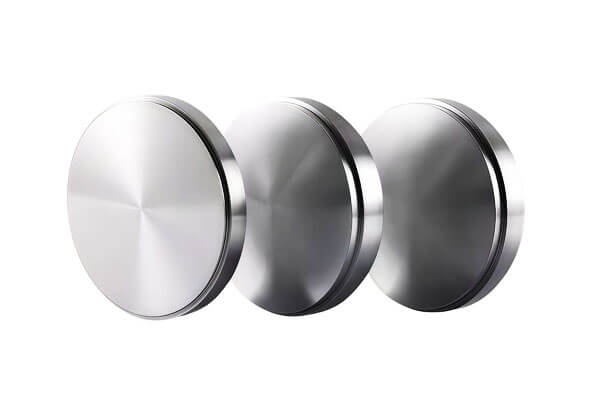
Metalurģijas identitāte
Pakāpe 23 ir paredzēts, lai samazinātu intersticiālā piesārņojuma nelabvēlīgo ietekmi.
Titāna sakausējumos, skābeklis, ogleklis, un ūdeņradis var spēcīgi ietekmēt elastību, izturība, un lūzumu uzvedība.
Samazinot šos elementus, Pakāpe 23 uzlabo uzticamību prasīgos lietojumos, kur kļūmju tolerance ir ierobežota.
Praktiski, Pakāpe 23 ir rafinēts, Ti-6Al-4V premium versija.
Pamata īpašības
Augstāka tīrība
Zemāks starpposma saturs ir noteicošā Grade iezīme 23. Tas uzlabo stingrību un palīdz sakausējumam darboties paredzamāk prasīgos ekspluatācijas apstākļos.
Izcila tolerance pret bojājumiem
Samazinot iespiesto saturu, īpaši skābeklis, Pakāpe 23 sasniedz ievērojami augstāku izturību pret lūzumiem ($K_{IC}$) un plastiskums nekā tā pakāpe 5 līdzinieks, nodrošinot drošu veiktspēju lūzumiem kritiskās daļās.
Labāka kriogēna uzvedība
Šis sakausējums ir īpaši piemērots lietošanai ļoti zemā temperatūrā, kur stingrāka mikrostrukturālā uzvedība ir vērtīga.
Lieliska bioloģiskā savietojamība
Pakāpe 23 tiek plaši izmantots biomedicīnā, jo tas apvieno izturību pret koroziju, zems modulis, un spēcīga noguruma uzvedība ar izcilu saderību cilvēka ķermenī.
Nemagnētisks un izturīgs pret koroziju
Tāpat kā Grade 5, tas ir nemagnētisks un ļoti izturīgs pret daudzām kodīgām vidēm, ieskaitot jūras ūdeni un hlorīdus saturošus bioloģiskos šķidrumus.
Tipiskas lietojumprogrammas
Pakāpe 23 ir izvēlēts lietojumos, kur drošības rezerve un ilgtermiņa uzticamība atsver neapstrādātu izturību.
Medicīna un biomedicīna
- Implantējamās ierīces
- Savienojumu rezerves sastāvdaļas
- Kaulu fiksācijas aparatūra
- Ķirurģiskie klipi
- Zobu un ortopēdiskās daļas
Kriogēnais pakalpojums
- Kriogēnie trauki
- Zemas temperatūras spiediena sistēmas
- Sastāvdaļas, kas pakļautas termiskai kontrakcijai un termiskai cikliskumam
Aviācija un ārzonas
- Lūzumam kritiskās daļas
- Uz drošību jutīgas konstrukcijas sastāvdaļas
- Atlasīti ārzonas cauruļvadi un augstas uzticamības aparatūra
Kāpēc tas ir svarīgi
Pakāpe 23 pastāv, jo dažām lietojumprogrammām ir nepieciešams vairāk nekā liela izturība.
Implantos, kriogēnās sistēmas, un lūzumiem kritiskās struktūras, visvērtīgākais īpašums bieži vien ir bojājumu tolerance.
Pakāpe 23 ir izstrādāts tā, lai nodrošinātu šo rezervi, samazinot intersticiālos piemaisījumus un uzlabojot sakausējuma iekšējo tīrību.
4. Tipiskas ķīmiskās sastāvdaļas: Pakāpe 5 pret pakāpi 23 Titāna sakausējums
| Elements | Pakāpe 5 (Ti-6al-4v) | Pakāpe 23 (Ti-6al-4v Eli) | Inženiertehniskā nozīme |
| Titāns | Līdzsvars. | Līdzsvars. | Parastais metāls un abu sakausējumu matrica. |
| Alumīnijs | 5.50–6,75%. | 5.50–6,50% nomināls. | Alfa stabilizators; veicina izturību un termiskās apstrādes reakciju. |
| Vanādijs | 3.50–4,50%. | 3.50–4,50% nomināls. | Beta stabilizators; palīdz izveidot alfa-plus-beta struktūru. |
| Dzelzs | ≤ 0.40%. | ≤ 0.25%. | Zemākā dzelzs pakāpe 23 uzlabo tīrību un izturību pret bojājumiem. |
Skābeklis |
≤ 0.20% klasē 5 dzirnavu produkta dati. | ≤ 0.130%. | Skābeklis palielina izturību, bet samazina elastību un stingrību, ja tas ir pārmērīgs. |
| Ogleklis | ≤ 0.08% vai līdzīga zema līmeņa kontrole. | ≤ 0.080%. | Zemāks oglekļa saturs palīdz saglabāt izturību un tīrību. |
| Slāpeklis | ≤ 0.05%. | ≤ 0.050%. | Intersticiāla kontrole ir svarīga elastībai. |
| Ūdeņradis | ≤ 0.015%. | ≤ 0.013% vai ASTM specifisks 120 ppm norādījumi medicīnas izstrādājumos. | Ūdeņradis jāsamazina līdz minimumam, lai izvairītos no trausluma. |
| Citi kopā | Parasti kontrolēts zems. | ≤ 0.40%. | Tīrība un atlikušā kontrole atbalsta atkārtojamu veiktspēju. |
5. Fizikālās un mehāniskās īpašības: Pakāpe 5 pret pakāpi 23 Titāna sakausējums
Tālāk norādītās vērtības ir ņemtas no pašreizējām datu lapām, un kur atzīmes tiek tieši salīdzinātas, salīdzinājums ir balstīts uz publicētās minimālās telpas temperatūras īpašības jo tie ir visnoderīgākie inženiertehniskie skaitļi.
Precīzas vērtības joprojām var atšķirties atkarībā no produkta formas, termiskā apstrāde, un ražotājs.
| Īpašums | Pakāpe 5 (Ti-6al-4v) | Pakāpe 23 (Ti-6al-4v Eli) | Ko tas nozīmē |
| Blīvums | 4.43 g/cc; 0.160 lb/in³. | 4.43 g/cc; 0.160 lb/in³. | Praktiski identiska masas efektivitāte. |
| Elastības modulis | 114 GPA. | 105-116 GPa. | Gandrīz tāds pats stīvums; neviena klase nav “tērauda stīvs,”, taču abi ir lieliski piemēroti īpašai stingrībai zemā blīvuma dēļ. |
| Bīdes modulis | 5.90 × 10³ ksi, vai 41–45 GPa. | 5.90 × 10³ ksi, vai 41–45 GPa. | Vērpes reakcija ir efektīvi salīdzināma dizaina lietošanā. |
| Minimālā tecēšanas robeža | 828 MPA. | 793 MPA. | Pakāpe 5 ir mala ar minimālo noteikto statisko tecēšanas robežu. |
| Minimālā stiepes izturība | 895 MPA. | 862 MPA. | Pakāpe 5 ir augstāka minimālā norādītā stiepes izturība. |
Tipiska atkvēlināta stiepes izturība |
1000 MPa vienā pašreizējā datu lapā. | 896 MPa tipisks dzirnaviņas atkvēlinātā stāvoklī. | Tipiskās vērtības var pārklāties atkarībā no produkta formas; tāpēc specifikācijas nosacījumam ir nozīme. |
| Pagarināšana | 10% minimums. | 10% minimums; 15% tipisks dzirnaviņas atlaidinātam materiālam. | Pakāpe 23 parasti ir elastīgāks parastajā atkvēlinātajā stāvoklī. |
| Platības samazināšana / sašaurināšanās | 25% minimums. | 25% minimums; 45% tipisks dzirnaviņas atlaidinātam materiālam. | Pakāpe 23 parāda spēcīgāku plastmasas deformācijas robežu tipiskā stāvoklī. |
| Beta transus | 999°C ± 14 °C. | 1765-1815°F. | Abi ir α+β sakausējumi, bet procesa logiem vienmēr jāatbilst reglamentējošajām produkta specifikācijām. |
Lūzums / bojājumu tolerance |
Labi, bet ne vēlamā izvēle, ja stingrība ir galvenais dizaina mērķis. | Izcila tolerance pret bojājumiem, lūzuma izturība, un noguruma plaisu augšanas pretestība. | Pakāpe 23 ir labāka izvēle pakalpojumiem, kas saistīti ar lūzumiem. |
| Kriogēna uzvedība | Izmantojams kriogēnās temperatūrās, bet ne tik optimizēta tiem kā Grade 23. | Labākas mehāniskās īpašības kriogēnās temperatūrās nekā standarta Ti-6Al-4V. | Pakāpe 23 ir konservatīvāka zemas temperatūras iespēja. |
| Magnētiskā reakcija | Neviens. | Neviens. | Abi ir nemagnētiski, kam ir nozīme medicīnā un instrumentu izmantošanā. |
6. Izturība pret koroziju: Pakāpe 5 pret pakāpi 23 Titāna sakausējums
Pakāpe 5 piedāvā izcilu izturību daudzās dabas un rūpnieciskajās vidēs, ieskaitot jūras un jūras naftas un gāzes pakalpojumus, un tas iztur plašu skābju klāstu.
Viena datu lapa atzīmē spēcīgu izturību pret oksidējošām skābēm, noderīga izturība pret reducējošām skābēm, un laba veiktspēja daudzās zemākas koncentrācijas organiskajās skābēs.
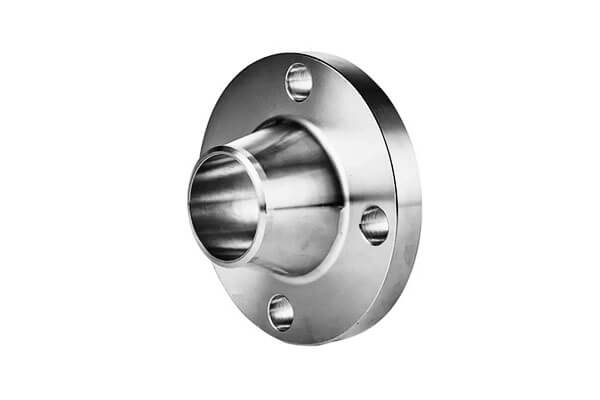
Pakāpe 23 ir tāda pati galvenā titāna oksīda plēves aizsardzība, un Galdnieks īpaši raksturo to kā ļoti izturīgu pret koroziju lielākajā daļā ūdens šķīdumu, oksidējošās skābes, hlorīdi ūdens klātbūtnē, un sārma.
Tas arī novērtē jūras ūdeni, mitrums, un sāls aerosols kā izcils.
Praktiskā atšķirība ir tā, ka pakāpe 23 bieži tiek izvēlēts, ja izturība pret koroziju ir jāsavieno ar augstāku bojājumu toleranci, īpaši hlorīdu saturošajos ķermeņa šķidrumos, kriogēnie trauki, vai ārzonas caurules.
Pakāpe 5 joprojām ir ļoti izturīgs pret koroziju, bet tā loma biežāk ir vispārējs augstas stiprības pakalpojums, nevis ārkārtīgi uzticams pakalpojums.
Īss veids, kā to ierāmēt, ir šāds:
- Pakāpe 5: lieliska plaša izturība pret koroziju, jo īpaši izmantošanai kosmosā un jūrā.
- Pakāpe 23: tikpat titānam raksturīga izturība pret koroziju, bet ar tīrības profilu, kas padara to par drošāku izvēli vietās, kur atteices tolerance ir zemāka.
7. Bioloģiskā savietojamība: Pakāpe 5 pret pakāpi 23 Titāna sakausējums
Pakāpe 5 jau plaši izmanto medicīnas iekārtās un bieži tiek izvēlēts, jo titāna sakausējumi veido stabilu oksīda plēvi un apvieno zemu blīvumu ar izcilu izturību pret koroziju.
Komerciālās datu lapās, Pakāpe 5 ir skaidri norādīts uz medicīnisko aprīkojumu, un tā bioloģiskā saderība tiek uzskatīta par vienu no galvenajiem pārdošanas punktiem.
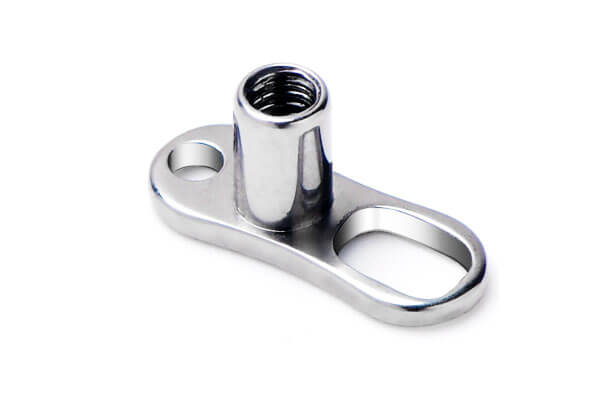
Pakāpe 23, lai arī, ir materiāls, kas dominē uz implantiem orientētiem lietojumiem.
Carpenter tieši norāda, ka ELI ir bijis izvēlētais materiāls daudziem medicīnas un zobārstniecības lietojumiem, jo tas ir lieliski bioloģiski saderīgs., Labs noguruma spēks, un zems modulis.
Tajā ir norādītas arī implantējamās sastāvdaļas, locītavas nomaiņa, kaulu fiksācijas ierīces, un ķirurģiskie klipi starp tā lietojumiem.
Iemesls Novērtējums 23 tiek dota priekšroka implantos, nav tikai “medicīniskais zīmols”.
Mazāks starpnozaru saturs uzlabo toleranci pret bojājumiem un palīdz sakausējumam saglabāt pielaidīgāku cikliskās slodzes apstākļos un korozīvā ķermeņa šķidruma vidē..
Tas ir īpaši svarīgi implantiem ar ilgu kalpošanas laiku un lūzumiem kritiskām ierīcēm.
Tātad hierarhija ir vienkārša:
- Pakāpe 5 ir bioloģiski saderīgs un medicīniski pieņemams daudzos produktos.
- Pakāpe 23 ir augstākās kvalitātes izvēle implantu kvalitātes nodrošināšanai, īpaši tur, kur svarīga ir izturība un ilgtermiņa uzticamība.
8. Visaptverošs salīdzinājums: Pakāpe 5 pret pakāpi 23
| Aspekts | Pakāpe 5 (Ti-6al-4v, ASV R56400) | Pakāpe 23 (Ti-6al-4v Eli, US R56407 / ASTM B348 klase 23) |
| Sakausējuma identitāte | Visplašāk izmantotā titāna klase; divfāzu α+β sakausējums ar Al kā alfa stabilizatoru un V kā beta stabilizatoru. | Ti-6Al-4V augstākas tīrības pakāpes īpaši zema intersticiālā versija; arī α+β sakausējums. |
| Izturība | Parasti augstāka bāzes līnijas stiprums.
) |
Nedaudz zemāka izturība apmaiņā pret stingrību. |
| Izturība | Labi, bet ne vēlamā izvēle, ja galvenais mērķis ir stingrība. | Izcila izturība pret plaisām un noguruma plaisu augšanas izturība. |
| Kriogēna uzvedība | Labi, bet mazāk optimizēts kriogēnajai uzticamībai nekā Grade 23. | Labākas kriogēnās īpašības nekā standarta klase 5. |
Izturība pret koroziju |
Lieliski piemērots daudzās rūpniecības un jūras vidēs. | Lieliski piemērots ūdens šķīdumos, jūras ūdens, hlorīdi ar ūdeni, un daudzās medicīnas vidēs. |
| Bioloģiskā savietojamība | Piemērots medicīniskajam aprīkojumam un daudziem lietojumiem bez implantiem. | Priekšroka implantiem, locītavas nomaiņa, un ķirurģiskā aparatūra. |
| Ražošana | Ļoti nobriedusi piegādes ķēde, plaša pieejamība, termiski apstrādājams un metināms. | Arī metināms un apstrādājams, bet tā augstākās kvalitātes vērtība izriet no tīrības kontroles. |
| Tipisks lietošanas gadījums | Lidmašīnu korpusi, dzinējs, stiprinājumi, ārzonas daļas, spiedienu saturošās daļas. | Implantēt, lūzumiem kritiskās struktūras, ārzonas cauruļveida, kriogēnie trauki. |
9. Atlases loģika no dažādām perspektīvām
Ja prioritāte ir maksimālā universālā konstrukcijas izturība
Izvēlēties Pakāpe 5. Tas ir visizplatītākais Ti-6Al-4V variants, un tā publicētā minimālā stiepes un tecēšanas robeža istabas temperatūrā parasti ir augstāka nekā pakāpe 23 šeit izmantotajās standarta datu lapās.
Tas padara to par dabiskāku izvēli, ja galvenais mērķis ir efektīvi pārvadāt kravu ar pārbaudītu titāna sakausējuma platformu.
Ja prioritāte ir bojājumu tolerance, lūzuma izturība, un izturība pret plaisu augšanu
Izvēlēties Pakāpe 23. ELI versija ir īpaši izstrādāta ar zemāku iespiesto saturu, un datu lapas valoda ir skaidra: tā ir labāka izvēle, ja stingrībai ir nozīme.
Praktiski, tas nozīmē Novērtējums 23 ir konservatīvāks materiāls lūzumiem kritiskām daļām, plānas sekcijas, un konstrukcijas, kurās defektu tolerance ir svarīgāka par absolūto statisko izturību.
Ja pieteikums ir biomedicīnas vai implantu orientēts
Izvēlēties Pakāpe 23. Publicētā Grade medicīniskā pozicionēšana 23 ir spēcīgāka un specifiskāka: tas ir aprakstīts kā izvēles materiāls daudziem medicīnas un zobārstniecības lietojumiem, ar izcilu bioloģisko saderību, zems modulis, un spēcīga noguruma veiktspēja.
Pakāpe 5 ir arī medicīniski noderīgs, bet Grade 23 ir attaisnojamāks implanta kvalitātes risinājums, ja galvenās problēmas ir ilgtermiņa uzticamība un audu savietojamība.
Ja apkalpošanas vide ir kriogēna vai saistīta ar smagu zemas temperatūras ciklu
Izvēlēties Pakāpe 23. Zemāks intersticiālais saturs nodrošina labāku kriogēno mehānisko izturēšanos nekā standarta klase 5, kam ir nozīme termiskās kontrakcijas gadījumā, trauslu lūzumu risks, vai zemas temperatūras izturība ir daļa no dizaina problēmas.
Pakāpe 5 joprojām var izmantot kriogēnajā dienestā, bet Grade 23 nodrošina lielāku uzticamības rezervi.
Ja daļa ir standarta aviācijas un kosmosa konstrukcijas sastāvdaļa, un piegādes ķēdei ir nozīme
Izvēlēties Pakāpe 5. Tā ir visplašāk izmantotā titāna šķira, ir izveidota pārstrādes ekosistēma, un ir pieejams plašā produktu formu klāstā.
Lidmašīnu korpusiem, kompresora daļas, stiprinājumi, un cita galvenā aviācijas un kosmosa aparatūra, Pakāpe 5 parasti piedāvā vislabāko pieejamības līdzsvaru, izturība, un briedums.
Ja dizains ir ārzonā, jūras, vai jūras ūdens pakļauts, bet tomēr struktūras virzīts
Izvēle ir atkarīga no kļūmes režīma, no kura jūs visvairāk baidāties. Vispārējai nesošai kuģu aparatūrai, Pakāpe 5 bieži vien ir pietiekams un joprojām ir ekonomiskais noklusējuma rādītājs.
Ja sastāvdaļai ir drošība, plānās šķēlēs, vai pakļauti cikliskām slodzēm, kur plaisu augšanai ir nozīme, Pakāpe 23 kļūst par labāku iespēju, jo tai ir augstāka tolerance pret bojājumiem.
Abiem sakausējumiem ir spēcīga izturība pret koroziju jūras vidē, tāpēc lēmumu parasti vairāk nosaka mehāniskā uzticamība, nevis korozija vien.
Ja lēmums galvenokārt ir saistīts ar izmaksām un pieejamību
Izvēlēties Pakāpe 5 ja vien projekts nepārprotami attaisno piemaksu par Grade 23.
Pakāpe 5 ir standarta sakausējums, kas nozīmē vieglāku iepirkumu, plašāka pārdevēja pārzināšana, un parasti zemākas izmaksas.
Pakāpe 23 ir papildu izmaksu vērts, ja lietojumprogrammai patiešām ir nepieciešama augstāka tīrība, labāka stingrība, vai biomedicīniskā piemērotība.
Ja problēma ir ražošanas risks
Pakāpe 5 parasti ir vieglākais noklusējuma veids vispārējai rūpnieciskai ražošanai, jo tā ir plaši standartizēta un pazīstama ražotājiem.
Pakāpe 23 ir arī ražojams, bet tā vērtība izriet no stingrākas ķīmijas un lielākas uzticamības, kas nozīmē, ka to vislabāk izmantot, ja pakārtotās veiktspējas prasības attaisno stingrāku materiāla kontroli.
Abām kategorijām joprojām ir nepieciešama disciplinēta titāna apstrāde, īpaši metināšanai un piesārņojuma kontrolei.
10. Secinājums
Pakāpe 5 un pakāpe 23 ir brāļu un māsu sakausējumi, bet tie ir optimizēti dažādām inženiertehniskajām prioritātēm.
Titāna pakāpe 5 ir klasiskais Ti-6Al-4V darba zirgs: stiprs, gaisma, izturīgs pret koroziju, un plaši pieejams visā kosmosa jomā, jūras, un rūpniecības tirgiem.
Titāna pakāpe 23 ir augstākas tīrības pakāpes ELI variants: nedaudz mazāk spēka, bet labāka stingrība, labāka kriogēna uzvedība, un vēlamā izvēle implantiem un lūzumiem kritiskiem pakalpojumiem.
Ja instrukcija ir maksimāla vispārēja strukturāla veiktspēja, Pakāpe 5 parasti uzvar.
Ja biksīte ir maksimāli izturīga pret bojājumiem, zemas temperatūras uzticamība, vai implanta līmeņa bioloģiskā saderība, Pakāpe 23 ir attaisnojamākā izvēle. Tā ir īstā inženiertehniskā robeža starp tām.
FAQ
Ir pakāpe 23 stiprāks par Grade 5?
Parasti nē. Pakāpe 5 parasti piedāvā augstāku bāzes līnijas stiprumu, kamēr Novērtējums 23 ir izvēlēts, lai nodrošinātu labāku izturību un izturību pret bojājumiem.
Ir pakāpe 23 tikai Grade medicīniskā versija 5?
Ne gluži. Tā ir Ti-6Al-4V īpaši zemā intersticiālā versija, un zemāks piemaisījumu līmenis ir tas, kas uzlabo izturību, Noguruma plaisu augšanas izturība, un kriogēno veiktspēju.
Var Novērtēt 5 aizstāt Grade 23?
Tikai tad, ja uzklāšanai nav nepieciešama papildu stingrība, lūzumu tolerance, vai uz implantiem orientēta veiktspēja, kas atbilst šai pakāpei 23 nodrošināt.
Ir pakāpe 5 titāns, kas piemērots pastāvīgiem ķirurģiskiem implantiem?
Ne. Kamēr Grade 5 būtībā ir bioloģiski saderīgs, tas neatbilst stingrajām īpaši zemajām iespiestajām reklāmām (Eli) ASTM F136 prasībām, kas noteiktas pastāvīgajiem implantiem.
Pakāpe 23 ir nepieciešamais standarts locītavu protezēšanai un zobu implantiem, lai nodrošinātu maksimālu noguruma izturību un bioloģisko integrāciju.
Kāpēc ir Grade 23 dārgāka nekā standarta klase 5?
Izmaksu piemaksa par pakāpi 23 ir progresīvu attīrīšanas procesu rezultāts (piemēram, vairāki vakuuma loka pārkausēšanas cikli) un augstas tīrības izejvielas, kas nepieciešamas, lai sasniegtu ELI statusu.
Šie procesi nodrošina nemetālisku piemaisījumu noņemšanu, kas varētu apdraudēt materiāla izturību.