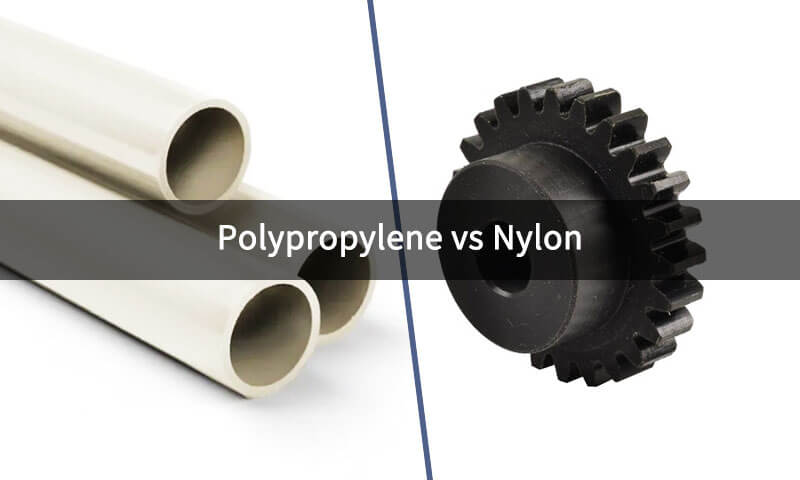
Il polipropilene è una poliolefina semicristallina nota per la sua bassa densità, eccellente resistenza all'umidità, Resistenza chimica, Resistenza alla fatica, e una lavorazione relativamente semplice.
Nylon, una famiglia di poliammidi, è generalmente riconosciuto per la sua maggiore resistenza e rigidità, Eccellente tenacia, basso attrito, resistenza all'usura, e migliori prestazioni alle alte temperature.
È anche importante evitare di trattare entrambi i materiali come un unico elemento, specifica fissa. PP e nylon sono famiglie di materiali e non singoli gradi.
PA6, PA66, PA12, nylon caricato a vetro, PP omopolimero, Copolimero PP, PP caricato con minerali, e il PP rinforzato con vetro possono avere proprietà sostanzialmente diverse.
Perciò, un significativo polipropilene contro nylon il confronto dovrebbe considerare non solo la robustezza e la resistenza alla temperatura, ma anche l'assorbimento dell'umidità, Compatibilità chimica, attrito e usura, prestazioni elettriche, stabilità dimensionale, comportamento dello stampaggio a iniezione, costo di produzione, e le effettive condizioni di servizio.
1. Cos'è il polipropilene?
Polipropilene (PP) è un polimero termoplastico ampiamente utilizzato appartenente al famiglia delle poliolefine.
È apprezzato per la sua bassa densità, Ottima resistenza chimica, assorbimento di umidità molto basso, buone prestazioni a fatica, isolamento elettrico, ed efficiente lavorabilità.
Il polipropilene è particolarmente interessante quando i componenti in plastica devono abbinare un peso ridotto, resistenza chimica e all'umidità, buona tenacità, prestazioni di flessione ripetute, e produzione economica.
Il polipropilene differisce fondamentalmente dal nylon nella sua chimica molecolare. La sua struttura polimerica è costituita principalmente da catene di idrocarburi con gruppi metilici ricorrenti (-CH₃) attaccato alla spina dorsale del carbonio.
A differenza del nylon, Il PP non contiene gruppi ammidici polari in grado di formare forti legami idrogeno con le molecole d'acqua.
Questa struttura molecolare relativamente non polare è responsabile di molte delle importanti caratteristiche ingegneristiche del polipropilene.
Contribuisce al suo bassissimo assorbimento d'acqua, eccellente resistenza a molti prodotti chimici, isolamento elettrico stabile, bassa densità, e buona resistenza alle variazioni dimensionali legate all'umidità.
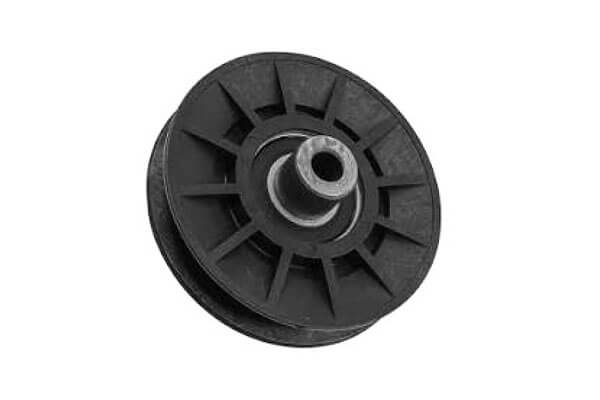
È possibile progettare diverse formulazioni per diverse applicazioni.
Le categorie comuni di polipropilene includono:
- PP omopolimero
- Copolimero casuale PP
- Copolimero antiurto PP
- PP rinforzato con fibra di vetro
- PP caricato minerale
- PP caricato talco
- PP stabilizzato ai raggi UV
- PP ignifugo
- PP modificato elettricamente
La capacità di modificare il PP attraverso la copolimerizzazione, riempitivi, fibre, e gli additivi consentono ai produttori di bilanciare la rigidità, forza d'impatto, Resistenza chimica, aspetto, comportamento di elaborazione, e costo.
Vantaggi e limiti del polipropilene
I principali vantaggi del polipropilene includono:
- Bassa densità: Il PP produce componenti leggeri.
- Eccellente resistenza all'umidità: L'assorbimento d'acqua è estremamente basso.
- Buona resistenza chimica: Particolarmente efficace contro molti acidi acquosi, alcali, sali, e detersivi.
- Ottima resistenza alla fatica: Adatto per cerniere mobili e flessibili ripetute.
- Buon isolamento elettrico: Utile per alloggiamenti elettrici e componenti isolanti.
- Eccellenti caratteristiche di stampaggio ad iniezione: La bassa viscosità del fuso e la buona fluidità facilitano la produzione in grandi volumi.
- Basso costo del materiale: Il PP è generalmente più economico del nylon tecnico.
- Buona flessibilità progettuale: Può essere prodotto in diversi colori, formulazioni, e aspetti superficiali.
Tuttavia, anche il polipropilene presenta dei limiti.
Il PP standard generalmente fornisce rigidità inferiore e prestazioni meccaniche alle alte temperature rispetto al nylon.
Sotto carichi meccanici sostenuti, in particolare a temperature elevate, Il PP può subire scorrimento e deformazione.
Il suo coefficiente di dilatazione termica relativamente elevato può essere importante anche nelle applicazioni di precisione.
Inoltre, Il PP non modificato può degradarsi in caso di esposizione prolungata ai raggi ultravioletti, pertanto le applicazioni esterne potrebbero richiedere stabilizzatori UV o altre misure protettive.
2. Cos'è il nylon?
Nylon è una famiglia di termoplastici tecnici appartenenti alla poliammide (PA) gruppo.
È ampiamente utilizzato quando i componenti in plastica devono fornire una combinazione di elevata resistenza, rigidità, tenacità, resistenza all'usura, basso attrito, prestazioni a fatica, e capacità di temperatura elevata.
Il nylon differisce fondamentalmente dal polipropilene nella sua chimica molecolare.
La struttura polimerica contiene elementi ricorrenti gruppi ammidici (-CONH-), che creano interazioni intermolecolari più forti di quelle presenti nella struttura idrocarburica non polare del PP.
Questi gruppi ammidici sono responsabili di molte delle proprietà tecniche desiderabili del nylon.
Contribuiscono alla sua resistenza meccanica, rigidità, tenacità, e capacità di sopportare attriti e carichi ripetuti.
Allo stesso tempo, la natura polare dei gruppi ammidici fa sì che il nylon assorba l'umidità. Questa è una delle considerazioni più importanti quando si confronta nylon contro polipropilene.
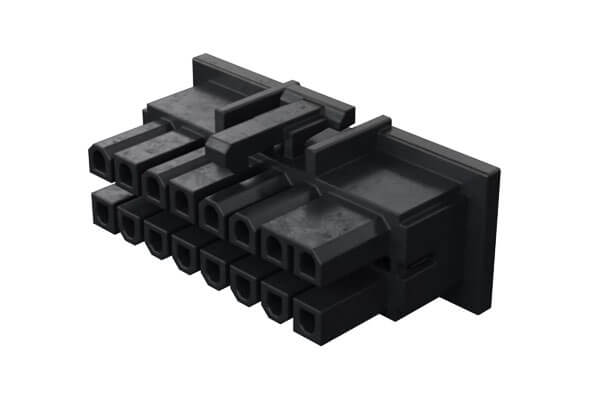
Il nylon non è un materiale unico. Esistono diverse famiglie di poliammidi commercialmente importanti,
compreso:
- PA6
- PA66
- PA11
- PA12
- PA46
- Vari gradi di PA rinforzata con fibra di vetro
- Gradi di PA caricati con minerali
- Gradi PA ignifughi
- Gradi di PA stabilizzati al calore
Tra questi, PA6 e PA66 sono particolarmente comuni nelle applicazioni ingegneristiche.
Il nylon è ampiamente utilizzato per i componenti meccanici perché può combinare prestazioni strutturali con un attrito relativamente basso.
A differenza di molti metalli, può anche fornire un'alternativa leggera per gli ingranaggi, boccole, rulli, Guide, e altri componenti in movimento.
Vantaggi e limiti del nylon
I principali vantaggi del nylon includono:
- Alta resistenza alla trazione
- Alta rigidità
- Eccellente tenacia
- Buona resistenza alla fatica
- Eccellente resistenza all'usura
- Basso attrito
- Buona resistenza ai carichi meccanici ripetuti
- Migliori prestazioni alle alte temperature rispetto al PP standard
- Forte idoneità per componenti meccanici
I suoi limiti includono:
- Maggiore assorbimento dell'umidità
- Cambiamenti dimensionali legati all'umidità
- Requisiti di asciugatura più impegnativi
- Temperature di lavorazione più elevate
- Maggiore sensibilità alle condizioni di lavorazione
- Costo del materiale più elevato
- Potenziali cambiamenti di proprietà tra lo stato secco e quello condizionato dall'umidità
3. Resistenza del polipropilene contro il nylon
Maggiore resistenza e rigidità del nylon
Quando si confronta polipropilene e nylon per la resistenza meccanica, il nylon generalmente fornisce una maggiore resistenza alla trazione, rigidità, e capacità di carico rispetto al polipropilene non caricato.
I tipici gradi di PP non caricati hanno resistenze alla trazione di circa 25–40MPa, mentre i comuni gradi PA6 e PA66 possono generalmente raggiungere circa 50–90 MPA, a seconda del grado specifico e delle condizioni di prova.
La differenza è strettamente correlata alla struttura molecolare. Il polipropilene ha una struttura idrocarburica relativamente non polare, mentre il nylon contiene gruppi ammidici polari che creano interazioni intermolecolari più forti e legami idrogeno.
Queste interazioni limitano il movimento molecolare e consentono al nylon di resistere più efficacemente alla deformazione sotto carico meccanico.
Eccellenti prestazioni di fatica alla flessione del polipropilene
Sebbene il nylon sia generalmente più resistente, il polipropilene ha un importante vantaggio meccanico in flessioni ripetute.
Il PP può sopportare estese flessioni cicliche senza rompersi quando il componente è progettato correttamente.
Ciò lo rende particolarmente adatto per cerniere viventi, chiusure flessibili, caratteristiche di inserimento a scatto, e componenti ripetutamente flessi.
Perciò, una maggiore resistenza alla trazione non rende automaticamente il nylon il materiale migliore per ogni applicazione meccanica.
La modalità di caricamento deve essere considerata insieme alla forza, rigidità, fatica, impatto, e requisiti di scorrimento.
Forza migliorata con i rinforzi
Entrambi i polimeri possono essere rinforzati per ottenere prestazioni meccaniche sostanzialmente più elevate.
Il PP rinforzato con fibra di vetro può raggiungere una resistenza alla trazione di circa 70–90 MPA in gradi rappresentativi, Mentre 30% PA6 rinforzato con fibra di vetro può raggiungere all'incirca 130–170 MPa, a seconda della formulazione e delle condizioni di prova.
Il rinforzo aumenta anche la rigidità e la resistenza allo scorrimento viscoso, sebbene possa introdurre una maggiore anisotropia, differenze di ritiro nello stampaggio, e considerazioni sull'elaborazione.
4. Resistenza alla temperatura in polipropilene e nylon
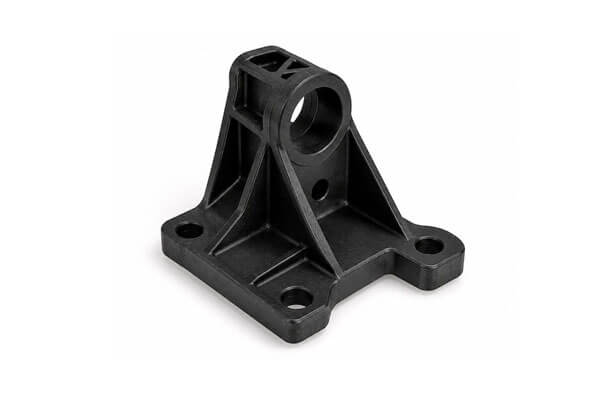
Maggiore resistenza alla temperatura del nylon
Il nylon generalmente fornisce una migliore resistenza alla temperatura rispetto al polipropilene, in particolare quando il materiale deve mantenere resistenza meccanica e rigidità a temperature elevate.
I tipi tipici di polipropilene hanno una temperatura di fusione di circa 160–170 ° C., mentre il PA6 fonde a circa 220° C. e PA66 a circa 255° C..
Tuttavia, La temperatura di fusione non deve essere confusa con la temperatura di funzionamento continuo.
I componenti termoplastici solitamente perdono rigidità e capacità di carico molto prima di raggiungere il punto di fusione.
Il nylon generalmente conserva proprietà meccaniche utili a temperature più elevate.
A seconda del grado e del rinforzo, il nylon può fornire prestazioni di deflessione del calore e resistenza alla deformazione significativamente migliori.
Capacità di temperatura moderata del polipropilene
Il polipropilene rimane altamente efficace in molte applicazioni che operano a temperature moderate.
Il suo basso costo, Resistenza chimica, e il basso assorbimento di umidità può renderlo più economico del nylon quando non è richiesta la resistenza alle temperature estreme.
Per esempio, Il PP è ampiamente utilizzato per i contenitori, condotti, Alloggi, componenti delle tubazioni, e parti interne di automobili in cui le temperature operative rimangono entro l'intervallo pratico del materiale.
5. Polipropilene vs nylon Resistenza all'umidità e agli agenti chimici
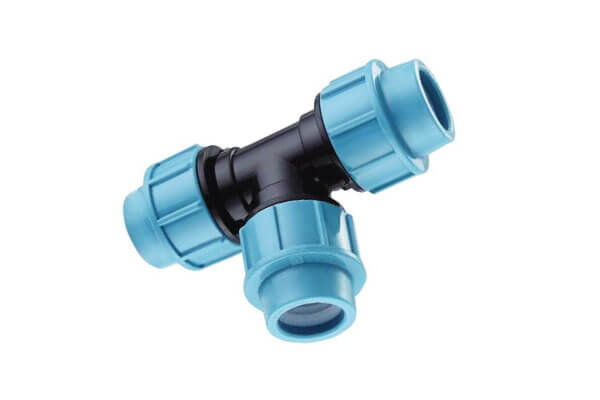
Resistenza all'umidità superiore del polipropilene
Il polipropilene presenta un grande vantaggio rispetto al nylon in termini di resistenza all'umidità. La sua struttura molecolare è prevalentemente non polare, quindi l'acqua ha un'interazione molto limitata con le catene polimeriche.
I tipi tipici di polipropilene presentano un assorbimento d'acqua estremamente basso, spesso in giro 0.01% o meno dopo 24 ore, a seconda del grado e del metodo di prova.
Questo basso assorbimento di umidità consente ai componenti in PP di mantenere dimensioni relativamente stabili, peso, Proprietà meccaniche, e caratteristiche elettriche in ambienti umidi o bagnati.
Maggiore assorbimento dell'umidità del nylon
Il nylon si comporta diversamente perché la sua struttura molecolare contiene gruppi ammidici polari.
Questi gruppi interagiscono facilmente con le molecole d'acqua, consentendo al nylon di assorbire molta più umidità.
A seconda del tipo di poliammide e delle condizioni ambientali, il nylon può assorbire all'equilibrio, una buona percentuale del suo peso è in acqua.
PA6 e PA66 sono particolarmente sensibili all'umidità rispetto al polipropilene.
L'umidità agisce come un plastificante nel nylon. All'aumentare del contenuto di acqua, il nylon generalmente diventa più duttile mentre la sua rigidità e resistenza diminuiscono. Allo stesso tempo, può verificarsi un'espansione dimensionale.
Questo comportamento è particolarmente importante per componenti di precisione come gli ingranaggi, boccole, connettori, e alloggiamenti a tolleranza ridotta.
Eccellente resistenza chimica del polipropilene
Il polipropilene offre inoltre un'eccellente resistenza a molti prodotti chimici, particolarmente diluire gli acidi, alcali, sali, detersivi, e soluzioni chimiche acquose.
Questa combinazione di resistenza chimica e basso assorbimento di umidità rende il PP ampiamente utilizzato per i contenitori chimici, carri armati, tubatura, attrezzature di laboratorio, rivestimenti, e componenti per la gestione dei fluidi.
Buona resistenza chimica del nylon, ma più dipendente dall'applicazione
Il nylon fornisce un'utile resistenza a molti oli, Fuelli, grassi, e sostanze chimiche industriali. Tuttavia, la sua resistenza chimica dipende maggiormente dalle condizioni chimiche e di servizio specifiche.
Alcuni acidi forti e ambienti chimici aggressivi possono attaccare i materiali in poliammide. La temperatura elevata e lo stress meccanico possono influenzare ulteriormente la compatibilità chimica.
Di conseguenza, il nylon non deve essere selezionato esclusivamente sulla base di classificazioni generali di resistenza chimica.
Il reale concentrazione chimica, temperatura, durata dell'esposizione, livello di stress, e grado di nylon dovrebbe essere valutato.
6. Polipropilene vs nylon Attrito e resistenza all'usura
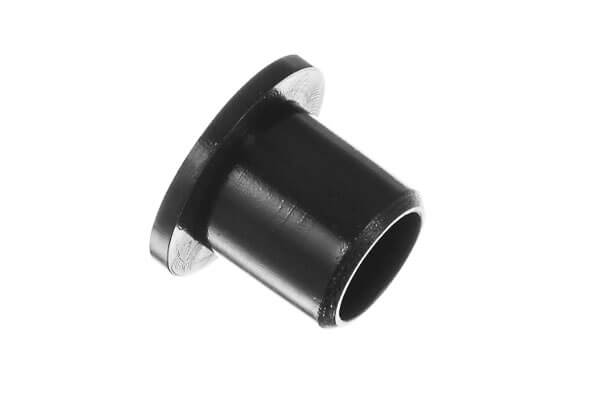
Migliori prestazioni di usura meccanica del nylon
Il nylon è ampiamente riconosciuto come materiale tecnico utile per applicazioni che comportano attrito, scorrevole, e contatti meccanici ripetuti.
La sua combinazione di forza, tenacità, rigidità, e l'attrito relativamente basso lo rende adatto agli ingranaggi, boccole, cuscinetti, rulli, indossare strisce, e componenti guida.
I coefficienti di attrito a secco tipici del nylon possono rientrare nell'intervallo approssimativo di 0.2–0.4, dipende fortemente dal grado, controfaccia, carico, velocità di scorrimento, finitura superficiale, e metodo di prova.
La resistenza meccanica relativamente elevata del nylon gli consente di resistere alle sollecitazioni da contatto senza deformazioni eccessive, che è particolarmente importante nei componenti scorrevoli caricati.
Caratteristiche di basso attrito del polipropilene
Il polipropilene può anche presentare un attrito relativamente basso e può funzionare bene in applicazioni di scorrimento selezionate.
Alcuni gradi di PP vengono utilizzati laddove è leggero, chimicamente resistente, ed è richiesto materiale scorrevole a basso costo.
Tuttavia, il coefficiente di attrito e la resistenza all'usura non sono proprietà identiche.
Un materiale può avere un basso coefficiente di attrito pur subendo comunque una perdita di materiale relativamente elevata in caso di contatto meccanico prolungato.
Per componenti fortemente caricati o in continuo movimento, il nylon spesso fornisce una combinazione più favorevole di capacità di carico meccanico e resistenza all'usura.
I composti specializzati possono migliorare la resistenza all'usura
Entrambi i materiali possono essere modificati per applicazioni tribologiche.
I composti di nylon possono incorporare PTFE, grafite, bisolfuro di molibdeno, lubrificanti a base di silicone, o altri additivi per ridurre l'attrito e migliorare la resistenza all'usura.
Il polipropilene può anche essere formulato con riempitivi e additivi lubrificanti per applicazioni specializzate a basso attrito.
Tuttavia, il rinforzo deve essere selezionato con attenzione. Le fibre di vetro possono aumentare significativamente la rigidità e la capacità di carico, ma possono anche influenzare il meccanismo di usura ed il comportamento della superficie di accoppiamento.
7. Proprietà elettriche del polipropilene e del nylon
Eccellente isolamento elettrico del polipropilene
Il polipropilene è un eccellente materiale isolante elettrico ed è particolarmente prezioso quando sono richieste prestazioni dielettriche stabili.
I gradi PP rappresentativi possono avere una costante dielettrica di circa 2.2–2.6 e resistività di volume dell'ordine di 10¹⁶ Ω·cm, sebbene i valori varino con la frequenza, temperatura, formulazione, e condizioni di prova.
La sua combinazione di elevata resistività elettrica, bassa costante dielettrica, e l'assorbimento di umidità estremamente basso rendono il polipropilene utile per l'isolamento elettrico, pellicole di condensatori, componenti del cavo, parti elettroniche, e altre applicazioni dielettriche.
Buon isolamento elettrico del nylon
Il nylon è anche un efficace isolante elettrico, particolarmente in condizioni asciutte.
I gradi di nylon rappresentativi possono avere costanti dielettriche intorno 3.5–4.0, sebbene il valore esatto dipenda fortemente dal tipo di polimero, frequenza, temperatura, e contenuto di umidità.
Il vantaggio del nylon è che combina l’isolamento elettrico con una resistenza meccanica e una tenacità sostanzialmente più elevate rispetto al polipropilene convenzionale.
Ciò lo rende utile per i connettori elettrici, Alloggi, componenti per la gestione dei cavi, e parti isolanti meccanicamente impegnative.
8. Polipropilene vs nylon per lo stampaggio a iniezione
Eccellente lavorabilità dello stampaggio a iniezione del polipropilene
Il polipropilene è uno dei materiali termoplastici stampati a iniezione più diffuso perché combina un buon flusso di fusione, requisiti di elaborazione relativamente bassi, bassa sensibilità all'umidità, e tempi di ciclo brevi.
La sua viscosità del fuso relativamente bassa consente al PP fuso di riempire in modo efficiente le cavità complesse dello stampo, rendendolo adatto per componenti a parete sottile, caratteristiche di inserimento a scatto, cerniere viventi, contenitori, Alloggi, e altri prodotti ad alto volume.
Uno dei principali vantaggi di elaborazione del PP è questo la resina normalmente non richiede l'estesa pre-essiccazione richiesta dal nylon.
Perché il polipropilene assorbe pochissima umidità, i produttori generalmente possono lavorare il PP opportunamente conservato direttamente o con procedure di condizionamento del materiale relativamente semplici.
Il PP ha anche una finestra di elaborazione relativamente ampia.
Le temperature tipiche di fusione sono spesso nell'intervallo di circa 200–250 ° C., a seconda del grado e dell'applicazione, mentre le temperature dello stampo sono comunemente controllate a temperature notevolmente inferiori.
Le condizioni esatte devono essere stabilite dalle raccomandazioni di lavorazione del produttore della resina.
Maggiore sensibilità all'umidità del nylon
Anche il nylon è molto adatto stampaggio a iniezione, ma i suoi requisiti di elaborazione sono più impegnativi.
La maggior parte delle resine di nylon sono igroscopiche e possono assorbire l'umidità atmosferica durante lo stoccaggio.
Prima dello stampaggio, il nylon generalmente deve esserlo adeguatamente asciugati ad un livello di umidità specificato.
Se rimane umidità eccessiva nella resina, la combinazione di acqua e temperatura di fusione elevata può causare degradazione idrolitica, riducendo il peso molecolare e potenzialmente abbassando le prestazioni meccaniche del componente finito.
Ciò rende la movimentazione del materiale particolarmente importante durante la lavorazione del nylon.
La resina deve essere conservata in un imballaggio resistente all'umidità, e le condizioni di essiccazione dovrebbero essere controllate in base al grado specifico di PA.
Temperature di lavorazione più elevate per il nylon
Il nylon generalmente richiede temperature di fusione più elevate rispetto al polipropilene.
PA6 viene comunemente lavorato a temperature di fusione intorno 240–280°C, mentre PA66 può richiedere circa 260–300 ° C., a seconda della qualità e della tecnologia di lavorazione.
La temperatura di lavorazione più elevata aumenta il fabbisogno energetico e pone maggiori esigenze sulle attrezzature di stampaggio, componenti dello stampo, e controllo del processo.
Tuttavia, La temperatura di lavorazione più elevata del nylon riflette anche il suo punto di fusione più elevato e consente la produzione di componenti in grado di fornire maggiori prestazioni meccaniche e termiche.
9. Stabilità dimensionale del polipropilene rispetto al nylon
| Aspetto | Polipropilene | Nylon |
| Assorbimento di umidità | Molto basso | Alto |
| Variazione dimensionale con l'umidità | Minimo | Significativo |
| Ritiro della muffa (%) | 1.0–2.5 | 0.5–2.0 |
| Ritiro post-stampaggio | Moderare | Significativo (condizionamento dell'umidità) |
| Resistenza al creep | Moderare | Bene |
La natura idrofoba del polipropilene gli conferisce un'eccellente stabilità dimensionale in ambienti umidi.
Il nylon assorbe l'umidità, provocando il rigonfiamento delle parti e la modifica delle dimensioni. Tuttavia, le parti in nylon possono essere condizionate con umidità per ottenere dimensioni stabili.
10. Polipropilene contro nylon: Considerazioni sui costi e sulla produzione
Costo del materiale
Il polipropilene è generalmente più economico del nylon. La sua bassa densità significa anche che potrebbe essere necessario meno materiale in peso per produrre un componente di volume comparabile.
Per prodotti ad alto volume, questo può fornire un vantaggio significativo in termini di costi.
Il nylon è in genere più costoso perché è un materiale termoplastico tecnico con prestazioni meccaniche e termiche più elevate.
Tuttavia, la sua maggiore resistenza e rigidità possono consentire ai progettisti di ridurre lo spessore delle pareti o le dimensioni dei componenti, compensando parzialmente il maggior costo della resina.
Considerazioni sulla produzione
| Fattore | Polipropilene | Nylon |
| Costo del materiale | Generalmente più basso | Generalmente più alto |
| Densità | Inferiore | Più alto |
| Temperatura di lavorazione | Inferiore | Più alto |
| Requisito di asciugatura | Minimo | Di solito critico |
| Stampaggio a iniezione | Relativamente facile | Più sensibile al processo |
| Efficienza del ciclo | Eccellente | Bene |
| Sensibilità all'umidità | Molto basso | Alto |
| Complessità di strumenti/processi | Generalmente più basso | Generalmente più alto |
| Economia dell'applicazione tipica | Alto volume, parti sensibili ai costi | Componenti critici per le prestazioni |
Il polipropilene è solitamente più facile e meno costoso da lavorare.
La sua bassa sensibilità all'umidità semplifica la movimentazione dei materiali, mentre le sue buone caratteristiche di flusso supportano uno stampaggio a iniezione efficiente e volumi di produzione elevati.
Il nylon richiede un controllo di produzione più attento. Prima dello stampaggio ad iniezione, molte resine di nylon devono essere adeguatamente essiccate per prevenire il degrado legato all'umidità e difetti di stampaggio.
Temperatura dello stampo, temperatura di scioglimento, tempo di residenza, e anche le condizioni di raffreddamento richiedono un controllo più attento.
11. Applicazioni in polipropilene e nylon
Il campo di applicazione di polipropilene (PP) e nylon (PA) si sovrappone in molti ambiti, ma ogni materiale è più adatto a diverse condizioni operative.
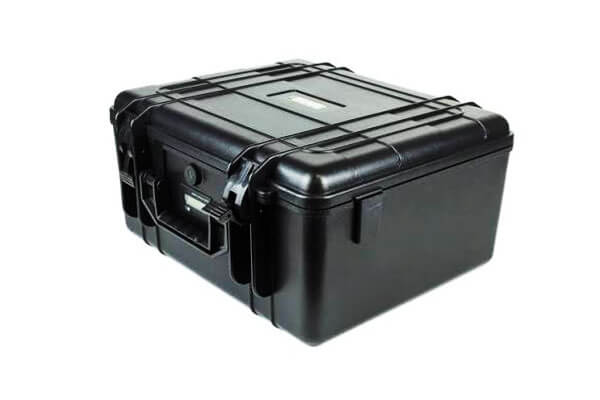
Applicazioni del polipropilene
Il polipropilene è ampiamente usato dove bassa densità, basso assorbimento di umidità, Resistenza chimica, Resistenza alla fatica, ed elaborazione economica di grandi volumi sono importanti.
| Settore delle applicazioni | Componenti tipici in PP | Perché è stato selezionato PP |
| Confezione | Contenitori, tappi di bottiglia, chiusure, vassoi, imballaggio alimentare | Bassa densità, Resistenza all'umidità, Resistenza chimica, Processobilità |
| Automobilistico | Paraurti, rivestimento interno, pannelli delle porte, custodie per batterie, serbatoi di liquidi | Leggero, impatto sulle prestazioni, Resistenza chimica, Efficienza dei costi |
| Impianto idraulico & Sistemi idrici | Tubi, raccordi, componenti della pompa, parti di irrigazione | Basso assorbimento d'acqua e resistenza a molti prodotti chimici |
Prodotti di consumo |
Contenitori di stoccaggio, mobilia, Alloggi per elettrodomestici, articoli per la casa | Leggero, durevole, economico |
| Elettrico & Elettronica | Componenti isolanti, parti relative ai cavi, pellicole di condensatori, Alloggi | Buon isolamento elettrico e bassa sensibilità all'umidità |
| Medico & Prodotti di laboratorio | Contenitori, vassoi, siringhe, attrezzature di laboratorio | Resistenza chimica, basso assorbimento di umidità, gradi adatti disponibili |
| Attrezzatura industriale | Carri armati, condotti, contenitori, copertine, componenti per il trattamento dei fluidi | Resistenza chimica, Peso basso, lavorazione economica |
Applicazioni in nylon
Il nylon viene utilizzato principalmente dove forza, rigidità, tenacità, basso attrito, resistenza all'usura, e prestazioni a temperature elevate sono più importanti del costo minimo del materiale e dell’assorbimento dell’umidità.
| Settore delle applicazioni | Componenti tipici in nylon | Perché è stato scelto il nylon |
| Automobilistico | Marcia, cuscinetti, boccole, Componenti del motore, connettori, parentesi | Alta resistenza, rigidità, resistenza all'usura, capacità di temperatura |
| Elettrico & Elettronica | Alloggiamenti dei connettori, morsettiere, componenti dell'interruttore | Resistenza meccanica, isolamento, prestazione dimensionale |
| Macchinari industriali | Marcia, rulli, componenti dei cuscinetti, indossare piatti, parti del trasportatore | Basso attrito, resistenza all'usura, capacità portante |
Dispositivi di fissaggio & Hardware |
Fascette per cavi, noci, clip, dispositivi di fissaggio, componenti ad incastro | Forza, tenacità, Resistenza alla fatica |
| Componenti meccanici | Boccole, pulegge, Guide, marcia, staffe strutturali | Elevata rigidità e buone prestazioni tribologiche |
| Fibre & Tessuti | Fibre industriali, corda del pneumatico, lenza da pesca, filamenti della spazzola, tessili tecnici | Alta resistenza alla trazione, tenacità, resistenza all'abrasione |
| Prodotti di consumo | Cerniere, fibbie, alloggiamenti per utensili, componenti meccanici | Tenacità, forza, resistenza all'usura |
Polipropilene contro nylon: Selezione dell'applicazione
La scelta tra PP e nylon può essere semplificata identificando il requisito di servizio dominante:
- Scegli il polipropilene quando il peso è basso, Resistenza all'umidità, Resistenza chimica, prestazioni a fatica, e bassi costi di produzione sono i requisiti primari.
- Scegli il nylon quando ad alta resistenza, rigidità, resistenza all'usura, basso attrito, tenacità, o le prestazioni a temperature elevate sono più importanti.
- Considera il PP rinforzato quando la costruzione leggera è importante ma sono richieste rigidità e resistenza più elevate.
- Prendi in considerazione il nylon rinforzato quando il componente deve resistere a carichi meccanici elevati, stress continuo, o condizioni termiche impegnative.
12. Conclusione
Il polipropilene e il nylon sono materiali tecnici complementari, non concorrenti diretti.
Ciascuno occupa una nicchia prestazionale distinta definita dalla sua chimica fondamentale:
il polipropilene offre costi contenuti, eccellente stabilità dimensionale e insensibilità all'umidità a scapito di una minore resistenza e prestazioni all'usura;
il nylon offre un'elevata resistenza, eccellente resistenza all'usura e tolleranza all'olio a scapito di costi più elevati, sensibilità all'umidità e complessità di lavorazione.
Nessuno dei due è universalmente superiore. Il PP è la scelta ottimale per i componenti delle materie prime, pezzi di precisione in condizioni di umidità variabile, applicazioni per acqua calda e prodotti sensibili ai costi.
Il nylon è la scelta migliore per i componenti strutturali ad alto carico, Indossare parti, componenti sottocofano esposti all'olio e applicazioni ad alta temperatura con rinforzo in vetro.
L’errore di selezione più comune è specificare il nylon quando il PP avrebbe prestazioni adeguate a un costo totale inferiore del 40–60%., o specificando il PP per applicazioni soggette a usura a carico elevato in cui si verificheranno guasti prematuri.
Il confronto sistematico con le condizioni operative effettive, senza ricorrere al materiale familiare, garantisce prestazioni ottimali al minimo costo totale.
FAQ
Il polipropilene e il nylon possono essere riciclati?
SÌ, entrambi i materiali sono riciclabili. Il polipropilene è ampiamente riciclato (codice resina #5). Il nylon è riciclabile ma meno comunemente riciclato del polipropilene.
Il nylon o il polipropilene sono più fragili alle basse temperature?
Il polipropilene è più fragile alle basse temperature. Ha una temperatura di transizione vetrosa compresa tra –10 e 0°C, al di sotto del quale diventa fragile. Il nylon rimane resistente fino a –30 – –40°C.
Il polipropilene è più resistente del nylon?
Generalmente, NO. Il nylon standard ha in genere una resistenza alla trazione più elevata, rigidità, e capacità di carico rispetto al polipropilene non caricato. Tuttavia, il polipropilene ha una densità inferiore e un'eccellente resistenza alla fatica e all'umidità.
Il PP rinforzato può anche raggiungere prestazioni meccaniche sostanzialmente più elevate e può sovraperformare il nylon non caricato in applicazioni specifiche.
Il polipropilene è più resistente al calore del nylon?
Generalmente, il nylon ha una migliore resistenza al calore rispetto al polipropilene standard.
I gradi di nylon comuni hanno temperature di fusione più elevate e generalmente mantengono meglio la resistenza meccanica e la rigidità a temperature elevate.
I gradi rinforzati possono migliorare ulteriormente le prestazioni alle alte temperature di entrambi i materiali.
Che assorbe più acqua, polipropilene o nylon?
Il nylon assorbe molta più acqua rispetto al polipropilene. Il polipropilene ha un assorbimento di umidità estremamente basso, mentre il nylon è igroscopico a causa dei suoi gruppi ammidici polari.
L’assorbimento di umidità può influenzare le dimensioni del nylon, rigidità, tenacità, e proprietà elettriche.
Che è più economico, polipropilene o nylon?
Il polipropilene è generalmente meno costoso del nylon. Il PP ha anche una densità inferiore, che può ridurre ulteriormente il consumo di materiale in base al peso del componente.
Tuttavia, il costo totale dovrebbe includere l'elaborazione, utensili, progettazione della parte, rinforzo, rottami, e vita di servizio.
Un componente in nylon più costoso può in definitiva essere più economico se garantisce una durata significativamente più lunga o ne consente una più piccola, design dei componenti più robusto.
Che ha una migliore stabilità dimensionale, polipropilene o nylon?
La risposta dipende dall'ambiente.
Il polipropilene presenta un grande vantaggio in termini di stabilità dimensionale legata all'umidità perché assorbe pochissima acqua. Il nylon può subire cambiamenti dimensionali poiché assorbe l'umidità.
Tuttavia, Il PP ha un'espansione termica relativamente elevata, mentre il nylon rinforzato può fornire un'eccellente stabilità dimensionale alla temperatura se adeguatamente formulato.
Per applicazioni di precisione, gli ingegneri dovrebbero valutare sia i cambiamenti dimensionali indotti dall'umidità che quelli indotti dalla temperatura.