1. Esittely
Yleisimmin käytettyjä metalliseoksia ovat 5052 vs. 6061 alumiiniseokset, jokainen palvelee erilaisia tarpeita eri toimialoilla.
Molemmilla on alumiinin kevyt ja korroosionkestävä luonne, niiden kemiat ja prosessointimenetelmät tuottavat huomattavasti erilaisia mekaanisia ominaisuuksia ja valmistuskäyttäytymistä.
Tässä artikkelissa, Vertaamme 5052 ja 6061 alumiiniseokset useista näkökulmista – metallurgisesti, mekaaninen, lämpö-, korroosio, valmistus, maksaa, ja sovellusten käyttötapaukset.
Etujen ymmärtäminen, rajoitukset, ja kunkin lejeeringin ihanteelliset käyttöskenaariot mahdollistavat tietoisen materiaalin valinnan meriprojekteihin, autoteollisuus, ilmailu-, elektroniikka, ja muilla teollisuudenaloilla.
2. Kevytmetallifedia & Metallurginen perusta
5052 (US A95052) ja 6061 (USA A96061) ovat molemmat valmistettuja alumiiniseokset, mutta ne kuuluvat eri sarjoihin ja ne on suunniteltu erilaisten suorituskykyominaisuuksien vuoksi.
Niiden ymmärtäminen kemiallinen koostumus antaa käsityksen niiden mekaanisista ominaisuuksista, korroosionkestävyys, ja muovattavuus.
Taulukko: Seosaineiden kemiallinen koostumus ja rooli
| Elementti | 5052 (% painon mukaan) | 6061 (% painon mukaan) | Rooli & Metallurginen merkitys |
|---|---|---|---|
| Alumiini (AL -AL) | Saldo | Saldo | Ensisijainen metalli; tarjoaa kevyen painon ja korroosionkestävyyden. |
| Magnesium (Mg) | 2.2 - 2.8% | 0.8 - 1.2% | Lisää lujuutta kiinteällä liuoskovetuksella; parantaa korroosionkestävyyttä. |
| Pii (Ja) | ≤ 0.25% | 0.4 - 0.8% | Sisä- 6061, yhdistyy Mg:n kanssa muodostaen Mg2Si, mahdollistaa sateen kovettumisen. Parantaa kestävyyttä. |
| Kromi (Cr) | 0.15 - 0.35% | 0.04 - 0.35% | Parantaa korroosionkestävyyttä ja säätelee raerakennetta käsittelyn aikana. |
Kupari (Cu) |
≤ 0.1% | 0.15 - 0.40% | Parantaa merkittävästi lujuutta ja työstettävyyttä, mutta heikentää korroosionkestävyyttä. |
| Rauta (Fe) | ≤ 0.4% | ≤ 0.7% | Esiintyy epäpuhtaudena; korkeat tasot voivat vähentää sitkeyttä ja korroosionkestävyyttä. |
| Mangaani (Mn) | ≤ 0.1% | ≤ 0.15% | Parantaa lujuutta ja kulutuskestävyyttä; auttaa hiomaan raerakennetta. |
| Sinkki (Zn) | ≤ 0.1% | ≤ 0.25% | Tyypillisesti pieni epäpuhtaus; liiallinen Zn voi heikentää korroosionkestävyyttä. |
| Titaani (-) | - | ≤ 0.15% | Tarkoittaa raerakennetta jähmettymisen aikana; parantaa lujuutta ja sitkeyttä. |
Tärkeimmät metallurgiset erot:
- 5052 Alumiini (5xxx-sarjasta) on ei lämmitettävä ja luottaa ensisijaisesti magnesiumiin kiinteän liuoksen vahvistamiseen.
Se tarjoaa erinomaisen korroosionkestävyyden, etenkin meriympäristöissä, korkean Mg-pitoisuuden ja kuparin puuttumisen vuoksi. - 6061 Alumiini (6xxx-sarjasta) on lämmönkäsitettävä, käyttämällä muodostamiseen magnesiumin ja piin yhdistelmää Mg2Si saostuu,
jotka parantavat merkittävästi voimaa ikääntymishoitojen jälkeen (ESIM., T6 -malttinsa).
Kuitenkin, se sisältää enemmän kuparia kuin 5052, mikä voi hieman heikentää sen korroosionkestävyyttä.
3. Mekaaniset ominaisuudet 5052 vs. 6061 Alumiiniseokset
Oikean metalliseoksen valinta riippuu suuresti mekaanisesta suorituskyvystä, varsinkin kun voimaa, taipuisuus, ja väsymiskestävyys ovat kriittisiä.
Alla on rinnakkainen vertailu 5052-H32 ja 6061-T6:
Mekaaniset ominaisuudet vertailutaulukko
| Omaisuus | 5052-H32 | 6061-T6 | Huomautukset |
|---|---|---|---|
| Vetolujuus (MPA) | 210 - 260 | 290 - 340 | 6061-T6 tarjoaa paremman kokonaislujuuden. |
| Tuottolujuus (MPA) | 130 - 195 | 240 - 280 | Parempi kantavuus sisään 6061. |
| Pidennys tauolla (%) | 12 - 20 | 8 - 10 | 5052 on muovautuvampi ja taipuisampi. |
| Brinell -kovuus (HB) | ~ 60 | ~ 95 | 6061 on huomattavasti vaikeampaa. |
| Joustavuusmoduuli (GPA) | ~ 70 | ~69 | Hyvin samanlainen jäykkyys. |
| Väsymyslujuus (MPA) | ~117 | ~ 96 | 5052 toimii paremmin syklisessä kuormituksessa. |
| Leikkauslujuus (MPA) | ~138 | ~207 | 6061 on suurempi leikkauskapasiteetti. |
Keskeiset oivallukset:
- 5052 tarjoukset erinomainen sitkeys ja väsymiskestävyys, mikä tekee siitä ihanteellisen sovelluksiin, joihin liittyy taivutus, muodostumista, tai värähtely, kuten polttoainesäiliöt ja laivarakenteet.
- 6061, etenkin T6 -malttinsa, tarjoaa suurempi lujuus ja kovuus,
joten se sopii paremmin rakennesovellukset joissa kantavuus ja koneistettavuus ovat etusijalla, kuten ilmailun rungot tai autojen komponentit.
4. Fyysinen & Lämpöominaisuudet 5052 vs. 6061 Alumiiniseokset
Mekaanisen suorituskyvyn lisäksi, alumiiniseokset on arvioitava sen suhteen, kuinka ne reagoivat lämpötilaan, sähköinen kuormitus, ja lämpöpyöräily, etenkin ilmailu-, elektroniikka, ja kuljetusaloilla.

Fyysinen & Lämpöominaisuuksien vertailu
| Omaisuus | 5052 Alumiini | 6061 Alumiini | Huomautukset |
|---|---|---|---|
| Sulamispiste (° C) | 605 - 650 | 582 - 652 | Hieman korkeampi sulamispiste 5052. |
| Lämmönjohtavuus (W/m · k) | ~138 | ~167 | 6061 johtaa lämpöä tehokkaammin. |
| Sähkönjohtavuus (% IACS) | ~ 35 | ~43 | 6061 tarjoaa paremman sähkönjohtavuuden. |
| Lämpölaajennuskerroin (µm/m · k) | 24.9 | 23.6 | 5052 laajenee hieman enemmän lämmössä. |
| Lämmönvakaus | Kohtuullinen | Korkea | 6061 säilyttää voimansa paremmin korkeissa lämpötiloissa. |
5. Korroosionkestävyys & Pintakäyttäytyminen
Yleinen korroosionkestävyys
- 5052 Sitä pidetään usein yhtenä korroosionkestävimmistä alumiiniseoksista merellinen ja teollinen ympäristöissä korkean Mg-pitoisuuden ja Cr-lisäysten vuoksi.
Se kestää merivettä, suolakäyttö, ja monet kemialliset altistukset minimaalisella hyökkäyksellä. - 6061 sillä on hyvä yleinen korroosionkestävyys, mutta se on huonompi 5052 kloridipitoisissa tai erittäin happamissa/emäksissä olosuhteissa.
Anodisointi parantaa 6061:n kestävyyttä, mutta raakassa muodossa, 6061 on alttiimpi pistesyöpymiselle suolasumutesteissä.
Pistorasia & Raon korroosio
- 5052-H32 näyttää minimaalisen tunkeutumisen 5 % NaCl-suolasuihkutestit pidemmälle 500 tuntia jos pinnat on viimeistelty kunnolla.
Vakaa passiivinen kalvo (Alkari + Mg-rikkaat oksidit) hylkii tehokkaasti kloridi-ioneja. - 6061-T6 alkaa näyttää pieniä kuoppia samoissa olosuhteissa ≈:n jälkeen 200 tuntia, ellei kovapinnoite-anodisointi- tai konversiopinnoite ole levitetty.
Rakokorroosio voi alkaa tiiviiden liitosten tai tiivistettyjen alueiden alla.
Stressikorroosion halkeaminen (SCC)
- 5052 sillä ei käytännössä ole SCC-herkkyyttä edes jatkuvassa vetokuormituksessa kloridiympäristössä.
- 6061-T6 on kohtalaisen herkkä SCC:lle, jos se altistetaan edellä mainituille vetojännityksille 75 % saanto kloridiväliaineessa.
Johdostaminen jhk T4 tai T5 temper vähentää SCC-riskiä, mutta alentaa myös huippulujuutta.
Pintakäsittelysuositukset
| Metalliseos | Suositeltava viimeistely | Korroosion edut |
|---|---|---|
| 5052 | Anodoida (Tyyppi II), Powder Coat, PVDF, Kromaattimuunnos | Tiivistä huokoisuutta ja lisää kloridin kestävyyttä |
| 6061 | Kova anodisointi (Tyyppi III), Kromaattimuunnos, e-takki, Maali | Parantaa dramaattisesti pistekestävyyttä ja pitkäikäisyyttä |
6. Hitsaus & Valmistelu 5052 vs. 6061 Alumiini
Hitsauksen ominaisuudet
- 5052 hitsaus poikkeuksellisen hyvin kaikilla yleisillä fuusiomenetelmillä (Gmaw/mig, Gtaw / käännä).
Siinä on minimaalista kuumahalkeilua, ja 5183 tai 5654 täyttösauvat tuottavat hitsin metallin pidätysarvon ≈ 90 % epäjalometallin lujuutta. - 6061 voidaan hitsata myös GMAW/TIG:llä, mutta lämmönvaikutteiset alueet (Hass) T6:ssa pehmenee arvoon ≈ 50 % pohjan vahvuudesta (≈ 145 MPA -sato).
Vahvuuden palauttamiseksi, eräs T4 → T6 vanhenemisjakso usein vaaditaan: hitsaa T4:ään, sitten liuoshoito ja keinotekoinen vanheneminen.
Yleisiä täyteaineita ovat 4043 (Al-Si) halkeamien kestävyyteen tai 5356 (Al-MG) suurempaan hitsauslujuuteen; jokainen vaikuttaa HAZ:iin eri tavalla.
Konettavuus
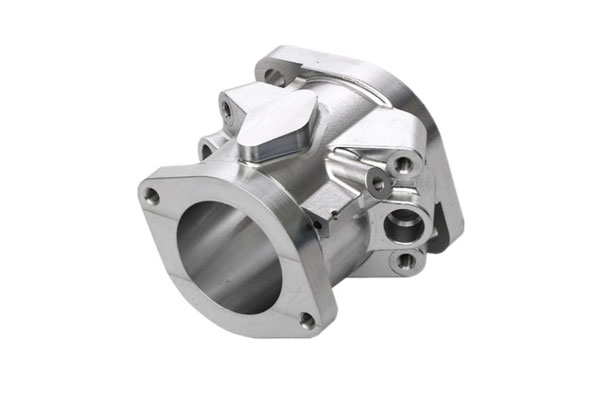
- 5052 sen työstettävyysluokitus on noin 40 % (suhteessa 2011 alumiininen perusviiva).
Se koneistaa kohtuullisilla nopeuksilla (150–200 m/i) käyttämällä kovametallityökaluja.
Korkeampi Mg-pitoisuus edistää lievää työkovettumista leikkauksen aikana; syöttönopeuden tulee olla varovainen reunan muodostumisen välttämiseksi.
Pintakäsittelyt RA 1,6-3,2 µm ovat saavutettavissa 2–4 mm:n lastuamissyvyydessä. - 6061 pisteet 60–70 % konettavuus. Se hyväksyy suuremmat leikkausnopeudet (200–300 m/i) ja säilyttää erinomaisen pinnan (RA 0,8-1,6 µm).
Kovametallityökalut, joissa on positiivinen kallistuskulma ja tulviva jäähdytysneste, maksimoivat työkalun käyttöiän. Swarf taipumus hajota pieniksi siruiksi, helpottaa turvallista evakuointia.
Muodostuminen & Taivutus
| Metalliseos & Luonne | Pienin taivutussäde | Huomautuksia |
|---|---|---|
| 5052-H32 | 1 × paksuus | Erittäin muotoillut; kevät takaisin kohtalainen; ihanteellinen syvävetoon ja rullamuovaukseen |
| 6061-T6 | 3-4 × paksuus | Rajoitettu muotoilu; halkeilee, jos taivutetaan liian jyrkästi; vaatii hehkutusta (T4) tiukoille mutkille |
| 6061-T4/T651 | 1.5 × paksuus | Parannettu muovattavuus, mutta se täytyy vanhentaa uudelleen T6:een lujuuden palauttamiseksi |
- 5052-H32 voidaan taivuttaa niin pieneksi kuin 1× sen paksuus halkeilematta, tekee siitä ihanteellisen monimutkaisille leimatuille tai piirretyille osille (ESIM., polttoainesäiliöt, meripaneelit).
- 6061-T6 on herkempi halkeilulle tiukoilla taivutussäteillä; Tyypillinen turvallinen taivutussäde on 3–4× paksuus.
Tiukempien säteiden saavuttamiseksi, osat muodostetaan sisään T4 ja sitten T6-jälkikäsittely.
7. Lämmönkäsittely & Kovettumista 5052 vs. 6061 Alumiini

5052 Alumiini (Ei lämpökäsiteltävissä)
- Vahvistusmekanismi:
-
- Luottaa täysin työpaikka (rasituskovettuminen) ja kiinteä liuos Mg.
- Suurin saavutettavissa oleva UTS on ~ 241 MPa H34:ssä, pitkän kylmätyöstön jälkeen.
- Karkaisuvaihtoehdot:
-
- H32: Työkarkaistu n. 228 MPA UTS.
- H34: Lisäksi kylmätyö tuottaa ~ 241 MPa UTS, mutta alentaa sitkeys arvoon ~ 5 %.
- Lämmönkäsittely:
-
- Hehkutus (O Kilmata) 300–400 °C:ssa materiaali pehmenee (Rata 105 MPA) muovattavuuden palauttamiseksi.
- Ei sadekovettumista mahdollista; kaikki lämpökäsittely hehkutuksen lisäksi vain vähentää lujuutta.
6061 Alumiini (Lämmönkäsitettävä)
- T4 (Liuos lämpökäsitellyt + Luonnollisesti ikääntynyt):
-
- Käsitellä: Liuoskäsittely kohdalla ~ 530 °C 1-2 tuntia, sammuttaa vedessä, vanhenna sitten huoneenlämmössä (~7 päivää).
- Ominaisuudet: Uts ~ 240 MPA, tuotto ~ 145 MPA, pidennys ~ 18 - 22 %.
- Käyttää: Ihanteellinen monimutkaiseen taivutukseen ennen lopullista vanhentamista.
- T6 (Liuos lämpökäsitellyt + Keinotekoisesti vanhentunut):
-
- Käsitellä: Liuoskäsittely kohdalla ~ 530 °C 1-2 tuntia, sammuttaa, sitten keinotekoisesti vanhenee 160 °C 6-8 tuntia.
- Ominaisuudet: Uts ~ 310 MPA, tuotto ~ 275 MPA, pidennys ~ 12 - 17 %.
- Käyttää: Standardi rakenneosien enimmäislujuusvaatimuksille.
- T6511 (T6 stressinpoistolla):
-
- Käsitellä: T6:n jälkeen, matalan lämpötilan stressinpoisto (120 ° C 2 h) vähentää vääntymistä myöhemmän koneistuksen aikana.
- Ominaisuudet: Pohjimmiltaan identtinen T6:n kanssa, mutta minimaalisella jäännösjännityksellä.
8. Maksaa, Saatavuus & Toimitusketju
Raaka-aineiden hinnoittelu
- 5052 tyypillisesti komentaa a 5 - 10 % palkkio verrattuna yleisiin 6xxx-seoksiin korkeamman Mg-pitoisuuden ja erikoistuneiden valssausprosessien vuoksi.
Varhain 2025, 5052 arkin hinta on noin $3.50-4,00 dollaria/kg, paksuudesta ja luonteesta riippuen. - 6061 on yksi laajimmin varustetuista metalliseoksista; sen raaka-ainekustannukset vaihtelevat $3.00-3,50 dollaria/kg levylle ja levylle.
Suulakepuristamiseen voi liittyä pieni lisämaksu, mutta niitä on runsaasti ja hinnoiteltu kilpailukykyisesti.
Varastolomakkeet & Läpimenoaika
| Muototekijä | 5052 Saatavuus | 6061 Saatavuus | Läpimenoaika |
|---|---|---|---|
| Arkki / Kela | 0.5 - 50 mm (1 ft × 10 ft lakanat) | 0.5 - 200 mm (1 ft × 8 ft lakanat) | 2–4 viikkoa |
| Levy | 3 - 150 mm paksu (rajoitettu H34 varasto) | 3 - 200 mm paksu (T6511 laajasti varastossa) | 1–3 viikkoa |
| Ekstruusio / Baarit | Rajoitettu; pääasiassa litteät tangot ja kulmat | Laajat - profiilit, putket, tangot monessa koossa | 2–6 viikkoa |
| Putki / Putki | Yleinen – mieluiten laivojen putkille | Yleiset – rakenteelliset ja hydrauliset letkut | 1–3 viikkoa |
9. Soveltaa jtk 5052 vs.. 6061 Alumiiniseokset
5052 Alumiinisovellukset:
- Meren Teollisuus: Veneiden runko, kansirakenteet, polttoainesäiliöt (erinomainen suolaveden korroosionkestävyys)
- Autoteollisuus: Polttoainesäiliöt, sisäpaneelit, lämmönsuoja
- Arkkitehtuuri & Rakennus: Kattopaneelit, sivuraide, kouru, koristeelliset ominaisuudet
- Ruoka & Juomalaitteet: Varastosäiliöt, keittiön työtasot, saniteettisäiliöt
- Elektroniikka & Kotelot: Kotelot ja kaapit syövyttävään ympäristöön tai ulkokäyttöön
- Merkinnät & Näyttö: Moottoritie merkit, mainostaulut (erinomaisen muovattavuuden ja säänkestävyyden ansiosta)
- Kemianteollisuus: Säiliöt, kanavat, ja letkut lievästi aggressiivisille kemikaaleille
6061 Alumiinisovellukset:
- Ilmailu-: Lentokoneiden rakenteet, siipipaneelit, Laskukoneen komponentit
- Autoteollisuus & Kuljetus: Runko, jousitusosat, vetoakselit, kuorma -autokehykset
- Teollisuuslaitteet: Rakenteelliset puitteet, putkistojärjestelmät, venttiilit, ja säiliöt
- Vapaa-ajan tuotteet: Polkupyöräkehykset, kiipeilyvarusteet, retkeilytyökalut
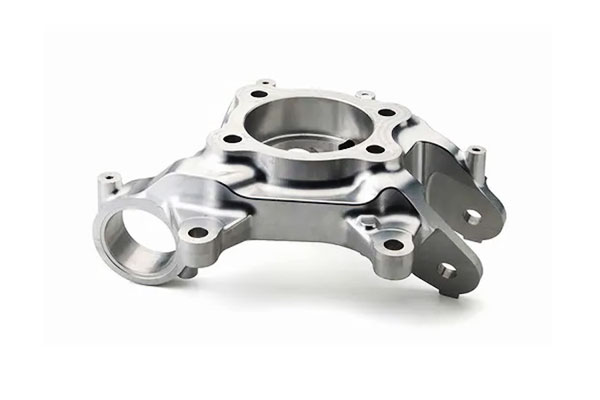
- Koneistetut osat: Tarkkuuskomponentit, jotka vaativat lujuutta ja korroosionkestävyyttä
- Merisovellukset: Veneenrakennuksen rakenneosat, joissa tarvitaan suurempaa lujuutta
- Rakennus: Sillat, rakennustelineet, kuormitusrakenteet
10. Mitä eroa on 5052 vs. 6061 Alumiiniseokset?
| Näkökohta | 5052 Alumiini | 6061 Alumiini |
|---|---|---|
| Seoksisarja | 5xxx (Al-MG) | 6xxx (Al-Mg-Si) |
| Ensisijainen seostuselementit | Magnesium (2.2%–2,8%) | Magnesium (0.8%–1,2%), Pii (0.4%–0,8%) |
| Vahvuus | Kohtalainen lujuus (Vetolujuus: ~ 215 MPa) | Voimakkuus (Vetolujuus: ~290 MPa T6 temperissä) |
| Hitsaus | Erinomainen | Hyvä (saattaa vaatia hitsauksen jälkeistä lämpökäsittelyä) |
| Korroosionkestävyys | Erinomainen (erityisesti suolaveden/meren ympäristöissä) | Hyvä, mutta vähemmän kuin 5052 |
| Muokkaus | Ylempi (ihanteellinen taivutukseen, liikkuva, piirustus) | Kohtuullinen (vähemmän muotoiltava kuin 5052) |
| Konettavuus | Kohtuullinen | Erinomainen (varsinkin T6 kunnossa) |
| Lämmönkäytettävä | Ei | Kyllä (voidaan lämpökäsitellä T6:ksi, T651, jne.) |
| Tyypilliset sovellukset | Meren, kemialliset säiliöt, katto, merkinnät | Ilmailu-, autoteollisuus, rakenteelliset osat, koneistetut komponentit |
| Maksaa | Yleensä alhaisempi | Yleensä korkeampi |
11. Nousevat trendit & Tulevaisuuden ohjeet
Uudet metalliseosvaihtoehdot
- 5052 Muutokset: Tutkimus vähäisestä sinkin tai harvinaisten maametallien lisäykset tavoitteena on parantaa entisestään korroosionkestävyyttä happamissa tai emäksisissä ympäristöissä muovattavuutta tinkimättä.
- 6061 Hybridit: Kehittäminen 6061 komposiitit— upottamalla nanomittakaavan SiC- tai Al2O3-hiukkasia — pyrkii lisäämään jäykkyyttä ja kulutuskestävyyttä säilyttäen samalla perinteisen 6061:n käsittelyn helppouden.
Lisäaineiden valmistus
- 6061 PBF:ssä (Jauhe-fuusio): Viimeaikaiset edistysaskeleet saavuttavat lähes 100:n % tiheys ja Uts ~ 280 MPA lasersulatetussa 6061, vaikka halkeilu on edelleen haaste.
In situ -lämmitysstrategiat (200–300 ° C) rakentamisen aikana lieventää lämpöjännitystä. - 5052 DED:ssä (Suunnattu energian laskeutuminen): 5052Lämpökäsittelemätön luonne yksinkertaistaa DED-käsittelyä;
varhaiset kokeet osoittavat hyvä hitsaus jauhepuhalletuista kerrostumista, mekaanisilla ominaisuuksilla ~ 90 % takotusta 5052 kun se on optimoitu.
Pintatekniikan innovaatiot
- Edistynyt anodisointi:
-
- Huokoston kova anodisointi -lla 6061 sato > 600 h suolasumun kestävyys, käyttöönotto 6061 käyttää meriympäristössä.
- Nanosulkutekniikat puolesta 5052 lisää itsehoitoominaisuuksia, pidentää käyttöikää ankarissa kemikaaleissa.
- Hybridipinnoitteet: Polymeeri/keraaminen nanokomposiitti peittokuvan talletus 5052 vs. 6061 alumiinia, joka tarjoaa sekä alhaisen kitkan että korroosiosuojan autojen ja teollisuuden laitteiden liukukomponenteille.
12. Johtopäätös
Molemmat 5052 vs. 6061 alumiiniseokset tarjoavat selkeitä etuja ja rajoituksia:
- 5052 tehdä esiin korroosionkestävyys, Muokkaus, ja merisovellukset, maksimi UTS on noin 241 MPA H34:ssä.
Sen ei-lämpökäsiteltävä luonne rajoittaa huippulujuutta, mutta yksinkertaistaa valmistusta. - 6061 on parempi kuin a korkeampi lujuus kirjekuori (≈ 310 MPa UTS T6:ssa), ikääntymiskyky, ja ylivoimainen työstettävyys,
mikä tekee siitä ihanteellisen rakenne-, autoteollisuus, ja ilmailu- käyttötarkoitukset – tosin lämpökäsittelyn ja ylimääräisen korroosiosuojauksen kustannuksella aggressiivisissa ympäristöissä.
Materiaalivalinnan tulee tasapainottaa mekaaniset vaatimukset, huoltoympäristö, valmistusmenetelmät, ja elinkaarikustannukset.
Kun korroosio tai äärimmäiset muovattavuussäännöt, 5052 erottua; kun vahvuus ja jäykkyys ovat tärkeitä, 6061 on valittu seos.
Jatkuva edistyminen seosten koostumuksessa, lisäaineiden valmistus, ja pintatekniikka lupaavat edelleen jalostaa näitä seoksia, varmistaa, että ne pysyvät modernin suunnittelun kulmakivinä.
LangHe toimittaa luotettavan, korkealaatuiset alumiiniseoskomponentit, jotka täyttävät tiukat kansainväliset standardit.
Ota yhteyttä Tänään keskustella seuraavasta projektistasi.