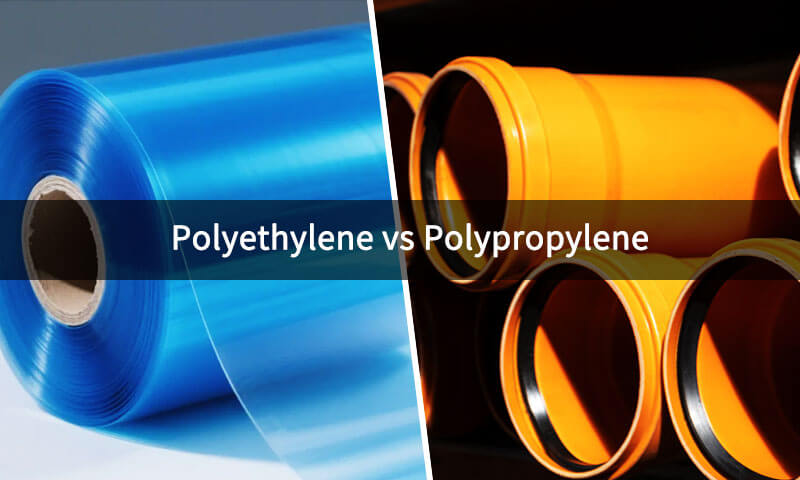
پلی اتیلن (پستان) و پلی پروپیلن (PP) دو ترموپلاستیک کالایی هستند که بیشترین تولید را در جهان دارند, با هم حسابداری برای بیش از 50% تولید جهانی پلاستیک.
آنها بر بسته بندی تسلط دارند, خودرو, ساخت و ساز, پزشکی, و برنامه های کاربردی کالاهای مصرفی.
علیرغم شباهتهایشان - هر دو پلی اولفینهای ترموپلاستیک هستند که از مواد اولیه هیدروکربنی به دست میآیند - خواص کاملاً متفاوتی دارند که یکی را برای کاربردهای خاص مناسبتر از دیگری میکند..
انتخاب بین PE و PP نیاز به درک عمیقی از نحوه عملکرد این ساختارهای شیمیایی در مهندسی دارد., بسته بندی, و فرآوری صنعتی.
1. پلی اتیلن چیست؟?
پلی اتیلن (پستان) یک پلیمر ترموپلاستیک است که از طریق پلیمریزاسیون مونومرهای اتیلن تولید می شود.
این یکی از پرمصرفترین خانوادههای پلیمری است زیرا ساختار مولکولی آن را میتوان برای تولید موادی از لایههای بسیار انعطافپذیر تا صلب تغییر داد., قطعات مهندسی با مقاومت بالا.
خواص پلی اتیلن به شدت تحت تأثیر وزن مولکولی, انشعاب زنجیره ای, تبلور, تراکم, و شرایط پردازش.
افزایش خطی بودن و بلورینگی مولکولی به طور کلی سفتی را بهبود می بخشد, قدرت, مقاومت شیمیایی, و ثبات بعدی, در حالی که انشعاب بیشتر باعث افزایش انعطاف پذیری و کاهش تراکم می شود.
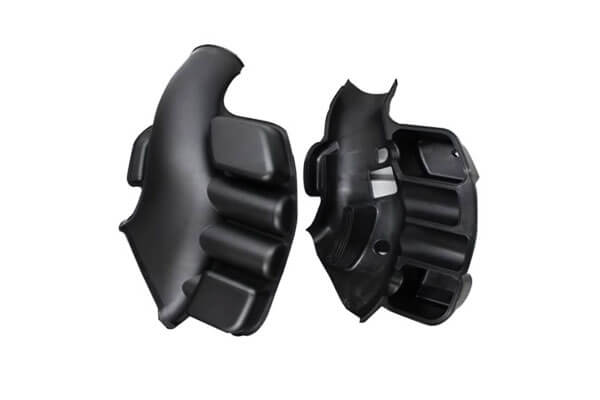
برخلاف بسیاری از پلاستیک های مهندسی, پلی اتیلن دارای جذب رطوبت بسیار کم و مقاومت عالی در برابر طیف وسیعی از مواد شیمیایی است.
همچنین سبک وزن و پردازش نسبتا آسان است, آن را هم برای محصولات با حجم بالا و هم برای قطعات تخصصی صنعتی جذاب می کند.
| دارایی | شرح |
| نام شیمیایی | پلی اتیلن |
| فرمول شیمیایی | (C2H4)ₙ |
| ستون فقرات پلیمری | –CH2–CH2– |
| مونومر | اتیلن |
| شماره CAS | 9002-88-4 |
| نوع پلیمری | ترموپلاستیک |
| محدوده چگالی | 0.91-0.96 گرم بر سانتی متر مکعب |
| نقطه ذوب | 105-135 درجه سانتی گراد |
انواع عمده پلی اتیلن
پلی اتیلن معمولا بر اساس چگالی طبقه بندی می شود, ساختار مولکولی, و وزن مولکولی.
| نوع | ویژگی های ساختاری | عملکرد معمولی | برنامه های مشترک |
| LDPE | بسیار شاخه دار, بلورینگی نسبتا کم | انعطاف پذیر, سخت, پردازش پذیری خوب | فیلم ها, کیسه ها, پوشش, عایق کابل |
| LLDPE | ستون فقرات خطی با انشعاب با زنجیره کوتاه | مقاومت کششی و سوراخی بالاتر از LDPE در حالی که انعطاف پذیری را حفظ می کند | فیلم های بسته بندی, بوش, فیلم های کشاورزی |
| MDPE | چگالی متوسط و بلورینگی | سفتی متعادل, سختی, و مقاومت در برابر استرس محیطی - ترک | لوله, ظروف, محصولات صنعتی |
| HDPE | زنجیره های خطی بیشتر و بلورینگی بالاتر | سفتی, قدرت, مقاومت شیمیایی, و تأثیرگذاری بر سختی | لوله, مخازن, ظروف, قطعات خودرو |
| UHMWPE | وزن مولکولی بسیار بالا با زنجیرهای بسیار درهم | مقاومت در برابر سایش استثنایی, سختی, و اصطکاک کم | آستر بپوشید, یاتاقان, راهنما, اجزای پزشکی |
2. پلی پروپیلن چیست؟?
پلی پروپیلن (PP) یک پلیمر ترموپلاستیک است که از پلیمریزاسیون مونومرهای پروپیلن تولید می شود.
متعلق به همان خانواده پلی الفین پلی اتیلن است اما ساختار مولکولی متفاوتی دارد: بوها گروه متیل به ستون فقرات پلیمری متصل است.
این تفاوت ساختاری بر تحرک زنجیره تأثیر می گذارد, تبلور, سفتی, رفتار حرارتی, و عملکرد خستگی.
در نتیجه, PP به طور کلی ترکیبی جذاب از چگالی کم, استحکام, مقاومت شیمیایی, مقاومت در برابر خستگی, و قابلیت پردازش.
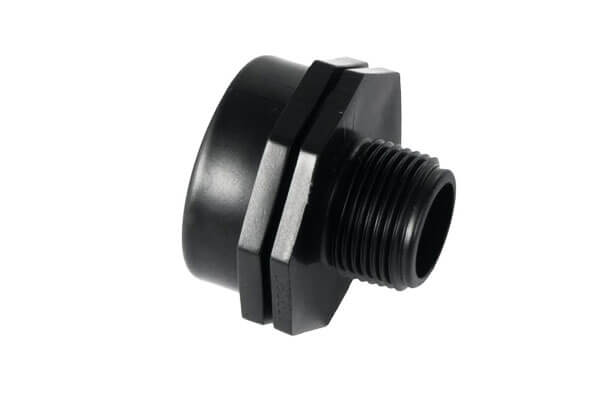
پلی پروپیلن به طور گسترده در قطعات قالب گیری تزریقی استفاده می شود, سیستم های خودرو, بسته بندی, محصولات الکتریکی, تجهیزات آزمایشگاهی, محصولات پزشکی, و تجهیزات صنعتی.
خواص آن را می توان از طریق کوپلیمریزاسیون نیز تنظیم کرد, پرکننده, الیاف, اصلاح کننده های ضربه, و سایر مواد افزودنی.
| دارایی | شرح |
| نام شیمیایی | پلی پروپیلن |
| فرمول شیمیایی | (C₃H6)ₙ |
| ستون فقرات پلیمری | –CH2–CH(CH3)- |
| مونومر | پروپیلن |
| شماره CAS | 9003-07-0 |
| نوع پلیمری | ترموپلاستیک |
| محدوده چگالی | 0.895-0.92 گرم بر سانتی متر مکعب |
| نقطه ذوب | 130-171 درجه سانتی گراد |
انواع عمده پلی پروپیلن
پلی پروپیلن تجاری در درجه اول بر اساس ساختار مولکولی و محتوای کومونومر طبقه بندی می شود..
| نوع | ویژگی های ساختاری | عملکرد معمولی | برنامه های مشترک |
| هموپلیمر PP | در درجه اول واحدهای تکرار کننده پروپیلن | سفتی, قدرت, مقاومت شیمیایی خوب, قابلیت دمای خوب | قطعات خودرو, ظروف, لوازم, مؤلفه های صنعتی |
| کوپلیمر تصادفی PP | پروپیلن با واحدهای کومونومر توزیع شده تصادفی ترکیب شده است | انعطاف پذیری بهبود یافته, رفتار تاثیر گذار, و اغلب وضوح نوری بهتری دارد | بسته بندی, محصولات پزشکی, ظروف شفاف |
کوپلیمر بلوک PP |
ماتریس پروپیلن حاوی فاز غنی از لاستیک پراکنده | مقاومت در برابر ضربه افزایش یافته است, مخصوصاً برای قطعات قالبگیری شده سخت | اجزای خودرو, کانتینرهای سنگین, محوطه صنعتی |
| PP تقویت شده | PP با الیاف شیشه ترکیب شده است, پرکننده های معدنی, یا تقویت کننده های دیگر | افزایش سفتی, ثبات ابعادی, و قابلیت تحمل بار | قطعات ساختاری خودرو, اجزای ماشین آلات, محوطه برق |
3. خصوصیات مکانیکی: پلی اتیلن در مقابل. پلی پروپیلن
مقادیر زیر هستند محدوده مهندسی معمولی به جای مشخصات مواد جهانی.
خواص واقعی بسته به تامین کننده رزین می تواند متفاوت باشد, تعیین درجه, آماده سازی نمونه, شرایط قالب گیری, جهت گیری, و استاندارد تست.
برای انتخاب مواد, برگه اطلاعات فنی تامین کننده و روش آزمون ASTM/ISO قابل اجرا باید به عنوان مرجع نهایی استفاده شود..
| خاصیت مکانیکی | LDPE | HDPE | هموپلیمر PP | کوپلیمر بلوک PP |
| استحکام کششی در تسلیم | ~ 8-15 مگاپاسکال | ~ 20-32 مگاپاسکال | 30-40 مگاپاسکال | ~ 20-35 مگاپاسکال |
| استحکام کششی در زمان شکست | ~ 8-25 مگاپاسکال | ~ 25-40 مگاپاسکال | ~ 25-45 مگاپاسکال | ~ 20-40 مگاپاسکال |
| کشیدگی در زمان استراحت | ~ 100-600٪ | ~500-1000٪* | ~50-600٪* | ~100-700٪* |
| مدول کششی | ~ 150-300 مگاپاسکال | ~700-1500 مگاپاسکال | ~ 1000-1800 مگاپاسکال | ~700-1500 مگاپاسکال |
| مدول خمشی | ~ 150-350 مگاپاسکال | ~800-1600 مگاپاسکال | ~ 1000-1800 مگاپاسکال | ~700-1500 مگاپاسکال |
| سختی | ~40–50 Shore D | ~60–70 Shore D | ~65–75 Shore D | ~55–70 Shore D |
| مقاومت در برابر خزش | کم جهت | متوسط | متوسط | معتاد |
| مقاومت در برابر خستگی | خوب | خوب | عالی | عالی |
4. خواص حرارتی و مقایسه مقاومت در برابر دما
مقاومت در برابر دما یک عامل مهم تمایز بین پلی اتیلن و پلی پروپیلن است.
هر دو ترموپلاستیک نیمه کریستالی هستند, اما ساختار مولکولی آنها رفتار ذوب متفاوتی به آنها می دهد, ثبات حرارتی, و عملکرد در دمای پایین.
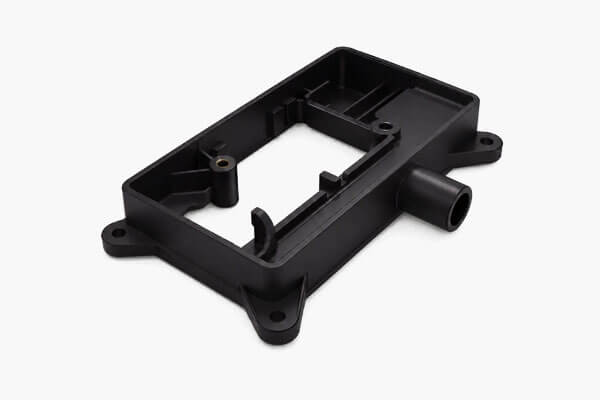
عملکرد درجه حرارت بالا
PP معمولاً سفتی و یکپارچگی مکانیکی خود را در دماهای بالاتر از LDPE و HDPE حفظ می کند..
این امر هموپلیمر PP را برای اجزای در معرض سیالات گرم جذاب می کند, محفظه های موتور, لوازم, و تجهیزات صنعتی.
LDPE کمترین سفتی حرارتی را در بین گریدهای در نظر گرفته شده دارد. ساختار مولکولی نسبتاً منعطف آن باعث میشود که با افزایش دما، نرم و تغییر شکل دهد..
HDPE بهتر از LDPE عمل می کند, اما قرار گرفتن طولانی مدت در معرض دمای بالا همچنان می تواند منجر به خزش و تغییر شکل ابعادی شود.
کوپلیمر بلوک PP مقاومت در برابر ضربه را بهبود می بخشد، اما ممکن است به دلیل ساختار اصلاح شده با لاستیک، سختی و مقاومت حرارتی کمی نسبت به هموپلیمر PP داشته باشد..
عملکرد در دمای پایین
پلی اتیلن عموماً در محیط های سرد مزیت دارد. HDPE و نمرات PE مخصوصاً فرموله شده مناسب می توانند چقرمگی ضربه قابل توجهی را در دماهای پایین حفظ کنند.
PP معمولی, با مقایسه, با کاهش دما می تواند به طور قابل توجهی شکننده تر شود. این امر به ویژه برای اجزایی که در آب و هوای سرد در معرض ضربه ناگهانی قرار می گیرند بسیار مهم است.
کوپلیمر بلوک PP به طور خاص برای بهبود این محدودیت طراحی شده است. فاز الاستومری پراکنده آن انرژی ضربه را جذب می کند و چقرمگی در دمای پایین بسیار بهتر از هموپلیمر استاندارد PP می کند..
انبساط حرارتی و پایداری ابعادی
PE و PP هر دو دارای ضرایب انبساط حرارتی نسبتا بالایی در مقایسه با فلزات هستند. بنابراین تغییرات دما می تواند حرکت ابعادی قابل توجهی ایجاد کند, به ویژه در قطعات دقیق با ابعاد طولانی یا فاصله های تنگ.
5. مقایسه مقاومت شیمیایی: پلی اتیلن در مقابل. پلی پروپیلن
هر دو پلی اتیلن (پستان) و پلی پروپیلن (PP) به طور گسترده ای به دلیل مقاومت عالی در برابر آب شناخته شده اند, اسید, قلیایی, و بسیاری از مواد شیمیایی صنعتی.
ساختارهای هیدروکربنی غیرقطبی آنها مزیت مهمی نسبت به بسیاری از پلاستیک های مهندسی به آنها می دهد: مقاومت شیمیایی به طور کلی بدون تکیه بر پوشش های محافظ قوی است.
مقاومت شیمیایی پلی اتیلن
پلی اتیلن به طور کلی مقاومت بسیار خوبی در برابر مواد شیمیایی آبی ایجاد می کند.
HDPE به ویژه برای مخازن شیمیایی استفاده می شود, طبل ها, لوله کشی, بوش, و ظروف زیرا ترکیبی از مقاومت شیمیایی با چقرمگی خوب و نفوذپذیری نسبتا کم نسبت به بسیاری از مواد است.
PE در مقابل بسیاری عملکرد خوبی دارد:
- اسیدهای رقیق
- قلیاها و بازها
- نمک ها
- الکل ها
- آب و محلول های آبی
- بسیاری از مواد شوینده
هر چند, پلی اتیلن در برابر هر محیط شیمیایی مقاوم نیست.
معین عوامل اکسید کننده قوی, ترکیبات معطر, و حلال های مبتنی بر هیدروکربن می تواند بر PE تأثیر بگذارد, به ویژه در دماهای بالا یا تحت تنش مکانیکی پایدار.
بنابراین، درجه پلی اتیلن خاص زمانی که قرار گرفتن در معرض طولانی مدت مواد شیمیایی مورد انتظار است، مهم است.
مقاومت شیمیایی پلی پروپیلن
پلی پروپیلن مقاومت مشابهی در برابر بسیاری از اسیدها دارد, قلیایی, نمک ها, مواد شوینده, و محلول های شیمیایی آبی.
به طور گسترده ای در آن استفاده می شود تجهیزات فرآیند شیمیایی, محصولات آزمایشگاهی, مخازن ذخیره سازی, پمپ, دریچه, و سیستم های لوله کشی.
مزیت قابل توجه PP ترکیبی از مقاومت شیمیایی و قابلیت دمای بالاتر از بسیاری از گریدهای PE معمولی.
این امر باعث می شود PP به ویژه هنگامی که قرار گرفتن در معرض مواد شیمیایی در دماهای نسبتاً بالا رخ می دهد جذاب باشد.
با این حال PP می تواند تحت تاثیر معطر خاصی قرار گیرد, کلور, و مواد شیمیایی مبتنی بر هیدروکربن.
خطر به طور کلی با دما افزایش می یابد, غلظت, مدت زمان قرارگیری در معرض بیماری, و بارگذاری مکانیکی.
در نتیجه, ارزیابی سازگاری شیمیایی همیشه باید بر اساس شرایط خدمات واقعی باشد نه تنها نام پلیمر.
PE در مقابل. مقاومت شیمیایی PP
| شیمیایی / محیط | پلی اتیلن (پستان) | پلی پروپیلن (PP) |
| اب | عالی | عالی |
| اسیدهای رقیق | عالی | عالی |
| مواد قلیایی | عالی | عالی |
| نمک ها | عالی | عالی |
| مواد مغذی | عالی | عالی |
| الکل ها | به طور کلی خوب - عالی | به طور کلی خوب - عالی |
| هیدروکربن ها | متغیر | متغیر |
| حلال های معطر | محدود | محدود |
| اکسید کننده های قوی | محدود | محدود |
| خدمات شیمیایی با دمای بالا | برای نمرات PE انتخاب شده خوب است | به طور کلی بهتر است |
6. جذب آب, رطوبت و پایداری ابعادی
یکی از مفیدترین شباهت های بین PE و PP آنهاست جذب آب بسیار کم.
برخلاف پلاستیک های مهندسی رطوبت سنجی مانند نایلون یا پلی آمید, هیچ یک از مواد به راحتی مقادیر قابل توجهی از رطوبت اتمسفر را در ساختار پلیمری خود جذب نمی کند.
این ویژگی مهم است زیرا جذب رطوبت می تواند باعث تغییرات ابعادی شود, تغییر خواص مکانیکی, و مشکلات پردازش در سایر ترموپلاستیک ها. PE و PP تا حد زیادی از این مشکلات جلوگیری می کنند.
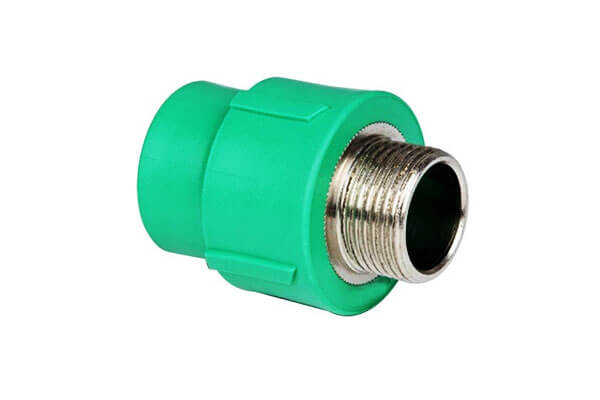
رفتار رطوبتی
پلی اتیلن و پلی پروپیلن هر دو اساسا هستند آبگریز, پلیمرهای غیر قطبی. آب تمایل کمی به زنجیره های مولکولی آنها دارد, بنابراین جذب آب در شرایط عادی بسیار کم است.
در نتیجه, قطعات پلی اتیلن و پلی اتیلن به طور کلی ابعاد و ویژگی های مکانیکی خود را در محیط های مرطوب یا در هنگام قرار گرفتن در معرض آب متناوب به خوبی حفظ می کنند..
| دارایی | پلی اتیلن | پلی پروپیلن | اهمیت عملی |
| جذب آب | خیلی کم | خیلی کم | عملکرد خوب در محیط های مرطوب و مرطوب |
| حساسیت به رطوبت در طول پردازش | کم | کم | معمولاً نیازی به پیش خشک کردن گسترده نیست |
| تغییر ابعاد از رطوبت | خیلی کوچک | خیلی کوچک | مناسب برای اجزای تماس با آب |
| پایداری هیدرولیتیکی | به طور کلی عالی است | به طور کلی عالی است | برای مواجهه طولانی مدت با آب مفید است |
| عایق الکتریکی مرتبط با رطوبت | عالی | عالی | مناسب برای بسیاری از کاربردهای الکتریکی |
ثبات ابعادی: رطوبت در مقابل. درجه حرارت
جذب رطوبت کم به این معنی نیست که PE و PP تحت همه شرایط محیطی از نظر ابعادی پایدار هستند.
برای قطعات دقیق, انبساط حرارتی و خزش عموماً ملاحظات بسیار مهمتری نسبت به جذب رطوبت هستند.
هر دو پلیمر نسبت به فلزات انبساط حرارتی بسیار بالاتری دارند. بنابراین تغییرات دما می تواند باعث حرکت ابعادی قابل توجه شود, به خصوص در قطعات بزرگ, مجموعه های دقیق, و اجزای با فاصله تنگ.
بارگذاری مکانیکی طولانی مدت نگرانی دیگری را ایجاد می کند: خزیدن. هنگامی که PE یا PP به طور مداوم تحت فشار قرار می گیرد, حرکت تدریجی مولکولی می تواند باعث تغییرات ابعادی دائمی شود.
این اثر با افزایش دما و تنش اعمالی بیشتر می شود.
از این رو, قطعاتی مانند بوش, حمایت, راهنما, مهر, و قطعات پلاستیکی سازه ای باید برای محیط سرویس کامل آنها ارزیابی شود نه اینکه ابعاد اولیه آنها به تنهایی مورد ارزیابی قرار گیرد.
7. مقایسه پردازش و ساخت
پلی اتیلن و پلی اتیلن ترموپلاستیک های بسیار متنوع هستند و می توانند از طریق طیف وسیعی از فرآیندهای تولید به محصولات نهایی تبدیل شوند..
انعطاف پذیری پردازش آنها یکی از دلایل اصلی این است که آنها چنین سهم بزرگی از بازار پلاستیک را اشغال می کنند.
قالب گیری تزریقی
قالب تزریقی به ویژه برای PP مهم است, که در آن ویژگیهای جریان و سختی نسبتاً بالا، آن را برای تولید کمپلکس مناسب میسازد, اجزای سبک وزن در حجم تولید بالا.
قطعات خودرو, محوطه برق, اجزای دستگاه, ظروف, و محصولات صنعتی اغلب از این طریق تولید می شوند.
HDPE همچنین برای قالب گیری تزریقی مناسب است, به خصوص برای ظروف سفت و سخت, بسته شدن, مؤلفه های صنعتی, و قطعات پلاستیکی ساختاری.
LDPE عموماً زمانی انتخاب می شود که محصول نهایی به جای استحکام بالا به انعطاف پذیری بیشتری نیاز دارد.
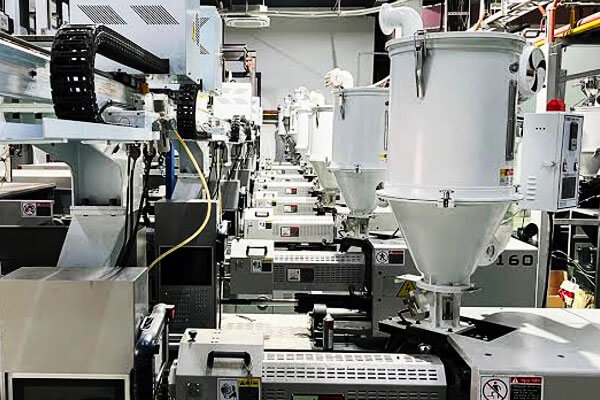
اکستاروژن
اکستروژن یک مسیر اصلی پردازش برای هر دو خانواده پلیمر است. پلی اتیلن حضور قوی در محصولات اکسترود شده دارد, از جمله لوله ها, ورق, فیلم, مشخصات, بوش, و عایق کابل.
HDPE به دلیل ترکیبی از چقرمگی به طور گسترده برای لوله کشی تحت فشار و بدون فشار استفاده می شود, مقاومت شیمیایی, و جوش پذیری به خوبی برای سیستم های جابجایی سیال مناسب است.
PP نیز در لوله ها اکسترود می شود, ورق, فیلم, مشخصات, و محصولات صنعتی تخصصی که در آنها سفتی یا قابلیت دما بیشتر مفید است.
قالب گیری دمشی و قالب گیری چرخشی
پستان, به خصوص HDPE, به طور گسترده برای بطری های دمشی استفاده می شود, طبل ها, مخازن, ظروف, و سایر محصولات توخالی.
چقرمگی و پردازش پذیری آن را به ویژه برای ظروف بزرگ یا مقاوم در برابر ضربه مناسب می کند.
قالب گیری چرخشی یکی دیگر از فرآیندهای مهم پلی اتیلن است, مخصوصا برای تانک های بزرگ, سطل زباله, مجاری, و ظروف صنعتی.
PP همچنین می تواند به محصولات توخالی تبدیل شود, اگرچه پنجره پردازش و نمایه کاربرد آن با PE متفاوت است.
ترموفرمینگ و ساخت
هر دو ورق PE و PP را می توان به صورت گرما در پوشش ها تبدیل کرد, سینی, محوطه, بوش, و سایر مؤلفه های بزرگ.
آنها همچنین می توانند از طریق ملحق شوند جوشکاری حرارتی, همجوشی باسن, جوشکاری اکستروژن, و بست مکانیکی, به سازندگان اجازه می دهد تا سازه های بزرگ را بدون ابزارهای قالب گیری معمولی بسازند.
این به ویژه برای مخازن شیمیایی ارزشمند است, کانال کشی, آسترهای محافظ, و تجهیزات صنعتی سفارشی.
ماشینکاری CNC
PE و PP نیز می توانند باشند CNC ماشینکاری شده زمانی که حجم تولید برای توجیه ابزار اختصاصی بسیار کم است یا زمانی که هندسه های سفارشی استثنایی مورد نیاز است.
ماشینکاری به شرایط برش مناسب نیاز دارد زیرا هر دو ماده سفتی نسبتاً کمی دارند و می توانند تحت فشار بیش از حد یا نیروهای برش تغییر شکل دهند..
در میان درجات PE, UHMWPE چالش های ماشینکاری اضافی را ارائه می دهد به دلیل وزن مولکولی بالا, ارتجاعی, و تمایل به تولید گرما در طول برش.
ابزار مناسب, کار, بنابراین کنترل حرارتی برای دستیابی به ابعاد ثابت مهم هستند.
8. ویژگی های سطح و ظاهر
ظاهر سطح معمولاً دلیل اصلی انتخاب پلی اتیلن یا پلی پروپیلن نیست, اما زمانی اهمیت پیدا می کند که از مواد برای اجزای قابل مشاهده استفاده شود, محصولات مصرفی, محوطه, بسته بندی, یا قطعاتی که نیاز به پوشش لمسی یا زیبایی شناختی خاصی دارند.
ویژگی های سطح پلی اتیلن
ظاهر پلی اتیلن به شدت به درجه و کریستالی بودن آن بستگی دارد. LDPE معمولا نرم تر است, ظاهر انعطاف پذیرتر, در حالی که HDPE به طور کلی سطح سفت تر و مات تر را فراهم می کند.
HDPE معمولاً a را نشان می دهد سطح صاف تا کمی بافت با ظاهری طبیعی از شفاف تا مات.
سطح آن قابل ماشین کاری است, صیقلی, بافت دار, یا به صورت مکانیکی تکمیل شده است, اگرچه دستیابی به یک سطح تزئینی بسیار براق می تواند چالش برانگیزتر از برخی پلاستیک های دیگر باشد..
ویژگی های سطح پلی پروپیلن
PP به طور کلی ارائه می دهد تمیز, صاف, و سطح نسبتا سفت و سخت, به ویژه در قطعات قالب گیری تزریقی.
این می تواند در طیف گسترده ای از رنگ ها و بافت ها تولید شود و به طور گسترده ای مورد استفاده قرار می گیرد که ظاهر و عملکرد عملکردی باید در کنار هم باشند..
انرژی سطحی کم PP می تواند رنگ آمیزی معمولی ایجاد کند, اتصال چسب, و چاپ مشکل است.
درمان سطحی مانند شعله درمانی, درمان کرونا, درمان پلاسما, یا پرایمرهای تخصصی ممکن است برای بهبود چسبندگی لازم باشد.
9. ملاحظات زیست محیطی و پایداری
| جنبه | پلی اتیلن | پلی پروپیلن |
| بازیافت | عالی (به طور گسترده بازیافت می شود) | عالی (به طور فزاینده ای بازیافت می شود) |
| محتوای بازیافتی موجود است | عالی | معتاد |
| زیست تخریب پذیری | زیست تخریب پذیر نیست | زیست تخریب پذیر نیست |
| پایداری محیطی | عالی (قرن ها) | عالی (قرن ها) |
| انرژی برای تولید (MJ/kg) | 70–90 | 70-85 |
| ردپای کربن (کیلوگرم CO2/kg) | 1.5–2.5 | 1.5–2.5 |
| نمرات مبتنی بر زیست | موجود است (bio-PE) | موجود است (bio-PP) |
| سهم میکروپلاستیک | مهم | مهم |
10. برنامه: پلی اتیلن در مقابل. پلی پروپیلن
PE و PP در طیف وسیعی از صنایع مورد استفاده قرار می گیرند, اما برنامه های کاربردی آنها تمایل به منعکس کننده پروفایل های عملکرد متفاوت آنها دارند.
نمونه های کاربردی پلی اتیلن
صنعت بسته بندی
- فیلم بسته بندی کششی LDPE: بسته بندی کششی پالت صنعتی و فیلم چسبنده مواد غذایی از LDPE برای ازدیاد طول آن استفاده می کند (200-600٪), مقاومت عالی در برابر سوراخ شدن و توانایی خود چسبندگی تحت تنش.
نقطه ذوب پایین LDPE همچنین به آن اجازه می دهد تا به طور تمیز در خطوط بسته بندی با سرعت بالا آب بندی شود.. - پارچ های شیر HDPE و بطری های مواد شوینده: HDPE قالبگیری شده استاندارد برای ظروف مایع سفت است زیرا سفتی خوبی را فراهم میکند, خواص مانع رطوبت عالی و مقاومت در برابر ضربه با هزینه کم.
نقطه ذوب 125-135 درجه سانتیگراد آن در برابر فرآیندهای پر شدن داغ برای نوشیدنی ها و مواد شیمیایی صنعتی مقاومت می کند.. - گونی های حمل و نقل سنگین LLDPE: پلی اتیلن خطی با چگالی پایین برای گونی های حمل و نقل صنعتی استفاده می شود زیرا انعطاف پذیری LDPE را با استحکام پارگی بالاتر و مقاومت در برابر سوراخ شدن ترکیب می کند., ایستادگی در برابر حمل و نقل خشن در زنجیره های تدارکات.
زیرساخت و ساخت و ساز
- لوله آب و گاز شهری HDPE: پلی اتیلن با چگالی بالا ماده غالب برای خطوط توزیع آب آشامیدنی مدفون و خدمات گاز طبیعی است..
مقاومت شیمیایی عالی آن در برابر اجزای تشکیل دهنده خاک است, خوردگی صفر و سیستم های اتصال انعطاف پذیر هزینه نصب و خطر نشت را در مقایسه با لوله فلزی کاهش می دهد. - ژئوممبران HDPE: 0.5ورق های HDPE با ضخامت 2.5 میلی متر در محل های دفن زباله, حوضچه های معدن و مخازن آب به عنوان موانع نفوذ ناپذیر.
جذب آب کم HDPE, مقاومت در برابر مواد شیمیایی خاک و قابلیت جوشکاری حرارتی در مزرعه، آن را به استاندارد صنعتی تبدیل کرده است. - موانع بخار LDPE: ورق های نازک LDPE در پشت دیوارهای ساختمان به عنوان موانع رطوبت و رادون نصب می شوند, استفاده از نرخ انتقال بخار آب نزدیک به صفر PE.
برق و کابل
- عایق سیم و کابل LDPE: پلی اتیلن کم چگالی عایق اولیه استاندارد برای کم است- و کابل های برق فشار متوسط و سیم کشی ارتباطی.
خواص دی الکتریک عالی آن, انعطاف پذیری و هزینه پردازش کم آن را برای پوشش اکستروژن با سرعت بالا از هادی ها ایده آل می کند. - ژاکت کابل HDPE: واسطه- و کابل های ولتاژ بالا از روکش های بیرونی HDPE برای حفاظت مکانیکی بالاتر استفاده می کنند, مقاومت در برابر خرد شدن و مقاومت در برابر آب و هوا برای دفن مستقیم و نصب بالای سر.
زنجیره سرد و برودتی
- بسته بندی مواد غذایی منجمد LDPE: فیلم و کیسه های انعطاف پذیر LDPE بر بسته بندی مواد غذایی در انجماد عمیق غالب است زیرا LDPE تا 40- درجه سانتیگراد و کمتر انعطاف پذیر و مقاوم در برابر ضربه باقی می ماند., بدون شکننده شدن مانند PP.
- ظروف نگهداری برودتی HDPE: مخازن و ظروف HDPE قالب گیری چرخشی نیتروژن مایع و سایر سیالات برودتی را در دمای 196- درجه سانتی گراد ذخیره می کنند., جایی که PP می شکند.
کالاهای مصرفی
- کیسه های مواد غذایی پلاستیکی HDPE و ظروف قابل استفاده مجدد: ترکیبی از هزینه کم, استحکام و مقاومت خوب در برابر آب، HDPE را به استانداردی برای کیسه های حمل و کیسه های خرید قابل استفاده مجدد تبدیل می کند.
- اسباب بازی های انعطاف پذیر و بطری های فشرده: LDPE برای نرم استفاده می شود, اسباب بازی های کودکان و بطری های قابل فشردن به دلیل انعطاف پذیری بسیار زیاد و احساس لاستیکی آن.
نمونه های کاربرد پلی پروپیلن
خدمات بسته بندی و مواد غذایی
- درب و درب بطری PP: هموپلیمر PP قالب گیری تزریقی ماده تقریباً جهانی برای درب بطری های نوشابه است..
سفتی بالای آن, مقاومت خوب در برابر خزش و نقطه ذوب 160 درجه سانتیگراد، مهر و موم محکم و بدون تغییر شکل را در هنگام پر کردن داغ تضمین می کند., پاستوریزاسیون و حمل و نقل. - ظروف مواد غذایی قابل استفاده در مایکروویو: PP استاندارد سینی های غذا و ظروف نگهداری مواد غذایی قابل استفاده در مایکروویو است زیرا دمای 100 تا 120 درجه سانتیگراد را بدون نرم شدن تحمل می کند., و به طور کلی برای تماس با مواد غذایی در دماهای بالا ایمن شناخته می شود.
- لیوان ها و درب های یکبار مصرف ترموفرم شده: ترموفرم ورق PP با گیج نازک به فنجان های نوشیدنی یکبار مصرف سفت و درب های گنبدی با وضوح واضح تر و استحکام بهتر نسبت به محصولات پلی اتیلن مشابه تبدیل می شود..
صنعت خودرو
- فاسیاهای سپر کوپلیمر بلوک PP: سپرهای خودرو و پانل های بدنه از کوپلیمر بلوک PP اصلاح شده با ضربه استفاده می کنند.
قطعات بلوک اتیلن مقاومت در برابر ضربه در دمای پایین را بهبود می بخشد تا قطعات در سرمای زمستان بدون ترک خوردن زنده بمانند, در حالی که سختی ذاتی PP شکل ساختاری را حفظ می کند. - محفظه باتری و اجزای زیر هود: هموپلیمر PP با تقویت کننده فیبر شیشه ای برای جعبه های باتری خودرو و قطعات محفظه موتور استفاده می شود..
در برابر روغن ها مقاومت می کند, سوخت و افزایش دمای زیر هود بهتر از PE است. - پانل های درب داخلی و تزئینات: PP پر از تالک سبک وزن است, ماژول های درب داخلی سفت و بسترهای پانل ابزار, ارائه پایداری ابعادی خوب و هزینه کم.
خانگی و لوازم خانگی
- ظروف و نگهداری قابل شستشو در ماشین ظرفشویی: PP استاندارد ظروف نگهداری مواد غذایی و ظروف آشپزخانه است که به عنوان قابل شستشو در ماشین ظرفشویی به بازار عرضه می شوند, زیرا در چرخه های شستشوی مکرر 60 تا 70 درجه سانتیگراد بدون تاب برداشتن یا تخریب زنده می ماند, بر خلاف HDPE که نرم می شود.
- وان ماشین لباسشویی و محفظه لوازم: درام های ماشین لباسشویی و روکش لوازم خانگی هموپلیمر PP بزرگ قالب گیری شده با تزریق, ترکیب مقاومت در برابر آب, سختی و هزینه کم.
صنعتی و مهندسی
- لوله PP برای پردازش شیمیایی: سیستم های لوله پلی پروپیلن محیط های شیمیایی تهاجمی از جمله اسیدها را مدیریت می کنند, پایه ها و محلول های نمکی در دماهای بالاتر از تحمل لوله HDPE.
- چرخ دنده ها و بلبرینگ های پلاستیکی: هموپلیمر PP برای نور استفاده می شود- به چرخ دنده ها و بوشینگ های با بار متوسط در ماشین آلات صنعتی.
خواص خود روان کنندگی طبیعی آن, مقاومت در برابر سایش و پایداری ابعادی آن را برای کاربردهای حرکتی با سرعت کم مناسب می کند.
الیاف و منسوجات
- الیاف فرش PP: بیشتر الیاف مصنوعی فرش مسکونی و تجاری پلی پروپیلن است. در برابر لک شدن مقاومت می کند, رطوبت و کپک بهتر از نایلون است, با هزینه کمتر.
- ژئوتکستایل و طناب صنعتی: فیبر و تک رشته PP برای ژئوتکستایل های راهسازی استفاده می شود, طناب های دریایی و تورهای حمل بار, استفاده از مقاومت شیمیایی خوب PP و نسبت استحکام به وزن بالا.
11. جدول مقایسه جامع: پلی اتیلن در مقابل. پلی پروپیلن
| دارایی | پلی اتیلن (پستان) | پلی پروپیلن (PP) | در نظر گرفتن انتخاب |
| تراکم | ~ 0.91-0.96 گرم در سانتی متر مکعب | ~0.895-0.92 g/cm³ | هر دو سبک هستند; PP به طور کلی کمی سبک تر است |
| استحکام | کم تا متوسط, بستگی به درجه دارد | به طور کلی بالاتر | PP زمانی ارجح است که سختی بیشتری مورد نیاز باشد |
| مقاومت در برابر ضربه | عالی, به خصوص HDPE و UHMWPE | خوب; در دماهای پایین کاهش می یابد | PE اغلب برای برنامه های کاربردی فشرده مورد علاقه است |
| استحکام کششی | متوسط تا زیاد | متوسط تا زیاد | به شدت به درجه و ساختار مولکولی وابسته است |
| انعطاف پذیری | بالاتر, به خصوص LDPE | معتاد | پلی اتیلن برای فیلم های انعطاف پذیر بهتر است, لوله, و آستر |
| مقاومت در برابر گرما | معتاد; به طور قابل توجهی بر اساس درجه متفاوت است | به طور کلی بالاتر | PP برای سرویس در دمای بالا سودمند است |
| عملکرد در دمای پایین | به طور کلی عالی است | نسبت به دمای پایین حساس تر است | PE اغلب برای محیط های سرد ترجیح داده می شود |
| مقاومت شیمیایی | عالی | عالی | هر دو در برابر بسیاری از اسیدها مقاومت می کنند, قلیایی, نمک ها, و مواد شیمیایی آبی |
| جذب آب | خیلی کم | خیلی کم | هر دو مقاومت عالی در برابر رطوبت دارند |
| مقاومت در برابر خزش | معتاد; بر اساس درجه متفاوت است | معتاد | برای بارهای پایدار ممکن است به تقویت یا انتخاب درجه نیاز باشد |
مقاومت در برابر اشعه ماوراء بنفش |
برای قرار گرفتن در معرض طولانی مدت به تثبیت نیاز دارد | برای قرار گرفتن در معرض طولانی مدت به تثبیت نیاز دارد | درجه های تثبیت شده در برابر اشعه ماوراء بنفش در فضای باز توصیه می شود |
| عایق الکتریکی | عالی | عالی | هر دو به طور گسترده ای به عنوان مواد عایق استفاده می شوند |
| پردازش معمولی | اکستاروژن, قالب گیری, قالب تزریقی, قالب گیری چرخشی | قالب تزریقی, اکستاروژن, قالب گیری, گرمازا | انتخاب بستگی به هندسه قطعه و حجم تولید دارد |
| هزینه معمولی | به طور کلی اقتصادی است | به طور کلی اقتصادی است | قیمت بازار بر اساس درجه و منطقه متفاوت است |
| بهترین مزیت شناخته شده | سختی, مقاومت شیمیایی, انعطاف پذیری | سفتی, مقاومت در برابر گرما, چگالی کم | با توجه به نیاز خدمات غالب انتخاب کنید |
| برنامه های معمولی | ظروف, لوله, بوش, فیلم, مخازن, اجزای پوشیدن | قطعات خودرو, ظروف غذا, تجهیزات آزمایشگاهی, لوازم, اجزای شیمیایی | هر دو در خدمت بازارهای صنعتی و مصرفی گسترده هستند |
12. قطعات پلی اتیلن و پلی پروپیلن سفارشی از صنعت LangHe
LangHe Industry راه حل های سفارشی اجزای پلیمری را برای کاربردهایی که نیاز به ساخت سبک وزن دارند ارائه می دهد, مقاومت شیمیایی, عملکرد را بپوشید, جذب رطوبت کم, و کنترل ابعادی قابل اعتماد.
اجزای PE و PP را می توان با توجه به نیازهای برنامه تولید کرد, نقشه های مهندسی, 3مدل های D, یا نمرات مواد مشخص شده.
| قابلیت | جزئیات |
| مواد | LDPE, HDPE, LLDPE, UHMWPE, هموپلیمر PP, کوپلیمر تصادفی PP, بلوک کوپلیمر PP. |
| پردازش | قالب گیری تزریقی, اکستاروژن, قالب گیری دمشی, گرمازا, ماشینکاری CNC. |
| وزن قسمت | 0.01 کیلوگرم به 50 کلوت. |
| کیفیت | ISO 9001:2015 گواهی شده است. |
| زمان پیشرو | 2-4 هفته برای ماشین کاری; 4-8 هفته برای ابزار و تولید. |
13. پایان
پلی اتیلن به طور کلی در هنگام چقرمگی انتخاب قوی تری است, انعطاف پذیری, مقاومت شیمیایی, عملکرد ضربه ای در دمای پایین, یا مقاومت در برابر سایش نیاز اولیه است.
HDPE تعادل مفیدی از سفتی و چقرمگی را فراهم می کند, در حالی که UHMWPE پلی اتیلن را در کاربردهای سایش و اصطکاک کم گسترش می دهد.
به طور کلی پلی پروپیلن در هنگام سفتی ترجیح داده می شود, مقاومت در برابر خستگی, ساخت سبک وزن, مقاومت شیمیایی, و قابلیت دمای نسبتاً بالاتری مورد نیاز است.
هموپلیمر PP برای اجزای صلب مناسب است, در حالی که کوپلیمر بلوک PP عملکرد ضربه ای را بهبود می بخشد.
برای اجزای سفارشی, سوال ساده نیست "PE یا PP?” بلکه «کدام درجه خاص و فرآیند ساخت، عملکرد مورد نیاز را در طول عمر مفید قطعه ارائه میکند?این تمایز برای مهندسی پلیمر قابل اعتماد بسیار مهم است.
متداول
که قوی تر است, پلی اتیلن یا پلی پروپیلن?
بستگی به درجه خاص دارد. هموپلیمر PP به طور کلی سفتی بالاتر و استحکام کششی مفیدی را ارائه می دهد, در حالی که HDPE ترکیبی عالی از چقرمگی و استحکام را ارائه می دهد.
از این رو, قویتر باید از نظر استحکام کششی ارزیابی شود, سفتی, مقاومت در برابر ضربه, یا قابلیت تحمل بار طولانی مدت.
که مقاومت شیمیایی بهتری دارد, PE یا PP?
هر دو مقاومت بسیار خوبی در برابر بسیاری از اسیدها دارند, قلیایی, نمک ها, مواد شوینده, و مواد شیمیایی آبی.
هنگامی که قرار گرفتن در معرض مواد شیمیایی در دماهای بالا رخ می دهد، PP اغلب دارای یک مزیت است, در حالی که HDPE به طور گسترده برای ذخیره سازی عمومی مواد شیمیایی و جابجایی مایعات استفاده می شود.
آیا پلی اتیلن انعطاف پذیرتر از پلی پروپیلن است?
به طور کلی, بله. LDPE به طور قابل توجهی انعطاف پذیرتر از PP معمولی است.
HDPE به طور قابل توجهی سفت تر است, اما PP معمولاً سفتی بالاتری نسبت به LDPE ارائه می دهد و می تواند برای کاربردهای ساختاری صلب مهندسی شود..
که انعطاف پذیرتر است: پلی اتیلن یا پلی پروپیلن?
پلی اتیلن به طور کلی انعطاف پذیرتر از پلی پروپیلن است. LDPE به ویژه انعطاف پذیر است; HDPE سفت تر است.
آیا می توان پلی اتیلن و پلی پروپیلن را با هم بازیافت کرد?
هیچ. PE و PP چگالی و خواص متفاوتی دارند و در اکثر جریان های بازیافت نمی توان آنها را با هم بازیافت کرد.
که وضوح بهتری دارد: PE یا PP?
LDPE و LLDPE می توانند وضوح خوبی داشته باشند. کوپلیمر تصادفی PP نیز شفافیت خوبی دارد. HDPE و homopolymer PP مات هستند.