

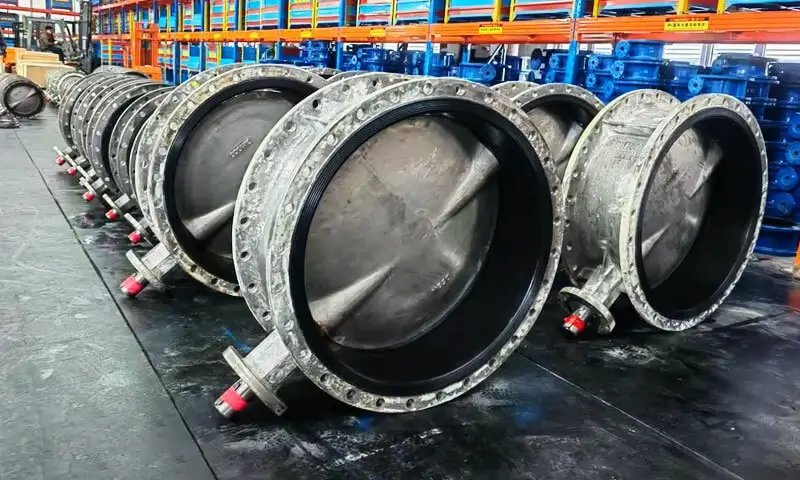
1. مقدمه
شیرهای پروانه ای یکی از پرکاربردترین دستگاه های کنترل جریان در سیستم های لوله کشی صنعتی هستند.
طراحی ساده و در عین حال موثر آنها - یک دیسک چرخان که جریان را تنظیم می کند - آنها را در تصفیه آب ضروری می کند., پردازش شیمیایی, نفت و گاز, غذا و نوشیدنی, و تولید برق.
در قلب هر شیر پروانه ای بدنه شیر قرار دارد, محفظه ساختاری که حاوی دیسک است, صندلی, ساقه, و محرک ها, و باید فشار داخلی را تحمل کند, درجه حرارت, و رسانه های خورنده.
تولید بدنه شیرهای پروانه ای به طور سنتی به ریخته گری شن و ماسه متکی بوده است, جعل, یا ساخت از صفحه.
هر چند, ریختهگری سرمایهگذاری به عنوان یک مسیر تولید برتر برای بدنههای شیر پروانهای با کارایی بالا - به ویژه در فولاد ضد زنگ و آلیاژهای دوبلکس - که دقت ابعادی بینظیری را ارائه میکند، پدیدار شده است., پایان سطح, و یکپارچگی مادی.
2. بدنه شیر پروانه ای چیست?
بوها دریچه با چرخاندن تقریباً یک دیسک دایره ای، جریان سیال را تنظیم می کند 90 درجه در اطراف یک محور مرکزی.
در مقایسه با شیرهای دروازه, دریچه های جهان, و شیرهای توپی, شیرهای پروانه ای ساختار بسیار فشرده تر و وزن کمتری را ارائه می دهند, آنها را به ویژه برای سیستم های لوله کشی با قطر بزرگ مناسب می کند.
اگرچه دریچه نسبتاً ساده به نظر می رسد, هر جزء یک عملکرد مکانیکی حیاتی را انجام می دهد.
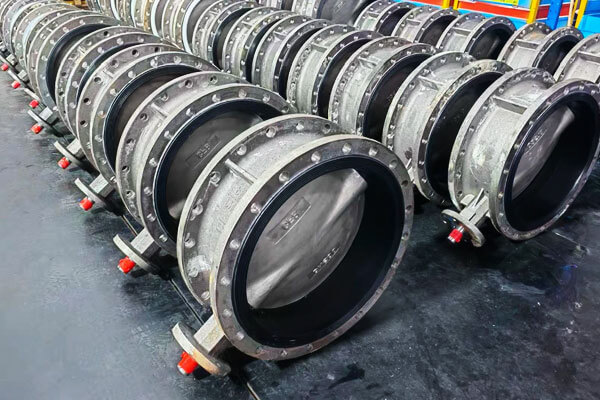
بدنه شیر پروانه ای محفظه اصلی حاوی فشار شیر پروانه ای است..
یاتاقان های ساقه را پشتیبانی می کند, صندلی سوپاپ را در خود جای می دهد, سطوح آب بندی را برای اتصالات خط لوله فراهم می کند, و در برابر فشار داخلی سیال و بارهای مکانیکی خارجی مقاومت می کند.
اجزای اصلی یک شیر پروانه ای
| جزء | عمل |
| بدنه | دیسک و صندلی ها را در خود جای می دهد; اتصالات لوله را فراهم می کند (فلنج, پره, ویفر, یا انتهای جوش لب به لب). |
| دیسک | عضو بست چرخان که جریان را تنظیم می کند; معمولاً به صورت یکپارچه یا جدا از ساقه ریخته می شود. |
| ساقه / شفت | گشتاور را از محرک به دیسک منتقل می کند. |
| صندلی | یک مهر و موم محکم بین دیسک و بدنه ایجاد کنید. |
| محرک | کتابچه راهنمای (اهرم, چرخ دستی) یا خودکار (وابسته به پنوماتیک, برقی, وابسته به هیدرولیکی). |
| باس / فلنج بالا | ساقه را در خود جای داده و برای محرک نصب می کند. |
انواع طرح های بدنه شیر پروانه ای
| نوع بدن | توضیحات | برنامه های معمولی |
| به سبک ویفر | بدنه نازک با سوراخ های پیچ و مهره; بین فلنج های لوله قرار گرفته است. | کم فشار, سیستم های فشرده. |
| سبک لوگ | درج های نخی در هر طرف; می تواند به عنوان یک شیر انتهایی استفاده شود. | فشار متوسط; دسترسی تعمیر و نگهداری. |
| فلنج | فلنج های یکپارچه در هر دو انتها; به طور مستقیم به فلنج های لوله پیچ می شود. | فشار بالا, سیستم های با قطر بزرگ. |
| جوش لب به لب | انتهای طراحی شده برای جوش مستقیم به لوله. | دمای بالا, فشار بالا, سیستم های بحرانی نشت. |
| جبران کردن / عجیب و غریب | دیسک از مرکز برای آب بندی بهتر و کاهش گشتاور فاصله دارد. | کارایی بالا, برنامه های خاموش کننده محکم. |
الزامات عملکردی حیاتی
| الزام | مفاهیم مهندسی |
| یکپارچگی فشار | باید فشار داخلی را بدون نشتی یا تغییر شکل تحمل کند (تا کلاس ASME 150-2500). |
| مقاومت در برابر خوردگی | در مقابل رسانه ها مقاومت می کند (اب, مواد شیمیایی, گازها, آب دریا) بدون تخریب. |
| دقت | قطر سوراخ دقیق و ابعاد رو به رو برای سازگاری فلنج. |
| پایان سطح | سوراخهای صاف و سطوح فلنج مقاومت جریان را کاهش میدهند و آببندی را تضمین میکنند. |
| سفتی سازه | تراز دیسک و صندلی ها را تحت چرخه حرارتی و فشار حفظ می کند. |
| مقاومت در برابر خستگی | دوچرخه سواری مکرر و نوسانات فشار را تحمل می کند. |
3. چرا ریخته گری سرمایه گذاری را برای بدنه شیر پروانه ای انتخاب کنید؟?
روش ساخت انتخاب شده برای بدنه شیر پروانه ای تأثیر عمیقی بر دقت ابعاد آن دارد., عملکرد مکانیکی, مقاومت در برابر خوردگی, کارایی تولید, و هزینه کلی.
در میان فرآیندهای مختلف تولید موجود است, سرمایه گذاری سرمایه گذاری به یکی از انتخاب های ارجح برای تولید بدنه شیر پروانه ای با کیفیت تبدیل شده است, به ویژه آنهایی که در کاربردهای صنعتی مورد استفاده قرار می گیرند.
بر خلاف روش های معمولی ریخته گری, ریختهگری سرمایهگذاری از الگوهای موم قابل مصرف و قالبهای سرامیکی دقیق برای تولید اجزای نزدیک به شبکه با دقت ابعادی استثنایی و پرداخت سطحی استفاده میکند..
این فرآیند قادر به بازتولید هندسه های پیچیده است که دشوار است, پرهزینه, یا حتی ساخت با استفاده از ریخته گری شن و ماسه سنتی یا ماشینکاری گسترده غیرممکن است.
در نتیجه, ریختهگری سرمایهگذاری نه تنها کیفیت محصول را بهبود میبخشد، بلکه کارایی تولید را افزایش میدهد و ضایعات مواد را کاهش میدهد..
برای بدنه شیرهای پروانه ای, که شامل گذرگاه های جریان پیچیده است, سطوح آب بندی, حفره های ساقه, و اتصالات فلنجی, ریخته گری سرمایه گذاری ترکیبی منحصر به فرد از انعطاف پذیری طراحی را ارائه می دهد, صداقت ساختاری, و ثبات تولید.
مزایای کلیدی ریخته گری سرمایه گذاری برای بدنه شیر
| مزیت | توضیح |
| هندسه داخلی پیچیده | معابر جریان, دنده, و ویژگی های نصب را می توان به طور مستقیم ریخته گری کرد, حذف ساخت چند قطعه. |
| شکل نزدیک به شبکه | حداقل ماشین کاری باعث کاهش ضایعات مواد و کاهش هزینه تولید می شود. |
| پایان سطح عالی | As-cast Ra 1.6-6.3 میکرومتر مقاومت جریان را کاهش می دهد و آب بندی صندلی را بهبود می بخشد.. |
| تحمل ابعادی محکم | تراز فلنج را تضمین می کند, تمرکز صندلی, و مونتاژ نشتی. |
تطبیق پذیری آلیاژ |
هر نوع فولاد ضد زنگ ریخته گری را ریخته گری می کند, دوتایی, سوپر آلیاژ, یا آلیاژ نیکل. |
| یکپارچگی فشار | ریختهگریهای صدا با گیت مناسب عملکردی در برابر فشار تا کلاس ANSI دارند 2500. |
| ریزساختار یکنواخت | ساختار ریخته گری ریزدانه خواص مکانیکی ثابتی را ارائه می دهد. |
| مقرون به صرفه بودن در حجم های متوسط | 100- 10000 قطعه در سال; ایده آل برای اندازه های سفارشی و استاندارد. |
4. انتخاب مواد برای بدنه شیر پروانه ای ریخته گری سرمایه گذاری
انتخاب یک ماده مناسب یکی از حیاتی ترین تصمیمات در طراحی و ساخت بدنه شیر پروانه ای ریخته گری سرمایه گذاری است..
در حالی که فرآیند ریخته گری سرمایه گذاری کیفیت ابعادی و پیچیدگی هندسی قطعه را تعیین می کند, آلیاژ خواص مکانیکی آن را تعیین می کند, مقاومت در برابر خوردگی, قابلیت فشار, دامنه دما, و طول عمر مورد انتظار.
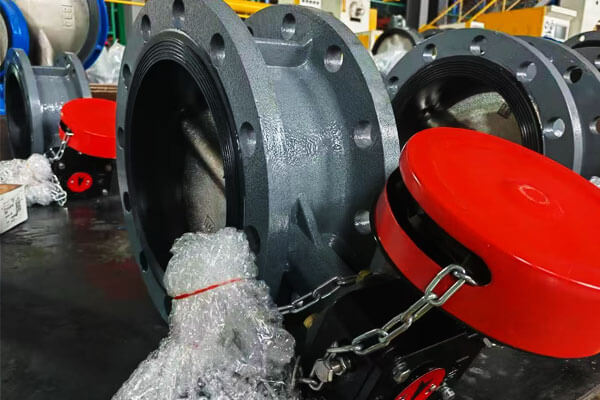
فولاد ضد زنگ
فولاد ضد زنگ به دلیل تعادل عالی در برابر خوردگی، متداول ترین ماده مورد استفاده برای بدنه شیرهای پروانه ای ریخته گری سرمایه گذاری است., قدرت مکانیکی, تولید, و قابلیت اطمینان بلند مدت.
فیلم اکسید غیرفعال غنی از کروم تشکیل شده بر روی سطح، محافظت موثری در برابر خوردگی جوی و بسیاری از مواد شیمیایی صنعتی ایجاد می کند..
cf8 (معادل ASTM A351 Grade CF8)
CF8 معادل ریخته گری نوع فرفورژه است 304 فولاد ضد زنگ و حاوی تقریبا 18% کرومیوم و 8% نیکل.
مقاومت خوبی در برابر خوردگی در آب ارائه می دهد, بخار, محصولات غذایی, و بسیاری از مواد شیمیایی خفیف خورنده.
مزایای آن عبارتند از:
- مقاومت در برابر خوردگی عمومی خوب
- قابلیت بازیگری عالی
- جوشکاری خوب
- خواص مکانیکی پایدار
- هزینه مواد رقابتی
CF8 به طور گسترده ای در:
- سیستم های تصفیه آب
- فرآوری مواد غذایی
- تجهیزات HVAC
- خطوط لوله صنعتی عمومی
- خدمات شیمیایی کم خوردگی
هر چند, CF8 برای محیط های حاوی غلظت بالای کلرید توصیه نمی شود, جایی که ممکن است سوراخ شدن موضعی و خوردگی شکافی رخ دهد.
cf8m (معادل ASTM A351 Grade CF8M)
CF8M مربوط به نوع فرفورژه است 316 فولاد ضد زنگ اما شامل تقریباً 2-3٪ مولیبدن است.
افزودن مولیبدن به طور قابل توجهی مقاومت را بهبود می بخشد:
- حفره کلرید
- خوردگی شکاف
- محیط های دریایی
- اسیدهای آلی
- سیالات فرآیند شیمیایی
برنامه های معمولی شامل:
- مهندسی فراساحل
- سیستم های خنک کننده آب دریا
- گیاهان شیمیایی
- تجهیزات دارویی
- صنایع خمیر و کاغذ
اگرچه CF8M به طور کلی گرانتر از CF8 است, مقاومت در برابر خوردگی افزایش یافته آن اغلب منجر به کاهش قابل توجهی هزینه های تعمیر و نگهداری در طول عمر عملیاتی شیر می شود.
فولادهای ضد زنگ کم کربن (CF3 و CF3M)
CF3 و CF3M نسخه های کم کربن CF8 و CF8M هستند, به ترتیب.
محتوای کربن کاهش یافته آنها، بارش کاربید را در طول جوشکاری به حداقل می رساند, در نتیجه مقاومت در برابر خوردگی بین دانه ای در مناطق تحت تأثیر گرما بهبود می یابد.
این نمرات معمولا برای انتخاب می شوند:
- سیستم های لوله کشی جوش داده شده
- تولید دارو
- تجهیزات پردازش مواد غذایی
- سیستم های شیمیایی با خلوص بالا
جایی که جوشکاری گسترده پیش بینی می شود, فولادهای ضد زنگ کم کربن معمولاً نسبت به گریدهای استاندارد ترجیح داده می شوند.
فولاد کربن
اگرچه فولاد ضد زنگ بر کاربردهای خورنده غالب است, فولاد کربنی برای بسیاری از بدنههای شیر پروانهای که تحت شرایط غیرخورنده یا خورنده خفیف کار میکنند، یک انتخاب اقتصادی باقی میماند..
فولاد کربنی WCB
ASTM A216 WCB یکی از پرکاربردترین فولادهای کربنی ریختگی در صنعت شیرآلات است..
مزایای آن عبارتند از:
- قدرت مکانیکی بالا
- چقرمگی ضربه خوب
- ماشینکاری عالی
- هزینه مواد کم
- مقاومت فشار خوب
برنامه های معمولی شامل:
- خطوط لوله نفت
- انتقال گاز طبیعی
- سیستم بخار
- حفاظت از آتش
- تاسیسات صنعتی
هر چند, WCB هنگام قرار گرفتن در معرض محیط های خورنده به پوشش های محافظ یا پوشش داخلی نیاز دارد.
فولاد کربنی با دمای پایین LCC
LCC به طور خاص برای خدمات در دمای پایین توسعه یافته است.
در مقایسه با WCB, چقرمگی ضربه بهتری را در دماهای زیر صفر نشان می دهد و معمولاً در آن استفاده می شود:
- تاسیسات LNG
- ذخیره سازی برودتی
- سیستم های تبرید
- زیرساخت خط لوله قطب شمال
فولاد ضد زنگ دوبلکس
همانطور که محیط های صنعتی به طور فزاینده ای تهاجمی می شوند, فولادهای ضد زنگ دوبلکس برای بدنه شیر پروانه ای با کارایی بالا مقبولیت گسترده ای به دست آورده اند..
فولادهای ضد زنگ دوبلکس تقریباً دارای نسبت مساوی فریت و آستنیت هستند, ترکیبی از مزایای هر دو ریزساختار.
ویژگی های آنها عبارتند از:
- استحکام کششی بسیار بالا
- مقاومت عالی در برابر کلرید
- مقاومت در برابر خوردگی تنشی برجسته در برابر ترک خوردگی
- عملکرد خستگی خوب
- مقاومت در برابر فرسایش عالی
در مقایسه با فولادهای زنگ نزن آستنیتی معمولی, آلیاژهای دوبلکس اغلب نزدیک به دو برابر استحکام تسلیم دارند و در عین حال مقاومت در برابر خوردگی عالی را حفظ می کنند.
نمرات ریخته گری سرمایه گذاری رایج عبارتند از:
- cd4mcu
- ASTM A890 درجه 4A
- ASTM A890 درجه 5a
برنامه های معمولی شامل:
- سکوهای نفتی فراساحلی
- گیاهان نمک زدایی
- خطوط لوله دریایی
- راکتورهای شیمیایی
- سیستم های خنک کننده آب دریا
اگرچه آلیاژهای دوبلکس گرانتر از فولادهای زنگ نزن معمولی هستند, عمر طولانی آنها اغلب سرمایه گذاری اضافی را توجیه می کند.
آلیاژهای مبتنی بر نیکل
برخی از فرآیندهای صنعتی تحت شرایطی عمل می کنند که فراتر از قابلیت های فولادهای زنگ نزن است.
اسیدهای با غلظت بالا, درجه حرارت بالا, مواد شیمیایی اکسید کننده, و محیط های کاهش دهنده نیاز به آلیاژهای تخصصی با مقاومت در برابر خوردگی استثنایی دارند.
ریخته گری سرمایه گذاری اجازه می دهد تا بدنه شیر پروانه ای از آلیاژهای مبتنی بر نیکل مانند:
هستلووی
آلیاژهای هاستلوی مقاومت فوق العاده ای در برابر:
- اسید هیدروکلریک
- اسید سولفوریک
- اسید فسفریک
- کلرید
- مواد شیمیایی اکسید کننده
آنها به طور گسترده در کارخانه های فرآوری شیمیایی استفاده می شوند که در آن فولادهای ضد زنگ معمولی به سرعت خورده می شوند..
ناله
آلیاژهای اینکونل فراهم می کنند:
- مقاومت عالی در دمای بالا
- مقاومت در برابر اکسیداسیون
- مقاومت در برابر خستگی حرارتی
- مقاومت در برابر فشار در دماهای بالا
برنامه های کاربردی شامل:
- نیروگاه
- پردازش پتروشیمی
- سیستم های پشتیبانی هوافضا
- کارخانه های شیمیایی با دمای بالا
سرود
آلیاژهای مونل دارای مقاومت استثنایی هستند:
- آب دریا
- هیدروفلوریک اسید
- محلول های نمک
- رسوب زیستی دریایی
آنها اغلب برای دریچه های پروانه ای دریایی و دریایی انتخاب می شوند.
اگرچه آلیاژهای نیکل نشان دهنده سرمایه گذاری مواد قابل توجهی است, آنها می توانند به طور چشمگیری هزینه های نگهداری و خرابی را در محیط های خدماتی شدید کاهش دهند.
5. عملکرد مکانیکی بدنه های شیر پروانه ای ریخته گری سرمایه گذاری
هدف اصلی هر بدنه شیر پروانه ای ارائه پشتیبانی مکانیکی قابل اعتماد در شرایط عملیاتی سخت است.
در حالی که ریخته گری سرمایه گذاری اغلب به دلیل دقت ابعادی عالی و پرداخت سطحی آن شناخته می شود, توانایی آن برای تولید قطعات با عملکرد مکانیکی برجسته به همان اندازه مهم است.
مقاومت در برابر فشار
مهار فشار عملکرد اساسی هر بدنه شیر است.
در حین عملیات, بدنه فشار هیدرواستاتیک داخلی را تجربه می کند که باعث ایجاد تنش های کششی در سراسر ریخته گری می شود.
مناطق استرس بحرانی شامل:
- دهانه های ساقه
- ریشه های فلنج
- سوراخ های پیچ و مهره
- انتقال دیوار
- تقاطع های دنده ای را تقویت می کند
ریخته گری سرمایه گذاری به عملکرد فشار برتر از طریق کمک می کند:
- ضخامت دیواره یکنواخت
- کاهش تنش ناشی از ماشین کاری
- انتقال های هندسی صاف
- سازگاری ابعادی بالا
قابلیت فشار در نهایت از طریق آزمایش فشار هیدرواستاتیک مطابق با استانداردهای صنعتی قابل تأیید تأیید می شود..
استحکام سازه
استحکام ساختاری به توانایی بدنه شیر برای مقاومت در برابر تغییر شکل دائمی تحت بارگذاری مکانیکی اشاره دارد..
خواص مواد مهم عبارتند از:
- قدرت عملکرد
- استحکام کششی
- مدول الاستیک
- سختی
فولادهای ضد زنگ ریخته گری سرمایه گذاری معمولاً ترکیبی عالی از استحکام و شکل پذیری را ارائه می دهند, بدن سوپاپ را قادر می سازد تا مقاومت کند:
- بارهای خط لوله
- گشتاور محرک
- نیروهای نصب
- تنش های انبساط حرارتی
عملیات حرارتی مناسب با پالایش ریزساختار آلیاژ استحکام را بیشتر می کند.
مقاومت در برابر خستگی
بر خلاف مخازن تحت فشار استاتیک, شیرهای پروانه ای اغلب در طول عمر خود بارگذاری مکرر را تجربه می کنند.
هر چرخه عملیاتی تولید می کند:
- نوسانات فشار
- گشتاور ساقه
- لرزش
- انبساط حرارتی
- تاثیر مکانیکی
بیش از هزاران - یا حتی میلیون ها - چرخه, ترک های خستگی میکروسکوپی ممکن است ایجاد شود.
ریخته گری سرمایه گذاری عملکرد خستگی را از طریق بهبود می بخشد:
- پایان سطح صاف
- کاهش تمرکز استرس
- ریزساختار یکنواخت
- دقت ابعادی بالا
ویژگیهای طراحی مانند فیلههای سخاوتمندانه و قرارگیری بهینه دنده، مقاومت در برابر خستگی را با توزیع یکنواختتر تنشها افزایش میدهد..
سختی
شیرهای صنعتی ممکن است در هنگام حمل و نقل در معرض ضربه های مکانیکی ناگهانی قرار گیرند, نصب, یا عملیات. در محیط های با دمای پایین, چقرمگی ناکافی می تواند منجر به شکستگی شکننده شود.
بنابراین چقرمگی ضربه یک ویژگی ضروری است, مخصوصاً برای:
- سیستم های LNG
- خطوط لوله برودتی
- تاسیسات دریایی
- زیرساخت های آب و هوای سرد
موادی مانند فولاد کربنی LCC و فولاد ضد زنگ دوبلکس چقرمگی عالی را در دماهای کاهش یافته حفظ می کنند, آنها را برای برنامه های کاربردی مناسب می کند.
مقاومت در برابر سایش و فرسایش
اگرچه بدنه شیر معمولاً در معرض تماس مستقیم لغزشی مانند دیسک یا نشیمنگاه قرار نمی گیرد, هنوز هم می تواند فرسایش ناشی از سیالات پرسرعت حامل ذرات ساینده را تجربه کند.
رسانه های فرسایشی معمولی عبارتند از:
- دورتی
- آب پر از شن و ماسه
- باطله های معدنی
- خاکستر بادی
- سوسپانسیون های شیمیایی
فولادهای زنگ نزن دوبلکس ریخته گری سرمایه گذاری و آلیاژهای مبتنی بر نیکل به دلیل سختی بالاتر و ریزساختار قوی تر مقاومت بالایی در برابر فرسایش دارند..
گذرگاه های جریان داخلی بهینه شده نیز تلاطم موضعی را کاهش می دهد, به حداقل رساندن فرسایش در طول دوره های خدمات طولانی.
مقاومت در برابر خوردگی
خوردگی یکی از دلایل اصلی خرابی شیر در سیستم های صنعتی است.
بسته به محیط عملیاتی, ممکن است با بدن دریچه های پروانه ای مواجه شوند:
- خوردگی عمومی
- خوردگی
- خوردگی شکاف
- خوردگی گالوانیک
- خوردگی بین دانه ای
- ترک خوردگی استرس
ریختهگری سرمایهگذاری از استفاده از آلیاژهای بسیار مقاوم در برابر خوردگی و در عین حال تولید متراکم پشتیبانی میکند., ریخته گری با کیفیت بالا با حداقل نقص سطح.
درمانهای سطحی مناسب - مانند غیرفعال کردن یا پولیش الکتریکی - میتواند مقاومت در برابر خوردگی را با تقویت لایه اکسید محافظ روی سطوح فولادی ضد زنگ افزایش دهد..
عملکرد درجه حرارت بالا
سرویس در دمای بالا چالش های مهندسی دیگری را به همراه دارد.
با افزایش دما:
- قدرت تسلیم کاهش می یابد
- مقاومت در برابر خزش مهم می شود
- اکسیداسیون تسریع می شود
- خستگی حرارتی ممکن است ایجاد شود
برای کاربردهای با دمای بالا, بدنه شیرهای ریخته گری سرمایه گذاری معمولاً از فولادهای ضد زنگ مقاوم در برابر حرارت یا سوپرآلیاژهای مبتنی بر نیکل ساخته می شوند که قادر به حفظ خواص مکانیکی تحت قرار گرفتن در معرض حرارتی طولانی مدت هستند..
ثبات ابعادی
ثبات ابعادی از اهمیت ویژه ای برخوردار است زیرا شیرهای پروانه ای به تراز دقیق بین بدنه متکی هستند., ساقه, دیسک, و صندلی.
ثبات ابعادی ضعیف می تواند منجر به:
- افزایش گشتاور عملیاتی
- صندلی
- نشت
- خرابی زودرس بلبرینگ
ریخته گری سرمایه گذاری با به حداقل رساندن اعوجاج در طول تولید، تکرارپذیری ابعادی عالی را فراهم می کند.
عملیات حرارتی کنترل شده و ماشینکاری دقیق بیشتر تضمین می کند که ابعاد بحرانی در محدوده تحمل های مشخص باقی می مانند.
این سطح بالایی از ثبات ابعادی به طور مستقیم به عملکرد صاف شیر کمک می کند, عملکرد آب بندی قابل اعتماد, و طول عمر طولانی.
6. عملیات حرارتی و تکمیل سطح بدنه شیر پروانه ای ریخته گری سرمایه گذاری
عملیات حرارتی و تکمیل سطح مراحل ثانویه پس از پردازش در تولید شیر نیستند;
بلکه, آنها مراحل بحرانی هستند که مستقیماً تعیین کننده هستند قابلیت اطمینان مکانیکی, مقاومت در برابر خوردگی, ثبات ابعادی, و زندگی خدمت بدنه شیر پروانه ای ریخته گری سرمایه گذاری.
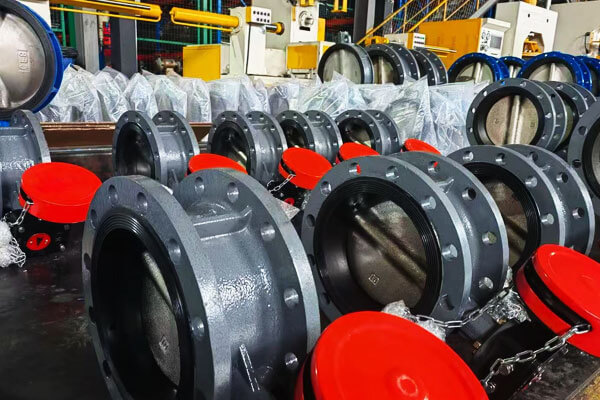
عملیات حرارتی: مهندسی ریزساختار برای بهینه سازی عملکرد
عملیات حرارتی برای اصلاح ریزساختار آلیاژ ریختگی اعمال می شود, از بین بردن تنش های پسماند, و به تعادل قدرت مورد نیاز دست پیدا کنید, سختی, و مقاومت در برابر خوردگی.
عملیات حرارتی محلول (فولادهای ضد زنگ آستنیتی)
برای گریدهای فولاد ضد زنگ مانند cf8, cf8m, CF3, و CF3M, درمان محلول بحرانی ترین فرآیند است.
این روند شامل می شود:
- حرارت دادن ریخته گری تا حدود 1040درجه سانتی گراد تا 1120 درجه سانتی گراد
- نگهداری در دما برای حل کردن کاربیدها و همگن شدن ساختار
- خاموشی سریع (معمولا خنک کننده با آب)
نتایج کلیدی شامل:
- حذف رسوب کاربید کروم
- بازیابی مقاومت در برابر خوردگی
- انعطاف پذیری و سختی بهبود یافته
- ریزساختار آستنیتی همگن
بدون درمان محلول مناسب, بدنه شیرهای فولادی ضد زنگ ممکن است از خوردگی بین دانه ای و شکست زودرس در محیط های غنی از کلرید رنج ببرند..
درمان حرارتی کاهش استرس (فولادهای کربن و آلیاژ)
بدنه شیر فولادی کربن ریخته گری (به عنوان مثال, WCB, LCC) اغلب تنش های پسماند ناشی از انجماد و سرد شدن را حفظ می کنند.
کاهش استرس در انجام می شود 550درجه سانتی گراد تا 650 درجه سانتی گراد به:
- تنش های پسماند داخلی را کاهش دهید
- بهبود ثبات ابعادی
- اعوجاج را در حین ماشینکاری و سرویس به حداقل برسانید
- مقاومت در برابر خستگی را افزایش دهید
این فرآیند به ویژه برای بدنههای شیر پروانهای با قطر بزرگ که گرادیانهای خنککننده ناهموار بارزتر هستند، مهم است..
عادی سازی و خاموش کردن & خویشاوند
برای فولادهای کربنی و کم آلیاژی که به استحکام بیشتری نیاز دارند:
- عادی سازی ساختار دانه را اصلاح می کند و یکنواختی را بهبود می بخشد
- خاموش کردن و مزاج به طور قابل توجهی استحکام و سختی را افزایش می دهد و در عین حال چقرمگی کافی را حفظ می کند
این روشها معمولاً در کاربردهای فشار بالا مانند خطوط لوله نفت و سیستمهای بخار استفاده میشوند.
تکمیل سطح: تقویت عملکردی و حفاظتی
تکمیل سطح به همان اندازه مهم است که مستقیماً بر مقاومت در برابر خوردگی تأثیر می گذارد, پاکیزگی, عملکرد هیدرولیک, و کیفیت زیبایی.
شات بلاست و تمیز کردن
شات بلاست معمولاً اولین مرحله تکمیلی پس از برداشتن ریختهگری است.
توابع آن عبارتند از:
- حذف بقایای پوسته سرامیکی
- از بین بردن مقیاس اکسید
- بافت سطحی یکنواخت
- آماده سازی سطح برای درمان بیشتر
برای ریخته گری فولاد کربن, شات فولادی معمولا استفاده می شود, در حالی که اجزای فولاد ضد زنگ اغلب از شات فولادی ضد زنگ یا رسانه های کنترل شده برای جلوگیری از آلودگی استفاده می کنند.
ترشی و رسوب زدایی
ترشی یک فرآیند شیمیایی است که عمدتاً برای ریخته گری فولاد ضد زنگ استفاده می شود.
حذف می کند:
- رنگ حرارتی
- لایه های اکسیدی
- آلودگی سطحی ناشی از پردازش در دمای بالا
مخلوط های اسیدی (به طور معمول نیتریک + سیستم های هیدروفلوئوریک اسید) یک سطح فلزی تمیز را بازیابی کنید, که برای مقاومت در برابر خوردگی ضروری است.
درمان غیرفعال سازی
غیرفعال سازی مقاومت در برابر خوردگی طبیعی فولاد ضد زنگ را با ترویج تشکیل یک لایه اکسید کروم پایدار افزایش می دهد..
مزایا شامل:
- مقاومت گودال بهبود یافته
- افزایش پایداری شیمیایی
- محافظت طولانی مدت از سطح
- کاهش خطر خوردگی موضعی
این مرحله برای بدنههای شیر CF8M که در محیطهای دریایی و شیمیایی استفاده میشوند، حیاتی است.
برق (برنامه های کاربردی پیشرفته)
الکترو پولیش یک فرآیند تکمیل الکتروشیمیایی است که پیک های سطح میکروسکوپی را حذف می کند, در نتیجه سطحی بسیار صاف و تمیز ایجاد می شود.
مزایا عبارتند از:
- زبری سطح بسیار کم
- بهبود عملکرد بهداشتی
- کاهش چسبندگی باکتری
- مقاومت در برابر خوردگی افزایش یافته
- ویژگی های جریان بهبود یافته
به طور گسترده ای در آن استفاده می شود:
- سیستم های دارویی
- خطوط لوله بیوتکنولوژی
- تجهیزات پردازش مواد غذایی
- سیستم های آب فوق العاده خالص
پوشش های محافظ (کاربردهای فولاد کربن)
برای بدنه شیرهای فولاد کربنی, پوشش های محافظ برای جلوگیری از خوردگی محیطی ضروری هستند.
سیستم های پوشش رایج عبارتند از:
- اپوکسی فیوژن باند (fbe)
- پوشش های پلی اورتان
- پرایمرهای غنی از روی
- سیستم های پوشش پودری
این پوشش ها مقاومت طولانی مدت در برابر رطوبت ایجاد می کنند, مواد شیمیایی, و خوردگی جوی.
7. ماشینکاری بدنه شیرهای ریخته گری سرمایه گذاری
ریخته گری سرمایه گذاری بدنه هایی شبیه به شبکه تولید می کند, اما ابعاد بحرانی نیاز به ماشین کاری دارند.
عملیات ماشینکاری معمولی
| عمل | هدف | تحمل |
| فرز صورت فلنجی | دستیابی به صافی و موازی | 0.05 میلی متر |
| چرخش مته | دستیابی به قطر داخلی دقیق | 0.05-0.10 میلی متر |
| حفاری سوراخ پیچ | سوراخ های پیچ فلنج ایجاد کنید | ± 0.1-0.2 میلی متر |
| ضربه زدن به موضوع (پره ها) | رزوه هایی برای دریچه های به سبک لوگ ایجاد کنید | ISO / استاندارد ASME |
| چرخش شیار صندلی | فرورفتگی دقیق برای حلقه صندلی | ± 0.02-0.05 میلی متر |
| سوراخ ساقه خسته کننده | برای میل سوپاپ | ± 0.02-0.05 میلی متر |
| ماشینکاری لنت نصب | برای نصب محرک | 0.05-0.10 میلی متر |
چالش های ماشینکاری
| چالش | علت | راه حل |
| سخت سازی کار | کار ضد زنگ آستنیتی سخت می شود | ابزار کاربید تیز; تغذیه/سرعت مناسب. |
| پوشیدن ابزار | ضد زنگ ساینده است | کاربید پوشش داده شده (قله, پی وی پی); خنک کننده. |
| پچ پچ کردن / ارتعاش | مقاطع با دیواره نازک | از استراحت های ثابت استفاده کنید; افزایش سفتی; کاهش سرریز. |
| ثبات ابعاد | تنش پسماند از ریخته گری | تسکین استرس; ماشینکاری خشن → پیری → ماشینکاری نهایی. |
8. کنترل کیفیت و بازرسی
بدنههای شیر پروانهای سرمایهگذاریشده به تضمین کیفیت دقیق برای مطابقت با استانداردهای صنعت نیاز دارند..
آزمایش غیر مخرب (NDT)
| روش NDT | تشخیص می دهد | استاندارد | فرکانس |
| بازرسی بصری | نقص سطحی | ASTM E430 | 100% |
| نفوذ کننده رنگ (PT) | ترک های سطحی, تخلخل | ASTM E165 | 100% (مناطق بحرانی) |
| رادیوگرافی (اشعه ایکس) | تخلخل داخلی, اجزاء | ASTM E94 | 10- 25٪ (دسته ای) |
| ماوراء الطبیعه | عیوب داخلی, ضخامت دیواری | ASTM E114 | 10- 25٪ (دسته ای) |
| تست فشار | نشتی | API 598 | 100% |
بازرسی بعدی
| اندازه گیری | تجهیزات | تحمل |
| قطر سوراخ | CMM یا سنج حفره | 0.05 میلی متر |
| صافی صورت فلنج | گیج نوری یا شماره گیری | ≤0.05 میلی متر بر متر |
| بعد چهره به چهره | CMM یا اندازه گیری نوار | ± 0.5-1.0 میلی متر |
| الگوی سوراخ پیچ فلنج | CMM یا الگو | ± 0.1-0.2 میلی متر |
| ابعاد شیار صندلی | CMM یا گیج مخصوص | ± 0.02-0.05 میلی متر |
تست مکانیکی
| تست کنید | هدف | استاندارد |
| کشنده | بازده, کشنده, کشیدگی | ASTM E8 / در 10002 |
| سختی | HB یا HRB | ASTM E10 / ASTM E18 |
| تأثیر (هوس) | سختی | ASTM E23 |
| تست هیدرواستاتیک | یکپارچگی فشار | API 598 / ASME B16.34 |
9. کاربردهای صنعتی بدنه شیر پروانه ای ریخته گری سرمایه گذاری
بدنه شیر پروانه ای ریخته گری سرمایه گذاری به طور گسترده در صنایع متعدد استفاده می شود، زیرا آنها دقت ابعادی بالایی را با هم ترکیب می کنند., خصوصیات مکانیکی عالی, و مقاومت در برابر خوردگی برجسته.
توانایی آنها برای تطبیق هندسه های پیچیده در حالی که یکپارچگی فشار را حفظ می کنند، آنها را هم برای خدمات استاندارد صنعتی و هم برای محیط های عملیاتی بسیار پرمشقت مناسب می کند..
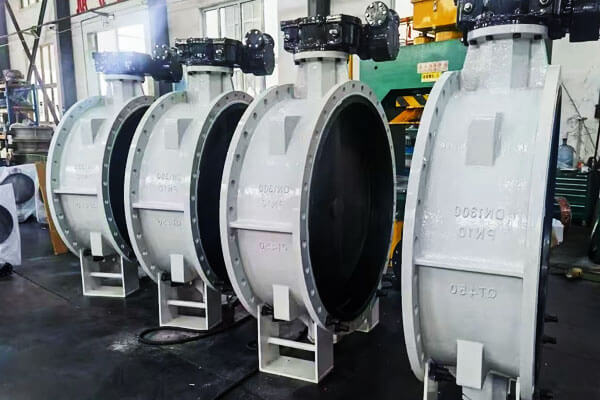
تصفیه آب و توزیع
تصفیه آب یکی از بزرگترین بخش های کاربردی برای شیرهای پروانه ای است.
تاسیسات آب شهری, امکانات نمک زدایی, ایستگاه های تصفیه فاضلاب, و سیستم های آبیاری همگی به تجهیزات کنترل جریان قابل اعتمادی نیاز دارند که بتوانند به طور مداوم با حداقل تعمیر و نگهداری کار کنند.
بدنههای شیر پروانهای ریختهگریشده سرمایهگذاری بهویژه سودمند هستند زیرا آنها را فراهم میکنند:
- سازگاری ابعادی عالی برای آب بندی قابل اعتماد
- سطوح داخلی صاف که مقاومت جریان را کاهش می دهد
- مقاومت در برابر خوردگی خوب در آب آشامیدنی و تصفیه شده
- عمر طولانی تحت سیکل های عملیاتی مکرر
بسته به کیفیت آب و شرایط عملیاتی, مواد پرکاربرد شامل:
- فولاد ضد زنگ CF8
- فولاد ضد زنگ CF8M
- چدن داکتیل با پوشش های محافظ
- فولاد ضد زنگ دوبلکس برای کاربردهای آب دریا
برای کارخانه های آب شیرین کن, فولاد ضد زنگ دوبلکس اغلب به دلیل مقاومت بالای آن در برابر خوردگی حفره ای و شکافی ناشی از کلرید ترجیح داده می شود..
صنعت نفت و گاز
تولید نفت و گاز، بدنه شیرها را در معرض برخی از سخت ترین شرایط خدماتی قرار می دهد که در کاربردهای صنعتی با آن مواجه می شوند..
چالش های عملیاتی معمولی عبارتند از:
- فشار بالا
- درجه حرارت بالا
- سولفید هیدروژن (باسله)
- دی اکسید کربن (همکار)
- ذرات ساینده
- محیط های دریایی فراساحل
بدنههای شیر پروانهای ریختهگریشده سرمایهگذاری، مهار فشار عالی را ارائه میکنند در حالی که آلیاژهای مقاوم در برابر خوردگی را که بهطور خاص برای خدمات ترش طراحی شدهاند، در خود جای میدهند..
مواد مشترک شامل:
- فولاد کربنی WCB
- فولاد ضد زنگ CF8M
- فولاد ضد زنگ دوبلکس
- فولاد ضد زنگ سوپر دوبلکس
- آلیاژهای مبتنی بر نیکل
برنامه های معمولی شامل:
- خطوط لوله نفت خام
- سیستم عامل های خارج از ساحل
- واحدهای فرآیند پالایشگاه
- انتقال گاز طبیعی
- پایانه های LNG
- کارخانه های پتروشیمی
دقت ریخته گری سرمایه گذاری نیز قابلیت اطمینان آب بندی را بهبود می بخشد, که برای جلوگیری از انتشار گازهای گلخانه ای فرار و اطمینان از انطباق با محیط زیست حیاتی است.
پردازش شیمیایی
کارخانه های شیمیایی از محیط های بسیار تهاجمی استفاده می کنند که می توانند به سرعت مواد مهندسی معمولی را تخریب کنند..
مواد شیمیایی معمولی عبارتند از:
- اسید سولفوریک
- اسید هیدروکلریک
- اسید نیتریک
- هیدروکسید سدیم
- محلول های کلرید
- حلال های آلی
ریخته گری سرمایه گذاری سازندگان را قادر می سازد تا بدنه شیر پروانه ای را از آلیاژهای بسیار مقاوم در برابر خوردگی تولید کنند و در عین حال دقت ابعادی عالی را حفظ کنند..
بسته به شیمی فرآیند, مواد مناسب شامل:
- فولاد ضد زنگ CF8M
- فولاد ضد زنگ دوبلکس
- هستلووی
- ناله
- سرود
سطح عالی تولید شده توسط ریخته گری سرمایه گذاری نیز تشکیل شکاف را به حداقل می رساند, کاهش خوردگی موضعی و تسهیل تمیز کردن تجهیزات.
نیروگاه
نیروگاه ها به شیرهایی نیاز دارند که بتوانند به طور مداوم تحت شرایط حرارتی و مکانیکی سخت کار کنند.
برنامه های کاربردی شامل:
- سیستم های آب تغذیه بویلر
- توزیع بخار
- سیستم های آب خنک کننده
- سولفوریزاسیون گاز دودکش
- سیستم های میعانات
بدنه دریچه ها باید مقاومت کنند:
- فشار بالا
- دوچرخه سواری حرارتی
- درجه حرارت بالا
- میعانات خورنده
فولادهای ضد زنگ مقاوم در برابر حرارت و آلیاژهای مبتنی بر نیکل معمولاً برای این کاربردها انتخاب می شوند..
ثبات ابعادی ارائه شده توسط ریخته گری سرمایه گذاری به عملکرد ثابت شیر در طول چرخه های انبساط و انقباض حرارتی مکرر کمک می کند..
صنعت غذا و آشامیدنی
تجهیزات پردازش مواد غذایی باید استانداردهای بهداشتی دقیق را رعایت کنند و در عین حال مقاومت در برابر خوردگی عالی را حفظ کنند.
برنامه های معمولی شامل:
- تولید نوشیدنی
- پردازش لبنی
- دم کردن
- تصفیه شکر
- تولید روغن خوراکی
بدنه شیر پروانه ای فولاد ضد زنگ سرمایه گذاری چندین مزیت مهم را ارائه می دهد:
- صاف, سطوح قابل تمیز کردن
- چسبندگی کم باکتریایی
- مقاومت در برابر خوردگی عالی
- دقت ابعادی بالا
- سازگاری با روش های تمیز کردن بهداشتی
فولادهای ضد زنگ CF3 و CF3M برقی شده اغلب در سیستمهای فرآیند بهداشتی استفاده میشوند که در آن خلوص محصول ضروری است..
صنایع دارویی و بیوتکنولوژی
تولید دارو حتی الزامات سخت تری را نسبت به فرآوری مواد غذایی تحمیل می کند.
بدنه دریچه باید نمایش داده شود:
- سطوح فوق العاده صاف
- حداقل خطر آلودگی
- تمیز کنندگی عالی
- مقاومت در برابر مواد شیمیایی ضدعفونی کننده تهاجمی
- انطباق با استانداردهای GMP
ریختهگری سرمایهگذاری دقت هندسی فوقالعادهای را ارائه میکند و در عین حال عیوب سطحی را که میتواند میزبان میکروارگانیسمها باشد به حداقل میرساند..
پولیش الکتریکی اضافی بیشتر بهبود می یابد:
- زبری سطح
- مقاومت در برابر خوردگی
- عقیمی
- خلوص محصول
این ویژگی ها باعث می شود که بدنه شیر پروانه ای ریخته گری سرمایه گذاری برای سیستم های پردازش استریل مناسب باشد.
مهندسی دریایی
محیط های دریایی چندین عامل تهاجمی را ترکیب می کنند:
- خوردگی آب شور
- رطوبت بالا
- رسوب بیولوژیکی
- ارتعاش مکانیکی
- بارگذاری چرخه ای
بدنه دریچه هایی که در کشتی ها استفاده می شود, سیستم عامل های خارج از ساحل, و تاسیسات ساحلی به مقاومت در برابر خوردگی برجسته نیاز دارند.
مواد مشترک شامل:
- فولاد ضد زنگ دوبلکس
- فولاد ضد زنگ سوپر دوبلکس
- سرود
- آلیاژهای برنز
ریختهگری سرمایهگذاری امکان طراحی پیچیده دریچههای دریایی را فراهم میکند و در عین حال یکپارچگی مکانیکی عالی را تحت قرار گرفتن مداوم در معرض آب دریا تضمین میکند..
معدن و فرآوری مواد معدنی
عملیات معدن چالش های منحصر به فردی را به دلیل دوغاب های بسیار ساینده حاوی مواد جامد معلق ایجاد می کند..
بدنه دریچه ها باید مقاومت کنند:
- سایش ساینده
- بارگذاری ضربه
- خوردگی
- سرعت جریان بالا
فولاد ضد زنگ دوبلکس ریخته گری سرمایه گذاری ترکیبی عالی از مقاومت در برابر سایش را ارائه می دهد, قدرت, و مقاومت در برابر خوردگی, آن را برای سیستم های حمل و نقل دوغاب مناسب می کند.
تهویه مطبوع و خدمات ساختمان
ساختمان های تجاری بزرگ اغلب از شیرهای پروانه ای استفاده می کنند:
- آب سرد شده
- سیستم های گرمایشی
- برج های خنک کننده
- حفاظت از آتش
- توزیع آب
بدنه شیرهای ریخته گری سرمایه گذاری ساختار سبک وزنی را ارائه می دهد, ابعاد دقیق, و آب بندی قابل اعتماد و در عین حال کاهش هزینه های نگهداری در دوره های عملیاتی طولانی.
10. روندهای توسعه آینده
| روند | توضیحات | تاثیر بر بدنه شیرهای ریخته گری سرمایه گذاری |
| ساخت افزودنی الگوهای مومی | 3الگوهای پرینت D، ابزار را برای حجم کم حذف می کنند. | نمونه سازی سریع را فعال می کند; اندازه های سفارشی بدون هزینه قالب. |
| دوقلوی دیجیتال و شبیه سازی | شبیه سازی در زمان واقعی ریخته گری و ماشین کاری. | عیوب را کاهش می دهد; فرآیند را بهینه می کند. |
| پیشبینی نقص مبتنی بر هوش مصنوعی | یادگیری ماشینی تخلخل و گنجاندن را پیشبینی میکند. | عملکرد را بهبود می بخشد; بازرسی را کاهش می دهد. |
آلیاژهای دوبلکس با کارایی بالا |
آلیاژهای دوبلکس جدید با استحکام و مقاومت در برابر خوردگی بالاتر. | بخش های نازک تر را فعال می کند; کاهش وزن. |
| مواد پوسته پایدار | بایندرهای مبتنی بر زیست; پوسته قابل بازیافت. | اثرات زیست محیطی را کاهش می دهد. |
| بدنه شیرهای هوشمند | سنسورهای تعبیه شده برای دما, فشار, خوردگی. | تعمیر و نگهداری پیش بینی را فعال می کند; نظارت بر وضعیت. |
| ریخته گری سرمایه گذاری با قطر بزرگ | اندازه های ریخته گری تا DN1200 / 48رفیق. | دامنه کاربرد را به خطوط لوله بزرگ گسترش می دهد. |
| برقی شدن ذوب | ذوب القایی با برق تجدید پذیر. | ردپای کربن را کاهش می دهد. |
11. پایان
ریختهگری سرمایهگذاری فرآیند تولید برتر برای بدنههای شیر پروانهای با کارایی بالا است., به ویژه در فولاد ضد زنگ و آلیاژهای دوبلکس.
این یک ترکیب منحصر به فرد از پیچیدگی هندسی, دقت ابعادی, پایان سطح, و یکپارچگی مادی که با ریخته گری شن و ماسه بی بدیل است, جعل, یا ساختگی.
این فرآیند اجزای نزدیک به شبکه را با حداقل ماشین کاری ارائه می دهد, یکپارچگی فشار عالی, و خصوصیات مکانیکی سازگار.
برای بدنه شیرهایی که به مقاومت در برابر خوردگی نیاز دارند, تحمل های تنگ, و عمر طولانی - چه در کارخانه های شیمیایی, سیستم عامل های خارج از ساحل, یا خطوط فرآوری مواد غذایی - ریخته گری سرمایه گذاری روش انتخابی است.
موفقیت در بدنه شیر پروانه ای ریخته گری سرمایه گذاری به کنترل دقیق در کل زنجیره تولید بستگی دارد.: انتخاب آلیاژ, طرح الگوی, ساختمان پوسته, ذوب شدن, ریختن, عملیات حرارتی, ماشینکاری, و بازرسی.
پیشرفت در شبیه سازی, اتهام اتوماسیون, و مواد پایدار روند را بیشتر تقویت می کنند, کارآمدتر شدن آن, قابل اعتماد, و سازگار با محیط زیست.
همانطور که صنایع عملکرد بالاتری را می طلبند, وزن سبکتر, و عمر طولانی تر از تجهیزات کنترل جریان, ریخته گری سرمایه گذاری همچنان نقش اصلی را در مواجهه با این چالش ها ایفا خواهد کرد.
متداول
حداکثر اندازه بدنه شیر پروانه ای که می تواند سرمایه گذاری شود چقدر است?
ظرفیت ریخته گری سرمایه گذاری معمولی: تا 600 میلی متر (24رفیق) قطر برای بدن ویفر/لگ; اندازه های بزرگتر تا 900 میلی متر (36رفیق) با ساخت پوسته تخصصی امکان پذیر است.
برای شیرهای بسیار بزرگ (>48رفیق), ریخته گری یا ساخت ماسه مقرون به صرفه تر است.
تفاوت بین بدنه شیر ویفر و لوگ سبک چیست؟?
بدنههای ویفری نازک هستند و بین فلنجها بسته میشوند; بدنه های به سبک لوگ دارای درج های رزوه ای در هر طرف هستند و می توانند به عنوان دریچه های انتهایی استفاده شوند.. هر دو قابل سرمایه گذاری هستند.
آیا می توان بدنه شیرهای ریخته گری سرمایه گذاری را تعمیر کرد?
عیوب جزئی ریخته گری را می توان با جوشکاری تعمیر کرد (با پرکننده و پیش گرم مناسب), اما عیوب بزرگ معمولا منجر به ضایعات می شود. HIP می تواند تخلخل را از بین ببرد اما نمی تواند عیوب سطح را ترمیم کند.
زمان معمول برای بدنه شیرهای ریخته گری سرمایه گذاری چقدر است؟?
8- 12 هفته برای ابزار و اولین مقالات; 2- 4 هفته برای تکرار سفارشات (با ابزار موجود). سفارشات عجله ممکن است با هزینه اضافی تسریع شود.

