چدن به عنوان یکی از بادوام ترین و همه کاره ترین مواد مهندسی که تا کنون ساخته شده است شهرت دارد..
از تابه های چدنی و اجاق های هلندی به پایه ماشین, بدنهای, بلوک موتور, و محفظه پمپ های صنعتی, چدن به دلیل ریخته گری عالی آن ارزش دارد, قدرت فشاری بالا, مقاومت در برابر سایش برتر, و ظرفیت میرایی ارتعاش برجسته.
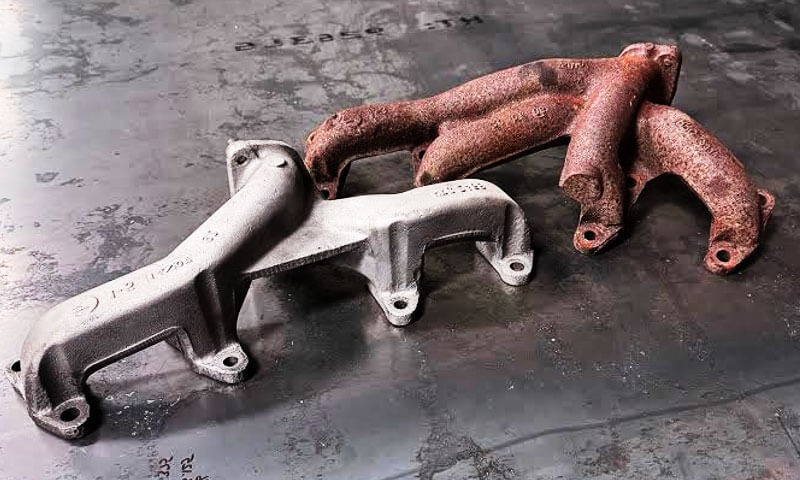
هر چند, با وجود دوام چشمگیر آن, چدن یک نقطه ضعف قابل توجه دارد - بسیار حساس است زنگ زدن (اکسید آهن) تشکیل هنگامی که در معرض رطوبت و اکسیژن قرار می گیرند.
زنگ زدگی بیش از یک موضوع آرایشی است. اگر درمان نشود, به تدریج به سطح فلز نفوذ می کند, کاهش دقت ابعادی, عملکرد مکانیکی ضعیف, آلوده کننده ظروف آشپزی تماس با غذا, و در نهایت عمر مفید قطعه را کوتاه می کند.
خوشبختانه, بیشترین آسیب زنگ زدگی است قابل تعمیر. چه با ماهیتابه ای که کمی زنگ زده است, ابزار نجاری با قدمت چند دهه, یا یک ریخته گری صنعتی به شدت اکسید شده, انتخاب روش صحیح ترمیم بسیار مهم است.
1. چرا چدن زنگ می زند؟?
درک چرایی چدن زنگها اساس انتخاب مؤثرترین روشهای حذف و پیشگیری است.
تشکیل زنگ یک فرآیند تصادفی نیست بلکه نتیجه واکنش های الکتروشیمیایی بین آهن است, اکسیژن, و آب.
عواملی مانند ترکیب آلیاژ, وضعیت سطح, قرار گرفتن در معرض محیطی, و پوشش های محافظ همگی بر میزان خوردگی تأثیر می گذارند.
زنگ زدگی چیست?
زنگ نام رایج برای گروهی از است اکسیدهای آهن هیدراته زمانی که آهن در مجاورت رطوبت با اکسیژن واکنش می دهد تشکیل می شود.
برخلاف آلومینیوم, که یک لایه اکسید متراکم را تشکیل می دهد که از فلز زیرین محافظت می کند, اکسید آهن متخلخل و سست است.
زمانی که زنگ زدگی تشکیل می شود, این اجازه می دهد تا اکسیژن و آب اضافی به عمق مواد نفوذ کند, باعث تداوم خوردگی می شود.
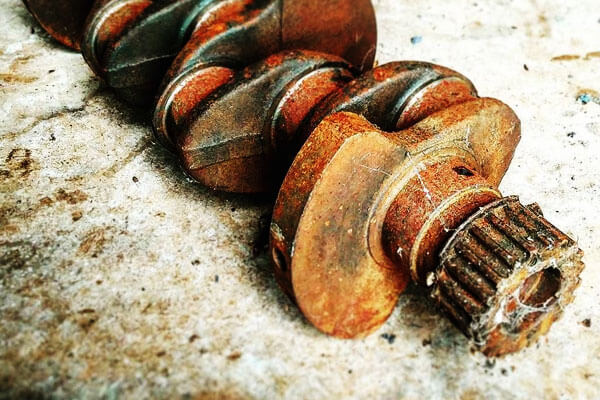
واکنش خوردگی ساده شده است:
اتو کردن + اکسیژن + آب ← اکسیدهای آهن هیدراته (زنگ زدن)
اشکال رایج زنگ عبارتند از:
| نوع زنگ | فرمول شیمیایی | ظاهر | خصوصیات |
| زنگ قرمز | fe₂o₃ · nho | قرمز مایل به زرد | رایج ترین محصول خوردگی اتمسفر |
| اکسید سیاه | fe₃o₄ | سیاه | پایدارتر; اغلب در دماهای بالا تشکیل می شود |
| زنگ زرد | فال(اوه) | زرد-نارنجی | در محیط های مرطوب رایج است |
| زنگ قهوه ای | اکسیدهای مخلوط | قهوه ای تیره | معمولی برای قرار گرفتن در معرض طولانی مدت در فضای باز |
مهم است که بین آنها تمایز قائل شویم اکسیداسیون سطحی وت خوردگی عمیق.
زنگزدگی سطحی عموماً فقط بر روی لایه بیرونی تأثیر میگذارد و میتوان بدون تغییر قابل توجهی اجزا را از بین برد.
خوردگی عمیق, هر چند, ممکن است حفره ایجاد کند, از دست دادن ابعاد, و یکپارچگی ساختاری را کاهش داد.
چرا چدن مستعد زنگ زدگی است؟
اگرچه چدن حاوی کربن و سیلیکون است, هنوز هم عمدتاً از آهن تشکیل شده است, آن را به طور ذاتی در برابر اکسیداسیون آسیب پذیر می کند.
چندین ویژگی مواد به رفتار خوردگی آن کمک می کند:
محتوای آهن بالا
بیشتر چدن ها حاوی 90– ۹۵ درصد آهن, هر زمان که اکسیژن و رطوبت وجود داشته باشد، مواد فراوانی برای واکنش های اکسیداسیون فراهم می کند.
ریزساختار گرافیت
برخلاف فولاد, چدن حاوی گرافیت به شکل پولک است (آهن), گره (آهن), یا کربن معتدل (آهن چکش خوار).
این ذرات گرافیت رابط های میکروسکوپی متعددی ایجاد می کنند که ممکن است خوردگی الکتروشیمیایی موضعی را تحت شرایط خاص تسریع کند..
ویژگی های سطح متخلخل
سطوح ریخته گری اغلب حاوی منافذ میکروسکوپی و بی نظمی هایی هستند که رطوبت و آلاینده ها را حفظ می کنند., افزایش احتمال شروع زنگ زدگی.
عدم وجود حفاظت غیرفعال
برخلاف فولاد ضد زنگ, که یک فیلم اکسید غیرفعال غنی از کروم ایجاد می کند, چدن معمولی فاقد لایه محافظ خود ترمیم شونده است.
پس از قرار گرفتن در معرض رطوبت, خوردگی می تواند ادامه یابد مگر اینکه سطح توسط چاشنی محافظت شود, روغن, رنگ, یا پوشش دیگری.
لایه محافظ آسیب دیده
برای ظروف چدنی, چاشنی روغن پلیمریزه شده به عنوان سد اولیه خوردگی عمل می کند.
اگر این لایه با تمیز کردن تهاجمی فرسوده شود, غذاهای اسیدی, یا خیساندن طولانی مدت, فلز در معرض به سرعت شروع به اکسید شدن می کند.
عواملی که تشکیل زنگ را تسریع می کنند
| عامل | مکانیزم | سرعت تشکیل زنگ |
| رطوبت | آب الکترولیت لازم برای خوردگی الکتروشیمیایی را فراهم می کند. | سریع |
| نمک | یون های کلرید لایه اکسید محافظ را مختل کرده و واکنش الکتروشیمیایی را تسریع می کنند. | خیلی سریع |
| اسید | اسید (سرکه, گوجه فرنگی, مرکب) لایه اکسید محافظ را حل کرده و مستقیماً به آهن حمله کنید. | سریع |
| خیسی طولانی مدت | آب ایستاده دسترسی مداوم به الکترولیت و اکسیژن را فراهم می کند. | سریع |
رطوبت بالا |
رطوبت نسبی بالا (>60%) لایه رطوبتی سطح را افزایش می دهد. | آهسته تا متوسط |
| چاشنی ضعیف | یک لایه چاشنی نازک یا آسیب دیده هیچ مانعی برای رطوبت ایجاد نمی کند. | سریع |
| آسیب مکانیکی | خراش, اثرات, یا سایش ساینده پوشش های محافظ را حذف می کند, قرار دادن آهن تازه در معرض اکسیداسیون. | متوسط تا سریع |
| درجه حرارت بالا + رطوبت | گرما واکنش اکسیداسیون را تسریع می کند. | معتاد |
2. ارزیابی شدت زنگ زدگی
قبل از انتخاب روش حذف زنگ, ضروری است به طور دقیق شدت خوردگی را ارزیابی کنید.
سطوح مختلف زنگ نیاز به تکنیک های مختلف بازسازی دارد, زمان تمیز کردن, و درمان های محافظتی.
استفاده از روشی بیش از حد تهاجمی بر روی زنگ زدگی سطح سبک ممکن است به صورت غیرضروری به روکش اصلی آسیب برساند, در حالی که یک روش تمیز کردن کافی ممکن است نتواند خوردگی عمیق فرو رفته را از بین ببرد.
یک بازرسی کامل نه تنها باید ارزیابی شود ظاهر قابل مشاهده از زنگ بلکه بافت سطحی, عمق خوردگی, میزان سوراخ شدن, و برنامه مورد نظر از جزء چدنی.
طبقه بندی شدت زنگ زدگی
| شدت زنگ زدگی | ظاهر معمولی | وضعیت سطح | روش حذف توصیه شده |
| زنگ سطحی سبک | تغییر رنگ نارنجی یا قهوه ای روشن; نقاط زنگ جدا شده | سطح صاف با کمترین اکسیداسیون باقی می ماند | پشم فولادی ریز, پد تمیز کردن نایلونی, اسکراب نمک, یا خیساندن کوتاه سرکه |
| زنگ زدگی متوسط | لایه زنگ نارنجی یا قهوه ای مایل به قرمز پیوسته; پوسته پوسته شدن جزئی | سطح ناهموار محسوس; زنگ هنگام مالش به انگشتان منتقل می شود | پشم فولادی درجه متوسط, کاغذ سنباده (180– شن 320), اسید سیتریک, خیساندن سرکه, یا زنگ زدا تجاری |
زنگ سنگین |
مقیاس زنگ ضخیم با پوسته پوسته شدن و تجمع اکسیداسیون قابل مشاهده | زبر, سطح ناهموار با خوردگی موضعی | برس سیمی, ابزار چرخشی, الکترولیز, انفجار ساینده, اسید فسفریک, یا کیلیت زدای زنگ |
| زنگ زدگی | گودال های خوردگی عمیق, حفره, یا نقص های دهانه مانند | بی نظمی قابل توجه سطح با از دست دادن دائمی فلز | الکترولیز و به دنبال آن آسیاب موضعی, انفجار, ماشینکاری (در صورت لزوم), و پوشش محافظ یا چاشنی |
3. روش های مکانیکی زدودن زنگ زدگی
زنگ زدگی مکانیکی خوردگی را از بین می برد سایش, خراش دادن, مسواک زدن, یا سنگ زنی.
این اغلب اولین انتخاب برای زنگ سبک تا متوسط است زیرا نتایج بصری فوری را ارائه می دهد, نیاز به حداقل آمادگی دارد, و از استفاده از مواد شیمیایی اجتناب می کند.
برای خوردگی شدید, تمیز کردن مکانیکی اغلب با درمان های شیمیایی ترکیب می شود تا زنگ زدگی را از چاله ها پاک کند, شکاف, و سایر مناطق غیر قابل دسترس.
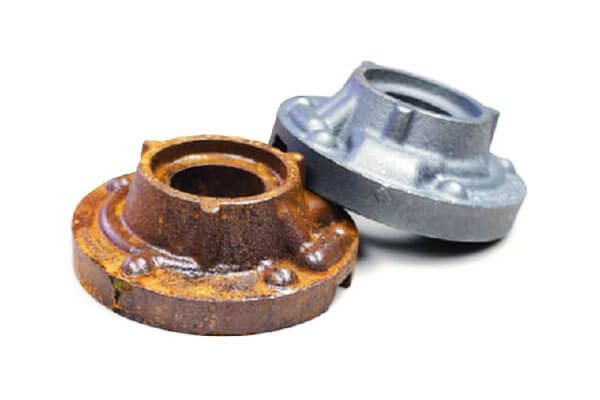
پشم فولادی
پشم فولاد یکی از ساده ترین و پرکاربردترین روش ها برای زدودن زنگ زدگی سطح سبک از چدن است., مخصوصا وسایل آشپزی و ابزارهای کوچک.
الیاف انعطاف پذیر آن به راحتی با سطوح منحنی منطبق می شود و در عین حال سایش کافی برای حذف اکسیداسیون بدون از دست دادن فلز بیش از حد ایجاد می کند..
برای تغییر رنگ روشن یا زنگ زدگی فلاش, نمرات فوق العاده جریمه (#0000 یا #000) توصیه می شود زیرا در حین بازیابی سطح اولیه، خراش را به حداقل می رساند.
نمرات متوسط یا درشت را می توان برای خوردگی سرسخت تر مورد استفاده قرار داد، اما باید با دقت اعمال شود تا از ایجاد آسیب های غیرضروری سطحی جلوگیری شود..
پشم فولاد زمانی بهترین کارایی را دارد که به صورت ثابت استفاده شود, حتی فشار. ذرات زنگ زدگی باید به طور دوره ای در طول تمیز کردن حذف شوند, پس از آن شستشوی کامل و خشک کردن فوری انجام می شود.
برای وسایل آشپزی, سطح باید بلافاصله پس از زدودن زنگ زدگی مجدداً مزه دار شود.
مزایا
- کم هزینه و در دسترس است
- کنترل عالی در هنگام تمیز کردن
- حذف حداقل فلز
- مناسب برای سطوح ظریف چدنی
محدودیت ها
- کار فشرده برای قطعات بزرگ
- در برابر رسوبات سنگین یا حفره های عمیق کمتر موثر است
- درجات درشت ممکن است خراش های قابل مشاهده ای به جا بگذارند
کاغذ سنباده
کاغذ سنباده برای خوردگی متوسط روی سطوح نسبتا صاف یا در دسترس مناسب است.
در مقایسه با پشم فولادی, زنگ زدگی را با شدت بیشتری از بین می برد و در عین حال اجازه می دهد تا سطح را از طریق چندین درجه ساینده اصلاح کند..
ترمیم معمولاً با شروع می شود 80– شن 120 کاغذ برای اکسیداسیون سنگین, پس از 220– شن 400 مواد ساینده برای صاف کردن سطح و کاهش علائم سنباده.
پیشروی از سایندههای درشت به ریز، سطح تمیزتری ایجاد میکند و در عین حال حذف مواد غیرضروری را به حداقل میرساند..
زیرا کاغذ سنباده هم زنگ زدگی و هم فلز پایه را از بین می برد, باید با دقت بر روی سطوح یا اجزای ماشینکاری شده دقیق با تلورانس ابعادی دقیق استفاده شود..
مزایا
- موثر در گسترده, سطوح مسطح
- پس از سنباده زدن تدریجی، سطح صافی ایجاد می کند
- کنترل دستی آسان
محدودیت ها
- برای هندسه های پیچیده زمان بر است
- در صورت استفاده بیش از حد ممکن است ابعاد را تغییر دهد
- در گوشه ها و نواحی فرورفته تاثیر کمتری دارد
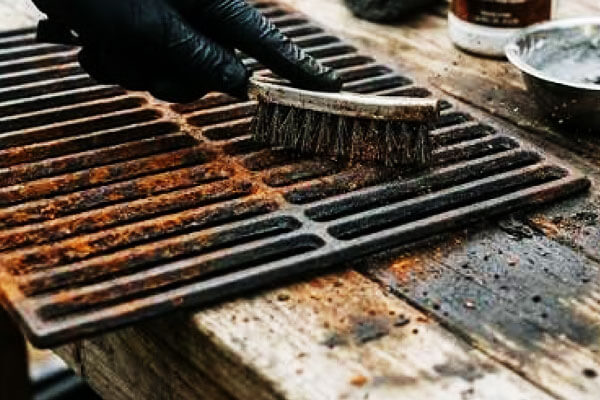
برس های سیمی
برس های سیمی عملکرد برش بیشتری نسبت به پشم فولادی دارند و به ویژه برای از بین بردن لایه های ضخیم زنگ زدگی موثر هستند., مقیاس شل, و خوردگی از سطوح بافت دار یا نامنظم.
برس های سیمی دستی کنترل عالی را برای تمیز کردن موضعی ارائه می دهند, در حالی که چرخ های سیم دوار نصب شده بر روی مته های برقی یا ماشین آسیاب به طور قابل توجهی بهره وری را در قطعات صنعتی بزرگتر بهبود می بخشد..
هنگام استفاده از برس های سیمی برقی, سرعت چرخش متوسط و فشار سبک توصیه می شود.
نیروی بیش از حد می تواند به جای تمیز کردن سطح، صیقل دهد, تولید گرمای غیر ضروری, یا به گریدهای چدن نرم تر آسیب برساند.
مزایا
- حذف سریع زنگ های متوسط تا سنگین
- مناسب برای سطوح ریخته گری نامنظم
- موثر در شیارها و ویژگی های فرورفته
محدودیت ها
- ممکن است سطوح تمام شده را خراش دهد
- برس های برقی نیاز به تجربه اپراتور دارند
- برای حفظ پوشش های تزئینی ایده آل نیست
ابزارهای چرخشی و آسیاب های زاویه ای
برای ریخته گری به شدت خورده شده است, ابزارهای چرخشی و آسیاب های زاویه ای یکی از سریع ترین روش های تمیز کردن مکانیکی را ارائه می دهند.
بسته به برنامه, آنها ممکن است با چرخ های سیمی نصب شوند, دیسک های فلپ, دیسک های ساینده, یا چرخ های تهویه سطح غیر بافته.
ابزارهای چرخشی به ویژه برای بازیابی موضعی ویژگی های پیچیده مفید هستند, در حالی که آسیاب های زاویه ای معمولاً در ریخته گری های صنعتی بزرگ استفاده می شوند, پایه ماشین, مؤلفه های ساختاری, و تجهیزات در فضای باز.
برای به حداقل رساندن آسیب, سنگ زنی باید با استفاده از سرعت های کم تا متوسط با حرکت مداوم ابزار انجام شود.
ماندن در یک مکان برای مدت طولانی ممکن است گرمای بیش از حد ایجاد کند, مواد اضافی را حذف کنید, یا ایجاد گوج های سطحی.
مزایا
- راندمان تمیز کنندگی بسیار بالا
- مناسب برای خوردگی سنگین و مقیاس زنگ ضخیم
- زمان ترمیم را به میزان قابل توجهی کاهش می دهد
محدودیت ها
- خطر بالای حذف فلز صدا
- جرقه و گرما تولید می کند
- برای مقاطع نازک یا سطوح دقیق نامناسب است
انفجار ساینده
انفجار ساینده به طور گسترده به عنوان یکی از موثرترین روش ها برای بازیابی قطعات چدن صنعتی به شدت زنگ زده در نظر گرفته می شود..
رسانه های ساینده با سرعت بالا زنگ زدگی را از بین می برند, پوشش های قدیمی, مقیاس آسیاب, و آلاینده ها در حالی که به طور همزمان سطح را برای رنگ آمیزی یا سایر اقدامات حفاظتی آماده می کنند.
رسانه های مختلف انفجار با توجه به هدف بازسازی انتخاب می شوند.
سنگ ریزه فولادی تمیز کردن تهاجمی را برای ریخته گری های سازه ای فراهم می کند, مهره های شیشه ای روی قطعات ماشین کاری شده، روکش های صاف تری ایجاد می کنند, در حالی که انفجار سودا جایگزین ملایم تری برای اجزای ظریف یا تاریخی است.
زیرا پارامترهای انفجار به شدت بر زبری سطح و دقت ابعاد تأثیر می گذارد, انفجار صنعتی باید به دقت توسط اپراتورهای مجرب کنترل شود.
مزایا
- تمیز کردن بسیار سریع سطوح بزرگ
- زنگ زدگی یکنواخت
- آماده سازی سطح عالی قبل از پوشش
- مناسب برای هندسه های پیچیده
محدودیت ها
- به تجهیزات تخصصی نیاز دارد
- هزینه عملیاتی بالاتر
- فشار بیش از حد انفجار ممکن است بخش های نازک را فرسایش دهد
- جمع آوری گرد و غبار مناسب و تجهیزات حفاظت فردی ضروری است
4. روش های شیمیایی زدودن زنگ زدگی
از بین بردن زنگ زدگی شیمیایی متکی است انحلال اسید, کیلاسیون, یا احیای الکتروشیمیایی برای از بین بردن محصولات خوردگی بدون سایش مکانیکی گسترده.
برخلاف نظافت مکانیکی, درمان های شیمیایی می توانند در شکاف های باریک نفوذ کنند, سوراخ های کور, مناطق رشته ای, و گودال های خوردگی عمیق که دسترسی به آنها به صورت دستی دشوار یا غیرممکن است.
سرکه سفید (اسید استیک)
سرکه سفید یکی از در دسترس ترین راه حل های زنگ زدایی برای ترمیم خانه است.
اسید استیک به تدریج اکسیدهای آهن را حل می کند, اجازه می دهد زنگ نرم شده با برس زدن سبک یا پشم فولادی از بین برود.
مخصوصاً برای ظروف آشپزی مناسب است, ابزارهای دستی, و اجزای کمی زنگ زده.
زیرا اسید استیک با آهن لخت نیز واکنش نشان می دهد, زمان خیساندن باید محدود باشد و قطعه باید به طور دوره ای در طول فرآیند بازرسی شود.
پس از درمان, ریخته گری باید کاملاً شسته شود, کاملا خشک شده, و بلافاصله برای جلوگیری از زنگ زدگی فلاش محافظت می شود.
مزایا
- ارزان و در دسترس است
- ساده برای استفاده
- برای خوردگی سبک تا متوسط موثر است
- مناسب برای ترمیم ظروف آشپزی در تماس با غذا
محدودیت ها
- آهسته در خوردگی سنگین
- خیساندن بیش از حد ممکن است به فلز پایه حمله کند
- محافظت فوری پس از درمان لازم است
اسید سیتریک
اسید سیتریک جایگزین ملایم تری برای سرکه می کند در حالی که قابلیت عالی زدودن زنگ را ارائه می دهد.
محصولات خوردگی را به طور موثر حل می کند، اما به طور کلی نسبت به آهن زیرین تهاجمی کمتری دارد, آن را برای اجزایی که نیاز به حفظ سطح بهتر دارند مناسب می کند.
زیرا محلول های اسید سیتریک در دوره های طولانی خیساندن موثر باقی می مانند, آنها اغلب برای قطعات حاوی حفره های کوچک ترجیح داده می شوند, هندسه های پیچیده, یا ویژگی های نخی که در آن مسواک زدن دشوار است.
به دنبال درمان, تمام باقی مانده های اسید باید با شستشو با آب تمیز قبل از خشک شدن و استفاده از پوشش های محافظ یا چاشنی حذف شوند..
مزایا
- ملایم بر فلز اصلی
- نفوذ خوب در هندسه های پیچیده
- خطر کمتر حمله فلزی بیش از حد
- سازگار با محیط زیست و کار با آن آسان است
محدودیت ها
- زمان درمان طولانی تر از اسیدهای قوی تر
- در مقیاس زنگ غلیظ کمتر موثر است
- ممکن است نیاز به تمیز کردن مکانیکی تکمیلی داشته باشد
زنگ زدای تجاری
محصولات تجاری زدودن زنگ به طور خاص برای بهبود راندمان تمیز کردن و در عین حال به حداقل رساندن آسیب به فلز زیرین فرموله شده اند.. آنها به طور کلی به سه دسته تقسیم می شوند.
کیلیت زدای زنگ به طور انتخابی اکسیدهای آهن را بدون حمله به فلز صدا متصل می کند, آنها را به ویژه برای ماشین آلات با ارزش مناسب می کند, اجزای دقیق, و بازسازی های عتیقه.
این محصولات اغلب به چندین ساعت غوطه وری نیاز دارند اما دقت ابعادی را به خوبی حفظ می کنند.
محصولات مبتنی بر اسید فسفریک واکنش شیمیایی با زنگ زدگی برای تشکیل یک لایه تبدیل فسفات آهن پایدار که مقاومت در برابر خوردگی موقت را بهبود می بخشد در حالی که سطح را برای رنگ آمیزی یا پوشش آماده می کند..
آنها معمولاً در تعمیر و نگهداری صنعتی و ترمیم خودرو استفاده می شوند.
فرمولاسیون اسید آلی عملکرد تمیز کردن متوسطی را ارائه می دهد و اغلب برای خوردگی سبک تا متوسط در جایی که درمان سریع مورد نظر است استفاده می شود.
مزایا
- راندمان تمیز کنندگی بالا
- به طور خاص برای از بین بردن زنگ زدگی طراحی شده است
- بسیاری از فرمولاسیون ها فلز پایه را حفظ می کنند
- مناسب برای کاربردهای صنعتی
محدودیت ها
- هزینه بالاتر از اسیدهای خانگی
- برخی از محصولات نیاز به رسیدگی دقیق دارند
- بسته به فرمولاسیون ممکن است تجهیزات حفاظتی لازم باشد
الکترولیز
الکترولیز به طور گسترده به عنوان یکی از موثرترین و کممخربترین تکنیکهای زدودن زنگ برای اجزای چدنی ارزشمند در نظر گرفته میشود..
به جای ساییدن مکانیکی سطح یا انحلال شیمیایی فلز پایه, الکترولیز از یک جریان مستقیم ولتاژ پایین برای تبدیل اکسیدهای آهن به رسوبات قابل جابجایی استفاده می کند و در عین حال ماده اصلی را تا حد زیادی بی تأثیر می گذارد..
این فرآیند معمولاً از الکترولیت سودا شستشو استفاده می کند, یک آند فولادی قربانی, و منبع تغذیه DC.
در طول درمان, محصولات خوردگی به تدریج از سطح ریخته گری جدا می شوند, از جمله زنگ واقع در حفره های عمیق و حفره های پیچیده.
زیرا الکترولیز علائم ماشینکاری اصلی را حفظ می کند, بافت های ریخته گری, و دقت بعدی, این به ویژه برای بازسازی عتیقه ارزشمند است, ماشین آلات دقیق, و اشیاء چدنی مهم تاریخی.
مزایا
- حذف حداقل فلز صدا
- تمیز کردن عالی گودال های عمیق و اشکال پیچیده
- جزئیات سطح اصلی را حفظ می کند
- نیاز به شستشوی مکانیکی کمی دارد
محدودیت ها
- زمان پردازش طولانی تر
- به تجهیزات اختصاصی و راه اندازی برق نیاز دارد
- برای ریخته گری های بسیار بزرگ کمتر کاربردی است
- گاز هیدروژن تولید شده در حین کار نیاز به تهویه کافی و اقدامات احتیاطی شدید ایمنی دارد
5. چگونه زنگ زدگی را از چدن پاک کنیم: فرآیند حذف زنگ زدگی گام به گام
زیر یک کلی است, رویکرد سیستماتیک برای از بین بردن زنگ زدگی از a تابه چدنی یا ظروف آشپزی. بر اساس شدت و روش انتخابی خود تنظیم کنید.
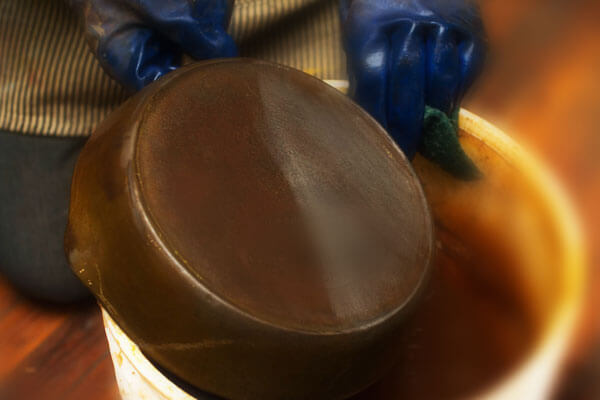
پله 1: تمیز کردن اولیه
هر گونه چربی را بردارید, روغن, یا باقی مانده مواد غذایی از سطح. از آب داغ و یک صابون ظرفشویی ملایم با اسفنج یا برس استفاده کنید. کاملاً بشویید و خشک کنید.
پله 2: ارزیابی و انتخاب روش
بر اساس ارزیابی شدت (بخش را ببینید 2), روش حذف زنگ خود را انتخاب کنید:
- زنگ سبک ← پشم فولادی (#0000) یا اسکراب نمک.
- زنگ زدگی متوسط ← خیساندن سرکه (20- 60 دقیقه) یا زنگ زدا تجاری.
- زنگ شدید → الکترولیز یا انفجار ساینده.
پله 3: روش انتخاب شده را اعمال کنید
برای خیساندن شیمیایی:
- مورد را در یک ظرف قرار دهید (پلاستیک یا شیشه; اجتناب از فلز).
- با محلول بپوشانید (سرکه, اسید سیتریک, یا محصول تجاری).
- برای مدت زمان توصیه شده خیس کنید (به صورت دوره ای چک کنید).
- برای از بین بردن زنگ شل شده آن را بردارید و با پشم فولادی بشویید.
- اگر زنگ زدگی باقی بماند, خیساندن را تکرار کنید یا به روشی تهاجمی تر بروید.
برای روش های مکانیکی:
- ناحیه زنگ زده را کاملاً مالش دهید یا سنباده بزنید.
- برای بررسی پیشرفت، مرتباً بشویید و خشک کنید.
- تا خالی شدن ادامه دهید, فلز زنگ نخورده قابل مشاهده است.
- اگر گودال باقی بماند, ممکن است نیاز به استفاده از دانه های ریزتر یا الکترولیز داشته باشید.
الکترولیز:
- حمام الکترولیز را راه اندازی کنید (وان پلاستیکی, اب, سودای شستشو, آند قربانی).
- مورد را در حمام معلق کنید (اجازه ندهید که آند را لمس کند).
- شارژر را وصل کنید (مثبت به آند, منفی به مورد).
- شارژر را روشن کنید و 6 تا 24 ساعت صبر کنید.
- مورد را حذف کنید, برای از بین بردن زنگ باقی مانده، با پشم فولادی مالش دهید, و آبکشی کنید.
پله 4: کاملاً بشویید و خشک کنید
پس از زدودن زنگ, مورد را با آب تمیز بشویید تا هر گونه باقیمانده شیمیایی از بین برود.
خشک کنید بلافاصله و کاملاً - از یک حوله استفاده کنید و سپس به مدت 2 تا 3 دقیقه روی شعله کم حرارت قرار دهید تا رطوبت باقی مانده تبخیر شود..
پله 5: خنثی کردن (در صورت نیاز)
اگر از اسید استفاده کرده اید (سرکه یا اسید سیتریک), سطح را با شستشو با آب و کمی محلول جوش شیرین خنثی کنید (1 قاشق غذاخوری جوش شیرین در 1 یک لیتر آب) برای متوقف کردن عمل اسید. دوباره با آب ساده بشویید.
پله 6: فوراً فصل را مجدداً پخش کنید
پس از خشک شدن مورد, یک لایه نازک روغن بمالید (دانه کتان, دانه انگور, کلزا, یا روغن نباتی) و فصل مجدد (بخش را ببینید 6).
این بسیار مهم است - اگر آهن بدون محافظ بماند ظرف چند دقیقه زنگ می زند.
6. بازیابی چدن پس از زدودن زنگ
از بین بردن زنگ زدگی تنها اولین مرحله از بازسازی یک جزء چدنی است.
زمانی که خوردگی از بین رفت, سطح آهن در معرض بسیار واکنش پذیر و حساس است زنگ زدگی فلاش, که می تواند در عرض چند دقیقه در شرایط مرطوب ایجاد شود.
بنابراین، پس از درمان مناسب برای بازیابی مقاومت در برابر خوردگی ضروری است, حفظ یکپارچگی سطح, و عمر مفید ریخته گری را افزایش دهید.
تمیز کردن و خنثی سازی کامل
پس از زدودن زنگ زدگی مکانیکی یا شیمیایی, هر ذرات ساینده باقی مانده, اکسید شل, یا بقایای مواد شیمیایی باید به طور کامل حذف شوند.
برای اجزای تمیز شده با محلول های اسیدی مانند سرکه یا اسید سیتریک, شستشوی کامل با آب تمیز برای خنثی کردن اسید باقی مانده و جلوگیری از خوردگی مداوم ضروری است.
در محیط های صنعتی, محلول های خنثی کننده قلیایی ممکن است برای اجزای در معرض اسیدهای قوی تر استفاده شود.
یک بار تمیز شد, سطح باید به دقت بررسی شود:
- لکه های زنگ زده باقی مانده
- گودال های خوردگی عمیق
- ترک یا عیوب ریخته گری
- آسیب سطحی که در حین بازسازی ایجاد می شود
- تغییرات ابعادی در مناطق ماشینکاری دقیق
یک تمیز, سطح بدون باقی مانده بهترین پایه را برای درمان های حفاظتی بعدی فراهم می کند.
خشک کردن کامل
رطوبت باقی مانده روی چدن تازه تمیز شده یکی از دلایل اصلی زنگ زدگی است.
روش های خشک کردن شامل:
- پاک کردن با پارچه های بدون پرز
- هوای فشرده برای سوراخ ها و حفره ها
- خشک کردن فر در دمای پایین
- حرارت ملایم روی اجاق گاز (برای وسایل آشپزی)
- کوره های خشک کن صنعتی برای ریخته گری های بزرگ
ریخته گری های پیچیده حاوی سوراخ های کور, معابر داخلی, یا ویژگی های رزوه ای نیاز به توجه خاصی دارند زیرا رطوبت به دام افتاده می تواند خوردگی موضعی را تسریع کند.
این جزء باید قبل از هرگونه روغن کاملاً خشک شود, چاشنی, یا پوشش محافظ اعمال شود.
چاشنی مجدد ظروف چدنی
برای وسایل آشپزی, چاشنی مهم ترین مرحله در روند ترمیم است.
بر خلاف رنگ یا آبکاری, شکل های چاشنی الف لایه غنی از کربن پلیمریزه شده با حرارت دادن یک لایه نازک روغن پخت و پز در بالای نقطه دود آن ایجاد می شود.
این لایه با پیوند شیمیایی هم به عنوان یک مانع خوردگی و هم به عنوان یک سطح پخت و پز به طور طبیعی نچسب عمل می کند..
روش چاشنی پیشنهادی
- ظروف را از قبل گرم کنید تا رطوبت باقیمانده از بین برود.
- بسیار نازک اعمال کنید, یک لایه روغن با نقطه دود بالا مانند روغن بذر کتان, روغن هسته انگور, روغن کانولا, یا روغن سویای تصفیه شده.
- روغن اضافی را پاک کنید تا سطح تقریباً خشک به نظر برسد.
- ظروف پخت و پز را وارونه در 200-230 درجه سانتی گراد (390-450 درجه فارنهایت) به مدت تقریبا یک ساعت.
- اجازه دهید داخل فر به طور طبیعی خنک شود.
- روند را تکرار کنید 2-4 بار برای ساخت یک لایه محافظ بادوام.
چند لایه چاشنی نازک معمولا دوام بهتری نسبت به یک پوشش ضخیم ایجاد می کند, که ممکن است چسبناک یا ناهموار شوند.
اعمال پوشش های محافظ در چدن صنعتی
اجزای چدن صنعتی معمولاً در محیط هایی کار می کنند که چاشنی نه عملی و نه مناسب است.
در عوض, حفاظت در برابر خوردگی متکی بر سیستم های پوشش مهندسی شده است که با توجه به شرایط خدمات انتخاب شده اند.
درمان های حفاظتی رایج عبارتند از:
- روغن های ضد زنگ
- واکس های نگهداری موقت
- پوشش های تبدیل فسفات
- پرایمرهای غنی از روی
- پوشش
- سیستم های رنگ پلی اورتان
- روکش پودری
برای تجهیزات فضای باز, اجزای دریایی, یا ماشین آلات فرآوری شیمیایی, سیستم های پوشش چندلایه ترکیبی از پرایمرها و روکش های با کارایی بالا، مقاومت درازمدت بالایی در برابر خوردگی ایجاد می کنند..
صافکاری و ماشینکاری سطوح
خوردگی شدید ممکن است حفره های موضعی ایجاد کند, قبیله, یا بی نظمی ابعادی پس از زدودن زنگ.
جایی که سطوح عملکردی تحت تأثیر قرار می گیرند, ممکن است عملیات تکمیلی اضافی مورد نیاز باشد.
فرآیندهای مرمت معمولی عبارتند از:
- سنگ زنی سطحی
- لپه
- ماشینکاری دقیق
- هونگ کردن
- جلا دادن
این عملیات دقت ابعادی را بازیابی میکند و عملکرد آببندی را روی سطوح ماشینکاری شده مانند محفظه پمپ بهبود میبخشد, بدنهای, صندلی های بلبرینگ, و اجزای موتور.
برای وسایل آشپزی و ریخته گری های تزئینی, ماشینکاری گسترده معمولاً غیر ضروری است مگر اینکه خوردگی شدید سطح را به طور قابل توجهی تغییر داده باشد.
بازرسی نهایی قبل از استفاده مجدد
قبل از برگرداندن کامپوننت بازیابی شده به سرویس, یک بازرسی نهایی کیفیت باید تأیید کند که اهداف مرمت محقق شده است.
موارد بازرسی معمولی شامل:
- زدودن کامل زنگ زدگی
- پرداخت سطحی یکنواخت
- عدم وجود خوردگی فعال
- یکپارچگی پوشش یا چاشنی
- دقت
- تمیزی سطح
- عملکرد عملکردی سطوح ماشینکاری شده یا آب بندی
برای ریخته گری های صنعتی که در کاربردهای نگهدارنده فشار یا سازه استفاده می شود, آزمایش غیر مخرب اضافی (NDT), تست فشار, یا بازرسی ابعادی ممکن است بسته به استانداردهای مهندسی قابل اجرا مورد نیاز باشد.
7. جلوگیری از زنگ زدگی آینده
جلوگیری از زنگ زدگی به طور قابل توجهی مقرون به صرفه تر و موثرتر از حذف مکرر آن است.
هنگامی که حفاظت در برابر خوردگی به خطر بیفتد, چدن با رطوبت شروع به اکسید شدن می کند, اکسیژن, و شرایط محیطی مناسب وجود دارد.
اجرای اقدامات پیشگیرانه مناسب می تواند عمر مفید ظروف را به میزان قابل توجهی افزایش دهد, ماشین آلات, اجزای خودرو, و ریخته گری های صنعتی.
یک استراتژی موثر پیشگیری از خوردگی ترکیب می شود حفاظت از سطح, کنترل محیطی, نگهداری روتین, و بازرسی منظم.
چدن را تمیز و خشک نگه دارید
رطوبت تنها مهم ترین عاملی است که در تشکیل زنگ نقش دارد.
بعد از هر بار استفاده یا تمیز کردن:
- خاک را از بین ببرید, چرب کردن, و آلاینده ها.
- بلافاصله سطح را خشک کنید.
- آب محبوس شده در سوراخ ها را از بین ببرید, نخ, و حفره ها.
- از قرار گرفتن طولانی مدت در معرض باران خودداری کنید, متراکم شدن, یا آب ایستاده.
برای وسایل آشپزی, حرارت دادن کوتاه پس از شستشو به طور موثر رطوبت باقیمانده را قبل از چاشنی یا روغن کاری تبخیر می کند.
لایه های سطحی محافظ را حفظ کنید
یک سد محافظ مداوم مانع از تماس اکسیژن و آب با سطح آهن می شود.
بسته به برنامه, حفاظت ممکن است شامل شود:
- چاشنی پلیمریزه شده (وسایل آشپزی)
- روغن معدنی یا ماشین
- موم ضد زنگ
- پوشش
- روکش پودری
- پرایمرهای غنی از روی
- سیستم های رنگ صنعتی
پوشش های محافظ باید به صورت دوره ای بازرسی شوند و در صورت آسیب دیدن در اثر سایش، به سرعت تعمیر شوند, تأثیر, یا قرار گرفتن در معرض مواد شیمیایی.
چدن را در یک محیط کنترل شده ذخیره کنید
شرایط ذخیره سازی تأثیر قابل توجهی بر نرخ خوردگی دارد.
شیوه های توصیه شده شامل:
- رطوبت نسبی کم (ترجیحا زیر 50%)
- دمای پایدار
- گردش هوا خوب
- تمیز, مناطق ذخیره سازی خشک
- محافظت در برابر نمک پاشی و آلاینده های صنعتی
ریخته گری های صنعتی دقیقی که برای ذخیره سازی طولانی مدت در نظر گرفته شده اند، اغلب با آنها بسته بندی می شوند خشک کننده ها یا بازدارنده های خوردگی بخار (VCI ها) برای کاهش خوردگی ناشی از رطوبت در حین حمل و نقل و انبارداری.
بازرسی و نگهداری معمولی را انجام دهید
تعمیر و نگهداری منظم امکان تشخیص زودهنگام خوردگی را قبل از وقوع آسیب گسترده فراهم می کند.
بازرسی باید بر:
- تغییر رنگ سطح
- آسیب به رنگ یا پوشش
- لکه های زنگ زدگی
- تجمع آب
- خوردگی اطراف اتصال دهنده ها
- سایش روی سطوح ماشین کاری شده
- ضخامت پوشش (که در آن قابل اجرا است)
اجزای سازنده در دریا, شیمیایی, یا محیط های بیرون به طور کلی نیاز به بازرسی های مکرر نسبت به محیط های داخلی دارند.
از علل شایع خوردگی اجتناب کنید
بسیاری از موارد زنگ زدگی ناشی از جابجایی نامناسب به جای شرایط سخت خدمات است.
علل شایع عبارتند از:
- نگهداری چدن در حالت مرطوب
- گذاشتن ظروف برای خشک شدن در هوا به طور طبیعی
- پوشش های محافظ آسیب دیده
- قرار گرفتن طولانی مدت در معرض مواد شیمیایی اسیدی یا قلیایی
- تماس با آب شور
- تمیز کردن ناکافی پس از استفاده
- تهویه ضعیف در حین نگهداری
پرداختن به این عوامل به طور قابل توجهی احتمال خوردگی مکرر را کاهش می دهد.
یک برنامه نگهداری پیشگیرانه ایجاد کنید
برای تجهیزات صنعتی, پیشگیری از خوردگی باید بخشی از یک برنامه تعمیر و نگهداری ساختاریافته را تشکیل دهد تا اینکه صرفاً بر تعمیرات اصلاحی تکیه کند.
یک برنامه پیشگیرانه جامع معمولاً شامل:
- نظافت برنامه ریزی شده
- روغن کاری دوره ای
- بازرسی و تعمیر پوشش
- پایش محیط زیست
- ارزیابی خوردگی
- مستندات تاریخچه تعمیر و نگهداری
- تعویض سیستم های حفاظتی آسیب دیده در صورت لزوم
چنین برنامه هایی قابلیت اطمینان تجهیزات را بهبود می بخشد, کاهش زمان توقف غیرمنتظره, و کاهش هزینه های نگهداری طولانی مدت.
8. حذف زنگ چدن برای کاربردهای مختلف
محصولات مختلف چدن به دلیل عملکرد مورد نیازشان به استراتژی های بازسازی متفاوتی نیاز دارند, پرداخت های سطحی, و محیط های خدمات به طور قابل توجهی متفاوت است.
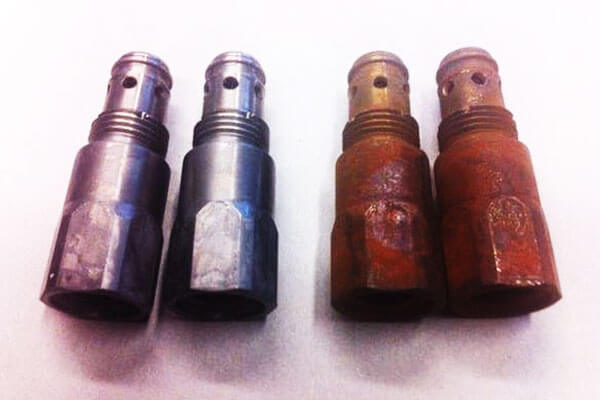
ظروف چدنی
نمونه ها شامل:
- مهارت
- اجاق های هلندی
- تابه های گریل
- توری
- واکس
رویکرد توصیه شده:
- پشم فولادی
- سرکه یا اسید سیتریک (در صورت لزوم)
- خشک کردن کامل
- چرخه چاشنی های متعدد
حفظ لایه چاشنی برای مقاومت در برابر خوردگی و عملکرد پخت ضروری است.
ابزار چدن
نمونه ها شامل:
- گیره های نیمکتی
- هواپیماهای نجاری
- میزهای پرس مته
- سندان
- لوازم جانبی ماشین
درمان توصیه شده:
- مسواک زدن سیمی
- سنباده زنی ریز
- زنگ زدا
- روغن یا موم محافظ
سطوح ماشینکاری شده باید به دقت صیقل داده شوند تا دقت ابعاد حفظ شود.
اجزای خودرو
قطعات چدنی معمولی خودرو عبارتند از:
- روتورهای ترمز
- بلوک موتور
- منیفولدهای اگزوز
- فلایویل ها
- محفظه های دیفرانسیل
ترمیم توصیه شده به جزء بستگی دارد.
روتورهای ترمز معمولاً زنگ زدگی سطحی ایجاد می کنند که در هنگام ترمزگیری از بین می رود, در حالی که بلوک های موتور برای محافظت از سطوح واشر و سوراخ های ماشینکاری شده نیاز به تمیز کردن دقیق دارند.
ریخته گری صنعتی
قطعات چدن صنعتی شامل:
- محفظه پمپاژ
- بدنهای
- پایه ماشین
- پوشش های کمپرسور
- اتصالات لوله
- جعبه دنده
ریخته گری های بزرگ معمولاً با استفاده از آن بازسازی می شوند:
- انفجار ساینده
- تمیز کردن شیمیایی
- پوشش های صنعتی
- ماشینکاری دقیق (در صورت لزوم)
سیستم های پوشش محافظ با توجه به شرایط سرویس مانند رطوبت انتخاب می شوند, قرار گرفتن در معرض شیمیایی, و نصب در فضای باز.
9. مقایسه روش های حذف زنگ
انتخاب مناسب ترین روش حذف زنگ بستگی به شدت خوردگی دارد, اهداف مرمت, هندسه جزء, محدودیت های هزینه, و کیفیت سطح مطلوب. هیچ روش واحدی برای هر برنامه ای ایده آل نیست.
مقایسه زیر نقاط قوت و محدودیت های پرکاربردترین روش های زدودن زنگ را نشان می دهد.
| روش از بین بردن زنگ زدگی | شدت زنگ زدگی | سرعت تمیز کردن | هزینه | خطر آسیب سطح | حفظ فلز | برنامه های معمولی |
| پشم فولادی | سبک | واسطه | خیلی کم | خیلی کم | عالی | وسایل آشپزی, بازیگران تزئینی |
| کاغذ سنباده | سبک – متوسط | واسطه | کم | کم | خیلی خوب | ترمیم عمومی |
| برس سیمی | معتاد | سریع | کم | واسطه | خوب | ابزار, ماشین آلات |
| چرخ سیم دوار | متوسط – سنگین | سریع | کم | واسطه | خوب | تعمیر و نگهداری صنعتی |
| آسیاب زاویه ای | سنگین | خیلی سریع | واسطه | عالی | عادلانه | ریخته گری سازه های بزرگ |
| سرکه سفید | سبک – متوسط | آهسته | خیلی کم | خیلی کم | عالی | وسایل آشپزی خانگی |
اسید سیتریک |
متوسط – سنگین | واسطه | کم | خیلی کم | عالی | اجزای دقیق |
| زنگ زدای کیلیت | متوسط – سنگین | واسطه | واسطه | خیلی کم | برجسته | ماشین آلات با ارزش, قطعات عتیقه |
| اسید فسفریک | سنگین | سریع | واسطه | کم | خیلی خوب | تجهیزات صنعتی |
| الکترولیز | سنگین | آهسته | واسطه | خیلی کم | برجسته | ریخته گری عتیقه, قطعات پیچیده |
| انفجار ساینده | سنگین | خیلی سریع | عالی | واسطه (بستگی به رسانه دارد) | خیلی خوب | ریخته گری های صنعتی بزرگ |
10. پایان
زنگ زدگی یکی از رایج ترین مسائلی است که چدن را تحت تاثیر قرار می دهد, اما هنگامی که با تکنیک های صحیح ترمیم و اقدامات پیشگیرانه مورد توجه قرار گیرد، یکی از قابل کنترل ترین ها نیز می باشد.
آیا در حال بازیابی یک تابه چدنی کم اکسید شده, نوسازی ابزار دستی عتیقه, یا نگهداری از ریخته گری های صنعتی بزرگ, حذف موفقیت آمیز زنگ نیاز به درک کامل مکانیسم های خوردگی دارد, ویژگی های مواد, و الزامات خاص برنامه.
درمان اعمال شده نیز به همان اندازه مهم است پس از حذف زنگ زدگی. چدن تازه تمیز شده بسیار واکنش پذیر است و در صورت عدم محافظت می تواند در مدت کوتاهی زنگ زدگی ایجاد کند..
برای وسایل آشپزی, چرخه های متعدد چاشنی یک لایه روغن پلیمریزه بادوام ایجاد می کند که در برابر رطوبت مقاومت می کند و عملکرد پخت و پز را بهبود می بخشد..
برای ریخته گری های صنعتی, پوشش های محافظ مانند رنگ اپوکسی, روکش پودری, پوشش های تبدیل فسفات, روغن های بازدارنده خوردگی, یا موم ها در شرایط عملیاتی سخت، مقاومت درازمدت در برابر خوردگی ایجاد می کنند.
نگهداری پیشگیرانه همچنان مقرون به صرفه ترین استراتژی برای افزایش طول عمر محصولات چدنی است.
تمیز کردن مناسب, خشک شدن فوری, بازرسی معمول, تعمیر به موقع پوشش های آسیب دیده, و ذخیره سازی در محیط های کنترل شده می تواند به طور قابل توجهی خرابی های مرتبط با خوردگی را کاهش دهد و در عین حال هزینه های تعمیر و نگهداری را کاهش دهد.
متداول
آیا می توان چدن بسیار زنگ زده را بازسازی کرد?
بله. در بیشتر موارد, حتی چدن به شدت زنگ زده را می توان با موفقیت بازسازی کرد, به شرطی که خوردگی باعث آسیب شدید ساختاری یا تلفات بیش از حد مواد نشده باشد.
زنگ زدگی سطحی و لایه های اکسید ضخیم را می توان با استفاده از برس سیمی از بین برد, انفجار ساینده, زنگ زدای شیمیایی, یا الکترولیز.
هر چند, اگر حفره های عمیق اجزای حاوی فشار یا سازه های باربر را به خطر بیندازند, ارزیابی مهندسی قبل از بازگشت قطعه به سرویس توصیه می شود.
آیا سرکه برای از بین بردن زنگ از چدن بی خطر است?
بله. سرکه سفید (معمولا حاوی 5-8٪ اسید استیک است) برای از بین بردن زنگ های سبک تا متوسط موثر است.
هر چند, از خیساندن طولانی مدت باید اجتناب شود زیرا قرار گرفتن در معرض اسید بیش از حد ممکن است پس از حل شدن زنگ شروع به حمله به آهن زیرین کند..
نظارت مداوم در طول خیساندن توصیه می شود.
آیا الکترولیز به چدن آسیب می رساند؟?
هیچ. زمانی که به درستی اجرا شود, الکترولیز یکی از کم مخرب ترین روش های حذف زنگ موجود است.
بر خلاف سنگ زنی یا انفجار, الکترولیز خوردگی را از طریق کاهش الکتروشیمیایی بدون حذف قابل توجهی فلز اصلی حذف می کند.
این امر آن را به ویژه برای ریخته گری های عتیقه مناسب می کند, اجزای دقیق, و پروژه های مرمتی ارزشمند.
آیا چدن باید همیشه بعد از زنگ زدگی چاشنی شود?
برای ظروف چدنی, بله. چاشنی یک لایه روغن پلیمریزه ایجاد می کند که از آهن در برابر رطوبت محافظت می کند و در عین حال سطح پخت و پز به طور طبیعی نچسب ایجاد می کند..
قطعات چدن صنعتی معمولاً نیازی به چاشنی ندارند.
در عوض, آنها با استفاده از رنگ محافظت می شوند, پوشش های پودری, روغن های بازدارنده خوردگی, پوشش های فسفاته, یا سایر عملیات سطح صنعتی مناسب با محیط خدمات.
چدن می تواند زنگ بزند حتی پس از چاشنی یا رنگ آمیزی?
بله. لایه های محافظ به طور قابل توجهی خوردگی را کاهش می دهند اما نمی توانند آن را به طور کامل از بین ببرند.
ادویه ها می توانند از طریق پخت و پز از بین بروند, نظافت, یا سایش, در حالی که رنگ یا پوشش پودری ممکن است ترک بخورد, تراشه, یا در حین سرویس آسیب ببیند.
هنگامی که مانع محافظ در معرض خطر قرار گیرد, رطوبت و اکسیژن می تواند به آهن زیرین برسد و شروع به خوردگی کند.
بازرسی منظم و نگهداری به موقع برای حفظ حفاظت طولانی مدت ضروری است.