

مقدمه
فولاد آلیاژی ریخته گری سرمایه گذاری یک مسیر ساخت دقیق است که ترکیبی از این است قابلیت نزدیک به خالص شکل ریخته گری سرمایه گذاری با مکانیکی, پوشیدن, خوردگی, و عملکرد دمایی فولادهای آلیاژی.
در چارچوب استانداردهای ریخته گری فولاد ASTM, ریخته گری سرمایه گذاری در نوع خود یک مقوله رسمی است,
و مجموعه مشخصات قابل اجرا فولادهای کربنی را در بر می گیرد, فولادهای کم آلیاژ, فولادهای منگنزی آستنیتی, فولادهای آهن کروم و آهن کروم نیکل مقاوم در برابر حرارت,
خانواده های ضد زنگ مقاوم در برابر خوردگی, خانواده های دوبلکس, رسوب سخت شدن ضد زنگ, آلیاژهای نیکل, و گریدهای سازه ای با مقاومت بالا.
این وسعت یکی از قویترین سیگنالهایی است که نشان میدهد این فرآیند چقدر بالغ و از نظر متالورژی مهم است.
1. ریخته گری سرمایه گذاری فولاد آلیاژی چیست؟?
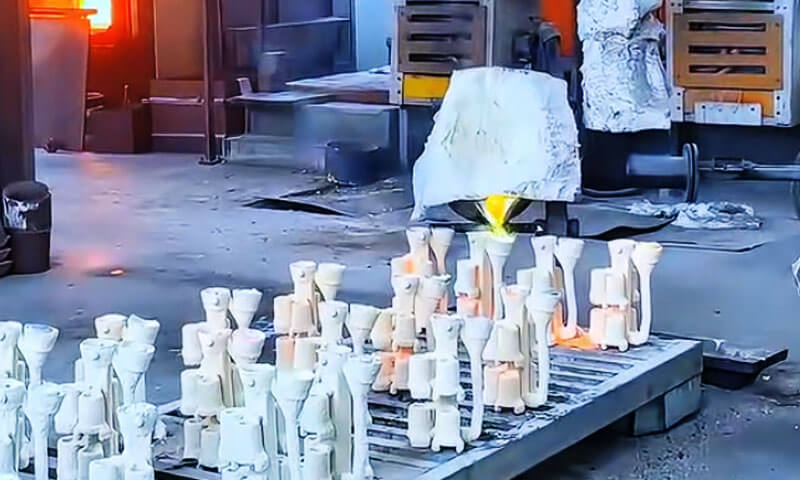
فولاد آلیاژی سرمایه گذاری سرمایه گذاری فرآیند ساخت قطعات فولادی یا فولادی آلیاژی با تولید ابتدا الگوی مومی است, ساختن یک پوسته سرامیکی در اطراف آن, موم زدایی پوسته, و سپس ریختن فلز مذاب به داخل حفره.
این روش همچنین به عنوان شناخته شده است روند موم از دست رفته, و منابع ریخته گری آن را به عنوان یک مسیر ریخته گری دقیق توصیف می کنند که می تواند از قالب های پوسته و, در برخی از انواع, ریختن خلاء یا گرانش.
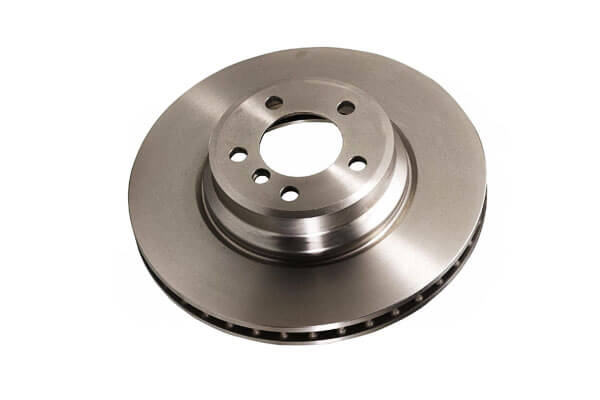
از منظر مهندسی, این فرآیند به بهترین وجه به عنوان یک درک می شود استراتژی تولید فولاد به شکل نزدیک به شبکه.
پوسته سرامیکی هندسه خوبی را به تصویر می کشد, در حالی که آلیاژ فولاد و عملیات حرارتی بعدی عملکرد مکانیکی نهایی را ارائه می دهد.
چون ریخته گری در حال حاضر به ابعاد نهایی خود نزدیک شده است, این فرآیند می تواند مقدار ماشینکاری مورد نیاز بعدا را کاهش دهد, مخصوصاً در قطعاتی با ویژگیهای پیچیده که ماشینکاری معمولی آنها دشوار است.
یک راه مفید برای خلاصه کردن فرآیند این است که پوسته شکل را می سازد, فولاد خواص را می سازد, و عملیات حرارتی متالورژی را به پایان می رساند.
به همین دلیل است که ریخته گری سرمایه گذاری فولاد آلیاژی در کاربردهایی استفاده می شود که هندسه و عملکرد باید با هم بهینه شوند و نه جداگانه..
2. خانواده های آلیاژی رایج و درجه های نمایندگی
| خانواده آلیاژی | استانداردهای نمایندگی / درجه | شخصیت مهندسی معمولی | منطق خدمات مشترک |
| ریخته گری سرمایه گذاری فولاد کربنی | عید A27 نمرات مانند 60-30, 70-36, 70-40; عید A216 نمرات مانند WCA و WCB; عید A732 برای ریخته گری های سرمایه گذاری کربن و آلیاژ پایین; عید A957 الزامات مشترک. | قدرت و اقتصاد پایه, با عملیات حرارتی برای تنظیم خواص استفاده می شود. | قطعات صنعتی عمومی, ماشین آلات, اجزای مرتبط با فشار, و سخت افزار ساختاری. |
| ریخته گری های سرمایه گذاری فولاد کم آلیاژ | عید A732 ریخته گری های سرمایه گذاری کم آلیاژ; عید A958 نمرات مانند 60-30, 65-35, 70-36, 70-40; عید A148 نمرات سازه ای از 80-40 از طریق 210-180. | سختی پذیری و تنظیم خاصیت بهتر از فولادهای کربنی ساده. | قطعات سنگینتر که نیاز به واکنش خاموش کردن و تمپر یا نرمال کردن و تمپر دارند. |
| فولاد منگنز آستنیتی | عید A128/A128M در زیر چتر A957 ذکر شده است. | کار سخت شدن, رفتار مقاوم در برابر ضربه. | خدمات سنگین که در آن چقرمگی و مقاومت در برابر تغییر شکل اهمیت دارد. |
فولادهای آهن کروم و آهن کروم نیکل مقاوم در برابر حرارت |
عید A297/A297M, از جمله نمرات مورد استفاده برای خدمات مقاوم در برابر حرارت مانند HF, HH, سلام, HK, او, HT در خانواده استاندارد خلاصه شده توسط SFSA. | برای پایداری در دمای بالا و مقاومت در برابر اکسیداسیون طراحی شده است. | سخت افزار کوره, اجزای بخش داغ, و قطعات سرویس حرارتی. |
| ضد زنگ مقاوم در برابر خوردگی / خانواده های دوبلکس | عید A743/A743M, A744/A744M, A747/A747M; عید A890/A890M ریخته گری دوبلکس. | مقاومت در برابر خوردگی و متالورژی خاص کاربرد. | شیمیایی, دریایی, و محیط های حاوی فشار. |
| آلیاژهای ویژه با دمای بالا | عید A447, A494, A560, A1002 در محدوده A957 ذکر شده است. | عملکرد با درجه حرارت بالا یا خدمات ویژه با هدف هدف گذاری محدود. | قطعات با سرویس شدید که در آن فولادهای استاندارد کافی نیستند. |
چشم انداز استاندارد خود داستان را بیان می کند: ریخته گری سرمایه گذاری فولاد آلیاژی یک طاقچه تک ماده ای نیست,
اما خانواده وسیعی از فولادها که توسط الزامات رایج و دسته بندی های تخصصی شیمی/عملکرد اداره می شود.
مشخصات A957 ASTM در اینجا اهمیت ویژه ای دارد زیرا به عنوان یک چارچوب مورد نیاز مشترک برای ریخته گری های سرمایه گذاری فولاد و آلیاژ عمل می کند.,
در حالی که A732 به طور خاص ریخته گری کربن و فولاد کم آلیاژ را برای کاربردهای عمومی پوشش می دهد.
3. گردش کار کامل تولید ریخته گری سرمایه گذاری فولاد آلیاژی
| پله | چه اتفاقی می افتد | چرا مهم است |
| 1. الگوسازی | یک ماکت مومی یا پلاستیکی از قسمت نهایی تولید می شود. | این الگو هندسه نزدیک به شبکه و مبنای ابعادی ریخته گری را مشخص می کند. |
| 2. مجمع / دروازه | الگوها ممکن است به یک اسپرو مرکزی متصل شوند تا یک خوشه تشکیل دهند. | این خوشه نحوه ورود فلز و نحوه مدیریت انقباض را کنترل می کند. |
| 3. ساختمان پوسته | مجموعه الگو به طور مکرر در دوغاب سرامیکی فرو می رود و با مواد نسوز پوشانده می شود تا زمانی که پوسته ای ساخته شود.. | پوسته به حفره قالب تبدیل می شود و باید به اندازه کافی قوی باشد تا فلز و بار حرارتی را نگه دارد. |
| 4. موهای زائد | موم ذوب می شود, معمولاً توسط اتوکلاو بخار یا فرسودگی مبتنی بر احتراق. | یک حفره توخالی ایجاد می کند که دقیقاً با الگو مطابقت دارد. |
| 5. شلیک گلوله / از پیش گرم کردن | پوسته سرامیکی قبل از ریختن شلیک می شود. | باقیمانده ها را از بین می برد و قالب را برای پر شدن و انجماد پایدار گرم می کند. |
6. ریختن |
فولاد آلیاژی مذاب داخل پوسته داغ ریخته می شود. | این جایی است که قابلیت پر شدن دارد, سیالیت, و کنترل حرارتی بیشترین اهمیت را دارد. |
| 7. تثبیت | فلز در داخل پوسته یخ می زند. | انجماد ساختار دانه را کنترل می کند, انقباض, و بسیاری از کیفیت نهایی. |
| 8. ناک اوت و تمیز کردن | پوسته شکسته شده و ریخته گری تمیز می شود, کوتاه شده, و برای بازرسی آماده شد. | قسمت ناهموار را به یک جزء فولادی قابل استفاده تبدیل می کند. |
| 9. عملیات حرارتی | ریخته گری ممکن است عادی شود, نرمال و معتدل, یا بسته به درجه، خاموش و تمپر شده است. | قدرت نهایی را تنظیم می کند, سختی, سختی, و انعطاف پذیری. |
| 10. بازرسی / اتمام | بررسی های بعدی, بررسی های سطحی, و هر گونه ماشینکاری مورد نیاز تکمیل شده است. | تأیید می کند که قطعه با الزامات مواد و هندسه مشخص شده مطابقت دارد. |
یک راه قوی برای تفکر در مورد گردش کار این است که ریخته گری سرمایه گذاری فولاد آلیاژی است نه فقط "ریختن فولاد در قالب".
این یک دنباله از انتقال شکل است, مهندسی پوسته, کنترل حرارتی, و توسعه اموال متالورژی. قسمت پایانی حاصل کار هر چهار با هم است.
4. چرا ریخته گری سرمایه گذاری فولاد آلیاژی اهمیت دارد؟
ریخته گری سرمایه گذاری فولاد آلیاژی اهمیت دارد زیرا به مهندسان اجازه می دهد تا قطعاتی را بسازند از نظر هندسی پیچیده اما هنوز نیاز است عملکرد در سطح فولاد.
ادبیات صنعت در مورد ریخته گری سرمایه گذاری بر تولید تقریباً خالص تأکید دارد, پایان سطح عالی, جزئیات خوب, و توانایی حذف یا کاهش آسیاب پرهزینه, معکوس, حفاری, و مراحل سنگ زنی.
این مزیت شکل نزدیک به شبکه به ویژه زمانی مهم می شود که ماشین کاری مواد دشوار باشد یا هندسه آن برای ساخت اقتصادی از انبار پیچیده باشد..
در زمینه سرمایه گذاری-ریخته گری, طراح اغلب می تواند به تحمل نزدیک و شکل دقیق در یک فرآیند دست یابد, سپس ماشینکاری را فقط برای چهره های بحرانی رزرو کنید, نخ, یا سطوح جفت گیری.
به عبارت دیگر, ریخته گری سرمایه گذاری فولاد آلیاژی ارزشمند است زیرا به سازندگان اجازه می دهد تا بهینه سازی کنند هزینه کل قطعه, نه فقط هزینه مواد خام یا هزینه ماشینکاری به صورت جداگانه.
به همین دلیل است که این فرآیند در کاربردهای فولادی با ارزش بالا که چرخه عمر کامل قطعه اهمیت دارد، همچنان مهم است.
5. چالش های فنی اصلی و کنترل کیفیت
کنترل جامد سازی
انجماد لحظه حیاتی در هر بازیگری است.
مرجع انجماد ASM اشاره می کند که انجماد به شدت بر ریزساختار و خواص مکانیکی تأثیر می گذارد, به همین دلیل است که کنترل حرارتی در هنگام انجماد در عمل ریختهگری صدا بسیار مهم است.
در ریخته گری سرمایه گذاری فولاد آلیاژی, انجماد ساختار دانه را تعیین می کند, رفتار انقباض, و توزیع نهایی عیوب.
انقباض و تخلخل
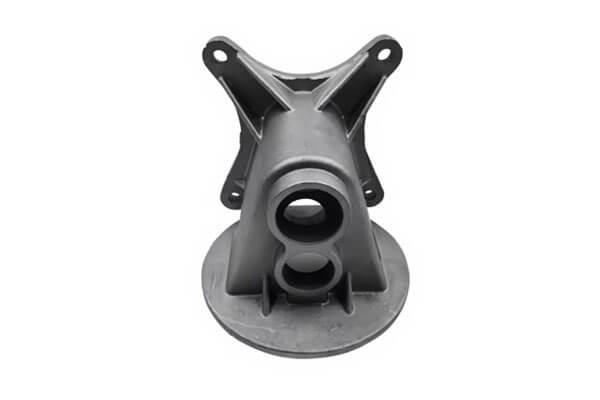
اگر تغذیه کافی نیست یا مسیر حرارتی ضعیف طراحی شده است, حفره های انقباض یا تخلخل می توانند در نواحی انجماد آخر ایجاد شوند.
این ریسک به ویژه در ریختهگریهای پیچیده سرمایهگذاری فولاد مهم است زیرا بخش تغییر میکند, رئیس های ضخیم, و نقاط داغ جدا شده می توانند فلز مایع را به گونه ای به دام بیندازند که از بیرون مشخص نیست.
یک سیستم اسپرو/درخت به درستی ساخته شده و یک پوسته با کیفیت بالا به حفظ تخلخل در درخت به جای ریختهگری کمک میکند..
کنترل ترکیب
ASTM A957 به صراحت به مواد شیمیایی نیاز دارد, گرم کردن, و تجزیه و تحلیل محصول برای عناصری مانند کربن, منگنز, سیلیکون, فسفر, گوگرد, نیکل, کروم, مولیبدن, ودیوم, تنگستن, مس, و آلومینیوم.
این بدان معناست که ریختهگری سرمایهگذاری فولاد آلیاژی بر اساس طراحی از نظر شیمیایی نظم دارد; اگر شیمی آن خاموش باشد، کافی نیست که یک قطعه درست به نظر برسد.
حساسیت به عملیات حرارتی
عملیات حرارتی بخشی از سیستم کیفیت است, یک فکر بعدی نیست.
خلاصه ریخته گری فولاد SFSA شرایط رایج ریخته گری سرمایه گذاری مانند بوها (ساکت شده), حرف (عادی شده), NT (نرمال و معتدل), وت qt (خاموش و دلخراش).
این نامگذاریها نشاندهنده این واقعیت است که ریختهگری یکسان را میتوان با حالتهای بسیار متفاوت بسته به شرایط خدمات مورد نظر تنظیم کرد..
کنترل سطح و بازرسی
زیرا انتظار می رود ریخته گری سرمایه گذاری به شکل نهایی نزدیک شود, کیفیت سطح و پذیرش بصری بخشی از منطق فرآیند است.
چارچوب های مرجع ASTM و SFSA هر دو ریخته گری سرمایه گذاری را به عنوان محصولات فولادی دقیق با الزامات پذیرش و تجزیه و تحلیل تعریف شده در نظر می گیرند.,
به همین دلیل بازرسی, نظافت, و بررسی سطح عناصر اصلی فرآیند هستند تا مراحل تکمیلی اختیاری.
6. عملیات حرارتی و تنظیم خواص
عملیات حرارتی یکی از مهم ترین مراحل ارزش افزوده در ریخته گری سرمایه گذاری فولاد آلیاژی است.
ریخته گری به قسمت شکل می دهد, اما عملیات حرارتی تعادل نهایی را به آن می دهد قدرت, سختی, سختی, انعطاف پذیری, و ثبات بعدی.
برای بسیاری از ریخته گری فولاد آلیاژی, شرایط as-cast فقط یک حالت میانی است; عملکرد مهندسی واقعی پس از تکمیل چرخه حرارتی ایجاد می شود.
مسیرهای متداول عملیات حرارتی
بازپخت
برای نرم کردن قالب استفاده می شود, ماشین کاری را بهبود بخشد, و استرس درونی را کاهش دهد.
اغلب زمانی انتخاب می شود که قطعه به ماشینکاری بیشتر نیاز دارد یا زمانی که ریخته گری باید قبل از پردازش بعدی تثبیت شود.
عادی سازی
برای اصلاح ساختار دانه و بهبود یکنواختی خواص استفاده می شود.
نرمال سازی به ویژه زمانی مفید است که ریخته گری به ترکیب متعادل تری از استحکام و چقرمگی نسبت به ساختار ریخته گری نیاز دارد..
نرمال کننده و معتدل
یک مسیر مشترک برای بسیاری از قطعات ریخته گری کربن و فولاد کم آلیاژ. مرحله نرمال سازی ساختار را اصلاح می کند, در حالی که تمپر کردن به کنترل شکنندگی و بهبود چقرمگی خدمات کمک می کند.
خاموش کردن و مزاج
زمانی استفاده می شود که به استحکام و سختی بالاتری نیاز باشد. کوئنچ ساختار سخت تری ایجاد می کند, و مزاج تعادل نهایی بین قدرت و چقرمگی را تنظیم می کند.
درمان راه حل / درمان های تثبیت کننده
برای ریختهگریهای آلیاژی خاص و ضد زنگ برای کنترل مقاومت در برابر خوردگی استفاده میشود, ثبات فاز, و رفتار ابعادی.
نمونه های عملی
- ریخته گری سرمایه گذاری فولاد کربنی اغلب از آنیل استفاده می کنند, عادی شده, یا شرایط عادی و معتدل.
- ریخته گری فولاد کم آلیاژ ممکن است برای رسیدن به سطوح استحکام بالاتر نیاز به درمان خاموش کردن و تمپر داشته باشد.
- ریخته گری مقاوم در برابر حرارت یا ضد زنگ ممکن است نیاز به راه حل داشته باشد, تثبیت, یا سیکل های حرارتی ویژه بسته به درجه و محیط سرویس.
7. کاربردهای معمول ریخته گری سرمایه گذاری فولاد آلیاژی
ریخته گری های سرمایه گذاری فولاد آلیاژی در جایی استفاده می شود هندسه پیچیده, استحکام در سطح فولاد, و عملکرد خدمات کنترل شده باید در یک جزء مشترک وجود داشته باشد.
این فرآیند به ویژه زمانی ارزشمند است که بخش بسیار دشوار باشد, بیش از حد اسراف, یا برای ماشینکاری از انبار جامد بسیار پرهزینه است.
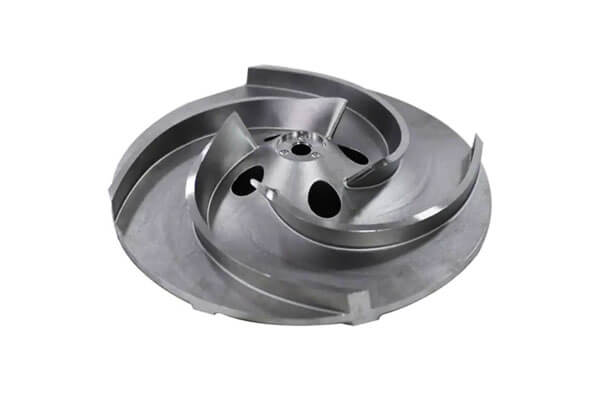
ماشین آلات صنعتی عمومی
- بدنه پمپ و پروانه پمپ
- بدنهای, کلاه, و اجزای جریان داخلی
- محفظه دنده و روکش های مکانیکی
- براکت ماشین, حمایت, و اتصالات
این قطعات از قابلیت ریخته گری سرمایه گذاری برای تولید اشکال داخلی دقیق بهره می برند, سطوح صاف,
و هندسه نزدیک به خالص, در حالی که آلیاژ فولاد قابلیت اطمینان ساختاری و عمر مفید را فراهم می کند.
تجهیزات کنترل فشار و جریان
- قطعات شیر حاوی فشار
- اتصال دهنده های خط لوله
- نازل های جریان و محفظه های محرک
- اتصالات دقیق برای سیستم های صنعتی
در این دسته, این فرآیند به دلیل آب بندی سطوح جذاب است, معابر جریان,
و ویژگی های نصب اغلب می توانند نزدیک به شکل نهایی ریخته شوند, کاهش ماشینکاری بعدی با حفظ عملکرد مواد مورد نیاز.
اجزای مقاوم در برابر سایش
- اهرم ها و اتصالات در معرض بارگذاری مکرر
- کفش و اجزای تماس بپوشید
- قطعات معدنی و حمل مواد
- قطعات ماشین آلات با ضربه بالا
ریخته گری های سرمایه گذاری فولاد کم آلیاژ و منگنز اغلب در اینجا انتخاب می شوند زیرا می توانند برای استحکام و چقرمگی عملیات حرارتی شوند., یا در جایی که مقاومت در برابر ضربه در اولویت است، سخت شده باشد.
سخت افزار با دمای بالا و کوره
- وسایل کوره
- براکت ها و تکیه گاه های مقاوم در برابر حرارت
- اجزای مربوط به مشعل
- محفظه های خدمات حرارتی و سخت افزار داخلی
ریخته گری های آهن-کروم و آهن-کروم- نیکل مقاوم در برابر حرارت به ویژه در این زمینه مفید هستند.
زیرا آنها یکپارچگی عملکردی را در محیط های با دمای بالا حفظ می کنند که در آن فولادهای کربنی معمولی خیلی سریع نرم یا اکسید می شوند..
قطعات مقاوم در برابر خوردگی و خدمات شیمیایی
- قطعات پمپ و شیر فولاد ضد زنگ
- محفظه های فرآوری شیمیایی
- اتصالات مربوط به دریایی
- قطعات سرویس دوبلکس و مقاوم در برابر خوردگی
ریخته گری های سرمایه گذاری فولاد آلیاژی مقاوم در برابر خوردگی در موارد سازگاری سیال ارزشمند هستند, مقاومت در برابر خوردگی, و دقت ابعادی باید در یک قسمت ترکیب شود.
- براکت و پایه
- عناصر قفل و پشتیبانی
- اتصال دهنده های ساختاری
- سخت افزار تحمل بار با هندسه پیچیده
این قطعات اغلب به ترکیبی از بهینه سازی هندسی و خواص مکانیکی قابل اعتماد نیاز دارند.
ریختهگری سرمایهگذاری به طراح این امکان را میدهد که عملکرد را در شکل بسازد و در عین حال انتخاب آلیاژ را به محفظه بار متصل نگه دارد..
8. مزایای منحصر به فرد ریخته گری سرمایه گذاری فولاد آلیاژی
ریخته گری سرمایه گذاری فولاد آلیاژی دارای ارزش پیشنهادی متمایز است.
این صرفاً راهی برای ساخت قطعات فولادی نیست; راهی برای ساختن آن است قطعات فولادی با هندسه و کنترل خواص که دستیابی به آنها با روش های دیگر دشوار است.
راندمان نزدیک به شبکه
- قطعات نزدیک به هندسه نهایی را تولید می کند
- ضایعات مواد خام را کاهش می دهد
- ماشینکاری سنگین را در ویژگی های پیچیده به حداقل می رساند
- زمان کل پردازش را برای اشکال دشوار کاهش می دهد
این یکی از قوی ترین دلایل برای انتخاب فرآیند است.
زمانی که یک جزء دارای آندرکات است, دیوارهای نازک, منحنی ها, روسای, یا جزئیات دقیق, مسیر ریخته گری اغلب بیش از هزینه صرفه جویی می کند.
قابلیت هندسه پیچیده
- به اشکالی رسیدگی می کند که ماشینکاری معمولی آنها دشوار است
- پشتیبانی از جزئیات داخلی و خارجی
- اجازه می دهد تا چندین ویژگی را در یک قسمت ادغام کنید
- نیاز به جوش یا مونتاژ را کاهش می دهد
در بسیاری از کاربردها, این بدان معنی است که ریخته گری می تواند یک ساختار چند بخشی را با یک جزء یکپارچه جایگزین کند.
انعطاف پذیری مواد گسترده
- فولاد کربن برای اقتصاد
- فولاد کم آلیاژ برای تنظیم استحکام
- فولادهای مقاوم در برابر حرارت برای خدمات حرارتی
- فولادهای ضد زنگ و دوبلکس برای مقاومت در برابر خوردگی
- آلیاژهای ویژه برای شرایط خدمات طاقچه
این انعطافپذیری یک مزیت عمده است زیرا مسیر ریختهگری به یک متالورژی وابسته نیست.
طراح می تواند خانواده آلیاژی را انتخاب کند که با محیط واقعی قطعه مطابقت دارد.
سازگاری با عملیات حرارتی
- حالت های آنیل شده برای ماشین کاری
- حالت های عادی برای ساختار تصفیه شده
- حالت های خاموش و مزاج برای قدرت
- چرخه های حرارتی ویژه برای گریدهای ضد زنگ یا مقاوم در برابر حرارت
این به تولیدکنندگان اهرم مهندسی دوم بعد از انتخاب آلیاژ می دهد.
همان ریخته گری اولیه را می توان با اهداف عملکرد بسیار متفاوت از طریق پردازش حرارتی تطبیق داد.
کیفیت سطح خوب
- بازتولید جزئیات بهتر از بسیاری از مسیرهای ناهموار
- کاهش نیاز به پاکسازی گسترده در سطوح کاربردی
- مناسب برای قطعاتی که ظاهر و تناسب هر دو مهم است
قالب پوسته جزئیات ظریف را به طور موثری ثبت می کند, که به ویژه زمانی مفید است که قسمت نهایی هم به دقت عملکردی و هم ظاهر کنترل شده نیاز دارد.
ادغام طراحی
- چندین قطعه ماشینکاری شده یا جوش داده شده را جایگزین می کند
- اتصالات و رابط های مونتاژ را کاهش می دهد
- می تواند تکرارپذیری را در طول دوره های تولید بهبود بخشد
- اغلب یکپارچگی قطعه را با حذف تغییرپذیری مرتبط با جوش بهبود می بخشد
این یکی از مزایای کمتر آشکار اما بسیار مهم است. اتصالات کمتر معمولاً به معنی منابع کمتر خرابی است.
مزیت اقتصادی در پیچیدگی
- ابزار و پوسته سازی با پیچیدگی قطعه توجیه می شود
- وقتی ماشینکاری بیش از حد باشد، هزینه کل را کاهش می دهد
- به خصوص برای تولید با حجم متوسط جذاب است
- می تواند مقرون به صرفه تر از ماشینکاری بیلت برای قطعات فولادی پیچیده باشد
نکته کلیدی این است که هزینه باید بر اساس آن قضاوت شود سطح جزء, نه تنها در سطح قالب یا سطح ساعت ماشینکاری.
9. ریخته گری سرمایه گذاری فولاد آلیاژی در مقابل ماشینکاری CNC
ریخته گری سرمایه گذاری فولاد آلیاژی و ماشینکاری CNC به معنای ساده روش های رقابتی نیستند; آنها مشکلات مختلف تولید را حل می کنند.
ریخته گری سرمایه گذاری یک فرآیند شکل دهی نزدیک به شبکه که با ریختن فولاد آلیاژی مذاب در یک پوسته سرامیکی، قطعه را ایجاد می کند.
ماشینکاری CNC یک است روند کمتری که مواد را از انبار جامد خارج می کند, جعل, یا تا زمانی که به هندسه نهایی برسد، آماده سازی شود.
| جنبه مقایسه | ریخته گری سرمایه گذاری فولاد آلیاژی | فولاد آلیاژ ماشینکاری CNC |
| منطق ساخت هسته | با ریختن فولاد آلیاژی مذاب در قالب سرامیکی ساخته شده از الگوی مومی، قطعه را می سازد. | قطعه را با برش مواد از مواد جامد می سازد. |
| قابلیت هندسه | عالی برای اشکال پیچیده, بخشهای نازک, زیرپوش, جزئیات داخلی, و ویژگی های یکپارچه. | عالی برای ویژگی های دقیق و قطعات ساده تا نسبتاً پیچیده, اما هندسه با دسترسی ابزار محدود شده است. |
| کارایی مواد | برای قطعات نزدیک به شبکه بسیار کارآمد است زیرا مواد کمی باید بعداً حذف شوند. | برای قطعات پیچیده کارایی کمتری دارد زیرا بسیاری از موجودی ها به تراشه تبدیل می شوند. |
| استراتژی تحمل | دقت شکل نزدیک به شبکه خوب, با سطوح بحرانی که اغلب با ماشینکاری تکمیل می شوند. | دقت برتر در سطوح مستقیم ماشینکاری شده و داده های بحرانی. |
وضعیت سطح |
بازتولید جزئیات خوب به عنوان بازیگر; برخی از سطوح ممکن است هنوز نیاز به ماشینکاری یا تمیز کردن داشته باشند. | عالی روی صورت های ماشین کاری شده, سوراخ, نخ, و سطوح آب بندی. |
| بهترین محدوده حجم | مقرون به صرفه برای قطعات کم تا متوسط و حجم متوسط با پیچیدگی. | مقرون به صرفه برای نمونه های اولیه, تولید کم حجم, و قطعات با تغییرات مکرر طراحی. |
| ابزار / راه اندازی | نیاز به الگوها دارد, ساختمان پوسته, و کنترل فرآیند قبل از ریختن. | نیاز به وسایل دارد, ابزار, و زمان ماشین, اما هیچ قالب ریخته گری مورد نیاز نیست. |
| زمان پیشرو | از قبل طولانی تر است زیرا روند الگو و پوسته باید ایجاد شود. | برای نمونه های اولیه یا تکرارهای طراحی سریع تر. |
انعطاف پذیری مواد |
انعطاف پذیری خانواده آلیاژی گسترده, از جمله فولادهای کربنی, فولادهای کم آلیاژ, ضد زنگ, دوتایی, و خانواده های مقاوم در برابر حرارت. | می تواند تقریباً هر فولادی را ماشین کند, اما سهام اولیه باید از قبل به شکل مورد نیاز وجود داشته باشد. |
| توسعه مالکیت مکانیکی | استحکام و چقرمگی از طریق انتخاب آلیاژ به علاوه عملیات حرارتی پس از ریختهگری تنظیم میشود. | خواص نهایی عمدتاً از مواد اولیه و هر عملیات حرارتی پس از ماشینکاری حاصل می شود. |
| تثبیت بخشی | می تواند چندین ویژگی را در یک جزء یکپارچه ترکیب کند, کاهش تعداد مونتاژ. | معمولاً نمیتوان یکپارچهسازی قطعات را حذف کرد، مگر اینکه هندسه ساده باشد یا سهام از قبل به شکل نهایی نزدیک شده باشد. |
| خطرات معمولی | انقباض, تخلخل, عیوب پوسته, مسائل انجماد, و اعوجاج عملیات حرارتی. | پوشیدن ابزار, پچ پچ کردن, برز, اعوجاج ناشی از بستن, و قراضه بالا برای اشکال پیچیده. |
10. پایان
ریخته گری سرمایه گذاری فولاد آلیاژی فرآیندی است که بر اساس هندسه دقیق و کنترل متالورژیکی ساخته شده است.
آزادی شکل مسیر موم گمشده را با پتانسیل عملکرد فولادهای کربنی ترکیب می کند, فولادهای کم آلیاژ, فولادهای ضد زنگ, و خانواده های فولادی مقاوم در برابر حرارت.
این فرآیند به ویژه زمانی ارزشمند است که یک طراح نیاز به راندمان تقریباً خالص داشته باشد بدون اینکه توانایی مشخص کردن آلیاژ فولاد برای استحکام را از بین ببرد., پوشیدن, فشار, یا سرویس دما.
موفقیت فنی آن به سه چیز بستگی دارد: صدف سازی, جامد سازی کنترل شده, و عملیات حرارتی به درستی مطابقت داشته باشد.
وقتی این سه با هم تراز شوند, ریخته گری سرمایه گذاری فولاد آلیاژی می تواند قطعات پیچیده ای را تولید کند, بادوام, و بسیار مهندسی شده است.
به همین دلیل است که همچنان یک مسیر اصلی تولید برای قطعات صنعتی نیازمند است.
متداول
آیا ریخته گری سرمایه گذاری فولاد آلیاژی مانند ریخته گری فولاد معمولی است?
هیچ. این یک مسیر خاص ریختهگری فولاد است که از موم یا الگوهای پلاستیکی و پوستههای سرامیکی برای ایجاد قطعات نزدیک به شبکه استفاده میکند..
ASTM A732 به صراحت قطعات ریخته گری کربن و فولاد کم آلیاژ ساخته شده توسط فرآیند ریخته گری سرمایه گذاری را شناسایی می کند..
چرا از ریخته گری سرمایه گذاری به جای ماشینکاری یک قطعه فولادی از استوک جامد استفاده کنید?
زیرا ریخته گری سرمایه گذاری می تواند اشکال پیچیده تری را با مواد کمتر هدر رفته و مراحل ماشین کاری کمتر تولید کند, به خصوص زمانی که هندسه شامل جزئیات دقیق باشد, دیوارهای نازک, یا انحنای داخلی.
شرح فرآیند و چارچوب استاندارد نشان می دهد که مسیر برای پیچیده در نظر گرفته شده است, ریخته گری کنترل شده فولادی.
کدام خانواده های آلیاژی رایج ترین هستند?
فولاد کربن, فولادهای کم آلیاژ, فولادهای منگنزی آستنیتی, و آهن کروم مقاوم در برابر حرارت / فولادهای آهن-کروم-نیکل همگی در چارچوب استانداردهای سرمایه گذاری-ریخته گری فولاد نشان داده شده اند.
چرا عملیات حرارتی بسیار مهم است؟?
زیرا ریختهگریهای سرمایهگذاری فولاد اغلب پس از انجماد نیاز به تنظیم دارایی دارند.
استانداردها و شرایط تحویل معمولا اجازه بازپخت را می دهند, عادی سازی, خویشاوند, یا چرخه های خاموش کردن و تمپر بسته به درجه.
بزرگترین ریسک فنی چیست؟?
عیوب مربوط به انجماد یکی از مهمترین خطرات است, زیرا مرحله انجماد ریزساختار و خواص مکانیکی را کنترل می کند.
اگر تغذیه و طراحی حرارتی ضعیف باشد, انقباض و تخلخل می تواند در نواحی آخرین انجماد ریخته گری ایجاد شود.

