Entre las cuatro principales familias de acero inoxidable, El acero inoxidable martensítico ocupa una posición única y distinguida..
A diferencia de los grados austeníticos, que no puede endurecerse mediante tratamiento térmico, o grados ferríticos, que ofrecen templabilidad limitada, Los aceros inoxidables martensíticos se pueden endurecer mediante tratamiento térmico y pueden alcanzar una alta dureza., fortaleza, y resistencia al desgaste mediante temple y revenido.
Esta combinación de resistencia a la corrosión y rendimiento mecánico los convierte en el material elegido para aplicaciones que requieren durabilidad y resistencia a ambientes agresivos..
Desde cubiertos e instrumentos quirúrgicos hasta álabes de turbinas y componentes de automoción., Los aceros inoxidables martensíticos son indispensables en innumerables aplicaciones industriales y de consumo..
1. ¿Qué es el acero inoxidable martensítico??
Martensítico acero inoxidable es una categoría de acero inoxidable que puede desarrollar un predominantemente Microestructura martensítica mediante tratamiento térmico..
Generalmente se clasifica por separado de los austeníticos., ferrítico, dúplex, y aceros inoxidables que endurecen por precipitación porque su principal mecanismo de fortalecimiento se basa en la transformación de austenita en martensita durante el enfriamiento., seguido de templado para lograr el equilibrio requerido de propiedades mecánicas.
En términos simplificados, la secuencia de fabricación y tratamiento térmico sigue la transformación:
Estructura recocida → Austenitización → Enfriamiento → Estructura martensítica → Templado → Propiedades de ingeniería finales
El proceso comienza calentando el acero a una temperatura adecuada. temperatura de austenitización, donde la microestructura se transforma en austenita y los elementos de aleación se redistribuyen según la composición y el ciclo térmico..
Luego, el componente se enfría lo suficientemente rápido como para suprimir la formación de estructuras de equilibrio más blandas y promover la transformación martensítica..
La martensita resultante se caracteriza por una estructura cristalina muy tensa que contiene carbono sobresaturado..
Esto produce alta dureza y resistencia., pero la martensita recién templada también puede tener una tenacidad limitada y una tensión residual significativa.
Como consecuencia, Los componentes de acero inoxidable martensítico suelen estar sujetos a templado, lo que reduce la fragilidad y permite a los ingenieros adaptar la dureza y tenacidad finales.
La transformación martensítica
La transformación martensítica es sin difusión., transformación de tipo cortante que ocurre cuando la austenita (FCC) se enfría rápidamente por debajo de la temperatura inicial de martensita (EM).
La transformación es instantánea y no implica difusión de átomos de carbono: el carbono permanece atrapado en la red., creando una solución sólida sobresaturada.
| Escenario | Descripción | Temperatura |
| austenitizante | Calentamiento a 950-1050 °C para formar austenita. | 950–1050 ° C |
| Temple | Enfriamiento rápido (aceite, aire, o agua) transformar austenita en martensita. | Debajo de la Sra. |
| Templado | Recalentar a 150–650 °C para aliviar el estrés y ajustar las propiedades. | 150–650 ° C |
2. Composición química del acero inoxidable martensítico
Dado que el acero inoxidable martensítico cubre una amplia familia de grados, Los rangos a continuación son rangos representativos de la industria en lugar de requisitos para un solo grado..
| Elemento de aleación | Rango típico (wt%) | Función primaria en acero inoxidable martensítico |
| Cromo (CR) | 10.5–18.0% | Proporciona la resistencia fundamental a la corrosión y oxidación del acero inoxidable e influye fuertemente en la estabilidad de fase.. |
| Carbono (C) | 0.03–1.20% | Elemento primario de endurecimiento y refuerzo en grados martensíticos convencionales.. |
| Níquel (En) | 0–3.0% | Mejora la dureza, Endurecimiento, y estabilidad de fase en grados seleccionados. |
| Molibdeno (Mes) | 0–1,5% | Mejora la resistencia a la corrosión localizada y contribuye a la templabilidad y al rendimiento a temperaturas elevadas.. |
| Manganeso (Mn) | 0–1,5% | Apoya la desoxidación e influye en la estabilidad y templabilidad de la austenita.. |
Silicio (Si) |
0–1.0% | Actúa principalmente como desoxidante durante la fabricación de acero y puede contribuir a la resistencia a la oxidación.. |
| Nitrógeno (norte) | 0–0.20% | Elemento de refuerzo y estabilización de austenita utilizado en grados modernos o especializados seleccionados.. |
| Vanadio (V) | 0–1.0%* | Fuerte elemento formador de carburo utilizado principalmente en aceros martensíticos especializados de alto desgaste o de tipo herramienta.. |
| Niobio (Nótese bien) | 0–1.0%* | Forma carburos estables y puede mejorar la estabilidad metalúrgica en grados seleccionados.. |
Carbono: El elemento de endurecimiento primario
El carbono tiene un papel especialmente importante en el acero inoxidable martensítico porque afecta fuertemente la estructura formada durante el tratamiento térmico..
En estado recocido, El carbono puede existir en parte en solución sólida y en parte en fases de carburo., dependiendo del grado y la historia térmica.
Durante la austenitización y el posterior enfriamiento., El carbono contribuye a la formación de martensita dura..
Como tendencia general de la ingeniería.:
- Niveles de carbono más bajos favorecen una tenacidad mejorada y una dureza más moderada.
- Niveles medios de carbono Proporcionar un equilibrio entre dureza y resistencia mecánica..
- Altos niveles de carbono Permiten una dureza muy alta y una resistencia al desgaste mejorada, pero pueden reducir la tenacidad y aumentar la fragilidad..
Esta es la razón por la que los grados dentro de la familia martensítica pueden tener aplicaciones dramáticamente diferentes..
Se puede utilizar un grado relativamente bajo en carbono para válvulas., ejes, y componentes estructurales, mientras que para los cuchillos se puede seleccionar un grado con alto contenido de carbono, herramientas de corte, y piezas de precisión resistentes al desgaste.
3. Principales tipos y grados de acero inoxidable martensítico
El acero inoxidable martensítico incluye varios grupos de grados distintos desarrollados para cumplir con diferentes requisitos de dureza., fortaleza, resistencia a la corrosión, resistencia al desgaste, maquinabilidad, tenacidad, y capacidad de castigo.
Grados martensíticos estándar
Los rangos de composición a continuación son límites representativos comúnmente asociados con las designaciones de grado correspondientes..
Los requisitos exactos siempre deben verificarse con la norma ASTM aplicable., EN, A NOSOTROS, Él es, o especificación del cliente.
| Calificación | Designación de EE. UU. | Composición aproximada | Aplicaciones típicas |
| 410 | S41000 | CR: 11.5–13,5%; C: ≤0,15% | Válvula, componentes de la bomba, ejes, sujetadores, piezas de turbina, y componentes industriales en general. |
| 420 | S42000* | CR: 12–14%; C: 0.15–0,40% | Cuchillería, instrumentos quirúrgicos, hojas, moldes, y componentes resistentes al desgaste. |
| 420J2 | Comúnmente asociado con equivalentes de la familia S42000** | CR: 12–14%; C: 0.26–0,40% | Cuchillos, tijeras, tijeras, cubiertos de consumo, y herramientas de corte de uso general. |
| 431 | S43100 | CR: 15–17%; En: 1.25–2,50%; C: ≤0,20% | Ejes de la bomba, ejes marinos, componentes de la válvula, accesorios de aviones, y piezas mecánicas de alta resistencia. |
440A |
S44002 | CR: 16–18%; C: 0.60–0,75% | Cuchillería, componentes de la válvula, aspectos, instrumentos médicos, y piezas resistentes al desgaste. |
| 440B | S44003 | CR: 16–18%; C: 0.75–0,95% | Herramientas de corte, instrumentos de precisión, aspectos, y usar componentes. |
| 440C | S44004 | CR: 16–18%; C: 0.95–1.20% | Rodamientos de alto rendimiento, componentes de desgaste de precisión, cubiertos premium, piezas de válvula, e instrumentos quirúrgicos. |
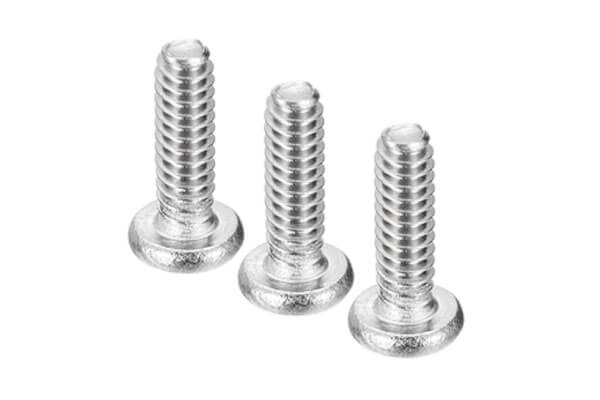
| 416 | S41600 | CR: 12–14%; C: ≤0,15%; S: 0.15–0,35% | Accesorios mecanizados con precisión, ejes, tornillos, componentes de la válvula, sujetadores, y piezas de máquinas atornilladoras automáticas. |
Grados martensíticos fundidos
El sistema de designación de piezas fundidas de ASTM identifica varios grados importantes de acero inoxidable martensítico..
| Grado fundido ASTM | Designación de EE. UU. | Composición aproximada | Aplicaciones típicas |
| CA-15 | J91150 | CR: aproximadamente 11.5–14.0%; C: típicamente ≤0,15% | Cuerpos de válvulas y adornos., componentes de la bomba, piezas de turbina, equipo hidraulico, y maquinaria industrial. |
| CA-40 | J91151 | CR: aproximadamente 11.5–14.0%; C: Típicamente hasta 0.40% | Piezas de válvula resistentes al desgaste, maquinaria industrial, componentes de servicio de vapor, y piezas mecanicas. |
CA-6NM |
J91540 | CR: aproximadamente 11.5–14.0%; En: aproximadamente 3.5–4,5%; Mes: aproximadamente 0.4–1.0%; C: ≤0.06% | Turbinas hidráulicas, equipo hidroeléctrico, impulsores de bomba grandes, tripa de la bomba, y componentes de manejo de agua. |
| CB-7Cu-1 | J92180 | CR: aproximadamente 14–16%; En: aproximadamente 4–6%; Cu: aproximadamente 2.5–4.0%; C: ≤0,07% | Componentes aeroespaciales, piezas fundidas de alta resistencia, zapatillas, válvulas, y equipos industriales exigentes. |
4. Tratamiento térmico del acero inoxidable martensítico
Tratamiento térmico es uno de los aspectos definitorios del acero inoxidable martensítico.
A diferencia de los aceros inoxidables austeníticos, que generalmente no pueden reforzarse significativamente mediante templado y revenido convencional.,
Los grados martensíticos están diseñados específicamente para desarrollar diferentes combinaciones de dureza, fortaleza, tenacidad, resistencia al desgaste, y estabilidad dimensional mediante procesamiento térmico controlado.
Recocido
El recocido se utiliza comúnmente para ablandar el acero inoxidable martensítico antes del mecanizado., formando, o tratamiento térmico posterior.
Dependiendo del grado y especificación, El acero se calienta a un rango de temperatura apropiado y se enfría en condiciones controladas para producir una microestructura más suave y mecanizable..
Los objetivos principales del recocido incluyen:
- Reducir la dureza
- Aliviar el estrés interno
- Mejorando la maquinabilidad
- Mejora de la estabilidad dimensional
- Producir una microestructura más uniforme antes del endurecimiento final.
Para muchos componentes, El mecanizado en desbaste se realiza en estado recocido porque el acero inoxidable martensítico completamente endurecido puede ser difícil y costoso de mecanizar..
Posteriormente, el componente se trata térmicamente y luego se mecaniza o rectifica para alcanzar las dimensiones finales requeridas..
Austenitizar
La austenitización es la etapa en la que el acero se calienta para formar austenita antes del enfriamiento.. La temperatura requerida depende en gran medida del grado..
Para aceros inoxidables martensíticos comunes, Las temperaturas típicas de austenitización pueden caer aproximadamente dentro de los siguientes rangos.:
| Familia de grados | Rango típico de austenitización* | Objetivo principal |
| 410 / grados martensíticos bajos en carbono | Aproximadamente 925–1.010°C | Desarrollar una estructura austenítica adecuada para su posterior endurecimiento.. |
| 420 / grados de carbono medio | Aproximadamente 980–1.065°C | Disolver una cantidad adecuada de carbono y elementos de aleación antes del enfriamiento.. |
| 440-grados de serie con alto contenido de carbono | Aproximadamente 1,010–1,120 ° C | Desarrollar un alto potencial de dureza mientras se controla la disolución del carburo y el crecimiento del grano.. |
| 431 y calidades que contienen níquel | Aproximadamente 980–1.070°C | Desarrollar un equilibrio adecuado de templabilidad., fortaleza, y dureza. |
* Estos rangos son sólo representativos. Las temperaturas reales del tratamiento térmico y los tiempos de mantenimiento deben seleccionarse de acuerdo con la especificación del material aplicable., tamaño de sección, condiciones del horno, y propiedades finales requeridas.
La austenitización debe controlarse cuidadosamente. Si la temperatura es demasiado baja, Una transformación insuficiente o una disolución del carburo pueden limitar la dureza alcanzable..
Temperaturas excesivamente altas o tiempos de retención excesivos pueden promover el crecimiento del grano y aumentar la cantidad de austenita retenida., reduciendo potencialmente la tenacidad y la estabilidad dimensional.
Temple
Después de austenitizar, el componente se enfría a una velocidad suficiente para promover la transformación de austenita en martensita.
Dependiendo del grado y la geometría del componente, el enfriamiento puede implicar:
- Refrigeración por aire
- Enfriamiento de aceite
- Enfriamiento de polímeros
- Enfriamiento con gas a presión
- Otros métodos de enfriamiento controlado
La selección del medio de enfriamiento es un equilibrio entre lograr un enfriamiento suficiente para el endurecimiento y minimizar el estrés térmico..
Templado
La martensita recién templada puede tener una dureza muy alta pero también una tensión interna elevada y una tenacidad limitada..
Por lo tanto, el templado es un paso esencial para la mayoría de las aplicaciones de ingeniería..
durante el templado, El acero se recalienta a una temperatura controlada por debajo del rango de austenización y se mantiene durante un período apropiado..
El proceso permite que la estructura martensítica se estabilice y reduce las tensiones residuales al tiempo que ajusta el equilibrio entre dureza y tenacidad..
En general:
- Temperaturas de templado más bajas tienden a conservar una mayor dureza y resistencia al desgaste.
- Temperaturas de templado más altas generalmente reducen la dureza al tiempo que mejoran la tenacidad y la estabilidad ante la tensión..
La relación precisa depende del grado.. Algunos aceros inoxidables martensíticos también pueden presentar una fragilidad indeseable o cambios en el comportamiento de la corrosión dentro de rangos de revenido particulares..
Por lo tanto, La temperatura de templado debe seleccionarse de acuerdo con la especificación de grado relevante y las propiedades de servicio requeridas en lugar de basarse únicamente en un objetivo de dureza general..
Doble Templado y Estabilización Dimensional
Los aceros inoxidables martensíticos con alto contenido de carbono y alto rendimiento pueden requerir múltiples ciclos de templado para mejorar la estabilidad estructural y reducir los efectos de la austenita retenida.
El doble templado puede proporcionar varios beneficios:
- Estabilidad dimensional mejorada
- Propiedades mecánicas más uniformes
- Reducción del estrés residual
- Estabilización de austenita retenida transformada.
- Equilibrio mejorado entre dureza y tenacidad.
En aplicaciones de precisión, Se pueden utilizar tratamientos de estabilización adicionales antes del pulido o acabado final..
Esto es particularmente importante para los rodamientos., herramientas de corte, componentes de válvulas de precisión, y otras partes donde pequeños cambios dimensionales pueden afectar el rendimiento funcional.
5. Rangos de propiedades mecánicas típicas del acero inoxidable martensítico
Los siguientes valores proporcionan rangos de ingeniería representativos para aceros inoxidables martensíticos comúnmente utilizados..
Las propiedades reales varían según la forma del producto., espesor de sección, tratamiento térmico, condición de templado, y norma aplicable.
| Calificación | Condición típica | Fuerza de rendimiento, RP0.2 (MPA) | Resistencia a la tracción, RM (MPA) | Elongación A (%) | Dureza |
| 410 | Curtido & templado | 550–1,000 | 700–1,200 | 10–20 | Aproximadamente. 25–45 hrc |
| 416 | Curtido & templado | 550–1,000 | 700–1,200 | 10–20 | Aproximadamente. 25–45 hrc |
| 420 | Curtido & templado | 700–1.300 | 900–1.600 | 8–18 | Aproximadamente. 45–55 hrc |
| 431 | Curtido & templado | 700–1,000 | 900–1,200 | 10–20 | Aproximadamente. 28–45 hrc |
| 440A | Curtido & templado | 1,000–1.500 | 1,500–1.900 | 5–12 | Aproximadamente. 54–58 HRC |
| 440B | Curtido & templado | 1,100–1.500 | 1,600–1.950 | 4–10 | Aproximadamente. 56–59 HRC |
| 440C | Curtido & templado | 1,200–1.600 | 1,800–2000+ | 2–8 | Aproximadamente. 56–60 HRC |
| CA-15 | Elenco, tratado con calor | ≥450 | ≥620 | ≥18 | Típicamente ~180–230 HB |
6. Características del acero martensítico
Resistencia a la corrosión
Como todos los aceros inoxidables, Los grados martensíticos obtienen protección contra la corrosión de una delgada, película pasiva de óxido de cromo autorreparable.
Sin embargo, su rendimiento es inferior al de los grados austeníticos:
- Proporcionan buena resistencia a ambientes rurales y urbanos ligeros., agua dulce neutra, Ácidos orgánicos suaves y la mayoría de los ambientes alimentarios..
- Su menor contenido en cromo (12–14% para grados estándar) y la precipitación de carburo de cromo dan como resultado una peor resistencia a las picaduras y una resistencia general a la corrosión en comparación con 18/8 aceros austeníticos.
- No son aptos para una exposición prolongada al agua de mar., ácidos minerales fuertes, Soluciones con alto contenido de cloruro o atmósferas industriales pesadas..
- Los grados con alto contenido de cromo, como el 440C, ofrecen un mejor rendimiento frente a la corrosión que los de bajo contenido de cromo. 410 y 420, a pesar del mayor contenido de carbono.
Propiedades magnéticas
Los aceros inoxidables martensíticos son fuertemente magnéticos en todas las condiciones de tratamiento térmico..
Esta es una consecuencia directa de su estructura cristalina tetragonal centrada en el cuerpo., que apoya el orden magnético espontáneo de espines de electrones no apareados.
Un error común es que la respuesta magnética indica acero inoxidable de baja calidad..
En realidad, El magnetismo es una propiedad estructural., no es un indicador de calidad: Todos los aceros inoxidables martensíticos y ferríticos son naturalmente magnéticos., incluyendo grados de alto rendimiento como 440C.
Resistencia al desgaste y dureza
La excelente resistencia al desgaste es la principal ventaja de los grados martensíticos con alto contenido de carbono..
Cuando se endurece 55+ HRC, superan a los aceros inoxidables austeníticos y ferríticos por un factor de 5 a 10 en aplicaciones de desgaste abrasivo y adhesivo.
La combinación de una matriz martensítica dura y partículas de carburo de cromo dispersas crea un material que conserva su forma y acabado superficial bajo contacto deslizante repetido..
Esto hace que el acero inoxidable martensítico sea la única opción viable de acero inoxidable para bordes cortantes., superficies de apoyo y componentes de contacto deslizantes.
Soldabilidad del acero inoxidable martensítico
La soldabilidad se considera generalmente la limitación de procesamiento más importante de los aceros inoxidables martensíticos.:
- La alta templabilidad de la aleación significa que el metal de soldadura y las zonas afectadas por el calor se endurecen rápidamente al enfriarse., creando una alta tensión de tracción residual y un alto riesgo de agrietamiento en frío.
- Los procedimientos de soldadura estándar requieren precalentamiento a 200-300 °C, temperatura entre pasadas controlada y templado post-soldadura obligatorio inmediatamente después de la soldadura para evitar fallas.
- Grado bajo en carbono 410 Tiene la mejor soldabilidad dentro de la familia.; El 440C con alto contenido de carbono generalmente no se recomienda para soldadura por fusión..
- Para aplicaciones críticas, metales de aportación martensíticos o austeníticos 309/310 Los rellenos se utilizan para reducir el riesgo de agrietamiento..
Maquinabilidad y Formabilidad
- Maquinabilidad varía fuertemente con la dureza. En estado completamente recocido, Los aceros inoxidables martensíticos tienen buena maquinabilidad., generalmente mejor que el austenítico 304 debido a una menor tasa de endurecimiento por trabajo.
En la condición endurecida, la maquinabilidad es muy pobre; Casi todo el mecanizado de acabado debe completarse en el estado de recocido blando antes del endurecimiento..
Calidad de mecanizado libre 416 ofrece una rotura de viruta y una vida útil de la herramienta significativamente mejoradas para la producción de máquinas de tornillo de gran volumen. - Formabilidad es moderado en el estado recocido, adecuado para doblar, operaciones de perfilado y embutición superficial.
Los grados martensíticos no pueden igualar la capacidad de embutición profunda de los aceros austeníticos, y el conformado en frío siempre debe realizarse antes del endurecimiento..
7. Procesos de fabricación de componentes de acero inoxidable martensítico
El acero inoxidable martensítico se puede procesar mediante una amplia gama de rutas de fabricación., incluido Mecanizado CNC, casting de inversión, fundición de arena, forja, y metalurgia de polvos.
El proceso apropiado depende de la geometría del componente., requisitos dimensionales, volumen de producción, requisitos de propiedades mecánicas, utilización de materiales, y si el componente se someterá a un endurecimiento y revenido posterior.
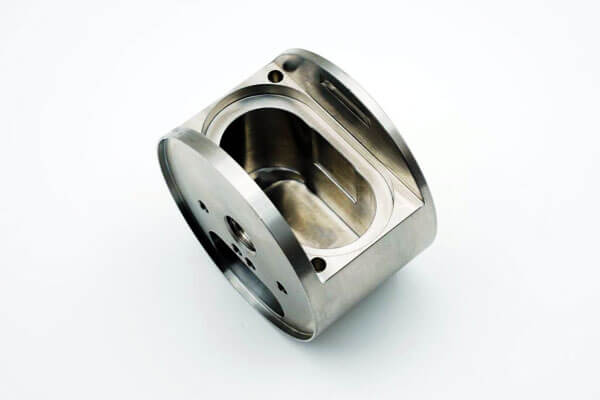
Mecanizado CNC
Mecanizado CNC Es un proceso de fabricación sustractivo en el que el acero inoxidable martensítico se elimina de la barra., lámina, forja, u otro material semiacabado que utilice herramientas de corte controladas por computadora.
Las operaciones comunes incluyen torneado, molienda, perforación, enhebrado, aburrido, molienda, y mecanizado multieje.
El acero inoxidable martensítico se mecaniza frecuentemente en estado recocido o ablandado antes del endurecimiento final..
Al mecanizado de desbaste le puede seguir el templado y revenido., con mecanizado de acabado o rectificado utilizado para lograr los requisitos dimensionales y de superficie finales.
Casting de inversión
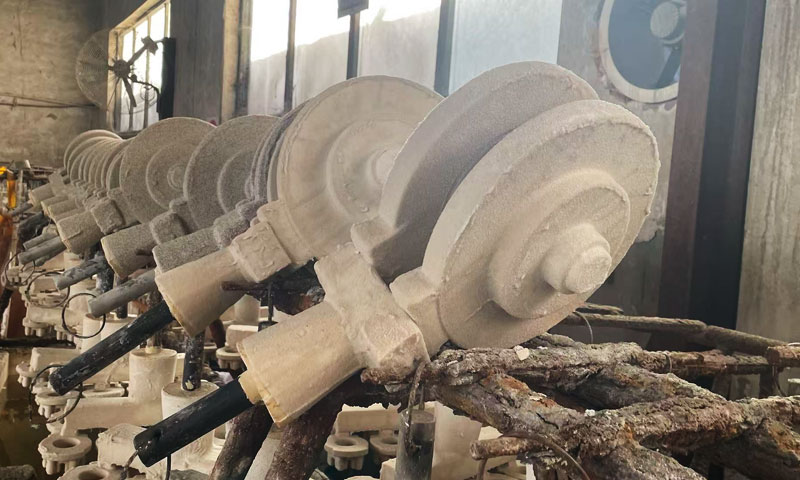
Fundición a la cera perdida, también conocido como Casting de cera perdido, produce componentes de acero inoxidable martensítico mediante la creación de un patrón de cera detallado, formando una cáscara de cerámica alrededor del patrón, quitando la cera, y verter acero inoxidable fundido en la cavidad resultante..
El proceso es especialmente útil para componentes con geometrías complejas, secciones delgadas, pasajes internos, jefes integrados, y perfiles difíciles de mecanizar.
Fundición de arena
Fundición de arena utiliza un molde de arena para formar la cavidad en la que se vierte el acero inoxidable martensítico fundido.
En comparación con el casting de inversión, La fundición en arena proporciona una mayor flexibilidad para Componentes más grandes y geometrías relativamente simples o moderadamente complejas..
Es ampliamente utilizado para componentes industriales donde la integridad estructural, tamaño del componente, y la economía de fabricación es más importante que los detalles superficiales extremadamente finos.
Forja
Forja forma acero inoxidable martensítico mediante deformación plástica controlada, normalmente a temperatura elevada.
El material se comprime entre matrices u otras herramientas para producir la geometría requerida..
La forja puede generar una microestructura refinada y direccional al tiempo que reduce la porosidad interna y mejora la integridad estructural..
Por lo tanto, se selecciona frecuentemente para componentes expuestos a Altas cargas mecánicas, impacto, presión, o tensiones cíclicas.
Los componentes forjados típicos incluyen ejes., tallos de válvula, ejes de la bomba, sujetadores, guarniciones, y componentes mecánicos de alta resistencia.
Metalurgia en polvo
Metalurgia en polvo Produce grados martensíticos con alto contenido de carbono, como el 440C, con una distribución de carburo extremadamente uniforme y una estructura de grano fino., superando al material forjado en resistencia al desgaste y estabilidad dimensional.
El proceso es ideal para pequeños, Componentes complejos de alto desgaste donde el mecanizado convencional sería prohibitivamente caro..
8. Acabados Superficiales e Ingeniería de Superficies
Los aceros inoxidables martensíticos son compatibles con una gama completa de tratamientos de ingeniería y acabado de superficies para mejorar la apariencia., resistencia a la corrosión y rendimiento al desgaste:
- Acabado de molino: Superficie estándar laminada o forjada para piezas estructurales industriales
- Pulido mecánico / acabado espejo: Los grados con alto contenido de carbono se pueden pulir hasta obtener superficies de espejo de calidad óptica., convirtiéndolos en el estándar para instrumentos quirúrgicos y cubiertos de alta gama.
- Cepillado / acabado satinado: Acabado texturizado direccional para herramientas manuales y herrajes decorativos.
- Pasivación: Tratamiento químico para eliminar el hierro libre y mejorar la capa pasiva de óxido., Mejora de la resistencia a la corrosión
- Electropulencia: Ultra suave, Acabado superficial resistente a la corrosión para componentes médicos y en contacto con alimentos.
- Recubrimientos duros: DLC, Los recubrimientos de TiN y carburo de cromo aumentan aún más la dureza de la superficie y reducen la fricción para aplicaciones de corte y rodamientos con desgaste severo.
9. Aplicaciones del acero inoxidable martensítico
El acero inoxidable martensítico se utiliza ampliamente cuando un componente requiere una combinación de alta resistencia., dureza, resistencia al desgaste, resistencia a la corrosión moderada, y estabilidad dimensional.
Válvulas y equipos de control de fluidos
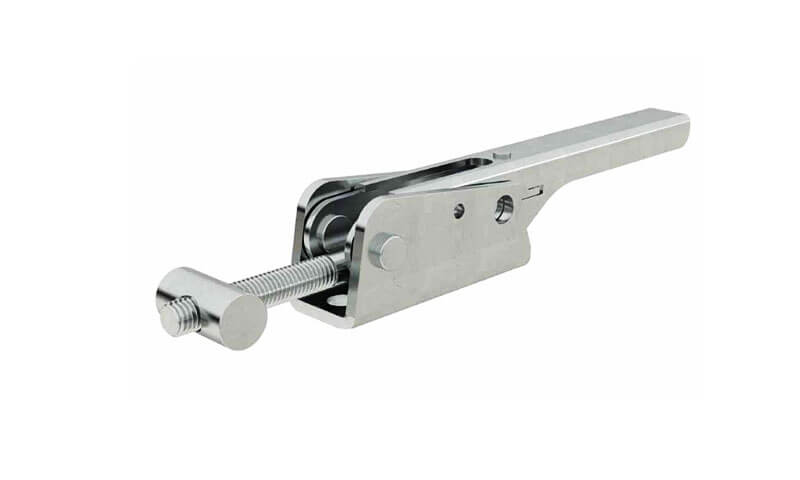
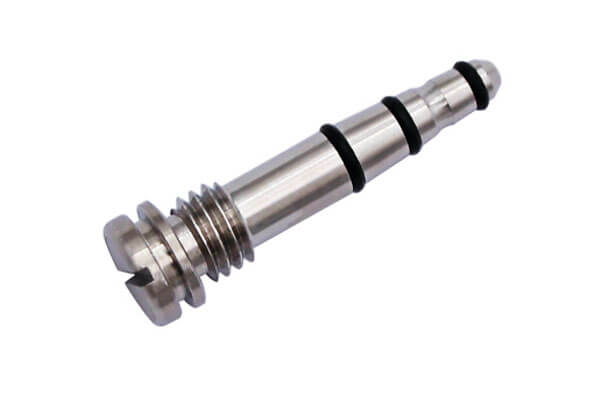
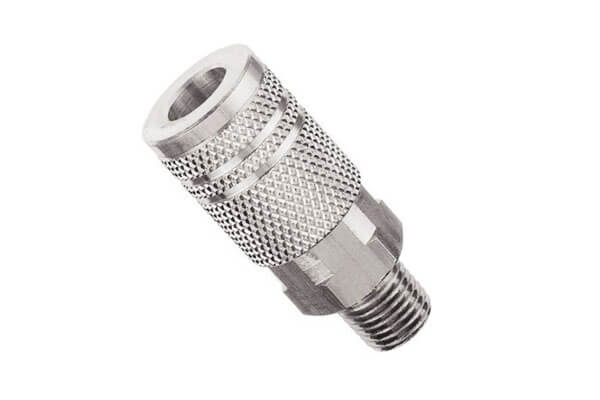
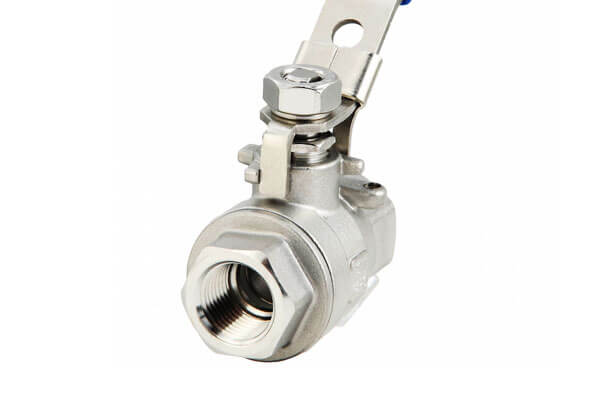
El acero inoxidable martensítico se utiliza ampliamente para tallos de válvula, ajuste de válvula, asiento, ejes, y otros componentes internos.
Su alta dureza ayuda a resistir la erosión., abrasión, y contacto mecánico repetido, mientras que su resistencia a la corrosión proporciona protección en muchos tipos de agua., vapor, y entornos de fluidos industriales.
Los componentes típicos incluyen:
- Tallos de válvula
- Bolas de válvula y adornos.
- Asiento
- Ejes de la bomba
- Impulsores
- Bujes
- usar anillos
Cubiertos y herramientas de corte
Los grados martensíticos con alto contenido de carbono son particularmente importantes en cuchillos y aplicaciones de corte..
420 Es ampliamente utilizado para cuchillas de uso general., mientras 440A, 440B, y 440C Puede proporcionar mayor dureza y resistencia al desgaste..
Las ventajas clave son:
- Alta retención de bordes
- Alta dureza
- Resistencia a la deformación
- Buena resistencia al desgaste
- Resistencia a la corrosión razonable en comparación con los aceros para herramientas al carbono convencionales.
Rodamientos y componentes de desgaste de precisión
Aceros inoxidables martensíticos con alto contenido de carbono, particularmente 440C, Se utilizan para componentes de rodamientos resistentes a la corrosión..
Las aplicaciones típicas incluyen:
- bolas de rodamiento
- Pistas de rodamientos
- Rodillos de precisión
- Bujes
- usar anillos
- Cojinetes de instrumentos
Instrumentos Médicos y Quirúrgicos
Los aceros inoxidables martensíticos se utilizan ampliamente en instrumentos quirúrgicos porque pueden combinar dureza, retención de bordes, fortaleza, resistencia a la corrosión, y capacidad de esterilización.
Las aplicaciones incluyen:
- tijeras quirurgicas
- Cuchillas quirúrgicas
- Fórceps
- Abrazadera
- Instrumentos dentales
- Instrumentos de corte
Componentes automotrices
El acero inoxidable martensítico se puede utilizar en componentes de automoción expuestos a cargas mecánicas., calor, tener puesto, y entornos corrosivos.
Las aplicaciones incluyen:
- Ejes
- Componentes de la válvula
- Componentes de la bomba
- Sujetadores
- Componentes relacionados con el escape
- Actuadores mecánicos
- Componentes resistentes al desgaste
Componentes aeroespaciales y de turbinas
Los aceros inoxidables martensíticos seleccionados se utilizan en equipos aeroespaciales y energéticos donde se requiere alta resistencia y estabilidad dimensional..
Las aplicaciones pueden incluir:
- Componentes de la turbina
- Ejes
- Sujetadores
- Componentes de la bomba
- Componentes de actuación
- Piezas mecánicas de alta resistencia.
Energía, Bomba, y Equipos Hidroeléctricos
Los aceros inoxidables martensíticos también son importantes en equipos de generación de energía y tratamiento de agua..
El grado de reparto CA-6NM, Por ejemplo, Es un acero inoxidable martensítico con bajo contenido de carbono que contiene níquel y molibdeno y está ampliamente asociado con corredores de turbina hidráulica, componentes de la bomba, y equipos de tratamiento de agua.
10. Ventajas y limitaciones del acero inoxidable martensítico
El acero inoxidable martensítico se distingue de otras familias de acero inoxidable por su capacidad para desarrollar alta resistencia y dureza mediante temple y revenido.
Esto lo hace especialmente adecuado para componentes expuestos al desgaste., carga mecánica, corte, impacto, y contacto repetido.
Sin embargo, las mismas características metalúrgicas que proporcionan una alta dureza pueden reducir la ductilidad, tenacidad, resistencia a la corrosión, y soldabilidad.
Ventajas clave
- La única familia de acero inoxidable endurecible mediante tratamiento térmico., con dureza ajustable de 20 HRC para 62 HRC
- Excelente resistencia al desgaste y dureza superficial., 5–10 veces superior a los aceros inoxidables austeníticos
- 2–3 veces mayor resistencia que los grados austeníticos estándar en condición endurecida
- Resistencia a la corrosión moderada, significativamente mejor que el acero al carbono simple
- Naturalmente magnético, adecuado para aplicaciones de componentes magnéticos
- Excelente capacidad de pulido para acabados de espejo de alto brillo
- Menor costo que los aceros inoxidables austeníticos y dúplex de alta aleación para niveles de resistencia equivalentes
Limitaciones inherentes
- Menor resistencia a la corrosión general y por picaduras en comparación con 304/316 calificaciones austeníticas; No apto para entornos con alto contenido de cloro y ácidos fuertes.
- Mala soldabilidad que requiere precalentamiento y revenido posterior a la soldadura para evitar grietas.
- Requiere tratamiento térmico para lograr propiedades óptimas., agregar costos de procesamiento y tiempo de entrega
- Menor ductilidad y tenacidad que los aceros inoxidables austeníticos en estado endurecido.
- Susceptible a templar la fragilidad en rangos de temperatura específicos
- Capacidad limitada de embutición profunda y conformado en frío.
11. Martensítico vs.. Austenítico vs.. Acero inoxidable ferrítico
Las tres familias principales de acero inoxidable se diferencian principalmente en la microestructura., respuesta al tratamiento térmico, fortaleza, resistencia a la corrosión, ductilidad, comportamiento magnético, y soldabilidad.
La siguiente tabla se centra en las características de ingeniería más relevantes para la selección de materiales..
| Propiedad | Acero inoxidable martensítico | Acero inoxidable austenítico | Acero inoxidable ferrítico |
| Calificaciones típicas | 410, 420, 431, 440A/440C | 304, 304L, 316, 316L, 321 | 409, 430, 439, 441, 444 |
| Estructura cristalina | Martensita BCT después del endurecimiento | FCC Austenite | BCC Ferrite |
| Contenido típico de Cr | ~11,5–18% en peso | ~16–26% en peso | ~10,5–30% en peso |
| Endurecimiento por tratamiento térmico | Excelente; apagado y templado | No endurecible por enfriamiento convencional | No endurecible por enfriamiento convencional |
| Fortaleza | Alto a muy alto | Moderado; mayor resistencia alcanzable mediante trabajo en frío | Moderado |
| Dureza | Alto, normalmente ~20–60+ HRC según el grado y la condición | Generalmente más bajo en estado recocido. | Generalmente moderado |
| Ductilidad & Tenacidad | Moderado a bajo cuando está muy endurecido | Excelente | Moderado |
| Resistencia a la corrosión | Moderado a bueno | Excelente a muy bueno | Bueno para muchos ambientes atmosféricos. |
| Resistencia al desgaste | Excelente cuando se endurece | Moderado | Moderado |
| Propiedades magnéticas | Magnético | Generalmente no magnético cuando está recocido. | Magnético |
| Soldadura | Moderado a pobre; Puede ser necesario un control del tratamiento térmico. | Excelente, grados particularmente bajos en carbono | Bueno a moderado |
| Formabilidad | Moderado; formación severa limitada | Excelente, incluyendo embutición profunda | Bueno a moderado |
Maquinabilidad |
Bueno cuando está recocido; difícil después del endurecimiento | Moderado; el endurecimiento por trabajo puede complicar el mecanizado | Generalmente bueno a moderado |
| Rendimiento a baja temperatura | Dependiente del grado; Los grados con alto contenido de carbono pueden tener una dureza limitada. | Excelente | Más limitado debido a la transición de dúctil a frágil |
| Aplicaciones típicas | Cuchillos, ejes, válvulas, zapatillas, aspectos, instrumentos quirúrgicos, usar piezas | Equipo químico, equipo de procesamiento de alimentos, buques a presión, tubería, componentes arquitectónicos | Sistemas de escape automotriz, accesorios, paneles arquitectónicos, intercambiadores de calor |
| Ventaja principal | Alta fuerza, dureza, y resistencia al desgaste | Resistencia a la corrosión superior, ductilidad, tenacidad, y soldabilidad | Buena resistencia a la corrosión, baja expansión térmica, propiedades magnéticas, y rentabilidad |
| Limitación principal | Menor resistencia a la corrosión y soldabilidad. | Menor dureza en estado recocido.; Los grados que contienen Ni pueden ser más caros | Menor tenacidad y conformabilidad que los grados austeníticos |
12. Piezas de acero inoxidable martensítico personalizadas de LangHe
LangHe proporciona soluciones de fabricación personalizadas para componentes de acero inoxidable martensítico, combinando la selección de materiales, casting de precisión, Mecanizado CNC, tratamiento térmico, y acabado de superficies para producir componentes adaptados a requisitos mecánicos y dimensionales específicos.
| Capacidad | Detalles |
| Grados de acero inoxidable martensítico | 410, 420, 431, 440A, 440B, 440C y grados martensíticos fundidos seleccionados |
| Procesos de fabricación | Fundición a la cera perdida, fundición de arena, CNC Turning, Fresado de CNC, perforación, molienda y operaciones secundarias relacionadas |
| Tratamiento térmico | Recocido, endurecimiento, Templado y revenido según calidad y propiedades mecánicas requeridas. |
| Mecanizado | CNC Turning, molienda, perforación, enhebrado, aburrido, rectificado y acabado de precisión |
Acabado superficial |
Pulido, molienda, Pasivación y tratamientos superficiales funcionales seleccionados. |
| Tipos de componentes | Componentes de la válvula, piezas de bombeo, ejes, bujes, componentes de desgaste, accesorios mecánicos, utillaje y piezas industriales de precisión |
| Control de calidad | ISO 9001:2015 certificado; 100% END e inspección dimensional. |
| Personalización | Producción según planos del cliente., 3D Modelos D CAD, presupuesto, muestras o requisitos de aplicación |
13. Conclusión
El acero inoxidable martensítico ocupa una posición única e irreemplazable en la familia de los aceros inoxidables..
Como el único acero inoxidable que puede endurecerse mediante tratamiento térmico para lograr una alta resistencia y una excelente resistencia al desgaste., llena la brecha crítica de rendimiento entre los aceros para herramientas al carbono y los aceros inoxidables austeníticos resistentes a la corrosión..
Su resistencia a la corrosión es menor que la de 304 y 316 calificaciones austeníticas, pero ofrece resistencia y rendimiento frente al desgaste que ningún grado austenítico o ferrítico puede igualar..
Desde cubiertos de uso diario hasta instrumentos quirúrgicos de precisión., desde válvulas industriales hasta álabes de turbinas de generación de energía, Los aceros inoxidables martensíticos ofrecen un rendimiento específico donde se debe combinar una resistencia moderada a la corrosión con alta resistencia y durabilidad al desgaste..
A medida que el diseño de aleaciones y la tecnología de tratamiento térmico continúan avanzando, nuevo endurecido, Los grados martensíticos de alta pureza y endurecidos por precipitación continuarán ampliando el alcance de aplicación de la familia de materiales., reforzando su estatus como rama esencial del ecosistema global del acero inoxidable.
Preguntas frecuentes
¿Cuál es la diferencia entre acero inoxidable martensítico y austenítico??
El acero inoxidable martensítico se puede endurecer mediante tratamiento térmico., magnético, y tiene una resistencia moderada a la corrosión.
El acero inoxidable austenítico no se endurece mediante tratamiento térmico., no magnético, y tiene una excelente resistencia a la corrosión.
Los grados martensíticos se utilizan para cubiertos., válvulas, y rodamientos; Los grados austeníticos se utilizan para productos químicos., alimento, y aplicaciones marinas.
¿Se puede soldar acero inoxidable martensítico??
Sí, pero con cuidado. Se requiere precalentamiento y tratamiento térmico posterior a la soldadura para evitar grietas y restaurar las propiedades mecánicas..
¿El acero inoxidable martensítico es magnético??
Sí. Todos los aceros inoxidables martensíticos son ferromagnéticos. (fuertemente atraído por los imanes).
¿Se oxida el acero inoxidable martensítico??
El acero inoxidable martensítico puede mancharse y corroerse en condiciones agresivas..
Resiste la oxidación en ambientes atmosféricos normales y de agua dulce., pero desarrollará manchas y picaduras en la superficie en entornos con alto contenido de sal., entornos industriales pesados o con ácidos fuertes.
No es adecuado para inmersión prolongada en agua de mar o exposición continua al cloruro..
¿Se puede tratar térmicamente el acero inoxidable martensítico??
Sí. El tratamiento térmico es una de las características definitorias de esta familia de aceros inoxidables..
Dependiendo del grado, El endurecimiento seguido del revenido puede aumentar sustancialmente la dureza., resistencia a la tracción, y resistencia al desgaste.
¿Qué acero inoxidable martensítico es el más duro??
Entre los aceros inoxidables martensíticos comunes, 440C Es uno de los grados con mayor contenido de carbono y puede alcanzar una dureza muy alta después de un tratamiento térmico adecuado..
Su alta dureza lo hace especialmente adecuado para rodamientos., herramientas de corte, componentes de desgaste, y cuchillas de alta gama.