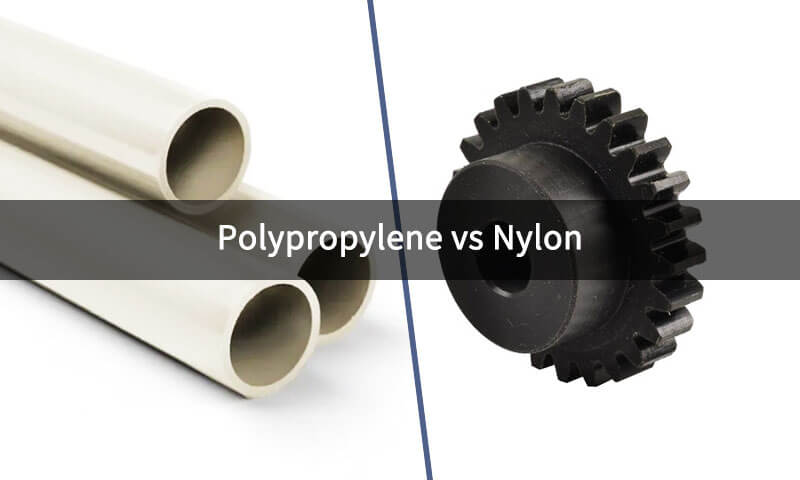
El polipropileno es una poliolefina semicristalina conocida por su baja densidad., excelente resistencia a la humedad, resistencia química, resistencia a la fatiga, y procesamiento relativamente fácil.
Nylon, una familia de poliamidas, Es generalmente reconocido por su mayor resistencia y rigidez., Excelente dureza, baja fricción, resistencia al desgaste, y mejor rendimiento a altas temperaturas.
También es importante evitar tratar cualquiera de los materiales como un solo material., especificación fija. El PP y el nailon son familias de materiales en lugar de grados individuales..
PA6, PA66, PA12, nailon relleno de vidrio, homopolímero PP, copolímero de PP, PP relleno de minerales, y el PP reforzado con vidrio pueden tener propiedades sustancialmente diferentes.
Por lo tanto, un significativo polipropileno vs nailon La comparación debe considerar no solo la resistencia y la resistencia a la temperatura., pero también absorción de humedad, compatibilidad química, fricción y desgaste, rendimiento eléctrico, estabilidad dimensional, comportamiento de moldeo por inyección, costo de fabricación, y condiciones reales de servicio.
1. ¿Qué es el polipropileno??
Polipropileno (PÁGINAS) es un polímero termoplástico ampliamente utilizado perteneciente a la familia de poliolefinas.
Es valorado por su baja densidad., Excelente resistencia química, muy baja absorción de humedad, buen rendimiento de fatiga, aislamiento eléctrico, y procesabilidad eficiente.
El polipropileno resulta especialmente atractivo cuando es necesario combinar componentes de plástico con un peso reducido., resistencia química y a la humedad, buena dureza, rendimiento de flexión repetida, y fabricación rentable.
El polipropileno se diferencia fundamentalmente del nailon en su química molecular.. Su estructura polimérica consiste principalmente en cadenas de hidrocarburos con grupos metilo recurrentes. (-CH₃) unido a la columna vertebral de carbono.
A diferencia del nailon, El PP no contiene grupos amida polares capaces de formar fuertes enlaces de hidrógeno con moléculas de agua..
Esta estructura molecular relativamente no polar es responsable de muchas de las importantes características de ingeniería del polipropileno..
Contribuye a su bajísima absorción de agua., Excelente resistencia a muchos productos químicos., aislamiento eléctrico estable, baja densidad, y buena resistencia a los cambios dimensionales relacionados con la humedad.
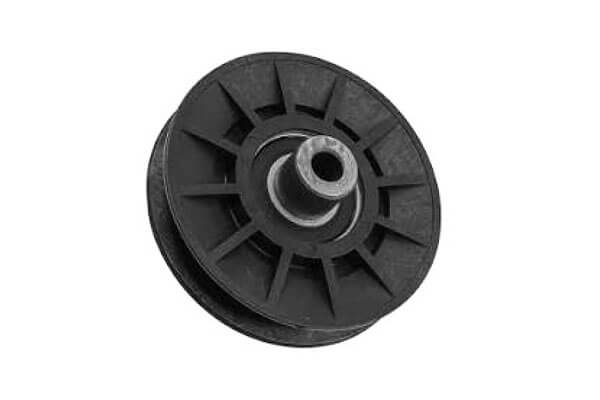
Se pueden diseñar diferentes formulaciones para diferentes aplicaciones..
Las categorías comunes de polipropileno incluyen:
- homopolímero PP
- Copolímero aleatorio de PP
- Copolímero de impacto PP
- PP reforzado con fibra de vidrio
- PP relleno de minerales
- PP relleno de talco
- PP estabilizado a los rayos UV
- PP ignífugo
- PP modificado eléctricamente
La capacidad de modificar el PP mediante copolimerización., relleno, fibras, y aditivos permite a los fabricantes equilibrar la rigidez, fuerza de impacto, resistencia química, apariencia, comportamiento de procesamiento, y costo.
Ventajas y limitaciones del polipropileno
Las principales ventajas del polipropileno incluyen:
- Baja densidad: El PP produce componentes ligeros.
- Excelente resistencia a la humedad: La absorción de agua es extremadamente baja..
- Buena resistencia química: Particularmente eficaz contra muchos ácidos acuosos., alcalino, sales, y detergentes.
- Excelente resistencia a la fatiga: Adecuado para bisagras flexibles y vivas repetidas.
- Buen aislamiento eléctrico: Útil para carcasas eléctricas y componentes aislantes..
- Excelentes características de moldeo por inyección: La baja viscosidad del material fundido y el buen flujo facilitan la producción en grandes volúmenes.
- Bajo costo de material: El PP es generalmente más económico que el nailon de grado técnico..
- Buena flexibilidad de diseño: Se puede producir en diferentes colores., formulaciones, y apariencias superficiales.
Sin embargo, El polipropileno también tiene limitaciones..
El PP estándar generalmente proporciona Menor rigidez y rendimiento mecánico a altas temperaturas que el nailon..
Bajo cargas mecánicas sostenidas, particularmente a temperaturas elevadas, El PP puede experimentar fluencia y deformación..
Su coeficiente relativamente alto de expansión térmica también puede ser importante en aplicaciones de precisión..
Además, El PP no modificado puede degradarse bajo una exposición prolongada a los rayos ultravioleta., por lo que las aplicaciones en exteriores pueden requerir estabilizadores UV u otras medidas de protección.
2. Que es nylon?
Nylon es una familia de termoplásticos de ingeniería pertenecientes a la poliamida (Pensilvania) grupo.
Se utiliza ampliamente cuando los componentes plásticos deben proporcionar una combinación de alta resistencia., rigidez, tenacidad, resistencia al desgaste, baja fricción, rendimiento de fatiga, y capacidad de temperatura elevada.
El nailon se diferencia fundamentalmente del polipropileno en su química molecular.
La columna vertebral del polímero contiene recurrentes grupos amida (-CONH-), que crean interacciones intermoleculares más fuertes que las presentes en la estructura de hidrocarburos no polares del PP.
Estos grupos amida son responsables de muchas de las propiedades técnicas deseables del nailon..
Contribuyen a su resistencia mecánica., rigidez, tenacidad, y capacidad para soportar fricciones y cargas repetidas.
Al mismo tiempo, La naturaleza polar de los grupos amida hace que el nailon absorba la humedad.. Esta es una de las consideraciones más importantes al comparar nailon versus polipropileno.
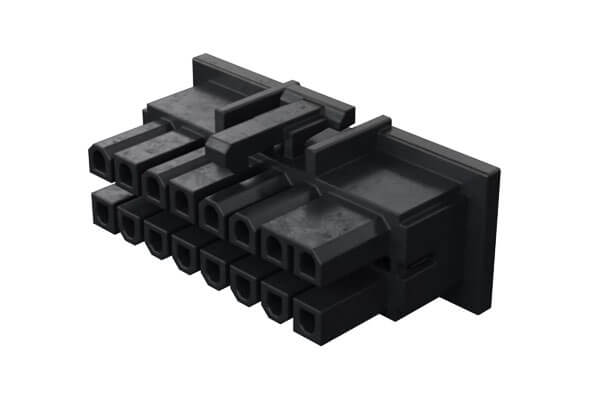
El nailon no es un solo material. Existen varias familias de poliamidas comercialmente importantes.,
incluido:
- PA6
- PA66
- PA11
- PA12
- PA46
- Varios grados de PA reforzados con fibra de vidrio
- Grados de PA rellenos de minerales
- Grados de PA ignífugos
- Grados de PA termoestabilizados
Entre estos, PA6 y PA66 Son particularmente comunes en aplicaciones de ingeniería..
El nailon se utiliza ampliamente para componentes mecánicos porque puede combinar un rendimiento estructural con una fricción relativamente baja..
A diferencia de muchos metales, También puede proporcionar una alternativa liviana para engranajes., bujes, rodillos, guías, y otros componentes móviles.
Ventajas y limitaciones del nailon
Las principales ventajas del nailon incluyen:
- Alta resistencia a la tracción
- Rigidez
- Excelente dureza
- Buena resistencia a la fatiga
- Excelente resistencia al desgaste
- Baja fricción
- Buena resistencia a cargas mecánicas repetidas.
- Mejor rendimiento a altas temperaturas que el PP estándar
- Gran idoneidad para componentes mecánicos.
Sus limitaciones incluyen:
- Mayor absorción de humedad
- Cambios dimensionales relacionados con la humedad.
- Requisitos de secado más exigentes
- Temperaturas de procesamiento más altas
- Mayor sensibilidad a las condiciones de procesamiento.
- Mayor costo de material
- Posibles cambios de propiedad entre estados secos y condicionados por humedad.
3. Resistencia del polipropileno frente al nailon
Mayor resistencia y rigidez del nailon.
Al comparar el polipropileno con el nailon en cuanto a resistencia mecánica, El nailon generalmente proporciona una mayor resistencia a la tracción., rigidez, y capacidad de carga que el polipropileno sin relleno.
Los grados típicos de PP sin relleno tienen resistencias a la tracción de aproximadamente 25–40 MPa, mientras que los grados comunes PA6 y PA66 normalmente pueden alcanzar alrededor 50–90 MPA, dependiendo del grado específico y las condiciones de prueba.
La diferencia está estrechamente relacionada con la estructura molecular.. El polipropileno tiene una estructura de hidrocarburo relativamente apolar., Mientras que el nailon contiene grupos amida polares que crean interacciones intermoleculares y enlaces de hidrógeno más fuertes..
Estas interacciones restringen el movimiento molecular y permiten que el nailon resista la deformación de manera más efectiva bajo carga mecánica..
Excelente comportamiento a la fatiga por flexión del polipropileno
Aunque el nailon es generalmente más resistente, El polipropileno tiene una importante ventaja mecánica en flexión repetida.
El PP puede soportar flexiones cíclicas extensas sin agrietarse cuando el componente está diseñado adecuadamente.
Esto lo hace especialmente adecuado para bisagras vivas., cierres flexibles, características de ajuste a presión, y componentes repetidamente flexionados.
Por lo tanto, Una mayor resistencia a la tracción no hace que el nailon sea automáticamente el mejor material para cada aplicación mecánica..
El modo de carga debe considerarse junto con la fuerza., rigidez, fatiga, impacto, y requisitos de fluencia.
Fuerza mejorada con refuerzo
Ambos polímeros pueden reforzarse para lograr un rendimiento mecánico sustancialmente mayor..
El PP reforzado con fibra de vidrio puede alcanzar resistencias a la tracción de aproximadamente 70–90 MPA en grados representativos, mientras 30% La PA6 reforzada con fibra de vidrio puede alcanzar aproximadamente 130–170 MPa, dependiendo de la formulación y las condiciones de prueba.
El refuerzo también aumenta la rigidez y la resistencia a la fluencia., aunque puede introducir mayor anisotropía, diferencias de contracción del moldeo, y consideraciones de procesamiento.
4. Resistencia a la temperatura del polipropileno frente al nailon
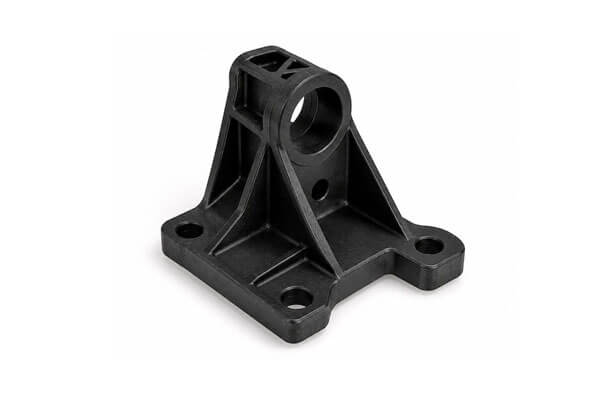
Mayor resistencia a la temperatura del nailon
El nailon generalmente proporciona una mejor resistencia a la temperatura que el polipropileno., particularmente cuando el material debe mantener resistencia mecánica y rigidez a temperaturas elevadas.
Los grados típicos de polipropileno tienen una temperatura de fusión de aproximadamente 160–170 ° C, mientras que PA6 se derrite alrededor 220° C y PA66 a aproximadamente 255° C.
Sin embargo, La temperatura de fusión no debe confundirse con la temperatura de funcionamiento continuo..
Los componentes termoplásticos suelen perder rigidez y capacidad de carga mucho antes de alcanzar su punto de fusión..
El nailon generalmente conserva propiedades mecánicas útiles a temperaturas más altas..
Según el grado y el refuerzo., El nailon puede proporcionar un rendimiento de deflexión del calor y una resistencia a la deformación significativamente mejores..
Capacidad de temperatura moderada del polipropileno
El polipropileno sigue siendo muy eficaz en muchas aplicaciones que funcionan a temperaturas moderadas..
Su bajo costo, resistencia química, y la baja absorción de humedad puede hacerlo más económico que el nailon cuando no se requiere resistencia a temperaturas extremas..
Por ejemplo, El PP se usa ampliamente para contenedores., conductos, alojamiento, componentes de tuberías, y piezas interiores de automóviles donde las temperaturas de funcionamiento permanecen dentro del rango práctico del material.
5. Polipropileno versus nailon resistente a la humedad y a los productos químicos
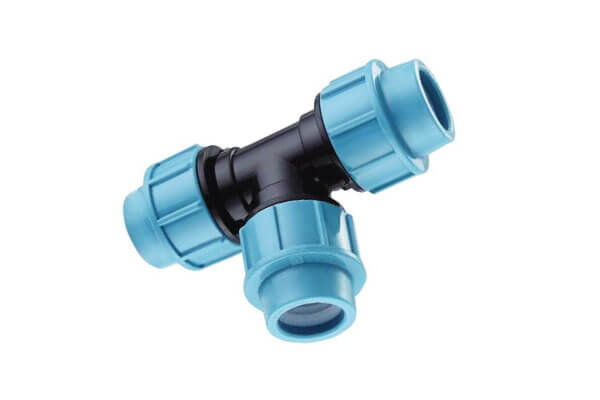
Resistencia superior a la humedad del polipropileno
El polipropileno tiene una gran ventaja sobre el nailon en cuanto a resistencia a la humedad.. Su estructura molecular es predominantemente no polar., por lo que el agua tiene una interacción muy limitada con las cadenas de polímeros..
Los grados típicos de polipropileno exhiben una absorción de agua extremadamente baja., a menudo alrededor 0.01% o menos después 24 horas, dependiendo del grado y método de prueba.
Esta baja absorción de humedad permite que los componentes de PP mantengan dimensiones relativamente estables., peso, propiedades mecánicas, y características eléctricas en ambientes húmedos o mojados.
Mayor absorción de humedad del nailon
El nailon se comporta de manera diferente porque su columna vertebral molecular contiene grupos amida polares..
Estos grupos interactúan fácilmente con las moléculas de agua., permitiendo que el nailon absorba significativamente más humedad.
Según el tipo de poliamida y las condiciones ambientales., El nailon puede absorber Varios por ciento de su peso en agua en equilibrio..
PA6 y PA66 son particularmente sensibles a la humedad en comparación con el polipropileno.
La humedad actúa como plastificante en el nailon.. A medida que aumenta el contenido de agua, El nailon generalmente se vuelve más dúctil mientras que su rigidez y resistencia disminuyen.. Al mismo tiempo, Puede ocurrir expansión dimensional..
Este comportamiento es particularmente importante para componentes de precisión como engranajes., bujes, conectores, y carcasas de tolerancia estricta.
Excelente resistencia química del polipropileno
El polipropileno también ofrece una excelente resistencia a muchos productos químicos., particularmente ácidos diluir, alcalino, sales, detergentes, y soluciones químicas acuosas.
Esta combinación de resistencia química y baja absorción de humedad hace que el PP se utilice ampliamente para contenedores de productos químicos., tanques, tubería, equipo de laboratorio, revestimiento, y componentes de manejo de fluidos.
Buena resistencia química del nailon, pero más dependiente de la aplicación
El nailon proporciona una resistencia útil a muchos aceites., combustible, grasas, y productos químicos industriales. Sin embargo, Su resistencia química depende más de las condiciones químicas y de servicio específicas..
Ciertos ácidos fuertes y ambientes químicos agresivos pueden atacar los materiales de poliamida.. La temperatura elevada y el estrés mecánico pueden influir aún más en la compatibilidad química.
Como consecuencia, El nailon no debe seleccionarse únicamente sobre la base de clasificaciones generales de resistencia química..
El real concentración química, temperatura, duración de la exposición, nivel de estrés, y grado de nailon debe ser evaluado.
6. Polipropileno versus nailon Fricción y resistencia al desgaste
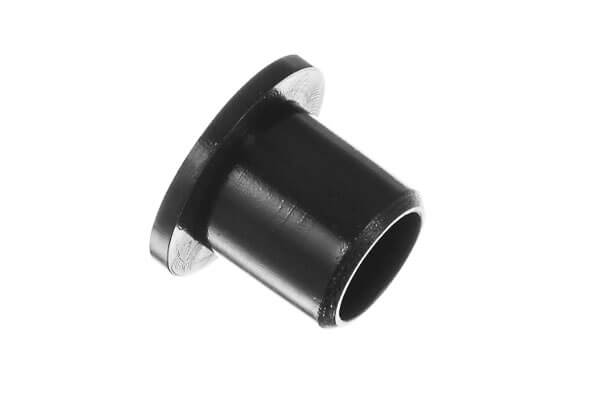
Mejor rendimiento de desgaste mecánico del nailon
El nailon es ampliamente reconocido como un material de ingeniería útil para aplicaciones que implican fricción., corredizo, y contacto mecánico repetido.
Su combinación de fuerza, tenacidad, rigidez, y la fricción relativamente baja lo hace adecuado para engranajes, bujes, aspectos, rodillos, usar tiras, y componentes de guía.
Los coeficientes de fricción en seco típicos del nailon pueden estar en el rango aproximado de 0.2–0.4, dependiendo fuertemente del grado, contracara, carga, velocidad de deslizamiento, acabado superficial, y método de prueba.
La resistencia mecánica relativamente alta del nailon le permite soportar tensiones de contacto sin deformación excesiva., lo cual es particularmente importante en componentes deslizantes cargados.
Características de baja fricción del polipropileno
El polipropileno también puede presentar una fricción relativamente baja y puede funcionar bien en aplicaciones deslizantes seleccionadas..
Ciertos grados de PP se utilizan cuando un peso ligero, químicamente resistente, y se requiere material deslizante de bajo coste.
Sin embargo, El coeficiente de fricción y la resistencia al desgaste no son propiedades idénticas..
Un material puede tener un coeficiente de fricción bajo y al mismo tiempo experimentar una pérdida de material relativamente alta bajo contacto mecánico sostenido..
Para componentes muy cargados o en continuo movimiento, El nailon a menudo proporciona una combinación más favorable de capacidad de carga mecánica y resistencia al desgaste..
Los compuestos especializados pueden mejorar la resistencia al desgaste
Ambos materiales pueden modificarse para aplicaciones tribológicas..
Los compuestos de nailon pueden incorporar PTFE., grafito, disulfuro de molibdeno, lubricantes a base de silicona, u otros aditivos para reducir la fricción y mejorar la resistencia al desgaste.
El polipropileno también se puede formular con rellenos y aditivos lubricantes para aplicaciones especializadas de baja fricción..
Sin embargo, el refuerzo debe seleccionarse cuidadosamente. Las fibras de vidrio pueden aumentar significativamente la rigidez y la capacidad de carga, pero también pueden influir en el mecanismo de desgaste y el comportamiento de la superficie de contacto.
7. Propiedades eléctricas del polipropileno frente al nailon
Excelente aislamiento eléctrico de polipropileno.
El polipropileno es un excelente material aislante eléctrico y es particularmente valioso cuando se requiere un rendimiento dieléctrico estable..
Los grados representativos de PP pueden tener una constante dieléctrica de aproximadamente 2.2–2,6 y resistividad volumétrica del orden de 10¹⁶ Ω·cm, aunque los valores varían con la frecuencia, temperatura, formulación, y condiciones de prueba.
Su combinación de alta resistividad eléctrica., constante dieléctrica baja, y la absorción de humedad extremadamente baja hace que el polipropileno sea útil para aislamiento eléctrico, películas de condensadores, componentes de cables, partes electronicas, y otras aplicaciones dieléctricas.
Buen aislamiento eléctrico de nailon.
El nailon también es un aislante eléctrico eficaz., particularmente en condiciones secas.
Los grados de nailon representativos pueden tener constantes dieléctricas alrededor 3.5–4.0, aunque el valor exacto depende en gran medida del tipo de polímero, frecuencia, temperatura, y contenido de humedad.
La ventaja del nailon es que combina aislamiento eléctrico con una resistencia mecánica y tenacidad sustancialmente mayores que el polipropileno convencional..
Esto lo hace útil para conectores eléctricos., alojamiento, componentes de gestión de cables, y piezas aislantes mecánicamente exigentes.
8. Polipropileno versus nailon para moldeo por inyección
Excelente procesabilidad del moldeo por inyección de polipropileno
El polipropileno es uno de los termoplásticos moldeados por inyección más utilizados porque combina un buen flujo de fusión, requisitos de procesamiento relativamente bajos, baja sensibilidad a la humedad, y tiempos de ciclo cortos.
Su viscosidad de fusión relativamente baja permite que el PP fundido llene cavidades de moldes complejas de manera eficiente, haciéndolo adecuado para componentes de paredes delgadas, características de ajuste a presión, bisagras vivas, contenedores, alojamiento, y otros productos de gran volumen.
Una importante ventaja de procesamiento del PP es que La resina normalmente no requiere el secado previo extenso que requiere el nailon..
Porque el polipropileno absorbe muy poca humedad., Los fabricantes generalmente pueden procesar PP almacenado adecuadamente directamente o con procedimientos de acondicionamiento de materiales relativamente simples..
El PP también tiene una ventana de procesamiento relativamente amplia..
Las temperaturas de fusión típicas suelen estar en el rango de aproximadamente 200–250 ° C, dependiendo del grado y la aplicación, mientras que las temperaturas del molde se controlan comúnmente a temperaturas considerablemente más bajas.
Las condiciones exactas deben establecerse a partir de las recomendaciones de procesamiento del fabricante de la resina..
Mayor sensibilidad a la humedad del nailon
El nailon también es muy adecuado para moldura de inyección, pero sus requisitos de procesamiento son más exigentes.
La mayoría de las resinas de nailon son higroscópicas y pueden absorber la humedad atmosférica durante el almacenamiento..
Antes de moldear, Por lo general, el nailon debe ser secar adecuadamente a un nivel de humedad específico.
Si queda humedad excesiva en la resina, La combinación de agua y alta temperatura de fusión puede causar degradación hidrolítica., reducir el peso molecular y potencialmente reducir el rendimiento mecánico del componente terminado.
Esto hace que el manejo de materiales sea particularmente importante cuando se procesa nailon..
La resina debe almacenarse en envases resistentes a la humedad., y las condiciones de secado deben controlarse de acuerdo con el grado específico de PA.
Temperaturas de procesamiento más altas para el nailon
El nailon generalmente requiere temperaturas de fusión más altas que el polipropileno..
PA6 se procesa comúnmente a temperaturas de fusión alrededor 240–280°C, mientras que PA66 puede requerir aproximadamente 260–300 ° C, dependiendo del grado y la tecnología de procesamiento.
La temperatura de procesamiento más alta aumenta los requisitos de energía y impone mayores exigencias al equipo de moldeo., componentes del molde, y control de procesos.
Sin embargo, La mayor temperatura de procesamiento del nailon también refleja su mayor punto de fusión y permite la producción de componentes capaces de ofrecer un mayor rendimiento mecánico y térmico..
9. Estabilidad dimensional del polipropileno frente al nailon
| Aspecto | Polipropileno | Nylon |
| Absorción de humedad | Muy bajo | Alto |
| Cambio dimensional con la humedad. | Mínimo | Significativo |
| Contracción del molde (%) | 1.0–2.5 | 0.5–2.0 |
| Contracción post-moldeo | Moderado | Significativo (acondicionamiento de la humedad) |
| Resistencia a la fluencia | Moderado | Bien |
La naturaleza hidrofóbica del polipropileno le otorga una excelente estabilidad dimensional en ambientes húmedos..
El nailon absorbe la humedad., causando que las piezas se hinchen y que las dimensiones cambien. Sin embargo, Las piezas de nailon se pueden acondicionar con humedad para lograr dimensiones estables..
10. Polipropileno vs nailon: Consideraciones de costos y fabricación
Costo de materiales
El polipropileno es generalmente más económico que el nailon.. Su baja densidad también significa que se puede requerir menos material en peso para producir un componente de volumen comparable..
Para productos de gran volumen, esto puede proporcionar una ventaja de costos significativa.
El nailon suele ser más caro porque es un termoplástico de ingeniería con mayor rendimiento mecánico y térmico..
Sin embargo, Su mayor resistencia y rigidez pueden permitir a los diseñadores reducir el espesor de la pared o el tamaño del componente., compensando parcialmente el mayor costo de la resina.
Consideraciones de fabricación
| Factor | Polipropileno | Nylon |
| Costo de materiales | Generalmente más bajo | Generalmente más alto |
| Densidad | Más bajo | Más alto |
| Temperatura de procesamiento | Más bajo | Más alto |
| Requisito de secado | Mínimo | Generalmente crítico |
| Moldura de inyección | relativamente fácil | Más sensible al proceso |
| Eficiencia del ciclo | Excelente | Bien |
| Sensibilidad a la humedad | Muy bajo | Alto |
| Complejidad de herramientas/procesos | Generalmente más bajo | Generalmente más alto |
| Economía de aplicación típica | De alto volumen, piezas sensibles al costo | Componentes críticos para el rendimiento |
El polipropileno suele ser más fácil y menos costoso de procesar..
Su baja sensibilidad a la humedad simplifica la manipulación de materiales., mientras que sus buenas características de flujo respaldan un moldeo por inyección eficiente y altos volúmenes de producción..
El nailon requiere un control de fabricación más cuidadoso. Antes del moldeo por inyección, Muchas resinas de nailon deben secarse adecuadamente para evitar la degradación relacionada con la humedad y defectos de moldeo..
Temperatura del molde, temperatura de fusión, tiempo de residencia, y las condiciones de refrigeración también requieren un control más estrecho.
11. Aplicaciones de polipropileno frente a nailon
El rango de aplicación de polipropileno (PÁGINAS) y nailon (Pensilvania) se superpone en muchas áreas, pero cada material se adapta mejor a diferentes condiciones de funcionamiento.
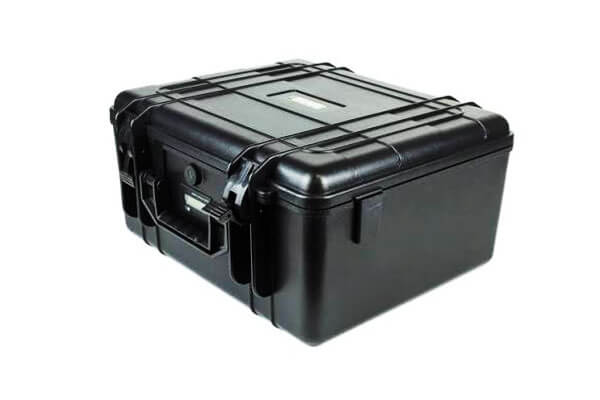
Aplicaciones de polipropileno
El polipropileno se usa ampliamente donde baja densidad, baja absorción de humedad, resistencia química, resistencia a la fatiga, y procesamiento económico de gran volumen son importantes.
| Sector de aplicaciones | Componentes típicos de PP | Por qué se selecciona el PP |
| Embalaje | Contenedores, tapas de botellas, cierres, bandejas, envasado de alimentos | Baja densidad, resistencia a la humedad, resistencia química, Procesabilidad |
| Automotor | Parachoques, adornos interiores, paneles de puerta, cajas de baterias, depósitos de fluidos | Ligero, rendimiento de impacto, resistencia química, eficiencia de rentabilidad |
| Plomería & Sistemas de agua | Tubería, guarniciones, componentes de la bomba, piezas de riego | Baja absorción de agua y resistencia a muchos productos químicos. |
Productos de consumo |
Contenedores de almacenamiento, muebles, aparejo, artículos para el hogar | Ligero, durable, económico |
| Eléctrico & Electrónica | Componentes aislantes, piezas relacionadas con cables, películas de condensadores, alojamiento | Buen aislamiento eléctrico y baja sensibilidad a la humedad. |
| Médico & Productos de laboratorio | Contenedores, bandejas, jeringuillas, equipo de laboratorio | Resistencia química, baja absorción de humedad, grados adecuados disponibles |
| Equipo industrial | Tanques, conductos, contenedores, cubiertas, componentes de manejo de fluidos | Resistencia química, bajo peso, procesamiento económico |
Aplicaciones de nailon
El nailon se utiliza principalmente donde fortaleza, rigidez, tenacidad, baja fricción, resistencia al desgaste, y rendimiento a temperatura elevada son más importantes que el costo mínimo del material y la absorción de humedad.
| Sector de aplicaciones | Componentes típicos de nailon | Por qué se selecciona el nailon |
| Automotor | Engranaje, aspectos, bujes, componentes del motor, conectores, corchetes | Alta fuerza, rigidez, resistencia al desgaste, capacidad de temperatura |
| Eléctrico & Electrónica | Carcasas de conectores, bloques de terminales, componentes del disyuntor | Resistencia mecánica, aislamiento, rendimiento dimensional |
| Maquinaria industrial | Engranaje, rodillos, componentes del rodamiento, usar platos, piezas transportadoras | Baja fricción, resistencia al desgaste, capacidad de carga |
Sujetadores & Hardware |
Bridas para cables, nueces, clips, sujetadores, componentes de ajuste rápido | Fortaleza, tenacidad, resistencia a la fatiga |
| Componentes mecánicos | Bujes, poleas, guías, engranaje, corchetes | Alta rigidez y buen rendimiento tribológico. |
| Fibras & Textiles | Fibras industriales, cordón del neumático, sedal, filamentos del cepillo, textiles tecnicos | Alta resistencia a la tracción, tenacidad, resistencia a la abrasión |
| Productos de consumo | Cremalleras, hebillas, carcasas de herramientas, componentes mecanicos | Tenacidad, fortaleza, resistencia al desgaste |
Polipropileno vs nailon: Selección de aplicación
La elección entre PP y nailon se puede simplificar identificando el requisito de servicio dominante:
- Elija polipropileno cuando el peso es bajo, resistencia a la humedad, resistencia química, rendimiento de fatiga, y el bajo costo de fabricación son los requisitos principales.
- Elige nailon cuando alta resistencia, rigidez, resistencia al desgaste, baja fricción, tenacidad, o el rendimiento a temperatura elevada es más importante.
- Considere PP reforzado Cuando la construcción ligera es importante pero se requiere mayor rigidez y resistencia..
- Considere el nailon reforzado cuando el componente debe soportar altas cargas mecánicas, estrés continuo, o condiciones térmicas exigentes.
12. Conclusión
El polipropileno y el nailon son materiales de ingeniería complementarios, no competidores directos.
Cada uno ocupa un nicho de rendimiento distinto definido por su química fundamental.:
el polipropileno ofrece un bajo coste, Excelente estabilidad dimensional e insensibilidad a la humedad a expensas de una menor resistencia y rendimiento al desgaste.;
El nailon ofrece alta resistencia., Excelente resistencia al desgaste y tolerancia al aceite a expensas de un mayor costo., sensibilidad a la humedad y complejidad del procesamiento.
Ninguno de los dos es universalmente superior.. El PP es la opción óptima para componentes básicos., piezas de precisión en humedad variable, aplicaciones de agua caliente y productos sensibles a los costos.
El nailon es la mejor opción para componentes estructurales de alta carga, usar piezas, Componentes debajo del capó expuestos al aceite y aplicaciones de alta temperatura con refuerzo de vidrio..
El error de selección más común es especificar nailon cuando el PP tendría un rendimiento adecuado con un costo total entre un 40% y un 60% menor., o especificar PP para aplicaciones de desgaste de alta carga donde se producirán fallas prematuras.
La comparación sistemática con las condiciones operativas reales, sin recurrir al material conocido, garantiza un rendimiento óptimo con un coste total mínimo..
Preguntas frecuentes
¿Se pueden reciclar el polipropileno y el nailon??
Sí, ambos materiales son reciclables. El polipropileno se recicla ampliamente (código de resina #5). El nailon es reciclable pero se recicla con menos frecuencia que el polipropileno..
¿El nailon o el polipropileno son más quebradizos a bajas temperaturas??
El polipropileno es más quebradizo a bajas temperaturas.. Tiene una temperatura de transición vítrea de –10 a 0°C., debajo del cual se vuelve quebradizo. El nailon sigue siendo resistente entre –30 y –40 °C.
¿Es el polipropileno más fuerte que el nailon??
Generalmente, No. El nailon estándar suele tener una mayor resistencia a la tracción., rigidez, y capacidad de carga que el polipropileno sin relleno. Sin embargo, El polipropileno tiene una densidad más baja y una excelente resistencia a la fatiga y la humedad..
El PP reforzado también puede lograr un rendimiento mecánico sustancialmente mayor y puede superar al nailon sin relleno en aplicaciones específicas..
¿Es el polipropileno más resistente al calor que el nailon??
Generalmente, El nailon tiene mejor resistencia al calor que el polipropileno estándar..
Los grados de nailon comunes tienen temperaturas de fusión más altas y generalmente conservan mejor la resistencia mecánica y la rigidez a temperaturas elevadas..
Las calidades reforzadas pueden mejorar aún más el rendimiento a altas temperaturas de ambos materiales.
¿Cuál absorbe más agua?, polipropileno o nailon?
El nailon absorbe significativamente más agua que el polipropileno.. El polipropileno tiene una absorción de humedad extremadamente baja., mientras que el nailon es higroscópico debido a sus grupos amida polares..
La absorción de humedad puede afectar las dimensiones del nailon., rigidez, tenacidad, y propiedades eléctricas.
cual es mas barato, polipropileno o nailon?
El polipropileno es generalmente menos costoso que el nailon.. El PP también tiene una densidad más baja., lo que puede reducir aún más el consumo de material por peso del componente.
Sin embargo, El costo total debe incluir el procesamiento., estampación, diseño de piezas, reforzamiento, chatarra, y vida útil.
Un componente de nailon más caro puede, en última instancia, ser más económico si proporciona una vida útil significativamente más larga o permite una menor, diseño de componentes más fuerte.
¿Cuál tiene mejor estabilidad dimensional?, polipropileno o nailon?
La respuesta depende del entorno..
El polipropileno tiene una gran ventaja en la estabilidad dimensional relacionada con la humedad porque absorbe muy poca agua.. El nailon puede experimentar cambios dimensionales a medida que absorbe la humedad..
Sin embargo, El PP tiene una expansión térmica relativamente alta., mientras que el nailon reforzado puede proporcionar una excelente estabilidad dimensional sobre la temperatura cuando se formula adecuadamente.
Para aplicaciones de precisión, Los ingenieros deben evaluar los cambios dimensionales tanto inducidos por la humedad como por la temperatura..