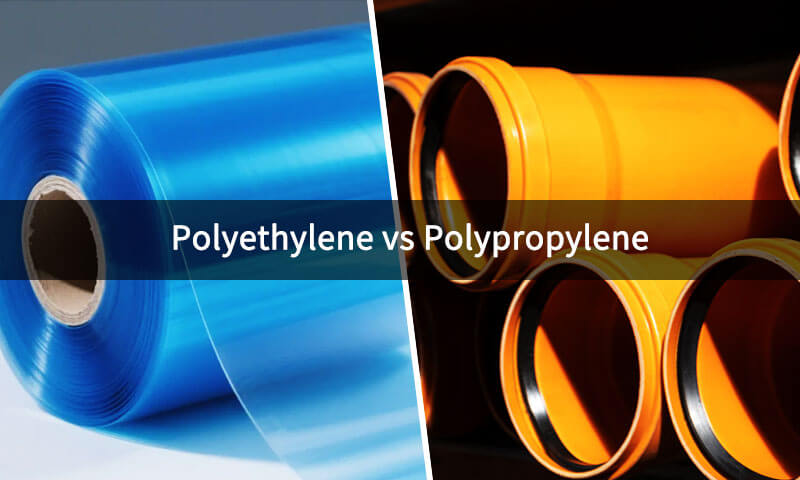
Polietileno (Orina) y polipropileno (PÁGINAS) Son los dos termoplásticos básicos más producidos en el mundo., juntos representan más de 50% de la producción mundial de plástico.
Dominan el packaging, automotor, construcción, médico, y aplicaciones de bienes de consumo.
A pesar de sus similitudes (ambas son poliolefinas termoplásticas derivadas de materias primas de hidrocarburos), poseen propiedades claramente diferentes que hacen que una sea más adecuada que la otra para aplicaciones específicas..
Seleccionar entre PE y PP requiere una comprensión profunda de cómo estas estructuras químicas gobiernan el rendimiento en ingeniería., embalaje, y procesamiento industrial.
1. ¿Qué es el polietileno??
Polietileno (Orina) Es un polímero termoplástico producido mediante la polimerización de monómeros de etileno..
Es una de las familias de polímeros más utilizadas porque su estructura molecular puede modificarse para producir materiales que van desde películas muy flexibles hasta rígidas., componentes de ingeniería de alta resistencia.
Las propiedades del polietileno están fuertemente influenciadas por peso molecular, ramificación de cadena, cristalinidad, densidad, y condiciones de procesamiento.
El aumento de la linealidad molecular y la cristalinidad generalmente mejora la rigidez., fortaleza, resistencia química, y estabilidad dimensional, mientras que una mayor ramificación tiende a aumentar la flexibilidad y reducir la densidad.
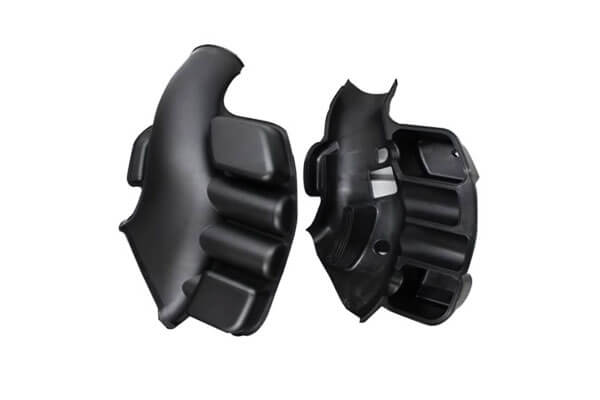
A diferencia de muchos plásticos de ingeniería, El PE tiene una absorción de humedad muy baja y una excelente resistencia a una amplia gama de productos químicos..
También es liviano y relativamente fácil de procesar., haciéndolo atractivo tanto para productos de gran volumen como para componentes industriales especializados.
| Propiedad | Detalle |
| Nombre químico | Polietileno |
| fórmula química | (C₂H₄)ₙ |
| Columna vertebral de polímero | –CH₂–CH₂– |
| monómero | Etileno |
| número CAS | 9002-88-4 |
| Tipo de polímero | Termoplástico |
| Rango de densidad | 0.91–0,96 g/cm³ |
| Punto de fusión | 105–135°C |
Principales tipos de polietileno
El polietileno se clasifica comúnmente según su densidad., estructura molecular, y peso molecular.
| Tipo | Características estructurales | Rendimiento típico | Aplicaciones comunes |
| LDPE | Muy ramificado, cristalinidad relativamente baja | Flexible, difícil, buena procesabilidad | Películas, bolsas, revestimiento, aislamiento de cables |
| LLDPE | Columna principal lineal con ramificación de cadena corta. | Mayor resistencia a la tracción y a la perforación que el LDPE manteniendo la flexibilidad | Películas de embalaje, revestimiento, películas agrícolas |
| PEMD | Densidad intermedia y cristalinidad. | Rigidez equilibrada, tenacidad, y resistencia al agrietamiento por tensión ambiental | Tubería, contenedores, productos industriales |
| HDPE | Cadenas más lineales y mayor cristalinidad. | Rigidez, fortaleza, resistencia química, y resistencia al impacto | Tubería, tanques, contenedores, piezas automotrices |
| UHMWPE | Peso molecular extremadamente alto con cadenas muy entrelazadas. | Resistencia al desgaste excepcional, dureza de impacto, y baja fricción | Use forros, aspectos, guías, componentes medicos |
2. ¿Qué es el polipropileno??
Polipropileno (PÁGINAS) Es un polímero termoplástico producido por la polimerización de monómeros de propileno..
Pertenece a la misma familia de poliolefinas que el polietileno pero tiene una estructura molecular diferente.: a El grupo metilo está unido a la estructura del polímero..
Esta diferencia estructural afecta la movilidad de la cadena., cristalinidad, rigidez, comportamiento térmico, y rendimiento ante la fatiga.
Como resultado, El PP generalmente proporciona una combinación particularmente atractiva de baja densidad, rigidez, resistencia química, resistencia a la fatiga, y procesabilidad.
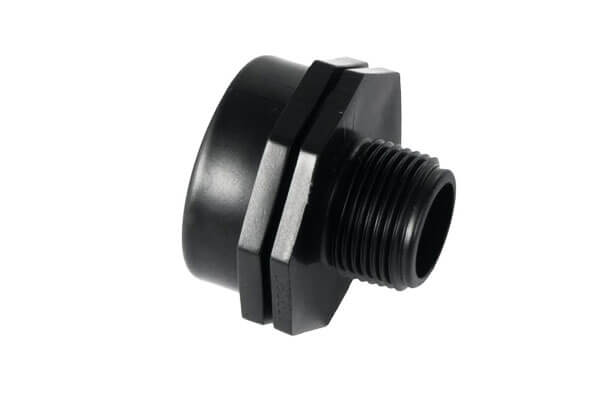
El polipropileno se utiliza ampliamente en componentes moldeados por inyección., sistemas automotrices, embalaje, productos electricos, equipo de laboratorio, productos medicos, y equipo industrial.
Sus propiedades también se pueden adaptar mediante copolimerización., relleno, fibras, modificadores de impacto, y otros aditivos.
| Propiedad | Detalle |
| Nombre químico | Polipropileno |
| fórmula química | (C₃H₆)ₙ |
| Columna vertebral de polímero | –CH₂–CH(CH₃)- |
| monómero | propileno |
| número CAS | 9003-07-0 |
| Tipo de polímero | Termoplástico |
| Rango de densidad | 0.895–0,92 g/cm³ |
| Punto de fusión | 130–171°C |
Principales tipos de polipropileno
El polipropileno comercial se clasifica principalmente según su estructura molecular y contenido de comonómero..
| Tipo | Características estructurales | Rendimiento típico | Aplicaciones comunes |
| Homopolímero PP | Principalmente unidades repetidas de propileno. | Rigidez, buena fuerza, buena resistencia química, buena capacidad de temperatura | Piezas automotrices, contenedores, accesorios, componentes industriales |
| Copolímero aleatorio de PP | Propileno combinado con unidades de comonómero distribuidas aleatoriamente. | Flexibilidad mejorada, comportamiento de impacto, y, a menudo, mejor claridad óptica. | Embalaje, productos medicos, contenedores transparentes |
Copolímero de bloque de PP |
Matriz de propileno que contiene una fase dispersa rica en caucho. | Resistencia al impacto mejorada, especialmente para piezas moldeadas exigentes | Componentes automotrices, contenedores pesados, carcasas industriales |
| PP reforzado | PP combinado con fibra de vidrio, rellenos minerales, u otros refuerzos | Mayor rigidez, estabilidad dimensional, y capacidad de carga | Piezas estructurales de automoción., componentes de maquinaria, carcasa eléctrica |
3. Propiedades mecánicas: Polietileno vs.. Polipropileno
Los valores siguientes son rangos de ingeniería típicos en lugar de especificaciones de materiales universales.
Las propiedades reales pueden variar según el proveedor de resina., designación de grado, preparación de muestras, condiciones de moldeo, orientación, y estándar de prueba.
Para la selección de materiales, La hoja de datos técnicos del proveedor y el método de prueba ASTM/ISO aplicable deben usarse como referencia final..
| Propiedad mecánica | LDPE | HDPE | Homopolímero PP | Copolímero de bloque de PP |
| Resistencia a la tracción al límite elástico | ~8–15MPa | ~20–32MPa | ~30–40 MPa | ~20–35MPa |
| Resistencia a la tracción en rotura | ~8–25MPa | ~25–40 MPa | ~25–45MPa | ~20–40 MPa |
| Alargamiento en el descanso | ~100–600% | ~500–1000%* | ~50–600%* | ~100–700%* |
| Módulo de tracción | ~150–300 MPa | ~700–1500 MPa | ~1000-1800 MPa | ~700–1500 MPa |
| Módulo de flexión | ~150–350 MPa | ~800–1600 MPa | ~1000-1800 MPa | ~700–1500 MPa |
| Dureza | ~40–50 Orilla D | ~60–70 Orilla D | ~65–75 Orilla D | ~55–70 Orilla D |
| Resistencia a la fluencia | De baja moderada | Bien moderado | Bien moderado | Moderado |
| Resistencia a la fatiga | Bien | Bien | Excelente | Excelente |
4. Comparación de propiedades térmicas y resistencia a la temperatura
La resistencia a la temperatura es un factor diferenciador importante entre polietileno y polipropileno..
Ambos son termoplásticos semicristalinos., pero sus estructuras moleculares les dan un comportamiento de fusión diferente, estabilidad térmica, y rendimiento a baja temperatura.
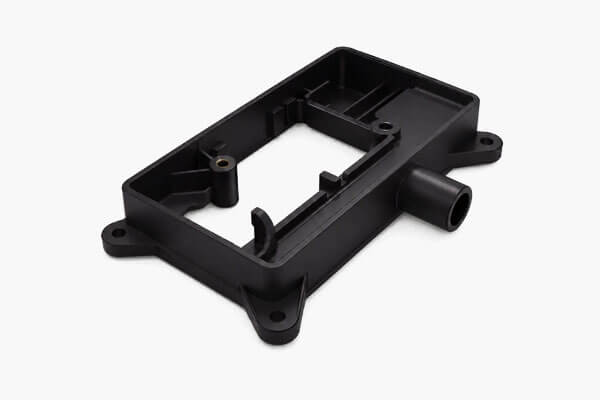
Rendimiento de temperatura elevada
El PP generalmente conserva su rigidez e integridad mecánica a temperaturas más altas que el LDPE y el HDPE..
Esto hace que el homopolímero de PP sea atractivo para componentes expuestos a fluidos calientes., compartimentos del motor, accesorios, y equipo industrial.
El LDPE tiene la rigidez térmica más baja entre los grados considerados.. Su estructura molecular relativamente flexible hace que se ablande y se deforme más fácilmente a medida que aumenta la temperatura..
El HDPE funciona mejor que el LDPE, pero la exposición prolongada a temperaturas elevadas aún puede provocar fluencia y deformación dimensional..
El copolímero de bloque de PP proporciona una resistencia al impacto mejorada, pero puede tener una rigidez y resistencia al calor algo menores que el homopolímero de PP debido a su estructura modificada con caucho..
Rendimiento a baja temperatura
El polietileno generalmente tiene una ventaja en ambientes fríos.. El HDPE y los grados de PE especialmente formulados apropiadamente pueden conservar una resistencia sustancial al impacto a bajas temperaturas..
PP convencional, en comparación, puede volverse significativamente más frágil a medida que disminuye la temperatura. Esto es particularmente importante para componentes expuestos a impactos repentinos en climas fríos..
El copolímero de bloques de PP está diseñado específicamente para mejorar esta limitación.. Su fase elastomérica dispersa absorbe la energía del impacto y proporciona una tenacidad a bajas temperaturas sustancialmente mejor que el homopolímero de PP estándar..
Expansión térmica y estabilidad dimensional
Tanto el PE como el PP tienen coeficientes de expansión térmica relativamente altos en comparación con los metales.. Por lo tanto, los cambios de temperatura pueden producir movimientos dimensionales notables., especialmente en componentes de precisión con dimensiones largas o espacios reducidos.
5. Comparación de resistencia química: Polietileno vs.. Polipropileno
Tanto polietileno (Orina) y polipropileno (PÁGINAS) son ampliamente reconocidos por su excelente resistencia al agua, ácidos, alcalino, y muchos productos químicos industriales.
Sus estructuras de hidrocarburos no polares les otorgan una ventaja importante sobre muchos plásticos de ingeniería.: La resistencia química es generalmente fuerte sin depender de recubrimientos protectores..
Resistencia química del polietileno
El polietileno generalmente proporciona una excelente resistencia a los productos químicos acuosos..
HDPE Se utiliza especialmente en tanques de productos químicos., batería, tubería, revestimiento, y contenedores porque combina resistencia química con buena dureza y permeabilidad relativamente baja a muchas sustancias..
PE funciona bien contra muchos:
- Ácidos diluidos
- Álcalis y bases
- Sales
- alcoholes
- Agua y soluciones acuosas.
- Muchos detergentes
Sin embargo, El polietileno no es resistente a todos los ambientes químicos..
Cierto agentes oxidantes fuertes, compuestos aromáticos, y disolventes a base de hidrocarburos puede afectar la EP, particularmente a temperaturas elevadas o bajo tensión mecánica sostenida.
Por lo tanto, el grado específico de PE es importante cuando se espera una exposición química a largo plazo..
Resistencia química del polipropileno
El polipropileno ofrece una resistencia igualmente fuerte a muchos ácidos., alcalino, sales, detergentes, y soluciones químicas acuosas.
Se usa ampliamente en equipo de procesamiento químico, productos de laboratorio, tanques de almacenamiento, zapatillas, válvulas, y sistemas de tuberías.
Una ventaja notable del PP es su combinación de resistencia química y Capacidad de temperatura más alta que muchos grados de PE convencionales..
Esto hace que el PP sea particularmente atractivo cuando la exposición química ocurre a temperaturas moderadamente elevadas..
Sin embargo, el PP puede verse afectado por ciertos aromáticos., clorado, y productos químicos a base de hidrocarburos.
El riesgo generalmente aumenta con la temperatura., concentración, tiempo de exposición, y carga mecánica.
Como consecuencia, una evaluación de la compatibilidad química siempre debe basarse en las condiciones de servicio reales y no solo en el nombre del polímero..
educación física frente a. Resistencia química PP
| Químico / Ambiente | Polietileno (Orina) | Polipropileno (PÁGINAS) |
| Agua | Excelente | Excelente |
| Ácidos diluidos | Excelente | Excelente |
| álcalis | Excelente | Excelente |
| Sales | Excelente | Excelente |
| Detergentes | Excelente | Excelente |
| alcoholes | En general bueno-excelente | En general bueno-excelente |
| Hidrocarburos | Variable | Variable |
| Disolventes aromáticos | Limitado | Limitado |
| Oxidantes fuertes | Limitado | Limitado |
| Servicio químico de alta temperatura. | Bueno para grados de PE seleccionados | Generalmente mejor |
6. Absorción de agua, Humedad y estabilidad dimensional
Una de las similitudes más útiles entre PE y PP es su muy baja absorción de agua.
A diferencia de los plásticos de ingeniería higroscópicos como el nailon o la poliamida, Ninguno de los materiales absorbe fácilmente cantidades significativas de humedad atmosférica en su estructura polimérica..
Esta característica es importante porque la absorción de humedad puede provocar cambios dimensionales., propiedades mecánicas alteradas, y dificultades de procesamiento en otros termoplásticos. El PE y el PP evitan en gran medida estos problemas.
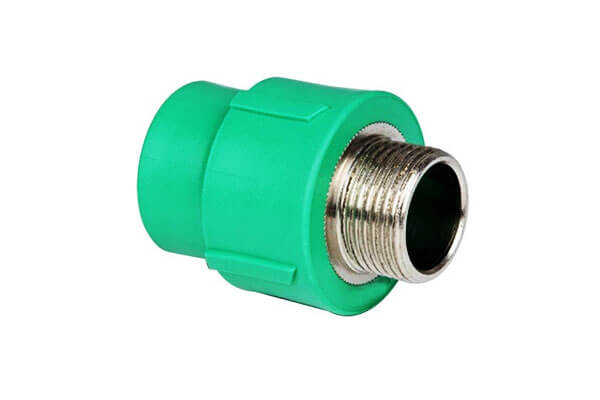
Comportamiento de la humedad
Tanto el polietileno como el polipropileno son esencialmente hidrofóbico, polímeros no polares. El agua tiene poca afinidad por sus cadenas moleculares., por lo que la absorción de agua es muy baja en condiciones normales.
Como resultado, Las piezas de PE y PP generalmente mantienen bien sus dimensiones y características mecánicas en ambientes húmedos o durante la exposición intermitente al agua..
| Propiedad | Polietileno | Polipropileno | Importancia práctica |
| Absorción de agua | Muy bajo | Muy bajo | Buen rendimiento en ambientes húmedos y mojados. |
| Sensibilidad a la humedad durante el procesamiento. | Bajo | Bajo | Generalmente no se requiere un secado previo extenso |
| Cambio dimensional por humedad. | Pequeñito | Pequeñito | Adecuado para componentes en contacto con el agua |
| Estabilidad hidrolítica | Generalmente excelente | Generalmente excelente | Útil para exposición acuosa prolongada. |
| Aislamiento eléctrico relacionado con la humedad. | Excelente | Excelente | Adecuado para muchas aplicaciones eléctricas |
Estabilidad dimensional: Humedad vs.. Temperatura
La baja absorción de humedad no significa que el PE y el PP sean dimensionalmente estables en todas las condiciones ambientales..
Para componentes de precisión, La expansión térmica y la fluencia son generalmente consideraciones mucho más importantes que la absorción de humedad..
Ambos polímeros tienen una expansión térmica considerablemente mayor que los metales.. Por lo tanto, los cambios de temperatura pueden provocar cambios dimensionales notables., particularmente en grandes partes, ensamblajes de precisión, y componentes con espacios libres reducidos.
La carga mecánica a largo plazo presenta otra preocupación: arrastrarse. Cuando el PE o PP está continuamente sometido a estrés, El movimiento molecular gradual puede causar cambios dimensionales permanentes..
El efecto se vuelve más pronunciado a medida que aumentan la temperatura y la tensión aplicada..
Por lo tanto, componentes como casquillos, soporte, guías, focas, y las piezas estructurales de plástico deben evaluarse para su entorno de servicio completo en lugar de solo sus dimensiones iniciales..
7. Comparación de procesamiento y fabricación
El PE y el PP son termoplásticos muy versátiles y pueden transformarse en productos terminados mediante una amplia gama de procesos de fabricación..
Su flexibilidad de procesamiento es una de las principales razones por las que ocupan una participación tan grande en el mercado de los plásticos..
Moldura de inyección
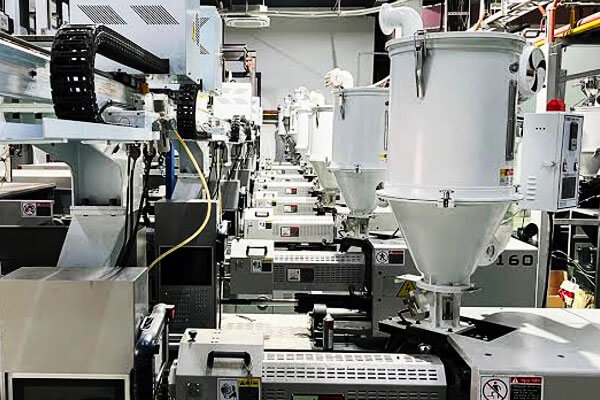
Moldura de inyección es particularmente importante para el PP, donde las características de flujo del material y su rigidez relativamente alta lo hacen adecuado para producir complejos, Componentes ligeros en grandes volúmenes de producción..
Piezas automotrices, carcasa eléctrica, componentes del electrodoméstico, contenedores, y los productos industriales se fabrican frecuentemente de esta manera.
El HDPE también es muy adecuado para el moldeo por inyección., especialmente para contenedores rígidos, cierres, componentes industriales, y piezas estructurales de plástico.
El LDPE generalmente se selecciona cuando el producto final requiere mayor flexibilidad en lugar de alta rigidez..
Extrusión
La extrusión es una ruta de procesamiento importante para ambas familias de polímeros.. El PE tiene una presencia particularmente fuerte en los productos extruidos., incluyendo tuberías, hojas, películas, perfiles, revestimiento, y aislamiento de cables.
El HDPE se usa ampliamente para tuberías de presión y sin presión debido a su combinación de dureza, resistencia química, y la soldabilidad se adapta bien a los sistemas de manejo de fluidos.
El PP también se extruye en tuberías, hojas, películas, perfiles, y productos industriales especializados donde una mayor rigidez o capacidad de temperatura es beneficiosa.
Moldeo por soplado y moldeo rotacional
Orina, especialmente HDPE, Se utiliza ampliamente para botellas moldeadas por soplado., batería, tanques, contenedores, y otros productos huecos.
Su dureza y procesabilidad lo hacen especialmente adecuado para envases grandes o resistentes a impactos..
El moldeo rotacional es otro proceso importante de PE, especialmente para tanques grandes, contenedor, conductos, y contenedores industriales.
El PP también se puede transformar en productos huecos, aunque su ventana de procesamiento y perfil de aplicación difieren de los de PE.
Termoformado y Fabricación
Tanto las láminas de PE como las de PP se pueden termoformar en cubiertas., bandejas, alojamiento, revestimiento, y otros componentes grandes.
También se pueden unir mediante soldadura térmica, fusión a tope, soldadura por extrusión, y fijación mecánica, permitiendo a los fabricantes fabricar estructuras grandes sin herramientas de moldeo convencionales.
Esto es particularmente valioso para los tanques de productos químicos., conductos, revestimientos protectores, y equipos industriales personalizados.
Mecanizado CNC
PE y PP también pueden ser mecanizado por CNC cuando los volúmenes de producción son demasiado bajos para justificar herramientas dedicadas o cuando se requieren geometrías excepcionalmente personalizadas.
El mecanizado requiere condiciones de corte adecuadas porque ambos materiales tienen una rigidez relativamente baja y pueden deformarse bajo fuerzas excesivas de sujeción o corte..
Entre los grados de educación física, UHMWPE presenta desafíos de mecanizado adicionales debido a su alto peso molecular, elasticidad, y tendencia a generar calor durante el corte.
Herramientas adecuadas, sujeción de piezas, y el control térmico son por lo tanto importantes para lograr dimensiones consistentes.
8. Características y apariencia de la superficie
La apariencia de la superficie no suele ser la razón principal para seleccionar polietileno o polipropileno., pero se vuelve importante cuando el material se usa para componentes visibles, productos de consumo, alojamiento, embalaje, o piezas que requieran un acabado táctil o estético específico.
Características de la superficie de polietileno
La apariencia del polietileno depende en gran medida de su grado y cristalinidad.. El LDPE tiende a tener una textura más blanda., apariencia más flexible, mientras que el HDPE generalmente proporciona una superficie más rígida y opaca.
El HDPE comúnmente presenta una Superficie lisa a ligeramente texturizada con una apariencia natural de translúcida a opaca.
Su superficie se puede mecanizar, pulido, texturizado, o terminado mecánicamente de otra manera, aunque conseguir una superficie decorativa muy brillante puede ser más complicado que con otros plásticos.
Características de la superficie del polipropileno
El PP generalmente proporciona una limpio, liso, y superficie relativamente rígida, particularmente en componentes moldeados por inyección.
Se puede producir en una amplia gama de colores y texturas y se usa ampliamente donde la apariencia y el desempeño funcional deben coexistir..
La baja energía superficial del PP puede hacer que la pintura convencional, unión adhesiva, y la impresión es difícil.
Tratamiento superficial como tratamiento con llama, tratamiento corona, tratamiento con plasma, o imprimaciones especializadas Puede ser necesario mejorar la adherencia..
9. Consideraciones ambientales y de sostenibilidad
| Aspecto | Polietileno | Polipropileno |
| Reciclabalidad | Excelente (ampliamente reciclado) | Excelente (cada vez más reciclado) |
| Contenido reciclado disponible | Alto | Moderado |
| Biodegradabilidad | No biodegradable | No biodegradable |
| Persistencia ambiental | Alto (siglos) | Alto (siglos) |
| Energía para producir (Mj/kg) | 70–90 | 70–85 |
| Huella de carbono (kg CO₂/kg) | 1.5–2.5 | 1.5–2.5 |
| Grados de base biológica | Disponible (bio-PE) | Disponible (bio-PP) |
| Aporte de microplásticos | Significativo | Significativo |
10. Aplicaciones: Polietileno vs.. Polipropileno
El PE y el PP se utilizan en una gama excepcionalmente amplia de industrias, pero sus aplicaciones tienden a reflejar sus diferentes perfiles de desempeño.
Ejemplos de aplicación de polietileno
Industria del embalaje
- Película estirable de LDPE: El film estirable para palés industriales y el film transparente para alimentos utilizan LDPE por su alargamiento extremo (200–600%), Excelente resistencia a la perforación y capacidad de autoadherencia bajo tensión..
El bajo punto de fusión del LDPE también le permite sellar térmicamente de manera limpia en líneas de envasado de alta velocidad.. - Jarras de leche y botellas de detergente de HDPE: El HDPE moldeado por soplado es el estándar para contenedores rígidos de líquidos porque proporciona buena rigidez., Excelentes propiedades de barrera contra la humedad y resistencia al impacto a bajo costo..
Su punto de fusión de 125 a 135 °C resiste procesos de llenado en caliente para bebidas y productos químicos industriales.. - Sacos de envío resistentes LLDPE: El polietileno lineal de baja densidad se utiliza para sacos de envío industriales porque combina la flexibilidad del LDPE con una mayor resistencia al desgarro y a la perforación., Hacer frente al trato brusco en las cadenas logísticas..
Infraestructura y Construcción
- Tubería municipal de agua y gas de HDPE: El polietileno de alta densidad es el material dominante para las líneas enterradas de distribución de agua potable y de servicio de gas natural..
Su excelente resistencia química a los componentes del suelo., Los sistemas de juntas flexibles y sin corrosión reducen el costo de instalación y el riesgo de fugas en comparación con las tuberías de metal.. - Geomembranas de HDPE: 0.5–Las láminas de HDPE de 2,5 mm de espesor se alinean en los vertederos, Estanques mineros y depósitos de agua como barreras impermeables..
La baja absorción de agua del HDPE, La resistencia a los productos químicos del suelo y la capacidad de soldarse térmicamente en el campo lo convierten en el estándar de la industria.. - Barreras de vapor de LDPE: Se instalan láminas finas de LDPE detrás de las paredes de los edificios como barreras contra la humedad y el radón., aprovechando la tasa de transmisión de vapor de agua casi nula del PE.
Electricidad y Cableado
- Aislamiento de cables y alambres de LDPE: El polietileno de baja densidad es el aislamiento primario estándar para bajas- y cables de alimentación de media tensión y cableado de comunicaciones..
Sus excelentes propiedades dieléctricas, La flexibilidad y el bajo costo de procesamiento lo hacen ideal para el recubrimiento de conductores por extrusión de alta velocidad.. - Cubiertas de cables de HDPE: Medio- y los cables de alta tensión utilizan cubiertas exteriores de HDPE para una mayor protección mecánica, Resistencia al aplastamiento y a la intemperie para instalaciones directas enterradas y elevadas..
Cadena de frío y criogénica
- Envases de alimentos congelados de LDPE: Las películas y bolsas flexibles de LDPE dominan los envases de alimentos congelados porque el LDPE sigue siendo flexible y resistente a impactos hasta -40 °C y menos., sin volverse quebradizo como lo haría el PP.
- Contenedores de almacenamiento criogénico de HDPE: Los tanques y contenedores de HDPE moldeados rotacionalmente almacenan nitrógeno líquido y otros fluidos criogénicos a temperaturas tan bajas como -196 °C., donde el PP se haría añicos.
Bienes de consumo
- Bolsas de supermercado de plástico HDPE y bolsas reutilizables: La combinación de bajo costo, Su buena resistencia y resistencia al agua hacen del HDPE el estándar para bolsas de transporte y bolsas de compras reutilizables..
- Juguetes flexibles y biberones: El LDPE se utiliza para materiales blandos., juguetes para niños exprimibles y botellas dispensadoras debido a su extrema flexibilidad y sensación de goma.
Ejemplos de aplicación de polipropileno
Empaque y Servicio de Alimentos
- Tapas y cierres de botellas de PP: El homopolímero de PP moldeado por inyección es el material casi universal para tapas de botellas de bebidas de rosca.
Su alta rigidez, la buena resistencia a la fluencia y el punto de fusión de 160 °C garantizan un sellado hermético sin deformación durante el llenado en caliente., pasteurización y envío. - Recipientes para alimentos aptos para microondas: El PP es el estándar para bandejas de comida y recipientes de almacenamiento de alimentos aptos para microondas porque resiste temperaturas de 100 a 120 °C sin ablandarse., y generalmente se reconoce como seguro para el contacto con alimentos a temperaturas elevadas.
- Vasos y tapas desechables termoformados: La lámina de PP de calibre fino se termoforma en vasos rígidos desechables y tapas tipo domo con una definición más nítida y mejor rigidez que los productos de PE comparables..
Industria automotriz
- Fascias de parachoques de copolímero de bloque de PP: Los parachoques y paneles de carrocería de automóviles utilizan copolímero de bloques de PP modificado por impacto.
Los segmentos del bloque de etileno mejoran la resistencia al impacto a baja temperatura para que las piezas sobrevivan el frío invernal sin agrietarse., mientras que la rigidez inherente del PP mantiene la forma estructural. - Carcasas de batería y componentes debajo del capó: El homopolímero de PP con refuerzo de fibra de vidrio se utiliza para cajas de baterías de automóviles y piezas del compartimento del motor..
Resiste los aceites, Combustibles y temperaturas elevadas debajo del capó mejores que el PE. - Paneles y molduras interiores de puertas: El PP relleno de talco es ligero, Módulos rígidos de puertas interiores y sustratos de paneles de instrumentos., ofreciendo buena estabilidad dimensional y bajo costo.
Hogar y electrodomésticos
- Utensilios de cocina y almacenamiento aptos para lavavajillas: El PP es el estándar para recipientes de almacenamiento de alimentos y utensilios de cocina comercializados como aptos para lavavajillas., porque sobrevive a repetidos ciclos de lavado a 60-70 °C sin deformarse ni degradarse, a diferencia del HDPE que suaviza.
- Cubas para lavadoras y carcasas para electrodomésticos: Un gran homopolímero de PP moldeado por inyección forma tambores de lavadoras y carcasas de electrodomésticos, combinando resistencia al agua, rigidez y bajo costo.
Industriales e Ingeniería
- Tubería de PP para procesamiento químico.: Los sistemas de tuberías de polipropileno soportan entornos químicos agresivos, incluidos ácidos., bases y soluciones salinas a temperaturas más altas que las que pueden soportar las tuberías de HDPE.
- Engranajes y cojinetes de plástico.: El PP homopolímero se utiliza para la luz.- a engranajes y casquillos de carga media en maquinaria industrial.
Sus propiedades autolubricantes naturales., La resistencia al desgaste y la estabilidad dimensional lo hacen adecuado para aplicaciones de movimiento a baja velocidad..
Fibras y Textiles
- Fibras de alfombra PP: La mayoría de las fibras sintéticas para alfombras residenciales y comerciales son polipropileno.. Resiste las manchas, humedad y moho mejor que el nailon, a un costo menor.
- Geotextiles y cuerdas industriales.: La fibra cortada de PP y el monofilamento se utilizan para geotextiles de construcción de carreteras., cuerdas marinas y redes de carga, aprovechando la buena resistencia química y la alta relación resistencia-peso del PP.
11. Tabla de comparación integral: Polietileno vs.. Polipropileno
| Propiedad | Polietileno (Orina) | Polipropileno (PÁGINAS) | Consideración de selección |
| Densidad | ~0,91–0,96 g/cm³ | ~0,895–0,92 g/cm³ | Ambos son livianos; El PP es generalmente un poco más ligero |
| Rigidez | Bajo a moderado, dependiendo de la calificación | Generalmente más alto | Es preferible el PP cuando se requiere mayor rigidez. |
| Resistencia al impacto | Excelente, especialmente HDPE y UHMWPE | Bien; reducido a bajas temperaturas | El PE suele ser el preferido para aplicaciones de alto impacto |
| Resistencia a la tracción | Moderado a alto | Moderado a alto | Fuertemente dependiente del grado y la estructura molecular. |
| Flexibilidad | Más alto, particularmente LDPE | Moderado | El PE es mejor para películas flexibles, tubería, y revestimientos |
| Resistencia al calor | Moderado; varía significativamente según el grado | Generalmente más alto | El PP es ventajoso para servicios de temperatura elevada |
| Rendimiento a baja temperatura | Generalmente excelente | Más sensible a las bajas temperaturas. | A menudo se prefiere el PE para ambientes fríos. |
| Resistencia química | Excelente | Excelente | Ambos resisten muchos ácidos., alcalino, sales, y productos químicos acuosos |
| Absorción de agua | Muy bajo | Muy bajo | Ambos proporcionan una excelente resistencia a la humedad. |
| Resistencia a la fluencia | Moderado; varía por grado | Moderado | Es posible que se necesite refuerzo o selección de calidad para cargas sostenidas. |
Resistencia a los rayos UV |
Requiere estabilización para exposición a largo plazo. | Requiere estabilización para exposición a largo plazo. | Se recomiendan los grados estabilizados contra los rayos UV en exteriores. |
| Aislamiento eléctrico | Excelente | Excelente | Ambos son ampliamente utilizados como materiales aislantes. |
| Procesamiento típico | Extrusión, moldura, moldura de inyección, moldeo rotacional | Moldura de inyección, extrusión, moldura, Termoformado | La selección depende de la geometría de la pieza y del volumen de producción. |
| Costo típico | Generalmente económico | Generalmente económico | El precio de mercado varía según el grado y la región. |
| Ventaja más conocida | Tenacidad, resistencia química, flexibilidad | Rigidez, resistencia al calor, baja densidad | Elija según el requisito de servicio dominante |
| Aplicaciones típicas | Contenedores, tubería, revestimiento, películas, tanques, componentes de desgaste | Piezas automotrices, contenedores de comida, equipo de laboratorio, accesorios, componentes químicos | Ambos atienden a amplios mercados industriales y de consumo. |
12. Piezas personalizadas de polietileno y polipropileno de LangHe Industry
LangHe Industry ofrece soluciones personalizadas de componentes poliméricos para aplicaciones que requieren una construcción ligera, resistencia química, rendimiento de desgaste, baja absorción de humedad, y control dimensional confiable.
Los componentes de PE y PP se pueden fabricar según los requisitos de la aplicación., dibujos de ingenieria, 3modelos D, o grados de material especificados.
| Capacidad | Detalles |
| Materiales | LDPE, HDPE, LLDPE, UHMWPE, PP homopolímero, Copolímero aleatorio PP, Copolímero de bloque PP. |
| Tratamiento | moldeo por inyección, extrusión, moldeo por soplado, Termoformado, Mecanizado CNC. |
| Peso de la pieza | 0.01 kg a 50 kg. |
| Calidad | ISO 9001:2015 certificado. |
| Tiempo de entrega | 2–4 semanas para mecanizado; 4–8 semanas para herramientas y producción.. |
13. Conclusión
El polietileno es generalmente la opción más fuerte cuando la tenacidad, flexibilidad, resistencia química, rendimiento de impacto a baja temperatura, o la resistencia al desgaste es el requisito principal.
El HDPE proporciona un equilibrio útil entre rigidez y dureza., mientras que UHMWPE extiende el PE a aplicaciones exigentes de desgaste y baja fricción..
Generalmente se prefiere el polipropileno cuando la rigidez, resistencia a la fatiga, construcción liviana, resistencia química, y se requiere una capacidad de temperatura relativamente más alta.
El homopolímero de PP es adecuado para componentes rígidos., mientras que el copolímero de bloque de PP ofrece un rendimiento de impacto mejorado.
Para componentes personalizados, la pregunta no es simplemente “PE o PP?" sino más bien “¿Qué grado y proceso de fabricación específicos proporcionarán el rendimiento requerido durante toda la vida útil del componente?”?"Esa distinción es fundamental para una ingeniería de polímeros confiable.
Preguntas frecuentes
Que es más fuerte, polietileno o polipropileno?
Depende del grado específico.. El homopolímero de PP generalmente proporciona mayor rigidez y resistencia a la tracción útil., mientras que el HDPE ofrece una excelente combinación de dureza y resistencia..
Por lo tanto, más fuerte debe evaluarse en términos de resistencia a la tracción, rigidez, resistencia al impacto, o capacidad de carga a largo plazo.
¿Cuál tiene mejor resistencia química?, PE o PP?
Ambos proporcionan una excelente resistencia a muchos ácidos., alcalino, sales, detergentes, y productos químicos acuosos.
El PP suele tener una ventaja cuando la exposición química se produce a temperaturas elevadas, mientras que el HDPE se usa ampliamente para el almacenamiento de productos químicos en general y el manejo de fluidos..
¿Es el polietileno más flexible que el polipropileno??
Generalmente, Sí. El LDPE es significativamente más flexible que el PP convencional.
El HDPE es considerablemente más rígido, pero el PP comúnmente proporciona mayor rigidez que el LDPE y puede diseñarse para aplicaciones estructurales rígidas..
cual es mas flexible: polietileno o polipropileno?
El polietileno es generalmente más flexible que el polipropileno.. El LDPE es particularmente flexible; El HDPE es más rígido.
¿Se pueden reciclar juntos el polietileno y el polipropileno??
No. El PE y el PP tienen diferentes densidades y propiedades y no se pueden reciclar juntos en la mayoría de los flujos de reciclaje..
cual tiene mejor claridad: PE o PP?
LDPE y LLDPE pueden tener buena claridad. El PP de copolímero aleatorio también tiene buena claridad.. El HDPE y el homopolímero PP son opacos..