

Uvod
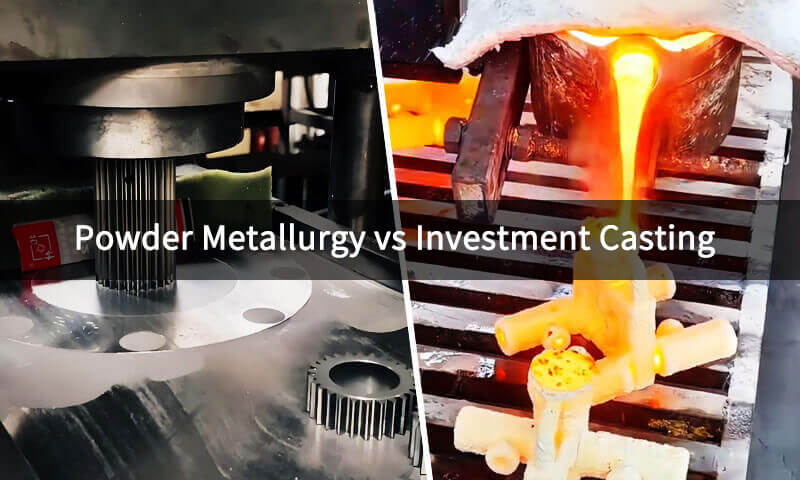
Među bezbroj metoda proizvodnje, izdvajaju se dvije izrazito različite — a opet često konkurentne — tehnologije: investiciono livenje i metalurgija praha (Pm).
Investiciono livenje, milenijum star proces rafiniran kroz modernu nauku o materijalima, nudi neusporedivu geometrijsku slobodu i svestranost legure.
Metalurgija u prahu, inovacija 20. veka, pruža izuzetnu efikasnost materijala, visoke stope proizvodnje, i kontrolirana poroznost za specijalizirane primjene.
Na prvi pogled, oba procesa proizvode metalne dijelove u obliku skoro mreže uz minimalnu obradu.
Ali njihovi osnovni principi – skrućivanje iz rastopljenog metala naspram sinterovanja čvrstog praha pod pritiskom – dovode do radikalno različitih pravila dizajna., materijalne mogućnosti, Mehanička svojstva, i ekonomske razmjere.
Odabir između ove dvije tehnologije zahtijeva sveobuhvatno razumijevanje ne samo troškova proizvodnje već i mehaničkih zahtjeva, složenost geometrije, Volumen proizvodnje, Izbor materijala, i dugoročne performanse usluge.
1. Razumijevanje investicionog livenja
Investiciono livenje, također poznat kao livenje izgubljenog voska, je precizan proces oblikovanja metala u kojem je voštani uzorak premazan vatrostalnom keramičkom školjkom, vosak se rastopi, a nastala šupljina je ispunjena rastopljenim metalom.
Nakon učvršćivanja, keramička školjka se uklanja, otkrivajući metalnu komponentu gotovo mrežastog oblika sa izuzetnom završnom obradom površine i preciznošću dimenzija.
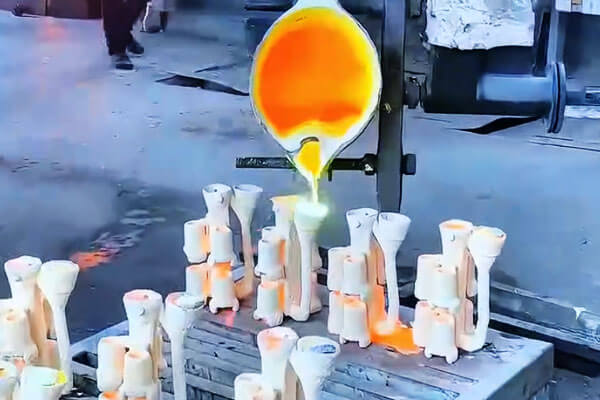
Proces datira u prošlost 5,000 godine do drevnih civilizacija u Egiptu, Kina, i Mesopotamija, gdje je korištena za bronzane statue i nakit.
Danas, to je visokotehnološka metoda proizvodnje lopatica zrakoplovnih turbina, Medicinski implantati, komponente vatrenog oružja, i industrijski ventili.
Osnove procesa
| Faza | Korak | Ključni detalj |
| 1 | Proizvodnja uzoraka | Vosak (ili termoplastika) ubrizgan u preciznu metalnu matricu (alat). |
| 2 | Montaža drveta | Višestruki uzorci pričvršćeni za središnji izljev (stablo voska). |
| 3 | Zgrada školjke | 6-10 slojeva keramičke smjese (Silica Sol) + vatrostalna štukatura (cirkon/aluminijum). |
| 4 | Dewaxing | Parni autoklav topi vosak; školjka ostaje šuplja. |
| 5 | Ispaljivanje granata | 900Pečenje na -1100°C za jačanje keramike i uklanjanje isparljivih materija. |
| 6 | Topljenje & izlijevanje | Metal topljen u indukcijskoj peći; sipa se u prethodno zagrejanu školjku. |
| 7 | Knockout & cut-off | Oklop se uklanja vibracijama; komponente izrezane iz drveta. |
| 8 | Završna obrada | Mljevenje, pucanj, toplotni tretman, NDT inspekcija. |
Ključne karakteristike
| Značajka | Opis |
| Geometrija | Veoma visoka složenost; Podrezi, Unutarnji odlomci, tanki zidovi (≥0,5 mm). |
| Površinski finiš | As-cast Ra 1,6‑6,3 µm; može se polirati do Ra <0.4 μm. |
| Tolerancija | ±0,1‑0,3 mm po 25 mm tipičan. |
| Materijali | Gotovo svaka legura za livenje: Carbon čelik, nehrđajući, Superolloys, titanijum, aluminijum, bronza. |
| Veličina dijela | Grama do ~150 kg (čelik). |
| Zapremina | Ekonomičan iz 100 do 10,000+ Dijelovi / godina. |
| Scrap | Minimalan (oblik skoro mreže). |
2. Razumijevanje metalurgije praha
Metalurgija u prahu je proizvodni proces u kojem se fini metalni prahovi sabijaju (pritisnut) u krutoj matrici, a zatim zagrijan (sinteran) ispod tačke topljenja da bi se čestice povezale u čvrstu komponentu.
Za razliku od investicionog livenja—koje uključuje promenu tečne u čvrstu fazu—PM je proces u čvrstom stanju koji zadržava hemijske i mikrostrukturne karakteristike praha.
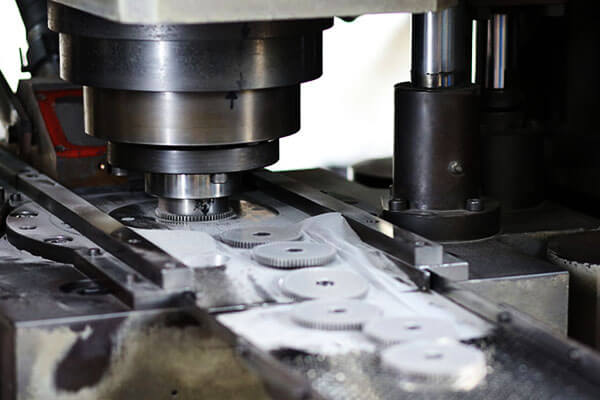
Moderna industrija PM pojavila se 1920-ih s proizvodnjom samopodmazujućih ležajeva i volframovih žarulja.
Danas, to je zrelo, tehnologija proizvodnje velike količine, sa automobilskom industrijom koja troši preko 70% svih gvozdenih PM delova na globalnom nivou.
Osnove procesa
| Faza | Korak | Ključni detalj |
| 1 | Proizvodnja praha | Raspršivanje vode ili plina, elektroliza, smanjenje; kontrolirana veličina/oblik čestica. |
| 2 | Blending | Prašci pomiješani sa lubrikantima (0.5-1,5%) i dodaci legure (npr., grafit). |
| 3 | Sabijanje (prešanje) | Jednoosno prešanje u krutoj matrici; pritisak 200‑800 MPa; zelena gustina 70‑85%. |
| 4 | Sintering | Grijanje u kontroliranoj atmosferi (endotermni gas, N₂‑H₂) do 70-90% tačke topljenja (tipično 1120-1150°C za željezo). |
| 5 | Opcione sekundarne operacije | Određivanje veličine, koji se koim, toplotni tretman, infiltracija, obrada, impregnacija smolom. |
Ključne karakteristike
| Značajka | Opis |
| Geometrija | Umjerena složenost (2D oblici); ograničeni podrezi; ograničeni uglovi propuha. |
| Površinski finiš | As-sinterovani Ra 3‑12 µm; može se poboljšati dimenzioniranjem/kovanjem. |
| Tolerancija | ±0,05‑0,1 mm po 25 mm (nakon dimenzioniranja). |
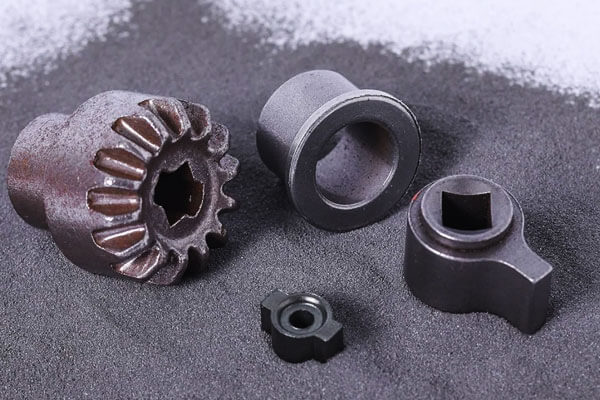
| Materijali | Prvenstveno željezo (gvožđe, čelik, nehrđajući), na bazi bakra, Tungsten, i specijalne legure. Titanijum i aluminijum su mogući, ali manje uobičajeni. |
| Veličina dijela | Tipično <10 kg, <300 promjer mm. |
| Zapremina | Ekonomičan iz 5,000 na milione delova godišnje. |
| Scrap | >95% iskorišćenost materijala. |
3. Principi proizvodnje: Kako se procesi razlikuju
| Aspekt | Investicijska livenja | Metalurgija u prahu |
| Početni materijal | Molten metal (tečna faza). | Metalni prah (čvrsta faza). |
| Promjena faze | Tečnost → Čvrsta (učvršćenja). | Čvrsto → Čvrsto (difuzijsko vezivanje). |
| Izvor energije | Zagrijati za topljenje + izlijevanje. | Pritisak + toplovati (sintering). |
| Zahtjevi za kalup | Keramička školjka za jednokratnu upotrebu (po delu). | Metalna matrica za višekratnu upotrebu (hiljade ciklusa). |
| Vrijeme ciklusa | Sati (zgrada školjke) do dana. | Sekunde (prešanje) + sati (šarža za sinterovanje). |
| Trošak alata | Umjeren (vosak umire 5-20 hiljada dolara). | Visoko (press dies $10-50k). |
| Intenzitet rada | Visoko (izgradnja školjke je ručna). | Niska (automatizovano presovanje). |
| Dimenzionalna kontrola | Preko skupljanja ljuske + voštani uzorak. | Preko preciznosti + skupljanje pri sinterovanju. |
Fundamentalna razlika: Investiciono livenje je a precizno livenje u obliku mreže proces; PM je a konsolidacija praha proces.
Prvi nudi skoro beskonačnu geometrijsku slobodu; potonji nudi skoro beskonačnu efikasnost materijala.
4. Kompatibilnost materijala i fleksibilnost legure
| Materijalna porodica | Investicijska livenja | Metalurgija u prahu |
| Carbon čelik | Da (širok raspon) | Da (najčešći PM materijal) |
| Niskolegirani čelik | Da | Da (Fe-Cu-C, Fe-Ni-Mo-Cu) |
| Nehrđajući čelik | Odličan (CF‑8, CF‑8M, 17--4ph) | Da (304L, 316L, 410L, 17--4ph) |
| Nikel Superolloys | Odličan (Inconel 718, 625, Rene) | Ograničen (visoka cijena; specijalizovana) |
| Legure kobalta | Odličan (Co‑Cr‑Mo) | Ograničen |
| Titanijum | Odličan (Razred 5, CP) | Mogući (visoka cijena, reaktivan) |
| Aluminijum | Da (A356, 380) | Ograničen (problemi sa oksidom; rijetko) |
| Bakar / bronza | Da (C90500, C93200) | Odličan (Cu, mesing, bronza) |
| Tungsten / teške legure | Teško (Visoka talište) | Odličan (W-Ni-Fe, W‑Ni‑Cu) |
| Keramičko-metalni kompoziti | Nije moguće | Da (cermets, WC‑Co) |
Ključni uvid: Ponude za investiciono livenje znatno šira fleksibilnost legure, posebno za visoko topljive, reaktivan, ili legure koje se teško prešaju (titanijum, Superolloys, kobalt-hrom).
Metalurgija praha prednjači u crnoj boji, na bazi bakra, i materijali na bazi volframa, kao i kompoziti koji se ne mogu lijevati zbog nemiješljivosti ili segregacije.
5. Dimenzionalna tačnost i obrada površine
| Kriterij | Investicijska livenja | Metalurgija u prahu |
| Tipična tolerancija (mm/25mm) | ±0,1‑0,3 | ±0,05‑0,1 (kao-sinterovano) ±0,025‑0,05 (veličine/kovane) |
| Površinski finiš (Ra, μm) | 1.6‑6.3 (kao-cast) | 3‑12 (kao-sinterovano) 0.8‑3 (veličine/kovane) |
| Stabilnost tolerancije | Dobro (konzistentno skupljanje ljuske) | Odličan (die preciznost; varijable sinterovanja) |
| Potreban ugao gaza | Ne (uzorci voska uklanjaju se bez propuha) | Da (za uklanjanje dijelova iz kalupa) |
| Teme / Interne funkcije | Emitujte direktno | Mora biti mašinski obrađena (ne mogu pritisnuti niti) |
Što je bolje? Za složene geometrije sa finim detaljima i visokom završnom obradom površine, investiciono livenje je superiorno.
Za jednostavne geometrije koje zahtijevaju izuzetno uske tolerancije (posebno nakon sekundarnih operacija), PM ima prednost.
6. Kompleksnost geometrije i sloboda dizajna
| Dizajnerska karakteristika | Investicijska livenja | Metalurgija u prahu |
| Podrezi | Da (dezen od voska se može sklopiti) | Ne (Ekstrakcija kalupa zahtijeva ravno povlačenje) |
| Unutrašnji prolazi | Da (keramičke jezgre) | Ne (ne može pritisnuti šuplje elemente) |
| Tanki zidovi | 0.5‑1,5 mm dostižno | 1.5- minimalno 2,5 mm |
| Fine karakteristike (natpisi, Logos) | Odlična reprodukcija | Ograničen (moraju biti kovani ili mašinski obrađeni) |
| Promjenjiva debljina presjeka | Da (može glatko da se sužava) | Ograničen (potrebna ujednačena gustina) |
| Asimetrično / Organski oblici | Odličan | Loš (presovanje preferira ujednačene zidove) |
| 3D složenost | Visoko | Umjeren (u suštini 2.5D) |
Investicijski lijevanje odlučujuće pobjeđuje u geometrijskoj složenosti.
Sposobnost stvaranja podrezivanja, zakrivljeni unutrašnji kanali, organske konture, a fini površinski detalji su neusporedivi u metalurgiji praha, što je ograničeno kalupom za presovanje i zahtjevom za jednoosno sabijanje.
7. Mehanička svojstva i strukturne performanse
| Mehanička svojstva | Investicijska livenja | Metalurgija u prahu |
| Tipična gustina | 99-100% teorijskog | 85-98% (zavisno od presovanja i sinterovanja) |
| Zatezna čvrstoća | Dobro (kovani u zvučnim odljevcima) | Umjereno-dobar (zavisi od gustine) |
| Snaga prinosa | Uporediv sa kovanim | 10-30% niže od kovanog (efekat poroznosti) |
| Izduženje | 10-35% (austenitan) | 2-15% (zavisno od gustine) |
| Tvrdoća | 80‑600 HB (zavisan od legure) | 60‑400 HB (ovisno o materijalu) |
| Snaga umora | Umjeren (osjetljiv na zareze) | Donji (poroznost djeluje kao podizač naprezanja) |
| Utjecaj žilavost | Dobro (ovisno o leguri) | Donji (poroznost embrittles) |
| Ujednačenost | Lijevana struktura (dendritične) | Sinterovana struktura (porozan, izotropna) |
| Reakcija očvršćavanja rada | Ograničen (kao-cast) | Sinterovana struktura može se termički obraditi |
Ključno poređenje: Investicijski liveni dijelovi su potpuno gust i, kada se pravilno baci, pristup kovanim svojstvima (90-95% krivotvorenih vrijednosti).
Delovi za metalurgiju praha, čak i u slojevima visoke gustine (≥95% teoretski), imaju zaostalu poroznost koja smanjuje duktilnost, žilavost, i performanse zamora.
Za sigurnosno kritično, visoko opterećenje, ili aplikacije sklone udarcima, poželjno je investiciono livenje.
8. Gustina, Poroznost, i interni kvalitet
| Aspekt | Investicijska livenja | Metalurgija u prahu |
| Tipična gustina | 99-100% (potpuno gust) | 85-98% (rezidualna poroznost) |
| Vrsta poroznosti | Skupljanje ili gas (nasumično, izbjeći) | Međusobno povezan i zatvoren (inherentno) |
| Kontrola poroznosti | Dizajn ulaza/dizanja; Hip Smanjuje poroznost | Pritisak sabijanja; atmosfera sinterovanja |
| Nepropusnost pritiska | Odličan (mogući odljevci koji ne propuštaju curenje) | Loš (porozan, zahteva zaptivanje) |
| Distribucija gustine | Uniforma svuda | Gusti u blizini punch lica; niže blizu centra (gradijent zbijanja) |
| HIP primjenjivost | Uobičajen (zatvara poroznost) | Rijedak (pore već zatvorene; HIP povećava troškove) |
| Unutrašnja čistoća | Dobro (moguće inkluzije) | Odličan (puderi su čisti) |
Ključni uvid: Ulagano lijevanje proizvodi potpuno guste dijelove koji su otporni na pritisak i koji se mogu termički obraditi bez stvaranja mjehura.
PM dijelovi, osim ako nije posebno obrađena (npr., toplo sabijanje, dvostruki pritisak, Hip), imaju zaostalu poroznost koja ograničava nepropusnost pod pritiskom i određene reakcije na termičku obradu.
9. Obim proizvodnje i ekonomika proizvodnje
| Ekonomski faktor | Investicijska livenja | Metalurgija u prahu |
| Trošak alata | Umjeren ($5‑20k matrica od voska) | Visoko ($10‑50k press matrica) |
| Vek trajanja alata | 50,000-200.000 ciklusa voska | 500,000-1.000.000 ciklusa presovanja |
| Troškovi sirovina | Viši (vosak, keramika, metalni) | Donji (u prahu, lubrikant) |
| Korištenje materijala | 85-95% | >95% (skoro nulti otpad) |
| Vrijeme ciklusa | Od minuta do sati (priručnik) | <1 drugo (prešanje) |
| Intenzitet rada | Visoko (zgrada školjke) | Niska (automatizovan) |
| Volumen za ravnotežu | ~100‑1000 delova godišnje | ~5,000-10,000 delova godišnje |
| Vrijeme vođenja (tooled) | 8-16 sedmica | 6-10 sedmica |
| Cijena po djelu (Niska količina, <500) | Umjereno-visoko | Vrlo visok (alat amortizovan) |
| Cijena po djelu (srednje jačine, 5k‑50k) | Niska | Vrlo nizak |
| Cijena po djelu (veliki volumen, >100k) | Niska (ali PM je niži) | Najniža |
Pravilo odluke o troškovima:
- <1,000 Dijelovi / godina → Lijevanje u investiciju (alat amortizovan).
- 1,000‑5.000 delova godišnje → Moguće je i jedno i drugo; uporedi po složenosti.
- >10,000 Dijelovi / godina → Metalurgija praha (dramatične uštede troškova).
- >100,000 Dijelovi / godina → PM je čisti pobjednik.
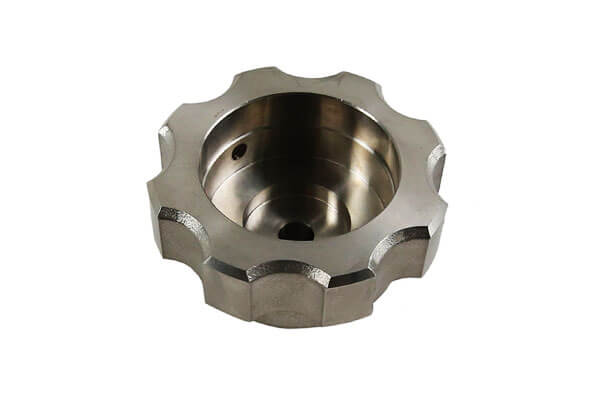
10. Industrijske aplikacije: Investicijsko livenje protiv metalurgije praha
| Industrija | Investicijska livenja | Metalurgija u prahu |
| Automobilski | Točkovi turbopunjača, Ispušni razdjelnici (nehrđajući) | Zupčanici, Sprockets, čvorišta za sinhronizaciju, Povezivanje šipki (PM na bazi Fe) |
| Vazdušni prostor | Oštrice turbine, mlaznice za gorivo, strukturna kućišta (Superolloys, titanijum) | Lakše aplikacije: potisni perilice, čahure, Filteri |
| Medicinski | Ortopedski implantati (Hip stabljike, nosači za koljena), Hirurški instrumenti | Ortopedski vijci (Mim, PM derivat), koštane ploče |
| Ulja & plin | Tijela ventila, Impeleri pumpe, Podzakorni konektori (nerđajući/dupleks) | Filter elementi, utezi za balansiranje od teške legure volframa |
Vatreno oružje |
Prijemnici, okidači, komponente supresora (17--4ph) | Mehanizmi okidanja, pratioci časopisa, povratne opruge |
| Industrijske mašine | Kućišta pumpe, Tijela ventila, mjenjači (nerđajući/liveno gvožđe) | Zupčanici, kamere, valjci, ležajevi, Nošenje ploča |
| Električni | Komponente razvodnog uređaja, toplotni sudoperi | Električni kontakti, magnetna jezgra, držači četkica |
| Roba široke potrošnje | Slučajevi za gledanje, okovi za hardver, Dekorativni predmeti | Komponente zaključavanja, delovi sa patent zatvaračem, male zagrade |
11. Prednosti i ograničenja investicionog livenja
Prednosti
- Izuzetna geometrijska složenost – podrezi, Unutarnji odlomci, tanki zidovi, Organski oblici.
- Široka fleksibilnost legure – gotovo svaki liveni metal, uključujući superlegure i titanijum.
- Odlična površinska obrada – Ra 1,6‑6,3 µm kao liveno; može se polirati do skorog ogledala.
- Oblik gotovo mreže – minimalni materijalni otpad; omjer buy-to-fly <1.5:1.
- Nije potreban nacrt – mogući vertikalni zidovi.
- Odlivci nepropusni pod pritiskom – mogu se zavariti i termički obrađivati.
- Provereno nasleđe – hiljadama godina; opsežni podaci i standardi.
Ograničenja
- Visok intenzitet rada – izrada školjke je ručna, ovisno o vještini.
- Sporo vrijeme ciklusa – dana od uzorka do gotovog dijela.
- Ograničenje veličine – praktični maksimum ~150 kg.
- Veći trošak pri malim količinama – amortizacija alata.
- Rizik od poroznosti – skupljanje i poroznost plina zahtijevaju robusnu kontrolu procesa.
- Ograničeno na legure za livenje – visoko topljeni, ne mogu se koristiti materijali koji se ne lijevaju.
12. Prednosti i ograničenja metalurgije praha
Prednosti
- Vrhunska iskorištenost materijala - >95% bez otpada; održivo.
- Visoke stope proizvodnje – ciklus presovanja <1 drugo; sinterovanje kontinuirano.
- Odlična konzistencija dimenzija – preciznost koja se kontroliše.
- Niska cijena po dijelu pri velikim količinama.
- Kontrolisana poroznost – za filtere, samopodmazujući ležajevi, elektrode baterije.
- U redu, Uniformna struktura zrna – nema grešaka u livenju.
- Sposobnost mešanja legura – stvaranje jedinstvenih kompozicija koje nije moguće topljenjem.
- Dobra obrada – mnoge PM legure sadrže elemente koji poboljšavaju obradu.
Ograničenja
- Ograničena geometrijska složenost – u suštini 2.5D; nema podrezivanja, Unutarnji odlomci.
- Potrebni uglovi gaza – za djelimično izbacivanje iz kalupa.
- Niža mehanička svojstva – zaostala poroznost smanjuje duktilnost i zamor.
- Ograničenja veličine i težine - <10 kg, <300 mm tipičan.
- Poroznost ograničava nepropusnost – potrebno zaptivanje za aplikacije koje se odnose na tečnost.
- Ograničena fleksibilnost legure – titanijum, aluminijum, superlegure su teške ili skupe.
- Visoka cijena alata – setovi matrica su skupi; veliki obim rentabilnosti.
13. Investicijsko livenje protiv metalurgije praha: Sveobuhvatna tabela za usporedbu
| Kriterij | Investicijska livenja | Metalurgija u prahu |
| Princip procesa | Stvrdnjavanje tekućeg metala u keramičkom kalupu | Zbijanje praha + sintering |
| Početni materijal | Uzorak voska + molten metal | Metalni prah + lubrikant |
| Geometrijska složenost | Vrlo visok (3D, Podrezi) | Umjeren (2.5D, nema podrezivanja) |
| Minimalna debljina zida | 0.5-1,5 mm | 1.5-2,5 mm |
| Površinski finiš (Ra, μm) | 1.6‑6.3 (kao-cast) | 3‑12 (kao-sinterovano) |
| Dimenzionalna tolerancija | ±0,1‑0,3 mm/25 mm | ±0,05‑0,1 mm/25 mm (nakon dimenzioniranja) |
| Gustina | 99-100% | 85-98% |
| Poroznost | Niska (skupljanje/gas) | Inherent (rezidualni) |
| Nepropusnost | Odličan | Loš (zahteva zaptivanje) |
| Raspon legure | Vrlo široka (čelik, nehrđajući, Superolloys, Od, Al, bronza) | Ograničen (FE, Cu, W, neki nerđajući; Ti/Al rijetko) |
| Zatezna čvrstoća | Kovano (dobro) | Umjeren (zavisna od poroznosti) |
| Duktilnost | Dobro (10-35%) | Donji (2-15%) |
| Snaga umora | Umjeren | Donji (podizači naprezanja od poroznosti) |
| Trošak alata | Umjeren | Visoko |
| Vek trajanja alata | 50k-200k ciklusa | 500k‑1,000k ciklusa |
| Korištenje materijala | 85-95% | >95% |
| Vrijeme ciklusa (po delu) | Od minuta do sati | <1 drugo (prešanje) |
| Intenzitet rada | Visoko | Niska |
| Volumen za ravnotežu | ~100‑1.000/god | ~5,000-10,000/god |
| Cijena po djelu (veliki volumen) | Umjeren | Vrlo nizak |
| Tipična maksimalna težina dijela | 150 kg | 10 kg |
| Sekundarne operacije | Rezanje, brušenje, toplotni tretman, NDT | Određivanje veličine, toplotni tretman, obrada (ograničen) |
14. Zaključak
Investiciono livenje i metalurgija praha nisu konkurentske tehnologije u svakoj situaciji; radije, rješavaju različite proizvodne izazove.
Investiciono livenje je izvrsno kada inženjeri zahtevaju složene geometrije, širok izbor legura, Vrhunska mehanička svojstva, Visoka gustina, i strukturnu pouzdanost.
I dalje je poželjan izbor za vazduhoplovne komponente, Tijela ventila, Dijelovi pumpe, medicinskih uređaja, i industrijska oprema visokih performansi.
Metalurgija praha se ističe u velikim proizvodnim okruženjima gdje je konzistentnost dimenzija, materijalna efikasnost, automatizacija, a niski jedinični troškovi su primarni ciljevi.
Dominira u aplikacijama kao što je automobilska oprema, ležajevi, čahure, i masovno proizvedene mehaničke komponente.
Optimalni izbor zavisi od balansiranja pet kritičnih faktora:
- Geometrija komponenti
- Potrebne mehaničke performanse
- Materijalni zahtjevi
- Obim proizvodnje
- Ukupni troškovi životnog ciklusa
Razumijevanje ovih faktora omogućava proizvođačima da odaberu tehnički najprikladniji i ekonomski najkonkurentniji proces.
FAQs
Da li je investiciono livenje jače od metalurgije praha?
U većini konstruktivnih aplikacija, da. Komponente livenog za ulaganje općenito postižu veću gustoću, donja poroznost, i bolju otpornost na zamor od konvencionalnih dijelova za metalurgiju praha.
Koji proces daje bolju tačnost dimenzija?
Za jednostavno, Dijelovi visokog volumena, metalurgija praha često nudi veću ponovljivost. Za složene geometrije, livenje po investiciji obično pruža bolju sposobnost ukupnih dimenzija.
Mogu li oba procesa proizvesti komponente od nehrđajućeg čelika?
Da. Obje tehnologije podržavaju proizvodnju nehrđajućeg čelika, iako investiciono livenje nudi veću fleksibilnost u razredima legure i složenosti komponenti.
Koji proces je isplativiji?
Metalurgija praha je općenito isplativija za vrlo velike količine proizvodnje. Lijevanje je često ekonomičnije za niske do srednje serije proizvodnje i složene dijelove.
Koje se industrije najviše oslanjaju na investiciono livenje?
Vazdušni prostor, Ulje i plin, Hemijska obrada, Medicinska oprema, Generacija energije, prerada hrane, i industrijske mašine su među najvećim korisnicima livenih komponenti.

