编辑翻译
经过 Transposh - translation plugin for wordpress
How to Remove Rust from Cast Iron

How to Remove Rust from Cast Iron?

内容表 展示

Cast iron has earned a reputation as one of the most durable and versatile engineering materials ever developed.

cast iron skillets and Dutch ovens机器基础, 阀体, 发动机块, and industrial pump housings, cast iron is valued for its excellent castability, 高抗压强度, 优越的耐磨性, and outstanding vibration damping capacity.

然而, despite its impressive durability, cast iron has one significant weakness—it is highly susceptible to 锈 (氧化铁) 形成 当暴露于湿气和氧气时.

Rust is more than a cosmetic issue. 如果不及时治疗, it gradually penetrates the metal surface, reducing dimensional accuracy, degrading mechanical performance, contaminating food-contact cookware, and eventually shortening the service life of the component.

Fortunately, most rust damage is repairable. Whether dealing with a lightly rusted frying pan, a decades-old woodworking tool, or a heavily oxidized industrial casting, selecting the correct restoration technique is critical.

1. Why Does Cast Iron Rust?

Understanding why 铸铁 rusts is the foundation of selecting the most effective removal and prevention methods.

Rust formation is not a random process but the result of electrochemical reactions between iron, 氧, 和水.

Factors such as alloy composition, 表面状况, 环境暴露, and protective coatings all influence the corrosion rate.

什么是生锈?

Rust is the common name for a group of hydrated iron oxides that form when iron reacts with oxygen in the presence of moisture.

与铝不同, which forms a dense oxide layer that protects the underlying metal, iron oxide is porous and loosely bonded.

Once rust forms, it allows additional oxygen and water to penetrate deeper into the material, causing corrosion to continue.

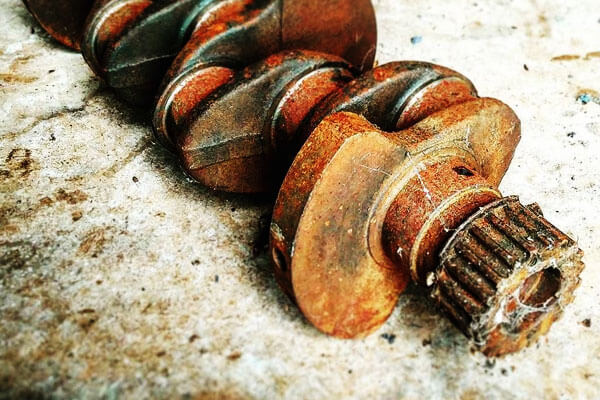
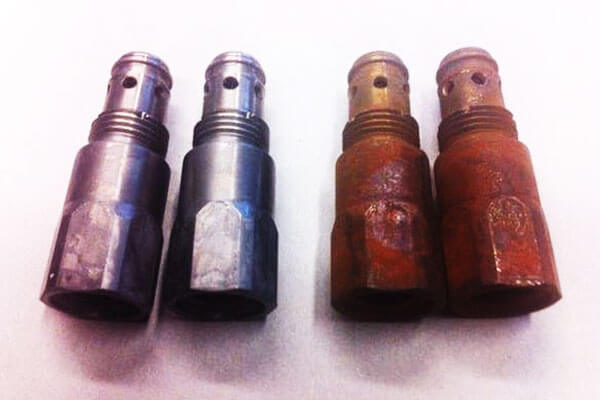
Cast Iron Parts Rust

The simplified corrosion reaction is:

铁 + 氧 + Water → Hydrated Iron Oxides (锈)

Common forms of rust include:

Rust Type Chemical Formula 外貌 特征
Red Rust fe₂o₃·nho 红棕色 Most common atmospheric corrosion product
黑色氧化物 fe₃o₄ 黑色的 More stable; often formed at elevated temperatures
Yellow Rust feo(哦) Yellow-orange Common in humid environments
Brown Rust Mixed oxides Dark brown Typical of long-term outdoor exposure

It is important to distinguish between 表面氧化deep corrosion.

Surface rust generally affects only the outer layer and can be removed without significantly altering the component.

Deep corrosion, 然而, may produce pitting, 尺寸损失, and reduced structural integrity.

Why Cast Iron Is Susceptible to Rust

Although cast iron contains carbon and silicon, it is still composed primarily of iron, making it inherently vulnerable to oxidation.

Several material characteristics contribute to its corrosion behavior:

High Iron Content

Most cast irons contain 90–95% iron, providing abundant material for oxidation reactions whenever oxygen and moisture are present.

Graphite Microstructure

与钢不同, cast iron contains graphite in the form of flakes (灰铁), 结节 (延性铁), or temper carbon (malleable iron).

These graphite particles create numerous microscopic interfaces that may accelerate localized electrochemical corrosion under certain conditions.

Porous Surface Characteristics

As-cast surfaces often contain microscopic pores and irregularities that retain moisture and contaminants, increasing the likelihood of rust initiation.

Absence of Passive Protection

与不锈钢不同, which develops a chromium-rich passive oxide film, ordinary cast iron has no self-healing protective layer.

Once exposed to moisture, corrosion can continue unless the surface is protected by seasoning, 油, 画, or another coating.

Damaged Protective Layer

For cast iron cookware, the polymerized oil seasoning acts as the primary corrosion barrier.

If this layer is worn away by aggressive cleaning, acidic foods, or prolonged soaking, the exposed metal rapidly begins to oxidize.

Factors That Accelerate Rust Formation

因素 机制 Speed of rust formation
水分 Water provides the electrolyte necessary for electrochemical corrosion. 迅速的
Salt Chloride ions disrupt the protective oxide layer and accelerate the electrochemical reaction. Very rapid
酸 (醋, 番茄, 柑橘) dissolve the protective oxide layer and attack the iron directly. 迅速的
Prolonged wetness Standing water provides continuous electrolyte and oxygen access. 迅速的
高湿度
High relative humidity (>60%) increases the moisture film on the surface. 缓慢至中等
Poor seasoning A thin or damaged seasoning layer provides no barrier to moisture. 迅速的
机械损坏 划痕, 影响, or abrasive wear remove protective coatings, exposing fresh iron to oxidation. Moderate to rapid
高温 + 水分 Heat accelerates the oxidation reaction. 一般

2. Assessing the Severity of Rust

Before selecting a rust removal method, it is essential to accurately assess the severity of corrosion.

Different levels of rust require different restoration techniques, cleaning times, and protective treatments.

Using an overly aggressive method on light surface rust may unnecessarily damage the original finish, while an insufficient cleaning method may fail to remove deeply embedded corrosion.

A thorough inspection should evaluate not only the visible appearance of the rust but also the 表面纹理, corrosion depth, extent of pitting, 和 intended application of the cast iron component.

Rust Severity Classification

Rust Severity Typical Appearance 表面状况 Recommended Removal Method
Light Surface Rust Light orange or brown discoloration; isolated rust spots Surface remains smooth with minimal oxidation Fine steel wool, nylon scouring pad, salt scrub, or a short vinegar soak
Moderate Rust Continuous orange or reddish-brown rust layer; minor flaking Noticeably rough surface; rust transfers to fingers when rubbed Medium-grade steel wool, sandpaper (180–320 粒度), 柠檬酸, vinegar soak, or commercial rust remover
Heavy Rust
Thick rust scale with visible flaking and oxidation buildup 粗糙的, uneven surface with localized corrosion Wire brush, rotary tool, 电解, 磨蚀性爆破, 磷酸, or chelating rust remover
Pitted Rust Deep corrosion pits, 腔, or crater-like defects Significant surface irregularities with permanent metal loss Electrolysis followed by localized grinding, 爆破, 加工 (如果需要), and protective coating or seasoning

3. Mechanical Rust Removal Methods

Mechanical rust removal eliminates corrosion through 磨损, scraping, 刷牙, 或打磨.

It is often the first choice for light to moderate rust because it provides immediate visual results, requires minimal preparation, and avoids the use of chemicals.

For severe corrosion, mechanical cleaning is frequently combined with chemical treatments to remove rust from pits, 缝隙, and other inaccessible areas.

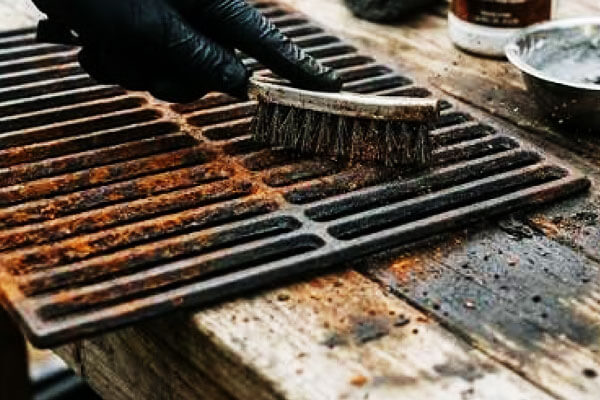
How to clean rusty cast iron

Steel Wool

Steel wool is one of the simplest and most widely used methods for removing light surface rust from cast iron, particularly cookware and small tools.

Its flexible fibers conform easily to curved surfaces while providing sufficient abrasion to remove oxidation without excessive metal loss.

For light discoloration or flash rust, extra-fine grades (#0000 或者 #000) are recommended because they minimize scratching while restoring the original surface finish.

Medium or coarse grades can be used for more stubborn corrosion but should be applied carefully to avoid creating unnecessary surface damage.

Steel wool works best when used with steady, even pressure. Loose rust particles should be removed periodically during cleaning, followed by thorough rinsing and immediate drying.

For cookware, the surface should be re-seasoned immediately after rust removal.

优点

  • Low cost and widely available
  • Excellent control during cleaning
  • Minimal metal removal
  • Suitable for delicate cast iron surfaces

限制

  • Labor-intensive for large components
  • Less effective against heavy scale or deep pitting
  • Coarse grades may leave visible scratches

Sandpaper

Sandpaper is well suited for moderate corrosion on relatively flat or accessible surfaces.

Compared with steel wool, it removes rust more aggressively while allowing gradual refinement of the surface through multiple abrasive grades.

Restoration typically begins with 80–120 grit paper for heavy oxidation, 其次是 220–400 grit abrasives to smooth the surface and reduce sanding marks.

Progressing from coarse to fine abrasives produces a cleaner finish while minimizing unnecessary material removal.

Because sandpaper removes both rust and base metal, it should be used carefully on precision-machined surfaces or components with tight dimensional tolerances.

优点

  • Effective on broad, 平面
  • Produces a smooth finish after progressive sanding
  • Easy to control manually

限制

  • Time-consuming for complex geometries
  • May alter dimensions if overused
  • Less effective in corners and recessed areas

Wire Brushes

Wire brushes provide greater cutting action than steel wool and are particularly effective for removing thick rust layers, loose scale, and corrosion from textured or irregular surfaces.

Handheld wire brushes offer excellent control for localized cleaning, while rotary wire wheels mounted on electric drills or die grinders significantly improve productivity on larger industrial components.

When using powered wire brushes, moderate rotational speeds and light pressure are recommended.

Excessive force can polish rather than clean the surface, generate unnecessary heat, or damage softer cast iron grades.

优点

  • Rapid removal of moderate to heavy rust
  • Suitable for irregular cast surfaces
  • Effective in grooves and recessed features

限制

  • May scratch finished surfaces
  • Powered brushes require operator experience
  • Not ideal for preserving decorative finishes

Rotary Tools and Angle Grinders

For heavily corroded castings, rotary tools and angle grinders provide one of the fastest mechanical cleaning methods.

取决于申请, they may be fitted with wire wheels, flap discs, abrasive discs, or non-woven surface conditioning wheels.

Rotary tools are particularly useful for localized restoration of intricate features, while angle grinders are commonly used on large industrial castings, 机器基础, 结构成分, 和室外设备.

To minimize damage, grinding should be performed using low to moderate speeds with continuous tool movement.

Remaining in one location for too long may generate excessive heat, remove excessive material, or create surface gouges.

优点

  • Very high cleaning efficiency
  • Suitable for heavy corrosion and thick rust scale
  • Reduces restoration time significantly

限制

  • High risk of removing sound metal
  • Generates sparks and heat
  • Unsuitable for thin sections or precision surfaces

Abrasive Blasting

Abrasive blasting is widely regarded as one of the most effective methods for restoring heavily rusted industrial cast iron components.

High-velocity abrasive media remove rust, old coatings, 铣削量表, and contaminants while simultaneously preparing the surface for painting or other protective treatments.

Different blasting media are selected according to the restoration objective.

Steel grit provides aggressive cleaning for structural castings, glass beads produce smoother finishes on machined parts, while soda blasting offers a gentler alternative for delicate or historical components.

Because blasting parameters strongly influence surface roughness and dimensional accuracy, industrial blasting should be carefully controlled by experienced operators.

优点

  • Extremely fast cleaning of large surfaces
  • Uniform rust removal
  • Excellent surface preparation before coating
  • Suitable for complex geometries

限制

  • 需要专门的设备
  • Higher operating cost
  • Excessive blasting pressure may erode thin sections
  • Appropriate dust collection and personal protective equipment are essential

4. Chemical Rust Removal Methods

Chemical rust removal relies on acid dissolution, chelation, or electrochemical reduction to eliminate corrosion products without extensive mechanical abrasion.

Unlike mechanical cleaning, chemical treatments can penetrate narrow crevices, 盲孔, threaded regions, and deep corrosion pits that are difficult or impossible to access manually.

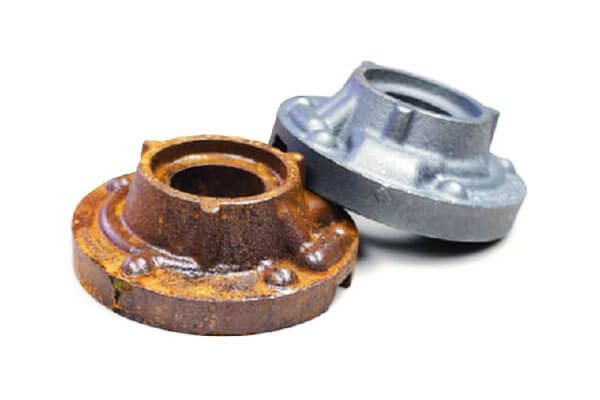
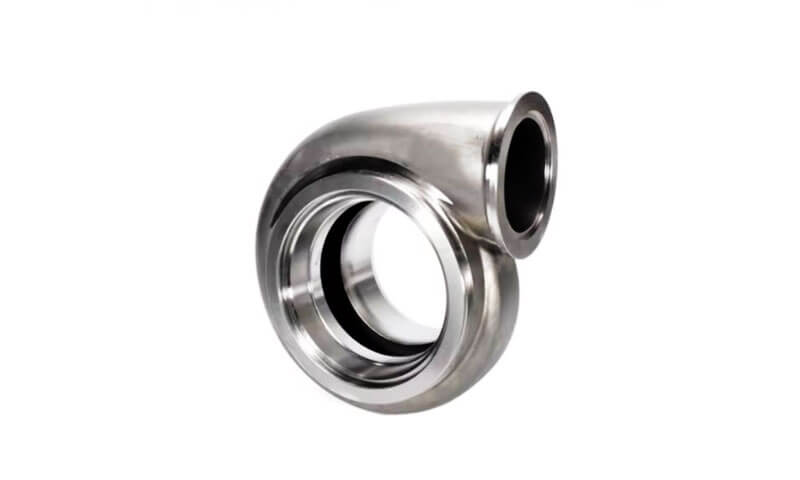
Remove Rust from Cast Iron Parts

White Vinegar (醋酸)

White vinegar is one of the most accessible rust removal solutions for household restoration.

The acetic acid gradually dissolves iron oxides, allowing softened rust to be removed with light brushing or steel wool.

It is particularly suitable for cookware, 手工工具, and lightly rusted components.

Because acetic acid also reacts with bare iron, soaking time should be limited and the component should be inspected periodically throughout the process.

治疗后, the casting should be thoroughly rinsed, completely dried, and immediately protected to prevent flash rust.

优点

  • Inexpensive and widely available
  • Simple to use
  • Effective for light to moderate corrosion
  • Suitable for food-contact cookware restoration

限制

  • Slow on heavy corrosion
  • Excessive soaking may attack the base metal
  • Immediate post-treatment protection is required

Citric Acid

Citric acid provides a milder alternative to vinegar while offering excellent rust removal capability.

It dissolves corrosion products efficiently yet is generally less aggressive toward the underlying iron, making it suitable for components requiring better surface preservation.

Because citric acid solutions remain effective over extended soaking periods, they are often preferred for parts containing small cavities, 复杂的几何形状, or threaded features where brushing is difficult.

Following treatment, all acid residues should be removed by rinsing with clean water before drying and applying protective coatings or seasoning.

优点

  • Gentle on the parent metal
  • Good penetration into complex geometries
  • Lower risk of excessive metal attack
  • Environmentally friendly and easy to handle

限制

  • Longer treatment time than stronger acids
  • Less effective on thick rust scale
  • May require supplementary mechanical cleaning

Commercial Rust Removers

Commercial rust removal products are formulated specifically to improve cleaning efficiency while minimizing damage to the underlying metal. They generally fall into three categories.

Chelating rust removers selectively bind iron oxides without attacking sound metal, making them particularly suitable for valuable machinery, 精度组件, and antique restorations.

These products often require several hours of immersion but preserve dimensional accuracy exceptionally well.

Phosphoric acid-based products react chemically with rust to form a stable iron phosphate conversion layer that improves temporary corrosion resistance while preparing the surface for painting or coating.

They are commonly used in industrial maintenance and automotive restoration.

Organic acid formulations provide intermediate cleaning performance and are often used for light to moderate corrosion where rapid treatment is desired.

优点

  • High cleaning efficiency
  • Designed specifically for rust removal
  • Many formulations preserve the base metal
  • Suitable for industrial applications

限制

  • Higher cost than household acids
  • Some products require careful handling
  • Protective equipment may be necessary depending on the formulation

Electrolysis

Electrolysis is widely regarded as one of the most effective and least destructive rust removal techniques for valuable cast iron components.

Instead of mechanically abrading the surface or chemically dissolving the base metal, electrolysis uses a low-voltage direct current to convert iron oxides into removable deposits while leaving the parent material largely unaffected.

The process typically employs a washing soda electrolyte, a sacrificial steel anode, and a DC power source.

During treatment, corrosion products gradually separate from the casting surface, including rust located within deep pits and intricate cavities.

Because electrolysis preserves original machining marks, casting textures, 和尺寸准确性, it is particularly valuable for antique restorations, precision machinery, and historically significant cast iron objects.

优点

  • Minimal removal of sound metal
  • Excellent cleaning of deep pits and complex shapes
  • Preserves original surface details
  • Requires little mechanical scrubbing

限制

  • Longer processing time
  • Requires dedicated equipment and electrical setup
  • Less practical for very large castings
  • Hydrogen gas generated during operation requires adequate ventilation and strict safety precautions

5. How to Remove Rust from Cast Iron: Step‑by‑Step Rust Removal Process

The following is a general, systematic approach to removing rust from a cast iron skillet or cookware. Adjust based on the severity and your chosen method.

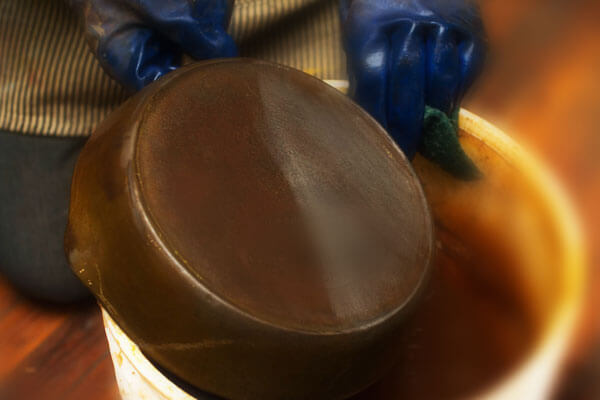
Remove Rust from Cast Iron Skillet

步 1: Initial Cleaning

Remove any grease, 油, or food residue from the surface. Use hot water and a mild dish soap with a sponge or brush. Rinse and dry thoroughly.

步 2: Assess and Choose a Method

Based on the severity assessment (见章节 2), choose your rust removal method:

  • Light rust → Steel wool (#0000) or a salt scrub.
  • Moderate rust → Vinegar soak (20‑60 minutes) or commercial rust remover.
  • Heavy rust → Electrolysis or abrasive blasting.

步 3: Apply the Chosen Method

For chemical soaks:

  1. Place the item in a container (plastic or glass; avoid metal).
  2. Cover with the solution (醋, 柠檬酸, or commercial product).
  3. Soak for the recommended time (check periodically).
  4. Remove and scrub with steel wool to remove loosened rust.
  5. If rust remains, repeat the soak or switch to a more aggressive method.

For mechanical methods:

  1. Scrub or sand the rusted area thoroughly.
  2. Rinse and dry frequently to check progress.
  3. Continue until bare, unrusted metal is visible.
  4. If pitting remains, you may need to use finer grits or electrolysis.

Electrolysis:

  1. Set up the electrolysis bath (plastic tub, 水, washing soda, sacrificial anode).
  2. Suspend the item in the bath (do not let it touch the anode).
  3. Connect the charger (positive to anode, negative to item).
  4. Turn on the charger and wait 6‑24 hours.
  5. Remove the item, scrub with steel wool to remove residual rust, and rinse.

步 4: Rinse and Dry Thoroughly

After rust removal, rinse the item with clean water to remove any chemical residue.

干燥 immediately and thoroughly—use a towel and then place on a low heat burner for 2‑3 minutes to evaporate any remaining moisture.

步 5: Neutralise (If Needed)

If you used an acid (vinegar or citric acid), neutralise the surface by rinsing with water and a little baking soda solution (1 tablespoon baking soda in 1 quart water) to stop the acid action. Rinse again with plain water.

步 6: Re‑Season Immediately

Once the item is dry, apply a thin layer of oil (flaxseed, grapeseed, canola, or vegetable oil) and re‑season (见章节 6).

This is critical—bare iron will flash rust within minutes if left unprotected.

6. Restoring Cast Iron After Rust Removal

Removing rust is only the first stage of restoring a cast iron component.

Once corrosion has been eliminated, the exposed iron surface is highly reactive and susceptible to flash rust, which can develop within minutes under humid conditions.

Proper post-treatment is therefore essential to restore corrosion resistance, preserve surface integrity, and extend the service life of the casting.

Thorough Cleaning and Neutralization

After mechanical or chemical rust removal, any remaining abrasive particles, 松散氧化物, or chemical residues must be completely removed.

For components cleaned with acidic solutions such as vinegar or citric acid, thorough rinsing with clean water is essential to neutralize residual acid and prevent continued corrosion.

In industrial environments, alkaline neutralizing solutions may be used for components exposed to stronger acids.

Once cleaned, the surface should be inspected carefully for:

  • Remaining rust spots
  • Deep corrosion pits
  • Cracks or casting defects
  • Surface damage caused during restoration
  • Dimensional changes on precision-machined areas

A clean, residue-free surface provides the best foundation for subsequent protective treatments.

Complete Drying

Moisture left on freshly cleaned cast iron is one of the primary causes of flash rust.

Drying methods include:

  • Wiping with lint-free cloths
  • Compressed air for holes and cavities
  • Low-temperature oven drying
  • Gentle heating on a stovetop (for cookware)
  • Industrial drying ovens for large castings

Complex castings containing blind holes, 内部段落, or threaded features require particular attention because trapped moisture can accelerate localized corrosion.

The component should be completely dry before any oil, seasoning, or protective coating is applied.

Re-Seasoning Cast Iron Cookware

For cookware, seasoning is the most important step in the restoration process.

Unlike paint or plating, seasoning forms a polymerized carbon-rich layer created by heating a thin film of cooking oil above its smoke point.

This chemically bonded layer acts as both a corrosion barrier and a naturally non-stick cooking surface.

Recommended Seasoning Procedure

  1. Preheat the cookware to remove any remaining moisture.
  2. Apply a very thin, even layer of high-smoke-point oil such as flaxseed oil, grapeseed oil, canola oil, or refined soybean oil.
  3. Wipe away excess oil until the surface appears nearly dry.
  4. Bake the cookware upside down at 200–230°C (390–450°F) for approximately one hour.
  5. Allow it to cool naturally inside the oven.
  6. Repeat the process 2–4 times to build a durable protective layer.

Multiple thin seasoning layers generally produce better durability than a single thick coating, which may become sticky or uneven.

Applying Protective Coatings to Industrial Cast Iron

Industrial cast iron components typically operate in environments where seasoning is neither practical nor appropriate.

反而, corrosion protection relies on engineered coating systems selected according to service conditions.

Common protective treatments include:

  • Rust-preventive oils
  • Temporary storage waxes
  • Phosphate conversion coatings
  • Zinc-rich primers
  • 环氧涂层
  • Polyurethane paint systems
  • 粉末涂料

For outdoor equipment, 海洋组成部分, or chemical processing machinery, multi-layer coating systems combining primers and high-performance topcoats provide superior long-term corrosion resistance.

Surface Refinishing and Machining

Heavy corrosion may leave localized pitting, 粗糙度, or dimensional irregularities after rust removal.

Where functional surfaces are affected, additional finishing operations may be required.

Typical restoration processes include:

  • 表面研磨
  • 拍打
  • 精确加工
  • 珩磨
  • 抛光

These operations restore dimensional accuracy and improve sealing performance on machined faces such as pump housings, 阀体, 轴承座, 和发动机组件.

For cookware and decorative castings, extensive machining is generally unnecessary unless severe corrosion has significantly altered the surface.

Final Inspection Before Reuse

Before returning a restored component to service, a final quality inspection should verify that restoration objectives have been achieved.

Typical inspection items include:

  • Complete rust removal
  • Uniform surface finish
  • Absence of active corrosion
  • Coating or seasoning integrity
  • 维度的准确性
  • Surface cleanliness
  • Functional performance of machined or sealing surfaces

For industrial castings used in pressure-retaining or structural applications, additional non-destructive testing (NDT), 压力测试, or dimensional inspection may be required depending on applicable engineering standards.

7. Preventing Future Rust

Preventing rust is considerably more economical and effective than repeatedly removing it.

Once corrosion protection is compromised, cast iron begins to oxidize whenever moisture, 氧, and suitable environmental conditions are present.

Implementing appropriate preventive measures can significantly extend the service life of cookware, 机械, 汽车组件, and industrial castings.

An effective corrosion prevention strategy combines 表面保护, 环境控制, routine maintenance, and regular inspection.

Keep Cast Iron Clean and Dry

Moisture is the single most important factor contributing to rust formation.

After each use or cleaning:

  • Remove dirt, 润滑脂, and contaminants.
  • Dry the surface immediately.
  • Eliminate water trapped in holes, 线程, 和空腔.
  • Avoid prolonged exposure to rain, condensation, or standing water.

For cookware, brief heating after washing effectively evaporates residual moisture before seasoning or oiling.

Maintain Protective Surface Layers

A continuous protective barrier prevents oxygen and water from contacting the iron surface.

取决于申请, protection may include:

  • Polymerized seasoning (炊具)
  • Mineral or machine oil
  • Rust-preventive wax
  • 环氧涂层
  • 粉末涂料
  • Zinc-rich primers
  • Industrial paint systems

Protective coatings should be inspected periodically and repaired promptly if damaged by abrasion, 影响, or chemical exposure.

Store Cast Iron in a Controlled Environment

Storage conditions have a significant influence on corrosion rates.

Recommended practices include:

  • Low relative humidity (preferably below 50%)
  • Stable temperatures
  • Good air circulation
  • 干净的, dry storage areas
  • Protection from salt spray and industrial pollutants

Precision industrial castings intended for long-term storage are often packaged with desiccants 或者 vapor corrosion inhibitors (VCIs) to reduce moisture-related corrosion during transportation and warehousing.

Perform Routine Inspection and Maintenance

Regular maintenance allows early detection of corrosion before extensive damage occurs.

Inspection should focus on:

  • Surface discoloration
  • Paint or coating damage
  • Rust spots
  • Water accumulation
  • Corrosion around fasteners
  • Wear on machined surfaces
  • Coating thickness (适用的地方)

Components operating in marine, 化学, or outdoor environments generally require more frequent inspections than those used indoors.

Avoid Common Causes of Corrosion

Many cases of rust result from improper handling rather than harsh service conditions.

Common causes include:

  • Storing cast iron while damp
  • Leaving cookware to air dry naturally
  • Damaged protective coatings
  • Prolonged exposure to acidic or alkaline chemicals
  • Contact with saltwater
  • Inadequate cleaning after use
  • Poor ventilation during storage

Addressing these factors significantly reduces the likelihood of recurring corrosion.

Establish a Preventive Maintenance Program

For industrial equipment, corrosion prevention should form part of a structured maintenance plan rather than relying solely on corrective repairs.

A comprehensive preventive program typically includes:

  • Scheduled cleaning
  • Periodic lubrication
  • Coating inspection and repair
  • Environmental monitoring
  • Corrosion assessment
  • Documentation of maintenance history
  • Replacement of damaged protective systems when necessary

Such programs improve equipment reliability, reduce unexpected downtime, and lower long-term maintenance costs.

8. Cast Iron Rust Removal for Different Applications

Different cast iron products require different restoration strategies because their performance requirements, 表面处理, and service environments vary considerably.

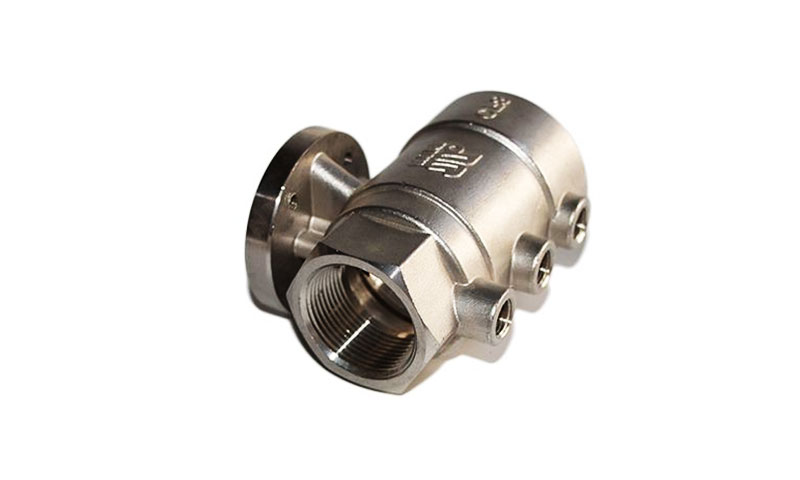
 Remove Rust from Cast Iron Parts
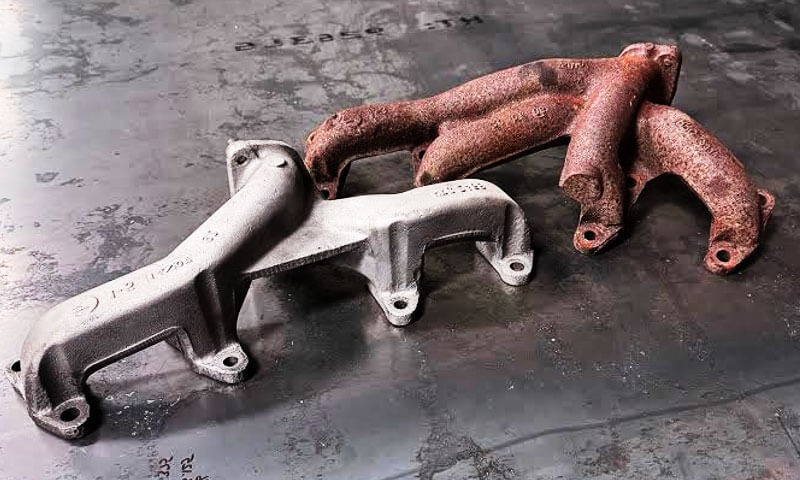
Remove Rust from Cast Iron Parts

Cast Iron Cookware

示例包括:

  • 煎锅
  • 荷兰烤箱
  • Grill pans
  • Griddles
  • Woks

推荐方法:

  1. Steel wool
  2. Vinegar or citric acid (如有必要)
  3. Thorough drying
  4. Multiple seasoning cycles

Maintaining the seasoning layer is essential for corrosion resistance and cooking performance.

Cast Iron Tools

示例包括:

  • Bench vises
  • Woodworking planes
  • Drill press tables
  • Anvils
  • Machine accessories

Recommended treatment:

  • Wire brushing
  • Fine sanding
  • Rust remover
  • Protective oil or wax

Machined surfaces should be polished carefully to preserve dimensional accuracy.

汽车组件

Typical cast iron automotive parts include:

  • Brake rotors
  • 发动机块
  • 排气歧管
  • Flywheels
  • Differential housings

Recommended restoration depends on the component.

Brake rotors typically develop superficial surface rust that disappears during braking, whereas engine blocks require careful cleaning to protect gasket surfaces and machined bores.

Industrial Castings

Industrial cast iron components include:

  • 泵外壳
  • 阀体
  • 机器基础
  • 压缩机外壳
  • 管配件
  • 变速箱外壳

Large castings are commonly restored using:

  • Abrasive blasting
  • 化学清洗
  • Industrial coatings
  • 精确加工 (如有必要)

Protective coating systems are selected according to service conditions such as humidity, 化学暴露, and outdoor installation.

9. Rust Removal Methods Comparison

Choosing the most suitable rust removal technique depends on corrosion severity, restoration objectives, component geometry, cost constraints, 和所需的表面质量. No single method is ideal for every application.

The following comparison highlights the strengths and limitations of the most widely used rust removal methods.

Rust Removal Method Rust Severity Cleaning Speed 成本 表面损伤的风险 Metal Preservation 典型的应用
Steel Wool 中等的 非常低 非常低 出色的 炊具, 装饰铸件
Sandpaper Light–Moderate 中等的 低的 低的 非常好 General restoration
Wire Brush 一般 快速地 低的 中等的 良好 工具, 机械
Rotary Wire Wheel Moderate–Heavy 快速地 低的 中等的 良好 Industrial maintenance
Angle Grinder 重的 Very Fast 中等的 高的 公平的 Large structural castings
White Vinegar Light–Moderate 慢的 非常低 非常低 出色的 Household cookware
Citric Acid
Moderate–Heavy 中等的 低的 非常低 出色的 精度组件
Chelating Rust Remover Moderate–Heavy 中等的 中等的 非常低 杰出的 Valuable machinery, antique parts
Phosphoric Acid 重的 快速地 中等的 低的 非常好 工业设备
Electrolysis 重的 慢的 中等的 非常低 杰出的 Antique castings, 错综复杂的零件
Abrasive Blasting 重的 Very Fast 高的 中等的 (depends on media) 非常好 Large industrial castings

10. 结论

Rust is one of the most common issues affecting cast iron, but it is also one of the most manageable when addressed with the correct restoration techniques and preventive measures.

Whether restoring a lightly oxidized cast iron skillet, refurbishing antique hand tools, or maintaining large industrial castings, successful rust removal requires a thorough understanding of corrosion mechanisms, material characteristics, 和针对申请的要求.

Equally important is the treatment applied 去除生锈. Freshly cleaned cast iron is highly reactive and can develop flash rust within a short period if left unprotected.

For cookware, multiple seasoning cycles create a durable polymerized oil film that resists moisture while improving cooking performance.

For industrial castings, protective coatings such as epoxy paint, 粉末涂料, phosphate conversion coatings, corrosion-inhibiting oils, or waxes provide long-term corrosion resistance under demanding operating conditions.

Preventive maintenance remains the most cost-effective strategy for extending the service life of cast iron products.

适当的清洁, immediate drying, routine inspection, timely repair of damaged coatings, and storage in controlled environments can significantly reduce corrosion-related failures while lowering maintenance costs.


常见问题解答

Can heavily rusted cast iron be restored?

是的. 在大多数情况下, even heavily rusted cast iron can be successfully restored, provided the corrosion has not caused severe structural damage or excessive material loss.

Surface rust and thick oxide layers can be removed using wire brushing, 磨蚀性爆破, chemical rust removers, or electrolysis.

然而, if deep pitting compromises pressure-containing components or load-bearing structures, engineering evaluation is recommended before returning the part to service.

Is vinegar safe for removing rust from cast iron?

是的. White vinegar (typically containing 5–8% acetic acid) is effective for removing light to moderate rust.

然而, prolonged soaking should be avoided because excessive acid exposure may begin attacking the underlying iron after the rust has dissolved.

Continuous monitoring during soaking is recommended.

Does electrolysis damage cast iron?

不. When performed correctly, electrolysis is one of the least destructive rust removal methods available.

Unlike grinding or blasting, electrolysis removes corrosion through electrochemical reduction without significantly removing the parent metal.

This makes it particularly suitable for antique castings, 精度组件, and valuable restoration projects.

Should cast iron always be seasoned after rust removal?

For cast iron cookware, 是的. Seasoning creates a polymerized oil layer that protects the iron from moisture while providing a naturally non-stick cooking surface.

Industrial cast iron components generally do not require seasoning.

反而, they are protected using paints, 粉末涂料, corrosion-inhibiting oils, phosphate coatings, or other industrial surface treatments appropriate to the service environment.

Can cast iron rust even after it has been seasoned or painted?

是的. Protective layers significantly reduce corrosion but cannot eliminate it entirely.

Seasoning can wear away through cooking, 打扫, or abrasion, while paint or powder coatings may crack, 芯片, or become damaged during service.

Once the protective barrier is compromised, moisture and oxygen can reach the underlying iron and initiate corrosion.

Regular inspection and timely maintenance are essential to maintain long-term protection.

发表评论

您的邮箱地址不会被公开。 必填项已用 * 标注

滚动至顶部

获取即时报价

请填写您的信息,我们会及时与您联系.