In the world of high‑temperature stainless steels, 1.4878—known by its material number EN 1.4878 and corresponding to UNS S32109 (ASTM 321H)- is a titanium-stabilized chromium-nickel austenitic stainless steel that combines excellent oxidation resistance with superior resistance to intergranular corrosion after welding or prolonged exposure to elevated temperatures.
By incorporating titanium, the alloy minimizes chromium carbide precipitation, allowing it to maintain corrosion resistance and structural integrity where conventional unstabilized grades may fail.
Because of these characteristics, 1.4878 stainless steel is widely used in heat exchangers, 炉子组件, 排气系统, petrochemical equipment, 压力容器, power generation plants, and industrial heat treatment equipment.
It is available in numerous product forms—including plates, 床单, 管道, 管, 酒吧, 宽恕, and precision investment castings—making it suitable for both fabricated structures and complex engineered components.
1. 是什么 1.4878 不锈钢?
1.4878 不锈钢 (在 1.4878 / X12CrNiTi18-9) 是一个 钛稳定的奥氏体 不锈钢 developed for applications involving prolonged exposure to elevated temperatures and cyclic thermal loading.
It belongs to the family of chromium-nickel heat-resistant stainless steels and offers an excellent balance of oxidation resistance, 可焊性, 韧性, and resistance to intergranular corrosion.
Unlike standard austenitic grades, which may become sensitized after welding or long-term service between approximately 450°C和850°C, 1.4878 incorporates titanium as a stabilizing element.
Titanium preferentially reacts with carbon to form stable titanium carbides instead of chromium carbides.
因此, chromium remains dissolved in the steel matrix, preserving the protective chromium oxide film that gives stainless steel its corrosion resistance.

Why Is 1.4878 Stabilized with Titanium?
The defining feature of 1.4878 不锈钢是它的 钛稳定, which significantly enhances its performance under elevated temperatures and after welding.
When conventional austenitic stainless steels are exposed to temperatures within the sensitization range (通常 450–850°C), carbon atoms diffuse through the microstructure and combine with chromium to form chromium carbides along grain boundaries.
这个过程, 称为 致敏, creates chromium-depleted zones adjacent to the grain boundaries.
Because chromium is essential for forming the passive oxide film, these depleted regions become highly susceptible to 晶间腐蚀.
在 1.4878 不锈钢, titanium has a much stronger affinity for carbon than chromium.
During solidification and subsequent heat exposure, titanium reacts first to form titanium carbides (抽动).
These stable carbides effectively “lock up” the carbon, preventing chromium carbide precipitation and preserving the chromium content within the surrounding matrix.
This stabilization mechanism provides several important engineering advantages:
- Improved resistance to intergranular corrosion after welding
- Greater microstructural stability during prolonged high-temperature service
- Enhanced creep performance under sustained thermal loading
- Reduced need for post-weld solution annealing
- Longer service life in cyclic heating environments
因此, 1.4878 is especially suitable for large welded fabrications that cannot easily undergo post-weld heat treatment, such as pressure vessels, furnace assemblies, and process piping.
Common Standards for 1.4878 不锈钢
| 标准 | 指定 | 描述 |
| 在 10088 | 1.4878 / X12CrNiTi18-9 | European stainless steel designation |
| 从 | X12CrNiTi18-9 | 德国材料名称 |
| ASTM | 类型 321 (相等的) | Titanium-stabilized austenitic stainless steel |
| AISI/SAE | 321h | Pressure vessel and piping materials |
| 我们 | S32109 | |
| ISO | X12CrNiTi18-9 | International manufacturing requirements |
| Japanese JIS | SUS321H | Material inspection certificates |
Distinction from 1.4541 (标准 321)
The most frequent point of confusion is the relationship between 1.4878 (321h) 和 1.4541 (标准 321 / x6crniti18-10).
两者都被钛稳定 18-10 奥氏体不锈钢, and they share the same corrosion resistance and general metallurgical characteristics.
The defining difference lies in carbon content specification:
- 1.4541 (321): maximum carbon 0.08%, general-purpose stabilized grade
- 1.4878 (321h): controlled carbon range of 0.04–0.10%, with intentional minimum carbon content
The “H” suffix in 321H stands for “high carbon”.
The elevated minimum carbon content is deliberately specified to improve high-temperature tensile strength, creep resistance and stress-rupture life, 制作 1.4878 the heat-resistant optimized variant of the 321 家庭.
Many mills dual-certify material to both standards when composition falls within the overlapping range.
2. 化学成分 1.4878 不锈钢
出色的表现 1.4878 不锈钢 (X12CrNiTi18-9) is the result of a carefully balanced chemical composition.
Each alloying element performs a specific metallurgical function, contributing to corrosion resistance, 高温抗氧化性, 可焊性, 机械强度, and microstructural stability.
The chemical composition specified by EN standards is shown below.
| 元素 | 内容 (%) | 主要功能 |
| 碳 (c) | ≤0.10 | Improves strength but is controlled to reduce sensitization risk |
| 硅 (和) | ≤1.00 | Enhances oxidation resistance and improves fluidity during casting |
| 锰 (Mn) | ≤2.00 | Improves hot workability and deoxidation during steelmaking |
| 磷 (p) | ≤0.045 | 残留元素; kept low to maintain ductility and weldability |
| 硫 (s) | ≤0.015 | Controlled at low levels to improve toughness and corrosion resistance |
铬 (Cr) |
17.0–19.0 | 提供耐腐蚀性, 氧化抗性, 和钝化 |
| 镍 (在) | 9.0–12.0 | Stabilizes the austenitic structure and improves toughness |
| 钛 (的) | ≥5 × C and ≤0.80 | Prevents chromium carbide precipitation and improves high-temperature stability |
| 铁 (铁) | 平衡 | 矩阵元素 |
笔记: Actual chemical composition may vary slightly depending on the applicable EN, 从, ASTM, or customer specification.
3. 物理特性 1.4878 不锈钢
的物理特性 1.4878 stainless steel determine how the material responds to heat transfer, 热膨胀, 电导率, and magnetic fields during service.
These properties are particularly important when designing components for furnaces, 热交换器, 排气歧管, and pressure equipment operating under continuous thermal cycling.
| 性能特性 | 典型的价值 |
| 密度 | 7.90–8.00 g/cm³ |
| 融化范围 | 1400–1425°C |
| 弹性模量 (20°C) | 193 GPA |
| 导热率 (20°C) | 15 w/m·k |
| 比热容量 (20°C) | 500 j/kg·k |
| 电阻率 (20°C) | 0.72 μ手 |
| 热膨胀系数 (20–100°C) | 16.5 × 10⁻⁶ /K |
| 磁渗透性 | 本质上是非磁性的 (退火状况) |
Values are typical reference data and may vary slightly with product form, 加工路线, and applicable standards.
4. 机械性能 1.4878 不锈钢
机械性能 1.4878 stainless steel reflect its primary role as a high-temperature structural material.
While its room-temperature strength is similar to that of conventional austenitic stainless steels, its real advantage lies in maintaining mechanical integrity during prolonged service at elevated temperatures.
| 性能特性 | 典型的价值 |
| 抗拉强度 (RM) | ≥520 MPa |
| 屈服强度 (RP0.2) | ≥205 MPa |
| 伸长 (A5) | ≥40% |
| 减少面积 | ≥55% |
| Brinell硬度 (HBW) | ≤215 |
| 罗克韦尔硬度 (HRB) | ≤95 |
| 维克斯硬度 (HV) | 大约. 200 |
Values are representative of solution-annealed material and may vary depending on product form and manufacturing process.
5. Heat Resistance and High-Temperature Performance
The primary advantage of 1.4878 不锈钢 lies in its outstanding performance under elevated-temperature service conditions.
Unlike conventional austenitic grades such as 304, which are mainly designed for corrosion resistance at ambient temperatures, 1.4878 is engineered to maintain its structural integrity, 氧化抗性, and corrosion performance during prolonged exposure to heat.

Recommended Service Temperature
The following table summarizes the typical operating temperature ranges for 1.4878 不锈钢.
| 服务条件 | Recommended Temperature |
| Continuous service in oxidizing atmosphere | Up to 850–900°C |
| Intermittent service | Up to approximately 900°C |
| Long-term structural service | 450–850°C |
| Short-term peak exposure | Approximately 950°C (depending on loading and atmosphere) |
Actual service limits depend on component geometry, applied stress, furnace atmosphere, thermal cycling frequency, and design life.
Excellent Oxidation Resistance
在升高温度下, chromium rapidly reacts with oxygen to form a dense chromium oxide (cr₂o₃) layer that protects the underlying metal from further oxidation.
This passive oxide film continuously regenerates if damaged, providing long-term resistance against scaling in air and many combustion environments.
Because of its stable chromium content, 1.4878 demonstrates excellent resistance to:
- High-temperature oxidation
- Surface scaling
- Decarburization
- Hot gas corrosion in mildly oxidizing atmospheres
These characteristics make it suitable for furnace components, industrial heaters, thermal processing equipment, 和排气系统.
Superior Resistance to Thermal Cycling
Many industrial components experience repeated heating and cooling rather than constant temperatures.
These thermal cycles generate expansion and contraction stresses that may eventually lead to distortion, fatigue cracking, or weld failure.
The fully austenitic microstructure of 1.4878 provides excellent resistance to thermal fatigue because it combines:
- 高延展性
- Stable grain structure
- 良好的韧性
- Low susceptibility to brittle fracture
Titanium stabilization further minimizes microstructural degradation during repeated thermal exposure, extending service life in cyclic operating environments.
Creep and Stress-Rupture Resistance
For components operating continuously at elevated temperatures, creep resistance is often more important than room-temperature strength.
蠕变是缓慢的, permanent deformation of a material under sustained load at high temperature.
In industrial furnaces, 锅炉, 石化反应堆, 和热交换器, creep deformation can gradually alter component dimensions and eventually lead to failure.
与标准相比 304 不锈钢, 1.4878 优惠:
- Improved creep strength
- Better stress-rupture resistance
- Enhanced grain boundary stability
- Reduced deformation during prolonged service
These improvements are primarily attributed to titanium stabilization, which suppresses chromium carbide precipitation and helps preserve grain boundary strength.
Resistance to Sensitization During High-Temperature Service
One of the most significant advantages of 1.4878 is its ability to resist sensitization after prolonged exposure to temperatures between 450°C和850°C.
标准 304 stainless steel may suffer chromium depletion near grain boundaries after welding or extended heating, increasing the risk of intergranular corrosion.
相比之下, titanium preferentially reacts with carbon to form titanium carbides, preventing chromium carbide precipitation and allowing chromium to remain available for maintaining the protective passive film.
因此, 1.4878 is particularly suitable for:
- Welded furnace structures
- Petrochemical piping
- Heat treatment fixtures
- Power plant components
- High-temperature pressure vessels
6. 耐腐蚀性
一般腐蚀
At ambient and moderately elevated temperatures, 1.4878 exhibits good general corrosion resistance in atmospheric environments, 淡水, steam and most organic and inorganic chemicals.
Its performance is broadly comparable to 304 stainless steel in non-sensitized conditions.
Intergranular Corrosion Resistance
This is where 1.4878 distinguishes itself from unstabilized grades.
In the as-welded or as-heated condition, unstabilized steels such as 304 suffer chromium carbide precipitation at grain boundaries (致敏), leading to intergranular corrosion.
在 1.4878, titanium sequesters carbon, preventing significant chromium depletion and maintaining full intergranular corrosion resistance even after exposure to the 450–850°C sensitization range.
This property is particularly valuable for large welded structures and furnace components that cannot be solution-annealed after fabrication.
局部腐蚀
Pitting and crevice corrosion resistance is moderate, roughly equivalent to 304 不锈钢.
The grade is not intended for severe chloride environments; 316L or higher-alloyed materials are preferred for such service.
1.4878 stainless steel is not suitable for seawater or high-chloride process streams.
应力腐蚀破裂
像其他奥氏体不锈钢一样, 1.4878 stainless steel is susceptible to chloride-induced stress corrosion cracking at elevated temperatures.
For applications combining tensile stress with hot chloride environments, alternative materials should be considered.
7. Fabrication and Welding Characteristics
Despite being designed for elevated-temperature applications, 1.4878 不锈钢 offers excellent manufacturability.
Its fully austenitic structure provides outstanding ductility and toughness, allowing the material to be formed into complex geometries while maintaining dimensional accuracy and structural integrity.
形成和制造
1.4878 possesses excellent cold-forming characteristics and can be processed using conventional sheet metal fabrication techniques.
Typical forming operations include:
- 深图
- 滚动形成
- 弯曲
- Stretch forming
- Hydroforming
- Press forming
- 旋转
Because the alloy work-hardens rapidly, severe deformation may require intermediate annealing to restore ductility before further processing.
Hot forming is typically performed within the temperature range of 1050–1200°C, followed by rapid cooling to preserve the fully austenitic microstructure.
加工特征
Compared with carbon steels and free-machining stainless steels, 1.4878 stainless steel is considered moderately difficult to machine.
Its high toughness, 出色的延展性, and strong tendency to work harden increase cutting forces and generate considerable heat at the tool-workpiece interface.
If machining parameters are not properly controlled, the work-hardened surface can accelerate tool wear and reduce dimensional accuracy.
期间 加工, the material tends to generate:
- High cutting forces
- Elevated cutting temperatures
- Continuous chips
- Accelerated tool wear
Efficient machining therefore requires:
- Sharp carbide or ceramic cutting tools
- Positive rake geometries
- Adequate cutting fluid
- 中等切割速度
- Stable machine rigidity
Using interrupted cutting conditions or worn tooling should be avoided because work-hardened surfaces can rapidly reduce machining efficiency.
精密铸造
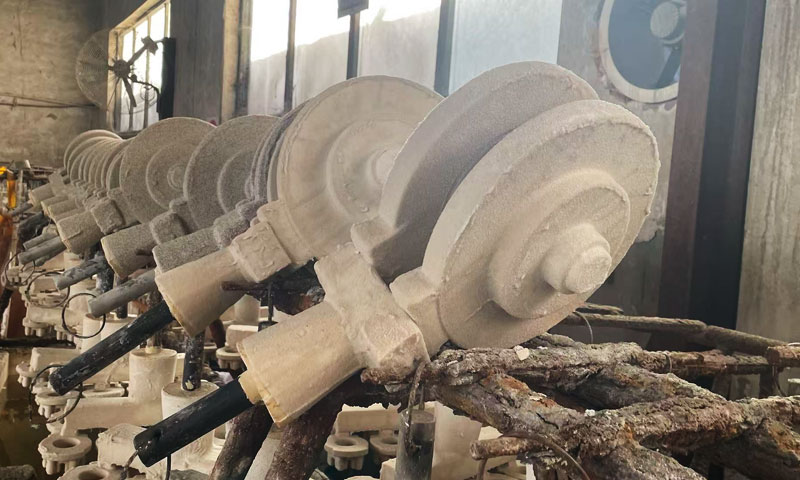
虽然 1.4878 stainless steel is primarily supplied as wrought products in the form of plates, 酒吧, 管道, and forgings, it is also suitable for manufacturing complex components by 投资铸造 (失去蜡铸).
Precision casting offers significant advantages for geometrically intricate parts that would otherwise require extensive machining, reducing both material waste and overall production costs.

Investment casting is particularly suitable for producing:
- 炉具
- Burner components
- Heat-resistant brackets
- Exhaust system parts
- Complex industrial hardware
Proper control of melting practice, 模具设计, and solidification conditions is essential to minimize segregation, 收缩缺陷, and hot cracking while ensuring a uniform austenitic microstructure.
Following casting, solution annealing is typically performed to optimize corrosion resistance and mechanical properties.
焊接特征
One of the greatest advantages of 1.4878 is its outstanding weldability.
Because titanium stabilizes carbon, the alloy exhibits significantly lower susceptibility to sensitization than unstabilized 304 不锈钢.
It is compatible with virtually all common fusion welding processes, 包括:
- GTAW (氩弧焊)
- 田 (我)
- Smaw
- 锯
- 等离子弧焊
- 激光焊接
Proper filler metal selection is important to ensure matching high-temperature performance and corrosion resistance.
8. 热处理 1.4878 不锈钢
Unlike martensitic or precipitation-hardening stainless steels, 1.4878 cannot be strengthened through conventional heat treatment.
Its mechanical properties are primarily controlled by solid-solution strengthening, 冷工作, and titanium stabilization rather than phase transformation.
The principal objectives of heat treatment are therefore to restore corrosion resistance, dissolve undesirable precipitates, relieve fabrication stresses, and maintain a stable austenitic microstructure.
| 治疗 | 温度 | 冷却 | 目的 |
| 解决方案退火 | 1050‑1100°C | Water quench or rapid air cool | 溶解碳化物; 恢复耐腐蚀性. |
| 压力缓解 | 300‑400°C | 空气 | Relieves residual stress; no significant effect on corrosion resistance. |
| Stabilisation | 850‑900°C | 空气 (not common) | 选修的; precipitates titanium carbides for additional stabilisation. |
| 硬化 | 不适用 | - | 奥氏体; 无法通过热处理来硬化. |
9. 表面饰面
The surface finish of 1.4878 stainless steel significantly influences not only its appearance but also its corrosion resistance, 可清洁, friction characteristics, 和服务寿命.
Selecting the appropriate finish depends on the operating environment, fabrication method, and functional requirements of the final component.
| 表面处理 | 制造方法 | Surface Characteristics | 典型的应用 |
| No.1 | Hot rolled, 退火, 腌制 | Rough matte finish with oxide scale removed | 炉零件, 压力容器, heavy industrial equipment |
| 2b | Cold rolled, 退火, 腌制, 皮肤经过 | 光滑的, 制服, slightly reflective | 化学加工设备, 食品加工, 管道 |
| BA (明亮退火) | Bright annealing in controlled atmosphere | Highly smooth and reflective | 装饰组件, 药品设备, 精密仪器 |
| No.4 (刷) | Mechanical polishing with abrasive belts | Satin finish with fine linear grain | 建筑面板, 厨房设备, industrial enclosures |
Mirror Finish (No.8) |
Progressive fine polishing | Mirror-like reflective surface | Decorative applications, 洁净室设备, premium architectural projects |
| 腌制 & Passivated | Chemical cleaning and passivation | Maximum corrosion resistance with clean metallic appearance | Welded fabrications, 石化系统, 离岸设备 |
| 电抛光 | Electrochemical polishing | 超平滑, low surface roughness, enhanced passive film | 半导体, 药物, 生物技术, ultra-clean processing systems |
10. 典型的应用 1.4878 不锈钢
The combination of excellent corrosion resistance, 高温抗氧化性, outstanding weldability, and long-term structural stability makes 1.4878 stainless steel one of the preferred materials for demanding industrial environments.

石化和化学加工
Chemical plants frequently operate under aggressive conditions involving elevated temperatures, pressurized fluids, 和腐蚀性媒体.
1.4878 stainless steel provides excellent resistance to oxidation, 有机酸, and many industrial chemicals while maintaining structural integrity during thermal cycling.
典型组件包括:
- 热交换器
- 反应堆容器
- Process piping
- Expansion joints
- 压力容器
- 蒸馏柱
- Flanges and fittings
Industrial Furnaces and Heat Treatment Equipment
One of the most important application areas for 1.4878 is high-temperature furnace construction.
The alloy withstands continuous exposure to elevated temperatures while resisting oxidation, 热疲劳, and scaling.
Common furnace components include:
- Furnace rollers
- 辐射管
- Furnace baskets
- Heat-treatment trays
- Annealing fixtures
- Burner assemblies
- Retorts
- Support grids
发电
Steam boilers, waste heat recovery systems, and thermal power plants expose structural components to high temperatures and cyclic thermal stresses.
Titanium stabilization improves long-term reliability by preventing grain-boundary sensitization during extended operation.
典型的应用包括:
- 锅炉管
- Superheater supports
- Exhaust ducting
- Flue gas systems
- Steam piping accessories
Automotive and Exhaust Systems
The alloy performs well under repeated heating and cooling cycles encountered in vehicle exhaust systems.
Its oxidation resistance and weldability make it suitable for manufacturing durable exhaust components.
示例包括:
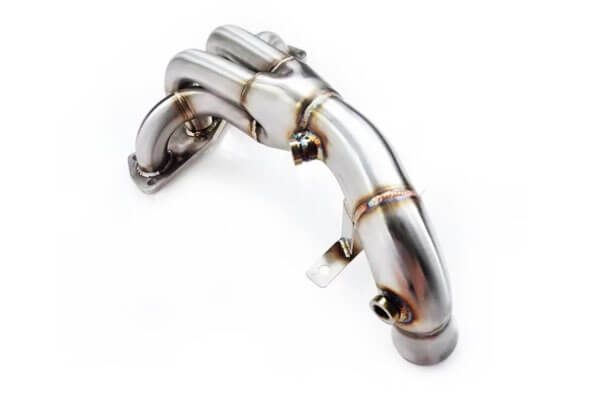
- 排气歧管
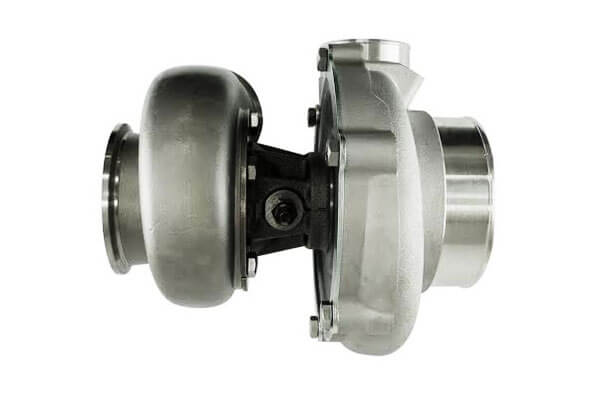
- Turbocharger piping
- Exhaust bellows
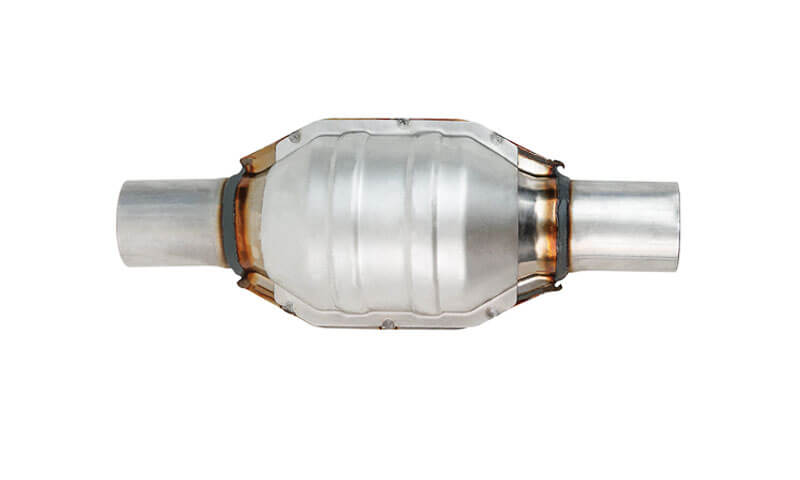
- Catalyst housings
- 隔热罩
食品加工设备
Although not as widely used as 304L or 316L in food production, 1.4878 becomes advantageous where processing equipment experiences frequent high-temperature cleaning or sterilization.
Typical equipment includes:
- Sterilization chambers
- High-temperature conveyors
- Industrial ovens
- Heat-resistant processing equipment
Precision Castings and Fabricated Components
The alloy is also widely used in precision investment castings and fabricated assemblies that combine corrosion resistance with elevated-temperature performance.
Representative products include:
- 阀体
- 泵组件
- Furnace accessories
- Turbine hardware
- 工业括号
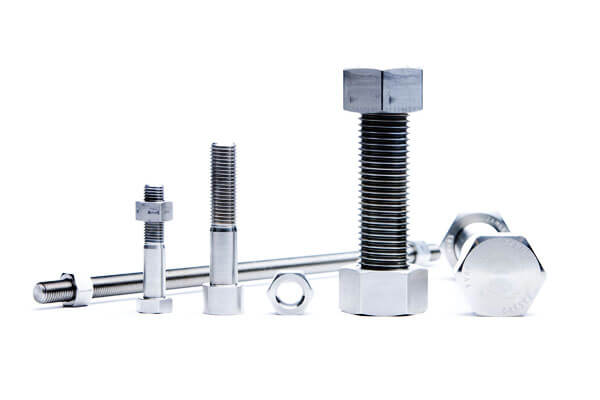
- High-temperature fasteners
- Mechanical supports
11. 优势和局限 1.4878 不锈钢
优点
Excellent Resistance to Intergranular Corrosion
Titanium stabilization effectively binds carbon into stable titanium carbides, preventing chromium carbide precipitation during welding or prolonged service at elevated temperatures.
This significantly improves long-term corrosion resistance in the critical temperature range where unstabilized austenitic stainless steels may become sensitized.
出色的高温性能
1.4878 maintains excellent oxidation resistance and mechanical stability during continuous operation at temperatures approaching 800–850°C, making it highly suitable for furnace equipment, 排气系统, and thermal processing machinery.
出色的可焊性
The alloy can be welded using virtually all conventional fusion welding methods with minimal risk of weld decay.
Large fabricated structures can often be placed into service without post-weld solution annealing, simplifying manufacturing while reducing production costs.
Good General Corrosion Resistance
In many industrial environments, 1.4878 provides corrosion resistance comparable to Type 304 不锈钢, including excellent resistance to atmospheric corrosion, 淡水, 蒸汽, and numerous organic chemicals.
High Toughness Across a Wide Temperature Range
The fully austenitic microstructure provides excellent impact toughness and ductility at both ambient and moderately elevated temperatures, allowing reliable performance under dynamic loading and thermal cycling.
Excellent Fabrication Performance
The alloy supports a wide range of manufacturing processes, 包括:
- 冷形成
- 热形成
- Precision investment casting
- 数控加工
- 深图
- 滚动
- 焊接
This versatility allows engineers to produce complex components with high dimensional accuracy.
长期使用寿命
The combination of oxidation resistance, 耐腐蚀性, weld stability, and thermal durability contributes to extended equipment life, reducing maintenance frequency and lifecycle costs in demanding industrial applications.
限制
适度的可加工性
Like most austenitic stainless steels, 1.4878 exhibits significant work hardening during machining.
Cutting operations require rigid equipment, 锋利的工具, effective cooling, and optimized machining parameters to achieve satisfactory productivity and tool life.
Limited Resistance to Chloride-Induced Pitting
Although the alloy performs well in many industrial environments, its molybdenum-free composition makes it less resistant to chloride-induced pitting and crevice corrosion than grades such as 316L.
It is therefore not the preferred choice for marine environments or highly saline process media.
Higher Material Cost Than Standard Carbon Steels
The presence of nickel, 铬, and titanium increases the material cost compared with carbon steels and some ferritic stainless steels.
然而, the higher initial investment is often justified by improved durability and lower maintenance requirements.
Not Intended for Extremely High Temperatures
尽管 1.4878 performs exceptionally well at elevated temperatures, applications involving continuous exposure above approximately 900°C generally require more heat-resistant grades such as 310S (1.4845) or nickel-based superalloys.
热膨胀
像其他奥氏体不锈钢一样, the alloy has a relatively high coefficient of thermal expansion.
Designers should account for thermal movement in large welded structures, 管道系统, and furnace assemblies by incorporating appropriate expansion allowances.
12. 1.4878 vs Other Stainless Steel Grades
Selecting the appropriate stainless steel requires balancing corrosion resistance, 温度能力, 制造要求, 和成本.
虽然 1.4878 shares many characteristics with other austenitic stainless steels, its titanium stabilization makes it particularly suitable for welded structures and long-term service at elevated temperatures.
1.4878 vs 1.4541 (321) 不锈钢
Both grades are titanium-stabilized chromium-nickel stainless steels and provide excellent resistance to intergranular corrosion after welding.
然而, 1.4878 contains a slightly higher carbon level, which contributes to improved creep strength and elevated-temperature mechanical performance.
For components operating continuously under thermal stress—such as furnace structures, 压力容器, and petrochemical equipment—1.4878 is generally preferred.
Typical selection guidance:
- 选择 1.4878 for prolonged high-temperature service and pressure-bearing components.
- 选择 1.4541 (321) for general high-temperature fabrication, aircraft exhaust systems, and standard welded structures.
1.4878 vs 1.4404 (316l) 不锈钢
These two grades are designed for different service environments.
1.4404(316l)不锈钢 derives its superior corrosion resistance from approximately 2–2.5% molybdenum, making it highly resistant to chloride-induced pitting and crevice corrosion.
最后, it is the preferred choice for marine environments, 药物处理, and aggressive chemical applications.
1.4878 不锈钢, 相比之下, is optimized for elevated-temperature performance rather than chloride resistance.
Its titanium stabilization prevents sensitization during prolonged heating, allowing it to retain mechanical integrity where 316L would gradually lose strength.
General recommendation:
- 选择 316l for seawater exposure, coastal installations, and chloride-containing process media.
- 选择 1.4878 for temperatures above approximately 500°C where thermal stability becomes more important than chloride resistance.
1.4878 vs 1.4845 (310s) 不锈钢
Both grades perform well at elevated temperatures, but they are intended for different operating ranges.
大约 25% 铬 和 20% 镍, 310s exhibits exceptional oxidation resistance and can withstand continuous temperatures approaching 1100°C.
It is widely used in furnace linings, radiant tubes, 燃烧器, and thermal processing equipment exposed to extremely high temperatures.
虽然 1.4878 cannot match the maximum operating temperature of 310S, it offers better weld stability, lower material cost, and sufficient heat resistance for many industrial applications below approximately 850°C.
因此:
- 选择 310s for ultra-high-temperature furnace environments.
- 选择 1.4878 for high-temperature structural fabrications requiring excellent weldability, 蠕变阻力, 和长期可靠性.
13. Why Choose LangHe for 1.4878 不锈钢产品?
Manufacturing components from 1.4878 stainless steel requires more than simply selecting the correct alloy.
Achieving reliable performance in high-temperature and corrosive environments depends on precise process control, 物料追溯, advanced manufacturing capabilities, 和严格的质量保证.
在 狼河, we combine metallurgical expertise with modern production technologies to deliver precision-engineered 1.4878 stainless steel components that meet the demanding requirements of industrial customers worldwide.
| 能力 | 细节 |
| 熔模铸造, 数控加工 | 近净形状; 复杂的几何形状; 精细的表面饰面. |
| 材料 | 1.4878 (321), 1.4541 (321l), 1.4404 (316l), 1.4845 (310s). |
| Part weight | 0.05 公斤到 100 公斤. |
| 方面 | 到 600 毫米直径. |
| 公差 | ±0.1-0.3毫米 (CT5‑CT7 per ISO 8062). |
| 表面饰面 | Ra 1.6‑6.3 µm as‑cast; electropolishing available. |
| 热处理 | 解决方案退火, 压力缓解. |
| 质量 | ISO 9001:2015 经认证; 100% NDT and dimensional inspection. |
| 交货时间 | 8‑12 weeks for tooling and first articles; 2‑4 weeks for repeat orders. |
| 认证 | PED 2014/68/EU, 出生于MR0175/ISO 15156. |
14. 结论
1.4878 (X8CrNiTi18-10 / 321h) occupies a well-defined and important niche in the heat-resistant stainless steel spectrum.
By combining titanium stabilization with controlled higher carbon content, it delivers two properties that are difficult to obtain simultaneously in austenitic stainless steels:
immunity to intergranular corrosion after welding, and significantly improved creep and stress-rupture performance at elevated temperatures.
It is not the highest-temperature grade, nor the most corrosion-resistant grade, but it offers an unrivaled balance of heat resistance, 可焊性, fabricability and cost for components operating in the 500–900°C range.
For boiler tubes, 熔炉硬件, petrochemical process equipment and heat treatment fixtures, it remains the benchmark standard material against which alternatives are measured.
As global industry continues to push process temperatures higher in pursuit of energy efficiency and emissions reduction,
1.4878 stainless steel will remain a foundational material for medium-temperature load-bearing service, valued for its proven reliability, predictable performance and mature manufacturing base.
常见问题解答
有什么区别 1.4878 和 1.4541 不锈钢?
两者都被钛稳定 18-10 奥氏体不锈钢. 1.4541 (标准 321) has a maximum carbon of 0.08%, 尽管 1.4878 (321h) has a controlled carbon range of 0.04–0.10%.
The higher minimum carbon in 1.4878 improves high-temperature creep and stress-rupture strength, making it the preferred choice for load-bearing high-temperature service.
What is the maximum operating temperature for 1.4878 不锈钢?
Up to 850°C for continuous service and 900°C for intermittent service. For temperatures above 900°C, 310s (1.4845) 建议.
是 1.4878 不锈钢磁性?
不. 1.4878 is an austenitic stainless steel and is paramagnetic (非磁性) 在退火状态. Cold working may induce some ferromagnetism.
能 1.4878 stainless steel be welded without filler?
For small sections, autogenous welding is possible, but matching filler (ER321) is recommended to maintain stabilisation and corrosion resistance.
做 1.4878 stainless steel require post‑weld heat treatment?
不. Titanium stabilisation prevents sensitisation, so post‑weld heat treatment is not required.
有什么区别 1.4878 和 1.4404 (316l) 不锈钢?
1.4878 has titanium stabilisation and higher carbon for high‑temperature creep strength, but no molybdenum.
1.4404 (316l) stainless steel has molybdenum for superior chloride corrosion resistance but is limited to lower temperatures (≤400°C) for long‑term service.