Trong thế giới thép không gỉ nhiệt độ cao, 1.4878—được biết đến bởi số vật liệu EN 1.4878 và tương ứng với UNS S32109 (ASTM 321H)- là thép không gỉ austenit crom-niken được ổn định bằng titan, kết hợp khả năng chống oxy hóa tuyệt vời với khả năng chống ăn mòn giữa các hạt vượt trội sau khi hàn hoặc tiếp xúc kéo dài với nhiệt độ cao.
Bằng cách kết hợp titan, hợp kim giảm thiểu lượng mưa cacbua crom, cho phép nó duy trì khả năng chống ăn mòn và tính toàn vẹn của cấu trúc trong đó các lớp không ổn định thông thường có thể bị hỏng.
Vì những đặc điểm này, 1.4878 thép không gỉ được sử dụng rộng rãi trong các thiết bị trao đổi nhiệt, Thành phần lò, hệ thống ống xả, thiết bị hóa dầu, Tàu áp lực, nhà máy phát điện, và thiết bị xử lý nhiệt công nghiệp.
Nó có sẵn ở nhiều dạng sản phẩm - bao gồm cả tấm, Tấm, Ống, ống, thanh, rèn, và đúc đầu tư chính xác—làm cho nó phù hợp cho cả kết cấu chế tạo và các bộ phận kỹ thuật phức tạp.
1. Là gì 1.4878 thép không gỉ?
1.4878 thép không gỉ (TRONG 1.4878 / X12CrNiTi18-9) là a Titanium ổn định austenitic thép không gỉ được phát triển cho các ứng dụng liên quan đến việc tiếp xúc kéo dài với nhiệt độ cao và tải nhiệt theo chu kỳ.
Nó thuộc họ thép không gỉ chịu nhiệt crom-niken và mang lại sự cân bằng tuyệt vời về khả năng chống oxy hóa, Khả năng hàn, độ dẻo dai, và khả năng chống ăn mòn giữa các hạt.
Không giống như các loại austenit tiêu chuẩn, có thể trở nên nhạy cảm sau khi hàn hoặc sử dụng lâu dài trong khoảng 450° C và 850 ° C., 1.4878 kết hợp titan như một yếu tố ổn định.
Titan ưu tiên phản ứng với carbon để tạo thành cacbua titan ổn định thay vì cacbua crom.
Kết quả là, crom vẫn hòa tan trong nền thép, bảo quản màng oxit crom bảo vệ giúp thép không gỉ có khả năng chống ăn mòn.
Tại sao là 1.4878 Ổn định bằng Titanium?
Đặc điểm xác định của 1.4878 Thép không gỉ là của nó Ổn định titan, giúp tăng cường đáng kể hiệu suất của nó dưới nhiệt độ cao và sau khi hàn.
Khi thép không gỉ austenit thông thường tiếp xúc với nhiệt độ trong phạm vi nhạy cảm (tiêu biểu 450Mùi850 ° C.), các nguyên tử carbon khuếch tán qua vi cấu trúc và kết hợp với crom để tạo thành cacbua crom dọc theo ranh giới hạt.
Quá trình này, được biết đến như sự nhạy cảm, tạo ra các vùng nghèo crom liền kề với ranh giới hạt.
Vì crom rất cần thiết cho việc hình thành màng oxit thụ động, những khu vực cạn kiệt này trở nên rất dễ bị ảnh hưởng bởi Ăn mòn giữa các hạt.
TRONG 1.4878 thép không gỉ, titan có ái lực với carbon mạnh hơn nhiều so với crom.
Trong quá trình hóa rắn và tiếp xúc với nhiệt tiếp theo, titan phản ứng đầu tiên để tạo thành cacbua titan (Tic).
Những cacbua ổn định này có hiệu quả “khóa” cacbon, ngăn chặn sự kết tủa cacbua crom và bảo toàn hàm lượng crom trong nền xung quanh.
Cơ chế ổn định này cung cấp một số lợi thế kỹ thuật quan trọng:
- Cải thiện khả năng chống ăn mòn giữa các hạt sau khi hàn
- Độ ổn định cấu trúc vi mô cao hơn trong thời gian làm việc ở nhiệt độ cao kéo dài
- Tăng cường hiệu suất leo dưới tải nhiệt duy trì
- Giảm nhu cầu ủ dung dịch sau hàn
- Tuổi thọ dài hơn trong môi trường sưởi ấm theo chu kỳ
Kết quả là, 1.4878 đặc biệt thích hợp cho các chế tạo hàn lớn mà không thể dễ dàng xử lý nhiệt sau hàn, chẳng hạn như bình chịu áp lực, cụm lò, và xử lý đường ống.
Tiêu chuẩn chung cho 1.4878 thép không gỉ
| Tiêu chuẩn | Chỉ định | Sự miêu tả |
| TRONG 10088 | 1.4878 / X12CrNiTi18-9 | Ký hiệu thép không gỉ Châu Âu |
| TỪ | X12CrNiTi18-9 | Chỉ định vật liệu của Đức |
| ASTM | Kiểu 321 (Tương đương) | Thép không gỉ austenit ổn định bằng titan |
| AISI/SAE | 321H | Vật liệu đường ống và bình chịu áp lực |
| CHÚNG TA | S32109 | |
| ISO | X12CrNiTi18-9 | Yêu cầu sản xuất quốc tế |
| JIS Nhật Bản | SUS321H | Giấy chứng nhận kiểm tra vật liệu |
Phân biệt với 1.4541 (Tiêu chuẩn 321)
Điểm dễ nhầm lẫn nhất là mối quan hệ giữa 1.4878 (321H) Và 1.4541 (tiêu chuẩn 321 / X6crniti18-10).
Cả hai đều ổn định titan 18-10 Thép không gỉ Austenitic, và chúng có cùng khả năng chống ăn mòn và đặc tính luyện kim chung.
Sự khác biệt xác định nằm ở thông số hàm lượng carbon:
- 1.4541 (321): cacbon tối đa 0.08%, lớp ổn định mục đích chung
- 1.4878 (321H): phạm vi carbon được kiểm soát là 0,04–0,10%, với hàm lượng carbon tối thiểu có chủ ý
Hậu tố “H” trong 321H là viết tắt của “cacbon cao”.
Hàm lượng carbon tối thiểu tăng cao được chỉ định có chủ ý để cải thiện độ bền kéo ở nhiệt độ cao, sức đề kháng leo và cuộc sống căng thẳng, làm 1.4878 biến thể tối ưu hóa khả năng chịu nhiệt của 321 gia đình.
Nhiều nhà máy chứng nhận kép vật liệu theo cả hai tiêu chuẩn khi thành phần nằm trong phạm vi chồng chéo.
2. Thành phần hóa học của 1.4878 thép không gỉ
Hiệu suất nổi bật của 1.4878 thép không gỉ (X12CrNiTi18-9) là kết quả của sự cân bằng thành phần hóa học một cách cẩn thận.
Mỗi nguyên tố hợp kim thực hiện một chức năng luyện kim cụ thể, góp phần chống ăn mòn, khả năng chống oxy hóa ở nhiệt độ cao, Khả năng hàn, sức mạnh cơ học, và sự ổn định cấu trúc vi mô.
Thành phần hóa học quy định theo tiêu chuẩn EN được thể hiện dưới đây.
| Yếu tố | Nội dung (%) | Chức năng chính |
| Carbon (C) | ≤0.10 | Cải thiện sức mạnh nhưng được kiểm soát để giảm nguy cơ nhạy cảm |
| Silicon (Và) | 1,00 | Tăng cường khả năng chống oxy hóa và cải thiện tính lưu động trong quá trình đúc |
| Mangan (Mn) | 2,00 | Cải thiện khả năng làm việc nóng và khử oxy trong quá trình luyện thép |
| Phốt pho (P) | .0.045 | Phần tử còn lại; giữ ở mức thấp để duy trì độ dẻo và khả năng hàn |
| Lưu huỳnh (S) | ≤0,015 | Kiểm soát ở mức độ thấp để cải thiện độ dẻo dai và khả năng chống ăn mòn |
Crom (Cr) |
17.0Cấm19.0 | Cung cấp khả năng chống ăn mòn, kháng oxy hóa, và thụ động |
| Niken (TRONG) | 9.0Mạnh12.0 | Ổn định cấu trúc austenit và cải thiện độ dẻo dai |
| Titan (Của) | ≥5 × C và 0,80 | Ngăn chặn sự kết tủa cacbua crom và cải thiện độ ổn định ở nhiệt độ cao |
| Sắt (Fe) | Sự cân bằng | Phần tử ma trận |
Ghi chú: Thành phần hóa học thực tế có thể thay đổi một chút tùy thuộc vào EN hiện hành, TỪ, ASTM, hoặc đặc điểm kỹ thuật của khách hàng.
3. Tính chất vật lý của 1.4878 thép không gỉ
Các tính chất vật lý của 1.4878 thép không gỉ xác định cách vật liệu phản ứng với quá trình truyền nhiệt, Mở rộng nhiệt, Độ dẫn điện, và từ trường trong quá trình phục vụ.
Những tính chất này đặc biệt quan trọng khi thiết kế các bộ phận cho lò nung, Trao đổi nhiệt, ống xả, và thiết bị áp lực hoạt động theo chu kỳ nhiệt liên tục.
| Tài sản | Giá trị điển hình |
| Tỉ trọng | 7.90–8,00 g/cm³ |
| Phạm vi nóng chảy | 1400–1425°C |
| Mô đun đàn hồi (20° C.) | 193 GPA |
| Độ dẫn nhiệt (20° C.) | 15 W/m · k |
| Khả năng nhiệt riêng (20° C.) | 500 J/kg · k |
| Điện trở suất (20° C.) | 0.72 μΩ · m |
| Hệ số giãn nở nhiệt (20Mạnh100 ° C.) | 16.5 × 10⁻⁶ /K |
| Tính thấm từ tính | Về cơ bản không từ tính (điều kiện ủ) |
Giá trị là dữ liệu tham khảo điển hình và có thể thay đổi đôi chút tùy theo dạng sản phẩm, lộ trình xử lý, và tiêu chuẩn áp dụng.
4. Tính chất cơ học của 1.4878 thép không gỉ
Các tính chất cơ học của 1.4878 thép không gỉ phản ánh vai trò chính của nó là vật liệu kết cấu nhiệt độ cao.
Mặc dù độ bền ở nhiệt độ phòng của nó tương tự như thép không gỉ austenit thông thường, lợi thế thực sự của nó nằm ở việc duy trì tính toàn vẹn cơ học trong thời gian dài sử dụng ở nhiệt độ cao.
| Tài sản | Giá trị điển hình |
| Độ bền kéo (RM) | ≥520 MPa |
| Sức mạnh năng suất (RP0.2) | ≥205 MPa |
| Kéo dài (A5) | ≥40% |
| Giảm diện tích | ≥55% |
| Độ cứng của Brinell (HBW) | 215 |
| Độ cứng của Rockwell (HRB) | 95 |
| Vickers độ cứng (HV) | Khoảng. 200 |
Các giá trị đại diện cho vật liệu được ủ trong dung dịch và có thể thay đổi tùy theo dạng sản phẩm và quy trình sản xuất.
5. Khả năng chịu nhiệt và hiệu suất nhiệt độ cao
Ưu điểm chính của 1.4878 thép không gỉ nằm ở hiệu suất vượt trội của nó trong điều kiện dịch vụ ở nhiệt độ cao.
Không giống như các loại austenit thông thường như 304, được thiết kế chủ yếu để chống ăn mòn ở nhiệt độ môi trường, 1.4878 được thiết kế để duy trì tính toàn vẹn cấu trúc của nó, kháng oxy hóa, và hiệu suất ăn mòn trong thời gian tiếp xúc kéo dài với nhiệt.
Nhiệt độ dịch vụ được đề xuất
Bảng sau đây tóm tắt phạm vi nhiệt độ hoạt động điển hình cho 1.4878 thép không gỉ.
| Điều kiện dịch vụ | Nhiệt độ khuyến nghị |
| Dịch vụ liên tục trong môi trường oxy hóa | Lên tới 850–900°C |
| Dịch vụ không liên tục | Lên đến khoảng 900°C |
| Dịch vụ kết cấu dài hạn | 450Mùi850 ° C. |
| Tiếp xúc cao điểm ngắn hạn | Khoảng 950°C (tùy thuộc vào tải và không khí) |
Giới hạn dịch vụ thực tế phụ thuộc vào hình dạng thành phần, căng thẳng áp dụng, không khí lò, tần số chu kỳ nhiệt, và cuộc sống thiết kế.
Khả năng chống oxy hóa tuyệt vời
Ở nhiệt độ cao, crom phản ứng nhanh với oxy tạo thành oxit crom đậm đặc (Cr₂o₃) lớp bảo vệ kim loại bên dưới khỏi quá trình oxy hóa hơn nữa.
Lớp màng oxit thụ động này liên tục tái tạo nếu bị hư hỏng, cung cấp khả năng chống lại sự đóng cặn lâu dài trong không khí và nhiều môi trường đốt cháy.
Vì hàm lượng crom ổn định, 1.4878 thể hiện khả năng chống chịu tuyệt vời:
- Quá trình oxy hóa ở nhiệt độ cao
- Chia tỷ lệ bề mặt
- Khử cacbon
- Ăn mòn khí nóng trong môi trường oxy hóa nhẹ
Những đặc điểm này làm cho nó phù hợp với các thành phần lò, máy sưởi công nghiệp, thiết bị xử lý nhiệt, và hệ thống ống xả.
Khả năng chống chịu nhiệt vượt trội
Nhiều bộ phận công nghiệp trải qua quá trình gia nhiệt và làm mát lặp đi lặp lại thay vì nhiệt độ không đổi.
Các chu trình nhiệt này tạo ra ứng suất giãn nở và co lại mà cuối cùng có thể dẫn đến biến dạng, nứt mỏi, hoặc mối hàn bị hỏng.
Cấu trúc vi mô austenit hoàn toàn của 1.4878 cung cấp khả năng chống mỏi nhiệt tuyệt vời vì nó kết hợp:
- Độ dẻo cao
- Cấu trúc hạt ổn định
- Độ cứng tốt
- Độ nhạy cảm thấp với gãy xương giòn
Ổn định titan tiếp tục giảm thiểu sự suy thoái cấu trúc vi mô trong quá trình tiếp xúc nhiệt nhiều lần, kéo dài tuổi thọ dịch vụ trong môi trường hoạt động theo chu kỳ.
Khả năng chống leo và căng thẳng-vỡ
Đối với các bộ phận hoạt động liên tục ở nhiệt độ cao, khả năng chống rão thường quan trọng hơn độ bền ở nhiệt độ phòng.
Leo là chậm, biến dạng vĩnh viễn của vật liệu dưới tải trọng duy trì ở nhiệt độ cao.
Trong lò công nghiệp, nồi hơi, lò phản ứng hóa dầu, và trao đổi nhiệt, biến dạng từ biến có thể làm thay đổi dần dần kích thước của các bộ phận và cuối cùng dẫn đến hư hỏng.
So với tiêu chuẩn 304 thép không gỉ, 1.4878 Ưu đãi:
- Cải thiện sức mạnh leo
- Khả năng chống đứt ứng suất tốt hơn
- Tăng cường độ ổn định ranh giới hạt
- Giảm biến dạng trong quá trình sử dụng kéo dài
Những cải tiến này chủ yếu là do sự ổn định của titan, ngăn chặn sự kết tủa cacbua crom và giúp duy trì độ bền ranh giới hạt.
Khả năng chống nhạy cảm khi sử dụng ở nhiệt độ cao
Một trong những lợi ích đáng kể nhất của 1.4878 là khả năng chống lại sự mẫn cảm sau khi tiếp xúc kéo dài với nhiệt độ giữa 450° C và 850 ° C..
Tiêu chuẩn 304 thép không gỉ có thể bị suy giảm crom gần ranh giới hạt sau khi hàn hoặc gia nhiệt kéo dài, tăng nguy cơ ăn mòn giữa các hạt.
Ngược lại, titan ưu tiên phản ứng với carbon để tạo thành cacbua titan, ngăn chặn sự kết tủa cacbua crom và cho phép crom vẫn có sẵn để duy trì màng thụ động bảo vệ.
Kết quả là, 1.4878 đặc biệt thích hợp cho:
- Kết cấu lò hàn
- Đường ống hóa dầu
- Thiết bị xử lý nhiệt
- Linh kiện nhà máy điện
- Bình áp suất nhiệt độ cao
6. Kháng ăn mòn
Ăn mòn chung
Ở nhiệt độ môi trường xung quanh và cao vừa phải, 1.4878 thể hiện khả năng chống ăn mòn nói chung tốt trong môi trường khí quyển, nước ngọt, hơi nước và hầu hết các hóa chất hữu cơ và vô cơ.
Hiệu suất của nó có thể so sánh rộng rãi với 304 thép không gỉ trong điều kiện không nhạy cảm.
Chống ăn mòn giữa các hạt
Đây là nơi 1.4878 phân biệt chính nó với các lớp không ổn định.
Trong điều kiện hàn hoặc gia nhiệt, thép không ổn định như 304 chịu sự kết tủa cacbua crom ở ranh giới hạt (sự nhạy cảm), dẫn đến ăn mòn giữa các hạt.
TRONG 1.4878, chất cô lập titan carbon, ngăn chặn sự suy giảm đáng kể crom và duy trì khả năng chống ăn mòn giữa các hạt hoàn toàn ngay cả sau khi tiếp xúc với phạm vi nhạy cảm 450–850°C.
Đặc tính này đặc biệt có giá trị đối với các kết cấu hàn lớn và các bộ phận lò không thể ủ bằng dung dịch sau khi chế tạo..
Ăn mòn cục bộ
Khả năng chống ăn mòn rỗ và kẽ hở ở mức vừa phải, gần tương đương với 304 thép không gỉ.
Loại này không dành cho môi trường clorua khắc nghiệt; 316Vật liệu hợp kim L hoặc cao hơn được ưu tiên cho dịch vụ đó.
1.4878 thép không gỉ không phù hợp với nước biển hoặc dòng xử lý có hàm lượng clorua cao.
Ăn mòn căng thẳng
Giống như các loại thép không gỉ austenitic khác, 1.4878 thép không gỉ dễ bị nứt do ăn mòn ứng suất do clorua gây ra ở nhiệt độ cao.
Đối với các ứng dụng kết hợp ứng suất kéo với môi trường clorua nóng, vật liệu thay thế nên được xem xét.
7. Đặc điểm chế tạo và hàn
Mặc dù được thiết kế cho các ứng dụng nhiệt độ cao, 1.4878 thép không gỉ cung cấp khả năng sản xuất tuyệt vời.
Cấu trúc austenit hoàn toàn của nó mang lại độ dẻo và độ dẻo dai vượt trội, cho phép vật liệu được tạo thành các dạng hình học phức tạp trong khi vẫn duy trì độ chính xác về kích thước và tính toàn vẹn cấu trúc.
Hình thành và chế tạo
1.4878 sở hữu các đặc tính tạo hình nguội tuyệt vời và có thể được xử lý bằng kỹ thuật chế tạo kim loại tấm thông thường.
Các hoạt động tạo hình điển hình bao gồm:
- Vẽ sâu
- Cuộn hình thành
- uốn
- Tạo hình căng
- Hydroforming
- Tạo hình báo chí
- Quay
Vì hợp kim cứng lại nhanh chóng, biến dạng nghiêm trọng có thể yêu cầu ủ trung gian để khôi phục độ dẻo trước khi xử lý tiếp.
Tạo hình nóng thường được thực hiện trong phạm vi nhiệt độ từ 1050Mạnh1200 ° C., tiếp theo là làm lạnh nhanh để bảo toàn cấu trúc vi mô austenit hoàn toàn.
Đặc điểm gia công
So sánh với thép cacbon và thép không gỉ gia công tự do, 1.4878 thép không gỉ được coi là khá khó gia công.
Độ dẻo dai cao của nó, Độ dẻo tuyệt vời, và xu hướng gia công cứng mạnh làm tăng lực cắt và tạo ra nhiệt đáng kể ở bề mặt tiếp xúc giữa dụng cụ và phôi..
Nếu các thông số gia công không được kiểm soát đúng cách, bề mặt được làm cứng có thể tăng tốc độ mài mòn của dụng cụ và giảm độ chính xác về kích thước.
Trong lúc gia công, vật liệu có xu hướng tạo ra:
- Lực cắt cao
- Nhiệt độ cắt cao
- Chip liên tục
- Tăng tốc độ mài mòn dụng cụ
Do đó, gia công hiệu quả đòi hỏi:
- Dụng cụ cắt cacbua hoặc gốm sắc bén
- Hình học cào tích cực
- Chất lỏng cắt thích hợp
- Tốc độ cắt vừa phải
- Độ cứng máy ổn định
Nên tránh sử dụng các điều kiện cắt bị gián đoạn hoặc dụng cụ bị mòn vì bề mặt được làm cứng có thể làm giảm nhanh chóng hiệu quả gia công.
Đúc chính xác
Mặc dù 1.4878 thép không gỉ chủ yếu được cung cấp dưới dạng sản phẩm rèn ở dạng tấm, thanh, Ống, và rèn, nó cũng thích hợp để sản xuất các bộ phận phức tạp bằng cách Đúc đầu tư (Mất sáp đúc).
Đúc chính xác mang lại những lợi thế đáng kể cho các bộ phận phức tạp về mặt hình học mà đòi hỏi phải gia công rộng rãi, giảm cả chất thải vật liệu và chi phí sản xuất tổng thể.
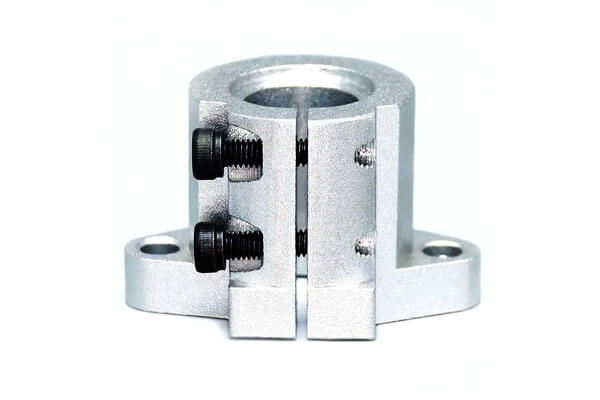
Đúc đầu tư đặc biệt thích hợp để sản xuất:
- Đồ đạc lò
- Linh kiện đầu đốt
- Giá đỡ chịu nhiệt
- Bộ phận hệ thống xả
- Phần cứng công nghiệp phức tạp
Kiểm soát thích hợp thực hành nấu chảy, Thiết kế khuôn, và điều kiện hóa rắn là cần thiết để giảm thiểu sự phân tách, Khiếm khuyết co ngót, và nứt nóng trong khi vẫn đảm bảo cấu trúc vi mô austenit đồng nhất.
Sau khi truyền, ủ dung dịch thường được thực hiện để tối ưu hóa khả năng chống ăn mòn và tính chất cơ học.
Đặc điểm hàn
Một trong những lợi ích lớn nhất của 1.4878 khả năng hàn vượt trội của nó là.
Bởi vì titan ổn định carbon, hợp kim thể hiện độ nhạy cảm thấp hơn đáng kể so với hợp kim không ổn định 304 thép không gỉ.
Nó tương thích với hầu hết tất cả các quy trình hàn nhiệt hạch thông thường, bao gồm:
- GTAW (TIG)
- Gawn (TÔI)
- Smaw
- CÁI CƯA
- Hàn hồ quang plasma
- Hàn laze
Lựa chọn kim loại phụ thích hợp là rất quan trọng để đảm bảo phù hợp với hiệu suất ở nhiệt độ cao và khả năng chống ăn mòn.
8. Điều trị nhiệt 1.4878 thép không gỉ
Không giống như thép không gỉ martensitic hoặc thép không gỉ làm cứng kết tủa, 1.4878 không thể được tăng cường thông qua xử lý nhiệt thông thường.
Tính chất cơ học của nó chủ yếu được kiểm soát bằng cách tăng cường dung dịch rắn, Làm việc lạnh, và ổn định titan hơn là chuyển pha.
Do đó, mục tiêu chính của xử lý nhiệt là khôi phục khả năng chống ăn mòn, hòa tan kết tủa không mong muốn, giảm bớt căng thẳng chế tạo, và duy trì cấu trúc vi mô austenit ổn định.
| Sự đối đãi | Nhiệt độ | Làm mát | Mục đích |
| Giải pháp ủ | 1050‑1100°C | Làm nguội bằng nước hoặc làm mát bằng không khí nhanh chóng | Hòa tan cacbua; Phục hồi khả năng chống ăn mòn. |
| Cứu trợ căng thẳng | 300‑400°C | Không khí | Giảm bớt căng thẳng dư thừa; không có ảnh hưởng đáng kể đến khả năng chống ăn mòn. |
| Ổn định | 850‑900°C | Không khí (không phổ biến) | Không bắt buộc; kết tủa cacbua titan để ổn định hơn. |
| Cứng | Không áp dụng | - | Austenitic; không thể được làm cứng bằng cách xử lý nhiệt. |
9. Bề mặt hoàn thiện
Bề mặt hoàn thiện của 1.4878 thép không gỉ ảnh hưởng đáng kể không chỉ đến vẻ ngoài mà còn cả khả năng chống ăn mòn của nó, khả năng làm sạch, đặc tính ma sát, và cuộc sống phục vụ.
Việc lựa chọn lớp hoàn thiện phù hợp tùy thuộc vào môi trường hoạt động, phương pháp chế tạo, và các yêu cầu chức năng của thành phần cuối cùng.
| Hoàn thiện bề mặt | Phương pháp sản xuất | Đặc điểm bề mặt | Các ứng dụng điển hình |
| số 1 | cán nóng, Ăn, Dưa chua | Lớp hoàn thiện mờ thô đã loại bỏ lớp oxit | Các bộ phận lò, Tàu áp lực, thiết bị công nghiệp nặng |
| 2B | Cán nguội, Ăn, Dưa chua, da qua | Trơn tru, đồng phục, hơi phản chiếu | Thiết bị xử lý hóa học, chế biến thực phẩm, đường ống |
| BA (Ủ sáng) | Ủ sáng trong bầu không khí được kiểm soát | Rất mịn và phản chiếu | Thành phần trang trí, Thiết bị dược phẩm, dụng cụ chính xác |
| Số 4 (Chải) | Đánh bóng cơ học bằng đai mài mòn | Lớp hoàn thiện satin với hạt tuyến tính mịn | Bảng kiến trúc, Thiết bị nhà bếp, thùng công nghiệp |
Hoàn thiện gương (số 8) |
Đánh bóng mịn tiến bộ | Bề mặt phản chiếu giống như gương | Ứng dụng trang trí, Thiết bị phòng sạch, công trình kiến trúc cao cấp |
| đồ chua & thụ động | Làm sạch bằng hóa chất và thụ động | Khả năng chống ăn mòn tối đa với bề ngoài kim loại sạch sẽ | Chế tạo hàn, Hệ thống hóa dầu, Thiết bị ngoài khơi |
| Điện tử | Đánh bóng điện hóa | Siêu mịn, độ nhám bề mặt thấp, phim thụ động nâng cao | Chất bán dẫn, Dược phẩm, Công nghệ sinh học, hệ thống xử lý siêu sạch |
10. Các ứng dụng điển hình của 1.4878 thép không gỉ
Sự kết hợp của khả năng chống ăn mòn tuyệt vời, khả năng chống oxy hóa ở nhiệt độ cao, khả năng hàn vượt trội, và sự ổn định về cấu trúc lâu dài làm cho 1.4878 thép không gỉ một trong những vật liệu ưa thích cho môi trường công nghiệp đòi hỏi khắt khe.
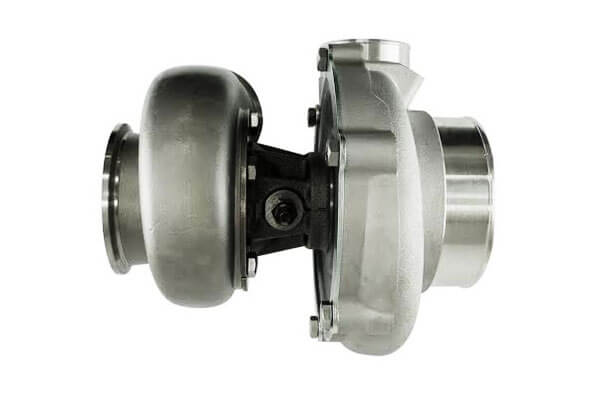
Xử lý hóa dầu và hóa chất
Các nhà máy hóa chất thường xuyên hoạt động trong điều kiện khắc nghiệt liên quan đến nhiệt độ cao, chất lỏng có áp suất, và phương tiện truyền thông ăn mòn.
1.4878 thép không gỉ cung cấp khả năng chống oxy hóa tuyệt vời, Axit hữu cơ, và nhiều hóa chất công nghiệp trong khi vẫn duy trì tính toàn vẹn cấu trúc trong quá trình luân nhiệt.
Các thành phần điển hình bao gồm:
- Trao đổi nhiệt
- Tàu phản ứng
- Đường ống xử lý
- Khe co giãn
- Tàu áp lực
- Cột chưng cất
- Mặt bích và phụ kiện
Lò công nghiệp và thiết bị xử lý nhiệt
Một trong những lĩnh vực ứng dụng quan trọng nhất của 1.4878 là xây dựng lò nhiệt độ cao.
Hợp kim chịu được sự tiếp xúc liên tục với nhiệt độ cao đồng thời chống lại quá trình oxy hóa, Mệt mỏi nhiệt, và nhân rộng.
Các thành phần lò phổ biến bao gồm:
- Con lăn lò
- Ống rạng rỡ
- Giỏ lò
- Khay xử lý nhiệt
- Đồ đạc ủ
- Cụm đầu đốt
- vặn lại
- Lưới hỗ trợ
Sản xuất điện
Nồi hơi, hệ thống thu hồi nhiệt thải, và các nhà máy nhiệt điện khiến các bộ phận kết cấu phải chịu nhiệt độ cao và ứng suất nhiệt theo chu kỳ.
Ổn định titan cải thiện độ tin cậy lâu dài bằng cách ngăn chặn sự nhạy cảm ranh giới hạt trong quá trình hoạt động kéo dài.
Các ứng dụng điển hình bao gồm:
- Ống nồi hơi
- Hỗ trợ quá nhiệt
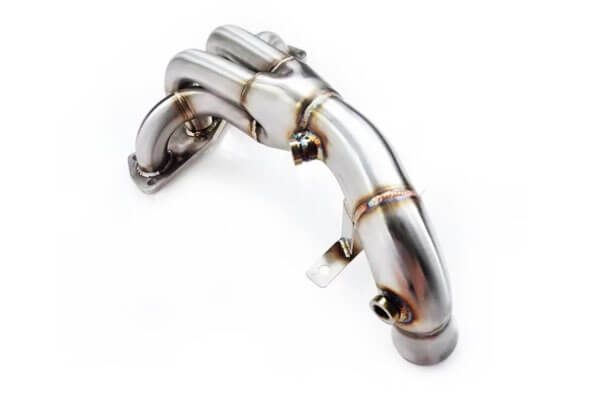
- Ống xả
- Hệ thống khí thải
- Phụ kiện đường ống hơi
Hệ thống ô tô và ống xả
Hợp kim hoạt động tốt trong các chu kỳ làm nóng và làm mát lặp đi lặp lại trong hệ thống ống xả của xe.
Khả năng chống oxy hóa và khả năng hàn của nó làm cho nó phù hợp để sản xuất các bộ phận ống xả bền.
Ví dụ bao gồm:
- Ống xả
- Đường ống tăng áp
- Ống xả
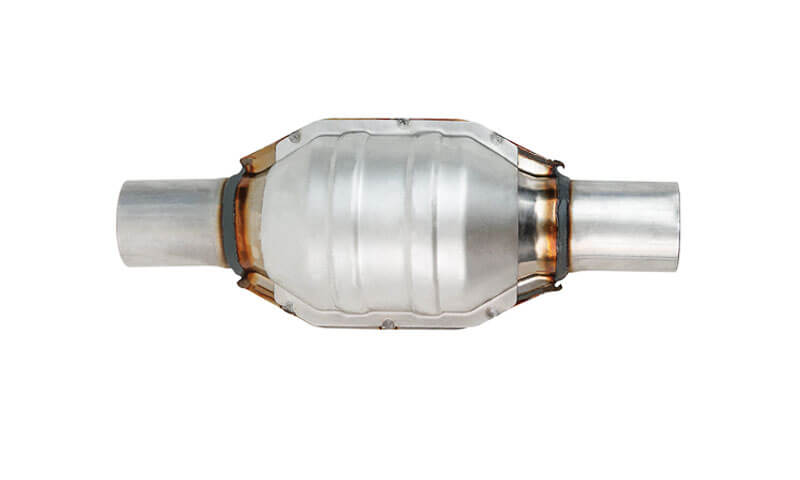
- Vỏ chất xúc tác
- Tấm chắn nhiệt
Thiết bị chế biến thực phẩm
Mặc dù không được sử dụng rộng rãi như 304L hay 316L trong sản xuất thực phẩm, 1.4878 trở nên thuận lợi khi thiết bị chế biến thường xuyên được làm sạch hoặc khử trùng ở nhiệt độ cao.
Thiết bị điển hình bao gồm:
- Buồng khử trùng
- Băng tải nhiệt độ cao
- Lò nướng công nghiệp
- Thiết bị xử lý chịu nhiệt
Vật đúc chính xác và linh kiện chế tạo
Hợp kim này cũng được sử dụng rộng rãi trong các vật đúc đầu tư chính xác và các bộ phận chế tạo kết hợp khả năng chống ăn mòn với hiệu suất ở nhiệt độ cao..
Sản phẩm đại diện bao gồm:
- Thân van
- Các thành phần bơm
- Phụ kiện lò nung
- Phần cứng tuabin
- Giá đỡ công nghiệp
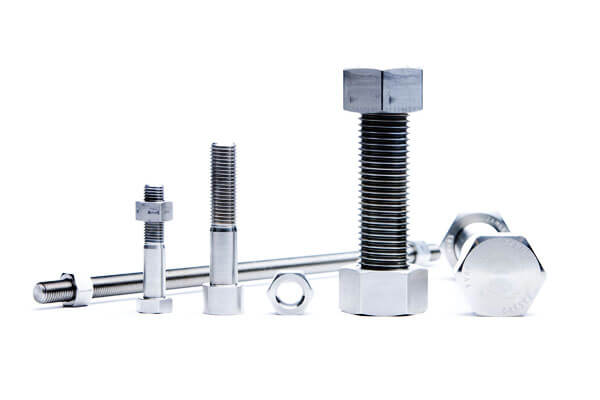
- Ốc vít nhiệt độ cao
- Hỗ trợ cơ khí
11. Ưu điểm và giới hạn của 1.4878 thép không gỉ
Thuận lợi
Khả năng chống ăn mòn giữa các hạt tuyệt vời
Ổn định titan liên kết hiệu quả carbon thành cacbua titan ổn định, ngăn chặn sự kết tủa cacbua crom trong quá trình hàn hoặc dịch vụ kéo dài ở nhiệt độ cao.
Điều này cải thiện đáng kể khả năng chống ăn mòn lâu dài ở phạm vi nhiệt độ tới hạn, nơi thép không gỉ austenit không ổn định có thể trở nên nhạy cảm..
Hiệu suất nhiệt độ cao nổi bật
1.4878 duy trì khả năng chống oxy hóa tuyệt vời và độ ổn định cơ học trong quá trình hoạt động liên tục ở nhiệt độ gần bằng 800Mùi850 ° C., làm cho nó rất phù hợp cho thiết bị lò, hệ thống ống xả, và máy móc xử lý nhiệt.
Khả năng hàn tuyệt vời
Hợp kim có thể được hàn bằng cách sử dụng hầu như tất cả các phương pháp hàn nhiệt hạch thông thường với nguy cơ hư hỏng mối hàn tối thiểu.
Các cấu trúc chế tạo lớn thường có thể được đưa vào sử dụng mà không cần ủ dung dịch sau hàn, đơn giản hóa sản xuất đồng thời giảm chi phí sản xuất.
Khả năng chống ăn mòn chung tốt
Trong nhiều môi trường công nghiệp, 1.4878 cung cấp khả năng chống ăn mòn tương đương với Loại 304 thép không gỉ, bao gồm khả năng chống ăn mòn tuyệt vời trong khí quyển, nước ngọt, hơi nước, và nhiều chất hữu cơ.
Độ dẻo dai cao trên phạm vi nhiệt độ rộng
Cấu trúc vi mô hoàn toàn austenit mang lại độ bền va đập và độ dẻo tuyệt vời ở cả nhiệt độ môi trường xung quanh và nhiệt độ cao vừa phải, cho phép thực hiện đáng tin cậy dưới tải động và chu kỳ nhiệt.
Hiệu suất chế tạo tuyệt vời
Hợp kim hỗ trợ một loạt các quy trình sản xuất, bao gồm:
- Hình thành lạnh
- Hình thành nóng
- Đúc đầu tư chính xác
- Gia công CNC
- Vẽ sâu
- Lăn
- Hàn
Tính linh hoạt này cho phép các kỹ sư sản xuất các bộ phận phức tạp với độ chính xác cao..
Cuộc sống phục vụ lâu dài
Sự kết hợp của khả năng chống oxy hóa, kháng ăn mòn, ổn định mối hàn, và độ bền nhiệt góp phần kéo dài tuổi thọ thiết bị, giảm tần suất bảo trì và chi phí vòng đời trong các ứng dụng công nghiệp đòi hỏi khắt khe.
Giới hạn
Khả năng gia công vừa phải
Giống như hầu hết các loại thép không gỉ austenit, 1.4878 thể hiện độ cứng đáng kể trong quá trình gia công.
Hoạt động cắt yêu cầu thiết bị cứng nhắc, dụng cụ sắc bén, làm mát hiệu quả, và tối ưu hóa các thông số gia công để đạt được năng suất và tuổi thọ dụng cụ thỏa đáng.
Khả năng chống rỗ do clorua gây ra bị hạn chế
Mặc dù hợp kim hoạt động tốt trong nhiều môi trường công nghiệp, thành phần không chứa molypden của nó làm cho nó có khả năng chống ăn mòn rỗ và kẽ hở do clorua gây ra kém hơn so với các loại như 316L.
Do đó, nó không phải là lựa chọn ưu tiên cho môi trường biển hoặc môi trường xử lý có độ mặn cao.
Chi phí vật liệu cao hơn thép carbon tiêu chuẩn
Sự hiện diện của niken, crom, và titan làm tăng chi phí vật liệu so với thép cacbon và một số thép không gỉ ferit.
Tuy nhiên, khoản đầu tư ban đầu cao hơn thường được chứng minh bằng độ bền được cải thiện và yêu cầu bảo trì thấp hơn.
Không dành cho nhiệt độ cực cao
Trong khi 1.4878 hoạt động đặc biệt tốt ở nhiệt độ cao, các ứng dụng liên quan đến việc tiếp xúc liên tục ở trên khoảng 900° C. thường yêu cầu nhiều loại chịu nhiệt hơn như 310S (1.4845) hoặc siêu hợp kim gốc niken.
Mở rộng nhiệt
Giống như các loại thép không gỉ austenitic khác, hợp kim có hệ số giãn nở nhiệt tương đối cao.
Người thiết kế nên tính đến chuyển động nhiệt trong các kết cấu hàn lớn, Hệ thống đường ống, và các cụm lò bằng cách kết hợp các khoản phụ cấp mở rộng thích hợp.
12. 1.4878 so với các loại thép không gỉ khác
Lựa chọn loại inox phù hợp đòi hỏi phải cân bằng khả năng chống ăn mòn, khả năng nhiệt độ, yêu cầu chế tạo, và chi phí.
Mặc dù 1.4878 chia sẻ nhiều đặc điểm với các loại thép không gỉ austenit khác, tính ổn định titan của nó làm cho nó đặc biệt thích hợp cho các kết cấu hàn và dịch vụ lâu dài ở nhiệt độ cao.
1.4878 vs 1.4541 (321) thép không gỉ
Cả hai loại đều là thép không gỉ crom-niken được ổn định bằng titan và có khả năng chống ăn mòn giữa các hạt tuyệt vời sau khi hàn.
Tuy nhiên, 1.4878 chứa hàm lượng carbon cao hơn một chút, góp phần cải thiện độ bền rão và hiệu suất cơ học ở nhiệt độ cao.
Đối với các bộ phận hoạt động liên tục dưới áp suất nhiệt—chẳng hạn như kết cấu lò nung, Tàu áp lực, và thiết bị hóa dầu—1.4878 thường được ưu tiên.
Hướng dẫn lựa chọn điển hình:
- Chọn 1.4878 cho các bộ phận chịu áp lực và làm việc ở nhiệt độ cao kéo dài.
- Chọn 1.4541 (321) để chế tạo nhiệt độ cao nói chung, hệ thống xả máy bay, và kết cấu hàn tiêu chuẩn.
1.4878 vs 1.4404 (316L) thép không gỉ
Hai cấp độ này được thiết kế cho các môi trường dịch vụ khác nhau.
1.4404(316L)thép không gỉ có được khả năng chống ăn mòn vượt trội từ khoảng 2–2,5% molypden, làm cho nó có khả năng chống ăn mòn rỗ và kẽ hở do clorua gây ra.
Do đó, nó là sự lựa chọn ưu tiên cho môi trường biển, Xử lý dược phẩm, và các ứng dụng hóa học tích cực.
1.4878 thép không gỉ, Ngược lại, được tối ưu hóa cho hiệu suất ở nhiệt độ cao hơn là khả năng kháng clorua.
Tính ổn định titan của nó ngăn ngừa sự nhạy cảm trong quá trình gia nhiệt kéo dài, cho phép nó giữ được tính toàn vẹn cơ học trong đó 316L sẽ dần mất đi sức mạnh.
Khuyến nghị chung:
- Lựa chọn 316L khi tiếp xúc với nước biển, công trình ven biển, và môi trường xử lý có chứa clorua.
- Lựa chọn 1.4878 cho nhiệt độ trên khoảng 500°C khi độ ổn định nhiệt trở nên quan trọng hơn khả năng chống clorua.
1.4878 vs 1.4845 (310S) thép không gỉ
Cả hai loại đều hoạt động tốt ở nhiệt độ cao, nhưng chúng được dành cho các phạm vi hoạt động khác nhau.
Với khoảng 25% crom Và 20% Niken, 310S thể hiện khả năng chống oxy hóa đặc biệt và có thể chịu được nhiệt độ liên tục đến gần 1100° C..
Nó được sử dụng rộng rãi trong lớp lót lò, ống rạng rỡ, đầu đốt, và thiết bị xử lý nhiệt tiếp xúc với nhiệt độ cực cao.
Mặc dù 1.4878 không thể phù hợp với nhiệt độ hoạt động tối đa 310S, nó mang lại sự ổn định mối hàn tốt hơn, chi phí vật liệu thấp hơn, và khả năng chịu nhiệt đủ cho nhiều ứng dụng công nghiệp dưới khoảng 850° C..
Kết quả là:
- Chọn 310S cho môi trường lò nhiệt độ cực cao.
- Chọn 1.4878 cho chế tạo kết cấu nhiệt độ cao đòi hỏi khả năng hàn tuyệt vời, Khả năng chống creep, và độ tin cậy lâu dài.
13. Tại sao chọn LangHe cho 1.4878 Sản phẩm bằng thép không gỉ?
Sản xuất linh kiện từ 1.4878 thép không gỉ đòi hỏi nhiều hơn là chỉ đơn giản là chọn đúng hợp kim.
Đạt được hiệu suất đáng tin cậy trong môi trường nhiệt độ cao và ăn mòn phụ thuộc vào việc kiểm soát quy trình chính xác, truy nguyên nguồn gốc vật chất, năng lực sản xuất tiên tiến, và đảm bảo chất lượng nghiêm ngặt.
Tại Langhe, chúng tôi kết hợp chuyên môn luyện kim với công nghệ sản xuất hiện đại để cung cấp các sản phẩm được thiết kế chính xác 1.4878 linh kiện thép không gỉ đáp ứng yêu cầu khắt khe của khách hàng công nghiệp trên toàn thế giới.
| Khả năng | Chi tiết |
| Đúc đầu tư, Gia công CNC | Hình dạng gần lưới; Hình học phức tạp; bề mặt hoàn thiện. |
| Nguyên vật liệu | 1.4878 (321), 1.4541 (321L), 1.4404 (316L), 1.4845 (310S). |
| trọng lượng một phần | 0.05 kg đến 100 kg. |
| Kích thước | Lên đến 600 đường kính mm. |
| Dung sai | ±0,1‑0,3 mm (CT5‑CT7 theo ISO 8062). |
| Bề mặt hoàn thiện | Ra 1,6‑6,3 µm khi đúc; đánh bóng điện có sẵn. |
| Điều trị nhiệt | Giải pháp ủ, Cứu trợ căng thẳng. |
| Chất lượng | ISO 9001:2015 được chứng nhận; 100% NDT và kiểm tra kích thước. |
| Thời gian dẫn đầu | 8‑12 tuần đối với dụng cụ và sản phẩm đầu tiên; 2‑4 tuần cho các đơn hàng lặp lại. |
| Chứng nhận | PED 2014/68/EU, Sinh MR0175/ISO 15156. |
14. Phần kết luận
1.4878 (X8CrNiTi18-10 / 321H) chiếm một vị trí quan trọng và được xác định rõ ràng trong phổ thép không gỉ chịu nhiệt.
Bằng cách kết hợp ổn định titan với hàm lượng carbon cao hơn được kiểm soát, nó mang lại hai đặc tính khó có được đồng thời ở thép không gỉ austenit:
khả năng chống ăn mòn giữa các hạt sau khi hàn, và cải thiện đáng kể hiệu suất từ biến và đứt ứng suất ở nhiệt độ cao.
Đây không phải là loại nhiệt độ cao nhất, cũng không phải loại chống ăn mòn nhất, nhưng nó mang lại sự cân bằng vượt trội về khả năng chịu nhiệt, Khả năng hàn, khả năng chế tạo và chi phí cho các bộ phận hoạt động trong phạm vi 500–900°C.
Đối với ống nồi hơi, phần cứng lò, thiết bị xử lý hóa dầu và thiết bị xử lý nhiệt, nó vẫn là vật liệu tiêu chuẩn chuẩn để đo lường các lựa chọn thay thế.
Khi ngành công nghiệp toàn cầu tiếp tục đẩy nhiệt độ quy trình lên cao hơn nhằm theo đuổi mục tiêu tiết kiệm năng lượng và giảm phát thải,
1.4878 thép không gỉ sẽ vẫn là vật liệu nền tảng cho dịch vụ chịu tải ở nhiệt độ trung bình, được đánh giá cao vì độ tin cậy đã được chứng minh của nó, hiệu suất có thể dự đoán được và cơ sở sản xuất trưởng thành.
Câu hỏi thường gặp
Sự khác biệt giữa 1.4878 Và 1.4541 thép không gỉ?
Cả hai đều ổn định titan 18-10 Thép không gỉ Austenitic. 1.4541 (tiêu chuẩn 321) có lượng cacbon tối đa là 0.08%, trong khi 1.4878 (321H) có phạm vi carbon được kiểm soát là 0,04–0,10%.
Lượng carbon tối thiểu cao hơn trong 1.4878 cải thiện độ bền leo ở nhiệt độ cao và độ bền đứt ứng suất, làm cho nó trở thành sự lựa chọn ưu tiên cho dịch vụ nhiệt độ cao chịu tải.
Nhiệt độ hoạt động tối đa cho 1.4878 thép không gỉ?
Lên đến 850°C cho dịch vụ liên tục và 900°C cho dịch vụ không liên tục. Đối với nhiệt độ trên 900°C, 310S (1.4845) được khuyến nghị.
Là 1.4878 từ tính bằng thép không gỉ?
KHÔNG. 1.4878 là thép không gỉ austenit và có tính thuận từ (Không từ tính) Trong điều kiện ủ. Gia công nguội có thể gây ra hiện tượng sắt từ.
Có thể 1.4878 thép không gỉ được hàn mà không cần phụ?
Đối với các phần nhỏ, có thể hàn tự sinh, nhưng phụ phù hợp (ER321) được khuyến khích để duy trì sự ổn định và chống ăn mòn.
Làm 1.4878 thép không gỉ yêu cầu xử lý nhiệt sau hàn?
KHÔNG. Ổn định titan ngăn ngừa sự nhạy cảm, do đó không cần xử lý nhiệt sau hàn.
Sự khác biệt giữa 1.4878 Và 1.4404 (316L) thép không gỉ?
1.4878 có độ ổn định bằng titan và lượng carbon cao hơn để có độ bền rão ở nhiệt độ cao, nhưng không có molypden.
1.4404 (316L) thép không gỉ có molypden cho khả năng chống ăn mòn clorua vượt trội nhưng bị giới hạn ở nhiệt độ thấp hơn (400°C) để phục vụ lâu dài.