

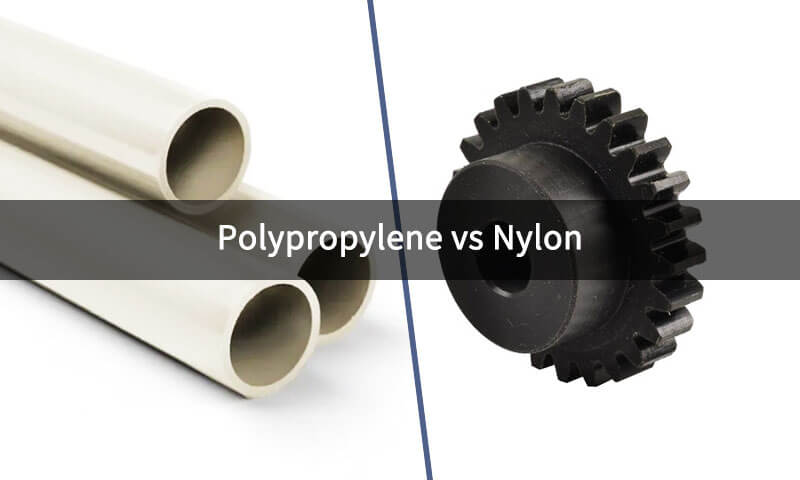
Поліпропілен - це напівкристалічний поліолефін, відомий своєю низькою щільністю, відмінна вологостійкість, хімічна стійкість, втома, і відносно легка обробка.
Нейлон, сімейство поліамідів, загальновизнаний своєю високою міцністю та жорсткістю, Відмінна міцність, Низьке тертя, Опір зносу, і кращу продуктивність при високих температурах.
Також важливо уникати розгляду будь-якого матеріалу як одного, фіксована специфікація. PP і нейлон – це групи матеріалів, а не окремі марки.
Pa6, Pa66, PA12, склонаповнений нейлон, РР гомополімер, PP сополімер, мінерально-наповнений ПП, і склоармований ПП може мати суттєво різні властивості.
Отже, значущий поліпропілен проти нейлону порівняння повинно враховувати не тільки міцність і термостійкість, а й поглинання вологи, хімічна сумісність, тертя і знос, електричні характеристики, розмірна стабільність, поведінка лиття під тиском, собівартість виготовлення, і фактичні умови експлуатації.
1. Що таке поліпропілен?
Поліпропілен (пп) є широко використовуваним термопластичним полімером, що належить до сімейство поліолефінів.
Цінується за низьку щільність, Відмінна хімічна стійкість, дуже низьке вологопоглинання, хороші характеристики втоми, електрична ізоляція, і ефективна технологічність.
Поліпропілен особливо привабливий, коли пластикові компоненти мають поєднувати малу вагу, хімічна і вологостійкість, Хороша міцність, багаторазове виконання згинання, і економічно вигідне виробництво.
Поліпропілен принципово відрізняється від нейлону своєю молекулярною хімією. Його полімерна основа складається переважно з вуглеводневих ланцюгів із повторюваними метильними групами (-CH₃) прикріплений до вуглецевого хребта.
На відміну від нейлону, ПП не містить полярних амідних груп, здатних утворювати міцні водневі зв'язки з молекулами води.
Ця відносно неполярна молекулярна структура відповідає за багато важливих інженерних характеристик поліпропілену.
Це сприяє його дуже низькому водопоглинанню, відмінна стійкість до багатьох хімічних речовин, стабільна електроізоляція, низька щільність, і хороша стійкість до змін розмірів, пов'язаних з вологістю.
Різні рецептури можуть бути розроблені для різних застосувань.
Поширені категорії поліпропілену включають:
- РР гомополімер
- РР рандом-сополімер
- ПП ударопрочний сополімер
- PP, армований скловолокном
- ПП з мінеральним наповненням
- PP з тальком
- УФ-стабілізований ПП
- Вогнезахисний ПП
- Електромодифікований ПП
Здатність модифікувати ПП шляхом кополімеризації, наповнювачі, волокна, і добавки дозволяють виробникам збалансувати жорсткість, ударна міцність, хімічна стійкість, зовнішність, поведінка обробки, і вартість.
Переваги та недоліки поліпропілену
До основних переваг поліпропілену можна віднести:
- Низька щільність: PP виробляє легкі компоненти.
- Відмінна вологостійкість: Водопоглинання надзвичайно низьке.
- Хороша хімічна стійкість: Особливо ефективний проти багатьох водних кислот, луг, солі, та миючі засоби.
- Відмінна стійкість до втоми: Підходить для багаторазового згинання та живих петель.
- Хороша електроізоляція: Корисно для електричних корпусів та ізоляційних компонентів.
- Відмінні характеристики лиття під тиском: Низька в'язкість розплаву та хороша текучість сприяють виробництву великих обсягів.
- Низька вартість матеріалу: PP, як правило, більш економічний, ніж інженерний нейлон.
- Хороша гнучкість конструкції: Може виготовлятися в різних кольорах, рецептури, і зовнішній вигляд поверхні.
Однак, поліпропілен також має обмеження.
Стандарт PP зазвичай передбачає нижча жорсткість і механічні характеристики при високій температурі, ніж нейлон.
При тривалих механічних навантаженнях, особливо при підвищеній температурі, ПП може зазнавати повзучості та деформації.
Його відносно високий коефіцієнт теплового розширення також може бути важливим у точних додатках.
На додаток, Немодифікований ПП може руйнуватися під дією тривалого ультрафіолету, тому для зовнішнього застосування можуть знадобитися УФ-стабілізатори або інші захисні заходи.
2. Що таке нейлон?
Нейлон це сімейство інженерних термопластів, що належить до поліамід (PA) група.
Він широко використовується, коли пластикові компоненти повинні забезпечити поєднання високої міцності, жорсткість, міцність, Опір зносу, Низьке тертя, втома, і здатність до високих температур.
Нейлон принципово відрізняється від поліпропілену своєю молекулярною хімією.
Полімерна основа містить повторювані амідні групи (-CONH-), які створюють сильніші міжмолекулярні взаємодії, ніж ті, що присутні в неполярній вуглеводневій структурі ПП.
Ці амідні групи відповідають за багато бажаних технічних властивостей нейлону.
Вони сприяють його механічної міцності, жорсткість, міцність, і здатність витримувати багаторазове тертя та навантаження.
Одночасно, полярна природа амідних груп змушує нейлон поглинати вологу. Це одне з найважливіших міркувань під час порівняння нейлон проти поліпропілену.
Нейлон - це не єдиний матеріал. Існує кілька комерційно важливих родин поліамідів,
включаючи:
- Pa6
- Pa66
- PA11
- PA12
- PA46
- Різні марки армованого скловолокном ПА
- Марки PA з мінеральним наповненням
- Вогнестійкі марки ПА
- Термостабілізовані марки ПА
Серед них, PA6 і PA66 особливо поширені в інженерних додатках.
Нейлон широко використовується для механічних компонентів, оскільки він може поєднувати структурні характеристики з відносно низьким тертям.
На відміну від багатьох металів, він також може стати легкою альтернативою для передач, втулки, ролики, екскурсовод, та інші рухомі компоненти.
Переваги та недоліки нейлону
Основні переваги нейлону включають:
- Висока міцність на розрив
- Висока жорсткість
- Відмінна міцність
- Хороша втома
- Відмінна зносостійкість
- Низьке тертя
- Хороша стійкість до багаторазових механічних навантажень
- Кращі високотемпературні характеристики, ніж стандартний ПП
- Сильна придатність для механічних компонентів
Його обмеження включають:
- Більше вологопоглинання
- Зміни розмірів, пов'язані з вологістю
- Більш вимогливі вимоги до сушіння
- Більш високі температури обробки
- Більша чутливість до умов обробки
- Вища вартість матеріалу
- Потенційні зміни властивостей між сухим і вологим станами
3. Міцність поліпропілену проти нейлону
Більш висока міцність і жорсткість нейлону
При порівнянні поліпропілену та нейлону щодо механічної міцності, нейлон зазвичай забезпечує більш високу міцність на розрив, жорсткість, і несучою здатністю, ніж ненаповнений поліпропілен.
Типові марки ПП без наповнювача мають межу міцності на розрив приблизно 25–40 МПа, тоді як звичайні класи PA6 і PA66 зазвичай можуть досягати приблизно 50–90 МПа, залежно від конкретного класу та умов тестування.
Різниця тісно пов'язана з молекулярною структурою. Поліпропілен має відносно неполярну вуглеводневу основу, тоді як нейлон містить полярні амідні групи, які створюють сильніші міжмолекулярні взаємодії та водневі зв’язки.
Ці взаємодії обмежують рух молекул і дозволяють нейлону більш ефективно протистояти деформації під механічним навантаженням.
Відмінні втомні характеристики поліпропілену при згині
Хоча нейлон в цілому міцніший, Поліпропілен має важливу механічну перевагу багаторазове згинання.
ПП може витримувати значні циклічні згини без розтріскування, якщо компонент правильно розроблений.
Це робить його особливо придатним для живих петель, гнучкі закриття, функції фіксації, і багаторазово згинаються компоненти.
Отже, більш висока міцність на розрив не робить нейлон автоматично кращим матеріалом для будь-якого механічного застосування.
Режим навантаження необхідно розглядати разом з міцністю, жорсткість, втома, вплив, і вимоги до повзучості.
Покращена міцність завдяки армуванню
Обидва полімери можуть бути посилені для досягнення значно вищих механічних характеристик.
ПП, армований скловолокном, може досягати міцності на розрив приблизно 70–90 МПа в представницьких класах, в той час 30% армований скловолокном PA6 може досягати приблизно 130–170 МПа, залежно від рецептури та умов тестування.
Армування також підвищує жорсткість і опір повзучості, хоча це може створити більшу анізотропію, відмінності усадки при формуванні, та міркування щодо обробки.
4. Термостійкість поліпропілену проти нейлону
Вища термостійкість нейлону
Нейлон зазвичай забезпечує кращу термостійкість, ніж поліпропілен, особливо коли матеріал повинен зберігати механічну міцність і жорсткість при підвищених температурах.
Типові марки поліпропілену мають температуру плавлення приблизно 160–170 ° C, в той час як PA6 плавиться приблизно 220° C і PA66 приблизно 255° C.
Однак, температуру плавлення не слід плутати з безперервною робочою температурою.
Термопластичні компоненти зазвичай втрачають жорсткість і несучу здатність задовго до досягнення точки плавлення.
Нейлон зазвичай зберігає корисні механічні властивості при більш високих температурах.
Залежно від марки та армування, Нейлон може забезпечити значно кращі показники тепловідведення та стійкість до деформації.
Помірна температурна здатність поліпропілену
Поліпропілен залишається високоефективним у багатьох сферах застосування при помірних температурах.
Його низька вартість, хімічна стійкість, і низьке вологопоглинання може зробити його більш економічним, ніж нейлон, коли не потрібна стійкість до екстремальних температур.
Наприклад, PP широко використовується для контейнерів, протоки, корпус, компоненти трубопроводів, і автомобільні внутрішні частини, де робочі температури залишаються в межах практичного діапазону матеріалу.
5. Поліпропілен проти нейлону Стійкість до вологи та хімікатів
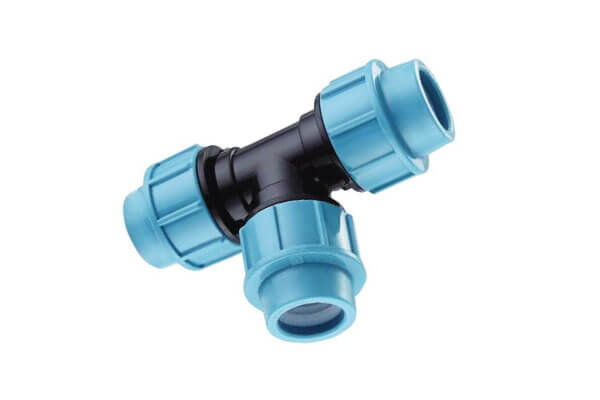
Чудова вологостійкість поліпропілену
Поліпропілен має велику перевагу перед нейлоном у вологостійкості. Його молекулярна структура є переважно неполярною, тому вода дуже обмежено взаємодіє з полімерними ланцюгами.
Типові марки поліпропілену демонструють надзвичайно низьке водопоглинання, часто навколо 0.01% або менше після 24 годинник, залежно від оцінки та методу тестування.
Це низьке вологопоглинання дозволяє компонентам ПП зберігати відносно стабільні розміри, вага, механічні властивості, та електричні характеристики у вологому або вологому середовищі.
Вища вологопоглинання нейлону
Нейлон поводиться інакше, тому що його молекулярна основа містить полярні амідні групи.
Ці групи легко взаємодіють з молекулами води, дозволяючи нейлону вбирати значно більше вологи.
Залежно від типу поліаміду та умов навколишнього середовища, нейлон може поглинати кілька відсотків своєї ваги у воді в стані рівноваги.
PA6 і PA66 особливо чутливі до вологи порівняно з поліпропіленом.
Волога діє як пластифікатор у нейлоні. У міру збільшення вмісту води, нейлон, як правило, стає більш пластичним, а його жорсткість і міцність зменшуються. Одночасно, може статися розширення розмірів.
Така поведінка особливо важлива для таких прецизійних компонентів, як шестерні, втулки, з'єднувачі, і корпуси з жорсткими допусками.
Відмінна хімічна стійкість поліпропілену
Поліпропілен також забезпечує чудову стійкість до багатьох хімічних речовин, особливо розведені кислоти, луг, солі, миючі засоби, і водні хімічні розчини.
Це поєднання хімічної стійкості та низького вологопоглинання робить ПП широко використовуваним для хімічних контейнерів, резервуари, трубопровід, лабораторне обладнання, лайнери, і компоненти для обробки рідини.
Хороша, але хімічна стійкість нейлону більше залежить від застосування
Нейлон забезпечує стійкість до багатьох масел, паливо, мастило, та промислові хімічні речовини. Однак, його хімічна стійкість більшою мірою залежить від конкретних хімічних умов і умов експлуатації.
Деякі сильні кислоти та агресивні хімічні середовища можуть впливати на поліамідні матеріали. Підвищена температура та механічний вплив можуть додатково вплинути на хімічну сумісність.
Отже, Нейлон не слід вибирати виключно на основі загальної класифікації хімічної стійкості.
Фактичний хімічна концентрація, температура, тривалість впливу, рівень стресу, і клас нейлону слід оцінити.
6. Поліпропілен проти нейлону Тертя та зносостійкість
Кращий механічний знос нейлону
Нейлон широко відомий як корисний інженерний матеріал для застосувань, пов’язаних із тертям, ковзання, і повторний механічний контакт.
Його поєднання сили, міцність, жорсткість, і відносно низьке тертя робить його придатним для передач, втулки, підшипники, ролики, носити смужки, і направляючі компоненти.
Типові коефіцієнти сухого тертя для нейлону можуть знаходитися в приблизному діапазоні 0.2–0.4, сильно залежить від класу, контрфейс, навантаження, швидкість ковзання, поверхнева обробка, і метод випробування.
Відносно висока механічна міцність нейлону дозволяє йому витримувати контактні напруги без надмірної деформації, що особливо важливо для навантажених ковзних компонентів.
Характеристики поліпропілену з низьким коефіцієнтом тертя
Поліпропілен також може демонструвати відносно низький коефіцієнт тертя і може добре працювати в окремих застосуваннях ковзання.
Певні марки PP використовуються, де легкі, хімічно стійкий, і потрібен недорогий ковзний матеріал.
Однак, коефіцієнт тертя і зносостійкість не є тотожними властивостями.
Матеріал може мати низький коефіцієнт тертя, але все ще відчувати відносно високі втрати матеріалу під час тривалого механічного контакту.
Для важко навантажених або постійно рухомих компонентів, нейлон часто забезпечує більш сприятливе поєднання механічної навантажувальної здатності та зносостійкості.
Спеціальні суміші можуть підвищити зносостійкість
Обидва матеріали можуть бути модифіковані для трибологічних застосувань.
Нейлонові сполуки можуть містити PTFE, графіт, дисульфід молібдену, мастила на основі силікону, або інші добавки для зменшення тертя та підвищення зносостійкості.
Поліпропілен також може складатися з наповнювачами та мастильними добавками для спеціальних застосувань із низьким коефіцієнтом тертя.
Однак, арматура повинна бути ретельно підібрана. Скловолокно дозволяє істотно збільшити жорсткість і несучу здатність, але вони також можуть впливати на механізм зносу та поведінку сполучної поверхні.
7. Електричні властивості поліпропілену проти нейлону
Відмінна електроізоляція з поліпропілену
Поліпропілен є чудовим електроізоляційним матеріалом і особливо цінний, коли потрібні стабільні діелектричні характеристики.
Репрезентативні марки PP можуть мати діелектричну проникність приблизно 2.2–2,6 і питомий об'ємний опір порядку 10¹⁶ Ω·см, хоча значення змінюються залежно від частоти, температура, формулювання, та умови тестування.
Його поєднання високого питомого електричного опору, низька діелектрична проникність, і надзвичайно низьке вологопоглинання робить поліпропілен корисним для електроізоляції, конденсаторні плівки, компоненти кабелю, електронні частини, та інші діелектричні застосування.
Хороша електроізоляція з нейлону
Нейлон також є ефективним електроізолятором, особливо в сухих умовах.
Типові сорти нейлону можуть мати діелектричну проникність 3.5–4.0, хоча точне значення сильно залежить від типу полімеру, частота, температура, і вміст вологи.
Перевага нейлону полягає в тому, що він поєднує електроізоляцію зі значно вищою механічною міцністю та міцністю, ніж звичайний поліпропілен..
Це робить його корисним для електричних роз’ємів, корпус, компоненти кабельної системи, і механічно вимогливі ізоляційні частини.
8. Поліпропілен проти нейлону для лиття під тиском
Відмінна здатність до обробки поліпропілену методом лиття під тиском
Поліпропілен є одним із найпоширеніших термопластів для лиття під тиском, оскільки він поєднує в собі хорошу текучість розплаву., відносно низькі вимоги до обробки, низька чутливість до вологи, і короткий час циклу.
Відносно низька в'язкість розплаву дозволяє розплавленому ПП ефективно заповнювати складні порожнини форми, що робить його придатним для тонкостінних компонентів, функції фіксації, живі петлі, контейнери, корпус, та інші продукти великого обсягу.
Основна перевага обробки ПП полягає в тому, що смола зазвичай не потребує значного попереднього сушіння, необхідного для нейлону.
Оскільки поліпропілен вбирає дуже мало вологи, виробники зазвичай можуть обробляти належним чином зберіганий PP безпосередньо або за допомогою відносно простих процедур кондиціонування матеріалу.
ПП також має відносно широке вікно обробки.
Типові температури плавлення часто знаходяться в діапазоні приблизно 200–250 ° C, залежно від сорту та застосування, в той час як температура прес-форми зазвичай контролюється при значно нижчих температурах.
Точні умови повинні бути встановлені з рекомендацій виробника смоли щодо обробки.
Вища чутливість нейлону до вологи
Нейлон також дуже підходить для лиття під тиском, але його вимоги до обробки є більш вимогливими.
Більшість нейлонових смол є гігроскопічними і можуть поглинати атмосферну вологу під час зберігання.
Перед формуванням, нейлон взагалі потрібен належним чином висушений до заданого рівня вологості.
Якщо в смолі залишається надмірна вологість, поєднання води та високої температури розплаву може спричинити гідролітичну деградацію, зменшення молекулярної маси та потенційне зниження механічних характеристик готового компонента.
Це робить обробку матеріалу особливо важливим під час обробки нейлону.
Смолу слід зберігати у вологостійкій упаковці, і умови сушіння слід контролювати відповідно до конкретного класу PA.
Вищі температури обробки для нейлону
Для нейлону, як правило, потрібна більш висока температура плавлення, ніж для поліпропілену.
PA6 зазвичай обробляється при температурах розплаву близько 240–280°C, тоді як PA66 може вимагати приблизно 260–300 ° C, в залежності від сорту і технології обробки.
Вища температура обробки збільшує потреби в енергії та висуває більші вимоги до обладнання для формування, компоненти форми, та контроль процесу.
Однак, вища температура обробки нейлону також відображає його вищу температуру плавлення та дозволяє виготовляти компоненти, здатні забезпечувати кращі механічні та термічні характеристики.
9. Стабільність розмірів поліпропілену проти нейлону
| Аспект | Поліпропілен | Нейлон |
| Поглинання вологи | Дуже низький | Високий |
| Зміна розмірів із вологістю | Мінімальний | Значний |
| Усадка цвілі (%) | 1.0–2,5 | 0.5–2,0 |
| Усадка після формування | Помірний | Значний (кондиціонування вологи) |
| Опір повзучості | Помірний | Добрий |
Гідрофобна природа поліпропілену забезпечує чудову стабільність розмірів у вологому середовищі.
Нейлон вбирає вологу, спричиняючи розбухання деталей і зміну розмірів. Однак, нейлонові деталі можна кондиціонувати вологою для досягнення стабільних розмірів.
10. Поліпропілен проти нейлону: Вартість і міркування щодо виробництва
Вартість матеріалу
Поліпропілен, як правило, економічніший, ніж нейлон. Його низька щільність також означає, що для виробництва компонента порівнянного об’єму може знадобитися менше матеріалу за вагою.
Для продукції великих обсягів, це може забезпечити значну економічну перевагу.
Нейлон, як правило, дорожчий, оскільки це інженерний термопласт із вищими механічними та тепловими характеристиками.
Однак, його більша міцність і жорсткість можуть дозволити дизайнерам зменшити товщину стінок або розмір компонентів, частково компенсуючи вищу вартість смоли.
Виробничі міркування
| Фактор | Поліпропілен | Нейлон |
| Вартість матеріалу | Як правило, нижче | Загалом вище |
| Щільність | Опускатися | Вищий |
| Температура обробки | Опускатися | Вищий |
| Вимога сушіння | Мінімальний | Зазвичай критично |
| Підприємство для ін'єкцій | Відносно легко | Більш чутливий до процесу |
| Ефективність циклу | Відмінний | Добрий |
| Чутливість до вологи | Дуже низький | Високий |
| Складність інструментів/процесу | Як правило, нижче | Загалом вище |
| Типова економіка застосування | Високий об'єм, чутливі до вартості частини | Критичні для продуктивності компоненти |
Поліпропілен зазвичай легше і дешевше обробляти.
Його низька чутливість до вологи спрощує транспортування матеріалу, в той час як його хороші характеристики текучості забезпечують ефективне лиття під тиском і великі обсяги виробництва.
Нейлон вимагає більш ретельного контролю виробництва. Перед литтям під тиском, багато нейлонових смол необхідно належним чином висушити, щоб запобігти розкладанню, пов’язаному з вологою, і дефектам формування.
Температура форми, Температура розплаву, час проживання, і умови охолодження також вимагають більш ретельного контролю.
11. Застосування поліпропілену проти нейлону
Область застосування поліпропілен (пп) і нейлон (PA) збігається в багатьох областях, але кожен матеріал краще підходить для різних умов експлуатації.
Застосування поліпропілену
Поліпропілен широко використовується де низька щільність, низьке вологопоглинання, хімічна стійкість, втома, і економічна обробка великих обсягів важливі.
| Сектор додатків | Типові PP компоненти | Чому обрано PP |
| Упаковка | Контейнери, кришки від пляшок, закриття, лотки, упаковка їжі | Низька щільність, вологостійкість, хімічна стійкість, Обробка |
| Автомобільний | Бампери, внутрішня обробка, дверні панелі, корпуси акумуляторів, резервуари для рідини | Легкий, продуктивність впливу, хімічна стійкість, Ефективність витрат |
| Сантехніка & Системи водопостачання | Труби, фурнітура, компоненти насосів, частини поливу | Низьке водопоглинання і стійкість до багатьох хімічних речовин |
Споживча продукція |
Бункери для зберігання, меблі, Курси побутової техніки, предмети домашнього вжитку | Легкий, довговічний, економний |
| Електричний & Електроніка | Ізоляційні компоненти, частини, пов'язані з кабелем, конденсаторні плівки, корпус | Хороша електроізоляція та низька чутливість до вологи |
| Медичний & Лабораторні продукти | Контейнери, лотки, шприци, лабораторне обладнання | Хімічна стійкість, низьке вологопоглинання, доступні відповідні оцінки |
| Промислове обладнання | Резервуари, протоки, контейнери, обкладинка, компоненти для обробки рідини | Хімічна стійкість, низька вага, економічна обробка |
Аплікації з нейлону
Нейлон в основному використовується де міцність, жорсткість, міцність, Низьке тертя, Опір зносу, і продуктивність при підвищених температурах важливіше мінімальної вартості матеріалу та вологопоглинання.
| Сектор додатків | Типові нейлонові компоненти | Чому вибрано нейлон |
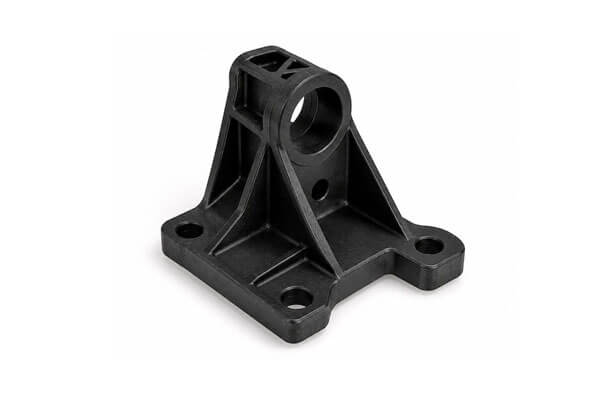
| Автомобільний | Шестерні, підшипники, втулки, компоненти двигуна, з'єднувачі, дужки | Висока сила, жорсткість, Опір зносу, температурна здатність |
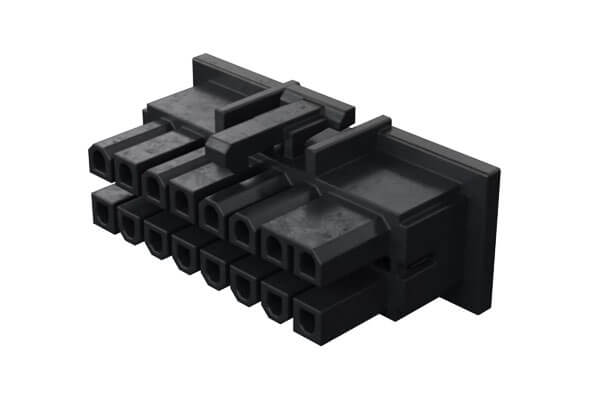
| Електричний & Електроніка | Корпуси роз'ємів, клемні колодки, компоненти автоматичного вимикача | Механічна міцність, утеплення, габаритне виконання |
| Промислова техніка | Шестерні, ролики, несучі компоненти, носити тарілки, деталі конвеєра | Низьке тертя, Опір зносу, несуча здатність |
Кріплення & Обладнання |
Кабельні стяжки, горіхи, кліпи, кріплення, компоненти, що фіксуються | Міцність, міцність, втома |
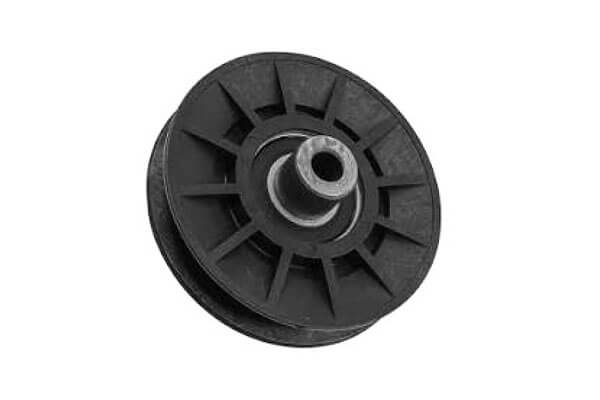
| Механічні компоненти | Втулки, шківи, екскурсовод, шестерні, Структурні дужки | Висока жорсткість і хороші трибологічні характеристики |
| Волокна & Текстиль | Волокна промислові, шинний шнур, волосінь, пензликові нитки, технічний текстиль | Висока міцність на розрив, міцність, стійкість до стирання |
| Споживча продукція | Застібки-блискавки, пряжки, корпуси для інструментів, механічні компоненти | Міцність, міцність, Опір зносу |
Поліпропілен проти нейлону: Вибір програми
Вибір між поліпропіленом і нейлоном можна спростити, визначивши домінуючу вимогу до обслуговування:
- Вибирайте поліпропілен при малій вазі, вологостійкість, хімічна стійкість, втома, і низька вартість виробництва є основними вимогами.
- Вибирайте нейлон при високій міцності, жорсткість, Опір зносу, Низьке тертя, міцність, або продуктивність при підвищеній температурі важливіша.
- Розглянемо армований ПП коли важлива легка конструкція, але потрібна більша жорсткість і міцність.
- Розгляньте армований нейлон коли компонент повинен витримувати високі механічні навантаження, постійний стрес, або вимогливі температурні умови.
12. Висновок
Поліпропілен і нейлон є додатковими інженерними матеріалами, не прямі конкуренти.
Кожен з них займає окрему продуктивну нішу, що визначається його фундаментальною хімією:
поліпропілен забезпечує низьку вартість, чудова стабільність розмірів і нечутливість до вологи за рахунок нижчої міцності та зносостійкості;
нейлон забезпечує високу міцність, відмінна зносостійкість і переносимість масла за рахунок високої вартості, чутливість до вологи та складність обробки.
Жоден не є універсальним. ПП – оптимальний вибір для товарних комплектуючих, прецизійні деталі при змінній вологості, застосування гарячої води та чутливі до вартості продукти.
Нейлон є кращим вибором для структурних компонентів з високим навантаженням, Носіть деталі, компоненти під капотом, що піддаються впливу масла, і високотемпературне застосування з посиленням скла.
Найпоширенішою помилкою при виборі є вибір нейлону, тоді як ПП відповідатиме за загальну вартість на 40–60%, або визначення PP для застосувань із високим навантаженням, де може виникнути передчасна поломка.
Систематичне порівняння з фактичними умовами експлуатації — без використання знайомого матеріалу — забезпечує оптимальну продуктивність за мінімальних загальних витрат.
Поширені запитання
Чи можна переробляти поліпропілен і нейлон?
Так, обидва матеріали підлягають переробці. Поліпропілен широко переробляється (код смоли #5). Нейлон підлягає переробці, але переробляється рідше, ніж поліпропілен.
Нейлон або поліпропілен більш крихкі при низьких температурах?
Поліпропілен більш крихкий при низьких температурах. Має температуру склування від –10 до 0°C, нижче якого він стає крихким. Нейлон залишається міцним при температурі від -30 до -40°C.
Поліпропілен міцніший за нейлон?
Загалом, ні. Стандартний нейлон зазвичай має вищу міцність на розрив, жорсткість, і несучою здатністю, ніж ненаповнений поліпропілен. Однак, поліпропілен має меншу щільність і відмінну стійкість до втоми і вологи.
Посилений ПП також може досягти значно вищих механічних характеристик і може перевершити ненаповнений нейлон у певних випадках..
Поліпропілен більш термостійкий, ніж нейлон?
Загалом, нейлон має кращу термостійкість, ніж звичайний поліпропілен.
Звичайні сорти нейлону мають вищі температури плавлення і, як правило, краще зберігають механічну міцність і жорсткість при підвищених температурах.
Посилені марки можуть додатково покращити високотемпературні характеристики обох матеріалів.
Який вбирає більше води, поліпропілен або нейлон?
Нейлон вбирає значно більше води, ніж поліпропілен. Поліпропілен має надзвичайно низьке вологопоглинання, тоді як нейлон є гігроскопічним через його полярні амідні групи.
Поглинання вологи може вплинути на розміри нейлону, жорсткість, міцність, та електричні властивості.
Що дешевше, поліпропілен або нейлон?
Поліпропілен, як правило, дешевший, ніж нейлон. РР також має меншу щільність, що може додатково зменшити споживання матеріалу за вагою компонента.
Однак, загальна вартість повинна включати обробку, інструментарія, дизайн частини, армування, брухт, і службове життя.
Більш дорогий нейлоновий компонент може зрештою бути більш економічним, якщо він забезпечує значно довший термін служби або дозволяє менший, міцніша конструкція компонентів.
Який має кращу стабільність розмірів, поліпропілен або нейлон?
Відповідь залежить від середовища.
Поліпропілен має велику перевагу у стабільності розмірів, пов’язаної з вологістю, оскільки він поглинає дуже мало води. Розміри нейлону можуть змінюватися, оскільки він вбирає вологу.
Однак, ПП має відносно високий коефіцієнт теплового розширення, у той час як армований нейлон може забезпечити відмінну стабільність розмірів при температурі, якщо правильно його скласти.
Для точності додатків, інженери повинні оцінювати зміни розмірів, спричинені як вологістю, так і температурою.

