Дізнайтеся про хімію поліамідів, основні механічні та термічні властивості, Методи виготовлення, посилені сорти, переваги, обмеження, переробка, і промислове застосування.
Поліамід є однією з найбільш універсальних і широко використовуваних груп технічних полімерів у світі.
Від зубної щітки у вашій ванній кімнаті до високопродуктивних передач в автомобільних двигунах, від волокон у вашому одязі до структурних компонентів в аерокосмічному застосуванні, поліаміди всюди.
Їх виняткове поєднання механічної міцності, Опір зносу, Хімічна стабільність, і технологічність зробила їх незамінними в незліченних галузях промисловості.
У комерційній інженерній практиці, термін нейлон часто використовується як взаємозамінний з поліамідом.
Хоча це прийнятно для багатьох поширених матеріалів, таких як PA6 і PA66, поліамід це фактично ширша науково-технічна класифікація.
Сімейство включає звичайні аліфатичні нейлони, довголанцюгові поліаміди, високотемпературні напівароматичні поліаміди, і високоспеціалізовані ароматичні поліаміди, такі як араміди.
1. Що таке поліамід?
Поліамід (PA) це клас полімерів, що містять повторювані амідні групи в основному молекулярному ланцюзі. Амідний зв'язок зазвичай представлений як:
–CO–NH–
Амідний зв'язок утворюється в результаті реакції конденсації між групою карбонової кислоти (–COOH) і аміногрупа (–NH₂).
Загальну хімічну структуру поліаміду можна представити як:
-[–CO–R–CO–NH–R’–NH–]-
Де R і R’ — вуглеводневі ланцюги різної довжини.
Ці повторювані хімічні зв'язки відрізняють поліаміди від інших основних сімейств полімерів, таких як поліетилен, поліпропілен, полікарбонат, і поліестер.
Поліаміди можна виготовляти з різних мономерних систем, в результаті чого отримують матеріали з суттєво різними молекулярними структурами та експлуатаційними характеристиками.
Залежно від хімічного складу, поліамід може бути відносно гнучким і вологостійким, висока жорсткість і зносостійкість, або здатні працювати при підвищених температурах.
На молекулярному рівні, амідні групи полярні і можуть утворювати водневі зв'язки між сусідніми полімерними ланцюгами.
Ці міжмолекулярні сили допомагають створити відносно міцну та цілісну полімерну структуру. Як результат, багато поліамідів забезпечують:
- Висока міцність на розрив і жорсткість
- Хороша міцність і стійкість до втоми
- Відмінна стійкість до стирання і зношування
- Низьке тертя за відповідних умов
- Хороша стійкість до масел, паливо, і багато промислових хімікатів
- Корисні теплові характеристики
- Сильний потенціал для армування скловолокном, вуглецеве волокно, або мінеральні наповнювачі
На відміну від термореактивних полімерів, Найбільш комерційно важливими інженерними поліамідами є термопласти.
Вони розм’якшуються або плавляться при нагріванні та можуть бути оброблені за допомогою таких методів, як лиття під тиском та екструзія.
Така здатність до обробки зробила поліамід особливо важливим у сучасному виробництві, оскільки складні компоненти часто можна економічно виробляти у великих обсягах, зберігаючи хороші механічні характеристики.
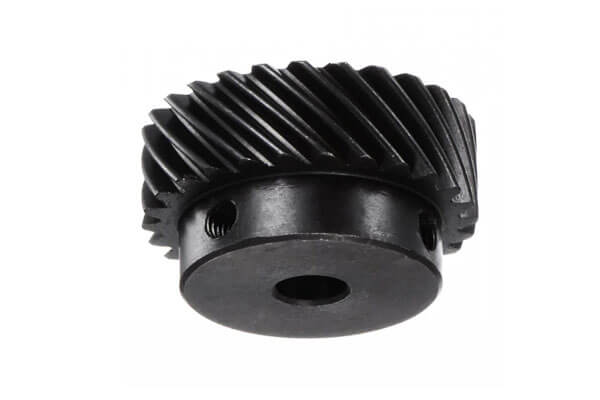
Зв'язок між поліамідом і нейлоном
Термін нейлон вперше був представлений DuPont у 1938 для свого поліаміду 6,6 (Pa66), який використовувався у волокнах і текстилі.
З часом, нейлон став загальною назвою для аліфатичних поліамідів — найпоширенішого типу поліамідів — і часто використовується як синоніми з поліамідом у споживчому та промисловому контекстах.
Однак, поліамід — це ширший науковий термін, який охоплює:
| Тип | Приклади | опис |
| Аліфатичні поліаміди | Pa6, Pa66, PA11, PA12 | Найбільш поширені поліаміди; також відомий як нейлон. |
| Ароматичні поліаміди (Араміди) | Kevlar®, Номекс® | Високопродуктивний; ароматичні кільця в хребті. |
| Напівароматичні поліаміди | PPA (Поліфталамід) | Високотемпературна продуктивність; ароматичний + аліфатичні одиниці. |
| Поліаміди-іміди | PAI (Торлон®) | Висока продуктивність; імідні групи на додаток до амідних груп. |
Ключовий момент: Усі нейлонові тканини є поліамідами, але не всі поліаміди є нейлонами. Термін «поліамід» є правильним технічним терміном для всієї родини.
2. Як виготовляється поліамід?
Поліамід отримують шляхом створення довгих полімерних ланцюгів, що містять повторення амідні зв'язки (–CONH–).
Залежно від сорту, комерційні поліаміди в основному виробляються за допомогою обох конденсаційна полімеризація або полімеризація з розкриттям кільця.
Конденсаційна полімеризація
Багато поліамідів, особливо Pa66, утворюються шляхом взаємодії діаміну з дикарбоновою кислотою. Реакція утворює амідні зв’язки, вивільняючи невеликі молекули, зазвичай вода.
Наприклад, PA66 виготовляється з гексаметилендіамін і адипінової кислоти.
Точний контроль співвідношення мономерів, температура, тиск, і час полімеризації є важливим, оскільки ці фактори впливають на молекулярну масу, в'язкість, кристалічність, і кінцеві механічні характеристики.
Полімеризація з розкриттям кільця
Інші важливі оцінки, наприклад Pa6, зазвичай отримують шляхом полімеризації з розкриттям кільця капролактам.
При контрольованій температурі та тиску, циклічні молекули капролактаму відкриваються та з’єднуються разом, утворюючи довголанцюгові полімери PA6.
Цей шлях забезпечує ефективне великомасштабне виробництво та широко використовується для конструкційних пластмас, волокна, фільми, і формовані компоненти.
Складання та модифікація полімерів
Після полімеризації, основний поліамід можна додатково модифікувати за допомогою компаундування.
Виробники можуть включати скловолокна, вуглецеві волокна, мінеральні наповнювачі, модифікатори впливу, антипірени, мастила, або стабілізатори адаптувати матеріал для конкретних застосувань.
Готовий полімер зазвичай гранулюють і постачають у вигляді гранул для подальшої обробки лиття під тиском, екструзія, Молодування, або інші способи виробництва полімерів.
3. Основні види та марки поліаміду
Поліамід — це не окремий матеріал, а широке сімейство полімерів із значно різними молекулярними структурами, термічна поведінка, вологопоглинання, механічні властивості, і характеристики обробки.
Аліфатичні поліаміди (Нейлон)
Аліфатичні поліаміди являють собою найбільшу та найбільш комерційно важливу групу поліамідів.
Вони широко використовуються в лиття під тиском, екструзія, виробництво волокна, та інші промислові процеси, оскільки вони пропонують сприятливий баланс механічної міцності, Опір зносу, Обробка, і вартість.
| Сорт | Типовий діапазон плавлення (° C) | Ключові властивості | Типові програми |
| Pa6 | 215–225 | Хороша міцність, ударний опір, Опір зносу, і обробка; відносно висока вологопоглинання. | Автомобільні деталі, шестерні, корпус, промислові компоненти, волокна. |
| Pa66 | 255–265 | Вища сила, жорсткість, Теплостійкість, і стійкість до повзучості, ніж PA6. | Шестерні, підшипники, втулки, кріплення, Електричні компоненти, підкапотні автомобільні деталі. |
| PA11 | 185–195 | Відмінна гнучкість і стійкість до ударів; низьке вологопоглинання і хороша хімічна стійкість. | Гнучка трубка, пневматичні лінії, кабельні оболонки, автомобільні рідинні системи. |
| PA12 | 175–185 | Дуже низьке вологопоглинання, Відмінна хімічна стійкість, гнучкість, і розмірна стабільність. | Паливопроводи, пневматичні трубки, медична трубка, ізоляція кабелю, точні компоненти. |
PA610 |
215–225 | Краща стабільність розмірів і нижче вологопоглинання, ніж PA6 і PA66. | Електричні роз'єми, компоненти кабелю, промислові частини, щетина. |
| PA612 | 210–220 | Хороша міцність, хімічна стійкість, розмірна стабільність, і знижене водопоглинання. | Автомобільні рідинні лінії, Електричні компоненти, трубки, прецизійні формовані деталі. |
| PA1010 | 195–205 | Частково або значною мірою потенціал біологічної сировини; низьке вологопоглинання і хороша міцність. | Стійкі споживчі товари, Автомобільні компоненти, Промислові програми. |
Напівароматичні поліаміди
Напівароматичні поліаміди поєднують сегменти аліфатичного ланцюга з ароматичними структурами.
Ароматичні кільця збільшують молекулярну жорсткість і термостабільність, дозволяючи цим матеріалам працювати при температурах, що виходять за межі практичного діапазону традиційних PA6 або PA66.
| Матеріальна сім'я | Представницькі оцінки | Типовий діапазон плавлення (° C) | Ключові характеристики | Типові програми |
| PPA | PA6T/66, PA6T/6I, PA9T і споріднені кополіаміди | Блок. 280–330* | Висока теплостійкість, висока жорсткість, хороша хімічна стійкість, низька повзучість, і покращена стабільність розмірів. | Автомобільні підкапотні компоненти, високотемпературні з'єднувачі, світлодіодні компоненти, деталі накачування. |
| Поліаміди на основі PA6T | Системи PA6T і кополімеризовані PA6T | Часто вище 300 для композицій з високим вмістом PA6T* | Дуже висока термічна стабільність, відмінна міцність, добре зберігає механічні властивості при підвищених температурах. | Електричні та електронні роз'єми, Автомобільні компоненти, промислове обладнання. |
PA9T |
Поліамід 9Т | Блок. 300–310* | Висока теплостійкість, відносно низьке вологопоглинання, відмінна стабільність розмірів і хімічна стійкість. | Електроніка для поверхневого монтажу, з'єднувачі, прецизійні електричні компоненти. |
Ароматичні поліаміди (Араміди)
Ароматичні поліаміди, загальновідомий як араміди, представляють високоефективний клас, у якому ароматичні кільця утворюють основну частину полімерної основи.
Їх жорстка молекулярна структура забезпечує виняткову міцність на розрив, модуль, термічна стабільність, і, в деяких класах, вогнестійкість.
| Арамідний тип | Репрезентативний матеріал | Молекулярна структура | Ключові властивості | Типові програми |
| Параарамідні | Kevlar® | Пара-орієнтований ароматичний поліамід | Надзвичайно висока міцність на розрив і модуль, Відмінна опір ударів, і хороша термічна стабільність. | Балістичний захист, аерокосмічні композити, арматурні троси, шини, мотузки, Спортивне обладнання. |
| Мета-арамід | Номекс® | Метаорієнтований ароматичний поліамід | Відмінна вогнестійкість, термічна стабільність, електрична ізоляція, і стійкість до теплового впливу. | Захисний одяг, електрична ізоляція, аерокосмічні інтер'єри, фільтраційне середовище. |
Поліамід-Імід (PAI)
Поліамід-імід являє собою сімейство полімерів надвисокої ефективності, яке поєднує амідні та імідні функціональні групи в межах молекулярної структури.
В результаті виходить матеріал з винятковою термостійкістю, механічна міцність, Опір зносу, та навантажувальна здатність.
Одним із найвідоміших комерційних прикладів є Torlon® PAI.
| Матеріал | Хімічна родина | Ключові властивості | Типові програми |
| PAI | Поліамід-імід | Надзвичайно висока міцність і жорсткість, Відмінна зносостійкість, низька повзучість, Видатна термічна стабільність, і хорошу роботу при великих механічних навантаженнях. | Підшипники, втулки, ущільнювачі, Компоненти компресора, Аерокосмічні частини, напівпровідникове обладнання, високотемпературні промислові компоненти. |
4. Основні властивості поліаміду
Ефективність поліаміду визначається його молекулярною структурою, особливо концентрація амідних груп, молекулярна маса, кристалічність, і баланс між гнучкими аліфатичними сегментами та жорсткими ароматичними структурами.
Механічна міцність і жорсткість
Більшість технічних поліамідів забезпечують сприятливе співвідношення міцності та ваги.
PA6 і PA66, наприклад, широко використовуються для передач, дужки, корпус, кліпи, і структурні компоненти, оскільки вони можуть витримувати повторювані механічні навантаження, залишаючись при цьому легшими за сталь, алюміній, або сплави цинку.
Механічні властивості поліаміду можуть істотно змінюватися в залежності від стану вологості.
Оскільки амідні групи притягують молекули води, поглинена волога може діяти як пластифікатор.
Це, як правило, зменшує жорсткість і міцність на розрив, одночасно підвищуючи гнучкість і стійкість до ударів.
Армування скловолокном дозволяє істотно збільшити жорсткість і міцність.
Посилений компонент PA66 може досягати модуля пружності в декілька разів вищого, ніж у ненаповненого полімеру, що робить його придатним для вимогливих автомобільних і промислових застосувань.
Жорсткість та ударний опір
Поліамід в цілому демонструє хорошу стійкість до ударів і повторних навантажень.
PA6 і PA66 пропонують корисний баланс між жорсткістю та міцністю, в той час як довголанцюгові сорти, такі як PA11 і PA12, особливо цінуються за гнучкість і ударні характеристики, особливо при низьких температурах.
Ця характеристика робить поліамід придатним для компонентів, які піддаються вібрації, шокувати, циклічний стрес, і механічний рух.
Автомобільні кліпи, системи захисту кабелю, пневматичні трубки, типовими прикладами є промислові будинки.
Однак, продуктивність впливу залежить від кількох факторів, включаючи температуру, Вміст вологи, кристалічність, Товщина стіни, і рівень армування.
Високонаповнені або кристалічні сорти можуть забезпечувати більшу жорсткість, але знижену ударостійкість.
Зносостійкість і низький коефіцієнт тертя
Поліамід широко використовується в триботехніці через його високу стійкість до стирання та відносно низький коефіцієнт тертя.
Такі компоненти, як шестерні, втулки, підшипники, ролики, екскурсовод, і зношувальні накладки можуть працювати зі зниженим шумом, у деяких випадках, без зовнішнього змащення.
Для вимогливих розсувних додатків, поліамід можна модифікувати такими добавками, як:
- PTFE для зниження тертя;
- Дисульфід молібдену для покращеного ковзання;
- Скловолокна для підвищення жорсткості;
- Вуглецеві волокна для підвищення міцності та теплопровідності;
- Тверді мастильні матеріали для покращення роботи на сухому ходу.
Остаточне зношування сильно залежить від сполучних матеріалів, поверхневий тиск, швидкість ковзання, температура, і умови змащування.
Термічна продуктивність
Поліаміди зазвичай забезпечують кращу термостійкість, ніж звичайні пластмаси, такі як поліпропілен і поліетилен.. Однак, Теплова здатність значно відрізняється між сортами.
PA6 і PA66 підходять для багатьох застосувань із помірно підвищеною температурою, тоді як напівароматичні поліаміди, такі як PPA, призначені для більш вимогливих умов, включаючи автомобільні підкапотні компоненти та високотемпературні електричні роз’єми.
Температура плавлення, температура теплового відхилення, Вибираючи поліамід, слід враховувати температуру тривалого використання.
Армування може додатково покращити стабільність розмірів при підвищених температурах, хоча це також може вплинути на міцність і технологічність.
Поглинання вологи та стабільність розмірів
Поглинання вологи є одним із найважливіших інженерних міркувань при використанні поліаміду.
Амідні групи в структурі полімеру можуть поглинати воду з навколишнього середовища, викликаючи зміни в розмірах і механічних властивостях.
Коротколанцюгові поліаміди, такі як PA6 і PA66, як правило, поглинають більше вологи, ніж довголанцюгові сорти, такі як PA11 і PA12.
Цю характеристику необхідно враховувати при проектуванні точних компонентів.
Допуски на розміри повинні враховувати як виробничу усадку, так і можливі впливи навколишнього середовища під час експлуатації.
Хімічна стійкість
Поліамід зазвичай добре працює під впливом масел, мастило, паливо, і багато вуглеводнів.
Це одна з причин, чому PA матеріали широко використовуються в автомобільних паливних системах, промислове обладнання, і програми для обробки рідин.
Однак, хімічна стійкість не є універсальною. Сильні кислоти, сильні окислювачі, певні розчинники, а тривалий вплив високотемпературних хімікатів може призвести до погіршення стану полімеру.
Тому при виборі матеріалу слід враховувати повне робоче середовище, а не покладатися виключно на загальну класифікацію матеріалу як «хімічно стійкого».
Електричні властивості
Поліамід є природною електроізоляцією і широко використовується для електричних з’єднувачів, клемні корпуси, змійовики, та ізоляційні компоненти.
Однак, поглинена волога може впливати на діелектричні властивості та опір поверхні.
Для високовольтних або високонадійних електричних систем, інженери часто вибирають класи, спеціально розроблені для електричних характеристик, вогнестійкість, низьке вологопоглинання, або стійкість до високих температур.
5. Способи виробництва та переробки поліаміду
Поліамід є термопластичним матеріалом, дозволяє розм’якшити його нагріванням і сформувати за допомогою різних виробничих процесів.
Оптимальний спосіб обробки залежить від марки полімеру, геометрія компонентів, обсяг виробництва, розмірна толерантність, вимоги до поверхні, і система армування.
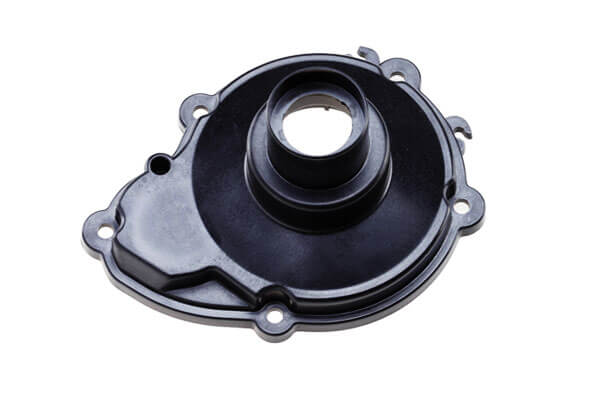
Підприємство для ін'єкцій
Підприємство для ін'єкцій є одним із найважливіших методів виробництва інженерних поліамідних компонентів.
Висушені полімерні гранули розплавляються в нагрітій бочці та впорскуються під тиском у прецизійну форму.
Процес особливо підходить для виробництва комплексу, компоненти великого обсягу з узгодженою геометрією.
Типові програми включають:
- Редуктори та механічні компоненти;
- Автомобільні кліпси та кронштейни;
- Електричні роз'єми;
- Компоненти приладу;
- Корпуси та корпуси;
- Точні промислові деталі.
Тому що поліамід може вбирати вологу, правильне висихання смоли перед формуванням має вирішальне значення
Поліаміди, армовані скловолокном, також зазвичай формують під тиском, хоча конструкція форми та умови обробки повинні враховувати орієнтацію волокон, підвищена в'язкість, і анізотропна усадка.
Екструзія
Екструзію використовують для безперервного виробництва поліамідних виробів постійного перетину. Розплавлений полімер пропускають через фасонну матрицю, а потім охолоджують і сортують.
Звичайні екструдовані продукти включають труби, труби, фільми, простирадла, прут, ізоляція кабелю, та інженерні профілі.
PA11 і PA12 особливо важливі для гнучкої трубки через їх комбінацію хімічної стійкості, гнучкість, і відносно низьке вологопоглинання.
В екструзії профілів і труб, контроль температури, стабільність розплаву, Швидкість охолодження, і калібрування розмірів є важливими для підтримки постійної товщини стінки та геометрії.
Молодування
Видувне формування використовується, коли потрібні порожнисті поліамідні компоненти. Нагріта полімерна трубка або преформа розширюється всередині форми за допомогою тиску повітря.
Формування з роздуванням поліаміду зазвичай використовується для автомобільних рідинних резервуарів, протоки, компоненти паливної системи, та спеціалізовані промислові контейнери.
Багатошарові структури також можуть виготовлятися, коли потрібні додаткові бар’єрні властивості.
Компресійне та трансферне формування
Хоча менш поширений, ніж лиття під тиском для стандартних термопластичних поліамідів, компресійне формування може бути корисним для великих, високопосилений, або спеціалізовані компоненти.
Процес може включати певні довговолокнисті армовані матеріали та може бути обраний, коли геометрію деталі або архітектуру посилення важко досягти за допомогою звичайного лиття під тиском.
Обробка ЧПУ
Поліамід також можна виробляти з екструдованого або литого матеріалу за допомогою токарної обробки з ЧПУ, фрезер, свердління, та інші субтрактивні процеси.
Обробка ЧПУ особливо корисний для:
- Розробка прототипу;
- Малосерійне виробництво;
- Великі компоненти;
- Деталі, які потребують особливостей, які важко формувати;
- Компоненти, що вимагають суворих допусків після обробки.
Однак, під час механічної обробки прецизійних поліамідних компонентів необхідно враховувати пов’язані з вологістю зміни розмірів. Кондиціонування матеріалу в ідеалі слід контролювати перед остаточною перевіркою.
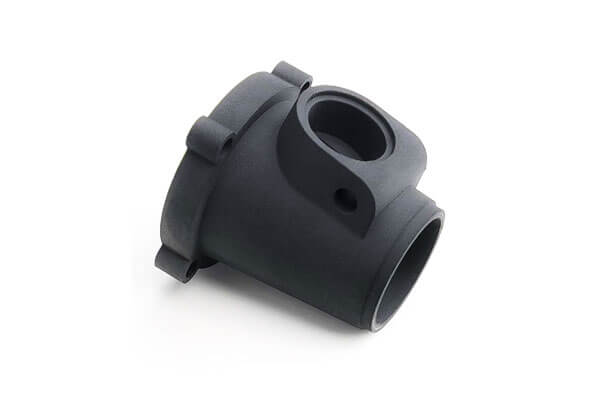
Виробництво добавок
Кілька поліамідних матеріалів, особливо PA12 і PA11, широко використовуються в технологіях адитивного виробництва, таких як Селективне лазерне спікання (SLS) і Багатоструменевий синтез (MJF)
Ці процеси особливо підходять для прототипів, індивідуальні продукти, Складні внутрішні геометрії, і виробництво малих і середніх обсягів.
У порівнянні з литтям під тиском, адитивне виробництво усуває потребу в спеціальному інструменті, але зазвичай передбачає вищі витрати на одиницю продукції при великих обсягах виробництва.
6. Посилені та модифіковані поліамідні матеріали
Поліамід без наповнювача забезпечує збалансоване поєднання міцності, міцність, Опір зносу, і обробка.
Однак, багато інженерних застосувань вимагають властивостей, що перевищують стандартні PA6 або PA66.
З цієї причини, поліамід часто змішують з армуючими волокнами, мінеральні наповнювачі, модифікатори впливу, антипірени, мастила, та інші функціональні добавки.
| Тип модифікованого поліаміду | Первинна модифікація | Основне покращення продуктивності | Типові програми |
| Армований скловолокном ПА | Скловолокна | Міцність, жорсткість, Теплостійкість | Автомобільні конструкції, з'єднувачі, техніка |
| ПА, армований вуглецевим волокном | Вуглецеві волокна | Висока питома міцність і жорсткість | Аерокосмічний, робототехніка, Високопродуктивні деталі |
| ПА з мінеральним наповненням | Тальк, слюда, корисні копалини | Стабільність розмірів, Нижня усадка | Корпус, великі точні компоненти |
| Ударно-модифікований ПА | Еластомерні модифікатори | Покращена міцність і стійкість до ударів | Автомобільні та захисні компоненти |
Вогнезахисний ПА |
Вогнезахисні добавки | Покращена пожежна ефективність | Електричні та електронні компоненти |
| Самозмащувальний ПА | PTFE, MoS₂, мастильні присадки | Зменшення тертя та зносу | Підшипники, шестерні, ковзаючі частини |
| Провідні ПА | Електропровідні наповнювачі на основі вуглецю | ESD контроль або електропровідність | Електроніка та чутливе до статичної електрики обладнання |
7. Переваги та недоліки поліаміду
Ключові переваги
- Висока специфічна сила: Надзвичайне співвідношення міцності та ваги забезпечує економічну заміну металу в конструкціях.
- Чудова зносостійкість: Властивості самозмащування усувають потребу у зовнішньому змащуванні в багатьох застосуваннях із легкими та середніми навантаженнями.
- Хороша хімічна стійкість: Відмінна толерантність до масел, паливо та мастила для автомобільного та промислового середовища.
- Широка технологічність: Сумісний з усіма основними методами виробництва термопластів з хорошою плинністю розплаву.
- Висока ударна в'язкість: Зберігає хорошу пластичність у широкому діапазоні температур, особливо в сортах, модифікованих на удар.
- Універсальний склад: Легко зміцнюється, загартований, вогнестійкий і складений для цільової продуктивності.
- Хороша електроізоляція: Достатні діелектричні характеристики для більшості загальних електричних та електронних застосувань.
Внутрішні обмеження
- Високе вологопоглинання: Стандартні сорти поглинають значну кількість атмосферної води, викликаючи зміну розмірів і властивостей — єдине найбільше обмеження конструкції.
- Розмірна мінливість: Вища усадка форми та набрякання, спричинене вологою, потребують ретельного проектування допусків.
- Низькотемпературна крихкість: Немодифіковані стандартні сорти стають крихкими при мінусових температурах і вимагають модифікації на ударну стійкість для холодної експлуатації.
- Обмежена стійкість до сильних кислот/лугів: Розкладається в сильних мінеральних кислотах і концентрованих лужних розчинах.
- Обробка вимагає сушіння: Обов’язкове попереднє сушіння збільшує етапи процесу та витрати енергії порівняно з негігроскопічними пластиками.
- УФ -деградація: Нестабілізовані сорти руйнуються під дією тривалого ультрафіолетового випромінювання на вулиці та вимагають стабілізації для зовнішнього використання.
8. Застосування поліаміду
Поєднання механічної міцності, Опір зносу, низька вага, хімічна стійкість, а гнучкість виробництва дозволяє використовувати поліамід у різних сферах застосування: від споживчих товарів до високотехнологічних автомобільних і промислових компонентів.
Автомобільна промисловість
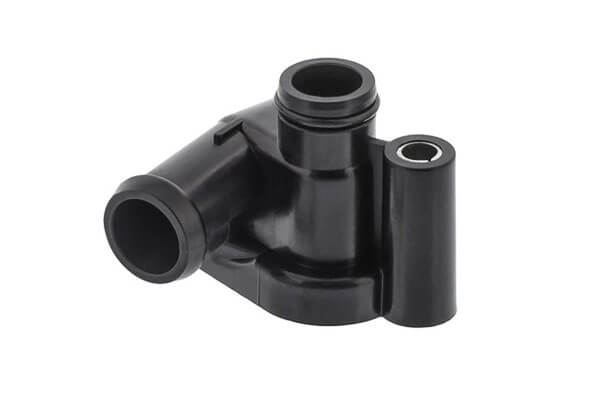
Автомобільний машинобудування є однією з найбільших сфер застосування технічних поліамідів.
Pa6, Pa66, і армовані марки широко використовуються для заміни металевих компонентів, де зменшується вага, Корозійна стійкість, і інтегроване формування є вигідними.
Типові компоненти включають:
- Кришки та кронштейни двигуна
- Компоненти повітрозабірника
- Компоненти системи охолодження
- Кабельні напрямні та кліпси
- Корпуси передач
- Корпуси підшипників
- Компоненти паливної системи
- Електричні роз'єми
- Структурні дужки
- Компоненти вентилятора та шківа
Армований скловолокном PA66 особливо важливий для застосування під капотом, оскільки посилення покращує жорсткість, Опір повзучості, і розмірна стабільність.
Електрична та електроніка
Поліамід широко використовується для електричних компонентів через його ізоляційні властивості, механічна міцність, і можливість лиття під тиском.
Заявки включають Корпуси з'єднувачів, клемні колодки, кабельні вводи, перемикачі, корпуси датчиків, компоненти захисту схеми, та електричні корпуси.
Вогнестійкі сорти часто вибирають там, де нормативні вимоги вимагають контрольованого займання та поширення полум’я.
Промислова техніка
В техніці, поліамід часто використовується там, де легкі компоненти повинні витримувати повторювані механічні рухи.
Загальні приклади включають:
- Шестерні та зубчасті колеса
- Втулки і підшипники
- Ролики
- Носіть смужки
- Напрямні рейки
- Кабельні носії
- Ущільнювальні компоненти
- Машинні огородження
- Компоненти конвеєра
У порівнянні з металевими компонентами, поліамідні деталі можуть зменшити вагу, шум, і вимоги до мастила в певних сферах застосування.
Транспортування рідин і трубки
PA11 і PA12 особливо цінні для застосування в трубах і рідинах, оскільки вони поєднують гнучкість, хімічна стійкість, низька щільність, і відносно низьке вологопоглинання.
Вони використовуються для пневматичні трубки, гідравлічні лінії, паливопроводи, компоненти, пов'язані з гальмами, оболонка кабелю, і промислові шланги, залежно від конкретного класу та застосовних стандартів.
Споживчі та комерційні товари
Поліамід також широко використовується в споживчих товарах, де важливі довговічність і ударостійкість.
Приклади включають компоненти електроінструменту, спортивне обладнання, кріплення, корпус, ручки, колеса, механічна арматура, і різні формовані компоненти.
Медицина та охорона здоров'я
Спеціалізовані сорти поліаміду можна використовувати для окремих медичних цілей, включаючи труби, компоненти приладу, частини для обробки рідини, і певні одноразові або багаторазові пристрої.
Для цих програм, однак, біосумісність, стійкість до стерилізації, екстрактивні, хімічна сумісність, і застосовні нормативні вимоги повинні бути оцінені для конкретного сорту, а не виходячи із загальних властивостей поліаміду.
9. Поліамід vs. Інші інженерні пластмаси
Поліамід не завжди перевершує інші інженерні пластики.
Кожен полімер має різний профіль ефективності, and the appropriate choice depends on factors such as mechanical loading, тертя, температура, Хімічна експозиція, волога, Вимірні вимоги, і вартість.
| Власність / Фактор | Поліамід (PA) | Поліоксимелен (Помпа) | Поліпропілен (пп) | Поліфе -ефір кетон (PEEK) |
| Клас матеріалу | Інженерний термопласт | Інженерний термопласт | Товарний/напівтехнічний термопласт | Високоякісний інженерний термопластик |
| Типова міцність | Від хорошого до високого | Добрий | Помірний | Дуже високий |
| Жорсткість | Добрий; вище з армуванням | Добрий | Помірний | Відмінний |
| Ударний опір | Добре до відмінного | Добрий | Добре до відмінного | Добрий |
| Опір зносу | Добре до відмінного | Відмінний | Помірний | Відмінний |
| Тертя | Низький до помірного | Дуже низький | Низький | Низький |
| Поглинання вологи | Від середнього до високого для PA6/PA66; нижче для PA11/PA12 | Дуже низький | Дуже низький | Дуже низький |
| Стабільність розмірів | Помірний; деякі сорти сильно піддаються впливу вологи | Відмінний | Добрий | Відмінний |
| Температурна здатність | Помірний до високого, залежно від оцінки | Помірний | Відносно низький | Відмінний |
| Хімічна стійкість | Добрий | Добрий | Відмінний | Відмінний |
| Електроізоляція | Добрий | Добрий | Відмінний | Відмінний |
| Втома | Добрий | Відмінний | Добрий | Відмінний |
| технологічність | Відмінний | Відмінний | Відмінний | Більш вимогливий |
Відносна матеріальна вартість |
Помірний | Помірний | Низький | Дуже високий |
| Типові програми | Шестерні, втулки, автомобільні запчастини, з'єднувачі, Структурні компоненти | Точні передачі, підшипники, клапани, механізми | Упаковка, резервуари, живі петлі, хімічні контейнери | Аерокосмічний, напівпровідник, медичний, високотемпературні машини |
| Основна перевага | Збалансовані механічні та технологічні характеристики | Низьке тертя і стабільність розмірів | Низька вартість і хімічна стійкість | Exceptional high-temperature and mechanical performance |
| Головне обмеження | Чутливість до вологи | Обмежена здатність до високих температур | Нижча механічна продуктивність | Висока вартість і більш вимоглива обробка |
10. Переробка поліаміду та екологічність
Механічна переробка
Post-industrial polyamide scrap is routinely mechanically recycled by regrinding and re-compounding.
Recycled resin retains most of its mechanical properties and is widely used for non-critical structural parts.
Постспоживча переробка менш налагоджена, але зростає, особливо для текстильних і килимових відходів.
Хімічна переробка
Передові технології деполімеризації можуть розщеплювати поліамідні відходи на чисту мономерну сировину, виробництво первинно еквівалентної смоли з ідентичними характеристиками.
Зараз у Європі та Північній Америці працюють промислові підприємства з переробки хімічних речовин, забезпечення замкнутої круговості для поліамідних матеріалів.
Поліаміди на біологічній основі
Екологічність не обмежується переробкою. Деякі поліаміди, включаючи PA11 і PA1010, може частково або значною мірою вироблятися з відновлюваної сировини залежно від конкретного шляху виробництва.
Біологічна сировина може зменшити залежність від викопних ресурсів, але полімер на біологічній основі не є автоматично екологічно кращим.
Повна оцінка повинна враховувати джерело сировини, сільськогосподарський вплив, Споживання енергії, виробничі викиди, термін служби продукту, Переробка, і лікування в кінці життя.
11. Спеціальні поліамідні деталі від LangHe Промисловість
Промисловість надає індивідуальні рішення для виробництва інженерно-пластикових деталей, включаючи поліамідні деталі, призначені для механічних, електричний, автомобільний, промисловий, та інші вимогливі програми.
Замість того, щоб розглядати поліамід як звичайний пластик, матеріал і процес виготовлення слід вибирати відповідно до фактичних умов експлуатації компонента.
Такі фактори, як оцінка PA, вплив вологи, температура, механічне навантаження, допуски на розміри, вимоги до зносу, хімічне середовище, і армування оцінюються під час інженерної розробки.
Можливості виготовлення поліаміду на замовлення
| Можливість | Деталі |
| Вибір матеріалу | Pa6, Pa66, PA11, PA12 і армований або модифікований поліамід |
| Модифікація матеріалу | Скловолокно, вуглеволокно, мінерально-наповнені та зносомодифіковані марки, відповідно до вимог заявки |
| Виробництво | Лиття під тиском і точна обробка відповідних поліамідних компонентів |
| Обробка з ЧПУ | Обертання, фрезер, свердління, нудний, та оздоблення інженерно-пластикових деталей |
| Складні геометрії | Корпус, шестерні, втулки, дужки, екскурсовод, обкладинка, і індивідуальні механічні компоненти |
| Контроль точності | Перевірка розмірів на основі геометрії компонента, вимоги до толерантності, та потреби в застосуванні |
| Прототипне виробництво | Малосерійна розробка та розробка прототипу перед серійним виробництвом |
| Інженерна підтримка | Вибір матеріалу, Огляд DFM, оцінка толерантності, та оптимізація процесів |
| Якість | ISO 9001:2015 сертифікований. |
| Час | 2-4 тижні для обробки; 4-8 тижнів на інструменти та виробництво. |
12. Висновок
Поліамід — це широке сімейство технічних полімерів, а не окремий матеріал.
Від звичайних PA6 і PA66 для зниження вологопоглинання PA11 і PA12, високотемпература PPA, і армовані волокном марки, різні рецептури забезпечують істотно різні комбінації механічних, термічний, хімічний, і габаритні характеристики.
Його найбільшою перевагою є його збалансовані інженерні характеристики. Поліамід поєднує відносно низьку щільність з хорошою міцністю, міцність, Опір зносу, хімічна стійкість, електрична ізоляція, і відмінна технологічність.
Ці характеристики роблять його ефективною альтернативою металам та іншим інженерним пластмасам у багатьох сферах застосування.
Одночасно, дизайнери не повинні забувати про його обмеження. Поглинання вологи, температурозалежні властивості, повзати, and chemical compatibility can strongly influence long-term performance.
Material selection should therefore be based on the complete operating environment rather than on tensile strength or melting point alone.
Для нестандартних компонентів, the most reliable approach is to evaluate the polyamide grade, армування, Процес виробництва, Вимірні вимоги, Сервісне середовище, і очікуваний термін служби як інтегрованої системи.
Коли ці фактори належним чином контролюються, polyamide can provide a cost-effective and technically robust solution for a wide range of engineered components.
Поширені запитання про поліамід
Поліамід те саме, що й нейлон?
Не точно. Нейлон є основною групою поліамідів, particularly aliphatic polyamides such as PA6 and PA66.
Polyamide is the broader chemical family that also includes PA11, PA12, напівароматичні поліаміди, і ароматичні поліаміди.
Поліамід є міцним матеріалом?
Так. Поліамід зазвичай забезпечує хорошу міцність на розрив, жорсткість, міцність, і показники втоми. Скловолокно- і поліаміди, армовані вуглецевим волокном може забезпечити значно вищу жорсткість і міцність, ніж ненаповнені сорти.
Чи вбирає поліамід воду?
Так. Поглинання вологи є важливою характеристикою багатьох поліамідів, особливо PA6 і PA66.
Поглинання води може змінити розміри та механічні властивості, тому для точних застосувань слід враховувати вологість і кондиціонування.
Поліамід підходить для застосування при високих температурах?
Це залежить від сорту. Звичайні PA6 і PA66 підходять для помірно підвищених температур, в той час PPA та інші високотемпературні поліаміди краще підходять для вимогливого теплового середовища.
Чи реально поліамід замінити метал в деталях конструкції?
A: Так. Поліаміди, армовані скловолокном, широко використовуються для заміни литого під тиском алюмінію та сталі в конструкціях автомобілів, промислові та споживчі компоненти.
Зазвичай вони зменшують вагу деталей на 40–60%, забезпечуючи достатню міцність для багатьох несучих застосувань. Заміна металу залишається основною рушійною силою розвитку будівельних поліамідів.
Поліамід стійкий до хімічних речовин?
Поліамід має хорошу стійкість до багатьох масел, паливо, вуглеводні, та промислові хімічні речовини, але його стійкість до сильних кислот, окислювачі, і деякі розчинники можуть бути обмежені.
Завжди слід оцінювати конкретний сорт і умови експлуатації.
Поліамід кращий за POM?
Ні те, ні інше не є універсальним кращим. Поліамід, як правило, забезпечує міцніше поєднання міцності та механічних характеристик,
тоді як POM часто забезпечує чудову стабільність розмірів, Низьке тертя, і показники зносу.
Вибір залежить від конкретного застосування.
Повідомлення про авторські права та торговельні марки
- Kevlar® і Nomex® є зареєстрованими торговими марками E. Я. дю Пон де Немур і компанія (Дюпон).
- Torlon® є зареєстрованою торговою маркою Syensqo.