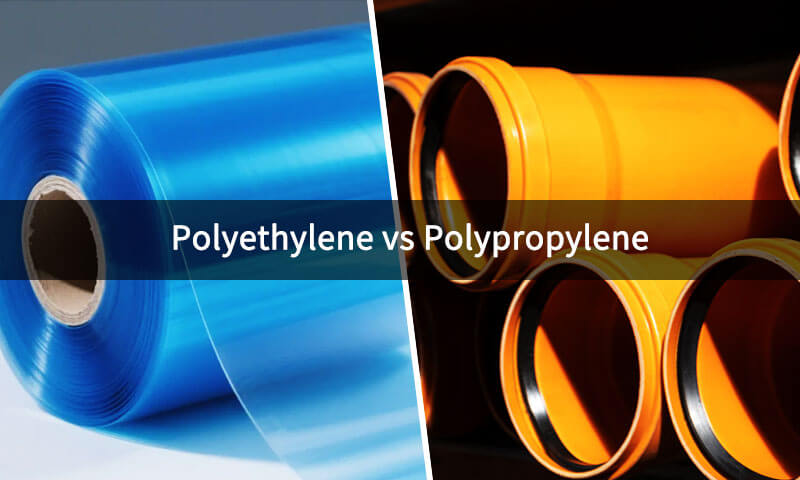
Поліетилен (ПЕ) і поліпропілен (пп) є двома найбільш широко виробленими товарними термопластами у світі, разом припадає на над 50% світового виробництва пластику.
Вони домінують на упаковці, автомобільний, будівництво, медичний, і додатки для споживчих товарів.
Незважаючи на їхню схожість (обидва є термопластичними поліолефінами, отриманими з вуглеводневої сировини), вони володіють чітко різними властивостями, які роблять один більш придатним, ніж інший, для конкретних застосувань..
Вибір між PE та PP вимагає глибокого розуміння того, як ці хімічні структури впливають на продуктивність у техніці, упаковка, та промислова переробка.
1. Що таке поліетилен?
Поліетилен (ПЕ) це термопластичний полімер, отриманий шляхом полімеризації мономерів етилену.
Це одне з найпоширеніших сімейств полімерів, оскільки його молекулярну структуру можна модифікувати для отримання матеріалів від дуже гнучких плівок до жорстких., високоміцні інженерні компоненти.
На властивості поліетилену сильно впливає молекулярна маса, розгалуження ланцюга, кристалічність, щільність, та умови обробки.
Збільшення молекулярної лінійності та кристалічності загалом покращує жорсткість, міцність, хімічна стійкість, і розмірна стабільність, тоді як більше розгалуження має тенденцію до збільшення гнучкості та зменшення щільності.
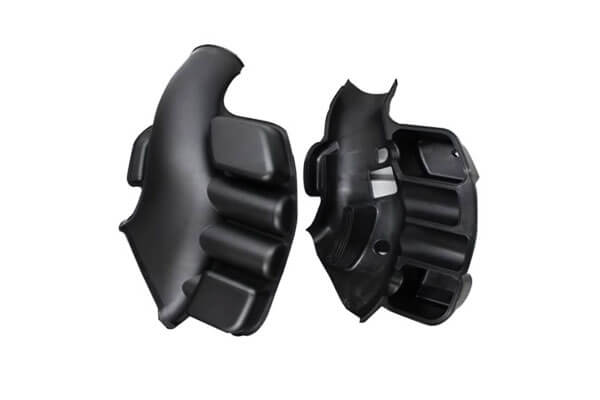
На відміну від багатьох інженерних пластмас, ПЕ має дуже низьке вологопоглинання та відмінну стійкість до широкого спектру хімічних речовин.
Він також легкий і відносно простий в обробці, що робить його привабливим як для продукції великих обсягів, так і для спеціалізованих промислових компонентів.
| Власність | Деталь |
| Хімічна назва | Поліетилен |
| Хімічна формула | (C₂H₄)ₙ |
| Полімерна основа | –CH₂–CH₂– |
| мономер | Етилен |
| Номер CAS | 9002-88-4 |
| Полімерний тип | Термопласт |
| Діапазон щільності | 0.91–0,96 г/см³ |
| Температура плавлення | 105–135°C |
Основні види поліетилену
Поліетилен прийнято класифікувати за щільністю, молекулярна структура, і молекулярна маса.
| Тип | Структурні характеристики | Типова продуктивність | Загальні програми |
| LDPE | Сильно розгалужений, відносно низька кристалічність | Гнучкий, жорсткий, хороша технологічність | фільми, сумки, покриття, ізоляція кабелю |
| LLDPE | Лінійний скелет з коротколанцюговим розгалуженням | Вища стійкість до розтягування та проколу, ніж LDPE, зберігаючи гнучкість | Пакувальні плівки, лайнери, сільськогосподарські плівки |
| MDPE | Проміжна щільність і кристалічність | Збалансована жорсткість, міцність, і стійкість до розтріскування під впливом навколишнього середовища | Труби, контейнери, промислові вироби |
| HDPE | Більш лінійні ланцюги та вища кристалічність | Висока жорсткість, міцність, хімічна стійкість, і ударна в'язкість | Труби, резервуари, контейнери, автомобільні запчастини |
| UHMWPE | Надзвичайно висока молекулярна маса з сильно переплутаними ланцюгами | Виняткова стійкість до зносу, Вплив міцність, і низьке тертя | Носіть вкладиші, підшипники, екскурсовод, медичні компоненти |
2. Що таке поліпропілен?
Поліпропілен (пп) це термопластичний полімер, отриманий шляхом полімеризації мономерів пропілену.
Він належить до того ж сімейства поліолефінів, що й поліетилен, але має іншу молекулярну структуру: a метильна група приєднана до полімерного остову.
Ця структурна відмінність впливає на рухливість ланцюга, кристалічність, жорсткість, термічна поведінка, і показники втоми.
Як результат, PP зазвичай забезпечує особливо привабливу комбінацію низька щільність, жорсткість, хімічна стійкість, втома, і обробка.
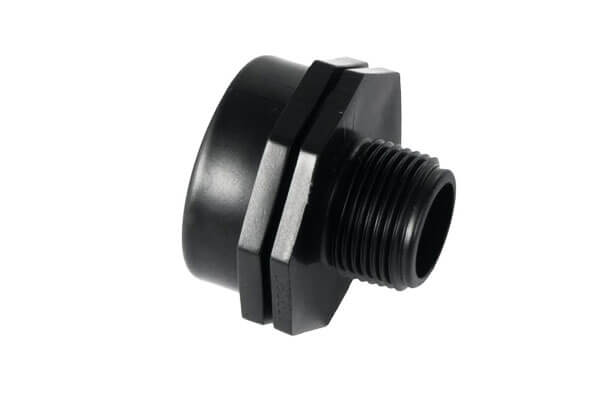
Поліпропілен широко використовується в компонентах, виготовлених під тиском, Автомобільні системи, упаковка, електротехнічні вироби, лабораторне обладнання, вироби медичного призначення, та промислове обладнання.
Його властивості також можна змінити шляхом кополімеризації, наповнювачі, волокна, модифікатори впливу, та інші добавки.
| Власність | Деталь |
| Хімічна назва | Поліпропілен |
| Хімічна формула | (C₃H₆)ₙ |
| Полімерна основа | –CH₂–CH(CH₃)- |
| мономер | пропілен |
| Номер CAS | 9003-07-0 |
| Полімерний тип | Термопласт |
| Діапазон щільності | 0.895–0,92 г/см³ |
| Температура плавлення | 130–171°C |
Основні види поліпропілену
Комерційний поліпропілен в першу чергу класифікується відповідно до його молекулярної структури та вмісту сомономера.
| Тип | Структурні характеристики | Типова продуктивність | Загальні програми |
| ПП Гомополімер | В основному пропіленові повторювані блоки | Висока жорсткість, хороша сила, хороша хімічна стійкість, хороша температурна здатність | Автомобільні деталі, контейнери, прилади, промислові компоненти |
| РР випадковий сополімер | Пропілен у поєднанні з хаотично розподіленими сомономерними одиницями | Покращена гнучкість, вплив поведінки, і часто кращу оптичну чіткість | Упаковка, вироби медичного призначення, прозорі контейнери |
PP блок-сополімер |
Пропіленова матриця, що містить дисперсну фазу, збагачену каучуком | Підвищена ударостійкість, особливо для вимогливих формованих деталей | Автомобільні компоненти, великотоннажні контейнери, промислові житло |
| Посилений ПП | ПП в поєднанні зі скловолокном, мінеральні наповнювачі, або інші підкріплення | Підвищена жорсткість, розмірна стабільність, та навантажувальна здатність | Конструктивні автомобільні частини, компоненти техніки, Електричні корпуси |
3. Механічні властивості: Поліетилен vs. Поліпропілен
Нижче наведені значення типові інженерні діапазони, а не універсальні специфікації матеріалів.
Фактичні властивості можуть відрізнятися залежно від постачальника смоли, позначення сорту, підготовка зразка, умови формування, орієнтація, і тестовий стандарт.
Для підбору матеріалу, технічний паспорт постачальника та застосовний метод випробувань ASTM/ISO слід використовувати як остаточне посилання.
| Механічна властивість | LDPE | HDPE | ПП Гомополімер | PP блок-сополімер |
| Міцність при розтягуванні | ~8–15 МПа | ~20–32 МПа | ~30–40 МПа | ~20–35 МПа |
| Межа міцності на розрив | ~8–25 МПа | ~25–40 МПа | ~25–45 МПа | ~20–40 МПа |
| Подовження на перерві | ~100–600% | ~500–1000%* | ~50–600%* | ~100–700%* |
| Модуль міцності на розтяг | ~150–300 МПа | ~700–1500 МПа | ~1000–1800 МПа | ~700–1500 МПа |
| Модуль пружності при вигині | ~150–350 МПа | ~800–1600 МПа | ~1000–1800 МПа | ~700–1500 МПа |
| Твердість | ~40–50 Шор Д | ~60–70 Шор Д | ~65–75 Шор Д | ~55–70 Шор Д |
| Опір повзучості | Низькорозмірний | Помірно - добре | Помірно - добре | Помірний |
| Втома | Добрий | Добрий | Відмінний | Відмінний |
4. Теплові властивості та порівняння термостійкості
Термостійкість є важливим фактором, що відрізняє поліетилен від поліпропілену.
Обидва є напівкристалічними термопластами, але їх молекулярні структури дають їм різну поведінку при плавленні, термічна стабільність, і низькотемпературна продуктивність.
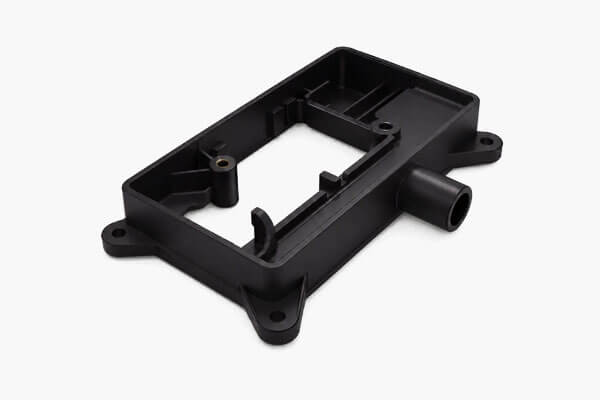
Підвищена температура продуктивності
PP, як правило, зберігає свою жорсткість і механічну цілісність при більш високих температурах, ніж LDPE і HDPE.
Це робить гомополімер ПП привабливим для компонентів, які піддаються впливу теплих рідин, моторні відсіки, прилади, та промислове обладнання.
ПВД має найнижчу термічну жорсткість серед розглянутих марок. Його відносно гнучка молекулярна структура змушує його легше розм’якшуватися та деформуватися під час підвищення температури..
HDPE працює краще, ніж LDPE, але тривалий вплив підвищеної температури може призвести до повзучості та розмірної деформації.
PP блок-сополімер забезпечує покращену ударостійкість, але може мати дещо нижчу жорсткість і термостійкість, ніж гомополімер PP, через його структуру, модифіковану гумою.
Низькотемпературна продуктивність
Поліетилен зазвичай має перевагу в холодних середовищах. HDPE і особливо відповідні марки PE можуть зберігати значну ударну в'язкість при низьких температурах.
Звичайні пп, шляхом порівняння, може стати значно крихкішим із зниженням температури. Це особливо важливо для компонентів, які піддаються раптовому удару в холодному кліматі.
PP блок-сополімер спеціально розроблений для покращення цього обмеження. Його дисперсна еластомерна фаза поглинає енергію удару та забезпечує значно кращу міцність при низьких температурах, ніж стандартний гомополімер PP.
Теплове розширення та стабільність розмірів
І ПЕ, і ПП мають відносно високі коефіцієнти теплового розширення порівняно з металами. Таким чином, зміни температури можуть спричинити помітне переміщення розмірів, особливо в точних компонентах з великими розмірами або малими зазорами.
5. Порівняння хімічної стійкості: Поліетилен vs. Поліпропілен
Обидва поліетиленові (ПЕ) і поліпропілен (пп) широко відомі своєю відмінною стійкістю до води, кислоти, луг, і багато промислових хімікатів.
Їх неполярні вуглеводневі структури дають їм важливу перевагу перед багатьма інженерними пластмасами: хімічна стійкість, як правило, висока без використання захисних покриттів.
Хімічна стійкість поліетилену
Поліетилен, як правило, забезпечує чудову стійкість до водних хімічних речовин.
HDPE особливо широко використовується для хімічних резервуарів, барабани, трубопровід, лайнери, і контейнери, тому що він поєднує в собі хімічну стійкість з хорошою міцністю і відносно низькою проникністю для багатьох речовин.
PE добре працює проти багатьох:
- Розбавлені кислоти
- Луги та основи
- Солі
- Спирти
- Вода і водні розчини
- Багато миючих засобів
Однак, поліетилен не стійкий до всіх хімічних середовищ.
Певний сильні окислювачі, ароматичні сполуки, і розчинники на основі вуглеводнів може впливати на ПЕ, особливо при підвищених температурах або при тривалому механічному впливі.
Тому конкретний клас поліетилену важливий, коли очікується довготривалий хімічний вплив.
Хімічна стійкість поліпропілену
Поліпропілен має таку ж міцну стійкість до багатьох кислот, луг, солі, миючі засоби, і водні хімічні розчини.
Він широко використовується в Хімічна обробка обладнання, лабораторні продукти, резервуари для зберігання, насос, клапани, та трубопровідні системи.
Помітною перевагою ПП є його поєднання хімічної стійкості та більш висока температурна здатність, ніж багато звичайних марок ПЕ.
Це робить поліпропілен особливо привабливим, коли хімічний вплив відбувається при помірно підвищених температурах.
Тим не менш, на ПП можуть впливати певні ароматичні речовини, хлорований, і хімічні речовини на основі вуглеводнів.
Ризик зазвичай зростає з температурою, концентрація, час контакту, і механічне навантаження.
Отже, Оцінка хімічної сумісності завжди повинна базуватися на фактичних умовах експлуатації, а не лише на назві полімеру.
PE проти. PP Хімічна стійкість
| Хімічний / Навколишнє середовище | Поліетилен (ПЕ) | Поліпропілен (пп) |
| Вода | Відмінний | Відмінний |
| Розбавлені кислоти | Відмінний | Відмінний |
| луги | Відмінний | Відмінний |
| Солі | Відмінний | Відмінний |
| Миючі засоби | Відмінний | Відмінний |
| Спирти | Загалом добре–відмінно | Загалом добре–відмінно |
| вуглеводні | Змінний | Змінний |
| Ароматичні розчинники | Обмежений | Обмежений |
| Сильні окислювачі | Обмежений | Обмежений |
| Високотемпературна хімічна служба | Добре підходить для окремих класів фізкультури | Загалом краще |
6. Водопоглинання, Волога та стабільність розмірів
Однією з найбільш корисних подібностей між PE та PP є їх дуже низьке водопоглинання.
На відміну від гігроскопічних інженерних пластмас, таких як нейлон або поліамід, жоден із матеріалів не легко вбирає значну кількість атмосферної вологи в свою полімерну структуру.
Ця характеристика важлива, оскільки поглинання вологи може спричинити зміни розмірів, змінені механічні властивості, і труднощі обробки інших термопластів. PE та PP значною мірою уникають цих проблем.
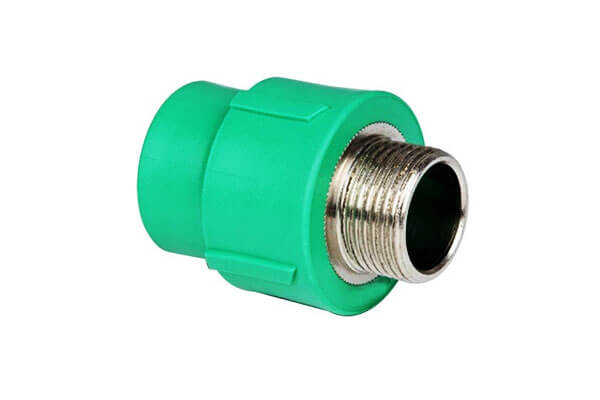
Поведінка вологи
По суті, поліетилен і поліпропілен гідрофобний, неполярні полімери. Вода має невелику спорідненість з їхніми молекулярними ланцюгами, тому за нормальних умов поглинання води дуже низьке.
Як результат, Деталі з ПЕ та ПП зазвичай добре зберігають свої розміри та механічні характеристики у вологому середовищі або під час періодичного впливу води.
| Власність | Поліетилен | Поліпропілен | Практичне значення |
| Водопоглинання | Дуже низький | Дуже низький | Хороша продуктивність у вологому та вологому середовищі |
| Чутливість до вологи під час обробки | Низький | Низький | Зазвичай не потрібна інтенсивна попередня сушка |
| Зміна розмірів від вологи | Дуже маленький | Дуже маленький | Підходить для компонентів, що контактують з водою |
| Гідролітична стійкість | Загалом відмінно | Загалом відмінно | Корисно при тривалому впливі води |
| Електроізоляція від вологи | Відмінний | Відмінний | Підходить для багатьох електричних застосувань |
Розмірна стабільність: Волога проти. Температура
Низьке вологопоглинання не означає, що ПЕ та ПП стабільні за розмірами за будь-яких умов навколишнього середовища.
Для точних компонентів, теплове розширення та повзучість, як правило, набагато важливіші міркування, ніж поглинання вологи.
Обидва полімери мають значно більший коефіцієнт теплового розширення, ніж метали. Тому зміни температури можуть спричинити помітні зміни розмірів, особливо у великих частинах, прецизійні вузли, і компоненти з жорсткими зазорами.
Ще одне занепокоєння викликає тривале механічне навантаження: повзати. Коли ПЕ або ПП постійно піддаються навантаженню, поступовий молекулярний рух може викликати постійні зміни розмірів.
Ефект стає більш вираженим із збільшенням температури та навантаження.
Отже, такі компоненти, як втулки, підтримує, екскурсовод, ущільнювачі, а структурні пластикові частини слід оцінювати за повним робочим середовищем, а не лише за їхніми початковими розмірами.
7. Порівняння обробки та виробництва
ПЕ та ПП є дуже універсальними термопластами, які можуть бути перетворені в готові вироби за допомогою різноманітних виробничих процесів.
Їхня гнучкість обробки є однією з головних причин, чому вони займають таку велику частку ринку пластмас.
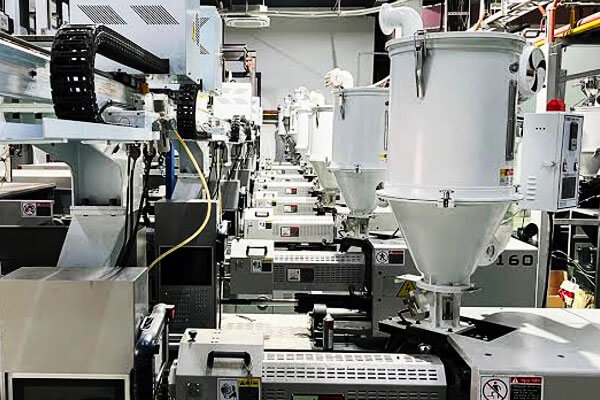
Підприємство для ін'єкцій
Підприємство для ін'єкцій особливо важливо для пп, де характеристики текучості матеріалу та відносно висока жорсткість роблять його придатним для виробництва комплексу, легкі компоненти при великих обсягах виробництва.
Автомобільні деталі, Електричні корпуси, компоненти приладу, контейнери, і промислові продукти часто виготовляються таким чином.
HDPE також добре підходить для лиття під тиском, особливо для жорстких контейнерів, закриття, промислові компоненти, та конструкційні пластикові деталі.
LDPE зазвичай вибирають, коли кінцевий продукт вимагає більшої гнучкості, а не високої жорсткості.
Екструзія
Екструзія є основним способом переробки обох родин полімерів. ПЕ має особливу присутність в екструдованих продуктах, включаючи труби, простирадла, фільми, профілі, лайнери, та ізоляція кабелю.
HDPE широко використовується для напірних і безнапірних трубопроводів завдяки своїй міцності, хімічна стійкість, і зварюваність добре підходить для систем обробки рідин.
PP також екструдується в труби, простирадла, фільми, профілі, і спеціалізовані промислові вироби, де більша жорсткість або температурна здатність є вигідною.
Видувне та ротаційне формування
ПЕ, особливо HDPE, широко використовується для формованих пляшок видувом, барабани, резервуари, контейнери, та інші порожнисті вироби.
Його міцність і здатність до обробки роблять його особливо придатним для великих або ударостійких контейнерів.
Ротаційне формування є ще одним важливим процесом ПЕ, особливо для великих резервуарів, бункери, протоки, та промислові контейнери.
PP також може бути перероблений у порожнисті вироби, хоча вікно обробки та профіль програми відрізняються від PE.
Термоформування та виготовлення
Листи ПЕ та ПП можуть бути термоформовані в кришки, лотки, корпус, лайнери, та інші великі компоненти.
До них також можна приєднатися термічне зварювання, стикове злиття, екструзійне зварювання, і механічне кріплення, дозволяючи виробникам виготовляти великі конструкції без звичайних інструментів для формування.
Це особливо цінно для хімічних резервуарів, повітропроводи, захисні вкладиші, та індивідуальне промислове обладнання.
Обробка ЧПУ
PE і PP також можуть бути ЧПУ оброблений коли обсяги виробництва надто низькі, щоб виправдати спеціальний інструмент або коли потрібні винятково індивідуальні геометрії.
Механічна обробка вимагає відповідних умов різання, оскільки обидва матеріали мають відносно низьку жорсткість і можуть деформуватися під впливом надмірних сил затиску або різання.
Серед оцінок фіз, СВМПЕ створює додаткові труднощі при обробці через його високу молекулярну масу, еластичність, і схильність до виділення тепла під час різання.
Правильний інструмент, робочий холдинг, Таким чином, для досягнення постійних розмірів важливі контроль температури.
8. Характеристики поверхні та зовнішній вигляд
Зовнішній вигляд поверхні зазвичай не є основною причиною вибору поліетилену або поліпропілену, але це стає важливим, коли матеріал використовується для видимих компонентів, споживча продукція, корпус, упаковка, або частини, які вимагають особливого тактильного або естетичного покриття.
Характеристики поверхні поліетилену
Зовнішній вигляд поліетилену сильно залежить від його сортності та кристалічності. LDPE, як правило, м'якше, більш гнучкий зовнішній вигляд, у той час як HDPE зазвичай забезпечує більш жорстку та непрозору поверхню.
HDPE зазвичай демонструє a гладка або злегка текстурована поверхня з природним напівпрозорим або непрозорим виглядом.
Його поверхню можна обробити, відшліфований, текстурований, або інакше механічно оброблені, хоча досягти високоглянцевої декоративної поверхні може бути складніше, ніж з деякими іншими пластиками.
Характеристики поверхні поліпропілену
PP зазвичай забезпечує a чистий, гладкий, і відносно жорстка поверхня, особливо у компонентах, виготовлених під тиском.
Він може виготовлятися в широкому діапазоні кольорів і текстур і широко використовується там, де зовнішній вигляд і функціональні характеристики повинні співіснувати.
Низька поверхнева енергія ПП може зробити звичайне фарбування, клейове склеювання, і друк складний.
Обробка поверхні, наприклад обробка полум'ям, лікування короною, лікування плазмою, або спеціалізовані праймери може знадобитися для покращення адгезії.
9. Екологічні та стійкі міркування
| Аспект | Поліетилен | Поліпропілен |
| Переробка | Відмінний (широко переробляється) | Відмінний (все більше переробляється) |
| Перероблений вміст доступний | Високий | Помірний |
| Біорозкладаність | Не розкладається біологічно | Не розкладається біологічно |
| Екологічна стійкість | Високий (століттями) | Високий (століттями) |
| Енергія для виробництва (MJ/кг) | 70–90 | 70–85 |
| Вуглецевий слід (кг CO₂/кг) | 1.5–2,5 | 1.5–2,5 |
| Сорти на біологічній основі | в наявності (біо-ПЕ) | в наявності (біо-ПП) |
| Внесок мікропластику | Значний | Значний |
10. Заявки: Поліетилен vs. Поліпропілен
ПЕ та ПП використовуються в надзвичайно широкому діапазоні галузей, але їхні програми, як правило, відображають різні профілі продуктивності.
Приклади застосування поліетилену
Упаковка
- Стретч плівка LDPE: Стрейч-плівка для промислових піддонів і харчова харчова плівка використовують LDPE для її надзвичайного подовження (200–600%), відмінна стійкість до проколів і здатність до самоприклеювання під напругою.
Низька температура плавлення LDPE також дозволяє якісно зварювати його на високошвидкісних пакувальних лініях. - Глечики з ПНД для молока та пляшки з миючими засобами: Формований HDPE є стандартом для жорстких контейнерів для рідини, оскільки він забезпечує хорошу жорсткість, відмінні вологозахисні властивості і ударостійкість при низькій вартості.
Його температура плавлення 125–135 °C витримує процеси гарячого наповнення для напоїв і промислових хімікатів. - Надміцні транспортувальні мішки LLDPE: Лінійний поліетилен низької щільності використовується для промислових транспортних мішків, оскільки він поєднує в собі гнучкість ПЕНЩ з високою міцністю на розрив і стійкістю до проколів., протистояти грубому поводженню в логістичних ланцюгах.
Інфраструктура та будівництво
- Міський водо- та газопровід ПНД: Поліетилен високої щільності є домінуючим матеріалом для підземних ліній розподілу питної води та природного газу.
Відмінна хімічна стійкість до складових ґрунту, нульова корозія та гнучкі системи з’єднань зменшують вартість встановлення та ризик витоку порівняно з металевими трубами. - Геомембрани HDPE: 0.5– листи HDPE товщиною 2,5 мм вистилають полігони, гірничі ставки та водосховища як непроникні бар'єри.
Низьке водопоглинання HDPE, Стійкість до хімічних речовин у ґрунті та можливість термічного зварювання в польових умовах роблять його промисловим стандартом. - Пароізоляція ПВД: Тонкі листи LDPE встановлюються за стінами будівель як волого- та радонові бар’єри, використовуючи майже нульову швидкість пропускання водяної пари PE.
Електрика та кабель
- Ізоляція проводів і кабелів ПВД: Поліетилен низької щільності є стандартною основною ізоляцією для низької щільності- силові кабелі середньої напруги та комунікаційна проводка.
Його відмінні діелектричні властивості, гнучкість і низька вартість обробки роблять його ідеальним для високошвидкісного екструзійного покриття провідників. - Оболочки кабелю HDPE: Середній- і кабелі високої напруги використовують зовнішню оболонку HDPE для більш високого механічного захисту, Стійкість до роздавлювання та стійкість до атмосферних впливів для прямих захоронень та накладних установок.
Холодовий ланцюг і кріогенний
- Упаковка для заморожених продуктів LDPE: Гнучка плівка та пакети з ПВД домінують в упаковці продуктів для глибокого заморожування, оскільки ПВД залишається гнучким і стійким до ударів до -40°C і нижче, не стаючи крихким, як ПП.
- Криогенні контейнери для зберігання HDPE: Резервуари та контейнери з поліетилену високої міцності (HDPE) з ротаційним формуванням зберігають рідкий азот та інші кріогенні рідини при температурах до -196°C, де PP розбився б.
Споживчі товари
- Пластикові пакети HDPE для продуктів і багаторазові сумки: Поєднання низької вартості, висока міцність і водостійкість робить HDPE стандартом для сумок для перенесення та багаторазових сумок для покупок.
- Гнучкі іграшки та пляшечки: LDPE використовується для м’яких, стискаються дитячі іграшки та пляшки для дозування завдяки своїй надзвичайній гнучкості та гумовому дощуванню.
Приклади застосування поліпропілену
Упаковка та харчування
- ПП кришки та кришки для пляшок: Формований під тиском PP гомополімер є майже універсальним матеріалом для загвинчування кришок від пляшок для напоїв.
Його висока жорсткість, хороший опір повзучості та температура плавлення 160°C забезпечують щільне ущільнення без деформації під час гарячого наповнення, пастеризація та транспортування. - Харчові контейнери, безпечні для мікрохвильової печі: PP є стандартом для підносів для їжі в мікрохвильовій печі та контейнерів для зберігання їжі, оскільки він витримує температуру 100–120 °C без розм’якшення., і загалом визнано безпечним для контакту з харчовими продуктами при підвищених температурах.
- Термоформовані одноразові стакани та кришки: Тонкий поліпропіленовий лист термоформується в тверді одноразові чашки для пиття та куполоподібні кришки з чіткішою чіткістю та кращою жорсткістю, ніж аналогічні поліетиленові вироби.
Автомобільна промисловість
- Облицювання бампера з блок-сополімеру ПП: Для виготовлення автомобільних бамперів і панелей кузова використовується блок-сополімер поліпропілену, модифікований на ударну дію.
Сегменти етиленового блоку покращують ударостійкість при низьких температурах, тому деталі витримують зимові холоди без тріщин, в той час як властива жорсткість ПП зберігає структурну форму. - Корпуси акумуляторів і елементи під капотом: Гомополімер PP з армуванням скловолокном використовується для автомобільних акумуляторних батарей і деталей моторного відсіку.
Він стійкий до масел, паливо та підвищені температури під капотом краще, ніж PE. - Міжкімнатні дверні панелі та накладки: Наповнений тальком ПП формує легку форму, жорсткі модулі внутрішніх дверей і підкладки панелі приладів, забезпечує хорошу стабільність розмірів і низьку вартість.
Побутова техніка
- Посуд і зберігання можна мити в посудомийній машині: PP є стандартом для контейнерів для зберігання харчових продуктів і кухонного начиння, які продаються як придатні для миття в посудомийній машині, тому що він витримує багаторазові цикли прання при 60–70 °C без деформації та погіршення якості, на відміну від ПНД, який розм'якшується.
- Ванни та корпуси для пральних машин: Великий литий гомополімер ПП формує барабани пральних машин і корпуси приладів, поєднання водостійкості, жорсткість і низька вартість.
Промислове та інженерне
- PP труба для хімічної обробки: Системи поліпропіленових труб витримують агресивні хімічні середовища, включаючи кислоти, основи та сольові розчини при вищих температурах, ніж може витримати труба ПНД.
- Пластикові шестерні та підшипники: Для світла використовується гомополімер ПП- до середньонавантажених передач і втулок промислового обладнання.
Його природні самозмащувальні властивості, зносостійкість і стабільність розмірів роблять його придатним для низькошвидкісного руху.
Волокна та текстиль
- Волокна ПП килимові: Більшість синтетичних побутових і комерційних килимових волокон є поліпропіленовими. Він стійкий до фарбування, вологість і цвіль краще, ніж нейлон, за нижчою ціною.
- Геотекстиль і промислові канати: ПП штапельне волокно і мононитка використовуються для дорожньо-будівельного геотекстилю, морські канати та вантажні мережі, використовуючи хорошу хімічну стійкість PP і високе співвідношення міцності до ваги.
11. Комплексна таблиця порівняння: Поліетилен vs. Поліпропілен
| Власність | Поліетилен (ПЕ) | Поліпропілен (пп) | Розгляд вибору |
| Щільність | ~0,91–0,96 г/см³ | ~0,895–0,92 г/см³ | Обидва легкі; PP, як правило, трохи легше |
| Жорсткість | Низький до помірного, залежно від оцінки | Загалом вище | ПП є кращим, коли потрібна більша жорсткість |
| Ударний опір | Відмінний, особливо HDPE і UHMWPE | Добрий; знижується при низьких температурах | PE часто віддають перевагу для застосувань з інтенсивним ударом |
| Сила на розрив | Помірний до високого | Помірний до високого | Сильно залежить від сорту та молекулярної структури |
| Гнучкість | Вищий, особливо LDPE | Помірний | PE краще для гнучких плівок, трубки, і вкладиші |
| Теплостійкість | Помірний; значно відрізняється залежно від сорту | Загалом вище | ПП вигідний для експлуатації при підвищених температурах |
| Низькотемпературна продуктивність | Загалом відмінно | Більш чутливий до низьких температур | PE часто віддають перевагу для холодних середовищ |
| Хімічна стійкість | Відмінний | Відмінний | Обидва стійкі до багатьох кислот, луг, солі, і водні хімічні речовини |
| Водопоглинання | Дуже низький | Дуже низький | Обидва забезпечують відмінну вологостійкість |
| Опір повзучості | Помірний; змінюється залежно від класу | Помірний | Для тривалих навантажень може знадобитися підсилення або вибір рівня |
Стійкість до ультрафіолету |
Потрібна стабілізація для тривалого впливу | Потрібна стабілізація для тривалого впливу | УФ-стабілізовані сорти рекомендовано використовувати на відкритому повітрі |
| Електрична ізоляція | Відмінний | Відмінний | Обидва вони широко використовуються як ізоляційні матеріали |
| Типова обробка | Екструзія, Молодування, лиття під тиском, ротаційне формування | Підприємство для ін'єкцій, екструзія, Молодування, Термоформування | Вибір залежить від геометрії деталі та обсягу виробництва |
| Типова вартість | Загалом економічний | Загалом економічний | Ринкова ціна залежить від сорту та регіону |
| Найвідоміша перевага | Міцність, хімічна стійкість, гнучкість | Жорсткість, Теплостійкість, низька щільність | Вибирайте відповідно до домінуючих вимог до обслуговування |
| Типові програми | Контейнери, труби, лайнери, фільми, резервуари, зношуються компоненти | Автомобільні деталі, харчові контейнери, лабораторне обладнання, прилади, хімічні компоненти | Обидва обслуговують широкі промислові та споживчі ринки |
12. Деталі з поліетилену та поліпропілену на замовлення від LangHe Industry
LangHe Industry надає індивідуальні рішення з полімерних компонентів для застосувань, які потребують легкої конструкції, хімічна стійкість, Носити продуктивність, низьке вологопоглинання, і надійний контроль розмірів.
Компоненти PE та PP можуть бути виготовлені відповідно до вимог застосування, інженерні креслення, 3D моделі, або визначених марок матеріалу.
| Можливість | Деталі |
| Матеріали | LDPE, HDPE, LLDPE, UHMWPE, Гомополімер PP, Рандом-сополімер PP, Блок-сополімер PP. |
| Обробка | Лиття під тиском, екструзія, видування, Термоформування, Обробка з ЧПУ. |
| Вага частини | 0.01 кг до 50 кг. |
| Якість | ISO 9001:2015 сертифікований. |
| Час | 2–4 тижні для обробки; 4–8 тижнів на інструменти та виробництво. |
13. Висновок
Поліетилен, як правило, є міцнішим вибором щодо міцності, гнучкість, хімічна стійкість, стійкість до низькотемпературного впливу, або зносостійкість є основною вимогою.
HDPE забезпечує корисний баланс жорсткості та міцності, в той час як UHMWPE поширює PE на вимогливі додатки з зносом і низьким тертям.
Поліпропілен, як правило, є кращим при жорсткості, втома, Легка конструкція, хімічна стійкість, і відносно більш висока температурна здатність потрібна.
Гомополімер PP підходить для жорстких компонентів, в той час як PP блок-сополімер забезпечує покращені ударні характеристики.
Для нестандартних компонентів, питання не просто «ПП або ПП?» а скоріше «Яка конкретна марка та виробничий процес забезпечать необхідну продуктивність протягом усього терміну служби компонента».?Ця різниця є критичною для надійної полімерної техніки.
Поширені запитання
Що сильніше, поліетилен або поліпропілен?
Це залежить від конкретного сорту. PP гомополімер зазвичай забезпечує вищу жорсткість і корисну міцність на розрив, тоді як HDPE пропонує чудове поєднання міцності та міцності.
Отже, міцніше слід оцінювати з точки зору міцності на розрив, жорсткість, ударний опір, або довгострокова здатність витримувати навантаження.
Що має кращу хімічну стійкість, ПЕ або ПП?
Обидва забезпечують відмінну стійкість до багатьох кислот, луг, солі, миючі засоби, і водні хімічні речовини.
PP часто має перевагу, коли хімічний вплив відбувається при підвищених температурах, тоді як HDPE широко використовується для загального зберігання хімічних речовин і обробки рідин.
Поліетилен більш гнучкий, ніж поліпропілен?
Загалом, так. LDPE значно більш гнучкий, ніж звичайний PP.
ПНД значно жорсткіший, але ПП зазвичай забезпечує вищу жорсткість, ніж ПЕНЩ, і може бути розроблений для жорстких конструкцій.
Що є більш гнучким: поліетилен або поліпропілен?
Поліетилен, як правило, більш гнучкий, ніж поліпропілен. LDPE особливо гнучкий; ПНД більш жорсткий.
Чи можна разом переробляти поліетилен і поліпропілен?
Ні. PE та PP мають різну густину та властивості, і їх неможливо переробляти разом у більшості потоків переробки.
Що має кращу чіткість: ПЕ або ПП?
LDPE і LLDPE можуть мати хорошу прозорість. Рандом-сополімер PP також має хорошу прозорість. HDPE і гомополімер PP непрозорі.