


Ласерско сечење од нерђајућег челика представља трансформативни напредак у савременој производњи, обједињујући инхерентну издржљивост и отпорност на корозију нерђајућег челика са прецизношћу и ефикасношћу напредне ласерске технологије.
Од свог индустријског усвајања 1970-их, ласерско сечење је напредовало од једноставне обраде листова до веома рафинираног метода способног за производњу сложених, компоненте високе толеранције у широком спектру нерђајућег челика и дебљина.
Вођен захтевима за прецизношћу, брзина, и минималан материјални отпад, ова техника је постала незаменљива у индустријама као што је ваздухопловство, аутомобилске, Медицински уређаји, прерада хране, и архитектонски дизајн.
Осим његових механичких предности, ласерско сечење нерђајућег челика подржава трендове дигиталне производње, нуди беспрекорну интеграцију са ЦАД/ЦАМ системима, Аутоматизоване производне линије, и системи контроле квалитета у реалном времену.
1. Шта је технологија ласерског сечења?
Ласерско сечење је без контакта, процес термичког резања високе прецизности који користи фокусиран, ласерски зрак велике снаге за топљење, спалити, или испарити материјал дуж дефинисаног пута.
Широко се користи у индустријама у распону од ваздухопловства и аутомобила до електронике и медицинских уређаја због своје брзине, тачност, и флексибилност.
Принцип рада
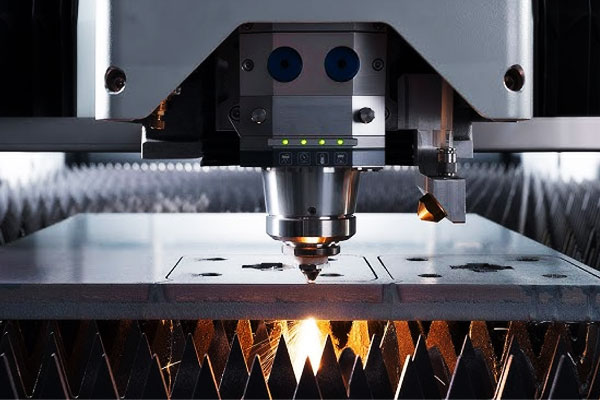
У срцу, ласерско сечење подразумева усмеравање кохерентног, ласерски зрак високог интензитета на површину радног предмета.
Ласерски зрак се генерише унутар ласерског резонатора, где долази до појачања светлости путем стимулисане емисије.
Зрака се затим води кроз низ огледала или оптичких влакана до главе за сечење, где је усредсређен у сићушну, високоенергетска тачка, често мање од 0.3 мм пречника.
Када овај фокусирани сноп дође у контакт са површином материјала, брзо загрева циљано подручје до тачке топљења или испаравања.
Интензивна локализована енергија узрокује топљење материјала, спалити, или сублимирати, омогућавајући ласеру да пресече радни предмет са минималним термичким изобличењем.
Кључне компоненте
- Ласер Соурце: Уобичајени ласерски извори укључују ласере са влакнима, ЦО₂ ласери, и Нд:ИАГ ласери, сваки са различитим таласним дужинама и излазном снагом прилагођеним специфичним материјалима и дебљинама.
- Фокусирајућа оптика: Прецизна сочива или огледала концентришу ласерски зрак да би се постигла изузетно велика густина снаге (до 10⁶ В/цм²), неопходан за ефикасно сечење.
- Ассист Гас: Коаксијални гасни млаз (као што су кисеоник, азот, или компримовани ваздух) је усмерен уз ласерски сноп за уклањање растопљеног или испареног материјала из уреза, обезбеђујући чист рез.
Врста помоћног гаса такође утиче на механизам за сечење и квалитет ивица. - Систем контроле кретања: ЦНЦ-контролисани мотори померају ласерску главу или радни предмет дуж програмираних путања, омогућавајући сложене облике и замршене дизајне са поновљивошћу и брзином.
Механизми за ласерско сечење
Ласерско сечење ради преко три основна механизма, у зависности од материјала и гаса који се користи:
- Фусион Цуттинг (Мелт анд Блов):
Ласер топи материјал, и инертни помоћни гас (обично азот) издувава растопљени материјал са уреза.
Овај метод производи чист, ивице без оксида, идеално за нерђајући челик и алуминијум. - Реацтиве Цуттинг (Резање пламеном):
Коришћење кисеоника као помоћног гаса, ласерски зрак покреће егзотермну реакцију са материјалом, додавање енергије процесу резања и повећање брзине резања, посебно код угљеничних челика.
Међутим, може резултирати оксидираним ивицама. - Сублимационо сечење:
Материјал директно испарава из чврстог у гас без топљења. Ова метода је типична за неметалне материјале попут пластике, дрва, и композити, нудећи минималне зоне погођене топлотом.
2. Ласерски извори који се обично користе
Избор ласерског извора је критичан фактор ефикасности, квалитет, и исплативост ласерског сечења нерђајућег челика.
Различити типови ласера се разликују по таласној дужини, излазна снага, квалитет зрака, и оперативне карактеристике, чинећи их погодним за специфичне примене и дебљине материјала.
Три најчешћа ласерска извора која се користе у резању нерђајућег челика су ЦО₂ ласери, фибер ласери, и Исечак: ИАГ ласери.

ЦО₂ ласери
- Таласна дужина: Приближно 10.6 микрометар (μм)
- Принцип рада: ЦО₂ ласери су гасни ласери у којима је мешавина угљен-диоксида, азот, а гасови хелијума се електрично побуђују да би произвели ласерску светлост.
- Предности:
-
- Добро успостављена технологија са деценијама индустријске употребе.
- Висока излазна снага у распону од неколико стотина вати до десетина киловата, погодан за сечење дебелог нерђајућег челика.
- Одличан квалитет снопа омогућава прецизне резове са добром завршном обрадом ивица.
- Ограничења:
-
- Релативно велика и сложена подешавања због руковања гасом и дизајна ласерске шупљине.
- Захтева огледала за вођење ласерског зрака, што резултира потребама одржавања и потенцијалним проблемима са поравнањем.
- Већа таласна дужина доводи до мање апсорпције метала, што може смањити ефикасност сечења на рефлектујућим материјалима као што је нерђајући челик.
- Апликације: Широко се користи за сечење средњих до дебелих лимова од нерђајућег челика, посебно тамо где је потребна велика снага.
Фибер Ласерс
- Таласна дужина: Около 1.07 микрометар (μм)
- Принцип рада: Ласери са влакнима генеришу ласерску светлост преко допираних оптичких влакана пумпаних диодним ласерима, производећи кохерентни сноп који се преноси кроз само влакно.
- Предности:
-
- Већа апсорпција у металима због краће таласне дужине, чинећи ласере са влакнима ефикаснијим у резању нерђајућег челика.
- Цомпацт, робустан, и ниско одржавање јер нема огледала—испорука зрака се врши преко оптичких влакана.
- Одличан квалитет зрака са високом фокусираношћу, омогућава веома фино сечење и веће брзине.
- Обично енергетски ефикаснији са нижим оперативним трошковима.
- Дужи радни век са мање застоја.
- Ограничења:
-
- Снага је углавном ограничена на неколико киловата, иако су ласери са влакнима велике снаге све доступнији.
- Може захтевати другачија подешавања или конфигурације помоћног гаса за веома дебеле материјале у поређењу са ЦО₂ ласерима.
- Апликације: Идеално за сечење нерђајућег челика танке до средње дебљине, микро-машинска обрада, и апликације које захтевају високу прецизност.
Исечак: ИАГ (Итријум-алуминијумски гранат допиран неодимијумом) Ласери
- Таласна дужина: Приближно 1.06 микрометар (μм)
- Принцип рада: Ласери у чврстом стању где је Нд:ИАГ кристал се оптички пумпа блиц лампама или диодама да емитује импулсне или континуиране ласерске зраке.
- Предности:
-
- Способан за веома велике вршне снаге у пулсном режиму, погодан за прецизно сечење и микро машинску обраду.
- Добар квалитет зрака и способност сечења рефлектујућих материјала као што је нерђајући челик.
- Ограничења:
-
- Генерално мање ефикасно и веће одржавање у поређењу са ласерима са влакнима.
- Мање величине тачака и нижа просечна снага ограничавају њихову употребу у сечењу великог обима.
- Сложенији захтеви за хлађење и одржавање.
- Апликације: Често се користи у специјалним апликацијама, као што су микро-сечење, заваривање, или означавање делова од нерђајућег челика где је прецизност критична.
3. Зашто нерђајући челик захтева специјализовано сечење
Нехрђајући челик, познат по одличној отпорности на корозију, механичка чврстоћа, и естетска жалба, се широко користи у индустријама као што је ваздухопловство, медицински, аутомобилске, прерада хране, и архитектура.
Међутим, управо ова својства која чине нерђајући челик пожељним такође представљају јединствене изазове у машинској обради и резању.
Својства материјала нерђајућег челика
Нерђајући челик није једна легура, већ породица легура на бази гвожђа са минимумом 10.5% Цхромиум садржај. Његова јединствена својства укључују:
- Хигх Рефлецтивити: Нарочито на инфрацрвеним таласним дужинама које користе многи ласерски системи, нерђајући челик одражава значајан део ласерске енергије,
што отежава почетно спајање снопа и захтева већу снагу или специјализоване ласере (Нпр., влакнасти ласери са краћим таласним дужинама). - Ниска топлотна проводљивост: У поређењу са угљеничним челиком или алуминијумом, нерђајући челик не расипа топлоту тако брзо.
Ово може довести до локализованог прегревања ако процес није оптимизован, повећавајући ризик од термичког изобличења или лошег квалитета ивица. - Висока тачка топљења: Са опсегом топљења од приближно 1.400–1.530°Ц, нерђајући челик захтева већу густину енергије за покретање и одржавање сечења.
- Формирање оксида: Нерђајући челици су склони формирању слојева оксида богатих хромом на високим температурама.
Без одговарајуће заштите од гаса, ово може утицати на заварљивост и завршну обраду површине након сечења.
Ограничења традиционалних метода сечења
Конвенционалне технике сечења као што је стрижење, пиљење, или механичко штанцање суочавају се са неколико ограничења када се примењују на нерђајући челик:
- Ношење алата: Тврдоћа и жилавост нерђајућег челика могу изазвати брзу деградацију алата.
- Бурр Форматион: Механичке методе често остављају неравнине и грубе ивице, које захтевају додатне операције уклањања ивица.
- Зоне погођене топлотом (Хај): Технике као што су плазма или сечење кисеоником стварају широке ХАЗ, потенцијално мењајући металуршка својства у близини ивице реза.
- Ограничена флексибилност дизајна: Механички процеси су мање погодни за сечење сложених геометрија или уских полупречника без скупог алата.
Захтеви за прецизност и чистоћу
Многе индустрије које користе нерђајући челик имају строге толеранције и естетске стандарде:
- Медицински уређаји: Захтевају без ивица, резови без контаминације са минималним термичким изменама ради очувања биокомпатибилности.
- Опрема за прераду хране: Захтева хигијену, глатке површине које спречавају накупљање бактерија.
- Архитектонски панели: Често укључују декоративне завршне обраде или углачане површине које се не смеју оштетити или оксидирати током сечења.
Ласерско сечење, када је правилно конфигурисан, истиче се у испуњавању ових захтева пружањем:
- Висока димензионална тачност
- Минимална механичка деформација
- Чист, ивице без оксида (посебно када се користи помоћни гас азота)
Осетљивост површине и квалитет завршне обраде
Многи типови нерђајућег челика се користе за полирање, четкан, или завршне обраде са узорком које се морају сачувати током обраде.
Механичке методе ризикују гребање или изобличење ових површина. Ласерско сечење, посебно са фибер ласерима и бесконтактним резним главама, избегава механички контакт и чува интегритет површине.
4. Посебна разматрања за класу нерђајућег челика
Аустенитнице (304, 316)
- Изазови резања: Висока дуктилност доводи до стварања неравнина; оптимизован притисак азота (2 МПА) и 1.5 кВ снага ласера са влакнима минимизира висину шиљака на <0.05мм.
- Примене у прехрамбеној индустрији: 316Л рез са азотом испуњава ФДА стандарде, са храпавости површине Ра < 0.8μм за фармацеутску опрему.
Мартенситиц Градес (410, 420)
- Утицај тврдоће: 420 нерђајући челик (40 ХРЦ) захтијева 20% већа снага ласера од 304 због повећане топлотне проводљивости.
- Апликације алата: 410 пресецати кисеоником при 1.2 м/мин производи ивице погодне за сечива ножа, са ивичним угловима од 8-12° достижни.
Преципитатион-Херденинг Градес (17-4 ПХ)
- Осетљивост на топлотну обраду: Сечење у раствору жареном стању (Стање а) спречава стврдњавање у ХАЗ. Старење након сечења (Х900) враћа затезну чврстоћу на 1,310 МПА.
- Ваздухопловство: 17-4 ПХ компоненте резервоара за гориво исечене помоћу ласера са влакнима од 5 кВ <0.1мм одступање димензија, испуњава стандарде АС9100Д.
5. Кључни процесни параметри у ласерском резању нерђајућег челика
Постизање висококвалитетних резова у нерђајућем челику помоћу ласерске технологије зависи од пажљивог контролисања неколико критичних параметара процеса.
Ови параметри утичу на квалитет сечења, брзина, завршна обрада ивица, Зона погођена топлотом (Хај), и укупну ефикасност.

Ласерска снага
- Дефиниција: Излазна снага ласерског зрака, обично се мери у ватима (Ви) или киловата (кВ).
- Утицај: Већа снага ласера омогућава сечење дебљих материјала и веће брзине сечења.
Међутим, прекомерна снага може изазвати прекомерно топљење, препостављање, или шира топлотно захваћена зона. - Типичан распон: За нерђајући челик, снага ласера се креће од неколико стотина вати (за танке листове) до 10 кВ или више (за дебеле плоче).
Брзина сечења
- Дефиниција: Брзина којом се ласерска глава или радни комад померају један у односу на други, обично у милиметрима у секунди (мм / с) или метара у минути (м / мој).
- Утицај: Повећање брзине побољшава продуктивност, али може смањити квалитет сечења ако је енергија ласера недовољна да у потпуности продре у материјал.
Превише мала брзина доводи до претераног уноса топлоте и лошег квалитета ивица. - Оптимизација: Мора бити избалансиран са снагом ласера и дебљином материјала за чисте резове без шљаке или шљаке.
Тип и притисак помоћног гаса
- Врсте:
-
- Кисеоник (О₂): Обично се користи за реактивно сечење нерђајућег челика, промовисање оксидације и побољшање ефикасности сечења.
- Азот (Н₂): Користи се за инертно сечење ради спречавања оксидације, производи чистије ивице без промене боје.
- Цомпрессед Аир: Понекад се користи као исплатива алтернатива, али може изазвати оксидацију.
- Притисак: Обично се креће од 0.5 до 20 шипка у зависности од врсте гаса и дебљине материјала.
- Утицај: Притисак гаса помаже у избацивању растопљеног метала из уреза, утичући на квалитет резања, завршна обрада ивица, и унос топлоте.
Фоцус Поситион
- Дефиниција: Релативни положај тачке фокуса ласерског зрака у односу на површину материјала.
- Утицај: Правилно позиционирање фокуса је од виталног значаја за оптималну густину енергије у зони сечења. Фокус се може подесити:
-
- На површини материјала,
- Мало изнад (дефокусиран),
- Мало испод површине.
- Утицај: Неправилан фокус узрокује лошу пенетрацију, широки зарез, или прекомерно топљење.
Фреквенција и трајање пулса (за пулсне ласере)
- Пулсе Фрекуенци: Број ласерских импулса у секунди (Хз).
- Пулсе Дуратион: Дужина сваког ласерског импулса (микросекунде или наносекунде).
- Утицај: Контролише испоручену енергију по импулсу. Висока фреквенција са кратким импулсима може смањити унос топлоте, погодан за танке нерђајуће челик или прецизне резове.
Станд-Офф Дистанце
- Дефиниција: Удаљеност између млазнице ласерске главе за сечење и површине материјала.
- Утицај: Превише близу може оштетити млазницу или изазвати накупљање прскања; превише смањује ефикасност гасног млаза и квалитет резања.
- Типичан распон: 0.5 до 2 мм за сечење нерђајућег челика.
Керф Видтх
- Дефиниција: Ширина материјала уклоњеног ласерским зраком.
- Утицај: Утиче на тачност димензија и искоришћеност материјала.
- Фактори утицаја: Величина ласерске тачке, моћ, и брзину резања.
6. Предности ласерског сечења нерђајућег челика
Ласерско сечење је постало једна од пожељних метода за обраду нерђајућег челика због бројних предности у односу на традиционалне технике сечења.

Прецизни и висококвалитетни резови
- Минимална ширина зареза: Ласерско сечење производи изузетно узак рез (ширина пресека), често мање од 0.2 мм, што резултира минималним отпадом материјала и строжим толеранцијама.
- Цлеан Едгес: Зона погођена топлотом (Хај) је веома мали, смањење савијања и изобличења.
Ивице су обично глатке и без ивица, често елиминишући потребу за секундарном завршном обрадом. - Сложене геометрије: Ласерски снопови се могу прецизно контролисати помоћу ЦНЦ система, омогућавајући сечење сложених облика, фини детаљи, и оштрих углова које је тешко постићи механичким методама.
Брзина и ефикасност
- Брза обрада: Ласерско сечење може радити при великим брзинама, посебно на танким до средње дебљим лимовима од нерђајућег челика (до ~15 мм), значајно смањујући време производње.
- Компатибилност аутоматизације: Интеграција са ЦНЦ и роботским системима омогућава континуирано, рад без надзора, побољшање пропусности и смањење трошкова рада.
- Смањено време подешавања: Бесконтактна природа значи да нема хабања алата или механичких промена подешавања, омогућавајући брзо пребацивање између различитих послова сечења.
Свестраност и флексибилност
- Широки опсег дебљине: Системи за ласерско сечење могу да рукују лимовима од нерђајућег челика у распону од веома танких фолија до неколико центиметара дебљине са одговарајућим подешавањима снаге и помоћним гасовима.
- Више опција за гас: Употреба различитих помоћних гасова (азот, кисеоник, ваздушни) омогућава прилагођавање процеса сечења ради оптимизације за брзину, квалитет ивице, и контролу оксидације.
- Материјална компатибилност: Осим од нерђајућег челика, ласери могу да секу различите метале и неметале уз мања подешавања, пружајући свестраност за мешовите производне линије.
Економичност
- Смањени материјални отпад: Узак прорез и висока прецизност смањују стопу отпада.
- Нижи трошкови рада: Аутоматизација смањује потребу за ручним руковањем и интервенцијом.
- Минимално хабање алата: Пошто се сечење врши ласерским зраком, нема физичког контакта или хабања алата, смањење трошкова одржавања.
- Енергетска ефикасност: Савремени ласери са влакнима троше мање енергије у поређењу са традиционалним механичким сечењем, доприносећи укупној уштеди оперативних трошкова.
Предности заштите животне средине и безбедности
- Бесконтактни процес: Минимизира механичка напрезања на материјалу и смањује опасности на радном месту које се односе на оштре алате или остатке сечења.
- Цлеанер Процесс: Ствара мање прашине и буке у поређењу са плазмом или механичким сечењем.
- Смањена употреба потрошног материјала: За разлику од абразивних метода резања, ласерско сечење не захтева потрошна сечива или дискове, смањује отпад.
Побољшане могућности за дизајн и иновације
- Рапид Прототипинг: Способност брзог и прецизног сечења сложених облика убрзава итерације дизајна и развој производа.
- Прилагођавање: Мале серије или прилагођене поруџбине су изводљиве и исплативе због минималних промена алата.
- Израда микро и финих карактеристика: Ласерско сечење може произвести изузетно фине резове погодне за високо прецизне апликације у електроници, Медицински уређаји, и декоративни делови од нерђајућег челика.
7. Ограничења и изазови ласерског сечења нерђајућег челика
Док ласерско сечење нуди бројне предности за обраду нерђајућег челика, такође представља одређена ограничења и изазове којима се мора пажљиво управљати да би се обезбедили оптимални резултати.
Ограничења дебљине
- Смањена ефикасност на дебелим материјалима: Ласерско сечење је најефикасније за танке до средње дебљине лимова од нерђајућег челика, обично до 15-20 мм.
Сечење дебљих делова захтева већу снагу ласера и мање брзине, што може повећати трошкове и време обраде. - Зона погођена топлотом (Хај) Раст: Како се дебљина повећава, повећава се унос топлоте потребан за топљење материјала, изазивајући већи ХАЗ.
То може довести до термичког изобличења, металуршке промене, и смањен квалитет ивица.
Рефлективност површине и квалитет материјала
- Хигх Рефлецтивити: Рефлектујућа површина од нерђајућег челика може изазвати рефлексију ласерског зрака, што доводи до неефикасности, нестабилно сечење, или чак оштећење ласерске оптике.
Фибер ласери ублажавају ово ефикасније од ЦО₂ ласера, али и даље захтевају пажљиво подешавање параметара. - Променљивост материјала: Варијације у саставу нерђајућег челика, површинска завршна обрада, или премази могу утицати на ласерску апсорпцију и квалитет сечења, које захтевају прилагођавања процеса.
Квалитет ивица и формирање шљаке
- Дросс он Цут Едгес: Неправилан избор гаса или недовољан притисак помоћног гаса могу довести до приањања растопљеног материјала на ивицу реза (дрознути), што захтева секундарно чишћење или брушење.
- Испруге и храпавост: При већим брзинама сечења или дебљим материјалима, могу се развити пруге или текстуре грубих ивица, утиче на естетику или механичко пристајање.
Помоћ у избору гаса и трошковима
- Зависност од гаса: Избор помоћног гаса (азот, кисеоник, или ваздух) значајно утиче на квалитет резања, брзина, и оксидација:
-
- Кисеоник: Промовише брже сечење са оксидацијом, али може изазвати грубље, оксидоване ивице.
- Азот: Производи чисте, ивице без оксида, али је скупље и може смањити брзину сечења.
- Ваздушни: Исплатива опција, али мање доследна у квалитету.
- Оперативни трошкови: Гасови високе чистоће, посебно азота, доприносе повећању оперативних трошкова.
Опрема и одржавање
- Висока почетна инвестиција: Напредне машине за ласерско сечење, посебно влакнасти ласери велике снаге, захтевају значајна капитална улагања.
- Оптицс Сенситивити: Ласерска оптика је осетљива на контаминацију и оштећења од рефлектованих зрака или прашине, што захтева редовно одржавање и усклађивање.
- Скиллед Оператион: Оптимално ласерско сечење захтева обучене оператере и инжењере за управљање параметрима, решавање проблема, и вршити превентивно одржавање.
Топлотни ефекти и изобличење
- Тхермал Стрессес: Концентрисана ласерска топлота може да изазове термичка напрезања која изазивају савијање, посебно у танким или сложено исеченим деловима од нерђајућег челика.
- Микроструктурне промене: Продужено излагање топлоти може да промени микроструктуру нерђајућег челика у близини реза, утиче на отпорност на корозију и механичка својства.
Ограничења у резању сложених 3Д облика
- Пре свега 2Д сечење: Већина система за ласерско сечење је оптимизована за равне листове или једноставне 3Д контуре.
Сложени 3Д облици или дебели пресеци често захтевају алтернативне методе као што су ласерско заваривање или 5-осна ласерска обрада. - Ограничена дубина пенетрације: Жижна даљина и снага ласера ограничавају дубину и угао сечења, ограничавајући свестраност за неке апликације.
8. Примене ласерског сечења нерђајућег челика
Ласерско сечење нерђајућег челика је постало основна технологија у различитим индустријама због своје прецизности, брзина, и свестраност.
Његова способност да производи сложене дизајне са висококвалитетним ивицама чини га идеалним за многе производне и производне апликације.

Аутомобилска индустрија
- Цомпонент Мануфацтуринг: Ласерско сечење се широко користи за производњу прецизних делова за аутомобилске моторе, Издувни системи, и компоненте шасије од лимова и плоча од нерђајућег челика.
- Израда прототипа и прилагођавање: Технологија омогућава брзу израду прототипа и прилагођене делове сложене геометрије, помаже аутомобилским инжењерима да тестирају дизајн брзо и ефикасно.
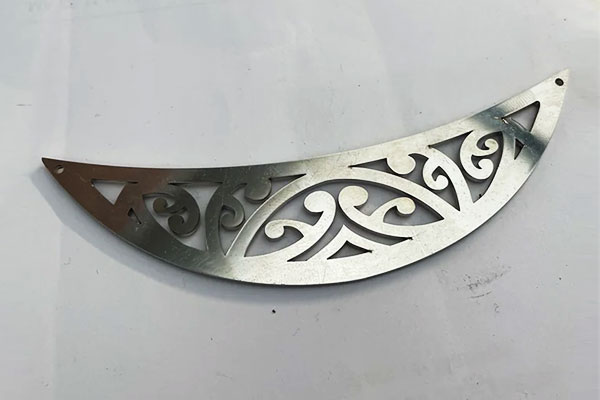
- Декоративни елементи: Ласерско сечење омогућава стварање сложених украса, значке, и роштиљи са чистим ивицама и детаљним шарама.
Ваздухопловство и ваздухопловство
- Структурне компоненте: Делови од нерђајућег челика за рамове авиона, мотори, а стајни трап често захтева високу чврстоћу и отпорност на корозију, постигнуто прецизним ласерским резањем.
- Смањење тежине: Способност ласерског сечења да произведе малу тежину, Комплексни облици помажу произвођачима ваздухопловства да оптимизују структурни интегритет док минимизирају тежину.
- Уски толеранције: Компоненте ваздухопловства захтевају строге толеранције и глатке завршне обраде, које ласерско сечење може доследно испоручити.
Производња медицинских уређаја
- Хируршки инструменти: Ласерско сечење од нерђајућег челика је кључно за израду оштрих, стерилна, и прецизни хируршки алати као што су скалпели, пинцете, и маказе.
- Имплантати и протетика: Ласерско сечење омогућава производњу сложених, биокомпатибилни имплантати и протетске компоненте са прецизним спецификацијама.
- Медицинска опрема: Ласерско сечење се користи за производњу кућишта и делова за уређаје за дијагностику и лечење, где су тачност и чистоћа најважнији.
Архитектура и грађевинарство
- Декоративни панели: Ласерско сечење омогућава архитектама да креирају комплексе, уметничке плоче од нерђајућег челика, екрани, и фасаде које комбинују естетику са издржљивошћу.
- Структурни елементи: Прецизно сечење компоненти од нерђајућег челика за потпорне конструкције, заграде, и прибор побољшава квалитет и сигурност израде.
- Опрема и опрема по мери: Елементи од нерђајућег челика направљени по мери као што су ограде степеништа, Балустрадес, и ознаке имају користи од флексибилности ласерског сечења.
Индустрија хране и пића
- Санитарна опрема: Отпорност нерђајућег челика на корозију чини га идеалним за хигијенска окружења. Ласерско сечење се користи за производњу резервоара, цеви, и опрему за обраду која испуњава строге стандарде чистоће.
- Машине за паковање: Прецизно исечени делови од нерђајућег челика побољшавају поузданост и ефикасност машина за паковање хране и флаширање.
- Декоративне и функционалне компоненте: Прилагођени ласерски резани елементи од нерђајућег челика се користе у кухињским апаратима и комерцијалној опреми за храну.
Електроника и електрична индустрија
- Кућишта и кућишта: Ласерско сечење производи прецизна кућишта од нерђајућег челика за електронске уређаје, пружа заштиту и отпорност на топлоту.
- Микрофабрикација: Мали, детаљне компоненте као што су конектори, Контакти, а заштитни делови имају користи од тачности и поновљивости ласерског сечења.
- Расхладни уређаји и системи за хлађење: Прилагођени ласерски исечени делови од нерђајућег челика помажу у управљању расипањем топлоте у електронским склоповима.
Уметност и израда по мери
- Скулптуре и уметничке инсталације: Уметници користе ласерско сечење за сложене дизајне и шаре од нерђајућег челика које би било тешко или немогуће постићи традиционалним методама.
- Накит и додатна опрема по мери: Ласерско сечење омогућава детаљне и деликатне комаде од нерђајућег челика глатких ивица и сложених облика.
- Сигнаге и брендирање: Предузећа користе ласерски резане знакове и логотипе од нерђајућег челика за издржљивост и професионалну завршну обраду.
9. Контрола квалитета и стандарди
Обезбеђивање највишег квалитета ласерског сечења од нерђајућег челика укључује ригорозну контролу тачности димензија, квалитет ивице, и интегритет материјала.
Поштовање међународних стандарда и употреба напредних метода тестирања су критични за поуздане и конзистентне резултате.
Димензионална тачност
- Опсег толеранције:
Ласерско сечење нерђајућег челика постиже чврсте толеранције у зависности од дебљине материјала. За танке листове (1-3 мм), типичне толеранције димензија су ±0,1 мм.
За дебље плоче у распону од 10 до 20 мм, толеранције се шире на ±0,3 мм, у складу са ИСО 2768-М (средњи степен толеранције).
Ови стандарди обезбеђују да делови испуњавају спецификације дизајна за прецизну монтажу и функцију. - Едге Куалити Цлассес:
Према У ИСО-у 9013, квалитет ивица се класификује према храпавости површине (По):
-
- Класа 1: По < 2.5 μм, погодан за апликације високе прецизности као што су медицински уређаји и компоненте за ваздухопловство.
- Класа 2: По < 5 μм, типично се користи у општим индустријским апликацијама где је прихватљива умерена завршна обрада површине.
Неразорно тестирање (НДТ)
- Визуелна инспекција:
Користећи увећање у распону од 10к до 50к, оператери испитују резане ивице да ли постоје неравнине, наслаге шљаке, оксидација, и други површински недостаци.
Овај корак обезбеђује да интегритет површине испуњава естетске и функционалне захтеве пре даље обраде или монтаже. - Ултразвучно тестирање:
За дебље врсте нерђајућег челика као што је 316Л ат 10 дебљина мм мм, ултразвучна инспекција са 5 МХз сонде се користе за откривање подземних дефеката у зони погођеној топлотом (Хај).
Овим методом се могу идентификовати и мањи недостаци 0.2 мм, обезбеђивање критичног корака обезбеђења квалитета у апликацијама које су критичне за безбедност. - Тестирање корозије:
Отпорност на корозију је неопходна за компоненте од нерђајућег челика, посебно у оштром окружењима.
-
- АСТМ Б117 Тестови сланог спреја показују да делови ласерски исечени са помоћним гасом азота показују супериорну отпорност на корозију, издржати преко 500 сати без значајније деградације у 304 нерђајући челик.
- У супротности, посекотине уз помоћ кисеоника обично трају около 300 сати пре него што се појаве знаци корозије. Ово наглашава важност избора гаса за резање ради издржљивости и животног века.
10. Поређење са другим методама сечења
Приликом избора технике резања нерђајућег челика, кључно је проценити различите методе засноване на прецизности, брзина, трошак, квалитет, и погодност за специфичне примене.
Испод је свеобухватно поређење ласерског сечења са другим уобичајеним технологијама сечења: сечење плазмом, резање воденим млазом, и механичко сечење.
| Критеријуми | Ласерско резање | Резање плазме | Резање воде | Мецханицал Цуттинг |
| Прецизност & Едге Куалити | Веома висока прецизност; чист, глатке ивице | Умерена прецизност; грубље ивице | Висока прецизност; глатке ивице | Низак до умерен; ивица може захтевати завршну обраду |
| Брзина | Висока за танку до средњу дебљину | Веома висок, посебно за дебеле метале | Умерено до споро | Споро до умерено |
| Могућност дебљине материјала | До ~20 мм (зависи од снаге ласера) | До 50 мм или више | Могући врло дебели материјали (100+ мм) | Ограничено снагом алата |
| Зона погођена топлотом (Хај) | Минимална до умерена, зависно од снаге | Већи ХАЗ | Ниједан (процес хладног резања) | Ниједан |
| Радна цена | Умерен (енергија + одржавање) | Низак до умерен | Умерен до високо | Низак |
| Прикладне апликације | Лима, замршени дизајн, танке до средње дебљине | Дебеле плоче, тешка измишљотина, груби резови | Дебели материјали; материјали осетљиви на топлоту | Једноставни резови, грубо обликовање, дебели материјали |
| Предности | Одлична прецизност; минимално изобличење материјала; брзо за танке листове | Ефективно за дебеле метале; брже сечење на дебелим плочама | Нема термичке дисторзије; може сећи скоро сваки материјал | Ниска цена; једноставна опрема |
| Промет | Ограничена способност дебелог материјала; рефлектујући нерђајући челик може бити изазован | Нижи квалитет ивица; значајан ХАЗ; није идеално за фине резове | Спорије од ласера; већи трошкови потрошног материјала; мокри процес | Ограничена прецизност; спор; ношење алата; ограничен на једноставне облике |
11. Закључак
Ласерско сечење од нерђајућег челика стоји на раскрсници од прецизног инжењерства и модерне производне иновације.
Са могућношћу брзе испоруке, чист, и веома тачне резултате, постао је незаменљив у више индустрија.
Како се технологија развија, усвајање паметни ласерски системи и одрживе праксе наставиће да помера границе онога што је могуће у производњи метала.
Често постављана питања
Која дебљина нерђајућег челика се може исећи ласером?
Зависи од снаге ласера:
- До 6 мм: 1– Ласери са влакнима од 2 кВ рукују танким листовима са великом прецизношћу.
- 6-12 мм: 3Обично се користе ласери –6 кВ.
- 12–25 мм: Захтева ласере са влакнима од 6–10 кВ+ са одговарајућим помоћним гасом и оптиком.
Бележити: Квалитет ивица и брзина могу опасти како се дебљина повећава.
Да ли ласерско сечење изазива оксидацију ивица на нерђајућем челику?
Само ако кисеоник користи се као помоћни гас. Да би се избегла оксидација и промена боје:
- Употреба азот као инертни гас.
- Ово производи светло, чисте ивице, идеално за естетске апликације или апликације осетљиве на корозију (Нпр., медицински, опрема за храну).
Које су типичне толеранције за ласерски резане делове од нерђајућег челика?
Толеранције се разликују по дебљини:
- ± 0,1 мм за лимове дебљине 1–3 мм.
- ±0,2–0,3 мм за плоче од 10–20 мм.
Стандарди попут ИСО 2768-М и У ИСО-у 9013 дефинишу класе опште и фине толеранције.

