1. Introdução
O aço inoxidável ferrítico é uma das principais famílias de aços inoxidáveis, distingue-se principalmente pela sua cúbica ferrítica de corpo centrado (BCC) estrutura cristalina à temperatura ambiente e seu teor relativamente alto de cromo.
Ao contrário dos aços inoxidáveis austeníticos convencionais, graus ferríticos normalmente contêm pouco ou nenhum níquel adicionado intencionalmente.
Esta característica de composição pode fornecer uma combinação atraente de resistência à corrosão, Estabilidade térmica, Propriedades magnéticas, e custo de materiais.
Os aços inoxidáveis ferríticos são amplamente utilizados em sistemas de escapamento automotivo, eletrodomésticos, trocadores de calor, componentes arquitetônicos, Equipamento de processamento de alimentos, e máquinas industriais.
Seu desempenho, no entanto, depende fortemente da química da liga, controle de carbono e nitrogênio, estabilização, História do processamento, e ambiente de serviço.
2. O que é aço inoxidável ferrítico?
Ferrítico aço inoxidável é um grupo de ligas de ferro-cromo cuja matriz é predominantemente ferrítica à temperatura ambiente.
A ferrita tem uma estrutura cristalina cúbica de corpo centrado e permanece estável em uma ampla faixa de temperatura em composições de liga apropriada..
O cromo é o principal elemento de liga responsável pelo comportamento inoxidável.
Uma vez que haja cromo suficiente, o aço pode formar uma fina, aderente, filme passivo rico em cromo que retarda substancialmente a corrosão.
Os aços inoxidáveis ferríticos comerciais cobrem uma faixa de composição relativamente ampla. As notas comuns podem conter aproximadamente 11–30% cromo, enquanto o carbono e o nitrogênio são geralmente controlados em níveis relativamente baixos.
Algumas classes de desempenho mais alto contêm adicionalmente molibdênio para melhorar a resistência à corrosão localizada ou titânio e nióbio para estabilização.
Ao contrário dos aços inoxidáveis martensíticos, aços inoxidáveis ferríticos convencionais são normalmente não endurece através do tratamento térmico convencional de têmpera e revenimento.
Suas propriedades finais são determinadas principalmente pela composição química, processamento termomecânico, recozimento, estrutura de grãos, e deformação a frio.
O aço inoxidável ferrítico é, portanto, melhor entendido como uma família metalúrgica distinta, em vez de simplesmente uma alternativa de baixo custo ao aço inoxidável austenítico..
3. Composição Química do Aço Inoxidável Ferrítico
A composição química é um dos fatores mais importantes que controlam o desempenho do aço inoxidável ferrítico.
O cromo fornece a característica fundamental do aço inoxidável, enquanto carbono, azoto, molibdênio, titânio, nióbio, e outros elementos são ajustados para alcançar combinações específicas de resistência à corrosão, propriedades mecânicas, soldabilidade, e estabilidade térmica.
Composição química típica
A composição varia consideravelmente entre as classes individuais. Os seguintes valores representam faixas típicas para aços inoxidáveis ferríticos comerciais comuns, limites de especificação não universais.
| Elemento | Faixa típica / Nível | Função Metalúrgica Primária |
| Cromo (Cr) | ~10,5–30% | Passivação, Resistência à corrosão, estabilização de ferrite |
| Carbono (C) | Geralmente baixo, frequentemente ≤0,08% | Fortalecimento; níveis excessivos podem promover sensibilização |
| Azoto (N) | Geralmente baixo | Fortalecimento; níveis excessivos podem prejudicar as propriedades ferríticas |
| Molibdênio (MO) | 0–4%+ dependendo da nota | Melhora a resistência à corrosão por pites e fendas |
| Titânio (De) | Dependente da nota | Estabiliza carbono e nitrogênio |
Nióbio (Nb) |
Dependente da nota | Estabiliza carbono e nitrogênio; melhora o desempenho da soldagem |
| Níquel (Em) | Geralmente baixo | Controlado para manter a estabilidade da fase ferrítica |
| Manganês (Mn) | Geralmente limitado | Desoxidação e controle de liga/processo |
| Silício (E) | Geralmente limitado | Contribuição de desoxidação e resistência à oxidação |
Os limites exatos devem sempre ser retirados da especificação do material relevante, como o aplicável ASTM, EM, Ele é, ou outro padrão nacional/internacional, porque os nomes das notas nominais por si só não definem todos os limites de composição permitidos.
4. Principais tipos e classes de aço inoxidável ferrítico
Os aços inoxidáveis ferríticos cobrem uma ampla gama de ligas à base de cromo, desde classes econômicas projetadas para sistemas de escapamento automotivo até classes com ligas de alto cromo e molibdênio destinadas a ambientes exigentes de corrosão e alta temperatura.
As tabelas a seguir organizam as notas representativas em três categorias práticas: graus ferríticos padrão, classes ferríticas com alto teor de cromo, e aços inoxidáveis ferríticos fundidos.
Classes ferríticas padrão (400 Série)
Essas classes são amplamente utilizadas porque fornecem um equilíbrio prático de resistência à corrosão, fabricante, desempenho térmico, e custo.
Notas como 409 e 430 são especialmente importantes no setor automotivo, Appliance, arquitetônico, e aplicações industriais gerais.
| Nota | Designação dos EUA | Composição Aproximada | Principais características | Aplicações típicas |
| 409 | S40900 | Cr 10,5–11,7%; C≤0,08%; O estabilizado | Aço inoxidável ferrítico econômico com boa resistência à oxidação e resistência à corrosão adequada; adequado para serviço em temperatura elevada | Sistemas de escape automotivo, tubos de escape, componentes do conversor catalítico |
| 410L | S41003 | Cr 11,5–13,5%; C≤0,03% | O carbono muito baixo melhora a soldabilidade e reduz o risco de sensibilização relacionada à solda; resistência moderada à corrosão | Componentes automotivos, partes estruturais, tanques de água, Equipamento industrial |
| 430 | S43000 | Cr 16–18%; C≤0,08% | Boa resistência geral à corrosão, comportamento magnético, boa formabilidade, e aparência de superfície atraente; amplamente disponível e econômico | Aparelhos, Equipamento de cozinha, Aparelho automotivo, painéis arquitetônicos |
430L |
S43003 | Cr 16–18%; C≤0,03% | Versão de baixo carbono do 430 com soldabilidade melhorada e suscetibilidade reduzida à corrosão intergranular | Equipamento soldado, Equipamento de processamento de alimentos, componentes arquitetônicos |
| 434 | S43400 | Cr 16–18%; Mo aproximadamente 0,5–1,0%; C≤0,08% | O molibdênio melhora a resistência à corrosão localizada em comparação com o convencional 430; mantém boa resistência à oxidação | Aparelho automotivo, componentes de escape, equipamento relacionado ao calor |
| 436 | S43600 | Cr 16–18%; Mo aproximadamente 0,5–1,0%; Ti/NB estabilizado | Classe ferrítica estabilizada com soldabilidade aprimorada, Resistência à corrosão, e resistência à corrosão intergranular | Sistemas de escape automotivo, componentes arquitetônicos, Equipamento industrial |
Classes ferríticas com alto teor de cromo
Os aços inoxidáveis ferríticos com alto teor de cromo contêm substancialmente mais cromo do que os graus convencionais da série 400.
Alguns também contêm molibdênio e elementos estabilizadores, como titânio e nióbio..
Essas estratégias de liga melhoram a resistência à oxidação, resistência à corrosão localizada, e desempenho de alta temperatura.
| Nota | Designação dos EUA | Composição Aproximada | Principais características | Aplicações típicas |
| 439 | S43035 | Cr 17–19%; O estabilizado | Boa resistência à corrosão e oxidação com melhor soldabilidade; adequado para serviço em temperatura elevada | Sistemas de escape automotivo, trocadores de calor, aquecedores de água |
| 441 | S44100 | Cr 17–19%; De + Nb estabilizado | Estrutura ferrítica estabilizada proporciona boa soldabilidade, Resistência a oxidação, e resistência à sensibilização | Sistemas de escape automotivo, componentes do conversor catalítico, trocadores de calor |
| 444 | S44400 | Cr 17–19%; Mo 1,5–2,5%; De + Nb estabilizado | Baixo teor de carbono e nitrogênio combinados com Mo proporcionam alta resistência à corrosão por pite e em frestas; boa soldabilidade | Trocadores de calor, sistemas de água quente, equipamento de água de resfriamento, Equipamento de processamento químico |
446 |
S44600 | Cr 23–27%; baixo c | O alto teor de cromo proporciona excelente resistência à oxidação e bom desempenho em temperaturas elevadas | Componentes do forno, equipamento de tratamento térmico, equipamento de processamento químico de alta temperatura |
| 447 | S44700 | Cr 28–30%; Mo 2,0–3,0%; C muito baixo | Aço inoxidável superferrítico com excelente resistência à corrosão e oxidação localizada induzida por cloreto | Processamento químico, equipamento de tratamento de água do mar, trocadores de calor, Equipamento offshore |
| 448 | S44800 | Cr 28–30%; Mo 3,5–4,2%; C/N muito baixo | Aço inoxidável ferrítico de alta liga que oferece excepcional resistência à corrosão e oxidação em ambientes severos | Equipamento marítimo, Processamento químico, sistemas offshore, serviço de cloreto severo |
Observação: Os limites químicos exatos variam de acordo com a ASTM aplicável, ASME, EM, ou especificação UNS. As composições acima são fornecidas como faixas representativas para comparação de engenharia.
Classes de aço inoxidável ferrítico fundido
Algumas classes de aço inoxidável fundido comumente referenciadas estão listadas abaixo.
Importante, nem todo tipo de aço inoxidável fundido contendo cromo listado na família ASTM A743/A744 é estritamente ferrítico à temperatura ambiente; classes como CA-15 são convencionalmente classificadas como martensíticas.
Portanto, a classificação metalúrgica específica deve sempre ser confirmada a partir da especificação do material aplicável.
| Grau de elenco | Designação dos EUA | Principais características | Aplicações típicas |
| CA-15 | J91150 | Grau de fundição inoxidável de cromo com boa resistência geral à corrosão e boa resistência após tratamento térmico apropriado; convencionalmente classificado como martensítico em vez de ferrítico | Componentes da bomba, corpos da válvula, Componentes da turbina, fundições industriais |
| CA-40 | J91151 | Maior dureza e resistência do que classes de fundição de cromo com baixo teor de carbono; boa resistência ao desgaste, mas soldabilidade reduzida | Componentes resistentes ao desgaste, peças de válvula, componentes de serviço a vapor |
CB-30 |
J91330 | Maior teor de cromo proporciona melhor resistência à corrosão e oxidação para componentes fundidos | Equipamento de processamento químico, peças da bomba, Componentes da válvula |
| CC-50 | J91450 | O alto teor de cromo proporciona forte resistência à oxidação e à corrosão, particularmente em ambientes de temperatura elevada | Equipamento de processamento químico de alta temperatura, componentes do forno, peças fundidas resistentes à corrosão |
5. Principais propriedades do aço inoxidável ferrítico
Os aços inoxidáveis ferríticos são caracterizados por cúbico centrado no corpo (BCC) matriz ferrítica, cromo como principal elemento de liga, e geralmente baixo teor de carbono e níquel.
Sua combinação de resistência à corrosão, comportamento magnético, expansão térmica relativamente baixa,
e condutividade térmica moderada a boa os torna particularmente adequados para sistemas de escapamento automotivo, aparelhos, trocadores de calor, componentes arquitetônicos, e equipamento industrial.
Os valores a seguir fornecem pontos de referência de engenharia úteis para graus ferríticos comumente usados:
| Propriedade | Gama típica de aço inoxidável ferrítico | Grau representativo / Valor | Importância da Engenharia |
| Módulo elástico | ~200–215GPa | Tipo 430: ~ 200 GPa | Determina a rigidez elástica |
| Densidade | ~7,6–7,8 g/cm³ | Tipo 430: ~7,7g/cm³ | Relevante para o peso do componente |
| Coeficiente de expansão térmica | ~9–11 × 10⁻⁶/K | Tipo 430: ~10,4 × 10⁻⁶/K | Importante para distorção térmica |
| Condutividade térmica | ~24–27 C/(m · k) | Tipo 430: ~26 C/(m · k) | Afeta a transferência de calor |
Calor específico |
~440–500 J/(kg·K) | Dependente da nota | Usado em cálculos térmicos |
| Resistividade elétrica | ~0,55–0,65 μΩ·m | Dependente da nota | Relevante para aplicações elétricas/térmicas |
| Comportamento magnético | Ferromagnético à temperatura ambiente | A maioria dos graus ferríticos | Útil para aplicações magnéticas |
| Faixa de fusão | ~1.425–1.510°C | Dependente da nota | Importante para fundição e soldagem |
Esses números devem ser tratados como valores de referência, não substituir especificações.
Para design de componentes, a ASTM aplicável, EM, Ele é, ou outro padrão de material e o relatório de teste de material certificado deve ter precedência.
Resistência à corrosão
A resistência à corrosão é uma das principais razões para o uso de aço inoxidável ferrítico.
O cromo forma uma fina, aderente, e autocura filme passivo rico em cromo na superfície do aço.
Quando o teor de cromo é suficientemente alto e a superfície permanece quimicamente limpa, esta camada passiva reduz significativamente a taxa de corrosão em muitos ambientes atmosféricos e aquosos.
A resistência à corrosão do aço inoxidável ferrítico aumenta geralmente com o teor de cromo, enquanto adições de molibdênio podem melhorar ainda mais a resistência à corrosão localizada, particularmente corrosão por pites e frestas.
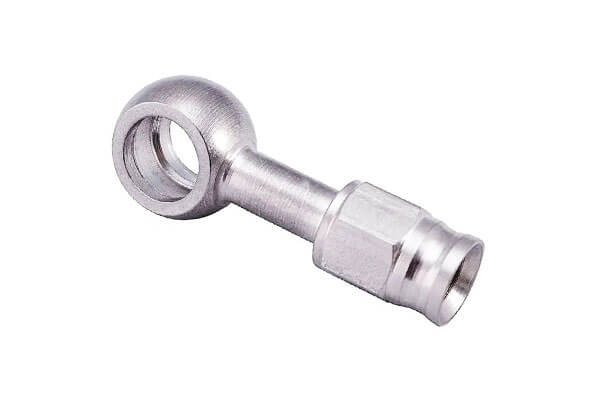
Por exemplo, Aisi 430 fornece resistência à corrosão útil para ambientes internos e levemente corrosivos, enquanto classes estabilizadas, como 439 e 441 são amplamente utilizados em sistemas de exaustão automotiva.
Classes de liga superior, como 444 fornecem resistência substancialmente melhor a ambientes contendo cloreto e são adequados para aplicações que envolvem água quente e certos meios químicos.
Vários fatores devem ser considerados ao avaliar o desempenho contra corrosão:
- Conteúdo de cromo: Maior Cr geralmente melhora a passivação e a resistência à oxidação.
- Conteúdo de molibdênio: Mo melhora a resistência à corrosão por pites e frestas.
- Carbono e nitrogênio: Elementos intersticiais excessivos podem promover a depleção de cromo durante a exposição térmica.
- Estabilização: Adições de titânio ou nióbio ajudam a ligar carbono e nitrogênio, melhorando a resistência à sensibilização após a soldagem.
- Condição da superfície: Moagem, polimento, decapagem, e a passivação podem influenciar fortemente o comportamento prático da corrosão.
- Ambiente de serviço: Concentração de cloreto, temperatura, ph, umidade, e o tempo de exposição afetam o desempenho contra corrosão.
O aço inoxidável ferrítico é, portanto, particularmente atraente onde a resistência à corrosão é necessária, mas o desempenho extremo à corrosão do aço inoxidável austenítico contendo níquel é desnecessário.
6. Propriedades Mecânicas do Aço Inoxidável Ferrítico
O comportamento mecânico do aço inoxidável ferrítico é fortemente influenciado pelo teor de cromo, níveis de carbono e nitrogênio, tamanho de grão, estabilização de liga, trabalho frio, e temperatura de serviço.
Em geral, graus ferríticos oferecem uma combinação útil de resistência moderada a alta, ductilidade adequada, boa resistência à fadiga, e boa estabilidade dimensional.
Características Mecânicas Típicas
| Característica mecânica | Comportamento típico do aço inoxidável ferrítico | Importância da engenharia |
| Módulo elástico | Aproximadamente 200 GPA | Fornece boa rigidez elástica e estabilidade dimensional |
| Força de escoamento | Geralmente cerca de 200–400 MPa para muitas classes padrão | Determina a resistência à deformação permanente |
| Resistência à tracção | Geralmente cerca de 400–600 MPa, Dependendo da nota e condição | Determina a capacidade de carga de tração final |
Alongamento |
Freqüentemente, aproximadamente 15–30%, mas altamente dependente da nota | Indica ductilidade disponível durante a conformação e sobrecarga |
| Dureza | Geralmente moderado em condição recozida | Influencia a resistência ao desgaste e a usinabilidade |
| Tenacidade de impacto | Altamente dependente da nota, tamanho de grão, temperatura, e processamento | Importante para aplicações de baixa temperatura e com carga de impacto |
Os aços inoxidáveis ferríticos também geralmente apresentam reforço limitado através do tratamento térmico convencional.
Ao contrário dos aços inoxidáveis martensíticos, eles normalmente não podem ser transformados em uma estrutura martensítica de alta dureza através de têmpera.
Em vez disso, suas propriedades mecânicas são controladas principalmente por meio de liga, Refinamento de grãos, trabalho frio, e processamento termomecânico.
O trabalho a frio pode aumentar a resistência e a dureza, mas a deformação excessiva a frio pode reduzir a ductilidade e aumentar a dificuldade de conformação.
Para aplicações exigentes, a condição do material - como recozido, Cold rolou, ou estabilizado - deve, portanto, ser especificado junto com o tipo de aço inoxidável.
Em baixas temperaturas, tenacidade merece atenção especial. Alguns aços inoxidáveis ferríticos podem apresentar transição dúctil para frágil, o que é fundamentalmente diferente do comportamento de muitos aços inoxidáveis austeníticos.
O refinamento do grão e o baixo teor de carbono/nitrogênio podem melhorar a tenacidade, mas os graus ferríticos devem ser selecionados cuidadosamente para aplicações criogênicas ou de impacto crítico.
7. Soldabilidade do aço inoxidável ferrítico
A soldabilidade varia consideravelmente entre os tipos de aço inoxidável ferrítico.
Baixo carbono moderno, classes estabilizadas geralmente têm soldabilidade muito melhor do que formulações ferríticas de alto carbono mais antigas, mas os aços inoxidáveis ferríticos ainda exigem um controle de soldagem mais cuidadoso do que muitos tipos austeníticos comuns.
A principal preocupação metalúrgica é engrossamento de grãos na zona afetada pelo calor (HAZ).
Como os aços inoxidáveis ferríticos permanecem predominantemente ferríticos durante a soldagem, alta entrada de calor pode produzir grãos grossos. Regiões HAZ de granulação grossa podem apresentar ductilidade e tenacidade reduzidas.
Outra preocupação é formação de carboneto de cromo ou nitreto.
Se houver carbono ou nitrogênio suficiente, a exposição térmica durante a soldagem pode causar esgotamento do cromo adjacente aos limites dos grãos, reduzindo potencialmente a resistência à corrosão localizada.
É por isso que as notas estabilizaram com titânio ou nióbio, como 409, 439, 441, e 444, são comumente selecionados para aplicações soldadas.
Considerações importantes sobre soldagem
| Fator de soldagem | Problema potencial | Controle Recomendado |
| Entrada excessiva de calor | Grosseiro do grão e tenacidade reduzida | Use entrada de calor controlada |
| Alta temperatura entre passes | Exposição térmica excessiva | Controlar a temperatura entre passes |
| Alto carbono/nitrogênio | Sensibilização e suscetibilidade à corrosão | Prefira classes de baixo C/N ou estabilizadas |
| Resfriamento rápido ou descontrolado | Tensão residual e distorção | Estabeleça um procedimento de soldagem apropriado |
| Incompatibilidade de metal de adição | Corrosão ou desempenho mecânico reduzido | Selecione o preenchimento com base nos requisitos de serviço |
| Contaminação de superfície | Defeitos de solda e resistência à corrosão reduzida | Limpeza completa antes e depois da soldagem |
TIG, Eu/mag, soldagem a laser, e soldagem por resistência podem ser usadas dependendo da geometria do componente, grossura, volume de produção, e requisitos de desempenho.
Após a soldagem, decapagem e passivação pode ser necessário restaurar a resistência à corrosão removendo a coloração térmica, contaminação livre de ferro, e outros contaminantes superficiais.
Para componentes críticos, a qualificação do procedimento de soldagem deve abordar não apenas a qualidade visual da solda, mas também as propriedades de tração, comportamento de corrosão, distorção, e desempenho da ZTA, quando aplicável.
8. Formabilidade e máquinabilidade
Formabilidade
Os aços inoxidáveis ferríticos geralmente apresentam boas características de conformação a frio, especialmente quando fornecido em condição recozida.
Seu alongamento geralmente cai no 20Faixa de –30% para muitas classes comerciais, fornecendo ductilidade suficiente para flexão, Role a formação, estampagem, e outras operações de chapa metálica.
No entanto, o desempenho da formação depende de mais do que apenas alongamento.
Força de escoamento, anisotropia, Trabalho endurecendo, espessura da folha, estrutura de grãos, geometria de ferramentas, e a lubrificação podem afetar o resultado final.
Para conformação de precisão, os seguintes parâmetros devem ser controlados:
- Raio mínimo de curvatura
- Direção de rolamento
- Folga da ferramenta
- Lubrificação
- Sequência de formação
- Compensação de primavera
- Proteção de superfície
As classes ferríticas podem ser particularmente atraentes para componentes de chapas grandes porque combinam ductilidade razoável com comportamento dimensional relativamente estável.
MACHINABILIDADE
Os aços inoxidáveis ferríticos são geralmente adequados para aplicações convencionais Usinagem CNC.
No entanto, os parâmetros de usinagem devem ser otimizados para a classe específica porque o cromo, molibdênio, dureza do material, e a condutividade térmica influenciam as forças de corte e a vida útil da ferramenta.
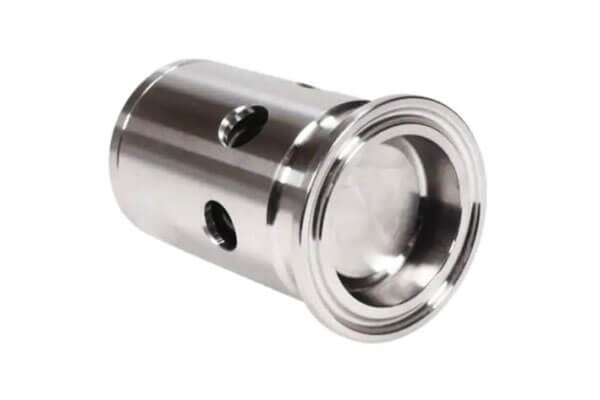
As operações de usinagem típicas incluem:
Torneamento CNC → fresamento → furação → alargamento → retificação → polimento
Para componentes de precisão, tolerâncias dimensionais de ±0,01 mm ou mais apertado pode ser alcançado sob condições controladas de usinagem CNC,
mas a tolerância alcançável depende da geometria do componente, capacidade da máquina, fixação de trabalho, condição material, e estabilidade térmica, em vez de apenas no tipo de aço inoxidável.
Durante a usinagem, calor de corte excessivo pode causar desvio dimensional. Isto é particularmente importante para componentes de parede fina e peças de precisão com tolerâncias de posição restritas..
9. Acabamentos de superfície para aço inoxidável ferrítico
O acabamento superficial desempenha um papel importante na resistência à corrosão, aparência, limpeza, comportamento de desgaste, e desempenho dimensional de componentes de aço inoxidável ferrítico.
| Acabamento superficial | Características Típicas | Aplicações típicas |
| 2B | Laminado a frio, tratado térmico, em conserva, e levemente a pele passou; suave e relativamente reflexivo | Aparelhos, componentes industriais em geral, painéis arquitetônicos |
| Ba | Superfície recozida brilhante com alta refletividade e aparência suave | Aparelho automotivo, aparelhos, componentes decorativos |
| Não. 3 | Acabamento grosso polido mecanicamente | Componentes arquitetônicos e industriais |
| Não. 4 | Acabamento escovado direcional fino, comumente produzido com cintas abrasivas | Aparelhos, painéis arquitetônicos, Equipamento de cozinha |
Linha fina |
Multar, grão direcional contínuo | Componentes decorativos arquitetônicos e interiores |
| Polido espelhado | Superfície altamente reflexiva obtida através de polimento progressivo | Componentes decorativos e aplicações arquitetônicas premium |
| Eletropolido | Remoção eletroquímica de material de superfície; superfície lisa e limpa | Higiênico, precisão, e aplicações sensíveis à corrosão |
| Decapado e passivado | Remove a escala, tonalidade de calor, e contaminação da superfície e restaura uma superfície passiva limpa | Componentes soldados e sensíveis à corrosão |
10. Aplicações de aço inoxidável ferrítico
O aço inoxidável ferrítico é amplamente utilizado quando uma combinação de resistência à corrosão, Resistência a oxidação, comportamento magnético, Estabilidade térmica, força mecânica moderada, e eficiência de custos é necessária.
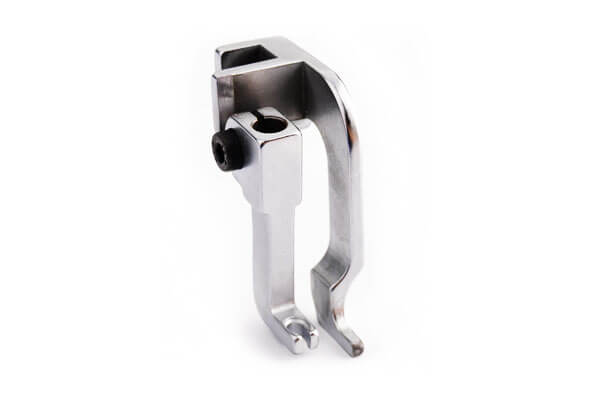
Sistemas de exaustão automotiva
Automotivo sistemas de exaustão estão entre as aplicações mais importantes para aço inoxidável ferrítico.
Notas como 409, 439, e 441 são comumente selecionados para coletores de escape, tubos, componentes do conversor catalítico, silenciadores, e peças relacionadas resistentes ao calor.
O material deve resistir:
- Ciclagem térmica repetida
- Altas temperaturas dos gases de escape
- Oxidação
- Corrosão condensada
- Vibração e fadiga mecânica
O coeficiente relativamente baixo de expansão térmica e a boa resistência à oxidação em alta temperatura tornam os graus ferríticos particularmente adequados para este ambiente.
Aparelhos domésticos
430 aço inoxidável é amplamente utilizado em eletrodomésticos porque combina resistência à corrosão, aparência atraente, comportamento magnético, Formabilidade, e custo relativamente baixo.
Os produtos típicos incluem:
- Painéis de geladeira
- Componentes para máquina de lavar louça
- Componentes do forno e fogão
- Equipamento de cozinha
- Acabamento do aparelho
- Componentes da máquina de lavar
Sua natureza magnética também pode ser vantajosa onde a fixação magnética é necessária.
Trocadores de calor e equipamentos de aquecimento de água
Graus ferríticos estabilizados, como 439 e 444 pode fornecer uma combinação atraente de resistência à corrosão e desempenho térmico.
Eles são usados em:
- Componentes do trocador de calor
- Aquecedores de água
- Sistemas de água quente
- Equipamento de água de resfriamento
- Condensadores
- Equipamento de processamento térmico
A condutividade térmica relativamente alta e a baixa expansão térmica do aço inoxidável ferrítico podem ajudar a melhorar a estabilidade térmica.
Componentes Arquitetônicos e Decorativos
O aço inoxidável ferrítico também é usado para aplicações arquitetônicas onde são necessárias resistência moderada à corrosão e aparência superficial..
As aplicações típicas incluem:
- Painéis de parede interiores
- Painéis de elevador
- Grupo decorativo
- Revestimento arquitetônico
- Componentes de móveis
- Equipamentos de cozinha e interiores comerciais
Notas como 430 pode fornecer um bom equilíbrio entre a aparência da superfície, Formabilidade, Resistência à corrosão, e custo.
Equipamentos Industriais e Químicos
Graus ferríticos com alto teor de cromo e molibdênio podem ser usados em ambientes industriais selecionados onde é necessária maior resistência à corrosão e oxidação.
Por exemplo, 444 pode ser considerado para certos ambientes de água quente e contendo cloreto, enquanto os graus com alto teor de cromo, como 446 são adequados para componentes resistentes à oxidação em temperaturas elevadas.
No entanto, o aço inoxidável ferrítico não deve ser selecionado automaticamente para ambientes químicos ou marinhos altamente agressivos.
O meio exato, temperatura, concentração de cloreto, e mecanismo de corrosão devem ser avaliados antes da seleção do material.
11. Análise comparativa: Ferrítico vs.. Austenítico vs.. Aço inoxidável martensítico
Ferrítico, austenítico, e os aços inoxidáveis martensíticos representam três grandes famílias metalúrgicas de aço inoxidável.
Suas diferenças originam-se principalmente estrutura cristalina, química da liga, estabilidade de fase, e resposta ao tratamento térmico, que por sua vez determinam as propriedades mecânicas, Resistência à corrosão, soldabilidade, comportamento magnético, e aplicações típicas.
| Propriedade | Aço inoxidável ferrítico | Aço inoxidável austenítico | Aço inoxidável martensítico |
| Notas típicas | 409, 430, 439, 441, 444 | 304, 304L, 316, 316L, 321, 310 | 410, 420, 440UM, 440B, 440C |
| Estrutura cristalina típica à temperatura de serviço | BCC Ferrite | FCC austenita | Estrutura martensítica BCT/BCC depois de endurecer |
| Conteúdo Cr típico | Aproximadamente 10.5–30% | Aproximadamente 16–26% | Aproximadamente 11.5–18% |
| Conteúdo típico de Ni | Geralmente muito baixo ou ausente | Geralmente 8–20%+ | Geralmente baixo, embora algumas notas contenham Ni |
| Conteúdo de carbono | Geralmente baixo, particularmente nas séries modernas | Muito baixo a moderado; muitos graus de baixo carbono disponíveis | Geralmente superior aos graus ferríticos e austeníticos |
| Comportamento magnético | Magnético | Geralmente não magnético na condição recozida; trabalho a frio pode induzir algum magnetismo | Magnético |
| Tratamento térmico para endurecimento | Geralmente não endurecível por têmpera convencional | Geralmente não endurecível por têmpera convencional | Pode ser endurecido por têmpera e revenido |
Nível de força |
Moderado; pode ser aumentado pelo trabalho a frio | Moderado em condição recozida; excelente capacidade de endurecimento | Alto a muito alto após tratamento térmico |
| Dureza | Geralmente moderado | Geralmente moderado | Moderado a muito alto, Dependendo da nota e tratamento térmico |
| Ductilidade | Moderado | Excelente | Geralmente menor, particularmente em condições endurecidas |
| Resistência | Moderado; a resistência a baixas temperaturas pode ser limitada | Excelente, inclusive em baixas temperaturas | Moderado; fortemente dependente do teor de carbono e do tratamento térmico |
| Resistência à corrosão | Bom a muito bom, dependendo do conteúdo Cr/Mo | Geralmente excelente, especialmente para 316/316L e ligas superiores | Moderado a bem; normalmente inferior aos graus austeníticos |
| Resistência à corrosão por picadas/fendas | Bom em classes com alto teor de Cr/Mo, como 444 | Muito bom a excelente em classes contendo Mo, como 316L | Geralmente moderado |
Condutividade térmica |
Relativamente alto para aço inoxidável; normalmente ao redor 20–30 W/m·K | Mais baixo; normalmente ao redor 14–16 W/m·K para comum 304/316 notas | Geralmente em torno 20–30 W/m·K, dependendo da nota |
| Coeficiente de expansão térmica | Relativamente baixo; normalmente ao redor 10–11 × 10⁻⁶/K | Relativamente alto; normalmente ao redor 16–17 × 10⁻⁶/k para 304/316 | Geralmente em torno 10–11 × 10⁻⁶/K |
| Soldabilidade | Moderado a bom para notas C baixas/estabilizadas; o crescimento dos grãos deve ser controlado | Geralmente excelente, especialmente para 304L/316L | Geralmente limitado em comparação com classes austeníticas; pré-aquecimento e tratamento pós-soldagem podem ser necessários |
| Formabilidade | Moderado; adequado para dobra e muitas operações de conformação | Excelente, especialmente para estampagem profunda e conformação complexa | Moderado a pobre em condição endurecida |
| MACHINABILIDADE | Moderado; depende fortemente do grau e do comportamento de endurecimento | Moderado; o endurecimento por trabalho pode aumentar a dificuldade de usinagem | Geralmente bom em classes de usinagem livre ou recozidas, mas classes endurecidas são difíceis de usinar |
Trabalho endurecendo |
Relativamente limitado | Forte endurecimento por trabalho, especialmente em classes metaestáveis | Limitado em comparação com classes austeníticas |
| Desempenho em baixas temperaturas | Limitado por uma possível transição dúctil para frágil | Excelente resistência a baixas temperaturas | Geralmente limitado em comparação com classes austeníticas |
| Resistência à oxidação em alta temperatura | Bom, particularmente em graus de alto Cr | Bom a excelente dependendo do teor de Cr/Ni | Moderado a bem |
| Rotas de fabricação típicas | Rolando, estampagem, flexão, soldagem, fabricação | Rolando, Desenho profundo, estampagem, produção de tubos, soldagem | Laminação/forjamento seguido de tratamento térmico, usinagem, moagem |
| Aplicações típicas | Exaustos automotivos, aparelhos, painéis arquitetônicos, trocadores de calor, aquecedores de água | Processamento químico, Equipamento de alimentos, Equipamento farmacêutico, tubulação, vasos de pressão, estruturas arquitetônicas | Facas, instrumentos cirúrgicos, válvulas, bombas, eixos, Componentes da turbina, Peças resistentes ao desgaste |
Principal vantagem |
Boa resistência à corrosão com baixo custo de liga, resposta magnética, baixa expansão térmica | Excelente resistência à corrosão, ductilidade, resistência, e soldabilidade | Alta dureza, força, e resistência ao desgaste após tratamento térmico |
| Limitação principal | Menor tenacidade e conformabilidade em baixas temperaturas do que classes austeníticas | Maior custo de liga, maior expansão térmica, e comportamento geralmente não magnético | Menor resistência à corrosão, soldabilidade, e tenacidade do que a maioria das classes austeníticas |
| Mais adequado para | Componentes resistentes à corrosão e sensíveis ao custo e aplicações termicamente estáveis | Corrosivo, soldado, altamente formado, ou aplicações de baixa temperatura | Componentes de alta resistência e resistentes ao desgaste que requerem tratamento térmico |
12. Conclusão
O aço inoxidável ferrítico é uma importante família de aços inoxidáveis que combina Resistência à corrosão, Propriedades magnéticas, expansão térmica relativamente baixa, boa condutividade térmica, e eficiência de custos.
Sua estrutura BCC predominantemente ferrítica confere-lhe um perfil de propriedades distinto em comparação com os aços inoxidáveis austeníticos e martensíticos.
Takeaways -chave
- Aço inoxidável ferrítico é caracterizado por um cúbico centrado no corpo (BCC) estrutura, comportamento magnético, e baixo teor de níquel.
- Resistência à corrosão é fornecido pelo cromo (10.5–30%); molibdênio e estabilizadores (De, Nb) melhorar o desempenho.
- Notas variam de notas padrão (409, 430) para graus de alto cromo (446) e notas estabilizadas (439, 441, 444).
- Propriedades principais: Boa resistência à corrosão, magnético, alta condutividade térmica, baixa expansão térmica, e boa formabilidade.
- Limitações: Ductilidade inferior, Dbtt, soldabilidade limitada, e risco de sensibilização.
- Aplicações: Exaustão automotiva, aparelhos, arquitetônico, trocadores de calor, processamento de alimentos, e processamento químico.
- Vantagens: Econômico, Resistente a SCC, magnético, e reciclável.
- Desvantagens: Resistência limitada a baixas temperaturas, problemas de soldabilidade, e menor resistência à corrosão do que os graus austeníticos.
Para aplicações de engenharia, a abordagem correta é avaliar o ambiente de serviço completo – incluindo temperatura, exposição à corrosão, carregamento mecânico, formando requisitos, condições de soldagem, Requisitos dimensionais, e vida útil esperada.
Quando esses fatores são devidamente considerados, o aço inoxidável ferrítico pode fornecer uma combinação altamente eficaz de desempenho, durabilidade, e economia manufatureira.
LangHe – Seu parceiro confiável para peças de precisão em aço inoxidável
Indústria de Langhe é um fabricante altamente especializado de componentes de precisão em aço inoxidável, fornecendo peças personalizadas de alta qualidade para indústrias que vão desde equipamentos industriais e automotivo até aeroespacial, dispositivos médicos, e sistemas de manuseio de fluidos.
Com décadas de experiência prática em fundição de precisão, usinagem CNC de precisão, e acabamento superficial abrangente,
A LangHe fornece uma solução de fabricação integrada projetada para reduzir a complexidade da cadeia de suprimentos e garantir qualidade consistente do produto.
LangHe não é apenas um fornecedor de fundição; somos um parceiro de engenharia de serviço completo.
Da análise DFM e prototipagem rápida à produção, tratamento térmico, e garantia de qualidade, gerenciamos todo o ciclo de vida da fabricação.
Nosso ISO 9001:2015 instalação certificada, capacidades de ferramentas internas, e protocolos de inspeção rigorosos - incluindo CMM, Ndt, e testes de pressão – garantem que cada componente atenda ou exceda os padrões internacionais.
Entre em contato conosco hoje para discutir seu próximo projeto e descobrir como a LangHe pode dar vida aos seus projetos com precisão, qualidade, e eficiência.
Perguntas frequentes
O aço inoxidável ferrítico é magnético?
Sim. Os aços inoxidáveis ferríticos são geralmente ferromagnético à temperatura ambiente por causa de sua estrutura CCC ferrítica.
Esta característica os torna adequados para aplicações onde a resposta magnética é necessária.
O aço inoxidável ferrítico é resistente à corrosão?
Sim, mas o nível de resistência à corrosão varia consideravelmente entre os graus.
Nota 430 fornece boa resistência em muitos ambientes atmosféricos e levemente corrosivos,
enquanto os graus de liga superior contendo molibdênio, como 444, fornecem resistência significativamente melhor a ambientes contendo corrosão e cloreto.
O aço inoxidável ferrítico é melhor que o austenítico??
Não necessariamente; depende da aplicação.
Os graus ferríticos são melhores para aplicações que exigem propriedades magnéticas, boa condutividade térmica, e resistência à rachadura de corrosão ao estresse (SCC). Eles também são mais econômicos.
Classes austeníticas oferecem resistência superior à corrosão, melhor conformabilidade, e maior tenacidade em baixas temperaturas.
Qual é a diferença entre aço inoxidável ferrítico e martensítico?
O aço inoxidável ferrítico não é endurecível por tratamento térmico e possui estrutura CCC.
O aço inoxidável martensítico pode ser endurecido por tratamento térmico (têmpera e revenido) e tem um tetragonal centrado no corpo (Bct) estrutura. As classes martensíticas têm maior teor de carbono e maior dureza.
Qual é o DBTT do aço inoxidável ferrítico?
Os aços inoxidáveis ferríticos exibem uma temperatura de transição dúctil para frágil (Dbtt) na faixa de -50°C a +20°C.
Abaixo desta temperatura, eles se tornam frágeis e suscetíveis à fratura sob carga de impacto. Isso limita seu uso em aplicações de baixa temperatura.
Como o aço inoxidável ferrítico se compara ao aço carbono?
O aço inoxidável ferrítico oferece resistência à corrosão significativamente melhor do que o aço carbono devido ao seu teor de cromo. Também é mais caro.
No entanto, compartilha algumas características com o aço carbono, como ser magnético e ter uma estrutura CCC.
O aço inoxidável ferrítico pode ser endurecido?
Não, o aço inoxidável ferrítico não pode ser endurecido por tratamento térmico. Só pode ser reforçado por trabalho a frio (Trabalho endurecendo).
Isso o distingue dos graus martensíticos, que pode ser endurecido por têmpera e revenimento.