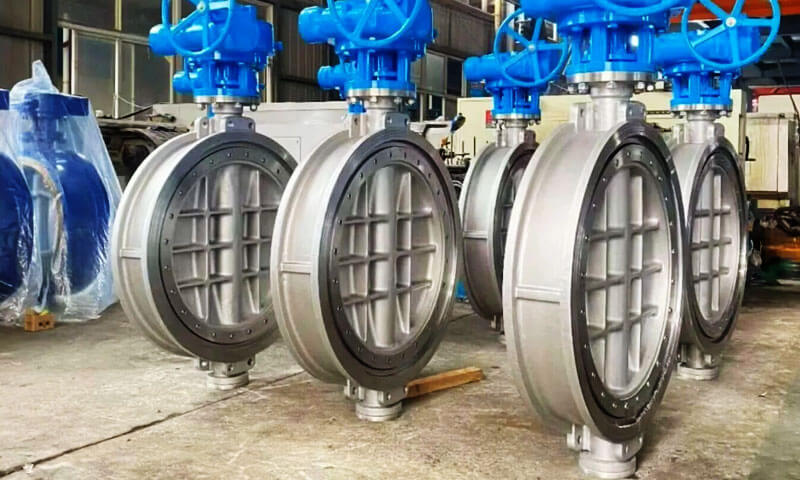
As válvulas borboleta estão entre os dispositivos de controle de fluxo mais utilizados em sistemas de tubulação industrial, oferecendo um simples, compactar, solução econômica e econômica para regular o fluxo de gases, líquidos, e pastas.
Quando a aplicação exige força, economia, e resistência moderada à corrosão, válvulas borboleta de aço carbono tornou-se a escolha padrão - especialmente no tratamento de água, petróleo e gás, geração de energia, e serviços industriais em geral.
A produção de componentes de válvulas borboleta em aço carbono - corpos, discos, caules, e colchetes - tradicionalmente depende de fundição ou fabricação em areia.
No entanto, elenco de investimento (fundição perdida) emergiu como uma rota de fabricação superior para muitos componentes de válvulas de aço carbono, oferta precisão de formato quase líquido, Excelente acabamento superficial, tolerâncias dimensionais apertadas, e propriedades mecânicas consistentes.
Este artigo fornece um guia técnico e estratégico abrangente para soluções de fundição de precisão para válvulas borboleta de aço carbono.
1. O que é uma válvula borboleta de aço carbono?
UM aço carbono válvula de borboleta é uma válvula rotativa de um quarto de volta projetada para iniciar, parar, ou regular o fluxo de fluido girando um disco circular em torno de um eixo central.
Ao contrário das válvulas de movimento linear, como válvulas gaveta ou válvulas globo, as válvulas borboleta requerem apenas uma rotação de 90 graus para se mover entre as posições totalmente abertas e totalmente fechadas, permitindo operação rápida com torque mínimo.
Seu design simples, porém eficiente, faz delas um dos tipos de válvulas mais versáteis para sistemas industriais de manuseio de fluidos.
Válvulas borboleta de aço carbono são amplamente utilizadas em tubulações que transportam água, vapor, óleo, gás natural, ar comprimido, e vários meios não corrosivos ou levemente corrosivos.
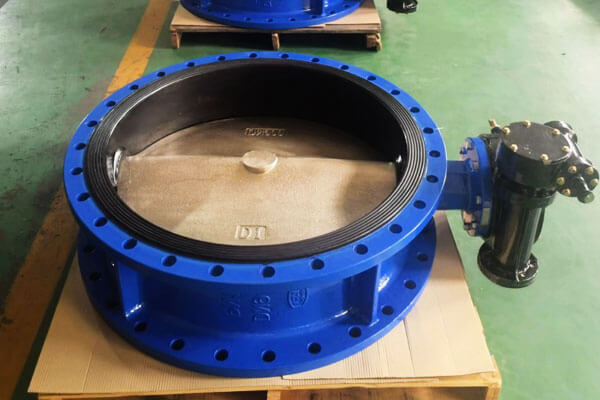
Componentes básicos de uma válvula borboleta
| Componente | Função |
| Corpo | Caixa que contém o disco, assentos, e caule; fornece conexões de tubos (flangeado, arrastar, wafer). |
| Disco | Membro de fechamento rotativo; controla o fluxo girando da posição aberta para fechada. |
| Tronco (haste) | Transmite torque do atuador para o disco. |
| Assentos | Fornece vedação entre o disco e o corpo; substituível ou integralmente fundido. |
| Atuador | Manual (alavanca, roda de mão) ou automatizado (pneumático, elétrico, hidráulico). |
| Capô / flange superior | Abriga a haste e fornece montagem do atuador. |
| Vedações | Evite vazamentos ao longo da haste. |
Tipos de designs de corpo de válvula borboleta
| Tipo de corpo | Descrição | Aplicações típicas |
| Estilo wafer | Corpo fino com furos para parafusos; imprensado entre flanges de tubo. | Baixa pressão, sistemas compactos, Hvac, linhas de água. |
| Estilo lug | Threaded inserts on each side; serviço de fim de linha possível. | Pressão moderada; acesso de manutenção. |
| Flangeado | Flanges integrais em ambas as extremidades; aparafusado diretamente nos flanges do tubo. | De alta pressão, sistemas de grande diâmetro, óleo & gás. |
| Solda de topo | Extremidades projetadas para soldagem em tubos. | Alta temperatura, de alta pressão, sistemas críticos contra vazamentos. |
Requisitos funcionais críticos para válvulas borboleta de aço carbono
| Exigência | Implicação de engenharia |
| Integridade de pressão | Deve suportar a pressão interna (até ASME Classe 150-600 para aço carbono). |
| Força e resistência | Deve resistir a cargas mecânicas, vibração, e ciclagem térmica. |
| Precisão dimensional | Furo preciso, face de flange, e o alinhamento do furo da haste garantem vedação e operação. |
| Resistência à corrosão | Resistência moderada à atmosfera, água, e ambientes químicos leves. |
| Soldabilidade | As classes de aço carbono devem ser soldáveis para instalação e reparo. |
| Custo-efetividade | Menor custo de material do que o aço inoxidável; adequado para válvulas de grande diâmetro. |
2. Por que a fundição de investimento é ideal para componentes de válvulas borboleta
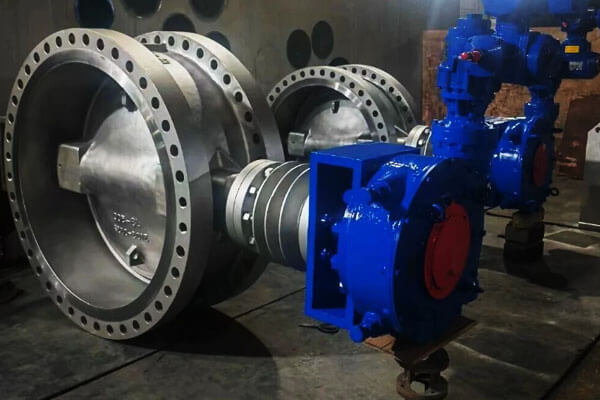
Fundição de investimento, comumente conhecido como processo de fundição por cera perdida, é reconhecida como uma das tecnologias de fabricação mais avançadas para a produção de componentes metálicos de precisão.
Comparado com métodos de fundição convencionais, fundição de precisão oferece melhorias substanciais na precisão dimensional, qualidade da superfície, Integridade estrutural, e consistência de produção, tornando-o particularmente adequado para componentes de válvulas borboleta de alto desempenho.
Precisão dimensional excepcional
As válvulas borboleta contêm inúmeras interfaces usinadas com precisão, incluindo faces de flange, Bores do caule, assentos de rolamento, e superfícies de vedação.
Mesmo pequenos desvios dimensionais podem causar vazamentos, torque operacional excessivo, ou desgaste prematuro.
A fundição de precisão produz componentes com formato quase perfeito e tolerâncias restritas, reduzindo significativamente a necessidade de usinagem corretiva e garantindo excelente intercambialidade entre peças.
Os benefícios incluem:
- Melhor eficiência de montagem
- Permissões de usinagem reduzidas
- Melhor desempenho de vedação
- Qualidade consistente do produto em todos os lotes de produção
Acabamento da superfície superior
Ao contrário da fundição em areia, onde moldes grosseiros geralmente deixam superfícies ásperas, a fundição por cera utiliza revestimentos cerâmicos finos que reproduzem com precisão o padrão de cera.
A rugosidade superficial típica varia de RA 3.2-6,3 μm, fornecendo:
- Melhor adesão do revestimento
- Requisitos de polimento reduzidos
- Menor resistência a fluidos
- Aparência aprimorada para componentes de válvula expostos
Um caminho de fluxo interno mais suave também contribui para reduzir a turbulência e diminuir a perda de pressão durante a operação.
Geometria Complexa Sem Fabricação Adicional
Os corpos modernos das válvulas borboleta geralmente incorporam nervuras de reforço, almofadas de montagem do atuador, contornos orientadores de fluxo, e estruturas de apoio integradas.
A fabricação desses recursos por meio de usinagem ou fabricação aumenta a complexidade e o custo da produção.
A fundição de precisão permite que essas geometrias complexas sejam formadas diretamente durante a fundição, reduzindo o número de juntas soldadas e melhorando a integridade estrutural.
Qualidade metalúrgica aprimorada
Porque o metal fundido preenche um molde cerâmico de precisão sob condições cuidadosamente controladas, fundição de investimento pode alcançar:
- Estrutura de grão uniforme
- Segregação reduzida
- Menor conteúdo de inclusão
- Densidade melhorada
- Maior resistência à fadiga
Estas vantagens metalúrgicas são particularmente valiosas para válvulas que operam sob pressão cíclica ou condições térmicas flutuantes.
Maior utilização de materiais
A usinagem tradicional geralmente remove uma porção significativa da matéria-prima para atingir a geometria final, resultando em desperdício desnecessário.
A fundição de precisão produz componentes próximos de suas dimensões finais, oferecendo vários benefícios econômicos:
- Menos desperdício de materiais
- Tempo de usinagem reduzido
- Menor desgaste da ferramenta
- Ciclos de produção mais curtos
- Sustentabilidade melhorada
Comparação de métodos de fabricação
| Método de fabricação | Precisão | Acabamento superficial | Utilização do material | Eficiência de produção | Aplicações adequadas |
| Elenco de investimento | Excelente | Excelente | Excelente | Alto | Componentes da válvula de precisão |
| Fundição de areia | Moderado | Duro | Moderado | Alto | Grande, fundições simples |
| Forjamento | Excelente | Bom | Moderado | Médio | Peças de pressão de alta resistência |
| Usinagem CNC | Excelente | Excelente | Baixo | Baixo | Componentes personalizados de pequenos lotes |
3. Seleção de material de aço carbono para fundição de investimento
A seleção do material é uma das decisões de engenharia mais críticas na fabricação de válvulas borboleta fundidas.
Embora o processo de microfusão determine a precisão dimensional e a integridade estrutural, o classe de aço carbono
Classes comuns de aço carbono para válvulas borboleta fundidas
Diferentes classes de aço carbono são projetadas para atender condições específicas de serviço.
Aços carbono fundidos padrão, como WCB e WCC são amplamente utilizados para aplicações industriais em geral, enquanto classes de baixa temperatura, como LCB e LCC são selecionados para serviço criogênico.
Para ambientes de temperatura elevada, aços fundidos com liga de cromo-molibdênio, incluindo WC6 e WC9
A tabela abaixo resume as classes mais comumente usadas para componentes de válvula borboleta fundidos.
| Grau ASTM | EUA Não. | Carbono (%) | Força de escoamento (MPA) | Resistência à tracção (MPA) | Alongamento (%) | Temperatura máxima de serviço | Aplicações típicas |
| WCA | J02502 | ≤0,25 | ≥205 | ≥415 | ≥24 | 425° c | Válvulas econômicas para serviços de baixa pressão e não críticos |
| WCB | J03002 | ≤0,30 | ≥250 | ≥485 | ≥22 | 425° c | Válvulas borboleta padrão para água, óleo, gás, e vapor |
| WCC | J02505 | ≤0,25 | ≥275 | ≥485 | ≥22 | 425° c | Válvulas para serviços pesados que exigem maior resistência e melhor soldabilidade |
| LCB | J03003 | ≤0,25 | ≥240 | ≥450 | ≥22 | -46° c | Tubulações de baixa temperatura e sistemas refrigerados |
| LCC | J03005 | ≤0,25 | ≥275 | ≥485 | ≥22 | -46° c | Instalações de GNL, processamento criogênico, e aplicações em climas frios |
| WC6 | J12072 | 0.05–0.20 | ≥275 | ≥550 | ≥20 | 540° c | Sistemas de geração de vapor e energia de alta temperatura |
| WC9 | J21890 | 0.05–0,18 | ≥310 | ≥585 | ≥20 | 595° c | Equipamentos petroquímicos e de refinaria de alta temperatura |
Entre esses materiais, ASTM A216 WCB continua sendo a referência da indústria para corpos de válvulas borboleta em aço carbono devido ao seu excelente equilíbrio de desempenho mecânico, castabilidade, MACHINABILIDADE, e custo-efetividade.
É a escolha preferida para a maioria das aplicações industriais que operam sob temperaturas ambiente ou moderadamente elevadas.
4. Processo de fabricação de fundição de investimento para válvula borboleta
O desempenho de uma válvula borboleta de aço carbono é determinado não apenas pelo seu design e seleção de materiais, mas também pela precisão e estabilidade do seu processo de fabricação..
Fundição de investimento, também conhecido como processo de fundição por cera perdida, é um método de produção altamente controlado, capaz de fabricar componentes complexos de válvulas com precisão dimensional excepcional, Excelente acabamento superficial, e propriedades metalúrgicas consistentes.
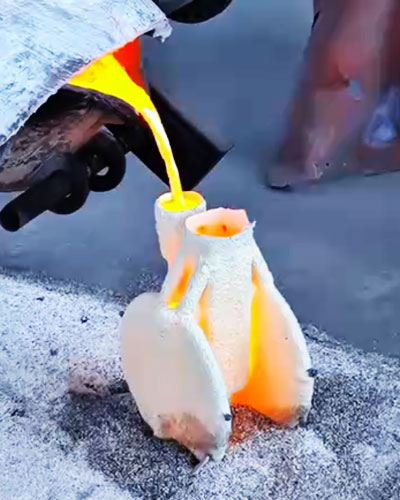
Ao contrário da fundição em areia convencional, fundição de investimento produz em forma de net-net componentes que exigem significativamente menos usinagem, mantendo tolerâncias mais rigorosas.
Este processo é particularmente adequado para corpos de válvulas borboleta, discos, Suportes de montagem, e outras peças estruturais onde a precisão afeta diretamente o desempenho da vedação e a confiabilidade operacional.
Visão geral do fluxo do processo
| Estágio | Etapa | Detalhe principal |
| 1 | Produção de padrões | Injeção de cera em matriz metálica de precisão (ferramenta) replicando o formato do corpo da válvula. |
| 2 | Montagem de árvore | Vários padrões de cera anexados ao canal central (árvore). |
| 3 | Construção da concha | 6-10 camadas de pasta cerâmica (Sílica sol) + estuque (zircão/alumina). |
| 4 | DeWaxing | Autoclave a vapor derrete cera; restos de casca. |
5 |
Disparo de projétil | Queimado a 900-1100°C para fortalecer a cerâmica e remover voláteis. |
| 6 | Fusão de aço carbono & derramando | Fusão por indução ou arco a 1550-1650°C; derramado em casca pré-aquecida. |
| 7 | Resfriamento & suprimir | Resfriamento controlado; concha removida por vibração ou jato de água. |
| 8 | Cortar & acabamento | Corte de portões e risers; moagem, tiro jateando, caindo. |
| 9 | Tratamento térmico | Normalização ou alívio de tensão para atingir propriedades especificadas. |
| 10 | Inspeção & teste | Visual, dimensional, Ndt (Raio X, penetrante de corante), teste de pressão hidrostática. |
Controles de processos críticos para corpos de válvulas de aço carbono
| Fator | Alvo | Por que isso importa |
| Temperatura de derramamento | 1550-1650°C | Muito baixo → erro de execução; muito alto → erosão da casca, porosidade do gás. |
| Pré-aquecimento da casca | 200-600 °C | Evita choque térmico; melhora o preenchimento. |
| Taxa de resfriamento | Controlado (ar) | Evita a precipitação de carbonetos; garante resistência. |
| Projeto de portão | Evita turbulência; promove solidificação direcional | Reduz inclusões e porosidade de contração. |
| Tratamento térmico | Normalizando (870-930°C) ou alívio do estresse (600-650 °C) | Alcança propriedades mecânicas especificadas; alivia o estresse residual. |
Tratamento térmico de peças fundidas de válvulas de aço carbono
| Tratamento | Temperatura | Resfriamento | Propósito |
| Normalizando | 870-930°C | Ar fresco | Refina a estrutura de grãos; melhora a força e a resistência. |
| Alívio do estresse | 600-650 °C | Forno ou ar fresco | Reduz o estresse residual de fundição e soldagem. |
| Tireização & temering | 850-900 °C (Querece) + 550-650 °C (temperamento) | Óleo ou água + ar | Aumenta a força e a dureza (para aplicações de nível superior). |
5. Soluções de resistência à corrosão e proteção de superfícies
O aço carbono é amplamente valorizado por sua alta resistência, Excelente máquina, e custo-efetividade. No entanto, ao contrário do aço inoxidável, isto não possui resistência inerente à corrosão.
Quando exposto ao oxigênio, umidade, sais, ou meios quimicamente agressivos, o aço carbono é suscetível à oxidação, corrosão uniforme, Pitting, e corrosão de fendas.
Sem proteção adequada, esses mecanismos de corrosão podem reduzir gradualmente a espessura da parede, prejudicar o desempenho da vedação, aumentar o torque operacional, e, em última análise, reduzir a vida útil da válvula borboleta.
Felizmente, os avanços na engenharia de superfície tornaram possível que as válvulas borboleta de aço carbono alcançassem durabilidade a longo prazo, mesmo em condições de serviço exigentes, através do uso de revestimentos protetores, acabamentos metálicos, revestimentos, e estratégias de manutenção adequadas.
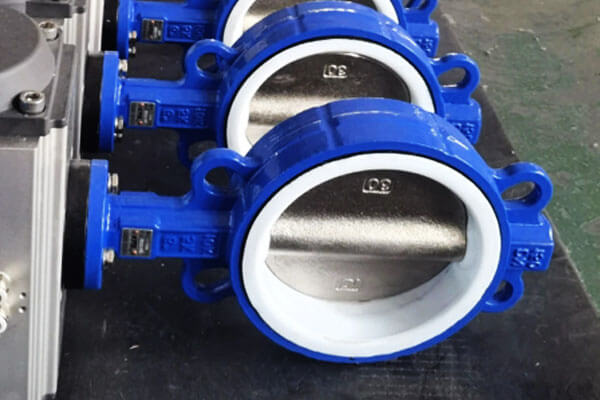
Métodos comuns de proteção contra corrosão
Várias tecnologias de tratamento de superfície estão disponíveis para válvulas borboleta de aço carbono, cada um oferecendo diferentes níveis de resistência à corrosão, desgaste de proteção, e eficiência econômica.
| Método de proteção | Descrição do processo | Espessura típica do revestimento (μm) | Vida útil estimada* | Aplicações típicas |
| Pintura Epóxi / Revestimento Líquido | Aplicação de tinta epóxi industrial com spray ou pincel | 100–300 | 5–15 anos | Válvulas industriais gerais, água, ar, Hvac |
| Revestimento em pó | Pulverização eletrostática de pó seguida de cura em forno | 60–120 | 10–20 anos | Água municipal, Equipamento industrial, instalações externas |
| Epóxi ligado por fusão (Fbe) | Pó epóxi eletrostático aplicado em superfície de aço aquecida | 250–500 | 20–30 anos | Tubulações de água, oleodutos enterrados, sistemas de proteção contra incêndio |
| Galvanização a quente | Imersão em zinco fundido para formar um revestimento de zinco metalúrgico | 50–100 | 20–40 anos | Estruturas externas, instalações costeiras, equipamento marítimo |
| Eletroplatação (Zinco/Níquel) | Deposição eletroquímica de revestimentos metálicos | 5–25 | 5–15 anos | Prendedores, caules, proteção decorativa ou para serviços leves |
Fosfatando |
Revestimento de conversão química produzindo uma camada de fosfato | 5–20 | 2–5 anos | Pré-tratamento antes de pintar, proteção temporária contra corrosão |
| Forro ou revestimento PTFE/FEP | Forro de fluoropolímero aplicado em superfícies internas | 300–1000 | Depende das condições de serviço | Produtos químicos corrosivos, ácidos, Alkalis |
| Proteção catódica | Ânodos de sacrifício ou sistemas de corrente impressa | - | Dependente do design | Oleodutos enterrados, válvulas submersas |
| Tolerância à corrosão | Espessura de parede adicional incorporada durante o projeto | 1–3 mm | Dependente do design | Dutos industriais de longo prazo |
Observação: A vida útil real varia dependendo das condições ambientais, qualidade do revestimento, práticas de manutenção, e temperatura de operação.
Entre esses métodos, Epóxi ligado por fusão (Fbe) tornou-se uma das soluções mais amplamente adotadas para válvulas borboleta de aço carbono no abastecimento de água municipal, Tratamento de águas residuais, e infraestrutura de dutos devido à sua excelente adesão, Resistência química, e durabilidade a longo prazo.
Selecionando o sistema de proteção de superfície apropriado
Nenhum sistema de revestimento é adequado para todos os ambientes operacionais.
A seleção de uma solução de proteção contra corrosão deve ser baseada em uma avaliação abrangente da exposição ambiental, características da mídia, temperatura de serviço, desgaste mecânico, e acessibilidade de manutenção.
As recomendações a seguir fornecem orientação prática para cenários de aplicação comuns.
| Ambiente Operacional | Proteção de superfície recomendada | Justificativa de Engenharia |
| Interior, ambientes secos | Tinta epóxi ou revestimento em pó (100–150 μm) | Proteção econômica contra corrosão atmosférica |
| Ar livre, instalações não costeiras | Revestimento epóxi de alta espessura ou galvanização por imersão a quente | Excelente resistência à chuva, umidade, e exposição UV |
| Ambientes costeiros e marinhos | Galvanização por imersão a quente com acabamento epóxi (sistema de revestimento duplex) | O zinco fornece proteção sacrificial enquanto o epóxi atua como uma barreira contra a névoa salina |
| Abastecimento de água e tratamento de águas residuais | Epóxi de fusão interna e externa (Fbe) revestimento | Excelente resistência à água, produtos químicos leves, e corrosão influenciada microbiologicamente |
Processamento químico |
Forro PTFE ou FEP; alternativamente, aço inoxidável para serviços severos | Os revestimentos de fluoropolímero resistem a ácidos agressivos, Alkalis, e solventes |
| Oleodutos enterrados | Revestimento FBE combinado com proteção catódica | Previne a corrosão do solo e prolonga a vida útil subterrânea |
| Ambientes de alta abrasão | Revestimento cerâmico epóxi ou revestimento de polímero resistente ao desgaste | Melhora a resistência à corrosão e à abrasão |
Estratégias de projeto para maior resistência à corrosão
Além dos tratamentos de superfície, um projeto de engenharia cuidadoso desempenha um papel significativo na melhoria da resistência à corrosão das válvulas borboleta de aço carbono.
As principais considerações de design incluem:
- Manutenção espessura uniforme da parede para minimizar a corrosão localizada.
- Eliminar fendas onde umidade e contaminantes podem se acumular.
- Projetando passagens de fluxo internas suaves para reduzir a erosão-corrosão.
- Incorporando raios generosos para evitar concentração de tensão e afinamento do revestimento.
- Isolamento de metais diferentes para evitar corrosão galvânica.
- Permitindo tolerância suficiente à corrosão em aplicações com perda de material previsível.
- Seleção de materiais de vedação e fixadores compatíveis para o ambiente de serviço.
6. Defeitos comuns de fundição e soluções de engenharia
A fundição de precisão é conhecida por produzir componentes de alta precisão, ainda assim, nenhum processo de fabricação está totalmente imune a defeitos.
Variações no projeto do molde, qualidade de metal, Parâmetros de derramamento, condições de resfriamento, ou o controle do processo pode levar a imperfeições que afetam as propriedades mecânicas, precisão dimensional, e desempenho de vedação de componentes de válvulas borboleta.
Compreender as causas desses defeitos – e implementar soluções de engenharia adequadas – é essencial para alcançar uma qualidade consistente do produto e minimizar os custos de produção..
| Defeito | Assinatura visual/END | Causa raiz | Prevenção / remédio |
| Porosidade do gás | Vazios internos redondos | Hidrogênio/nitrogênio dissolvido; desoxidação inadequada. | Queime para derreter; melhorar a prática de vazamento; usar carga limpa. |
| Porosidade de encolhimento | Irregular, vazios internos irregulares | Alimentação insuficiente; projeto pobre do riser. | Otimize o gate/risering; usar calafrios; simular solidificação. |
| Lágrima quente | Rachaduras com bordas irregulares | Tensão de tração durante a solidificação final; restrição de molde. | Reduza a temperatura de vazamento; melhorar a colapsabilidade do shell. |
| Inclusões (óxido/escória) | Partículas não metálicas irregulares | Derramamento turbulento; derretimento sujo; casca erodida. | Filtros cerâmicos; vazamento de fundo; carga limpa. |
Egito / fechado a frio |
Preenchimento incompleto; superfície dobrada | Baixa temperatura de vazamento; pouca fluidez. | Aumentar a temperatura de vazamento; melhorar o portão. |
| Rugosidade da superfície / barbatanas | Linhas elevadas na superfície | Quebra da casca durante o enchimento; baixa resistência da casca. | Aumentar a espessura da casca; use um aglutinante mais forte. |
| Desvio dimensional | Dimensões fora da tolerância | Variação de encolhimento de cera; expansão de casca; morrer desgaste. | Controle de injeção de cera; manter a condição da matriz. |
Garantia de qualidade para peças fundidas de válvulas de aço carbono
| Elemento de controle de qualidade | Método | Critérios de aceitação |
| Análise química | Espectrometria | Atende à especificação ASTM A216. |
| Teste mecânico | Tração, dureza, impacto | Rendimento ≥250 MPa; Alongamento ≥22%. |
| Ndt | Penetrante de corante (Pt) ou radiografia (Rt) | Sem rachaduras, porosidade excedendo a especificação. |
| Inspeção dimensional | Cmm, medidores | Atende às tolerâncias de desenho; planicidade da face do flange. |
| Teste de pressão | Hidrostático (1.5× pressão nominal) | Sem vazamento; sem deformação. |
| Acabamento superficial | Visual, perfilômetro | Ra ≤6,3 µm (ou conforme especificado). |
7. Vantagens da válvula borboleta de aço carbono para fundição de investimento
| Vantagem | Explicação |
| Geometrias complexas | Passagens de fluxo interno, costelas, flanges, e recursos de montagem fundidos integralmente. |
| Formato Near-Net | Reduz o tempo de usinagem e o desperdício de material (85-95% de rendimento do material). |
| Excelente acabamento superficial | As‑cast Ra 1,6‑6,3 µm reduz a resistência ao fluxo e problemas de vedação. |
| Tolerâncias dimensionais apertadas | ±0,1‑0,3 mm; garante alinhamento do flange e vedação à prova de vazamentos. |
| Propriedades mecânicas consistentes | Estrutura de grão uniforme; força e resistência confiáveis. |
| Flexibilidade da liga | Lança WCB, WCC, LCB, LCC, WC6, WC9, e notas personalizadas. |
| Custo-efetividade | Custo total mais baixo do que forjamento + usinagem para formas complexas. |
| Integridade de pressão | Fundições sólidas resistem a altas pressões (Classe 150‑600). |
| Soldabilidade | Classes de aço carbono fundido são facilmente soldáveis para instalação e reparo. |
| Escalabilidade | Adequado para tamanhos de lote de 100 para 10,000+ componentes por ano. |
8. Aplicações industriais de válvulas borboleta de aço carbono
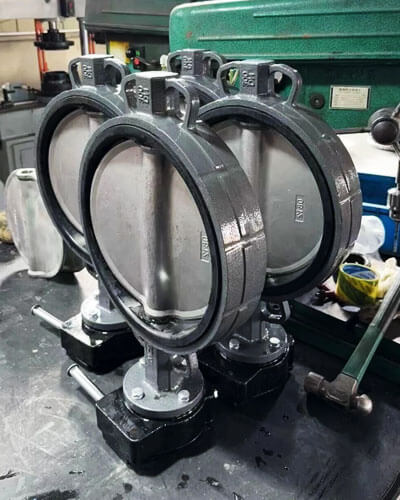
As válvulas borboleta de aço carbono fabricadas através de microfusão são amplamente utilizadas em indústrias que exigem controle de fluxo confiável, alta resistência mecânica, e operação econômica.
Sua excelente capacidade de suportar pressão, combinado com fabricação de precisão e tratamentos de superfície protetores, permite que eles tenham um desempenho eficiente em uma ampla variedade de ambientes de serviço.
Indústria de petróleo e gás
O setor de petróleo e gás apresenta algumas das mais altas demandas no desempenho das válvulas.
As válvulas borboleta são comumente instaladas em upstream, meio do caminho, e operações downstream onde regulam o fluxo de petróleo bruto, gás natural, produtos refinados, e fluidos auxiliares de processo.
As aplicações típicas incluem:
- Sistemas de transporte por dutos
- Refinarias de petróleo
- Plantas de processamento de gás
- Terminais de armazenamento
- Plataformas offshore
- Estações de bombeamento
Abastecimento de Água e Tratamento de Águas Residuais
A infraestrutura hídrica municipal depende muito de válvulas borboleta porque elas fornecem controle de fluxo econômico para tubulações de grande diâmetro.
Aplicações comuns incluem:
- Distribuição de água potável
- Plantas de tratamento de água
- Instalações de tratamento de águas residuais
- Estações de bombeamento
- Sistemas de irrigação
- Plantas de dessalinização
Indústria de processamento químico
As instalações de produção química exigem válvulas capazes de lidar com uma ampla variedade de líquidos e gases sob condições controladas.
As válvulas borboleta de aço carbono são adequadas para meios levemente corrosivos quando equipadas com revestimentos apropriados ou revestimentos protetores.
As aplicações típicas incluem:
- Dutos de transferência química
- Tanques de armazenamento
- Sistemas de água de resfriamento
- Pipelines de serviços públicos
- Sistemas de manuseio de solventes
Dependendo do meio do processo, os discos e sedes das válvulas podem ser revestidos com PTFE ou outros materiais resistentes à corrosão.
Geração de energia
As usinas operam sob altas temperaturas e pressões, exigindo desempenho confiável da válvula durante ciclos operacionais contínuos.
As válvulas borboleta são comumente usadas em:
- Circulação de água de resfriamento
- Sistemas condensadores
- Sistemas auxiliares de caldeira
- Dessulfurização de gás de combustão (FGD)
- Redes de proteção contra incêndio
Mineração e Processamento Mineral
As operações de mineração transportam lamas abrasivas, águas residuais, e fluidos de processo que causam desgaste considerável nos equipamentos da tubulação.
As válvulas borboleta são frequentemente instaladas em:
- Sistemas de transporte de lama
- Dutos de rejeitos
- Plantas de processamento de minério
- Sistemas de recuperação de água
- Sistemas de supressão de poeira
Indústria de construção marinha e naval
Ambientes marinhos expõem equipamentos à umidade, spray de sal, e temperaturas flutuantes.
As aplicações típicas incluem:
- Sistemas de água de lastro
- Circuitos de água de resfriamento
- Sistemas de esgoto
- Linhas de transferência de combustível
- Sistemas de proteção contra incêndio
HVAC e serviços de construção
Edifícios comerciais e instalações industriais utilizam válvulas borboleta para aquecimento, ventilação, e sistemas de ar condicionado.
As aplicações incluem:
- Sistemas de água gelada
- Circulação de água quente
- Torres de resfriamento
- Aquecimento urbano
- Sistemas de extinção de incêndios
Alimentos e Utilidades Industriais Gerais
Embora o aço inoxidável seja geralmente preferido para processos higiênicos, válvulas borboleta de aço carbono são amplamente utilizadas em sistemas utilitários que atendem instalações de alimentos e bebidas.
As aplicações típicas incluem:
- Distribuição de vapor
- Água de resfriamento
- Ar comprimido
- Pipelines de serviços públicos
- Água de processo não produto
9. Aço carbono vs.. Válvula de borboleta de aço inoxidável
Selecionando entre um aço carbono e a válvula borboleta de aço inoxidável requer avaliar mais do que apenas o preço de compra inicial.
Os engenheiros devem considerar o desempenho mecânico, Resistência à corrosão, ambiente operacional, requisitos de manutenção, custo do ciclo de vida, e conformidade com os padrões da indústria.
| Fator de comparação | Válvula borboleta de aço carbono | Válvula de borboleta de aço inoxidável |
| Classes de materiais comuns | ASTM A216 WCB, WCC, LCB, LCC | ASTM A351 CF8, CF8M, Cf3, CF3M |
| Força mecânica | Excelente resistência e rigidez; ideal para médio- e sistemas de alta pressão | Alta resistência com excelente tenacidade; resistência ao escoamento ligeiramente inferior para alguns tipos de austeníticos |
| Resistência à corrosão | Moderado; requer revestimentos ou revestimentos protetores para evitar ferrugem | Excelente resistência à corrosão inerente devido ao filme passivo rico em cromo |
| Capacidade de temperatura | Adequado para aproximadamente -46°C a 425 °C (classes especiais disponíveis para temperaturas mais altas) | Adequado para serviço criogênico e temperaturas elevadas, dependendo do grau da liga |
| Desempenho de pressão | Excelente capacidade de suporte de pressão para sistemas de tubulação industrial | Capacidade de pressão comparável quando projetada de acordo com os mesmos padrões |
Requisitos de proteção de superfície |
Revestimento epóxi, Fbe, galvanizando, Forro de PTFE, ou outros tratamentos de proteção são geralmente necessários | Geralmente não é necessário revestimento externo, exceto por condições estéticas ou especiais de serviço |
| Resistência ao desgaste e abrasão | Excelente após tratamento térmico; adequado para meios industriais abrasivos | Boa resistência ao desgaste; pode exigir revestimento duro em aplicações de abrasão severa |
| Soldabilidade | Bom (especialmente o CMI); pode exigir tratamento térmico pós-soldagem dependendo da espessura | Excelente soldabilidade com tratamento pós-solda mínimo para muitas classes |
| MACHINABILIDADE | Melhor usinabilidade; menor desgaste das ferramentas e velocidades de usinagem mais rápidas | Mais difícil de usinar devido à maior tendência de endurecimento |
| Custo de fabricação | Menores custos de matéria-prima e processamento | Maiores custos de material e usinagem |
| Requisitos de manutenção | É necessária inspeção periódica do revestimento e manutenção contra corrosão | Menor manutenção em ambientes corrosivos devido à superfície autopassivante |
Vida de serviço esperada |
Longa vida útil com revestimento e manutenção adequados | Vida útil muito longa, especialmente em ambientes corrosivos ou marinhos |
| Aplicações típicas | Óleo & gás, tratamento de água, Hvac, geração de energia, mineração, infraestrutura municipal | Processamento químico, Engenharia Marinha, farmacêutico, comida & bebida, dessalinização, Plataformas offshore |
| Vantagens primárias | Alta resistência, econômico, excelente resistência à pressão, ideal para válvulas de grande diâmetro | Resistência superior à corrosão, higiênico, baixa manutenção, excelente durabilidade |
| Limitações Primárias | Suscetível à corrosão sem tratamento protetor | Maior investimento inicial e custo de usinagem |
| Melhor cenário de seleção | Projetos econômicos com meios não corrosivos ou levemente corrosivos | Altamente corrosivo, sanitário, rico em cloreto, ou ambientes críticos de manutenção |
| Desempenho geral de custos | Menor investimento inicial e excelente valor para serviços industriais em geral | Custo inicial mais alto, mas menor manutenção e ciclo de vida mais longo em aplicações corrosivas |
10. Conclusão
À medida que os sistemas industriais continuam a evoluir em direção a uma maior eficiência, maior confiabilidade, e menores custos do ciclo de vida, a demanda por equipamentos de controle de fluxo projetados com precisão nunca foi tão grande.
Entre as muitas tecnologias de fabricação de válvulas disponíveis atualmente, a fundição de precisão se estabeleceu como um dos processos mais avançados e confiáveis para a produção de válvulas borboleta de aço carbono de alta qualidade.
Sua capacidade de fabricar componentes complexos com excepcional precisão dimensional, Acabamento da superfície superior, e propriedades metalúrgicas consistentes proporcionam uma vantagem competitiva significativa em relação aos métodos convencionais de fundição.
Olhando para o futuro, tecnologias emergentes - incluindo a indústria 4.0, inteligência artificial (Ai), Internet Industrial das Coisas (Iiot), Automação robótica, gêmeos digitais, e monitoramento de processos em tempo real - espera-se que transformem ainda mais a indústria de fundição de precisão.
À medida que as indústrias continuam a exigir maior desempenho, vida mais longa, e menor custo, válvulas de aço carbono fundido por investimento — com seu design robusto e fabricação precisa — continuarão sendo uma solução crítica para controle de fluxo.
Válvula borboleta de aço carbono personalizada da LangHe Foundry
Langhe Foundry é especializada na fabricação personalizada de componentes de válvula borboleta em aço carbono fundido, oferecendo soluções integradas desde projeto de engenharia e fundição de precisão até usinagem CNC, tratamento térmico, acabamento superficial, e inspeção de qualidade.
Seja para petróleo e gás, tratamento de água, geração de energia, Processamento químico, mineração, Engenharia Marinha, ou sistemas de tubulação industrial em geral,
A LangHe Foundry fornece soluções personalizadas de fundição de válvulas borboleta projetadas para atender aos padrões internacionais e requisitos técnicos específicos do cliente.
Sua combinação de experiência em engenharia, fabricação de precisão, e o rigoroso controle de qualidade fazem da LangHe um parceiro confiável para OEMs, fabricantes de válvulas, e fornecedores de equipamentos industriais que buscam durabilidade, componentes de válvula borboleta de aço carbono de alto desempenho.
Perguntas frequentes
Qual é o tipo de aço carbono mais comum para corpos de válvulas borboleta?
WCB (ASTM A216) é a classe mais comum para corpos de válvulas borboleta de uso geral, oferecendo boa força (≥485 MPa de tração), soldabilidade, e economia.
Qual é a diferença entre válvulas tipo wafer e tipo lug?
As válvulas tipo wafer são finas e fixadas entre flanges; elas não podem ser usadas como válvulas de fim de linha.
As válvulas tipo lug possuem inserções roscadas e podem ser parafusadas em um lado do tubo para serviço de fim de linha.
As válvulas borboleta de aço carbono podem ser soldadas em campo?
Sim, As classes WCB e WCC são facilmente soldáveis. Pré -aquecimento (100-150 °C) e tratamento térmico pós-soldagem são recomendados para seções espessas.
Por que a fundição de precisão é preferida à fundição em areia para válvulas borboleta de aço carbono?
A fundição de precisão oferece precisão dimensional significativamente maior, acabamentos de superfície mais suaves, e tolerâncias de fabricação mais restritas do que a fundição em areia tradicional.
Porque os componentes são produzidos em um formato quase final, menos usinagem é necessária, reduzindo o tempo de produção e o desperdício de material.
Além disso, a fundição de precisão produz uma microestrutura mais uniforme com menos defeitos internos, resultando em melhor resistência mecânica, desempenho de vedação, e consistência do produto.
Essas vantagens a tornam particularmente adequada para componentes de válvulas borboleta que exigem superfícies de contato precisas e operação confiável a longo prazo.