Dowiedz się o chemii poliamidów, kluczowe właściwości mechaniczne i termiczne, Metody produkcyjne, wzmocnione stopnie, zalety, ograniczenia, recykling, i zastosowań przemysłowych.
Poliamid to jedna z najbardziej wszechstronnych i powszechnie stosowanych rodzin polimerów konstrukcyjnych na świecie.
Od szczoteczki do zębów w łazience po wysokowydajne przekładnie w silnikach samochodowych, od włókien odzieży po elementy konstrukcyjne w zastosowaniach lotniczych, poliamidy są wszędzie.
Ich wyjątkowe połączenie wytrzymałości mechanicznej, odporność na zużycie, Stabilność chemiczna, i łatwość przetwarzania uczyniły je niezbędnymi w niezliczonych gałęziach przemysłu.
W komercyjnej praktyce inżynierskiej, termin nylon jest często używany zamiennie z poliamidem.
Chociaż jest to powszechnie akceptowalne w przypadku wielu popularnych materiałów, takich jak PA6 i PA66, poliamid jest w rzeczywistości szerszą klasyfikacją naukową i techniczną.
Rodzina obejmuje konwencjonalne nylony alifatyczne, poliamidy długołańcuchowe, wysokotemperaturowe półaromatyczne poliamidy, oraz wysoce wyspecjalizowane aromatyczne poliamidy, takie jak aramidy.
1. Co to jest poliamid?
Poliamid (ROCZNIE) to klasa polimerów zawierających powtarzające się grupy amidowe w głównym łańcuchu molekularnym. Wiązanie amidowe jest powszechnie przedstawiane jako:
–CO–NH–
Wiązanie amidowe powstaje w wyniku reakcji kondensacji pomiędzy grupą kwasu karboksylowego (–COOH) i grupę aminową (–NH2).
Ogólną strukturę chemiczną poliamidu można przedstawić jako:
- -[–CO–R–CO–NH–R’–NH–]- -
Gdzie R i R' są łańcuchami węglowodorowymi o różnej długości.
Te powtarzające się wiązania chemiczne odróżniają poliamidy od innych głównych rodzin polimerów, takich jak polietylen, polipropylen, poliwęglan, i poliester.
Poliamidy można wytwarzać z różnych układów monomerów, w wyniku czego powstają materiały o znacząco różnych strukturach molekularnych i właściwościach użytkowych.
W zależności od składu chemicznego, poliamid może być stosunkowo elastyczny i odporny na wilgoć, bardzo sztywny i odporny na zużycie, lub zdolne do pracy w podwyższonych temperaturach.
Na poziomie molekularnym, grupy amidowe są polarne i mogą tworzyć wiązania wodorowe pomiędzy sąsiadującymi łańcuchami polimeru.
Te siły międzycząsteczkowe pomagają stworzyć stosunkowo mocną i spójną strukturę polimeru. W rezultacie, zapewnia wiele poliamidów:
- Wysoka wytrzymałość na rozciąganie i sztywność
- Dobra wytrzymałość i odporność na zmęczenie
- Doskonała odporność na ścieranie i zużycie
- Niskie tarcie w odpowiednich warunkach
- Dobra odporność na oleje, paliwa, i wiele chemikaliów przemysłowych
- Przydatna wydajność cieplna
- Duży potencjał wzmocnienia włóknem szklanym, włókno węglowe, lub wypełniacze mineralne
W przeciwieństwie do polimerów termoutwardzalnych, najważniejszymi handlowo poliamidami konstrukcyjnymi są tworzywa termoplastyczne.
Pod wpływem ogrzewania miękną lub topią się i można je przetwarzać takimi metodami, jak formowanie wtryskowe i wytłaczanie.
Dzięki tej przetwarzalności poliamid jest szczególnie ważny w nowoczesnej produkcji, ponieważ często złożone komponenty można wytwarzać w dużych ilościach w sposób ekonomiczny, przy jednoczesnym zachowaniu dobrych właściwości mechanicznych.
Związek między poliamidem i nylonem
Termin nylon został po raz pierwszy wprowadzony przez firmę DuPont w r 1938 ze względu na poliamid 6,6 (PA66), który był używany we włóknach i tekstyliach.
Nadgodziny, nylon stał się ogólną nazwą poliamidów alifatycznych – najpopularniejszego rodzaju poliamidu – i często jest używany zamiennie z poliamidem w kontekście konsumenckim i przemysłowym.
Jednakże, poliamid to szerszy termin naukowy, który obejmuje:
| Typ | Przykłady | Opis |
| Poliamidy alifatyczne | PA6, PA66, PA11, PA12 | Najpopularniejsze poliamidy; znany również jako nylon. |
| Aromatyczne poliamidy (Aramidy) | Kevlar®, Nomex® | Wysoka wydajność; pierścienie aromatyczne w szkielecie. |
| Półaromatyczne poliamidy | PPA (Poftalamid) | Wydajność w wysokiej temperaturze; aromatyczny + jednostki alifatyczne. |
| Poliamido-Imidy | PAI (Torlon®) | Wysoka wydajność; grupy imidowe oprócz grup amidowych. |
Kluczowy punkt: Wszystkie nylony są poliamidami, ale nie wszystkie poliamidy są nylonami. Termin „poliamid” jest właściwym terminem technicznym dla całej rodziny.
2. Jak powstaje poliamid?
Poliamid wytwarza się poprzez tworzenie długich łańcuchów polimerowych zawierających powtórzenia wiązania amidowe (–CONH–).
W zależności od stopnia, komercyjne poliamidy są produkowane głównie w obu przypadkach polimeryzacja kondensacyjna Lub polimeryzacja z otwarciem pierścienia.
Polimeryzacja kondensacyjna
Wiele poliamidów, w szczególności PA66, powstają w wyniku reakcji diaminy z kwasem dikarboksylowym. W wyniku reakcji powstają wiązania amidowe, uwalniając małe cząsteczki, zazwyczaj woda.
Na przykład, PA66 jest produkowany z heksametylenodiamina I kwas adypinowy.
Precyzyjna kontrola proporcji monomerów, temperatura, ciśnienie, a czas polimeryzacji jest istotny, ponieważ czynniki te wpływają na masę cząsteczkową, lepkość, Krystaliczność, i końcową wydajność mechaniczną.
Polimeryzacja z otwarciem pierścienia
Inne ważne stopnie, jak na przykład PA6, są powszechnie wytwarzane poprzez polimeryzację z otwarciem pierścienia kaprolaktam.
Pod kontrolowaną temperaturą i ciśnieniem, cykliczne cząsteczki kaprolaktamu otwierają się i łączą ze sobą, tworząc długołańcuchowe polimery PA6.
Ta trasa umożliwia wydajną produkcję na dużą skalę i jest szeroko stosowana w inżynieryjnych tworzywach sztucznych, włókna, filmy, i elementy formowane.
Mieszanie i modyfikacja polimerów
Po polimeryzacji, podstawowy poliamid można dalej modyfikować poprzez mieszanie.
Producenci mogą włączyć włókna szklane, włókna węglowe, wypełniacze mineralne, modyfikatory wpływu, środki zmniejszające palność, smary, lub stabilizatory w celu dostosowania materiału do konkretnych zastosowań.
Gotowy polimer jest zazwyczaj granulowany i dostarczany w postaci granulek do późniejszego przetwarzania formowanie wtryskowe, wyrzucenie, Blow Forming, lub inne metody wytwarzania polimerów.
3. Główne typy i gatunki poliamidu
Poliamid nie jest pojedynczym materiałem, ale szeroką rodziną polimerów o znacząco różnych strukturach molekularnych, Zachowanie termiczne, wchłanianie wilgoci, właściwości mechaniczne, i właściwości przetwórstwa.
Poliamidy alifatyczne (Nylony)
Poliamidy alifatyczne stanowią największą i najważniejszą pod względem handlowym grupę poliamidów.
Są szeroko stosowane w formowaniu wtryskowym, wyrzucenie, produkcja włókien, i innych procesów przemysłowych, ponieważ zapewniają korzystną równowagę wytrzymałości mechanicznej, odporność na zużycie, Możliwość przetwarzania, i koszt.
| Stopień | Typowy zakres topnienia (° C.) | Kluczowe właściwości | Typowe zastosowania |
| PA6 | 215–225 | Dobra wytrzymałość, Odporność na uderzenie, odporność na zużycie, i możliwość przetwarzania; stosunkowo wysoka absorpcja wilgoci. | Części samochodowe, Przekładnie, obudowy, Komponenty przemysłowe, włókna. |
| PA66 | 255–265 | Wyższa siła, sztywność, Odporność na ciepło, i odporność na pełzanie niż PA6. | Przekładnie, namiar, tuleje, łączniki, komponenty elektryczne, części samochodowe pod maską. |
| PA11 | 185–195 | Doskonała elastyczność i odporność na uderzenia; niska absorpcja wilgoci i dobra odporność chemiczna. | Elastyczne rurki, przewody pneumatyczne, kurtki kablowe, systemy płynów samochodowych. |
| PA12 | 175–185 | Bardzo niska absorpcja wilgoci, Doskonała odporność chemiczna, elastyczność, i stabilność wymiarowa. | Przewody paliwowe, rurka pneumatyczna, rurki medyczne, izolacja kabla, Precyzyjne elementy. |
PA610 |
215–225 | Lepsza stabilność wymiarowa i niższa absorpcja wilgoci niż PA6 i PA66. | Złącza elektryczne, elementy kabla, części przemysłowe, szczecina. |
| PA612 | 210–220 | Dobra wytrzymałość, Odporność chemiczna, Stabilność wymiarowa, i zmniejszoną absorpcję wody. | Linie płynów samochodowych, komponenty elektryczne, rury, precyzyjnie formowane części. |
| PA1010 | 195–205 | Częściowo lub w dużej mierze potencjał surowców pochodzenia biologicznego; niska absorpcja wilgoci i dobra wytrzymałość. | Zrównoważone produkty konsumenckie, Komponenty samochodowe, Zastosowania przemysłowe. |
Półaromatyczne poliamidy
Półaromatyczne poliamidy łączą alifatyczne segmenty łańcucha ze strukturami aromatycznymi.
Pierścienie aromatyczne zwiększają sztywność molekularną i stabilność termiczną, umożliwiając tym materiałom działanie w temperaturach wykraczających poza praktyczny zakres konwencjonalnych PA6 lub PA66.
| Materialna rodzina | Stopnie reprezentatywne | Typowy zakres topnienia (° C.) | Kluczowe cechy | Typowe zastosowania |
| PPA | PA6T/66, PA6T/6I, PA9T i pokrewne kopoliamidy | Ok. 280–330* | Wysoka odporność na ciepło, wysoka sztywność, dobra odporność chemiczna, niskie pełzanie, i poprawioną stabilność wymiarową. | Elementy samochodowe pod maską, złącza wysokotemperaturowe, Komponenty LED, Części pompowe. |
| Poliamidy na bazie PA6T | Systemy PA6T i kopolimeryzowane PA6T | Często powyżej 300 do kompozycji o wysokiej zawartości PA6T* | Bardzo wysoka stabilność termiczna, doskonała siła, i dobre zachowanie właściwości mechanicznych w podwyższonych temperaturach. | Złącza elektryczne i elektroniczne, Komponenty samochodowe, sprzęt przemysłowy. |
PA9T |
Poliamid 9T | Ok. 300–310* | Wysoka odporność na ciepło, stosunkowo niska absorpcja wilgoci, doskonała stabilność wymiarowa i odporność chemiczna. | Elektronika do montażu powierzchniowego, złącza, precyzyjne elementy elektryczne. |
Aromatyczne poliamidy (Aramidy)
Aromatyczne poliamidy, powszechnie znany jako aramidy, reprezentują klasę wysokiej wydajności, w której pierścienie aromatyczne stanowią główną część szkieletu polimeru.
Ich sztywna struktura molekularna zapewnia im wyjątkową wytrzymałość na rozciąganie, moduł, Stabilność termiczna, oraz – w niektórych gatunkach – odporność na płomienie.
| Typ aramidowy | Materiał reprezentatywny | Struktura molekularna | Kluczowe właściwości | Typowe zastosowania |
| Para-aramid | Kevlar® | Paraorientowany aromatyczny poliamid | Niezwykle wysoka wytrzymałość na rozciąganie i moduł sprężystości, Doskonały odporność na uderzenie, i dobrą stabilność termiczną. | Ochrona balistyczna, kompozyty lotnicze, kable wzmacniające, opony, liny, sprzęt sportowy. |
| Meta-aramid | Nomex® | Metaorientowany aromatyczny poliamid | Doskonała odporność na płomień, Stabilność termiczna, Izolacja elektryczna, i odporność na działanie ciepła. | Odzież ochronna, Izolacja elektryczna, wnętrza lotnicze, media filtracyjne. |
Poliamid-Imid (PAI)
Poliamid-imid reprezentuje rodzinę polimerów o ultrawysokiej wydajności, która łączy amidowe i imidowe grupy funkcyjne w strukturze molekularnej.
Rezultatem jest materiał o wyjątkowej stabilności termicznej, Siła mechaniczna, odporność na zużycie, i zdolność do obciążenia.
Jednym z najbardziej znanych przykładów komercyjnych jest Torlon® PAI.
| Tworzywo | Rodzina Chemiczna | Kluczowe właściwości | Typowe zastosowania |
| PAI | Poliamid-imid | Niezwykle duża wytrzymałość i sztywność, Doskonała odporność na zużycie, niskie pełzanie, Znakomita stabilność termiczna, i dobrą wydajność przy dużych obciążeniach mechanicznych. | Namiar, tuleje, pieczęcie, komponenty sprężarki, Części lotnicze, sprzęt półprzewodnikowy, komponenty przemysłowe pracujące w wysokich temperaturach. |
4. Kluczowe właściwości poliamidu
Wydajność poliamidu zależy od jego struktury molekularnej, szczególnie stężenie grup amidowych, masa cząsteczkowa, Krystaliczność, oraz równowaga pomiędzy elastycznymi segmentami alifatycznymi i sztywnymi strukturami aromatycznymi.
Wytrzymałość mechaniczna i sztywność
Większość poliamidów klasy inżynieryjnej zapewnia korzystny stosunek wytrzymałości do masy.
PA6 i PA66, Na przykład, są powszechnie stosowane do przekładni, wsporniki, obudowy, klipy, i elementy konstrukcyjne, ponieważ wytrzymują wielokrotne obciążenia mechaniczne, pozostając jednocześnie lżejsze od stali, aluminium, lub stopy cynku.
Właściwości mechaniczne poliamidu mogą się znacznie różnić w zależności od wilgotności.
Ponieważ grupy amidowe przyciągają cząsteczki wody, wchłonięta wilgoć może działać jako plastyfikator.
Zwykle zmniejsza to sztywność i wytrzymałość na rozciąganie, jednocześnie zwiększając elastyczność i odporność na uderzenia.
Wzmocnienie włóknem szklanym może znacznie zwiększyć sztywność i wytrzymałość.
Wzmocniony składnik PA66 może osiągnąć moduł kilkukrotnie większy niż polimer bez wypełniacza, dzięki czemu nadaje się do wymagających zastosowań motoryzacyjnych i przemysłowych.
Wytrzymałość i odporność na uderzenie
Poliamid ogólnie wykazuje dobrą odporność na uderzenia i wielokrotne obciążenia.
PA6 i PA66 zapewniają użyteczną równowagę pomiędzy sztywnością i wytrzymałością, natomiast gatunki długołańcuchowe, takie jak PA11 i PA12, są szczególnie cenione ze względu na elastyczność i udarność, szczególnie w niskich temperaturach.
Ta cecha sprawia, że poliamid nadaje się na elementy narażone na wibracje, zaszokować, cykliczny stres, i ruch mechaniczny.
Klipy motoryzacyjne, systemy ochrony kabli, rurka pneumatyczna, i obudowy przemysłowe są typowymi przykładami.
Jednakże, Skuteczność uderzenia zależy od kilku czynników, łącznie z temperaturą, zawartość wilgoci, Krystaliczność, grubość ściany, i poziom wzmocnienia.
Gatunki o dużej zawartości wypełnienia lub wysoce krystaliczne mogą zapewniać większą sztywność, ale zmniejszoną odporność na uderzenia.
Odporność na zużycie i niskie tarcie
Poliamid jest szeroko stosowany w zastosowaniach tribologicznych ze względu na dobrą odporność na ścieranie i stosunkowo niski współczynnik tarcia.
Komponenty takie jak koła zębate, tuleje, namiar, Rolki, przewodnicy, i podkładki ścieralne mogą pracować przy zmniejszonym poziomie hałasu i, W niektórych przypadkach, bez zewnętrznego smarowania.
Do wymagających zastosowań przesuwnych, Poliamid można modyfikować dodatkami takimi jak:
- PTFE dla mniejszego tarcia;
- Dwusiarczek molibdenu poprawiający właściwości ślizgowe;
- Włókna szklane zwiększające sztywność;
- Włókna węglowe zwiększające wytrzymałość i przewodność cieplną;
- Smary stałe poprawiające wydajność pracy na sucho.
Ostateczne zachowanie podczas zużycia zależy w dużym stopniu od współpracujących materiałów, nacisk powierzchniowy, prędkość ślizgania, temperatura, i warunki smarowania.
Wydajność termiczna
Poliamidy na ogół zapewniają lepszą odporność na ciepło niż powszechnie dostępne tworzywa sztuczne, takie jak polipropylen i polietylen. Jednakże, pojemność cieplna różni się znacznie w zależności od gatunku.
PA6 i PA66 nadają się do wielu zastosowań w umiarkowanie podwyższonych temperaturach, natomiast półaromatyczne poliamidy, takie jak PPA, są przeznaczone do bardziej wymagających środowisk, w tym komponenty samochodowe pod maską i złącza elektryczne odporne na wysoką temperaturę.
Temperatura topnienia, temperatura ugięcia pod wpływem ciepła, Przy wyborze poliamidu należy wziąć pod uwagę temperaturę pracy ciągłej.
Wzmocnienie może dodatkowo poprawić stabilność wymiarową w podwyższonych temperaturach, chociaż może to również wpływać na wytrzymałość i przetwarzalność.
Absorpcja wilgoci i stabilność wymiarowa
Absorpcja wilgoci jest jednym z najważniejszych aspektów inżynieryjnych przy stosowaniu poliamidu.
Grupy amidowe w strukturze polimeru mogą absorbować wodę z otaczającego środowiska, powodując zmiany wymiarów i właściwości mechanicznych.
Poliamidy krótkołańcuchowe, takie jak PA6 i PA66, generalnie pochłaniają więcej wilgoci niż poliamidy długołańcuchowe, takie jak PA11 i PA12.
Cechę tę należy uwzględnić przy projektowaniu precyzyjnych komponentów.
Tolerancje wymiarowe powinny uwzględniać zarówno skurcz produkcyjny, jak i potencjalne warunki środowiskowe podczas pracy.
Odporność chemiczna
Poliamid ogólnie dobrze radzi sobie z olejami, Smary, paliwa, i wiele węglowodorów.
Jest to jeden z powodów, dla których materiały PA są szeroko stosowane w samochodowych układach paliwowych, sprzęt przemysłowy, i zastosowania związane z obsługą płynów.
Jednakże, odporność chemiczna nie jest uniwersalna. Silne kwasy, silne środki utleniające, niektóre rozpuszczalniki, a długotrwałe narażenie na działanie chemikaliów w wysokiej temperaturze może spowodować degradację polimeru.
Wybór materiału powinien zatem uwzględniać całe środowisko usług, a nie polegać wyłącznie na ogólnej klasyfikacji materiału jako „odpornego chemicznie”.
Właściwości elektryczne
Poliamid jest naturalnie izolacją elektryczną i jest szeroko stosowany w złączach elektrycznych, obudowy terminali, formy cewek, i elementy izolacyjne.
Jednakże, wchłonięta wilgoć może wpływać na właściwości dielektryczne i rezystancję powierzchniową.
Do zastosowań elektrycznych wysokiego napięcia lub o wysokiej niezawodności, inżynierowie często wybierają gatunki specjalnie opracowane pod kątem parametrów elektrycznych, odporność na płomień, niska absorpcja wilgoci, lub stabilność w wysokiej temperaturze.
5. Metody wytwarzania i przetwarzania poliamidu
Poliamid jest materiałem termoplastycznym, umożliwiając jego zmiękczenie przez ogrzewanie i formowanie przy użyciu różnych procesów produkcyjnych.
Optymalna metoda przetwarzania zależy od gatunku polimeru, geometria komponentów, Wolumen produkcyjny, tolerancja wymiarowa, wymagania powierzchniowe, i system wzmocnień.
Formowanie wtryskowe
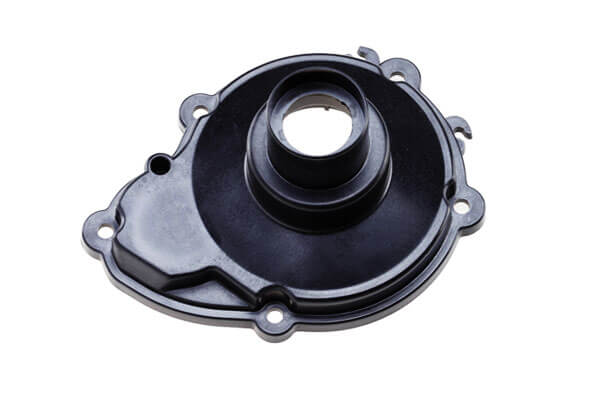
Formowanie wtryskowe jest jedną z najważniejszych metod wytwarzania elementów konstrukcyjnych z poliamidu.
Suszone granulki polimeru topią się w podgrzewanej beczce i wtryskiwane pod ciśnieniem do precyzyjnej formy.
Sposób jest szczególnie odpowiedni do wytwarzania kompleksu, komponenty o dużej objętości i spójnej geometrii.
Typowe zastosowania obejmują:
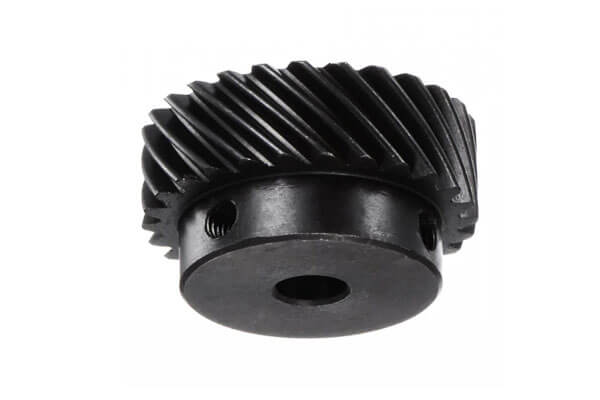
- Przekładnie i elementy mechaniczne;
- Klipsy i wsporniki samochodowe;
- Złącza elektryczne;
- Elementy urządzenia;
- Obudowy i obudowy;
- Precyzyjne części przemysłowe.
Ponieważ poliamid może wchłaniać wilgoć, prawidłowe suszenie żywicy przed formowaniem ma kluczowe znaczenie
Poliamidy wzmocnione włóknem szklanym są również powszechnie formowane wtryskowo, chociaż konstrukcja formy i warunki przetwarzania muszą uwzględniać orientację włókien, zwiększona lepkość, i skurcz anizotropowy.
Wyrzucenie
Wytłaczanie służy do ciągłego wytwarzania wyrobów poliamidowych o stałym przekroju. Stopiony polimer jest przetłaczany przez ukształtowaną matrycę, a następnie schładzany i sortowany.
Typowe produkty wytłaczane obejmują rurki, kobza, filmy, Arkusze, pręty, izolacja kabla, i profile inżynierskie.
PA11 i PA12 są szczególnie ważne w przypadku elastycznych rur ze względu na ich kombinację odporności chemicznej, elastyczność, i stosunkowo niską absorpcją wilgoci.
W wytłaczaniu profili i rur, kontrola temperatury, stabilność stopu, Szybkość chłodzenia, i kalibracja wymiarowa są niezbędne do utrzymania stałej grubości ścianki i geometrii.
Blow Forming
Formowanie z rozdmuchem stosuje się, gdy wymagane są puste w środku elementy poliamidowe. Ogrzaną rurkę polimerową lub preformę rozpręża się wewnątrz formy za pomocą ciśnienia powietrza.
Formowanie z rozdmuchem poliamidu jest powszechnie stosowane w przypadku zbiorników płynów samochodowych, kanały, elementy układu paliwowego, oraz specjalistyczne kontenery przemysłowe.
Struktury wielowarstwowe można również wytwarzać, gdy wymagane są dodatkowe właściwości barierowe.
Formowanie tłoczne i transferowe
Chociaż mniej powszechne niż formowanie wtryskowe standardowych poliamidów termoplastycznych, formowanie tłoczne może być przydatne w przypadku dużych, silnie wzmocniony, lub wyspecjalizowane komponenty.
W procesie można zastosować określone materiały wzmocnione długimi włóknami i można go wybrać, gdy geometria części lub architektura wzmocnienia są trudne do osiągnięcia za pomocą konwencjonalnego formowania wtryskowego.
CNC Mękawka
Poliamid można również obrabiać z wytłaczanego lub odlewanego materiału za pomocą toczenia CNC, przemiał, wiercenie, i inne procesy subtraktywne.
CNC Mękawka jest szczególnie przydatny dla:
- Opracowanie prototypu;
- Produkcja niskonakładowa;
- Duże komponenty;
- Części wymagające cech trudnych do formowania;
- Komponenty wymagające wąskich tolerancji w obróbce końcowej.
Jednakże, Podczas obróbki precyzyjnych elementów poliamidowych należy uwzględnić zmiany wymiarowe związane z wilgocią. Kondycjonowanie materiału powinno być w idealnym przypadku kontrolowane przed końcową kontrolą.
Produkcja addytywna
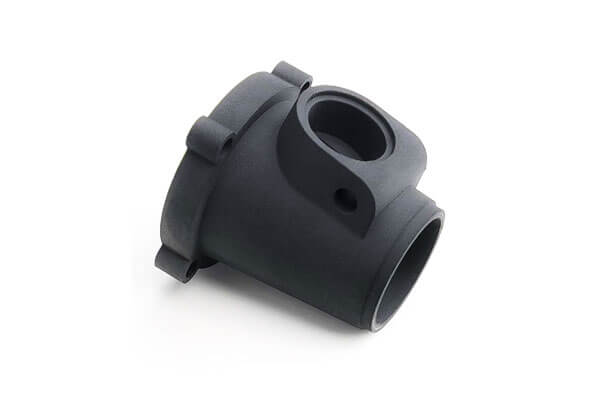
Kilka materiałów poliamidowych, szczególnie PA12 i PA11, są szeroko stosowane w technologiach wytwarzania przyrostowego, takich jak Selektywne spiekanie laserowe (SLS) I Fuzja wielu strumieni (mjf)
Procesy te są szczególnie odpowiednie dla prototypów, spersonalizowane produkty, złożone geometrie wewnętrzne, oraz produkcję nisko- i średnionakładową.
W porównaniu z formowaniem wtryskowym, produkcja przyrostowa eliminuje potrzebę stosowania dedykowanego oprzyrządowania, ale generalnie wiąże się z wyższymi kosztami jednostkowymi przy dużych wolumenach produkcji.
6. Wzmocnione i modyfikowane materiały poliamidowe
Niewypełniony poliamid zapewnia zrównoważoną kombinację wytrzymałości, wytrzymałość, odporność na zużycie, i możliwość przetwarzania.
Jednakże, wiele zastosowań inżynieryjnych wymaga właściwości wykraczających poza standardowe PA6 lub PA66.
Z tego powodu, poliamid jest często łączony z włóknami wzmacniającymi, wypełniacze mineralne, modyfikatory wpływu, środki zmniejszające palność, smary, i inne dodatki funkcjonalne.
| Zmodyfikowany typ poliamidu | Podstawowa modyfikacja | Główna poprawa wydajności | Typowe zastosowania |
| PA wzmocniony włóknem szklanym | Włókna szklane | Wytrzymałość, sztywność, Odporność na ciepło | Konstrukcje samochodowe, złącza, maszyneria |
| PA wzmocniony włóknem węglowym | Włókna węglowe | Wysoka wytrzymałość właściwa i sztywność | Aerospace, robotyka, Części o wysokiej wydajności |
| PA wypełniony minerałami | Talk, mika, minerały | Stabilność wymiarowa, Niższe skurcze | Obudowy, duże, precyzyjne elementy |
| PA modyfikowany udarowo | Modyfikatory elastomerowe | Zwiększona wytrzymałość i odporność na uderzenia | Elementy samochodowe i ochronne |
Ognioodporny PA |
Dodatki zmniejszające palność | Poprawiona skuteczność ognia | Elementy elektryczne i elektroniczne |
| Samosmarujący PA | PTFE, MoS₂, dodatki smarne | Zmniejszone tarcie i zużycie | Namiar, Przekładnie, przesuwane części |
| Przewodzący PA | Wypełniacze przewodzące na bazie węgla | Kontrola ESD lub przewodność elektryczna | Sprzęt elektroniczny i wrażliwy na ładunki elektrostatyczne |
7. Zalety i ograniczenia poliamidu
Kluczowe zalety
- Wysoka siła specyficzna: Wyjątkowy stosunek wytrzymałości do masy umożliwia opłacalną wymianę metalu w zastosowaniach konstrukcyjnych.
- Doskonała wydajność noszenia: Naturalne właściwości samosmarujące eliminują potrzebę zewnętrznego smarowania w wielu zastosowaniach przy lekkich i średnich obciążeniach.
- Dobra odporność chemiczna: Wyjątkowa tolerancja na oleje, paliwa i smary dla środowiska motoryzacyjnego i przemysłowego.
- Szerokie możliwości przetwarzania: Kompatybilny ze wszystkimi głównymi metodami produkcji tworzyw termoplastycznych z dobrą płynnością stopu.
- Wysoka udarność: Zachowuje dobrą ciągliwość w szerokim zakresie temperatur, zwłaszcza w gatunkach o zmodyfikowanej udarności.
- Wszechstronna formuła: Łatwo wzmocniony, hartowane, ognioodporne i opracowane w celu zapewnienia docelowej wydajności.
- Dobra izolacja elektryczna: Wystarczająca wydajność dielektryczna dla większości ogólnych zastosowań elektrycznych i elektronicznych.
Nieodłączne ograniczenia
- Wysoka absorpcja wilgoci: Gatunki standardowe pochłaniają znaczną ilość wody atmosferycznej, powodując zmianę wymiarów i zmianę właściwości – największe pojedyncze ograniczenie projektowe.
- Zmienność wymiarowa: Większy skurcz formy i pęcznienie wywołane wilgocią wymagają starannego projektowania tolerancji.
- Kruchość w niskiej temperaturze: Niemodyfikowane gatunki standardowe stają się kruche w temperaturach poniżej zera i wymagają modyfikacji udarności w przypadku pracy na zimno.
- Ograniczona odporność na silne kwasy/zasady: Rozkłada się w mocnych kwasach mineralnych i stężonych roztworach alkalicznych.
- Wymagania dotyczące suszenia przetwarzania: Obowiązkowe suszenie wstępne zwiększa etapy procesu i koszt energii w porównaniu z niehigroskopijnymi tworzywami sztucznymi.
- Degradacja UV: Gatunki niestabilizowane ulegają degradacji pod wpływem długotrwałej ekspozycji na promieniowanie UV na zewnątrz i wymagają stabilizacji do zastosowań zewnętrznych.
8. Zastosowania poliamidu
Połączenie wytrzymałości mechanicznej, odporność na zużycie, niska waga, Odporność chemiczna, a elastyczność produkcji pozwala na zastosowanie poliamidu w różnorodnych zastosowaniach, od produktów konsumenckich po zaawansowane technicznie komponenty samochodowe i przemysłowe.
Przemysł motoryzacyjny
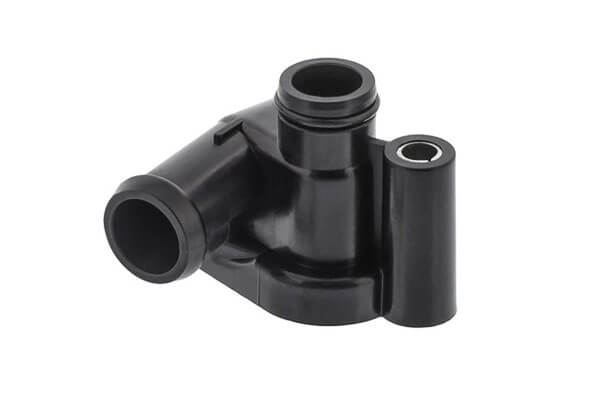
Automobilowy Inżynieria jest jednym z największych obszarów zastosowań poliamidów konstrukcyjnych.
PA6, PA66, i wzmocnione gatunki są szeroko stosowane w celu zastąpienia elementów metalowych w przypadku zmniejszenia masy, Odporność na korozję, i zintegrowane formowanie są korzystne.
Typowe komponenty obejmują:
- Osłony i wsporniki silnika
- Elementy wlotu powietrza
- Elementy układu chłodzenia
- Prowadnice i zaciski kablowe
- Obudowy na sprzęt
- Koszyki łożyskowe
- Elementy układu paliwowego
- Złącza elektryczne
- Wsporniki strukturalne
- Elementy wentylatora i koła pasowego
Wzmocniony włóknem szklanym PA66 jest szczególnie ważny w zastosowaniach pod maską, ponieważ wzmocnienie poprawia sztywność, Odporność na pełzanie, i stabilność wymiarowa.
Elektryka i elektronika
Poliamid jest szeroko stosowany w elementach elektrycznych ze względu na jego właściwości izolacyjne, Siła mechaniczna, i możliwość formowania wtryskowego.
Aplikacje obejmują Obudowy złącza, listwy zaciskowe, dławiki kablowe, przełączniki, obudowy czujników, elementy zabezpieczające obwody, i obudowy elektryczne.
Gatunki zmniejszające palność są często wybierane tam, gdzie wymagania prawne wymagają kontrolowanego zapłonu i rozprzestrzeniania się płomienia.
Maszyny Przemysłowe
W maszynach, poliamid jest często stosowany tam, gdzie lekkie elementy muszą wytrzymywać powtarzające się ruchy mechaniczne.
Typowe przykłady obejmują:
- Przekładnie i koła zębate
- Tuleje i łożyska
- Rolki
- Nosić paski
- Szyny prowadzące
- Nośniki kablowe
- Elementy uszczelniające
- Strażnicy maszyn
- Elementy przenośnika
W porównaniu z elementami metalowymi, części poliamidowe mogą zmniejszyć wagę, hałas, i wymagania dotyczące smarowania w niektórych zastosowaniach.
Obsługa płynów i przewody
PA11 i PA12 są szczególnie cenne w zastosowaniach związanych z rurami i transportem płynów, ponieważ łączą w sobie elastyczność, Odporność chemiczna, niska gęstość, i stosunkowo niską absorpcją wilgoci.
Są używane do rurka pneumatyczna, przewody hydrauliczne, przewody paliwowe, elementy związane z hamulcami, osłona kabla, i węże przemysłowe, w zależności od konkretnego gatunku i obowiązujących norm.
Produkty konsumenckie i komercyjne
Poliamid jest również szeroko stosowany w produktach konsumenckich, gdzie ważna jest trwałość i odporność na uderzenia.
Przykładami są komponenty elektronarzędzi, sprzęt sportowy, łączniki, obudowy, uchwyty, koła, armatura mechaniczna, i różne elementy formowane.
Zastosowania medyczne i opieka zdrowotna
Specjalistyczne gatunki poliamidu mogą być stosowane w wybranych zastosowaniach medycznych i opieki zdrowotnej, w tym rurki, elementy instrumentu, części przenoszące płyny, oraz niektóre urządzenia jednorazowego lub wielokrotnego użytku.
Do tych zastosowań, Jednakże, Biokompatybilność, odporność na sterylizację, ekstrahowalne, Kompatybilność chemiczna, i obowiązujące wymagania regulacyjne należy oceniać dla konkretnego gatunku, a nie zakładać na podstawie ogólnych właściwości poliamidu.
9. Poliamid vs. Inne tworzywa konstrukcyjne
Poliamid nie jest powszechnie lepszy od innych tworzyw konstrukcyjnych.
Każdy polimer ma inny profil wydajności, a właściwy wybór zależy od takich czynników, jak obciążenie mechaniczne, tarcie, temperatura, Ekspozycja chemiczna, wilgoć, Wymagania wymiarowe, i koszt.
| Nieruchomość / Czynnik | Poliamid (ROCZNIE) | Polioksymetylen (POM) | Polipropylen (PP) | Keton eterowy polieter (ZERKAĆ) |
| Klasa materiału | Inżynierskie tworzywo termoplastyczne | Inżynierskie tworzywo termoplastyczne | Towarowy/półtechniczny termoplast | Wysokowydajny inżynieryjny tworzywo termoplastyczne |
| Typowa siła | Dobre lub wysokie | Dobry | Umiarkowany | Bardzo wysoko |
| Sztywność | Dobry; wyżej ze wzmocnieniem | Dobry | Umiarkowany | Doskonały |
| Odporność na uderzenie | Dobry do doskonałości | Dobry | Dobry do doskonałości | Dobry |
| Odporność na zużycie | Dobry do doskonałości | Doskonały | Umiarkowany | Doskonały |
| Tarcie | Niskie do umiarkowane | Bardzo niski | Niski | Niski |
| Absorpcja wilgoci | Umiarkowany do wysokiego dla PA6/PA66; niższa dla PA11/PA12 | Bardzo niski | Bardzo niski | Bardzo niski |
| Stabilność wymiarowa | Umiarkowany; w niektórych klasach silnie pod wpływem wilgoci | Doskonały | Dobry | Doskonały |
| Możliwość pomiaru temperatury | Umiarkowany do wysokiego, w zależności od oceny | Umiarkowany | Stosunkowo niski | Doskonały |
| Odporność chemiczna | Dobry | Dobry | Doskonały | Doskonały |
| Izolacja elektryczna | Dobry | Dobry | Doskonały | Doskonały |
| Odporność na zmęczenie | Dobry | Doskonały | Dobry | Doskonały |
| Przetwarzalność | Doskonały | Doskonały | Doskonały | Bardziej wymagający |
Względny koszt materiału |
Umiarkowany | Umiarkowany | Niski | Bardzo wysoko |
| Typowe zastosowania | Przekładnie, tuleje, Części samochodowe, złącza, Składniki strukturalne | Precyzyjne biegi, namiar, zawory, mechanizmy | Opakowanie, czołgi, żywe zawiasy, pojemniki chemiczne | Aerospace, półprzewodnik, medyczny, maszyny wysokotemperaturowe |
| Główna zaleta | Zrównoważona wydajność mechaniczna i przetwarzania | Niskie tarcie i stabilność wymiarowa | Niski koszt i odporność chemiczna | Wyjątkowa odporność na wysokie temperatury i właściwości mechaniczne |
| Główne ograniczenie | Wrażliwość na wilgoć | Ograniczona zdolność do pracy w wysokich temperaturach | Niższa wydajność mechaniczna | Wysoki koszt i bardziej wymagające przetwarzanie |
10. Recykling poliamidu i zrównoważony rozwój
Recykling mechaniczny
Poprzemysłowy złom poliamidowy jest rutynowo poddawany recyklingowi mechanicznemu poprzez ponowne mielenie i ponowne mieszanie.
Żywica pochodząca z recyklingu zachowuje większość swoich właściwości mechanicznych i jest szeroko stosowana do niekrytycznych części konstrukcyjnych.
Recykling pokonsumencki jest mniej rozpowszechniony, ale rośnie, szczególnie w przypadku strumieni odpadów z włókien tekstylnych i dywanowych.
Recykling chemiczny
Zaawansowane technologie depolimeryzacji mogą rozbić odpady poliamidowe z powrotem na czyste surowce monomerowe, produkujący równoważną żywicę pierwotną o identycznych parametrach.
Zakłady recyklingu chemicznego na skalę przemysłową działają obecnie w Europie i Ameryce Północnej, umożliwiając pętlę zamkniętą w przypadku materiałów poliamidowych.
Poliamidy pochodzenia biologicznego
Zrównoważony rozwój nie ogranicza się do recyklingu. Niektóre poliamidy, w tym PA11 i PA1010, mogą być produkowane częściowo lub głównie z surowców odnawialnych, w zależności od konkretnej ścieżki produkcyjnej.
Biosurowce mogą zmniejszyć zależność od zasobów kopalnych, ale polimer pochodzenia biologicznego nie jest automatycznie lepszy pod względem środowiskowym.
Pełna ocena powinna uwzględniać pozyskiwanie surowców, skutki rolnicze, zużycie energii, emisje produkcyjne, żywotność produktu, Recyklabalność, i leczenie u schyłku życia.
11. Niestandardowe części poliamidowe firmy LangHe Przemysł
Przemysł Langhe zapewnia niestandardowe rozwiązania produkcyjne dla komponentów konstrukcyjno-plastikowych, w tym części poliamidowe przeznaczone do zastosowań mechanicznych, elektryczny, automobilowy, przemysłowy, i inne wymagające aplikacje.
Zamiast traktować poliamid jako zwykły plastik, materiał i proces produkcyjny należy dobrać odpowiednio do rzeczywistych warunków pracy elementu.
Czynniki takie jak stopień PA, narażenie na wilgoć, temperatura, obciążenie mechaniczne, tolerancje wymiarowe, wymagania dotyczące zużycia, środowisko chemiczne, i zbrojenie są oceniane w trakcie prac inżynieryjnych.
Niestandardowe możliwości produkcyjne poliamidu
| Zdolność | Bliższe dane |
| Wybór materiału | PA6, PA66, PA11, PA12 oraz wzmocnione lub modyfikowane gatunki poliamidu |
| Modyfikacja materiału | Włókno szklane, włókno węglowe, gatunki wypełnione minerałami i odporne na zużycie, z zastrzeżeniem wymagań aplikacyjnych |
| Produkcja | Formowanie wtryskowe i precyzyjna obróbka odpowiednich komponentów poliamidowych |
| CNC Mękawka | Obrócenie, przemiał, wiercenie, nudny, i wykańczanie elementów konstrukcyjno-plastikowych |
| Złożone geometrie | Obudowy, Przekładnie, tuleje, wsporniki, przewodnicy, okładki, i niestandardowe komponenty mechaniczne |
| Precyzyjne sterowanie | Kontrola wymiarowa w oparciu o geometrię komponentów, Wymagania tolerancji, i potrzeby aplikacji |
| Produkcja prototypów | Rozwój małych serii i prototypów przed produkcją seryjną |
| Wsparcie inżynierskie | Wybór materiału, Recenzja DFM, ocena tolerancji, i optymalizacja procesu |
| Jakość | ISO 9001:2015 atestowany. |
| Czas realizacji | 2–4 tygodnie na obróbkę; 4–8 tygodni na oprzyrządowanie i produkcję. |
12. Wniosek
Poliamid to szeroka rodzina polimerów konstrukcyjnych, a nie pojedynczy materiał.
Od konwencjonalnych PA6 i PA66 do niższej absorpcji wilgoci PA11 i PA12, wysoka temperatura PPA, i gatunki wzmocnione włóknami, różne receptury zapewniają znacząco różne kombinacje mechaniczne, termiczny, chemiczny, i wydajność wymiarowa.
Jego największą zaletą jest zrównoważona wydajność inżynieryjna. Poliamid łączy stosunkowo niską gęstość z dobrą wytrzymałością, wytrzymałość, odporność na zużycie, Odporność chemiczna, Izolacja elektryczna, i doskonała przetwarzalność.
Te cechy sprawiają, że jest to skuteczna alternatywa dla metali i innych tworzyw konstrukcyjnych w wielu zastosowaniach.
Naraz, projektanci nie powinni zapominać o jego ograniczeniach. Absorpcja wilgoci, właściwości zależne od temperatury, skradać się, i zgodność chemiczna mogą silnie wpływać na długoterminowe działanie.
Dlatego wybór materiału powinien opierać się na całym środowisku operacyjnym, a nie tylko na wytrzymałości na rozciąganie lub temperaturze topnienia.
Dla komponentów niestandardowych, najbardziej wiarygodną metodą jest ocena gatunku poliamidu, wzmocnienie, proces produkcyjny, Wymagania wymiarowe, Środowisko serwisowe, i oczekiwaną żywotność jako zintegrowanego systemu.
Kiedy te czynniki są odpowiednio kontrolowane, poliamid może stanowić ekonomiczne i solidne technicznie rozwiązanie dla szerokiej gamy komponentów konstrukcyjnych.
Często zadawane pytania dotyczące poliamidu
Czy poliamid to to samo co nylon??
Nie dokładnie. Nylon jest główną grupą poliamidów, zwłaszcza poliamidy alifatyczne, takie jak PA6 i PA66.
Poliamid to szersza rodzina chemiczna, która obejmuje również PA11, PA12, półaromatyczne poliamidy, i aromatyczne poliamidy.
Czy poliamid jest mocnym materiałem?
Tak. Poliamid ogólnie zapewnia dobrą wytrzymałość na rozciąganie, sztywność, wytrzymałość, i wydajność zmęczenia. Włókno szklane- i poliamidy wzmocnione włóknem węglowym mogą zapewnić znacznie wyższą sztywność i wytrzymałość niż gatunki bez wypełniacza.
Czy poliamid wchłania wodę??
Tak. Absorpcja wilgoci jest ważną cechą wielu poliamidów, szczególnie PA6 i PA66.
Pobór wody może zmienić wymiary i właściwości mechaniczne, dlatego w przypadku zastosowań precyzyjnych należy uwzględnić wilgotność i kondycjonowanie.
Czy poliamid nadaje się do zastosowań wysokotemperaturowych??
To zależy od stopnia. Konwencjonalne PA6 i PA66 nadają się do umiarkowanie podwyższonych temperatur, chwila PPA i inne poliamidy wysokotemperaturowe są lepiej dostosowane do wymagających środowisk termicznych.
Czy poliamid naprawdę może zastąpić metal w częściach konstrukcyjnych??
A: Tak. Poliamidy wzmocnione włóknem szklanym są szeroko stosowane w celu zastąpienia odlewanego ciśnieniowo aluminium i stali w konstrukcjach motoryzacyjnych, komponenty przemysłowe i konsumenckie.
Zwykle zmniejszają masę części o 40–60%, zapewniając jednocześnie wystarczającą wytrzymałość do wielu zastosowań nośnych. Zastąpienie metalu pozostaje głównym motorem wzrostu poliamidów konstrukcyjnych.
Jest poliamidem odpornym na działanie środków chemicznych?
Poliamid ma dobrą odporność na wiele olejów, paliwa, węglowodory, i chemikalia przemysłowe, ale jego odporność na mocne kwasy, środki utleniające, a niektóre rozpuszczalniki mogą być ograniczone.
Zawsze należy ocenić konkretny gatunek i warunki pracy.
Czy poliamid jest lepszy od POM?
Żadne z nich nie jest uniwersalnie lepsze. Poliamid generalnie zapewnia lepszą kombinację wytrzymałości i parametrów mechanicznych,
podczas gdy POM często zapewnia doskonałą stabilność wymiarową, niskie tarcia, i wydajność noszenia.
Wybór zależy od konkretnego zastosowania.
Informacje o prawach autorskich i znakach towarowych
- Kevlar® i Nomex® są zastrzeżonymi znakami towarowymi firmy E. I. du Pont de Nemours and Company (DuPont).
- Torlon® jest zastrzeżonym znakiem towarowym firmy Syensqo.