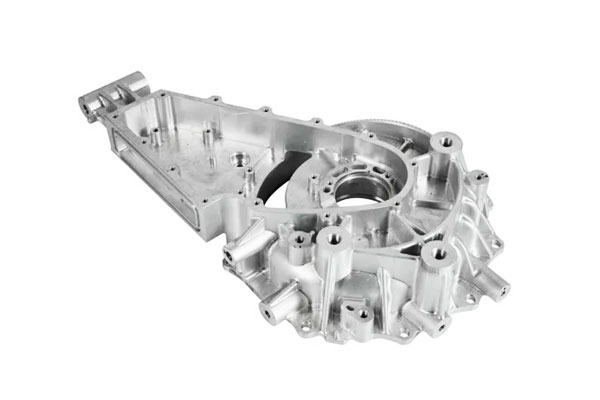
1. Introduzzjoni
Brass vs Stainless Steel is a common comparison in material selection for industries such as plumbing, arkitettura, Inġinerija tal-Baħar, and mechanical manufacturing.
These two metals, though often used interchangeably in some applications, offer significantly different properties in terms of strength, Reżistenza għall-korrużjoni, makkinabilità, dehra, u spiża.
Brass is a copper-based alloy known for its excellent conductivity, Estetika sħuna, u faċilità ta 'magni.
Azzar li ma jissaddadx, Min-naħa l-oħra, is an iron-based alloy renowned for its superior corrosion resistance, saħħa, u durabilità.
2. What Is Brass?
Ram is a versatile and widely used metal alloy composed primarily of ram (Cu) u żingu (Zn).
The proportions of these two elements can be varied to achieve different mechanical, fiżiku, u proprjetajiet kimiċi,
making brass suitable for a wide range of applications, from decorative fixtures to precision components in electronics and machinery.
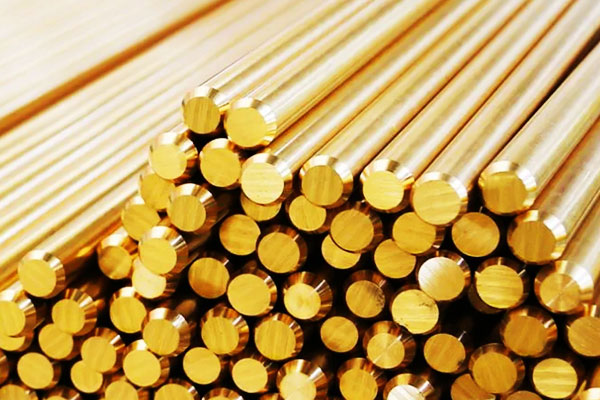
Kompożizzjoni kimika & Klassifikazzjoni
Brass typically contains:
- Ram (Cu): 55–70%
- Żingu (Zn): 30–45%
- Optional elements:
-
- Ċomb (PB): Miżjud (sa 3%) in machinable brasses such as C36000 to improve chip-breaking during machining
- Landa (Sn), Aluminju (Al), Silikon (U): Added in specific grades (E.g., ram navali, ram tas-silikon) to improve corrosion resistance or strength
Common Types of Brass:
| Grad (Us) | Kompożizzjoni tipika (Cu/Zn/Other) | Karatteristiċi ewlenin | Applikazzjonijiet tipiċi |
| C26000 (Skartoċċ tar-ram) | 70% Cu / 30% Zn | Ductility eċċellenti, cold workability | Ammunition casings, deep-drawn parts, Qlub tar-radjatur |
| C36000 (Brass li jaqta 'bla ħlas) | 61.5% Cu / 35.5% Zn / 3% PB | Outstanding machinability (rated 100%) | Partijiet bil-makna ta 'preċiżjoni, Fittings, Qafliet |
| C46400 (Ram navali) | 60% Cu / 39% Zn / 1% Sn | Good corrosion resistance in saltwater | Ħardwer tal-baħar, Xaftijiet tal-iskrun, seawater valves |
| C23000 (Brass aħmar) | 85% Cu / 15% Zn | Qawwi, reżistenti għall-korrużjoni, reddish hue | Plumbing, pump cylinders, Pannelli arkitettoniċi |
| C27200 (Ram isfar) | 63% Cu / 37% Zn | Saħħa tajba, duttilità moderata, spiża baxxa | Plumbing tubes, Strumenti mużikali, oġġetti dekorattivi |
| C38500 (Architectural Brass) | 57% Cu / 40% Zn / 3% PB | Excellent for hot forging and machining | Ornamental fixtures, ċappetti, Trim arkitettoniku |
| C35300 (Ram b'Ċomb Għoli) | ~62% Cu / ~35% Zn / ~ 3% pb | Superior machinability and pressure tightness | Zkuk tal-valv, lock bodies, screw machine products |
| C28000 (Muntz Metal) | 60% Cu / 40% Zn | Saħħa għolja, used for hot working and rolling | Marine cladding, Tubi tal-kondensatur, architectural sheet |
| C44300 (Admiralty Brass) | 70% Cu / 29% Zn / 1% Sn | Reżistenza tajba għall-korrużjoni, especially to seawater | Skambjaturi tas-sħana, Tubi tal-kondensatur, desalination units |
Advantages of Brass
- Makkinabilità eċċellenti: Especially in leaded grades, brass machines 2–3 times faster than mild steel
- Reżistenza tajba għall-korrużjoni: Particularly in freshwater and mild atmospheric conditions
- Konduttività termali u elettrika għolja: Suitable for heat exchangers, terminali, u konnetturi
- Appell estetiku: Attractive golden-yellow color, often used for decorative and architectural applications
- Non-magnetic and non-sparking: Useful in sensitive electronic or hazardous environments
Żvantaġġi tar-ram
- Lower strength compared to stainless steel: Typical tensile strength ranges from 300–500 MPa
- Prone to dezincification: In certain environments (E.g., stagnant water, acidic or high-chloride conditions), zinc can leach out, weakening the alloy
- Relattivament artab: Can deform under heavy loads or high-stress applications
- Copper-based cost volatility: Brass prices are sensitive to fluctuations in the global copper market
3. X'inhu l-istainless steel?
Azzar li ma jissaddadx is a corrosion-resistant iron-based alloy primarily composed of ħadid (Fe), kromju (Cr) (Mill-inqas 10.5%), and often other elements like Nickel (Fi), molibdenu (Mo), Manganiż (Mn), u karbonju (Ċ).
Its defining feature is the formation of a Ossidu tal-kromju passiv (Cr₂o₃) saff fuq il-wiċċ, which protects the metal from oxidation and chemical attack.
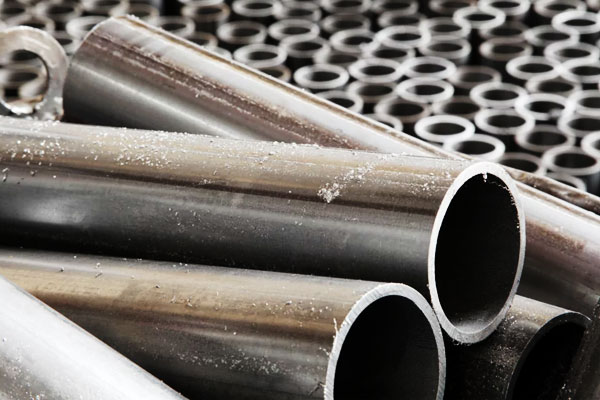
Karatteristiċi ewlenin:
- Reżistenza għall-korrużjoni: Excellent resistance to oxidation, aċidi, Alkali, u kloruri.
- Qawwa mekkanika: High strength and toughness across a wide range of temperatures.
- Aesthetic Finish: Sleek, clean appearance with various surface finishes.
- Iġjeniku: Faċli biex tnaddaf, non-porous surface suitable for food and medical industries.
Kompożizzjoni kimika & Klassifikazzjoni
Stainless steels are classified into ħames familji ewlenin, each offering unique properties and suitable for different applications:
| Familja | Elementi tal-liga primarja | Propjetajiet ewlenin | Gradi tipiċi |
| Austenitic | Cr (16–26%), Fi (6–22%), baxx c | Mhux manjetiku, Reżistenza eċċellenti għall-korrużjoni, Dukes | 304, 316, 321, 310 |
| Ferritiku | Cr (11–18%), low Ni or none | Manjetiku, Reżistenza moderata għall-korrużjoni, formabilità tajba | 409, 430, 446 |
| Martensitic | Cr (12–18%), higher C | Manjetiku, jista 'jkun imwebbes, Reżistenza moderata għall-korrużjoni | 410, 420, 440A / b / c |
| Duplex | Cr (18–28%), Fi (4–8%), Mo | Mixed austenite/ferrite structure, saħħa għolja & reżistenza | 2205, 2507 |
| It-twebbis tal-preċipitazzjoni (PH) | Cr, Fi, Cu, NB, Al | High strength via heat treatment, Reżistenza tajba għall-korrużjoni | 17-4 PH, 15-5 PH |
Vantaġġi ta 'l-istainless steel
- Reżistenza għolja għall-korrużjoni, speċjalment f'ambjenti aggressivi.
- Proporzjon ta 'saħħa-piż eċċellenti.
- Wide range of surface finishes (brushed, mera, matte, eċċ.).
- Non-reactive and safe for food and pharmaceutical applications.
- Long service life with low maintenance.
- 100% riċiklabbli.
Disadvantages of Stainless Steel
- More expensive than carbon steels and some copper alloys.
- Difficult to machine (speċjalment gradi awstenitiċi).
- Requires specific knowledge for welding and fabrication.
- Lower thermal and electrical conductivity than brass or copper.
4. Mechanical Properties of Brass vs Stainless Steel
Meta tqabbel Brass u azzar li ma jissaddadx, understanding their Propjetajiet mekkaniċi is essential for selecting the right material for load-bearing, reżistenti għall-ilbies, or structurally demanding applications.
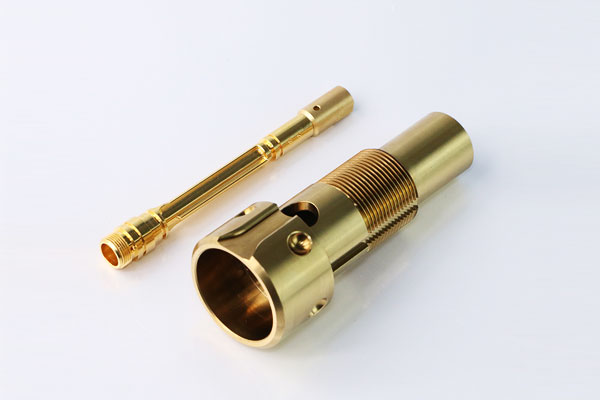
Key Mechanical Properties Comparison
| Proprjetà | Ram (E.g., C36000 Free-Cutting) | Stainless Steel (E.g., 304, 316) | Kummenti |
| Qawwa tat-tensjoni | 300–500 MPa | 500–1000 MPa | Stainless steel is significantly stronger, suitable for structural use. |
| Saħħa tar-rendiment | 100–350 MPa | 200–600 MPa | Stainless offers higher yield strength; better at withstanding stress loads. |
| Ebusija (Brinell) | 55–100 HB | 150–250 HB | Stainless steel is harder, offering better wear resistance. |
| Ebusija (Rockwell B/C) | B35–B80 | B80–C30 (tvarja skont il-grad) | Brinell and Rockwell hardness tests confirm stainless is more resistant. |
| It-titwil fil-waqfa | 25–50% | 40–60% | Both are ductile, but stainless is more elastic under stress. |
| Qawwa tal-għeja | ~100–200 MPa | ~200–600 MPa | Stainless steel performs better under cyclic loading. |
| Modulu ta 'elastiċità | ~97 GPa | ~ 190–210 GPa | Stainless is stiffer and less prone to deformation under load. |
| Reżistenza għall-impatt | Moderat | Għoli (speċjalment gradi awstenitiċi) | Stainless steels absorb more energy before fracturing. |
5. Physical Properties of Brass vs Stainless Steel
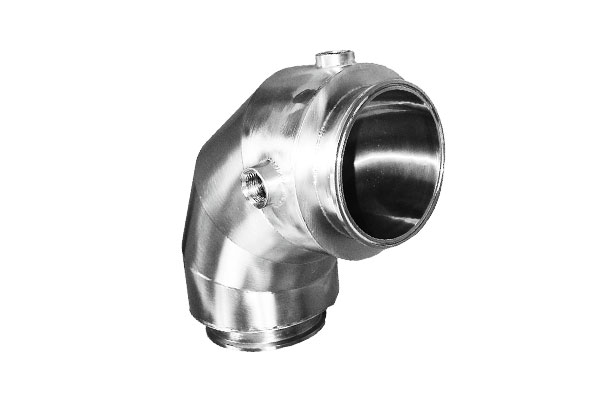
Nifhmu Propjetajiet fiżiċi of brass and stainless steel is essential when evaluating materials for applications involving thermal cycling, electrical systems, u stabbiltà strutturali.
These intrinsic characteristics influence performance in real-world environments such as plumbing, elettronika, Skambjaturi tas-sħana, and marine structures.
Key Physical Property Comparison
| Proprjetà | Ram(E.g., C36000) | Stainless Steel(E.g., 304 / 316) | Rimarki |
| Densità | ~8.4–8.7 g/cm³ | ~ 7.9–8.0 g/cm³ | Brass is slightly denser, which can impact weight-sensitive designs. |
| Punt ta 'tidwib | 900–940 °C | 1375–1450 ° C. | Stainless steel has a significantly higher melting point. |
| Konduttività termali | 100–120 W/m·K | 15–25 w / m · k | Brass conducts heat much better—important for heat exchangers, Fittings. |
| Kapaċità speċifika tas-sħana | ~0.377 J/g·K | ~0.500 J/g·K | Stainless steel can absorb slightly more heat per unit mass. |
| Konduttività elettrika | 28%–56% IACS | ~1.2%–3% IACS | Brass is a far better electrical conductor than stainless steel. |
| Koeffiċjent ta 'espansjoni termali | ~20 × 10⁻⁶ /°C | ~ 16–17 × 10⁻⁶ / ° C | Brass expands more with temperature—may affect precision assemblies. |
| Modulu ta 'elastiċità | ~97 GPa | ~ 190–210 GPa | Stainless steel is stiffer and more resistant to elastic deformation. |
| Propjetajiet manjetiċi | Mhux manjetiku | Tvarja: 304 is non-magnetic; 430 is magnetic | Stainless can be magnetic or not, jiddependi fuq il-grad; brass is always non-magnetic. |
6. Reżistenza għall-korrużjoni: Brass vs Stainless Steel
Corrosion resistance is one of the most critical factors in material selection, especially for applications in plumbing, Ambjenti tal-Baħar, Ipproċessar kimiku, u outdoor installations.
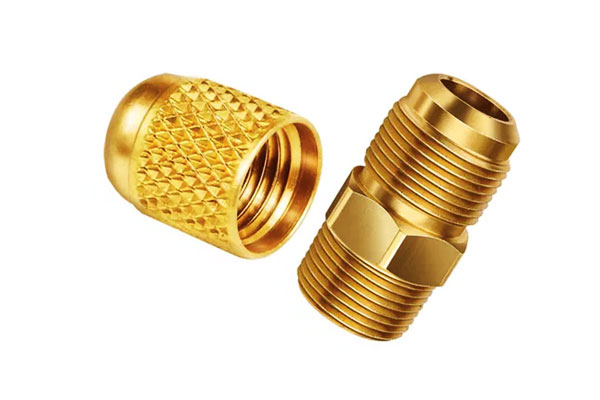
Ram: Corrosion Resistance Overview
| Saħħiet | Limitazzjonijiet |
| Good resistance to water, fwar, and non-oxidizing acids | Susceptible to diżinfezzjoni in certain environments |
| Performs well in low-chloride, indoor, or dry conditions | Can stress-corrode in presence of ammonia or moist environments |
| Naturally forms a patina that can protect against surface corrosion | Patina may not be acceptable for aesthetic or sanitary use |
Diżinfezzjoni
A selective leaching process where zinc is removed from the alloy, leaving behind a porous, copper-rich structure.
It weakens the part and is particularly problematic in plumbing systems. Some brass grades are “dezincification-resistant” (DZR brass, E.g., CW602N).
Stainless Steel: Corrosion Resistance Overview
| Grad | Imġieba tal-korrużjoni |
| 304 Stainless Steel | Reżistenza ġenerali għall-korrużjoni, vulnerable to klorur li jpoġġi |
| 316 Stainless Steel | Superior resistance due to molibdenu (2–3%), excellent in Marine u aċiduż ambjenti |
| 410/420 (Martensitic) | Reżistenza moderata għall-korrużjoni, suitable for low-moisture environments |
Chromium Oxide Layer
All stainless steels form a passive chromium oxide film that protects the underlying metal.
When scratched or damaged, this layer self-heals in the presence of oxygen, making stainless steel highly durable in corrosive environments.
7. Manufacturing Processes of Brass vs Stainless Steel
Formazzjoni u fabbrikazzjoni
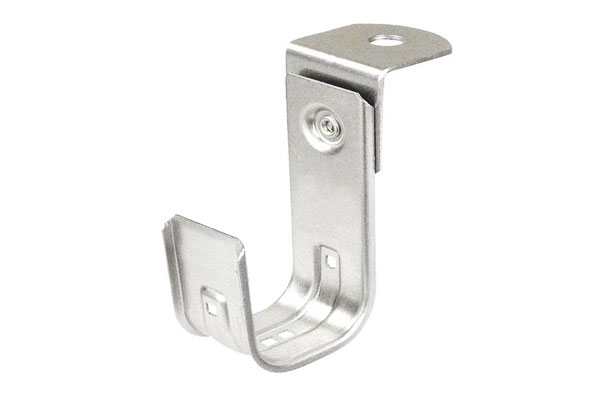
Both brass and stainless steel are widely used in forming operations, but their behaviors during fabrication differ significantly.
- Ram, particularly in its annealed state, exhibits excellent ductility and is easily formed into complex shapes using standard metalworking processes.
Its low yield strength enables forming with minimal force, tagħmilha ideali għal tpinġija fil-fond, timbru, u liwi. - Azzar li ma jissaddadx, while also formable, requires greater forming forces due to its higher strength and inherent stiffness.
It tends to work harden during deformation, which may necessitate ttremprar intermedju to restore ductility and prevent cracking during multi-stage forming.
Tidwib
- Ram alloys have excellent castability, characterized by high fluidity, jinxtorob baxx, and minimal gas absorption.
These properties enable the production of complex, high-precision components through conventional casting methods such as sand casting, die casting, u l-ikkastjar tal-investiment. - Stainless steel casting is more demanding due to its punt ta 'tidwib ogħla (~1370–1450 °C) and susceptibility to shrinkage, porożità, u qsim sħun.
Precision casting techniques like ikkastjar ta 'investiment jew ikkastjar ċentrifugali huma spiss impjegati, and careful gating, Disinn riser, and temperature control are essential for high-quality results.
Magni
- Ram is renowned for its Makkinabilità eċċellenti, particularly in free-magni gradi bħal C36000, which contain small amounts of lead.
It machines easily, produces smooth surface finishes, and exhibits low tool wear, making it ideal for high-speed, high-volume manufacturing. - Azzar li ma jissaddadx, B'kuntrast, is more challenging to machine.
Tagħha tendency to work-harden, coupled with low thermal conductivity and high strength, leads to increased tool wear and heat generation.
Optimal machining of stainless steel requires rigid setups, coolant use, u carbide or coated high-speed steel tools, with carefully controlled speeds and feeds.
Iwweldjar
- Brass welding is difficult due to the high zinc content, which can volatilize under heat and lead to porosity, qsim, or fumes.
Tekniki bħal gas brazing, issaldjar, jew TIG welding with low-zinc filler rods huma komunement użati, often with pre-heating to minimize thermal shock. - Azzar li ma jissaddadx is generally weldable using methods such as TIG (Gtaw), Jien (Gawn), u Smaw, Jiddependi fuq il-grad.
To maintain corrosion resistance and mechanical properties, it is crucial to select matching filler materials, kontroll input tas-sħana, u, F’xi każijiet, wettaq Trattament tas-sħana wara l-weldjatura jew passivazzjoni to restore the protective oxide layer.
8. Aesthetic & Dehra tal-wiċċ
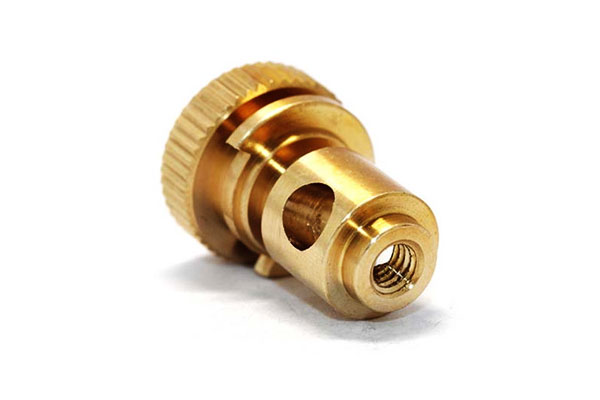
Ram
Brass is prized for its warm, rich golden hue, making it a popular choice for decorative and architectural applications such as furniture hardware, Mankijiet tal-bibien, and ornamental sculptures.
Maż-żmien, brass naturally develops a patina—a surface layer that can range from subtle aging to verdigris, which some appreciate for its vintage or antique appeal.
Madankollu, this tarnishing can be undesirable in certain contexts, teħtieġ Illustrar regolari to restore and maintain its original bright, finitura lustruża.
Stainless Steel
B'kuntrast, L-istainless steel joffri sleek, modern appearance characterized by its cool, silver-gray luster.
Its versatility in surface finishing allows for a variety of aesthetic effects: a highly polished finish provides a mirror-like reflective quality, waqt li a brushed or satin finish creates a subtle, minsuġa, and understated look.
Stainless steel is highly resistant to staining and corrosion, enabling it to maintain its clean, attractive appearance over extended periods with minimal maintenance.
These qualities make stainless steel a preferred material for contemporary architectural features, Tagħmir tal-kċina, and decorative elements where durability and longevity are essential.
9. Applications of Brass vs Stainless Steel
Brass Applications:
- Plumbing: Faucets, valvi, Fittings, pipe connectors, water meters
- Arkitettoniku & Dekorattiv: Mankijiet tal-bibien, Serraturi, attrezzaturi tad-dawl, Strumenti mużikali, skulturi
- Marine Industrija: ħardwer tal-baħar, Fittings tad-dgħajjes, skrejjen
- Elettriku & Elettronika: konnetturi, terminali, swiċċijiet elettriċi
- Komponenti mekkaniċi: gerijiet, bearings, boxxli, siġġijiet tal-valv, Qafliet
- Oġġetti għall-konsumatur: ġojjelli, Strumenti mużikali, ħardwer dekorattiv
- Tagħmir industrijali: instrumentation components, Skambjaturi tas-sħana, valvi ta 'kontroll
- Automotive: radjaturi, trim dekorattiv, carburetor parts
Applikazzjonijiet ta 'l-istainless steel:
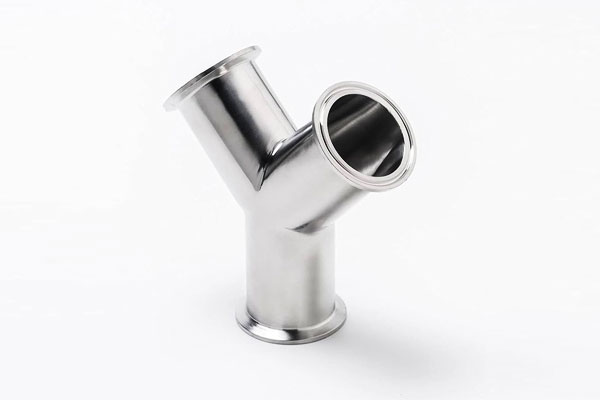
- Plumbing: pajpijiet, valvi, pompi, Fittings sanitarji, food and pharmaceutical piping
- Arkitettoniku & Dekorattiv: Kisi, poġġamani, Tagħmir tal-kċina, Countertops, Pannelli tal-lift
- Industrija tal-Baħar: Qafliet tal-baħar, Xaftijiet, ship fittings, Sistemi ta 'l-egżost, Skambjaturi tas-sħana
- Elettriku & Elettronika: Gwarniċi strutturali, kompartimenti, corrosion-resistant connectors
- Komponenti mekkaniċi: Xaftijiet, molol, Qafliet, pompi, kompressuri, komponenti tat-turbina
- Oġġetti għall-konsumatur: oġġetti tal-kċina, Pożati, oġġetti tal-kċejjen, apparat mediku, Għodda kirurġika
- Tagħmir industrijali: reatturi kimiċi, Tagħmir farmaċewtiku, food processing machinery
- Automotive: Sistemi ta 'l-egżost, partijiet strutturali, Qafliet
10. Tabella komprensiva ta 'paragun: Brass vs Stainless Steel
| Proprjetà / Aspett | Ram | Stainless Steel |
| Kompożizzjoni kimika | Ram (Cu) + Żingu (Zn), may include Lead (PB), Landa, Aluminju | Ħadid (Fe) + Kromju (≥10.5%) + Nickel + Molibdenu + Oħrajn |
| Densità | ~8.4 – 8.7 g / cm³ | ~ 7.7 - 8.0 g / cm³ |
| Qawwa tat-tensjoni | 300 - 600 MPA | 500 - 1000 MPA |
| Saħħa tar-rendiment | 100 - 400 MPA | 200 - 900 MPA |
| Ebusija (Brinell) | 55 - 110 HB | 150 - 600 HB |
| Reżistenza għall-korrużjoni | Good in water and mild chemicals; susceptible to dezincification | Eċċellenti; speċjalment 316 grade with Mo; highly resistant to acids, kloruri, u ambjenti tal-baħar |
| Konduttività termali | Għoli (~100–120 W/m·K) | Baxx (~ 15–25 w / m · k) |
| Konduttività elettrika | Għoli; good electrical conductor | Baxx; poor electrical conductor |
| Makkinabilità | Eċċellenti, especially leaded brasses | Moderat għal diffiċli; work-hardening requires care |
| Formabilità | Tajjeb ħafna; easy to cold and hot form | Good but requires higher forces and sometimes annealing |
| Weldabilità | Sfida; zinc vapor can cause porosity; brazing preferred | Eċċellenti; multiple welding methods with proper procedures |
| Dehra estetika | Warm golden color; tarnishes and patinas over time | Modern silver-gray luster; maintains finish longer; available polished or brushed |
| Spiża | Ġeneralment aktar baxxi | Generally higher due to alloying elements and processing |
| Applikazzjonijiet | Ħardwer dekorattiv, plumbing, Fittings tal-baħar, komponenti elettriċi | Strutturali, arkitettoniku, Ipproċessar tal-ikel, mediku, Marine, industriji kimiċi |
| Sostenibbiltà & Riċiklaġġ | Riċiklabbli ħafna; lower energy in processing | Riċiklabbli ħafna; corrosion resistance extends lifecycle |
| Gradi tipiċi / Ligi | C36000 (free machining), C46400 (architectural brass) | 304, 316, 430, 410 azzar li ma jissaddadx |
11. Konklużjoni
Ram offers exceptional machinability, Dehra attraenti, and high conductivity—making it ideal for decorative, elettriku, and heat-related applications.
Azzar li ma jissaddadx, Min-naħa l-oħra, provides superior strength, Reżistenza għall-korrużjoni, and hygienic properties suited to structural, Marine, and medical uses.
Material selection hinges on prioritizing strength, corrosion environment, makkinabilità, konduttività, spiża, u dehra.
For functional elegance, brass is the go-to choice; for performance and longevity, stainless steel prevails.
FAQs
Is brass better than stainless steel?
It depends on the application. Brass offers excellent machinability, Konduttività termali u elettrika, and an attractive golden appearance, making it ideal for decorative and electrical uses.
Stainless steel excels in strength, Reżistenza għall-korrużjoni, u durabilità, making it better for harsh environments and structural applications.
Dak li jdum aktar, stainless steel or brass?
Stainless steel generally lasts longer, especially in corrosive or marine environments, due to its superior corrosion resistance and strength.
Brass may corrode or tarnish faster under certain conditions, like dezincification.
Li huwa aħjar, brass or stainless steel valves?
Stainless steel valves are usually preferred in demanding, korrużiv, or high-pressure applications due to their durability and corrosion resistance.
Brass valves work well for moderate pressures and non-corrosive fluids and are often chosen for cost-effectiveness and ease of machining.