1. 導入
フェライト系ステンレス鋼は、ステンレス鋼の主要なファミリーの 1 つです。, 主にその点で区別される フェライト体心立方晶 (BCC) 結晶構造 室温でクロム含有量が比較的高い.
従来のオーステナイト系ステンレス鋼とは異なります。, フェライト系グレードには通常、意図的に添加されたニッケルがほとんどまたはまったく含まれていません.
この組成特性により、耐食性という魅力的な組み合わせが得られます。, 熱安定性, 磁気特性, そして材料費.
フェライト系ステンレス鋼は自動車の排気システムに広く使用されています, 家庭用電化製品, 熱交換器, 建築コンポーネント, 食品加工装置, および産業機械.
彼らのパフォーマンス, しかし, 合金の化学に大きく依存します, 炭素と窒素の制御, 安定, 処理履歴, およびサービス環境.
2. フェライト系ステンレス鋼とは?
フェライト ステンレス鋼 のグループです 室温でマトリックスが主にフェライト系である鉄クロム合金.
フェライトは体心立方晶構造を持ち、適切に合金化された組成では広い温度範囲にわたって安定した状態を保ちます。.
クロムはステンレスの挙動に関与する主要な合金元素です.
十分なクロムが存在すると、, 鋼は薄いものを形成することができます, 接着剤, さらなる腐食を大幅に遅らせるクロムを豊富に含む不動態皮膜.
市販のフェライト系ステンレス鋼は比較的広い組成範囲をカバーしています. 一般的なグレードには次のものが含まれる場合があります 11–30% クロム, 一方、炭素と窒素は一般に比較的低いレベルで管理されています.
一部の高性能グレードには、局部腐食耐性を向上させるためにモリブデン、または安定化のためにチタンとニオブが含まれています。.
マルテンサイト系ステンレス鋼とは異なります, 従来のフェライト系ステンレス鋼は、 従来の焼き入れ焼き戻し熱処理では通常硬化しない.
最終的な特性は主に化学組成によって決まります。, 熱機械加工, アニーリング, 穀物構造, 冷間変形と.
したがって、フェライト系ステンレス鋼は、単にオーステナイト系ステンレス鋼の低コスト代替品ではなく、別個の冶金学的ファミリーとして最もよく理解されています。.
3. フェライト系ステンレス鋼の化学成分
化学組成はフェライト系ステンレス鋼の性能を制御する最も重要な要素の 1 つです.
クロムはステンレスの基本的な特性を提供します, カーボンながら, 窒素, モリブデン, チタン, ニオブ, およびその他の要素は、特定の耐食性の組み合わせを達成するために調整されます。, 機械的特性, 溶接性, および熱安定性.
典型的な化学組成
構成は各グレードによって大きく異なります. 次の値は次のことを表します。 一般的な市販のフェライト系ステンレス鋼の典型的な範囲, 普遍的な仕様限界ではない.
| 要素 | 典型的な範囲 / レベル | 主要な冶金学的機能 |
| クロム (cr) | ~10.5~30% | 危険性, 耐食性, フェライトの安定化 |
| 炭素 (c) | 全体的に低い, 多くの場合 ≤0.08% | 強化; 過剰なレベルは感作を促進する可能性があります |
| 窒素 (n) | 全体的に低い | 強化; 過剰なレベルはフェライト特性を損なう可能性があります |
| モリブデン (MO) | 0グレードに応じて –4%+ | 耐孔食性および耐すきま腐食性の向上 |
| チタン (の) | グレードによる | 炭素と窒素を安定化します |
ニオブ (NB) |
グレードによる | 炭素と窒素を安定化します; 溶接性能を向上させます |
| ニッケル (で) | 通常は低い | フェライト相の安定性を維持するように制御 |
| マンガン (Mn) | 通常は制限されています | 脱酸と合金/プロセス制御 |
| シリコン (そして) | 通常は制限されています | 脱酸素・耐酸化性への貢献 |
正確な制限は、常に関連する材料仕様から取得する必要があります。, 該当するものなど ASTM, で, 彼はそうです, または他の国内/国際標準, 公称グレード名だけでは、すべての許容組成限界が定義されるわけではないため、.
4. フェライト系ステンレス鋼の主な種類とグレード
フェライト系ステンレス鋼は幅広いクロムベースの合金をカバーします, 自動車の排気システム向けに設計された経済的なグレードから、厳しい腐食や高温環境向けの高クロムおよびモリブデン合金グレードまで.
次の表は、代表的なグレードを 3 つの実用的なカテゴリに分類しています。: 標準フェライトグレード, 高クロムフェライトグレード, および鋳造フェライト系ステンレス鋼.
標準フェライトグレード (400 シリーズ)
これらのグレードは実用的な耐食性のバランスを提供するため、広く使用されています。, 製造, 熱性能, コスト.
などの成績 409 そして 430 自動車分野では特に重要です, アプライアンス, 建築, 一般的な産業用途.
| 学年 | 米国の指定 | おおよその構成 | 重要な特性 | 典型的なアプリケーション |
| 409 | S40900 | Cr 10.5~11.7%; C≦0.08%; 安定した | 優れた耐酸化性と十分な耐食性を備えた経済的なフェライト系ステンレス鋼; 高温サービスに適しています | 自動車排気システム, 排気管, 触媒コンバーターのコンポーネント |
| 410l | S41003 | Cr 11.5~13.5%; C≦0.03% | 炭素が非常に少ないため、溶接性が向上し、溶接関連の鋭敏化のリスクが軽減されます。; 中程度の腐食抵抗 | 自動車コンポーネント, 構造部品, 水槽, 産業用具 |
| 430 | S43000 | Cr 16 ~ 18%; C≦0.08% | 良好な一般的な腐食抵抗, 磁気挙動, 優れた形成性, 魅力的な表面外観; 広く入手可能で経済的 | アプライアンス, キッチン機器, 自動車トリム, 建築パネル |
430l |
S43003 | Cr 16 ~ 18%; C≦0.03% | の低炭素バージョン 430 溶接性が向上し、粒界腐食に対する感受性が低下します。 | 溶接設備, 食品加工装置, 建築コンポーネント |
| 434 | S43400 | Cr 16 ~ 18%; Mo 約0.5~1.0%; C≦0.08% | モリブデンにより従来品と比較して局部腐食に対する耐性が向上します。 430; 良好な耐酸化性を維持します | 自動車トリム, 排気コンポーネント, 熱関連機器 |
| 436 | S43600 | Cr 16 ~ 18%; Mo 約0.5~1.0%; Ti/nb安定化 | 溶接性を向上させた安定したフェライト系グレード, 耐食性, 耐粒界腐食性 | 自動車排気システム, 建築コンポーネント, 産業用具 |
高クロムフェライトグレード
高クロムフェライト系ステンレス鋼には、従来の 400 シリーズグレードよりも大幅に多くのクロムが含まれています.
モリブデンや、チタンやニオブなどの安定化元素を含むものもあります。.
これらの合金化戦略により耐酸化性が向上します, 耐局部腐食性, および高温パフォーマンス.
| 学年 | 米国の指定 | おおよその構成 | 重要な特性 | 典型的なアプリケーション |
| 439 | S43035 | Cr 17 ~ 19%; 安定した | 耐食性、耐酸化性に優れ、溶接性も向上; 高温サービスに適しています | 自動車排気システム, 熱交換器, 給湯器 |
| 441 | S44100 | Cr 17 ~ 19%; の + Nb安定化 | 安定したフェライト組織により良好な溶接性を実現, 酸化抵抗, 感作に対する抵抗 | 自動車排気システム, 触媒コンバーターのコンポーネント, 熱交換器 |
| 444 | S44400 | Cr 17 ~ 19%; Mo 1.5~2.5%; の + Nb安定化 | 低炭素および低窒素と Mo の組み合わせにより、孔食および隙間腐食に対する高い耐性が得られます。; 良い溶接性 | 熱交換器, 給湯システム, 冷却水設備, 化学処理装置 |
446 |
S44600 | Cr 23 ~ 27%; 低c | クロム含有量が非常に高いため、優れた耐酸化性と高温下での良好な性能が得られます。 | 炉コンポーネント, 熱処理装置, 高温化学処理装置 |
| 447 | S44700 | Cr 28 ~ 30%; Mo 2.0~3.0%; 非常に低いC | 耐塩化物による局部腐食、耐酸化性に優れたスーパーフェライト系ステンレス鋼 | 化学処理, 海水処理装置, 熱交換器, オフショア機器 |
| 448 | S44800 | Cr 28 ~ 30%; Mo 3.5 ~ 4.2%; 非常に低いC/N | 過酷な環境下で優れた耐食性と耐酸化性を発揮する高合金フェライト系ステンレス鋼 | 海洋機器, 化学処理, オフショアシステム, 厳しい塩化物サービス |
注記: 正確な化学物質の制限は、適用される ASTM によって異なります, asme, で, または UNS 仕様. 上記の組成は、工学的な比較のための代表的な範囲として提供されています。.
鋳造フェライト系ステンレス鋼グレード
一般的に参照される鋳造ステンレスグレードのいくつかを以下に示します。.
重要なことです, ASTM A743/A744 ファミリーにリストされているすべてのクロム含有鋳造ステンレス グレードが室温で厳密にフェライト系であるわけではありません。; CA-15 などのグレードは従来マルテンサイトとして分類されています。.
したがって, 特定の冶金学的分類は、該当する材料仕様から常に確認する必要があります。.
| キャストグレード | 米国の指定 | 重要な特性 | 典型的なアプリケーション |
| CA-15 | J91150 | 良好な一般耐食性と適切な熱処理後の強度を備えたクロムステンレス鋳物グレード; 従来、フェライト系ではなくマルテンサイト系として分類されてきた | ポンプコンポーネント, バルブボディ, タービン成分, 工業用鋳物 |
| CA-40 | J91151 | 低炭素クロム鋳造材よりも高い硬度と強度; 耐摩耗性は良いが溶接性が低下する | 耐摩耗性コンポーネント, バルブ部品, 蒸気サービスコンポーネント |
CB-30 |
J91330 | クロム含有量が増えると、鋳造部品の耐食性と耐酸化性が向上します。 | 化学処理装置, ポンプ部品, バルブコンポーネント |
| CC-50 | J91450 | クロム含有量が非常に高いため、強力な酸化耐性と耐食性が得られます。, 特に高温環境では | 高温化学処理装置, 炉コンポーネント, 耐食性鋳物 |
5. フェライト系ステンレス鋼の主な特性
フェライト系ステンレス鋼の特徴は、 体中心の立方体 (BCC) フェライト母材, 主要な合金元素としてのクロム, 一般に炭素とニッケルの含有量が低い.
耐食性の組み合わせ, 磁気挙動, 比較的低い熱膨張,
中程度から良好な熱伝導率により、自動車の排気システムに特に適しています。, アプライアンス, 熱交換器, 建築コンポーネント, および産業用具.
以下の値は、一般的に使用されるフェライト系グレードの有用なエンジニアリング基準点を提供します。:
| 財産 | 代表的なフェライト系ステンレス鋼の範囲 | 代表グレード / 価値 | 工学的意義 |
| 弾性率 | ~200~215GPa | タイプ 430: 〜200 gpa | 弾性剛性を決定します |
| 密度 | ~7.6 ~ 7.8 g/cm3 | タイプ 430: ~7.7 g/cm3 | コンポーネントの重量に関連する |
| 熱膨張係数 | ~9–11 × 10⁻⁶/K | タイプ 430: ~10.4×10⁻⁶/K | 熱歪みにとって重要 |
| 熱伝導率 | ~24 ~ 27 時間 /(M・k) | タイプ 430: ~26W/(M・k) | 熱伝達に影響を与える |
比熱 |
~440–500 J/(kg・K) | グレードによる | 熱計算に使用されます |
| 電気抵抗率 | ~0.55~0.65μΩ・m | グレードによる | 電気/熱用途に関連 |
| 磁気の挙動 | 室温で強磁性 | 最も多くのフェライト系グレード | 磁気用途に便利 |
| 融解範囲 | ~1,425~1,510℃ | グレードによる | 鋳造や溶接に重要 |
これらの数値は次のように扱う必要があります。 参考値, 仕様の代替ではありません.
コンポーネント設計用, 該当する ASTM, で, 彼はそうです, または他の材料規格と認定された材料試験レポートが優先されるべきです。.
耐食性
耐食性はフェライト系ステンレス鋼を使用する主な理由の 1 つです.
クロムは薄膜を形成します, 接着剤, そして自己修復 クロムリッチ不動態皮膜 スチールの表面に.
クロム含有量が十分に高く、表面が化学的にきれいなままの場合, この不動態層は、多くの大気および水環境における腐食速度を大幅に低減します。.
フェライト系ステンレス鋼の耐食性は、一般にクロム含有量とともに増加します, 一方、モリブデンを添加すると、局部腐食に対する耐性がさらに向上します。, 特に孔食や隙間腐食.
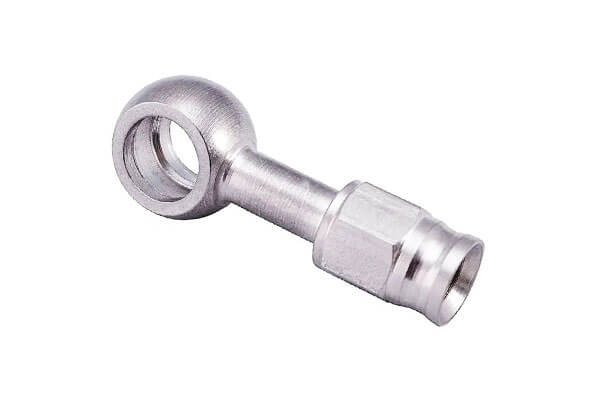
例えば, アイシ 430 屋内および軽度の腐食性環境に有用な耐食性を提供します。, 一方、次のような安定したグレード 439 そして 441 自動車の排気システムで広く使用されています.
などの高級合金グレード 444 塩化物を含む環境に対する耐性が大幅に向上し、熱水や特定の化学媒体を含む用途に適しています。.
腐食性能を評価する際には、いくつかの要素を考慮する必要があります:
- クロム含有量: 一般に、Cr が高いほど不動態化と耐酸化性が向上します。.
- モリブデン含有量: Moは孔食や隙間腐食に対する耐性を向上させます.
- 炭素と窒素: 過剰な格子間元素は、熱暴露中にクロムの消耗を促進する可能性があります.
- 安定: チタンまたはニオブの添加により、炭素と窒素の結合が促進されます。, 溶接後の耐鋭敏化性の向上.
- 表面状態: 研削, 研磨, 漬物, そして不動態化は実際の腐食挙動に大きな影響を与える可能性があります.
- サービス環境: 塩化物濃度, 温度, ph, 湿度, と暴露時間はすべて腐食性能に影響します.
したがって、フェライト系ステンレス鋼は、耐食性が必要な場合に特に魅力的ですが、ニッケル含有オーステナイト系ステンレス鋼のような極度の腐食性能は必要ありません。.
6. フェライト系ステンレス鋼の機械的性質
フェライト系ステンレス鋼の機械的挙動はクロム含有量に強く影響されます。, 炭素と窒素のレベル, 穀物サイズ, 合金の安定化, コールドワーク, および使用温度.
一般的に, フェライト系グレードは、以下の有用な組み合わせを提供します。 中~高強度, 適切な延性, 良好な疲労抵抗, そして、良好な次元の安定性.
代表的な機械的特性
| 機械的特性 | フェライト系ステンレス鋼の代表的な挙動 | 工学的な重要性 |
| 弾性率 | 約 200 GPA | 優れた弾性剛性と寸法安定性を実現 |
| 降伏強度 | 多くの標準グレードでは通常約 200 ~ 400 MPa | 永久変形に対する耐性を決定します |
| 抗張力 | 一般的には約400~600MPa, グレードと状態に応じて | 極限の引張耐荷重を決定します |
伸長 |
多くの場合約 15 ~ 30%, ただしグレードに大きく依存する | 成形中および過負荷中に利用可能な延性を示します |
| 硬度 | 一般に焼きなまし状態は中程度 | 耐摩耗性と機械加工性に影響を与える |
| 衝撃の靭性 | グレードに大きく依存する, 穀物サイズ, 温度, そして処理 | 低温および衝撃負荷のかかる用途にとって重要 |
フェライト系ステンレス鋼も、通常、従来の熱処理では強化が限られています。.
マルテンサイト系ステンレス鋼とは異なります, 通常、焼入れによって高硬度のマルテンサイト構造に変態することはできません。.
その機械的特性は主に次の方法によって制御されます。 合金, 穀物洗練, コールドワーク, および熱機械加工.
冷間加工により強度と硬度が向上します, ただし、過度の冷間変形により延性が低下し、成形が困難になる可能性があります。.
要求の厳しいアプリケーション向け, 材料の状態 - 焼きなましなど, コールドロール, または安定化済み - したがって、ステンレス鋼グレードと一緒に指定する必要があります.
低温時, 靭性は特に注目に値する. 一部のフェライト系ステンレス鋼では、 延性から脆性への移行, これは多くのオーステナイト系ステンレス鋼の挙動とは根本的に異なります。.
結晶粒の微細化と低炭素/窒素含有量により靭性が向上します, ただし、衝撃が重要な用途や極低温用途では、フェライト系グレードを慎重に選択する必要があります。.
7. フェライト系ステンレス鋼の溶接性
溶接性はフェライト系ステンレス鋼のグレードによって大きく異なります.
現代の低炭素, 安定化グレードは一般に、古い高炭素フェライト配合物よりも溶接性がはるかに優れています。, しかし、フェライト系ステンレス鋼は、多くの一般的なオーステナイト系グレードよりもさらに慎重な溶接管理を必要とします。.
冶金学上の主な懸念事項は次のとおりです。 熱影響部での粒子の粗大化 (ハズ).
フェライト系ステンレス鋼は溶接中も主にフェライト系のままであるため、, 入熱量が多いと粒子が粗くなる可能性がある. 粗粒の HAZ 領域では延性と靭性が低下する可能性があります.
もう一つの懸念は、 クロム炭化物または窒化物の形成.
十分な炭素または窒素が存在する場合, 溶接中の熱暴露により、結晶粒界に隣接するクロムの消耗が発生する可能性があります, 局部的な耐食性が低下する可能性がある.
成績が安定したのはこのためです チタンまたはニオブ, のような 409, 439, 441, そして 444, 一般的に溶接用途に選択されます.
溶接に関する重要な考慮事項
| 溶接係数 | 潜在的な問題 | 推奨されるコントロール |
| 過剰な入熱 | 結晶粒の粗大化と靭性の低下 | 制御された入熱を使用する |
| 高いパス間温度 | 過度の熱暴露 | パス間温度の制御 |
| 高炭素・窒素 | 鋭敏化と腐食感受性 | 低C/Nまたは安定したグレードを好む |
| 急速な冷却または制御されていない冷却 | 残留応力と歪み | 適切な溶接手順を確立する |
| フィラーメタルの不一致 | 腐食や機械的性能の低下 | サービス要件に基づいてフィラーを選択する |
| 表面の汚染 | 溶接欠陥と耐食性の低下 | 溶接前後の徹底した洗浄 |
ティグ, 私/雑誌, レーザー溶接, コンポーネントの形状に応じて、抵抗溶接もすべて使用できます。, 厚さ, 生産量, およびパフォーマンス要件.
溶接後, 漬物と危険性 熱着色を除去して耐食性を回復する必要がある場合があります, 自由な鉄汚染, およびその他の表面汚染物質.
重要なコンポーネントの場合, 溶接手順の資格は、視覚的な溶接品質だけでなく、引張特性にも対処する必要があります, 腐食挙動, ねじれ, 該当する場合、および HAZ パフォーマンス.
8. 形成性と機密性
形成性
フェライト系ステンレス鋼は一般に良好な冷間成形特性を示します。, 特に焼きなまし状態で供給される場合.
それらの伸びは通常、次の範囲に収まります。 20–30%範囲 多くの商用グレードに対応, 曲げに対して十分な延性を提供する, ロールフォーミング, スタンピング, その他の板金作業.
しかし, 成形性能は伸びだけでは決まりません.
降伏強度, 異方性, 作業硬化, シートの厚さ, 穀物構造, ツーリングの形状, 潤滑はすべて最終結果に影響を与える可能性があります.
精密成形用, 次のパラメータを制御する必要があります:
- 最小曲げ半径
- 圧延方向
- 工具クリアランス
- 潤滑
- 成形シーケンス
- スプリングバック補償
- 表面保護
フェライト系グレードは、適度な延性と比較的安定した寸法挙動を兼ね備えているため、大型シート部品にとって特に魅力的です。.
加工性
フェライト系ステンレス鋼は通常、従来の鋼材に適しています。 CNC加工.
しかし, クロムは合金であるため、加工パラメータは特定のグレードに合わせて最適化する必要があります。, モリブデン, 材質の硬さ, と熱伝導率は切削抵抗と工具寿命に影響します.
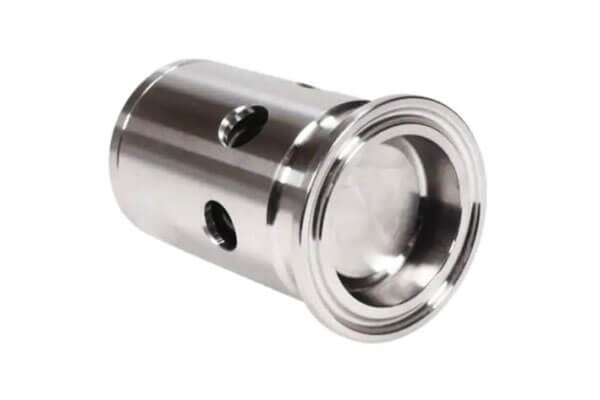
典型的な機械加工操作には次のものがあります。:
CNC旋削→フライス→穴あけ→リーマ→研削→研磨
精密部品用, の寸法公差 ±0.01mm以上 制御された CNC 加工条件下で達成できる可能性があります,
ただし、達成可能な公差はコンポーネントの形状によって異なります, マシンの能力, ワークホールディング, 素材の状態, ステンレス鋼グレード単独よりも熱安定性が高い.
機械加工中, 過剰な切削熱は寸法変動を引き起こす可能性があります. これは、位置公差が厳しい薄肉コンポーネントや精密部品の場合に特に重要です。.
9. フェライト系ステンレス鋼の表面仕上げ
表面仕上げは耐食性において重要な役割を果たします, 外観, きれいさ, 摩耗挙動, フェライト系ステンレス鋼部品の寸法性能.
| 表面仕上げ | 代表的な特性 | 典型的なアプリケーション |
| 2b | 冷間圧延, 熱処理, ピクルス, そして軽く肌が通りました; 滑らかで比較的反射性が高い | アプライアンス, 一般産業用部品, 建築パネル |
| ba | 高い反射率と滑らかな外観を備えた明るいアニール表面 | 自動車トリム, アプライアンス, 装飾コンポーネント |
| いいえ. 3 | 粗い機械研磨仕上げ | 建築および産業用コンポーネント |
| いいえ. 4 | 細かい方向性のあるブラッシュ仕上げ, 一般的に研磨ベルトを使用して製造されます | アプライアンス, 建築パネル, キッチン機器 |
ヘアライン |
大丈夫, 連続した方向性のある木目 | 建築およびインテリアの装飾部品 |
| 鏡面研磨 | 順送研磨による高反射表面を実現 | 装飾コンポーネントとプレミアム建築アプリケーション |
| 電動済み | 表面物質の電気化学的除去; 滑らかできれいな表面 | 衛生, 精度, 腐食に敏感な用途 |
| ピクルスおよび不動態化 | スケールを削除します, 熱色, 表面の汚れを除去し、きれいな不動態表面を復元します。 | 溶接された腐食に敏感なコンポーネント |
10. フェライト系ステンレス鋼の用途
フェライト系ステンレス鋼は、耐食性を兼ね備えた鋼として広く使用されています。, 酸化抵抗, 磁気挙動, 熱安定性, 中程度の機械的強度, コスト効率も求められる.
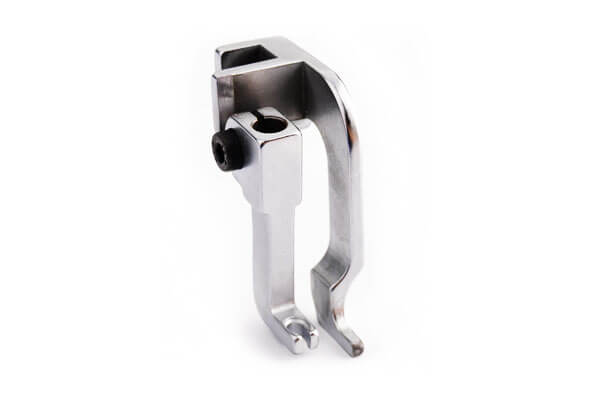
自動車の排気システム
自動車 排気システムはフェライト系ステンレス鋼の最も重要な用途の一つです.
などの成績 409, 439, そして 441 エキゾーストマニホールドによく選ばれます, パイプ, 触媒コンバーターのコンポーネント, マフラー, 及び関連耐熱部品.
素材は耐久性が必要です:
- 繰り返しの熱サイクル
- 高い排気ガス温度
- 酸化
- 凝縮水腐食
- 振動と機械疲労
熱膨張係数が比較的低く、高温酸化に対する耐性が優れているため、フェライトグレードはこの環境に特に適しています。.
家電製品
430 ステンレス鋼 耐食性を兼ね備えているため、家電製品に広く使用されています。, 魅力的な外観, 磁気挙動, 形成性, そして比較的低コスト.
代表的な製品としては、:
- 冷蔵庫パネル
- 食器洗い機のコンポーネント
- オーブンとレンジのコンポーネント
- キッチン機器
- アプライアンスのトリム
- 洗濯機部品
その磁性は、磁性による取り付けが必要な場合にも有利です。.
熱交換器・給湯機器
安定化されたフェライト系グレード 439 そして 444 耐食性と熱性能の魅力的な組み合わせを提供できます.
それらは以下で使用されます:
- 熱交換器部品
- 給湯器
- 給湯システム
- 冷却水設備
- コンデンサー
- 熱処理装置
フェライト系ステンレス鋼は比較的高い熱伝導率と低い熱膨張により、熱安定性の向上に役立ちます。.
建築および装飾部品
フェライト系ステンレス鋼は、適度な耐食性と表面外観が要求される建築用途にも使用されます。.
典型的なアプリケーションには含まれます:
- 内壁パネル
- エレベーターパネル
- 装飾トリム
- 建築外装材
- 家具のコンポーネント
- 厨房・業務用内装機器
などの成績 430 表面の外観のバランスを整えることができます, 形成性, 耐食性, コスト.
産業および化学機器
高クロムおよびモリブデン含有フェライトグレードは、耐食性と耐酸化性の向上が必要とされる特定の産業環境で使用できます。.
例えば, 444 特定の熱水および塩化物を含む環境を考慮できます。, 一方、次のような高クロムグレード 446 高温酸化耐性コンポーネントに適しています.
しかし, フェライト系ステンレス鋼は、攻撃性の高い化学環境や海洋環境に自動的に選択されるべきではありません。.
正確な媒体, 温度, 塩化物濃度, 材料を選択する前に腐食メカニズムを評価する必要があります.
11. 比較分析: フェライト系 vs. オーステナイト系 vs. マルテンサイトステンレス鋼
フェライト, オーステナイト, およびマルテンサイト系ステンレス鋼は、3 つの主要なステンレス鋼冶金科を代表します。.
それらの違いは主に次のような理由から生じます。 結晶構造, 合金化学, 位相安定性, 熱処理応答性, それが機械的特性を決定します, 耐食性, 溶接性, 磁気挙動, および典型的なアプリケーション.
| 財産 | フェライトステンレス鋼 | オーステナイトステンレス鋼 | マルテンサイトステンレス鋼 |
| 代表的なグレード | 409, 430, 439, 441, 444 | 304, 304l, 316, 316l, 321, 310 | 410, 420, 440a, 440b, 440c |
| 使用温度における典型的な結晶構造 | BCCフェライト | FCCオーステナイト | BCT/BCCマルテンサイト組織 硬化後 |
| 典型的なCr含有量 | 約 10.5–30% | 約 16–26% | 約 11.5–18% |
| 一般的な Ni 含有量 | 一般的に 非常に低い、または存在しない | 一般的に 8–20%以上 | 一般的に 低い, 一部のグレードにはNiが含まれていますが、 |
| 炭素含有量 | 全体的に低い, 特に現代の学年では | 非常に低いから中程度; 多くの低炭素グレードが利用可能 | 一般にフェライト系およびオーステナイト系グレードよりも高い |
| 磁気の挙動 | 磁気 | 一般的に 焼きなまし状態では非磁性; 冷間加工により磁気が発生する可能性があります | 磁気 |
| 硬化のための熱処理 | 一般的に 従来の焼入れでは硬化できない | 一般的に 従来の焼入れでは硬化できない | 焼き入れ・焼き戻しにより硬化可能 |
強度レベル |
適度; 冷間加工により増加可能 | 中程度の焼きなまし状態; 優れた加工硬化能力 | 熱処理後は高~非常に高 |
| 硬度 | 一般に中等度 | 一般に中等度 | 中程度から非常に高い, グレードと熱処理に応じて |
| 延性 | 適度 | 素晴らしい | 一般的に低い, 特に硬化した状態では |
| タフネス | 適度; 低温靱性が制限される可能性がある | 素晴らしい, 低温時も含めて | 適度; 炭素含有量と熱処理に大きく依存します |
| 耐食性 | 良いから非常に良い, Cr/Mo含有量に応じて | 全体的に優れています, 特に 316/316L および高級合金グレードの場合 | 中程度から良い; 通常はオーステナイトグレードよりも低い |
| 耐孔食性・耐隙間腐食性 | などの高Cr/Moグレードに優れています。 444 | 非常に良いから素晴らしい 316L などの Mo 含有グレード | 一般に中等度 |
熱伝導率 |
ステンレス鋼としては比較的高い; 通常、周り 20–30W/m・K | より低い; 通常、周り 14–16W/m・K 共通の 304/316 成績 | 大体周りに 20–30W/m・K, グレードに応じて |
| 熱膨張係数 | 比較的低い; 通常、周り 10–11×10⁻⁶/K | 比較的高い; 通常、周り 16–17×10⁻⁶/k のために 304/316 | 大体周りに 10–11×10⁻⁶/K |
| 溶接性 | 低C/安定化グレードでは中程度から良好; 粒子の成長を制御する必要がある | 全体的に優れています, 特に304L/316Lの場合 | オーステナイトグレードに比べて一般に制限される; 予熱と溶接後の処理が必要な場合があります |
| 形成性 | 適度; 曲げや多くの成形作業に適しています | 素晴らしい, 特に深絞りや複雑な成形に最適 | 硬化状態が中程度から不良 |
| 加工性 | 適度; グレードと作業硬化行動に大きく依存します | 適度; 加工硬化により加工の難易度が高まる可能性がある | 一般に自由加工または焼鈍材に優れています。, しかし硬化材は機械加工が難しい |
作業硬化 |
比較的限定的 | 強い加工硬化, 特に準安定グレードでは | オーステナイト系グレードに比べて制限がある |
| 低温性能 | 延性から脆性への転移の可能性により制限される | 優れた低温靱性 | オーステナイトグレードに比べて一般に制限される |
| 高温耐酸化性 | 良い, 特に高Crグレードでは | Cr/Ni含有量に応じて良好から優良まで | 中程度から良い |
| 一般的な製造ルート | ローリング, スタンピング, 曲げ, 溶接, 製造 | ローリング, 深い絵, スタンピング, チューブの生産, 溶接 | 圧延・鍛造後熱処理, 機械加工, 研削 |
| 典型的なアプリケーション | 自動車排気, アプライアンス, 建築パネル, 熱交換器, 給湯器 | 化学処理, 食品装備, 医薬品, 配管, 圧力容器, 建築構造 | ナイフ, 手術器具, バルブ, パンプス, シャフト, タービン成分, 耐摩耗性の部品 |
主な利点 |
合金コストが低く、良好な耐食性, 磁気応答, 低い熱膨張 | 優れた腐食抵抗, 延性, タフネス, および溶接性 | 高い硬度, 強さ, 熱処理後の耐摩耗性 |
| 主な制限事項 | オーステナイトグレードよりも低温靱性と成形性が低い | 合金コストが高い, より高い熱膨張, 一般に非磁性の動作 | 低腐食抵抗, 溶接性, ほとんどのオーステナイトグレードよりも靭性が高い |
| に最適です | コスト重視の耐食性コンポーネントと熱的に安定した用途 | 腐食性, 溶接, 高度に形成された, または低温用途 | 熱処理が必要な高強度かつ耐摩耗性の部品 |
12. 結論
フェライト系ステンレス鋼は、以下の特徴を備えた重要なステンレス鋼ファミリーです。 耐食性, 磁気特性, 比較的低い熱膨張, 良好な熱伝導率, コスト効率.
主にフェライト系 BCC 構造により、オーステナイト系およびマルテンサイト系ステンレス鋼と比較して独特の特性プロファイルが得られます。.
キーテイクアウト
- フェライト系ステンレス鋼 aによって特徴付けられます 体中心の立方体 (BCC) 構造, 磁気的挙動, そして ニッケル含有量が低い.
- 耐食性 クロムによって提供されます (10.5–30%); モリブデンと安定剤 (の, NB) パフォーマンスを向上させる.
- 成績 標準グレードからの範囲 (409, 430) 高クロムグレードまで (446) そして安定した成績 (439, 441, 444).
- 主要なプロパティ: 良好な腐食抵抗, 磁気, 高い熱伝導率, 低い熱膨張, そして、優れた形成性.
- 制限: 延性の低下, DBTT, 限られた溶接性, および感作リスク.
- アプリケーション: 自動車排気, アプライアンス, 建築, 熱交換器, 食品加工, および化学処理.
- 利点: 費用対効果, 耐SCC性, 磁気, リサイクル可能.
- 短所: 低温靱性が限られている, 溶接性の問題, オーステナイトグレードより耐食性が低い.
エンジニアリング用途向け, 正しいアプローチは、サービス環境全体を評価することです。 温度, 腐食にさらされる, 機械的負荷, 成形要件, 溶接条件, 寸法要件, および予想耐用年数.
これらの要素を適切に考慮すると、, フェライト系ステンレス鋼は、非常に効果的な性能の組み合わせを提供します, 耐久性, 製造業経済と.
LangHe – ステンレス鋼精密部品の信頼できるパートナー
ランゲ産業 は、精密ステンレス鋼部品の高度に専門化されたメーカーです, 産業機器から自動車、航空宇宙まで幅広い業界に高品質のカスタムパーツを提供, 医療機器, および流体ハンドリングシステム.
インベストメント鋳造における数十年にわたる実践経験, 精密CNC加工, 総合的な表面仕上げ,
LangHe は、サプライチェーンの複雑さを軽減し、一貫した製品品質を保証するように設計された統合製造ソリューションを提供します。.
LangHe は単なる鋳造サプライヤーではありません; 私たちはフルサービスのエンジニアリングパートナーです.
DFM 分析とラピッド プロトタイピングから生産まで, 熱処理, および品質保証, 私たちは製造ライフサイクル全体を管理します.
私たちのISO 9001:2015 認定施設, 社内のツール機能, CMM を含む厳格な検査プロトコル, NDT, 圧力テスト - すべてのコンポーネントが国際基準を満たしているか、それを超えていることを確認します.
今日お問い合わせください 次のプロジェクトについて話し合い、LangHe がどのようにしてあなたのデザインを正確に実現できるかを発見します。, 品質, と効率.
FAQ
フェライト系ステンレス鋼は磁性を持ちます?
はい. フェライト系ステンレス鋼は一般的に、 室温での強磁性 フェライト系BCC構造のため.
この特性により、磁気応答が必要な用途に適しています。.
フェライト系ステンレス鋼は耐食性があります?
はい, ただし、耐食性のレベルはグレードによって大きく異なります.
学年 430 多くの大気環境および軽度の腐食性環境において優れた耐性を発揮します。,
一方、モリブデンを含む高級合金グレード, のような 444, 孔食や塩化物を含む環境に対する耐性が大幅に向上します。.
フェライト系ステンレス鋼はオーステナイト系ステンレス鋼よりも優れています?
必ずしもそうではありません; それはアプリケーションによって異なります.
フェライトグレードは磁気特性を必要とする用途に適しています, 良好な熱伝導率, ストレス腐食亀裂に対する耐性 (SCC). 費用対効果も高くなります.
オーステナイト系グレードは優れた耐食性を提供します, より良い成形性, 低温でのより高い靭性.
フェライト系ステンレス鋼とマルテンサイト系ステンレス鋼の違いは何ですか?
フェライト系ステンレス鋼は熱処理によって硬化せず、BCC構造をとります。.
マルテンサイト系ステンレス鋼は熱処理により硬化することができます (クエンチングと焼き戻し) 体心正方晶系を持っています (BCT) 構造. マルテンサイトグレードは炭素含有量が高く、硬度が高い.
フェライト系ステンレス鋼のDBTTとは何ですか?
フェライト系ステンレス鋼は延性から脆性への転移温度を示します (DBTT) -50℃~+20℃の範囲.
この温度以下では, 衝撃荷重がかかると脆くなり、破損しやすくなります. これにより、低温用途での使用が制限されます.
フェライト系ステンレス鋼は炭素鋼とどう違うのか?
フェライト系ステンレス鋼は、クロムを含有しているため、炭素鋼よりも大幅に優れた耐食性を備えています。. それはまた高価です.
しかし, 炭素鋼といくつかの特性を共有しています, 磁性やBCC構造など.
フェライト系ステンレス鋼は硬化できますか?
いいえ, フェライト系ステンレス鋼は熱処理によって硬化することができません. 冷間加工でしか強化できない (作業硬化).
これによりマルテンサイトグレードと区別されます, 焼き入れと焼き戻しによって硬化することができます.