

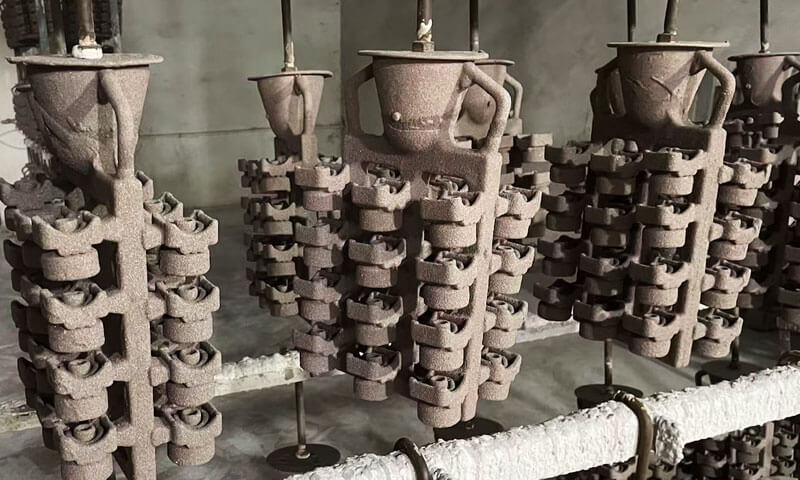
インゲート, インナースプルーとも呼ばれます, 鋳造ゲート設計においてランナー システムを鋳造キャビティに接続する最後の重要なチャネルとして機能します。.
流速を直接制御します, 充填シーケンス, 給餌効率, 金型に入る溶融金属の流体安定性.
溶融金属輸送のターミナルリンクとして, インゲート設計は凝固挙動に決定的な影響を与えます, 内部微細構造, 寸法精度, 表面の品質, 完成した鋳物のサービスの信頼性.
不合理なゲートのレイアウトと寸法設計が一般的な鋳造欠陥の主な原因です, 引け巣を含む, 収縮気孔率, スラグ混入, 乱流浸食, 粗粒構造, 鋳造変形, そして熱亀裂.
さまざまな鋳造構造, 肉厚分布, 合金の特性, 品質要件には、標準化されたユニバーサル構成ではなく、ターゲットを絞ったゲート設計スキームが必要です.
古典的な鋳造凝固理論に基づく, 流体力学の原理, 工業用量産経験,
この記事では、鋳造インゲートに関するすべての主要な設計上の考慮事項を体系的に詳しく説明します。, 凝固マッチングルールをカバー, 流れ方向制御, 寸法パラメータの最適化, ポジションの選択, プロセス適応性, および欠陥防止戦略.
厳格な, プロ, 鉄および非鉄合金鋳物製造の実用的な設計ガイドライン.
1. 凝固シーケンスと供給戦略に合わせた注入レイアウトのマッチング
インゲートのレイアウトは効果的なゲート システムの基礎です.
その場所, 量, 配置はキャストと慎重に調整する必要があります。 凝固シーケンス そして 給餌戦略 金型への完全な充填を保証するため, 効率的な収縮補正, そして一貫性 鋳造 品質.
適切に設計された注入口は、溶融金属を金型キャビティに導くだけでなく、熱分布にも影響を与えます。, 温度勾配, 凝固時の液体金属の動き.
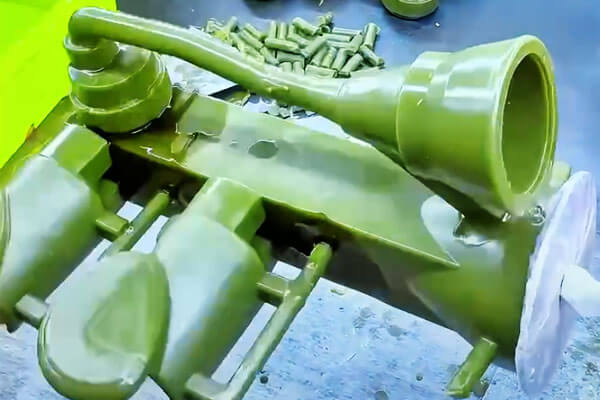
同時凝固のためのインゲート設計
同時凝固は、残留応力を最小限に抑える比較的均一な肉厚の鋳物に一般的に採用されます。, 変形, 寸法変化が主な目的です.
均一な冷却を実現するには, 複数のインゲートが薄肉セクション全体または鋳物の周囲に分散されています。.
単一の大きな Ingate に依存するのではなく, a 多点分散ゲートシステム 溶融金属が複数の場所から同時にキャビティに入ることができます, 充填距離を短縮し、金型全体のバランスの取れた温度分布を促進します。.
このアプローチにはいくつかのエンジニアリング上の利点があります:
- 単一注入口付近の局所的な過熱を最小限に抑えます。.
- 鋳物全体の温度勾配を軽減します.
- 異なる領域での同期凝固を促進します.
- 残留熱応力を低減します.
- 反りや歪みのリスクを軽減します.
- 精密鋳造品の寸法安定性を向上します。.
同時凝固は特に次の用途に適しています。:
- 薄肉構造コンポーネント
- バルブカバー
- ポンプハウジング
- 楽器のケーシング
- 自動車および航空宇宙用の精密鋳造
各セクションは同じ速度で冷却されるため、, 鋳造品はより均一な収縮を経験します, その結果、幾何学的精度が向上し、内部応力が減少します。.
方向性凝固のための Ingate 設計
薄肉コンポーネントとは異なります, 重い断面の鋳物には、まったく異なる供給哲学が必要です.
厚い部分は熱を長時間保持し、熱の影響を受けやすくなります。 収縮キャビティ そして 収縮気孔率 凝固中に利用できる液体金属が不十分な場合.
これらの鋳造品については、, 目的は確立することです 方向凝固, 金属が最も薄い部分から最も厚い部分に向かって徐々に凝固し、最終的にはライザーに達します。.
これを達成するには, インゲートは、供給需要が最大となる熱ホットスポットまたは厚壁領域に隣接して配置する必要があります。.
ライザーがゲートシステムに組み込まれている場合, 多くの場合、注入口はライザーを介して、またはその近くに接続され、凝固の最終段階で溶融金属の継続的な供給を維持します。.
適切に設計された方向性凝固システムにはいくつかの利点があります:
- 鋳物とライザーの間の途切れない供給チャンネルを維持します。.
- ライザーを鋳物よりも長く溶融状態に保ちます.
- 収縮欠陥を形成する可能性のある孤立した液体プールを防止します.
- 制御された温度勾配を促進します.
- 内部の健全性と密度を向上させます.
- 圧力がかかるコンポーネントの機械的特性を強化します.
この設計思想は以下の用途に広く使用されています。:
- バタフライバルブ本体
- ポンプケース
- タービンハウジング
- 大型フランジ
- 圧力容器のコンポーネント
- 重機鋳物
方向性凝固は炭素鋼および合金鋼の鋳物にとって特に重要です, 体積凝固収縮が比較的大きい場合.
複雑な鋳物のための複合インゲートレイアウト
多くの工業用鋳物は、さまざまな肉厚を持つ非常に複雑な形状を特徴としています。, 交差するリブ, ボス, フランジ, 強化されたセクション.
これらの場合, 同時凝固または純粋な方向性凝固だけでは、最適な鋳造品質を達成することはできません。.
その代わり, 鋳造エンジニアは通常、 複合インゲートレイアウト, 単一のキャスティング内で複数のフィーディング戦略を組み合わせる.
このアプローチの下では:
- 薄肉領域は複数の分散された注入口を通して充填され、迅速かつバランスのとれた充填を実現します。.
- 厚肉セクションは、ライザーへの方向性供給をサポートする戦略的に配置されたインゲートによって供給されます。.
- 鋳物全体が比較的均一な冷却を維持しながら、局所的な熱ホットスポットは追加の供給支援を受けます.
複合ゲート システムの利点は次のとおりです。:
- 金型充填効率の向上.
- 孤立した重い切片の供給を強化.
- 収縮欠陥の減少.
- 鋳物全体の残留応力を低減.
- 寸法精度の向上.
- 全体的な鋳造歩留まりの向上.
今日, 複合インゲートのレイアウトは、通常、鋳造シミュレーション ソフトウェアを使用して最適化されます。, エンジニアが溶融金属の流れを評価できるようにする, 温度フィールド, 製造開始前の凝固挙動.
肉厚の変化が大きい鋳物に関する設計上の考慮事項
一部の鋳物には、機能要件または構造上の制約により、肉厚が極端に不均一になっています。.
このような状況では, 溶融金属は重い部分に到達する前に薄い部分から入る必要があるため、理想的な注入位置が常に実現可能であるとは限りません。.
従来のインゲート配置が供給要件を完全に満たせない場合, 鋳造の完全性を維持するには追加のプロセス対策が不可欠になります.
一般的なエンジニアリング ソリューションには次のものがあります。:
- 金属の冷え 厚肉セクションに隣接して配置され、局所的な凝固を促進し、温度勾配を制御します.
- 補助ライザー 補足的な給餌を提供するために孤立したホットスポットの近くに追加.
- 断熱または発熱スリーブ 給餌時間を延長するためにライザーで使用されます.
- 最適化されたランナーのバランス すべての重要な地域に適切な金属が確実に供給されるようにする.
- 鋳造シミュレーション解析 潜在的な収縮箇所を特定し、注入位置を調整します。.
これらの補助技術を慎重に設計された ingate システムと統合することにより、, メーカーは、引け巣を最小限に抑えながら、肉厚差が大きい鋳物を首尾よく製造できます。, 気孔率, 熱応力, そして歪み.
インゲートのレイアウトと固化を一致させるためのエンジニアリング ガイドライン
次の表は、鋳造特性と凝固目的に基づいた推奨される注入口の配置をまとめたものです。.
| キャスト特性 | 推奨される凝固モード | 推奨される Ingate レイアウト | エンジニアリングの主な目的 |
| 薄肉, 均一なセクション | 同時凝固 | 薄切片上の複数の分散したインゲート | 熱応力と変形を最小限に抑える |
| 厚肉, 圧力含有コンポーネント | 方向凝固 | Ingate はホットスポットの近くに配置され、ライザーと調整されています | 供給効率を最大化し、収縮を排除します |
| 肉厚が混在した複雑な鋳物 | 複合凝固 | 分散インゲートと指向性インゲートの組み合わせ | 充填効率のバランスをとる, 給餌, および寸法の安定性 |
| 極端な肉厚変化のある鋳物 | 方向性凝固補助 | インゲートは悪寒を補う, 補助ライザー, 熱管理対策 | 収縮欠陥を防止し、内部の健全性を向上 |
2. 注入流方向制御により金型とコアの損傷を回避
The 溶湯の流れ方向 金型キャビティに入る瞬間は、ゲート システムの設計において最も重要な要素の 1 つです.
インゲートのサイズと位置が充填率を決定します。, 金属の流れの方向が支配する カビの侵食, コアの安定性, 乱気流の強さ, 包有物分布, 全体的な鋳造品質.
ゲートの向きが不適切だと、高速のメタル ジェットが生成され、金型の壁や中子に直接衝突する可能性があります。, キャビティが完全に満たされる前に機械的損傷を引き起こす.
結果として生じる欠陥には次のものがあります。 砂の侵食, コアの変位, 金型壁の崩壊, スラグの捕捉, ガス気孔率, 寸法の不正確さ, 表面仕上げが悪い.
したがって, 注入口は、脆弱な金型フィーチャーへの動的影響を最小限に抑えながら、溶融金属をキャビティ内にスムーズに導くように設計する必要があります。.
流体力学の観点から, 目的は、集中した衝撃力によって金型を損傷したり凝固プロセスを妨害したりするのではなく、溶融金属の運動エネルギーを制御されたキャビティ充填に変換することです。.
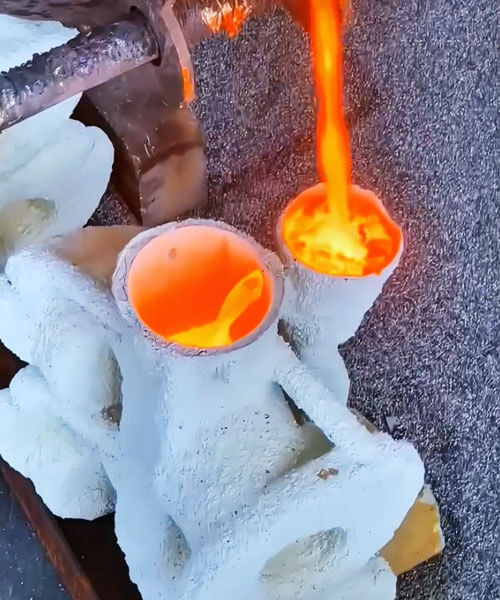
砂中子や金型表面への直接衝撃を防止
ingate 設計の最も重要な原則の 1 つは、 壊れやすい金型部品への溶融金属の直接衝突を回避します。.
砂コア, 薄い金型壁, チルブロック, セラミックインサート, そして、溶融金属が凝固し始める前のコアプリントの機械的強度は限られています。.
この部分に向けて高速の溶湯を直接吐出すると, いくつかの欠陥が同時に発生する可能性があります.
典型的な結果には次のものがあります。:
- 砂の侵食とカビの洗浄.
- コアの割れやズレ.
- 金型キャビティの拡大.
- 砂混入欠陥.
- 局所的な寸法偏差.
- 面粗度の劣化.
- 取り代増加.
インベストメント鋳造および精密砂型鋳造用, 寸法精度が特に重要な場合, わずかなコアの動きでも、許容できない幾何学的偏差が生じる可能性があります.
衝撃エネルギーを軽減するには, 注入口は、溶融金属が最初に金型の壁に沿って流れるか、より大きなキャビティに入り、繊細な内部形状に到達する前に速度が自然に低下するように位置決めする必要があります。.
スムーズで安定したメタルフローの促進
効果的な注入は、流れ方向の突然の変化を許容するのではなく、スムーズかつ制御された方法で溶融金属を金型キャビティに導く必要があります。.
安定した流れにはいくつかの重要な利点があります:
- 乱流と渦の形成を軽減します.
- 酸化皮膜の生成を最小限に抑える.
- 金型充填の一貫性を向上.
- ガス排出を強化します.
- 均一な温度分布を促進します.
- 鋳造内部の健全性を向上.
酸化を受けやすい合金を鋳造する場合、段階的な流れの移行が特に重要です, ステンレス鋼やアルミニウム合金など.
丸いゲート入口とランナーからインゲートへのスムーズな移行により、連続的かつ規則正しい金属の流れを維持しながら、局所的な圧力損失を軽減します。.
円形鋳物用の接線ゲート設計
特定の鋳造形状の場合, 特に円形または回転対称のコンポーネント, a 接線方向のインゲート 直接ラジアル送りに比べて大きな利点があります.
溶融金属をキャビティに直接導くのではなく、, インゲートはキャビティ壁に沿って接線方向に金属を導入します。, 直線的な流れを制御された回転運動に変換します。.
この設計にはいくつかのエンジニアリング上の利点があります:
- 金型壁面への直接的な衝撃を軽減します。.
- 溶融金属をキャビティの周囲により均一に分配します.
- 充填中の温度場のバランスをとります.
- 局所的な過熱を軽減します.
- 外周部の充填性を向上.
- 温度勾配を最小限に抑える.
タンジェンシャル ゲートは一般的に次の目的で使用されます。:
- 円形ハウジング
- フライホイール
- リング状鋳物
- 滑車
- バルブリング
- 回転機械部品
適切に設計されている場合, 旋回する金属の流れは、比較的安定した流れ状態を維持しながら徐々にキャビティを満たします。.
接線送りの限界
タンジェンシャル ゲートは多くの回転鋳造にとって非常に効果的ですが、, そうです 普遍的に適用できるものではない.
円筒用, 管状, または内部表面の品質が重要な中空鋳物, 接線方向の流れは望ましくない流体力学を引き起こす可能性があります.
溶融金属の回転運動により、軽い汚染物質がキャビティの中心または内面に向かって移動する傾向があります。. これらの汚染物質には次のものがあります。:
- 酸化皮膜.
- スラグ粒子.
- モールドエロージョン製品.
- バインダーまたはワックスからの熱分解残留物.
- 非金属介在物.
結果として, 内面に異常が見られる場合があります:
- 介在物欠陥.
- ラフな表面仕上げ.
- 耐圧性の低下.
- シール性能が悪い.
- 加工要件の増加.
その結果, 接線方向のインゲートは通常、次のようなコンポーネントでは避けられます。:
- 圧力パイプ
- 油圧シリンダー
- ポンプスリーブ
- バルブライナー
- 高圧管状コンポーネント
これらの製品については, よりきれいな内面を確保するには、通常、底部充填または制御された軸方向充填が推奨されます。.
通気とスラグ除去による流れ方向の調整
溶融金属の流れの方向は、金型キャビティからのガスや非金属介在物の効果的な除去もサポートする必要があります。.
理想的には, 溶融金属は次のように進むはずです。:
- 空気を通気口に向かって押し出す.
- スラグをオーバーフロー井戸に向けて運びます.
- ガスの閉じ込めを防ぎます.
- 重要なセクションから介在物を浮かせることができます.
注入口が閉じ込められたエアポケットに金属を向けたり、反対側のフロー フロントを強制的に衝突させたりする場合, ガスの多孔性と酸化物の閉じ込めが非常に起こりやすくなる.
複雑な鋳物用, エンジニアはよく ingate のレイアウトを調整します。:
- 通気口の位置.
- オーバーフローキャビティ.
- スラグトラップ.
- セラミックフォームフィルター.
この統合されたアプローチにより、鋳造の清浄度と内部品質が大幅に向上します。.
マルチインゲートシステムで均一な流れ方向を維持
大型または複雑な鋳造品では、完全な金型充填を達成するために複数の注入口が必要になることがよくあります。.
しかし, インゲートの数を単に増やすだけでは、品質の向上は保証されません.
すべての溶融金属の流れが共通の充填フロントに向かって進むように、各注入口からの流れの方向を慎重に調整する必要があります。.
隣接する入口が矛盾する方向に金属を放出する場合, いくつかの問題が発生する可能性があります:
- 流れの衝突.
- 乱気流.
- 空気の巻き込み.
- 酸化皮膜折り加工.
- コールドシャット.
- ウェルドライン.
- 不均一な温度分布.
逆に, 一貫した流れの方向を維持することで、:
- 安定したキャビティ充填.
- 滑らかな温度勾配.
- 通気性の向上.
- より効率的なスラグ浮選.
- 寸法の一貫性が向上.
コンピュータベースの鋳造シミュレーションは、生産開始前に複数の投入口の流れパターンを最適化するために今日広く使用されています。.
3. Ingate 次元の最適化: 薄型構造設計を優先
注入口の厚さは最も重要な寸法パラメータの 1 つです, 薄いインゲート設計は、ほとんどの鋳造プロセスで推奨されるスキームです。, 複数の技術的および生産上の利点を備えています:
薄いインゲートの主な利点
初め, 薄い注入口により、溶融金属の流れの吸引領域が減少します, ランナーシステムのスラグブロック効果を高めます。, スラグや不純物が鋳造キャビティに吸い込まれるのを防ぎます。.
2番, 鋳造後の洗浄作業負担を大幅に軽減します, 鋳造本体への過度の研削や切断による損傷を回避します。.
三番目, 注入口の厚さが鋳造壁の厚さよりも小さいため, インゲートは鋳物よりも早く固化します, 取り外し時に接続位置に二次収縮欠陥がないことを保証します。.
ねずみ鋳鉄およびダクタイル鋳鉄鋳物用, 薄いインゲートは凝固時の溶鉄の黒鉛化膨張効果を最大限に活用します, 鋳造構造を圧縮し、微小収縮気孔を排除します。.
ダクタイル鋳鉄鋳物の特殊寸法仕様
ダクタイル鋳鉄は凝固収縮が大きく、供給安定性に対する要求が高い.
標準工業デザインでは、ダクタイル鋳鉄製インゲートの幅と長さは次のように規定されています。 4 インゲートの厚さの倍, 充填速度のバランスを取る, 供給能力, 簡単な洗浄性能.
4. 薄肉鋳物供給用のマルチインゲート設計
超薄肉鋳物は素早い熱放散を特徴とします。, 迅速な固化, そして不十分な自然摂食, 低温遮断や微小収縮欠陥が発生しやすくなります。.
マルチインゲート ゲート システムは、このような製品の標準ソリューションです。.
このデザインでは, 各インゲートは小型ライザーネックに相当します.
インゲートのサイズはライザーネックの設計基準に厳密に準拠する必要があります, インゲートが鋳造ホットスポットよりも長く溶融状態を維持できるようにする.
これにより、薄肉鋳物の凝固収縮プロセス中の溶融金属の連続供給が保証されます。, 急速凝固による供給不足不良を効果的に解決.
5. 鋳造品質グレードに基づくインゲート位置の選択
インゲート位置は高精度を避ける必要があります, 高性能, 溶融金属の洗掘や局所的な過熱による品質劣化を防ぐ鋳物の高外観要求領域.
初め, ゲート接続領域での長期にわたる高温の溶融金属の研磨により、局所的な金属組織が粗大化します。, 機械的特性の低下, 集中残留応力.
したがって, インゲートを主要な耐荷重面に配置することは禁止されています, 精密な一致面, および中核となる機能領域.
2番, 耐圧性と漏れ防止のパイプ鋳物用, インゲートはパイプ壁本体ではなくフランジ位置に均一に配置されています.
これにより、パイプ壁の収縮気孔や緩い構造が回避されます。, 耐圧パイプ部分のコンパクトさとシール性能を確保.
三番目, 事前に加工された表面にインゲートを配置すると、その後の加工で酸化斑点や粗大粒子などの表面欠陥を除去できます。, 完成した鋳造品の全体的な外観と寸法品質を最適化します。.
6. 乱流を排除する均一な流れ方向設計
早く達成するには, 安定した, 整然とした金型充填, マルチポイント ゲート システムのすべての入力は維持する必要があります 一貫した溶融金属の流れ方向.
流れの方向が乱れると相互に衝突する, クロスフロー, キャビティ内の溶融金属の渦巻き乱流.
過度の乱流は空気を巻き込みます, スラグ, そしてカビの粉塵, 気孔や介在物欠陥の形成.
その間, 混沌とした流れは、キャビティガスと浮遊スラグのタイムリーな排出を妨げます。, 鋳物の純度と表面品質をさらに低下させる.
均一な方向の流れにより安定した充填が保証されます, スムーズな排気, 効率よくスラグを浮遊させます, 高品質な鋳物成形の基礎を築く.
7. プロセスの利便性: パーティング面のインゲートレイアウト
実際の制作では, インゲートは可能な限り金型のパーティング面に配置する必要があります.
このレイアウトにより金型の分割が簡素化されます, 砂詰め, および型締め作業, 手作業による成形の難しさを軽減, 成形効率の向上, 金型の組み立てミスによる不良品率を低減します。.
パーティング面のインゲートにより、集中ゲートシステムの設定も容易になります, 標準化された切断, そして自動クリーニング, 内部キャビティ鋳造レイアウトと比較して、機械化および自動化された大量鋳造生産に適しています。.
8. 高収縮合金鋳物向けの耐亀裂設計
凝固収縮が大きい合金 (高炭素鋼など, アルミニウム合金, およびマグネシウム合金鋳物) 凝固中に熱亀裂や収縮亀裂が発生しやすい. そういった素材に関しては, ゲートの設計では、鋳造品の自由収縮を制限することを避けなければなりません.
不合理なゲートの位置決めは、冷却収縮中に鋳造物に厳しい制約を形成します。, 接続部分に引張応力が発生し、熱亀裂を誘発する.
最適化された注入口レイアウトは、柔軟な接続と回避設計を採用し、鋳物に十分な収縮スペースを確保します。, 収縮拘束応力を除去します, 高収縮合金鋳物の熱亀裂欠陥を効果的に防止します.
| 合金 | 主要な設計上の考慮事項 | 典型的なインゲート戦略 |
| 炭素鋼 | 高い収縮, 適度な流動性 | 効果的なライザー供給を備えた大型ゲート |
| ステンレス鋼 | 酸化に敏感 | スムーズ, 低乱流充填 |
| 灰色の鉄 | 黒鉛化膨張 | バランスのとれた供給による小型のインゲート |
| 延性鉄 | 凝固収縮が大きい | 広いインゲートと安定した供給システム |
| アルミニウム合金 | 流動性に優れるが酸化に弱い | 乱流が少ない薄いゲート |
| ブロンズ & 真鍮 | 良い流動性 | 酸化を軽減するための適度なゲート速度 |
9. 適切な注入口設計により一般的な鋳造欠陥を防止
適切に設計されたインゲートは、欠陥を防ぐための最も効果的なツールの 1 つです.
溶湯の流れを制御することで, 凝固挙動, と給餌効率, インゲートは鋳造品質を大幅に向上させ、生産ロスを削減します.
| 鋳造欠陥 | 主な原因 | 推奨される Ingate 設計ソリューション |
| ひけ巣 | 不十分な給餌 | インゲートをホットスポットの近くに配置し、ライザーと調整します |
| 収縮気孔率 | 断続凝固供給 | 方向性凝固を促進し、液体金属の経路を維持します。 |
| コールドシャット | 金属温度の低下または流れの中断 | 入口面積を増やすか、流れ距離を減らす |
| エジプト | 充填能力が不十分 | ゲート寸法を最適化し、充填バランスを改善 |
| ガス気孔率 | 乱流による空気の巻き込み | ゲート速度を下げて層流を促進する |
酸化物介在物 |
乱流表面の折り曲げ | 必要に応じて、スムーズなゲート遷移とボトムフィルを使用します。 |
| 砂の侵食 | 高速金属衝突 | 流れを金型壁やコアから遠ざける方向に向ける |
| 熱い涙 | 凝固収縮の抑制 | 堅固なゲート接続を避け、自由な収縮を可能にします |
| 反り・歪み | 不均一な冷却 | 均一な温度分布を実現するために注入口レイアウトのバランスをとります |
10. 鋳造シミュレーションによる設計の検証
現代の鋳造工場はますます依存しています コンピュータ支援エンジニアリング (CAE) および鋳造シミュレーション ソフトウェアにより、生産開始前に湯口設計を最適化します。.
経験的な経験だけに頼るのではなく、, エンジニアは溶融金属の流れを予測できる, 温度分布, 凝固シーケンス, 実際のプロセス条件下での欠陥形成.
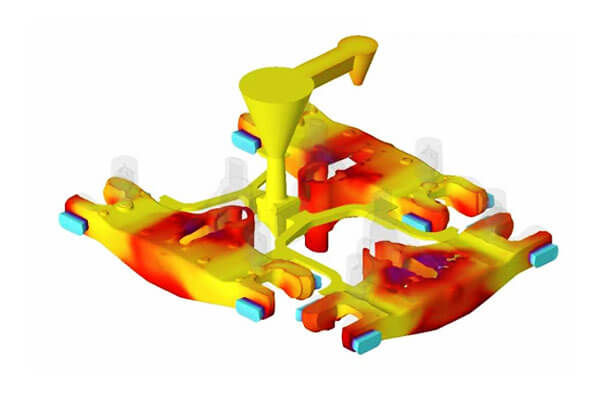
一般的なシミュレーション プラットフォームには次のものがあります。 マグソフト®, Procast®, エニーキャスティング®, およびフロー 3D キャスト, 鋳造プロセスに関する貴重な洞察を提供します.
シミュレーションにより、エンジニアは次のことが可能になります。:
- 空洞の充填を視覚化し、乱流を特定する.
- 引け巣と気孔率を予測する.
- ゲートサイズの最適化, 量, と場所.
- 方向性凝固と供給効率の向上.
- 試鋳コストを削減し、開発サイクルを短縮します.
仮想検証を設計プロセスに組み込むことにより、, メーカーはより高い初回通過歩留まりを達成できる, 鋳造品質を向上させる, 製品開発を加速します.
11. 結論
インゲートはゲート システムの 1 つの要素にすぎませんが、, それは品質に大きな影響を与えます, パフォーマンス, 鋳物の製造可能性.
適切に設計された注入口は、スムーズかつ完全な金型充填を保証するだけでなく、効果的な供給を促進します。, 乱流を最小限に抑えます, 方向性凝固をサポート, 収縮などの一般的な欠陥の可能性を軽減します。, 気孔率, インクルージョン, そして熱い涙.
鋳造技術は進歩し続けるので、, ingate design は、経験ベースの実践から、計算シミュレーションによってサポートされるデータ駆動型のエンジニアリング分野へと進化しています。, デジタルプロセスの最適化, そしてインテリジェントな製造.
凝固理論を統合することで, 流体ダイナミクス, 合金行動, 生産上の考慮事項を統合設計戦略に組み込む, 鋳造工場はより高い寸法精度で鋳物を製造できる, 機械的性能の向上, プロセスの一貫性の向上.
最終的に, 最適化された注入口の設計は、単なる溶融金属の通路ではなく、鋳造の品質を決定する重要なエンジニアリング ツールです。, 生産効率, コンポーネントの長期信頼性.
したがって、設計原則を習得することは、欠陥を減らしながら高性能鋳物の製造を目指す鋳造工場にとって不可欠です。, 生産コストの削減, ますます厳しくなる業界基準を満たす.
専門的なキャスティング ゲート設計のサポートが必要?
朗河産業が提供する:
- インベストメント鋳造エンジニアリング
- 砂型鋳造の最適化
- 鋳造シミュレーション解析
- DFM レビュー
接触 弊社エンジニアによる無料鋳造評価.

