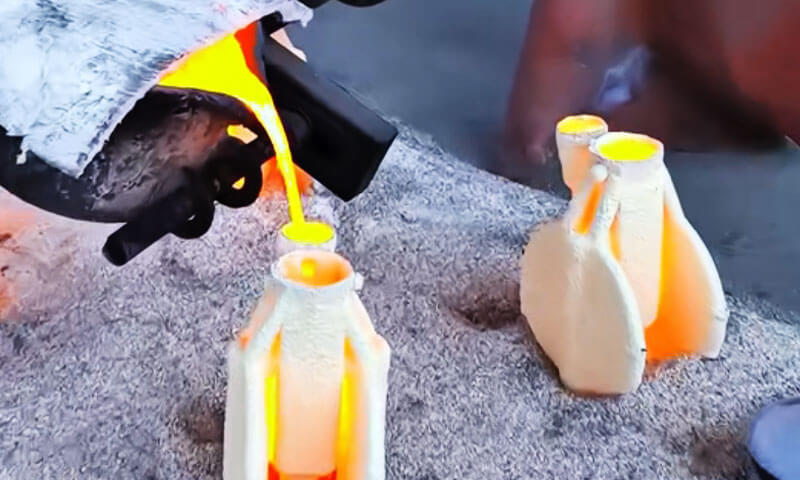
重機鋳物は、溶融金属を金型に注ぐことによって生成される構造的および機能的な成分であり、複雑な形状を組み合わせた部品を作成する, 高い機械的強度, 規模の費用対効果の高い生産.
建設業などの産業には欠かせないものです, マイニング, 農業, レール, 海洋とエネルギー.
適切な材料の選択, キャストプロセス, 熱的および機械的後処理, と厳格な品質管理が耐用年数とライフサイクルコストを決定します.
1. 重機鋳物とは
重機鋳物は、鋳造プロセスによって製造されるニアネットシェイプの金属部品です。 (例えば。, 砂鋳造, 失われた燃料キャスティング, 投資キャスティング, 遠心鋳造) 移動式または固定式の重機における構造的または機能的な耐荷重サービスを目的としています。.

特徴
- サイズ & 規模. 質量は通常数十キログラムの範囲にあります (例えば。, コンパクトなギアボックス ハウジング ≈ 50 kg) 最大何トンまで (大型鉱山トラックのフレームと工場ハウジング - 数十トンから数百トン).
大規模なアセンブリでは、直線寸法が数メートルを超えるのが一般的です. - 耐荷重機能. これらの部品は静的および動的荷重を伝達します (曲げ, ねじり, 軸力と衝撃) したがって、制御された強度の組み合わせが必要です, 靭性と剛性.
代表的なコンポーネントにはブームが含まれます, フレーム, ハウジング, カプラーとハブ. - 環境回復力. 粉塵にさらされることを考慮した設計, 水分, 腐食性化学物質 (肥料, 塩),
研磨剤と幅広い温度範囲 (サービスウィンドウの例: −40℃~ +150 °C; 極端な場合には、特殊な合金や表面保護が必要になる場合があります). - 設計のトレードオフ — コストと耐久性. 鋳物は多くの場合、単純な製造溶接よりも部品あたりの製造コストが高くなりますが、統合された形状を提供します。,
アセンブリの削減と溶接股の排除 (一般的な亀裂発生部位), その結果、多くのヘビーデューティ用途においてフィールド寿命が長くなり、総所有コストが削減されます。.
代表的な業績目標 (典型的な, アプリケーションによる)
- 抗張力 (rm): 構造用鋳造部品: ≥ 400 MPA (ダクタイル鋳鉄に共通, 中強度鋳鋼);
高ストレスコンポーネント (クレーンフック, 目を持ち上げる): 700~900MPaまで 焼き入れ用 & 調質合金鋼. - 衝撃の靭性 (シャルピーv): 特定 温度における絶対エネルギー, 例えば。, ≥ 20 -20℃でのJ (「CVN ≥」として引用 20 J @ -20 °C”), ASTM E23に準拠した合格品あり / ISO 148.
- 耐摩耗性: 硬度または標準化された摩耗テストのいずれかを定義する; 例えば。, ブリネル硬さ HB ≧ 200 耐摩耗性コンポーネント用, または指定します ASTM G65 砂ゴム車輪の質量損失限界.
- 寸法安定性 / 公差: 大型構造鋳物は通常受け入れられます 1メートルあたり±1~3mm 機能の重要度に応じて;
より厳しい公差を指定する (例えば。, ±0.1〜0.5 mm) 仕上げ加工後の精密取付面のみ.
2. 市場 & 重機鋳物の応用
重機鋳物はさまざまな重荷重用途に対応します:

- 工事 & 土木作業: バケツ, ブーム, カプラー, ピンハウジング.
- マイニング: クラッシャージョー, 研削メディア, ミルハウジング.
- 農業: Plowshares, ギアハウジング, トラクター部品.
- レール & 輸送: カプラー, ブレーキコンポーネント, トラックフレーム.
- 海兵隊 & 沖合: プロペラハブ, ポンプケース, ラダーストック.
- 発電 & 油 & ガス: タービンハウジング, バルブボディ, ポンプケース.
各分野は異なる要件を課します: 鉱山における耐摩耗性と衝撃靭性; 海洋における耐食性; レールの疲労耐久性; 油圧機器や回転機器の厳しい公差と滑らかな仕上げ.
3. 一般的な材料の選択 - 重機用鋳物
鋳鉄
- 灰色の鋳鉄 (GI)
-
- 使用理由: 優れた減衰, 良好な圧縮強度, 低コスト, 大きく複雑な形状の鋳造が簡単.
- 典型的な用途: 機械ベース, ハウジング, 非構造カバー.
- プロパティ: 中程度の引張強度, 優れた機械性, 延性/靭性が低い.
- ダクタイル/ダクタイル鋳鉄 (SG / 延性鉄, ASTM A536)
-
- 使用理由: 強度と靱性を兼ね備え、鋼よりも低コスト; 黒鉛球体は延性を与えます.
- 典型的な用途: カップリング, 特定の構造用鋳物, ギア, 中負荷コンポーネント.
- プロパティ: 良好な疲労抵抗, 注意して溶接可能, オーステンパリングに反応する (アディ) より高いパフォーマンスのために.
- 圧縮されたグラファイト鉄 (CGI)
-
- 使用理由: ねずみ鋳鉄とダクタイル鋳鉄の間 - GI よりも優れた強度と疲労, ダクタイル鋳鉄よりも優れた熱伝導率.
- 典型的な用途: エンジンブロック, 振動減衰と強度が必要な中応力構造部品.
- 白い鉄 & 合金白鉄
-
- 使用理由: 非常に硬くて耐摩耗性 (多くの場合、熱処理によって表面硬化されます), 合金化/処理しないと脆くなる.
- 典型的な用途: ミルライナー, クラッシャージョー, 高摩耗インサート (交換可能な摩耗部品として鋳造可能).
鋳鋼
- 炭素 & 低合金鋳鋼 (例えば。, ASTM A216 WCB, A350 L0など)
-
- 使用理由: アイアンよりも高い引張強度と靱性; 衝撃と疲労の挙動が改善される; 溶接可能で修理可能.
- 典型的な用途: 構造, 圧力ハウジング, クレーンフック, 高負荷のフレーム.
- 合金鋳鋼 (cr-mo, in-cr-i, 等)
-
- 使用理由: 高強度を実現するために調整, 高温, 耐摩耗性または耐衝撃性. 高強度/高靭性の組み合わせに熱処理可能.
- 典型的な用途: クエンチ & 高応力用途における焼き戻しコンポーネント.
特別な合金 & ステンレス
- オーステナイト系およびフェライト系ステンレス鋳物 (CF8/CF8M, ASTM A351 / A743)
-
- 使用理由: 耐食性 (海水, 化学曝露), 良い延性.
- 典型的な用途: ポンプハウジング, 海洋部品, 腐食環境の構造部品.
- 二重 & 超二重 (例えば。, 2205, 2507 同等)
-
- 使用理由: オーステナイト系ステンレスよりも強度が高く、耐塩化物応力腐食割れ性に優れています。; 腐食時に使用 + 強度が必要です.
- 典型的な用途: 海水設備, オフショアコンポーネント.

- 高ニッケル & 熱耐性合金 (ハスロイ, インコネル, 合金 20, 等)
-
- 使用理由: 優れた耐食性または耐高温性; 高価 - 必要な場合にのみ使用される.
- 典型的な用途: 化学処理, 厳しい腐食環境, 高温ハウジング.
設計された & 複合的なアプローチ
- オーステンペンした延性鉄 (アディ) - 延性鉄 ベイナイト母材に加工 (より高い強度 + 耐摩耗性).
- 白鉄オーバーレイ, ハードフェイス, セラミック/金属ライニング — バルク鋳造品をより丈夫で安価に保ちながら、摩耗ゾーンに非常に高い耐摩耗性を与えるために使用されます.
- 機能的に傾斜した鋳物またはバイメタル鋳物 — 強靱なベースメタルと硬質表面合金または交換可能な摩耗インサートを組み合わせます.
典型的な機械的特性の範囲 — 例示的な表
値は参考値です. 最終設計では、認定された MTR/テスト データとサプライヤー固有の熱処理結果を使用する必要があります.
| マテリアルファミリー | 代表的な引張Rm (MPA) | 伸長 (%) | 典型的な硬度 (HB) | 典型的な使用 |
| 灰色の鋳鉄 (ASTM A48) | 150–350 | 0.5–2 | 120–260 | ハウジング, ベース |
| 延性鉄 (ASTM A536) | 400–700 | 2–18 | 140–260 | 構造・中荷重部品 |
| オーステンペンした延性鉄 (アディ) | 700–1,100 | 2–6 | 200–350 | 高強度 + 部品を着用します |
| 圧縮されたグラファイト鉄 (CGI) | 350–600 | 1–8 | 160–280 | エンジンブロック, 構造 |
| ホワイト/合金ホワイトアイアン | 300–900 (脆い) | <1 | 400–700+ | 研磨ライナー, 顎 |
| 炭素/低合金鋳鋼 | 400–800 | 8–20 | 150–320 | 構造, 圧力部品 |
| クエンチ & 焼き戻し合金鋼 | 700–1,300 | 8–18 | 250–450 | 高応力フック, シャフト |
| オーステナイト系ステンレス鋳造 (CF8/CF8M) | 450–700 | 20–45 | 120–250 | 腐食環境 |
| 二重/スーパー二重 | 600–1,000 | 10–25 | 200–350 | 海水, 沖合 |
4. キャストプロセス & テクノロジー
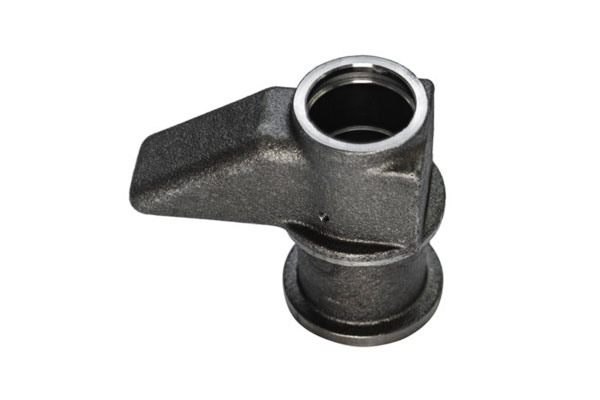
適切な鋳造プロセスを選択することは、重機コンポーネントの製造において最も早くて最も重要な選択の 1 つです。.
選択によって達成可能なジオメトリが決まります, 冶金品質, 表面仕上げ, 寸法耐性, 工具のコストとリードタイム - そしてそれは下流の熱処理のニーズに大きな影響を与えます, 機械加工とNDT.
主要なプロセスの推進力
キャストルートを選ぶとき, これらの主な要因を比較検討します:
- パーツのサイズと重量 (kg → トン), 1 つの部品が必要か、それとも複数のアセンブリが必要か.
- ジオメトリの複雑さ (アンダーカット, 薄いウェブ, 内部空洞).
- 材料ファミリー (鉄 vs 非鉄; ステンレス, 二重, ニッケル合金).
- 必要な機械的特性 (タフネス, 倦怠感, 摩耗ゾーン).
- 寸法耐性 & 表面仕上げ (鋳造のままの面と仕上げ加工された面).
- 生産量 & 単位コスト (工具の償却).
- 検査と冶金的清浄度 ニーズ (重大な疲労または圧力ゾーン).
- 環境, エネルギーと安全の制約 (排出, 砂の埋め立て).
緑の砂 (従来の砂) 鋳造
- 仕組み: 粘土/有機バインダーで結合された砂型にパターンを押し込みます。; コアが内部空洞を形成する.
- 材料: 広範囲 — ねずみ鋳鉄, 延性鉄, キャスト鋼.
- 強み: 工具コストが最も低い, 非常に大きな部品にも柔軟に対応, パターンの変更が簡単. 単品および少量から中量の製品に最適.
- 制限: 粗い表面仕上げ, より大きな公差, ゲート/ライザーが最適化されていない場合、気孔率のリスクが高くなる.
- 代表的なスケール & メトリクス: パーツの重みから <10 kg to 100+ トン; 表面仕上げ ~Ra 6–20 µm (約); 寸法耐性: ±1~5mm/m (アプリケーションに依存する).
- アプリケーション: 大きなハウジング, ミルベース, トラックフレーム, 非常に大きなポンプケーシング.
シェルモールディング (樹脂でコーティングされた砂) 鋳造
- 仕組み: 加熱されたパターン上に形成された樹脂コーティングされたサンドシェル; 必要に応じてコアを使用して 2 つの半分を組み立てます.
- 材料: 鉄および一部の鋼材; ダクタイル鋳鉄および特定の鋼での使用が増加しています.
- 強み: 生砂に比べて寸法精度が良く、表面仕上げが細かい; より薄い部分も可能. 中程度のボリュームに適しています.
- 制限: 生砂よりも工具コストが高い; 生砂よりも最大サイズが小さい.
- 代表的なスケール & メトリクス: 部品の重量は数トンまで; 表面仕上げ ~Ra 1–6 µm; 公差 ±0.3~2mm/m.
- アプリケーション: ギアハウジング, 中構造鋳物, 仕上げの改善が必要な部品.
インベストメント鋳造 (失われたワックス)
- 仕組み: ワックスパターン(s) 木に組み立てられる, パターンの周りに構築されたセラミックシェル, ワックスを除去した, セラミックシェルを焼成し、溶融金属を充填したもの.
- 材料: 鋼やステンレスにも対応可能; 非鉄に広く使用されています (で, cu, アル); 特別なセットアップでより大きなキャストが可能.
- 強み: 優れたディテール, 細かい表面仕上げ, 薄いセクション, ネットの形状. 低加工.
- 制限: 工具とプロセスのコストが高い; 伝統的に小型から中型の部品向け, 大きいけれども 投資キャスティング 特殊な設備があれば可能です.
- 代表的なスケール & メトリクス: 重量は数グラムから数トンまで; 表面仕上げ ~Ra 0.4–1.6 µm; 公差 ±0.05~0.5mm.
- アプリケーション: 精密ハウジング, 複雑なステンレス部品, タイトな形状と仕上げにより機械加工が軽減されるコンポーネント.
失われた燃料キャスティング
- 仕組み: 非結合砂に配置された EPS フォームパターン; 溶けた金属が泡を蒸発させる, 空洞を埋める.
- 材料: 鉄と非鉄; ニアネットシェイプの鉄部品に最適.
- 強み: 複雑な内部形状のコアを排除; 工具コストの削減と比較. 投資; 複雑な大型鋳物に適しています.
- 制限: ガス欠陥を防ぐにはプロセス制御が必要; 表面仕上げと公差は砂の圧縮に依存します.
- 代表的なスケール & メトリクス: 中~大型部品 (数万から数千kg); 砂型鋳造に似た表面仕上げ ~Ra 2–10 µm; 公差 ±0.5~2mm/m.
- アプリケーション: 複雑なハウジング, 内部通路を備えたポンプケーシング, コアの加工が困難な自動車および機器部品.
遠心鋳造
- 仕組み: 回転する鋳型に溶かした金属を流し込む; 遠心力により金属が分散され、ガスやスラグの閉じ込めが最小限に抑えられます。.
- 材料: 幅広い範囲; アイアンによく使われる, 鋼, ブロンズ.
- 強み: 密集, 軸方向に優れた機械的特性を備えた健全な鋳物 (指輪に最適, ブッシング, 袖). 低含有物/気孔率.
- 制限: 円形/軸対称部品に限定された形状; 特化したツーリング.
- 代表的なスケール & メトリクス: リング & 小径から数メートルまでのシリンダー; 優れた内部健全性; 公差 ±0.1~1mm 仕上がりに応じて.
- アプリケーション: 円筒部品: ベアリングスリーブ, ブッシング, パイプ, 大きなリングと円筒形のハウジング.
パーマネントモールド & キャスティングダイ (ほとんどが非鉄)
- 仕組み: 溶融金属を再利用可能な金型に注入または射出する (永久型) または高圧ダイカスト.
- 材料: ほとんどが非鉄 (アル, Cu合金); 特定の鋼/青銅用の低圧永久金型.
- 強み: 優れた表面仕上げ, 厳しい公差, 大量生産のための速いサイクル時間.
- 制限: 高いツールコスト, 非常に大型の鉄製重機部品には一般的ではありません.
- 代表的なスケール & メトリクス: 小型部品; 表面仕上げ Ra 0.4 ~ 1.6 μm; 公差 ±0.05~0.5mm.
- アプリケーション: 非構造住宅, アルミニウムによる軽量化が望まれる部品.
継続的なキャスト (上流フィード)
- 仕組み: 下流の鍛造/機械加工用のビレット/スラブを製造します; 実際の重量部品の仕上げ工程ではありませんが、材料供給に関連します.
- 関連性: 上流の原料の品質は、下流の鋳造工場の介在物含有量と合金の均質性に影響を与えます.
5. 熱処理 & 熱処理
熱処理 鋳造工場や熱処理工場が鋳放しの微細構造を次の組み合わせに変換するために使用する主な手段です。 強さ, タフネス, 耐摩耗性と寸法安定性 重機の鋳物に必要.
一般的な熱処理プロセスとそれをいつ使用するか
以下の温度と時間は一般的なエンジニアリング範囲です。. 最終サイクルは特定の合金に対して検証する必要があります, 断面サイズと部品の形状をサプライヤーのプロセスシートに記録.
応力除去焼鈍 (ストレス救済)
- 目的: 凝固による残留応力を軽減, 荒加工または溶接.
- 典型的なサイクル: 熱に加熱します ~500~700℃, 押し続けて均等化する (時間は切片の厚さによって異なります), ゆっくり冷やす.
- 使用時: 重荒加工や多パス溶接後の標準; 寸法安定性を高めるための仕上げ加工前.
- 効果: 大きな微細構造を変化させずに歪みの発生量を低減.
正規化
- 目的: 粗い鋳放し粒子を微細化し、マトリックスを均質化して靭性を向上させ、その後の焼き戻し/焼入れに備える.
- 典型的なサイクル: 熱に加熱します ~850~980℃ (鋼のオーステナイト化以上), 空冷して粒子を微細化する.
- 使用時: 焼き入れ前の鋳鋼 & 気性, または鋳造微細構造が粗い場合.
- 効果: より細かいものを生成します, より均一なフェライト/パーライト微細構造と寸法安定化.
クエンチ & 気性 (Q&t)
- 目的: 高応力または疲労が重要なコンポーネントに高強度と靭性をもたらします.
- 典型的なサイクル: オーステナイト化 ~840~950℃ 合金による → 焼入れ (油/水/ポリマーまたはガス) →気性 ~450~650℃ 必要な靭性/硬度を達成するために.
- 使用時: クレーンフック, 高応力フレーム, Rmを必要とする安全性が重要な鍛造/鋳鋼 >> 600 MPA.
- 重要な制御: ひび割れや歪みを防ぐための焼き入れの厳しさと部品の固定; 硬度と靭性のバランスを考慮した焼き戻しスケジュール.
東部の抑制 (ADI 用 — オーステンパーダクタイル鋳鉄)
- 目的: オースフェライト母材の生成 (ベイニティックフェライト + オーステナイト中の安定化炭素) 高強度用 + 良好な延性/耐摩耗性.
- 典型的なサイクル: オーステナイト化 (例えば。, ~900~950℃) →急冷する 250 ~ 400 °C のオーステンパ浴 変身が完了するまで長押し → 冷める.
- 使用時: 靭性と耐摩耗性の組み合わせが必要な摩耗部品 (例えば。, インペラ, 一部の摩耗レール).
- 効果: ADIが高いRmに達する (多くの場合 700 ~ 1100 MPa) 有用な延性を備えた; プロセス管理と清浄度が重要です.
アニーリング (完全アニール, 球状化する)
- 目的: 機械加工性を高めるために軟化させる (球状化する), ストレスを和らげる, または高温処理後の延性の回復.
- 典型的なサイクル: 亜臨界温度または低オーステナイト化温度まで加熱 (合金によって異なります) そして長時間保持する; 制御された徐冷.
- 使用時: 硬質鋳放し白鉄や高炭素鋼の加工を容易にします。, または球状化炭化物の生成.
ソリューションアニール / 溶液処理 (ステンレス & 二重)
- 目的: 析出物を溶解し、耐食性を回復します。; デュプレックス用, オーステナイト/フェライトのバランスを実現.
- 典型的なサイクル:900–1150°C (材料に依存する) →急速冷却 (急冷/水) シグマ相や炭化物の析出を避けるため.
- 使用時: ステンレス鋳物および鋳造・溶接後の二相部品. 感作を避けるために厳密な管理が必要.
表面硬化 & 特殊な熱プロセス
- 誘導硬化, 火炎硬化, 浸炭, ニトリッド, レーザークラッディング, サーマルスプレー — 特定の局所ゾーンのみで耐摩耗性が必要な場合に使用されます。.
- 塩浴 / 溶融塩急冷 歴史的に使用されてきた (特にオーステンパー用); 環境および取り扱いを考慮すると、流動床またはガス焼入れの代替手段が有利になる場合があります。.
材料ファミリーによるプロセスの選択 (実践的な指導)
- 灰色の鋳鉄: いつもの 応力除去またはアニール 安定させる; いいえ、Q&t. より高い強度が必要な場合はADIプロセスを使用してください.
- 延性鉄: ストレス解消とか 東部の抑制 (ADIを作る) 必要なRm/靭性に応じて. ダクタイル鋳鉄は、機械加工性を高めるために焼き戻しまたは焼き鈍しが行われる場合があります。.
- 鋳鋼 (低合金):ノーマライズ 鋳放し精製用; クエンチ & 気性 高強度用; ストレス緩和 寸法管理用. 圧力部品には PWHT が必要になる場合があります.
- 合金鋼 (cr-mo, in-cr-i): Q&高い強度・靭性を得るT; オーステナイト化と焼き戻しの厳密な管理が必要.
- ステンレス (オーステナイト):ソリューションアニール 耐食性を維持するために焼き入れを制御; 過敏化を引き起こす焼き戻し範囲を避ける.
- 二相ステンレス: 指定温度での溶体化アニールとその後の急速冷却により二相バランスを維持; シグマ相を避けるために制御された冷却が必要.
- 白い鉄 / 高Cr鉄: いつもの as-cast 着用用; 鋳物全体の脆化を避けるために、局所的な熱処理または表面硬化が好ましい場合があります。.
6. 機械加工 & 仕上げ作業 — 重機鋳物
重機鋳物—から 50 kg トラクターのトランスミッション ハウジングから 150 トンの鉱山トラックのフレームまで、粗い鋳物を機能的なものに変えるための特殊な機械加工と仕上げ作業が必要です。, 耐久性のあるコンポーネント.

加工前の準備 – 精度の確保
目的: 欠陥を除去する, 変動性を低下させます, 正式な機械加工の前に残留応力を軽減します.
欠陥の除去 & 表面コンディショニング
- ライザー/ゲートの取り外し: 火炎切断 (オキシアセチレン, ~3100℃) 炭素鋼/鋳鉄用; カーボンアークガウジング (30–50V) 合金鋼用. 応力上昇を避けるため、移行ステップは 2 mm 以下を目標にします.
- フラッシュ & バリ研削: アングルグラインダー (15–20kW) またはワイドベルトサンダー (1.2 メートル) Ra 25 ~ 50 μm を達成するには, ビビリを防止するために介在物を除去する.
- 割れ目 & 気孔の修復: 自分 (炭素鋼) またはTIG (合金鋼) 適合する溶加材を使用した溶接; 溶接後の研削 + MPI検査.
残留応力緩和
- 熱処理: 600–700°C (鋳鉄) または800~900℃ (鋼鉄), 2–4時間あたり 25 mmの厚さ; ストレスを 60 ~ 80% 軽減します.
- 自然な老化: 7–低応力要件のダクタイル鋳鉄の場合、周囲温度で 14 日間.
コア加工 - 目標の精度
重要な機能領域のみ (ボルト穴, ベアリングシート, 合わせ面) 精密加工されています.
構造コンポーネント (掘削機ブーム, ブルドーザーフレーム)
- 平面フライス加工: 床置式ボーリングミル, 超硬インサート, 平面度 ≤0.1 mm/m, RA6.3-12.5μm.
- 穴あけ加工 & タッピング: M20~M60、内部クーラントドリル付き, TiN コーティング HSS-E タップ, ISO 6H スレッド.
トランスミッション/駆動コンポーネント (ギアボックス & アクスルハウジング)
- ベアリングシートボーリング: Ø200~500mm, CBNツール, 直径±0.02mm, 真円度 ≤0.01 mm, RA1.6-3.2μm.
- スピゴットターニング: VTL のライブ ツールを使用した場合の同軸度 ≤0.03 mm.
耐摩耗性コンポーネント (クラッシャーライナー, バケツの歯)
- 研削: ダイヤモンドホイール (120–180グリット), 20–30m/分, 深さ ≤0.05 mm.
- ワイヤーEDM: ±0.01mm公差, 複雑な形状でもストレスなく加工可能.
工具の選択 - 材料の互換性
| 鋳造材料 | 機械加工作業 | ツール材料 / コーティング | 切断速度 (m/my) | ツールライフ (PC) |
| 灰色の鋳鉄 | フライス加工/穴あけ加工 | WC-CO + Tialn | 200–300 | 50–100 |
| 延性鉄 | つまらない | 60% CBN + セラミック | 100–150 | 20–50 |
| 炭素鋼 | 旋回 | HSS-E + ticn | 150–200 | 30–80 |
| 高Cr白鉄 | 研削 | ダイヤモンド (レジンボンド) | 20–30 | 10–20 |
表面仕上げ作業: 耐久性の向上 & 互換性
重機鋳物の表面仕上げには 3 つの主要な目的があります: 耐食性 (屋外/過酷な環境用), 摩耗保護 (研磨用途用), そして アセンブリの互換性 (嵌合部品用).
耐食性仕上げ
- 絵画: 構造用鋳物の最も一般的な仕上げ (例えば。, 掘削機フレーム). プロセスには以下が含まれます:
-
- 前処理: ショットブラスト (スチールグリットを使用して, 0.5–1.0 mm) それはSaを達成します 2.5 清潔さ (ISOの場合 8501-1) 塗料の密着性のための 50 ~ 80 μm の表面プロファイル.
- プライマー: エポキシプライマー (60乾燥膜厚 –80 μm, DFT) 腐食バリア用.
- トップコート: ポリウレタントップコート (80–120μm DFT) 紫外線耐性のために. トータルシステムDFT: 140–200μm, 達成 5+ 産業環境における長年にわたる腐食保護.
- ホットディップの亜鉛メッキ: 鋳鉄部品に使用 (例えば。, 農業用トラクター部品) 塩分や化学物質にさらされた場合.
鋳物を溶融亜鉛に浸漬します (450°C) 80~120μmの亜鉛・鉄合金層を形成, 塩水噴霧耐性≧500時間の提供 (ASTM B117ごと).
耐摩耗性を高める仕上げ
- ハードフェイス (肉盛溶接): 摩耗しやすい領域に重要 (例えば。, バケツの唇, クラッシャージョー).
合金線 (例えば。, 炭化クロム, Cr₃C₂) MIG溶接によって堆積されます, HB 550 ~ 650 で 3 ~ 5 mm の厚さの層を作成. これにより、摩耗寿命が従来の 3 ~ 5 倍に延長されます。. コーティングされていない鋳鋼. - 誘導硬化: ベアリングシートとアクスルジャーナル (例えば。, 鉱山トラックの車軸) 誘導コイルを介して加熱されます (20–50kHz) 850~900℃まで,
その後急冷した, HRC 50 ~ 55 の深さ 2 ~ 4 mm のマルテンサイト層を形成. これにより、コアの靭性を維持しながら表面硬度が向上します.
精密な表面仕上げ
- ラッピング: 超密閉ベアリングシート用 (例えば。, 風力タービンハブベアリング), ラッピングには研磨剤を使用します (アルミナ, 0.5 μm) 回転ラッププレートと
表面仕上げ Ra 0.025 ~ 0.05 μm および平面度 ≤0.005 mm を達成することは、ベアリングの騒音を最小限に抑え、耐用年数を延ばすために重要です. - ホーニング: 油圧シリンダー穴 (例えば。, 掘削機リフトシリンダー) ダイヤモンドホーニング砥石で磨かれています, クロスハッチングされたサーフェスの作成 (RA0.2-0.4μm) 油を保持するもの, 摩擦を軽減し、シール性能を向上させる.
7. 市場動向と今後の方向性
重機鋳造業界は持続可能性の目標を達成するために進化しています, 技術の進歩, そして世界的な需要:
- 軽量化: OEM は、機器の重量を軽減するために、鋳鉄を高張力鋼やアルミニウム鋳物に置き換えています。 (例えば。, 10–15% 軽量の掘削機), 燃料消費量を 5 ~ 8% 削減.
- グリーンマニュファクチャリング: 鋳造工場は低排出溶解を採用しています (電気炉 vs. コークスで焚いたキューポラ) スクラップのリサイクルと (90% 鋳鉄スクラップをリサイクル, CO₂ 排出量を削減する 30%).
- スマートキャスティング: 埋め込みセンサー (温度, 歪み) キャストでリアルタイムのパフォーマンスを監視する (例えば。, 荷重センサー付き風力タービンハブ) 予知保全が可能になります, 耐用年数を 20 ~ 30% 延長.
8. 課題と解決策
重機鋳造は永続的な課題に直面している, それらに対処するために登場した革新的なソリューション:
- 大きな鋳造欠陥: 厚肉部品のひけ巣 (例えば。, 100 mm鉱山トラックフレーム) シミュレーション ソフトウェアによって軽減されます (ライザー設計の最適化) そして順次注ぐ (段階的に金型に充填する).
- コストのプレッシャー: 原材料価格の高騰 (例えば。, 鉄スクラップアップ 20% で 2024) モジュラー鋳造設計によって相殺される (2 ~ 3 個の溶接部品を 1 つの鋳物に組み合わせる) および 3D プリントされた金型 (工具コストを削減する 40%).
- 熟練労働者の不足: 自動注湯システム (ロボットお玉) AI を活用した NDT (機械学習による欠陥検出) 肉体労働に取って代わられる, 一貫性を向上させ、熟練労働者への依存を減らす.
重機鋳物には LangHe をお選びください
ランゲ 包括的なサービスを提供します 重機鋳物 サービス, 3D設計から全工程をカバー, 鋳造シミュレーション, 金型製作から大型鋳鋼溶解まで, 注ぐ, 熱処理, 精密機械加工, そして表面保護.
同社は以下のような単一鋳物を製造しています。 50 kg to 150 トン, 建設機械などの産業に貢献, マイニング機器, エネルギー, および海洋工学.
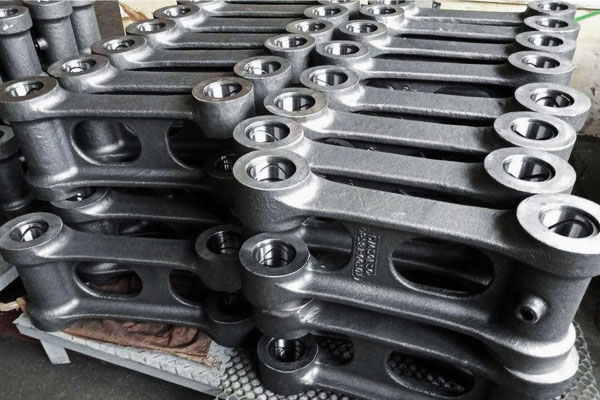
複数のプロセス機能を備えた (砂鋳造, フォームキャスティングの紛失, 樹脂砂型鋳造, 等) そして幅広い素材 (炭素鋼, 低合金鋼, 耐摩耗鋼, ステンレス鋼, および特殊合金),
ランゲ 化学成分分析による厳格な品質保証を実現, 非破壊検査 (UT/RT/MT/PT), ASTMに準拠した寸法検査, で, ISO規格と, 最も要求の厳しい動作条件下でも長期的な信頼性を確保.
結論
重機の鋳物は、巨大でありながら正確であるという矛盾を体現しています。, 伝統的でありながらハイテク.
デジタル化が冶金科学と衝突する中, これらのコンポーネントはより強力になります, ライター, そしてより持続可能な.
業界の未来はキャスティングを放棄しないことにあります, しかし、物理ベースのモデリングと閉ループのマテリアル フローを通じてそれを向上させます。.
次世代のマイニングショベルがより深く掘削するとき、または風力タービンがより高いところに到達するとき, 彼らのキャストの心臓は、アルゴリズムによる知性と環境への責任で鼓動します。.
「私たちは鉄を形作ります; そして鉄が世界を形作るのです。」
— アメリカ鋳造協会の門に刻まれた鋳造業の格言