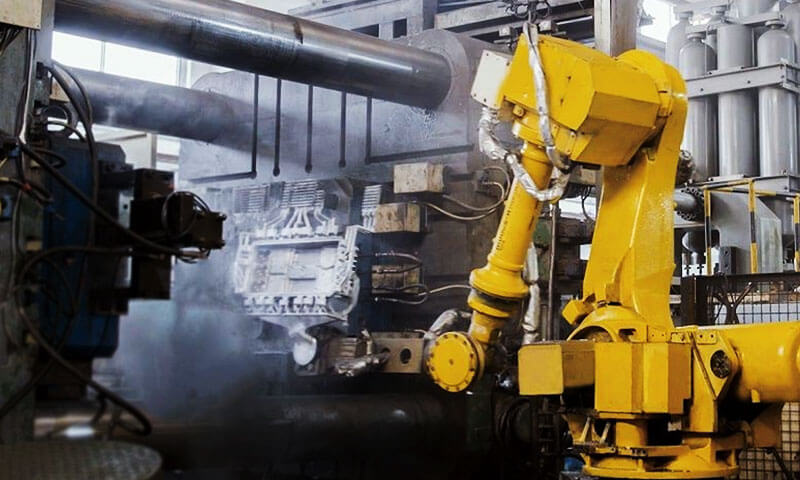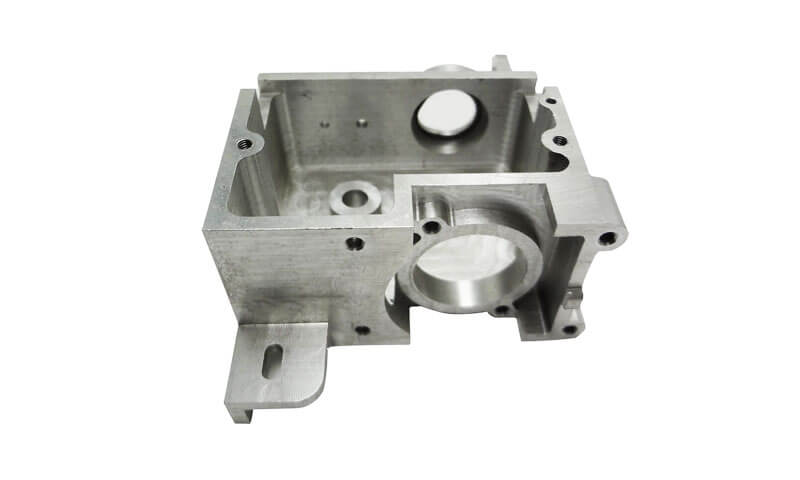
1. 導入
製造業は常に産業の進歩の原動力です, しかし今日の高度なエンジニアリングの時代では, 単に部品を製造するだけではもはや十分ではありません.
現代の産業では、機能的であるだけでなく、非常に正確なコンポーネントが求められています。, 非常に一貫性のある, ますます要求が厳しくなる動作条件下でも確実に動作します。.
ジェットエンジンのタービンブレードの製造かどうか, 外科用インプラント, 半導体ウェーハ, または高圧バルブ本体, 微細な寸法の偏差でも製品の性能を損なう可能性があります, 寿命を縮める, または致命的なシステム障害につながる.
ますます厳しい公差に対する要求により、 精密製造—高度に専門化された製造分野
先進の工作機械を融合した, インテリジェントなオートメーション, 高度な計測技術, 材料科学, 優れた寸法精度と再現性を備えたコンポーネントを生産するための厳格な品質管理.
従来の製造とは異なり、, 基本的な機能要件を満たす部品の製造に主に焦点を当てています。, 精密なものづくりを重視 生産プロセス全体を通じてあらゆる変数を制御する.
材料選定から工程計画、加工まで, 検査, そして最終組み立て, 各ステップは変動を最小限に抑え、すべてのコンポーネントがエンジニアリング仕様に正確に適合するように最適化されます。.
2. 精密なものづくりとは?
精密製造は、非常に高いレベルの寸法精度でコンポーネントを設計および製造する分野です。, 幾何学的一貫性, 厳密に制御された製造プロセスによる表面の完全性.
先進の機械を組み合わせています, デジタル技術, 熟練したエンジニアリング, すべての製造部品が意図した設計仕様に正確に適合していることを保証する厳格な品質保証.
エンジニアリングの観点から, 精密製造は単一の製造プロセスによって定義されるものではありません.
その代わり, 少量のプロトタイプから大量生産まで一貫した品質を維持しながら、非常に狭い公差内でコンポーネントを繰り返し製造できることが特徴です。.
従来の製造とは異なり、, 比較的広い許容範囲内の逸脱が許容される場合, 精密製造では、生産のあらゆる段階でのばらつきを最小限に抑えるよう努めます。.
機械の剛性を含むあらゆる要素, 熱安定性, ツーリングの状態, 治具の精度, 材料特性, 切断パラメーター, および環境条件 - 予測可能で再現可能な結果を達成するために慎重に制御されます.
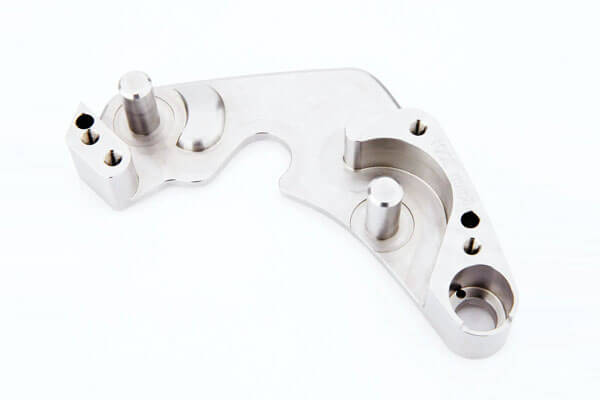
精密製造の核となる特性
精密製造は、優れた製品品質とプロセスの信頼性を総合的に保証するいくつかの特徴によって区別されます。.
例外的な寸法精度
精密製造の主な目的は、公称寸法に厳密に一致するコンポーネントを製造することです。.
高精度工作機械, 高度なツーリングシステム, 寸法の誤差を最小限に抑えるために高度な測定機器が使用されています.
厳しい幾何公差
サイズに加えて, 精密製造では、次のような幾何学的特徴を制御します。:
- 平坦さ
- 丸み
- 円筒度
- 同心
- 垂直性
- 平行度
- 位置精度
- 表面形状
これらの特性を維持することは、完璧な位置合わせとスムーズな機械的動作を必要とするアセンブリにとって重要です。.
優れた表面仕上げ
多くの精密部品は、摩擦を軽減するために非常に滑らかな表面を必要とします。, シール性能を向上させる, 疲労耐性を高める, または光学要件を満たす.
一般的な表面粗さの値の範囲は次のとおりです。:
- ra 1.6 一般精密加工用μm
- ra 0.8 シール面の場合はμm
- ra 0.2 光学および医療用途ではμm以下
研削などの高度な仕上げ加工, ホーニング, ラッピング, 研磨, これらの要件を達成するために、超仕上げ加工が頻繁に使用されます。.
優れた再現性
精密製造では、個別の精度よりもプロセスの一貫性を重視します.
製造されるすべての部品は、製造バッチや製造日に関係なく、ほぼ同一の寸法と特性を示す必要があります。.
自動組立システムや交換可能なコンポーネントには再現性が不可欠です.
安定した工程能力
高いプロセス能力を実現します。:
- 機械の校正
- 熱補償
- 工具状態の監視
- プロセスの最適化
- 統計的品質管理
メーカーは多くの場合、Cp や Cpk などの工程能力指数を監視して、生産が指定された許容範囲内に留まっていることを確認します。.
完全なトレーサビリティ
最新の精密製造では、包括的な製造トレーサビリティが統合されています.
すべてのコンポーネントは以下にリンクできます:
- 材料証明書
- 熱処理記録
- 加工パラメータ
- 検査報告書
- ツーリング履歴
- 運営者情報
- 高品質の文書化
このようなトレーサビリティは航空宇宙分野では特に重要です, 医学, 自動車産業.
3. 精密製造の基本原則
精密製造は、寸法精度を管理する一連の工学原則に基づいています。, プロセスの安定性, と製品の品質が達成されます.
これらの原則により、製造システムはばらつきや欠陥を最小限に抑えながら、厳しい性能要件を満たすコンポーネントを一貫して生産することが保証されます。.
精度 vs. 精度
日常言語では同じ意味で使われることが多いですが、, 正確さ そして 精度 製造工学において明確な意味を持つ.
正確さ 製造された寸法が意図した設計値とどの程度一致しているかを指します。.
高精度のプロセスにより、目標仕様に非常に近い部品が生産されます.
精度, 対照的に, 製造プロセスの一貫性または再現性を説明します。.
高精度のプロセスにより、ほぼ同一の部品が繰り返し生産されます。, 公称寸法からのわずかな系統的偏差がある場合でも、.
理想的な製造プロセスは正確かつ精密である, 最小限の変動で設計仕様を満たすコンポーネントを一貫して生産する.
このバランスを達成するには、厳密な校正が必要です, プロセス制御, 継続的な監視.
工学公差
完全に完璧な寸法を生み出す製造プロセスは存在しません. その代わり, エンジニアは、として知られる変動の許容限界を指定します。 公差.
精密製造の特徴は、非常に厳しい公差範囲内で動作できることです。.
公差制御は単純な直線寸法をはるかに超えて拡張されており、以下が含まれます。:
- 寸法公差
- 幾何学的な寸法と公差 (GD&t)
- 表面形状公差
- 位置公差
- 形状公差
- 方向の許容差
- 振れ許容差
適切な公差の割り当てにより、不必要に高価な製造プロセスを回避しながら、コンポーネントが正しく組み立てられるようになります。.
表面の完全性
精密製造では、寸法だけでなく、製造表面の機能的品質の維持にも重点が置かれます。.
表面の完全性には複数の特性が含まれます, 含む:
- 表面の粗さ
- 表面のうねり
- 残留応力
- 微小硬度
- 微細構造の変化
- 表面欠陥
高品質の表面整合性が貢献:
- 疲労抵抗が改善されました
- より優れたシール性能
- 摩擦の低減
- 耐摩耗性の強化
- 耐食性の向上
要求の厳しい用途に合わせて表面特性を最適化するために、高度な仕上げプロセスが採用されることがよくあります。.
プロセスの安定性
長期にわたる製造精度は安定した製造条件の維持に依存します.
プロセスの安定性に影響を与える重要な要素には次のものがあります。:
- 工作機械の剛性
- 熱膨張制御
- 振動抑制
- 切削工具の摩耗
- ワーク保持精度
- 環境温度
- クーラント性能
- 機械の校正
欠陥が発生してから修正するのではなく、, 現代の精密製造では、プロアクティブなプロセス制御と継続的改善によるばらつきの防止を重視しています。.
安定したプロセスが最終的により高い品質を実現します, 低コスト, 高度なエンジニアリング産業のますます厳しくなる要求に応えながら、製造効率を向上させます。.
4. 主要な精密製造プロセス
CNC精密加工
コンピュータ数値制御 (CNC) 精密機械加工は、現代の産業で最も広く使用されている多用途の製造プロセスの 1 つです。.
コンピューター制御の切削工具を使用して固体ワークピースから材料を除去し、高精度で幾何学的に複雑なコンポーネントを製造します。.
CNC加工 フライス加工を含むさまざまな作業をサポート, 旋回, 掘削, つまらない, タッピング, および多軸輪郭加工 - 単純な機械部品から非常に複雑な航空宇宙および医療部品まで、あらゆるものを製造できます。.
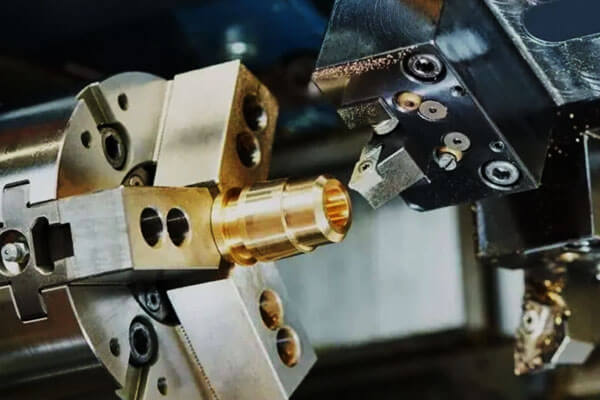
従来の手作業による加工とは異なり、, CNC システムは、プログラムされたツールパスを優れた精度と一貫性で実行します。, 人的エラーを最小限に抑え、小規模および大規模な生産バッチ全体での再現可能な生産を可能にします。.
| CNC加工タイプ | 能力 | 許容範囲 | 表面仕上げ (ra) |
| CNCフライス加工 (3-軸, 5-軸) | 複雑な 3D サーフェス, ポケット, 輪郭 | ±0.005~0.02mm | 0.8‑1.6μm |
| CNC旋削加工 | 円筒形の部分, スレッド, テーパー | ±0.005~0.02mm | 0.8‑1.6μm |
| CNC研削 | 硬質材料; 細かい仕上げ | ±0.001~0.005mm | 0.1‑0.4μm |
| スイスタイプ (旋回 + ミリング) | 小さい, 複雑な部品 (±0.01 mm) | ±0.005~0.01mm | 0.8‑1.6μm |
| 多軸放電加工機 | 複雑な空洞, 硬化した材料 | ±0.005~0.02mm | 0.4‑1.6μm |
精密研削
精密研削は、研磨砥石を使用してワークピースから極少量の材料を除去する仕上げプロセスです。, 優れた寸法精度と優れた表面整合性を実現.
通常、最終寸法を達成するために機械加工と熱処理の後に実行されます。, 幾何学的精度を向上させる, 表面仕上げを洗練する.

砥粒は従来の切削工具に比べてかなり硬いため, 研削は焼入れ鋼の加工が可能です, セラミックス, 炭化物, などの難削材を驚異的な精度で加工.
| 研削タイプ | 応用 | 許容範囲 | ra |
| 平面研削 | 平らな表面, 平行面 | ±0.001~0.003mm | 0.1‑0.4μm |
| 円筒研削 | シャフト, ロール, ベアリングジャーナル | ±0.001~0.003mm | 0.1‑0.4μm |
| センタレス研削 | 大量の円筒形部品 | ±0.002~0.005mm | 0.2‑0.8μm |
| 内面研削 | 内径 | ±0.002~0.005mm | 0.2‑0.8μm |
| 治具研削 | 精密穴, 輪郭 | ±0.001~0.002mm | 0.1‑0.2μm |
電気放電加工 (EDM)
電気放電加工 (EDM) 電極とワークピース間の制御された放電を通じて導電性材料を除去する非接触製造プロセスです.
機械的な切削力に頼るのではなく、, EDM は、高周波スパークによって生成される熱エネルギーを使用して、非常に高い精度で材料を侵食します。.

このプロセスは、複雑な空洞を作成する場合に特に価値があります。, 鋭い内側の角, 狭いスロット, 微細な特徴, 従来の機械加工が困難または不可能な非常に硬い材料の複雑な形状.
| 放電加工タイプ | 応用 | 許容範囲 | ra |
| シンカーEDM | カビ, 死ぬ, キャビティ | ±0.005~0.02mm | 0.4‑1.6μm |
| ワイヤーEDM | 輪郭, テーパー, 小さな穴 | ±0.002~0.01mm | 0.4‑1.6μm |
| 小穴放電加工機 | 冷却穴, スタートホール | ±0.005~0.02mm | 1.6‑3.2μm |
レーザー製造
レーザー製造 高度に集中したレーザービームを使用して、局所的な加熱を通じて材料を加工します, 溶融, 気化, またはアブレーション.
アプリケーションに応じて, レーザーは切断に使用できます, 掘削, 溶接, 彫刻, 表面のテクスチャリング, マイクロマシン, および精密マーキング.

最新のファイバーレーザー, 超高速フェムト秒レーザー, ピコ秒レーザーは、レーザー加工の能力を劇的に拡張しました。, 熱によるダメージを最小限に抑えながら極めて微細な形状を実現.
| レーザー加工 | 応用 | 特徴サイズ | 許容範囲 |
| レーザー切断 | 板金, チューブ | ノッチ0.1~0.3mm | ±0.02~0.05mm |
| レーザー穴あけ加工 | 硬い材料の小さな穴 | 0.02‑1mm | ±0.005~0.02mm |
| レーザーマーキング / 彫刻 | 識別, 装飾 | 0.01-0.05mm | ±0.01~0.02mm |
| レーザー微細加工 | 細かい部分にも細かい加工が施されています | 0.001-0.05mm | ±0.001~0.005mm |
| レーザー溶接 | 精密接合 | 0.1‑1 mm 溶接 | ±0.02~0.05mm |
精密キャスティング
精密キャスティング 高い寸法精度でニアネットシェイプの金属部品を製造できる高度な鋳造技術を網羅しています。, 優れた表面仕上げ, および複雑なジオメトリ.
従来の砂型鋳造とは異なり、, 精密鋳造により加工代が最小限に抑えられ、その後の材料除去が大幅に削減されます。.
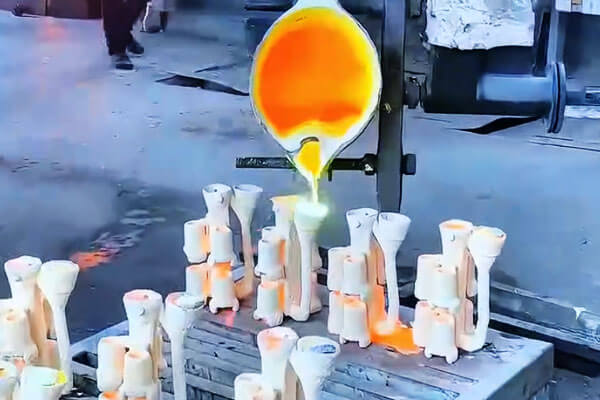
インベストメント鋳造, シェル型鋳造, フォームキャスティングの紛失, および精密砂型鋳造は、最も広く使用されている精密鋳造プロセスの 1 つです。.
| 精密鋳造工程 | 典型的なアプリケーション | 一般的な寸法許容差* | 典型的な表面仕上げ (ra) |
| インベストメント鋳造 (紛失したワックスキャスティング) | 航空宇宙コンポーネント, バタフライバルブ本体, ポンプ部品, 医療インプラント, タービンブレード | ±0.10~0.30mm/あたり 25 mm | 1.6–6.3μm |
| セラミック型鋳造 | 自動車コンポーネント, 機械部品, 精密ハウジング, インペラ | ±0.20~0.50mm/あたり 25 mm | 3.2–12.5μm |
| シェル型鋳造 | バルブボディ, ギアハウジング, ポンプケース, 油圧コンポーネント, 自動車部品 | ±0.20~0.50mm/あたり 25 mm | 3.2–6.3μm |
| 精密砂型鋳造 | 大型工業用バルブ, ポンプケース, マイニング機器, 重機 | ±0.30~0.80mm/あたり 25 mm | 6.3–25μm |
| ロストフォームキャスティング (フルモールド鋳造) | エンジンブロック, シリンダーヘッド, 複雑なポンプハウジング, 自動車構造部品 | ±0.30~0.80mm/あたり 25 mm | 6.3–12.5μm |
| 永久型鋳造 (重力ダイキャスティング) | アルミ製バルブ部品, 自動車部品, 電気ハウジング | ±0.15~0.50mm/あたり 25 mm | 1.6–6.3μm |
| 低圧ダイキャスティング | 自動車用ホイール, アルミニウムハウジング, 航空宇宙構造部品 | ±0.15~0.40mm/あたり 25 mm | 1.6–3.2μm |
| 真空インベストメント鋳造 | 航空宇宙タービンコンポーネント, 医療インプラント, 高性能ステンレススチールとチタンパーツ | ±0.10~0.20mm/あたり 25 mm | 0.8–3.2μm |
精密鍛造
精密鍛造 慎重に制御された圧縮力によって加熱または冷却された金属を、優れた機械的特性と寸法の一貫性を備えたほぼネットシェイプの部品に成形する金属成形プロセスです。.
キャスティングとは異なり, 鍛造は塑性変形を通じて材料の粒子構造を微細化します。, 強度と耐疲労性が大幅に向上.
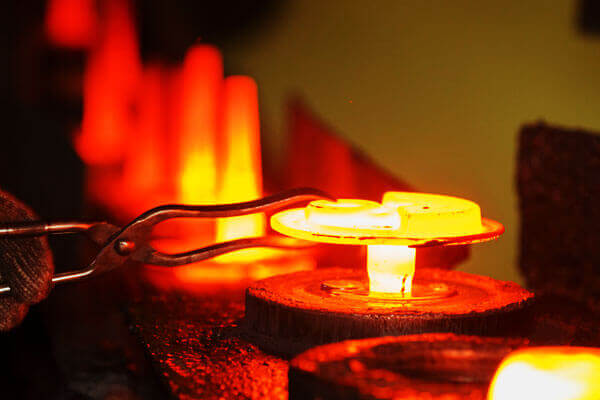
最先端の金型設計を組み合わせた最新の精密鍛造, コンピュータシミュレーション, コンポーネントのパフォーマンスを最大化しながら材料の無駄を最小限に抑える自動生産システム.
| 鍛造タイプ | 許容範囲 | 表面仕上げ | 代表的な製品 |
| 温間・熱間精密鍛造 | ±0.1~0.3mm | 1.6‑6.3μm | ギア, シャフト, コネクティングロッド |
| 冷間精密鍛造 | ±0.05~0.1mm | 0.8‑3.2μm | ファスナー, スプライン, ベアリングレース |
添加剤の製造
添加剤の製造, 一般に知られています 3D印刷, デジタル 3 次元モデルから直接コンポーネントを層ごとに構築する高度な製造技術です.
減算的な製造とは異なり, 固体ワークピースから材料を除去します, 積層造形では、必要な箇所にのみ材料を堆積または選択的に溶解して部品を作成します。.

選択的レーザー溶解を含む金属積層造形技術 (SLM), 電子ビーム融解 (EBM), 指示されたエネルギー堆積 (ded), およびバインダージェッティングは、精密製造においてますます重要になっています.
| アディティブプロセス | 材料 | 特徴サイズ | 許容範囲 |
| 選択的レーザー焼結 (SLS) | ポリマー, 金属 | 0.1-0.2mm | ±0.1~0.2mm |
| 直接金属レーザー焼結 (DMLS) | ステンレス, チタン, スーパーアロ | 0.05-0.1mm | ±0.05~0.1mm |
| 電子ビーム融解 (EBM) | チタン合金 | 0.1-0.2mm | ±0.1~0.2mm |
| 光造形 (SLA) | フォトポリマー | 0.02-0.05mm | ±0.02~0.05mm |
5. 精密製造に使用される材料
金属
| 材料 | アプリケーション | 主要なプロパティ |
| 炭素鋼 | シャフト, ギア, ボルト, 備品 | 良い強さと機械性; 経済的. |
| 合金鋼 | ギア, シャフト, コネクティングロッド, 航空宇宙ファスナー | 高強度, タフネス, ハーデン剤. |
| ステンレス鋼 (304, 316, 17-4ph) | 医療機器, 食品装備, 航空宇宙, 海兵隊 | 耐食性, 強さ. |
| アルミニウム合金 (6061, 7075) | 航空宇宙, 自動車, 電子ハウジング | 軽量, 優れた機械性, 中程度の強さ. |
| チタン合金 (学年 5 TI -6AL -4V) | 航空宇宙, 医療インプラント, 高性能自動車 | 優れた強度対重量比, 生体適合性, 耐食性. |
| 銅合金 (真鍮, ブロンズ) | 電気接点, ベアリング, 配管継手 | 電気伝導率, 耐食性, 加工性. |
| マグネシウム合金 | 航空宇宙, 自動車の軽量部品 | 最軽量の構造用金属 (1.74 g/cm³). |
| ニッケル基超合金 (インコネル, ハスロイ) | ジェットエンジン, タービンブレード, 化学処理 | 高温強度, 酸化抵抗. |
エンジニアリングプラスチック
| プラスチック | アプリケーション | 主要なプロパティ |
| ピーク | 医療インプラント, 航空宇宙, 半導体 | 高温, 耐薬品性, 耐摩耗性. |
| PTFE (テフロン) | アザラシ, ベアリング, 電気断熱 | 低摩擦, こびりつかない, 耐薬品性. |
| ナイロン | ギア, ブッシング, 機械部品 | 良い強さ, 耐摩耗性, 自己潤滑性. |
| デルリン (POM) | 精密ギア, バルブ, ファスナー | 高い剛性, 低摩擦, 寸法安定性. |
| UHMW のみ | コンベヤコンポーネント, ストリップを着用する, 食品加工 | 非常に高い耐摩耗性, 低摩擦. |
陶器
| セラミック | アプリケーション | 主要なプロパティ |
| アルミナ (al₂o₃) | 電気絶縁体, 切削工具, 部品を着用します | 高い硬度, 電気断熱, 熱伝導率. |
| ジルコニア (Zro₂) | 歯科インプラント, ベアリング, 酸素センサー | 高骨折の靭性, 耐摩耗性. |
| 窒化ケイ素 (si₃n₄) | ベアリング, 切削工具, タービン成分 | 高強度, 骨折の靭性, 耐熱衝撃性. |
複合材料
| 複合 | アプリケーション | 主要なプロパティ |
| 炭素繊維強化プラスチック (CFRP) | 航空宇宙, 自動車, スポーツ用品 | 重量比強度が高い, 剛性. |
| ガラス繊維強化プラスチック (GFRP) | 海兵隊, 自動車, 工事 | CFRPよりも低コスト, 優れた機械的特性. |
| 炭素-炭素複合材料 | 航空宇宙 (ブレーキ, ノーズコーン), 核融合炉 | 優れた高温特性, 低密度. |
6. 精密測定と品質管理
測定は精密なものづくりの基礎です. 正確な測定ができないと, 精度は確認できません.
寸法検査
| 楽器 | 能力 | 標準的な精度 | 応用 |
| 測定機を調整します (CMM) | 3D 複雑な部品の測定 | ±0.001~0.005mm | 角柱部品, 金型の検証. |
| 光学式三次元測定機 / ビジョンシステム | 速い, 平坦部の非接触測定 | ±0.001~0.005mm | エレクトロニクス, 医療機器, 繊細な部品. |
| レーザー干渉計 | 高精度測長 | ±0.0005mm | 工作機械の校正, 大規模測定. |
| レーザースキャナー | 3自由形状部品の D 曲面マッピング | ±0.01~0.05mm | リバースエンジニアリング, CADモデルとの比較. |
| プロフィールプロジェクター (光コンパレータ) | 2D 単純な形状の測定 | ±0.001~0.005mm | 小さな部品, スレッド, ギア. |
| マイクロメータ / キャリパー | 手動長さ測定 | ±0.001~0.01mm | 製造現場の検査. |
表面粗さ試験
| パラメーター | 説明 | 典型的な範囲 |
| ra (平均粗さ) | 絶対値の算術平均 | 0.01‑3.2μm |
| RZ (平均粗さの深さ) | 最高峰の平均 + 一番低い谷 | 0.05‑10μm |
| Rt (総粗さ) | 山から谷までの最大高さ | 0.1‑15μm |
硬度テスト
| 方法 | 規模 | 応用 | 典型的な範囲 |
| ロックウェル | HRC, HRB | 金属 | 20‑70 HRC |
| ブリネル | HB | キャスティング, 偽造 | 100‑600HB |
| ビッカース | HV | 小さな部品, コーティング | 50‑1,000 HV |
| 微小硬度 | HV (小さな負荷) | 薄いセクション, コーティング | 10‑3,000 HV |
材料組成分析
| 方法 | 応用 | 能力 |
| 発光分光分析 (OES) | 金属組成 | 元素の定量分析. |
| 蛍光X線 (XRF) | 金属組成, コーティング | 非破壊分析. |
| エネルギー分散型 X 線分光法 (eds) | 局所的な分析, インクルージョン | 顕微鏡による元素分析. |
非破壊検査 (NDT)
| NDT法 | 検出します | 応用 |
| 超音波検査 | 内部欠陥 (ボイド, ひび割れ, インクルージョン) | 偽造, キャスティング, 溶接. |
| x ‑ ray / CTスキャン | 内部空隙, ひび割れ, 気孔率 | キャスティング, 溶接, 複雑なアセンブリ. |
| 染料浸透剤 | 表面亀裂, 気孔率 | すべての金属; キャスティング, 溶接. |
| 磁性粒子 | 強磁性体の表面亀裂 | スチール部品, 溶接. |
| 渦電流 | 表面亀裂, 導電率の変化 | チューブ, 導電性材料の検査. |
7. 精密製造のメリット
精密製造は、優れた寸法精度と優れた機械的性能を組み合わせたコンポーネントの製造を可能にするため、現代の産業にとって不可欠な能力となっています。, 信頼性, および一貫性.
優れた寸法精度
精密な製造により一貫して厳しい公差が達成され、完璧なフィット感が保証されます, アライメント, および機能.
このレベルの精度は航空宇宙エンジンにとって非常に重要です, 医療インプラント, 半導体装置, および精密バルブアセンブリ, わずかな偏差でもパフォーマンスが損なわれる可能性がある場合.
優れた再現性
最適化されたプロセスが確立されると、, 数千、さらには数百万の同一のコンポーネントを最小限のばらつきで製造可能.
高い再現性で部品交換に対応, 自動組立, 一貫した製品品質.
優れた表面整合性
高度な機械加工と仕上げ技術により、滑らかな仕上がりが得られます。, 摩擦を軽減する欠陥のない表面, 密閉性を向上させる, 疲労耐性を高める, 耐摩耗性と耐腐食性を向上させます.
製品性能の向上
正確な形状と優れた表面品質は、運用パフォーマンスの向上に直接つながります。, スムーズな動きも含めて, 低い振動, より良い流体の流れ, エネルギー消費量の削減, そしてより高い効率.
より長いサービス寿命
精密に製造されたコンポーネントでは、より均一な応力分布が得られます。, 局所的な摩耗を最小限に抑える, 倦怠感, そして早期障害.
これにより、機器の寿命が延長され、メンテナンスの必要性が軽減されます。.
材料廃棄物の削減
ニアネットシェイププロセス, 最適化されたツールパス, 正確な材料除去によりスクラップを最小限に抑え、材料利用率を向上させます。.
これは、チタンやニッケルベースの超合金などの高価な材料を扱う場合に特に価値があります。.
製造効率の向上
正確なコンポーネントは取り付けの必要性が少なくなります, 調整, 組み立て中に手戻り.
自動検査とデジタルプロセス制御により生産がさらに合理化されます, 品質を維持しながらスループットを向上させる.
総所有コストの削減
精密製造には、設備や専門知識への初期投資がより高額になる場合がありますが、, 欠陥率を下げることでライフサイクルコストを削減します, 保証請求, ダウンタイム, そして維持費.
その結果、耐用年数全体にわたり、より経済的で信頼性の高い製品が得られます。.
柔軟性と革新性の向上
最新の精密製造により、従来の方法では不可能または法外に高価だった、ますます複雑な形状の製造が可能になります。.
この機能は航空宇宙などの業界のイノベーションをサポートします, 医療技術, ロボット工学, およびエレクトロニクス.
8. 精密製造の課題と限界
その多くの利点にもかかわらず, 精密製造には重要な技術も必要です, 経済, と運用上の課題.
ミクロンレベルの精度を達成および維持するには、多額の投資が必要です, 厳格なプロセス管理, 専門知識と専門知識.
高資本投資
精密製造は高度な CNC マシンに依存します, 多軸マシニングセンタ, 精密研削盤, CMMS, 光学測定システム, および自動化装置.
これらのテクノロジーには多額の先行投資が必要です, 維持費も継続的にかかる, 較正, ソフトウェアのアップグレード.
熟練した労働力の要件
精密機器の操作には高度な訓練を受けたエンジニアが必要です, プログラマー, 機械工, そして品質のスペシャリスト.
CAD/CAMの専門知識, GD&t, 計測学, 材料科学, プロセスの最適化が不可欠です, 人材の獲得と育成が重要な課題となっている.
複雑さを処理します
高精度コンポーネントの製造には、機械加工を含む複数の連続作業が含まれることがよくあります。, 熱処理, 研削, 仕上げ, および検査 - それぞれが変動の潜在的な原因となる.
寸法安定性を維持しながらこれらのプロセスを調整するには、綿密な計画が必要です.
ツールの摩耗とメンテナンス
精密工具は使用中に徐々に磨耗していきます, 寸法精度と表面仕上げに影響を与える.
効果的なツールのモニタリング, 予測メンテナンス, 品質の問題や計画外のダウンタイムを防ぐために、タイムリーな交換が必要です.
環境への配慮
温度変動, 振動, 湿度, ほこり, 不安定な電源はすべて加工精度に影響を与える可能性があります.
制御された実稼働環境を維持すると、運用の複雑さとコストの両方が増加します.
検査および品質保証コスト
ミクロンレベルの公差を検証するには、高度な計測機器と熟練した人材が必要です.
総合検査, 不可欠でありながら, 製造プロセスに時間と費用が追加される.
重要な課題
チタン合金などの先端素材, ニッケルベースの超合金, テクニカルセラミックス, 複合材料は硬度が高いため、機械加工が難しいことがよくあります。, 熱伝導率が悪い, または研磨特性.
これらの材料には特殊な工具と最適化された加工戦略が必要です.
サプライチェーンと持続可能性
精密製造は、高品質の原材料の世界的なサプライチェーンへの依存度を高めています, 切削工具, および電子部品.
同時に, メーカーはエネルギー効率を向上させるというプレッシャーの増大に直面している, 無駄を減らします, より持続可能な生産慣行を採用する.
9. 精密製造の産業応用
優れた精度と一貫性でコンポーネントを製造できる能力により、精密製造はほぼすべての高性能産業の基礎技術となっています。.
航空宇宙と航空
航空宇宙ほど高いレベルの精度を要求する業界はほとんどありません. コンポーネントは極端な温度に耐える必要があります, 圧力, 絶対的な信頼性を維持しながら、機械的負荷を軽減.
典型的なアプリケーションには含まれます:
- タービンブレード
- エンジンケース
- 着陸装置コンポーネント
- 飛行制御システム
- 機体構造部品
- 燃料システムコンポーネント
精密な製造により空力精度を保証, 疲労抵抗, 厳格な航空宇宙規格への準拠.
自動車および電気自動車
現代の車両には、何千もの精密設計コンポーネントが組み込まれています, 内燃エンジンから先進的な電気ドライブトレインまで.
アプリケーションには含まれます:
- エンジンブロック
- シリンダーヘッド
- トランスミッションギア
- ブレーキシステムコンポーネント
- 電動モーターハウジング
- バッテリー冷却プレート
- ステアリングおよびサスペンションシステム
高精度で効率が向上, 安全性, 耐久性, 製造の一貫性.
医療機器
医療技術は、厳密な生体適合性と寸法要件を満たすコンポーネントを製造するために精密製造に依存しています。.
例には含まれます:
- 手術器具
- 整形外科インプラント
- 歯科インプラント
- 脊椎固定装置
- 内視鏡装置
- 診断機器
適切なフィット感を確保するにはミクロンレベルの精度が不可欠です, 患者の安全, および規制コンプライアンス.
半導体とエレクトロニクス
エレクトロニクス業界では、小型化と高性能化が進むデバイスの超精密製造が求められています。.
代表的なコンポーネントには次のものがあります。:
- 半導体処理装置
- 精密金型
- コネクタ
- ヒートシンク
- 微小電気機械システム (MEMS)
- プリント基板ツール
高度な製造プロセスにより、微細な形状での複雑な形状の製造が可能になります。- そしてナノメートルスケール.
エネルギーと発電
精密製造により、過酷な条件下でも動作できる信頼性の高いコンポーネントを製造することで、従来型エネルギー システムと再生可能エネルギー システムの両方をサポートします.
アプリケーションには含まれます:
- ガスタービンおよび蒸気タービンのコンポーネント
- 原子炉設備
- 風力タービンのギアボックス
- 水素燃料システム部品
- オイルおよびガスバルブ
- 熱交換器成分
正確な製造により効率が向上, 安全性, と運用の長寿.
産業機器と流体制御
産業機械は、スムーズな動作と信頼性の高いパフォーマンスを確保するために精密コンポーネントに依存しています。.
一般的な製品としては、:
- パンプス
- コンプレッサー
- ベアリング
- 油圧シリンダー
- バタフライバルブ本体
- ボールバルブ
- 精密ギア
厳しい公差により密閉性が向上, 漏れを減らす, 機器の耐用年数を延長します.
ロボット工学と自動化
ロボットシステムには軽量化が必要, 正確な位置決めと再現可能な動作を実現する高精度コンポーネント.
精密な製造が可能にする:
- ロボットアーム
- 精密ギアボックス
- ハーモニックドライブ部品
- モーションコントロールシステム
- エンドエフェクター
- リニアガイドアセンブリ
10. 精密製造を形作る新興テクノロジー
| テクノロジー | 説明 | 精密製造への影響 |
| AIと機械学習 | 予知保全, プロセスの最適化, 欠陥検出. | ダウンタイムの削減; 収量を向上させる; リアルタイムの品質管理が可能になります. |
| デジタル双子 | 物理プロセス/マシンの仮想レプリカ. | 物理的なプロトタイプを使用せずにシミュレーションと最適化が可能; 廃棄物を減らします. |
| 産業用モノのインターネット (iiot) | データ収集と分析のためのセンサーと接続. | リアルタイム監視を可能にします, 予測メンテナンス, トレーサビリティ. |
| 添加剤の製造 (3D 印刷) | デジタル設計によるレイヤーごとの部品製造. | 複雑な形状を可能にします, 材料廃棄物の減少, 迅速なプロトタイピング. |
| ハイブリッド製造 | 加算プロセスと減算プロセスの組み合わせ (例えば。, 3D プリンティング + CNC仕上げ). | 表面仕上げにより自由な設計が可能; リードタイムを短縮する. |
高度な材料 |
ナノ構造材料, 高エントロピー合金, スマートマテリアル. | 新しいパフォーマンス機能を実現; 改善された特性. |
| ナノマニュファクチャリング | 原子・分子スケールでの製造. | 超精密デバイスの実現; エレクトロニクスにおける新しい用途, 薬, 材料. |
| 自律的な製造 | 自己最適化プロセス, 自動マテリアルハンドリング, ロボットアセンブリ. | 人的ミスを減らす; スループットを向上させる; 可能にする 24/7 生産. |
| インテリジェントなプロセス制御 | 製造変数のリアルタイム監視と適応制御. | 品質の向上; ばらつきを減らす; クローズドループ製造を可能にする. |
11. 結論
精密製造は伝統的な職人技から、現代産業の最も洗練された戦略的に重要な柱の 1 つに進化しました。.
それは、公差が厳しい部品を製造する能力をはるかに超えています。; 精度を中心とした包括的なエンジニアリング哲学を表しています。, 一貫性, プロセスの安定性, 継続的な改善.
先進の機械を融合することで、, インテリジェントなオートメーション, 高性能材料, デジタル技術, 徹底した品質管理と,
精密製造により、今日のハイテク産業のますます厳しくなる要件を満たすコンポーネントの生産が可能になります。.
最終的に, 精密製造に投資する組織は、優れた製品に投資しています, 業務効率化, 技術的リーダーシップと.
エンジニアリングの専門知識と最先端の製造能力および堅牢な品質システムを組み合わせることで、, 精密製造は、優れた精度のコンポーネントを提供するだけでなく、イノベーションも推進します, ライフサイクルコストを削減する, 顧客満足度を向上させます, 現代産業の継続的な進歩をサポートします.
FAQ
精密製造と一般製造の違いは何ですか?
厳しい公差を重視した精密製造 (±0.001~0.1mm), 優れた表面仕上げ (ra <1.6 µm), 一貫した再現性.
一般的な製造では、より緩やかな公差が許容される場合があります (±0.1~1.0mm) それほど重要ではない用途には粗めの仕上げが必要です.
部品に精密な製造が必要かどうかを確認するにはどうすればよいですか?
機能を考えてみる, 公差, 表面仕上げ, 材料, とボリューム.
パーツが他のコンポーネントと相互作用する場合, 厳密な適合要件がある, または高いストレスに耐えなければならない, 通常は精密な製造が必要です.
精密製造において最も一般的な欠陥は何ですか?
寸法誤差 (間違ったサイズに加工する), 表面欠陥 (傷, バリ, ツールマーク), 幾何学的誤差 (平坦さ, 丸み, 同心), および材料上の欠陥 (気孔率, インクルージョン, ひび割れ).
これらは検査によって検出および防止されます, プロセス制御, およびndt.
表面仕上げが重要な理由?
表面仕上げは摩擦に直接影響します, 耐摩耗性, シーリングパフォーマンス, 疲労寿命, 耐食性, そして美的品質.
研削などの精密仕上げ加工, ホーニング, ラッピング, 必要な表面の完全性を達成するために、研磨がよく使用されます。.