導入
数ある製法の中でも, 2 つの明らかに異なる、しかししばしば競合するテクノロジーが際立っています: インベストメント鋳造および粉末冶金 (PM).
インベストメント鋳造, 現代の材料科学によって洗練された数千年前のプロセス, 比類のない幾何学的自由度と合金の多用途性を提供します.
粉末冶金, 20世紀のイノベーション, 優れた材料効率を実現, 高い生産率, 特殊な用途向けに制御された気孔率.
一見, どちらのプロセスも最小限の機械加工でニアネットシェイプの金属部品を製造します.
しかし、その基礎となる原理、つまり溶融金属からの凝固と固体粉末の加圧焼結は、根本的に異なる設計ルールにつながります。, 材料の能力, 機械的特性, そして経済規模.
これら 2 つのテクノロジーのどちらかを選択するには、製造コストだけでなく機械要件も包括的に理解する必要があります。, ジオメトリの複雑さ, 生産量, 材料の選択, 長期にわたるサービスパフォーマンス.
1. インベストメント鋳造について理解する
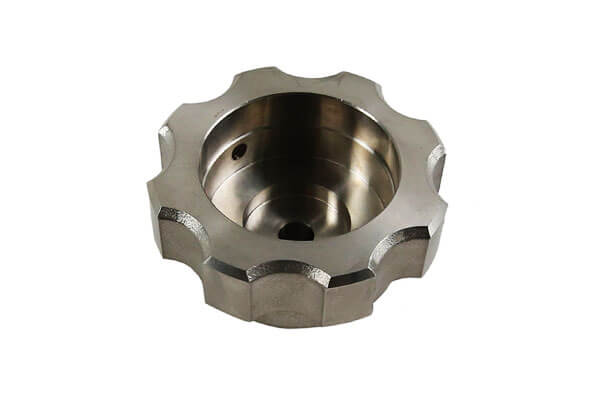
インベストメント鋳造, ロストワックス鋳造とも呼ばれます, ワックスパターンを耐火性セラミックシェルでコーティングする精密金属成形プロセスです。, ワックスは溶けてしまいます, 結果として生じるキャビティは溶融金属で満たされます.
固化後, セラミックシェルが取り除かれます, 優れた表面仕上げと寸法精度を備えたニアネットシェイプの金属コンポーネントを明らかにします.
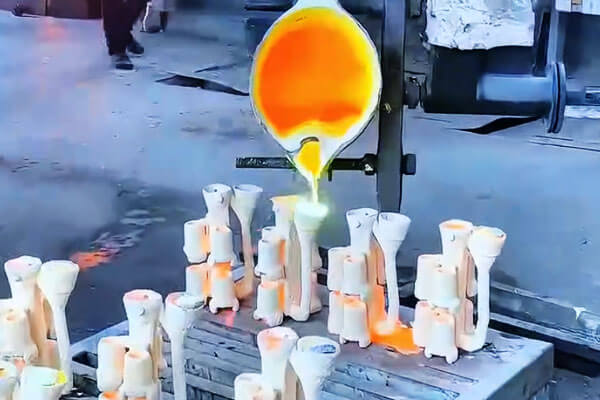
プロセスは遡ります 5,000 エジプトの古代文明への年月, 中国, そしてメソポタミア, 銅像や宝飾品に使われていた場所.
今日, 航空宇宙用タービンブレードのハイテク製造法です, 医療インプラント, 銃器の部品, および工業用バルブ.
基本を処理します
| ステージ | ステップ | 主要な詳細 |
| 1 | パターン制作 | ワックス (または熱可塑性プラスチック) 精密金型に射出成形 (道具). |
| 2 | ツリーアセンブリ | 中央のスプルーに取り付けられた複数のパターン (ワックスツリー). |
| 3 | シェルビルディング | 6‑10層のセラミックスラリー (シリカソル) + 耐火スタッコ (ジルコン/アルミナ). |
| 4 | 脱線 | 蒸気オートクレーブでワックスを溶かす; 殻は空洞のまま. |
| 5 | 砲弾の発射 | 900‑1100°C で焼成してセラミックを強化し、揮発性物質を除去. |
| 6 | 溶融 & 注ぐ | 誘導炉で溶かした金属; 予熱したシェルに注ぎます. |
| 7 | ノックアウト & 切り落とす | 振動によりシェルが除去される; 木から切り出された部品. |
| 8 | 仕上げ | 研削, ショットブラスト, 熱処理, NDT検査. |
重要な特性
| 特徴 | 説明 |
| ジオメトリ | 非常に複雑度が高い; アンダーカット, 内部パッセージ, 薄い壁 (0.5 mm以上). |
| 表面仕上げ | 鋳放し Ra 1.6 ~ 6.3 µm; Raまで磨くことができます <0.4 µm. |
| 許容範囲 | ±0.1~0.3mm 25 典型的なmm. |
| 材料 | ほぼすべての鋳造可能な合金: 炭素鋼, ステンレス, スーパーアロ, チタン, アルミニウム, ブロンズ. |
| パーツサイズ | グラム~150kgまで (鋼鉄). |
| 音量 | 経済的 100 に 10,000+ 部品/年. |
| スクラップ | 最小限 (ニアネットシェイプ). |
2. 粉末冶金を理解する
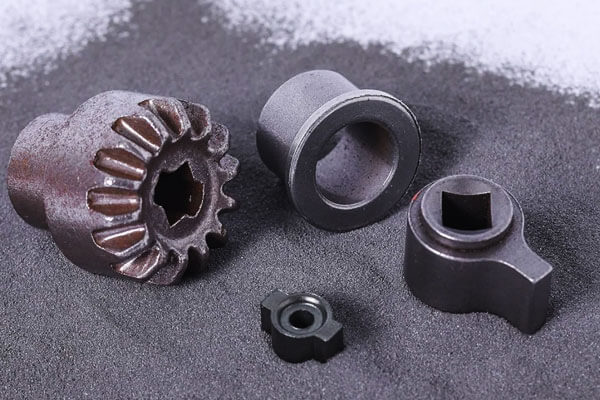
粉末冶金 微細な金属粉末を圧縮する製造プロセスです。 (押された) 硬い金型に入れて加熱します (焼結) 融点以下で粒子を結合させて固体成分を形成する.
液体から固体への相変化を伴うインベストメント鋳造とは異なり、PM は粉末の化学的および微細構造的特徴を保持する固体プロセスです。.
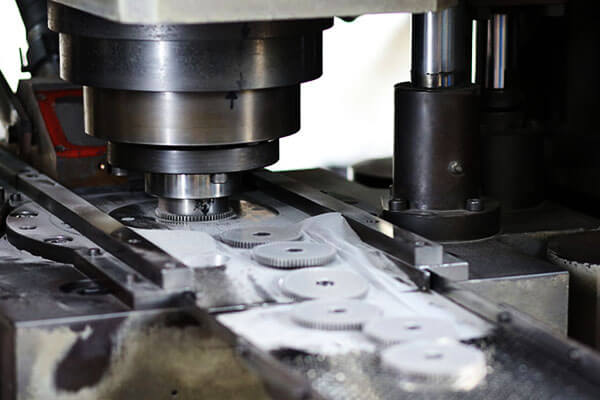
現代の PM 産業は 1920 年代に自己潤滑ベアリングとタングステン ランプ フィラメントの生産により誕生しました。.
今日, それは成熟したものです, 大量生産技術, 自動車業界は消費量を超えています 70% 世界中のすべての鉄製 PM 部品の割合.
基本を処理します
| ステージ | ステップ | 主要な詳細 |
| 1 | 粉末の製造 | 水またはガスの噴霧, 電解, 削減; 制御された粒子サイズ/形状. |
| 2 | ブレンド | 潤滑剤を混合した粉末 (0.5‑1.5%) および合金の追加 (例えば。, 黒鉛). |
| 3 | 圧縮 (プレス) | 剛性金型での一軸プレス; 圧力200~800MPa; 緑の密度 70~85%. |
| 4 | 焼結 | 制御された雰囲気での加熱 (吸熱ガス, N₂‑H₂) 融点の 70 ~ 90% (鉄の場合は通常 1120 ~ 1150°C). |
| 5 | オプションのセカンダリ操作 | サイズ設定, 鋳造, 熱処理, 浸潤, 機械加工, 樹脂含浸. |
重要な特性
| 特徴 | 説明 |
| ジオメトリ | 中程度の複雑さ (2Dシェイプ); 限られたアンダーカット; 制限された抜き勾配角度. |
| 表面仕上げ | 焼結 Ra 3‑12 µm; サイジング/コイニングにより改善可能. |
| 許容範囲 | ±0.05~0.1mm 25 mm (サイズ調整後). |
| 材料 | 主に鉄 (鉄, 鋼鉄, ステンレス), 銅ベース, タングステン, および特殊合金. チタンやアルミニウムも可能ですが、一般的ではありません. |
| パーツサイズ | 通常 <10 kg, <300 mm直径. |
| 音量 | 経済的 5,000 年間数百万個の部品. |
| スクラップ | >95% 材料利用. |
3. 製造原理: プロセスの違い
| 側面 | インベストメント鋳造 | パウダー冶金 |
| 出発物質 | 溶融金属 (液相). | 金属粉 (固相). |
| 相変化 | 液体→固体 (凝固). | 固体→固体 (拡散接合). |
| エネルギー源 | 溶かすための熱 + 注ぐ. | プレッシャー + 熱 (焼結). |
| 金型要件 | 使い捨てセラミックシェル (パーツごと). | 再利用可能な金型 (数千サイクル). |
| サイクル時間 | 時間 (シェルビルディング) 数日間に. | 秒 (プレス) + 時間 (焼結バッチ). |
| ツーリングコスト | 適度 (ワックスダイス $5‒20,000). | 高い (プレス金型 $10~50,000). |
| 労働集約度 | 高い (シェルの構築は手動です). | 低い (自動プレス). |
| 寸法管理 | シェルの収縮による + ワックスパターン. | ビア金型精度 + 焼結収縮. |
根本的な違い: インベストメント鋳造は、 ネットシェイプ精密鋳造 プロセス; PMは、 粉末の固化 プロセス.
前者はほぼ無限の幾何学的自由度を提供します; 後者はほぼ無限の材料効率を提供します.
4. 材料の適合性と合金の柔軟性
| 材料ファミリー | インベストメント鋳造 | パウダー冶金 |
| 炭素鋼 | はい (広い範囲) | はい (最も一般的な PM 材料) |
| 低合金鋼 | はい | はい (Fe-Cu-C, Fe-Ni-Mo-Cu) |
| ステンレス鋼 | 素晴らしい (CF-8, CF-8M, 17-4ph) | はい (304l, 316l, 410l, 17-4ph) |
| ニッケルスーパーアロ | 素晴らしい (インコネル 718, 625, レネ) | 限定 (高コスト; 専門化された) |
| コバルト合金 | 素晴らしい (コ・クロ・モ) | 限定 |
| チタン | 素晴らしい (学年 5, CP) | 可能 (高コスト, 反応的な) |
| アルミニウム | はい (A356, 380) | 限定 (酸化物問題; レア) |
| 銅 / ブロンズ | はい (C90500, C93200) | 素晴らしい (cu, 真鍮, ブロンズ) |
| タングステン / 重合金 | 難しい (高い融点) | 素晴らしい (W-Ni-Fe, W‑Ni‑Cu) |
| セラミックと金属の複合材料 | 不可能 | はい (サーメット, WC‑Co) |
重要な洞察: インベストメントキャスティングのオファー 合金の柔軟性が大幅に向上, 特に高融点の場合, 反応的な, またはプレスが難しい合金 (チタン, スーパーアロ, コバルトクロム).
粉末冶金は鉄に優れています, 銅ベース, およびタングステンベースの材料, 不混和性や分離のために鋳造できない複合材料も同様です.
5. 寸法精度と表面仕上げ
| 基準 | インベストメント鋳造 | パウダー冶金 |
| 典型的な寛容 (ミリメートル/25ミリメートル) | ±0.1~0.3 | ±0.05~0.1 (焼結済み) ±0.025~0.05 (サイズ/コイン) |
| 表面仕上げ (ra, µm) | 1.6‑6.3 (AS -CAST) | 3‑12 (焼結済み) 0.8‑3 (サイズ/コイン) |
| 公差の安定性 | 良い (一貫したシェル収縮) | 素晴らしい (金型精度; 焼結変数) |
| 抜き勾配が必要です | いいえ (ワックスパターンをドラフトなしで削除します) | はい (金型からの部品取り出し用) |
| スレッド / 内部機能 | 直接キャスト | 機械加工が必要 (スレッドを押すことができません) |
それはより良いです? 微細なディテールと高い表面仕上げを備えた複雑な形状向け, インベストメントキャスティングは優れています.
非常に厳しい公差を必要とする単純な形状の場合 (特に二次手術後), PMには優位性がある.
6. 形状の複雑さと設計の自由度
| デザインの特徴 | インベストメント鋳造 | パウダー冶金 |
| アンダーカット | はい (ワックスパターンを組み立てることができます) | いいえ (金型の抜き取りにはストレートプルが必要) |
| 内部通路 | はい (セラミックコア) | いいえ (中空フィーチャーをプレスできません) |
| 薄い壁 | 0.5‑1.5mmを実現可能 | 1.5‑最小2.5 mm |
| 細かい機能 (レタリング, ロゴ) | 優れた再現性 | 限定 (鋳造または機械加工する必要がある) |
| 可変切片厚さ | はい (スムーズに先細りにすることができます) | 限定 (均一な密度が必要) |
| 非対称 / 有機形状 | 素晴らしい | 貧しい (プレスでは均一な壁が好まれます) |
| 3D 複雑さ | 高い | 適度 (基本的に2.5D) |
インベストメントキャスティングが決定的に勝利 幾何学的複雑さの中で.
アンダーカットを作成する機能, 湾曲した内部チャネル, 有機的な輪郭, 表面の微細なディテールは粉末冶金に匹敵しません, これはプレス金型と一軸圧縮の要件によって制約されます。.
7. 機械的特性と構造的性能
| 機械的性質 | インベストメント鋳造 | パウダー冶金 |
| 典型的な密度 | 99‑理論値の 100% | 85‑98% (プレスと焼結による) |
| 抗張力 | 良い (サウンドキャスティングのように作られています) | 中~良好 (密度に依存します) |
| 降伏強度 | 錬金術に匹敵します | 10‑鍛造品より 30% 低い (多孔性効果) |
| 伸長 | 10‑35% (オーステナイト) | 2‑15% (密度依存) |
| 硬度 | 80‑600HB (合金に依存する) | 60‑400HB (材料に応じて) |
| 疲労強度 | 適度 (ノッチ敏感) | より低い (多孔性はストレスを引き起こす要因として機能します) |
| 衝撃の靭性 | 良い (合金に応じて) | より低い (気孔率脆性) |
| 均一 | 鋳造構造 (樹状突起) | 焼結体 (多孔質, 等方性) |
| 労働強化への対応 | 限定 (AS -CAST) | 焼結体は熱処理可能 |
主要な比較: インベストメント鋳造部品は、 完全に密な そして, 適切にキャストされた場合, 鍛造特性にアプローチする (90‑鍛造品の95%).
粉末冶金部品, 高密度グレードでも (理論値 ≥95%), 延性を低下させる残留気孔がある, タフネス, 疲労性能.
安全性が重要な場合, 高負荷, または衝撃を受けやすいアプリケーション, インベストメント鋳造が好ましい.
8. 密度, 気孔率, と内部品質
| 側面 | インベストメント鋳造 | パウダー冶金 |
| 典型的な密度 | 99‑100% (完全に密な) | 85‑98% (残留気孔率) |
| 気孔率の種類 | 収縮またはガス (ランダム, 避けられる) | 相互接続と閉鎖 (固有の) |
| 気孔制御 | ゲート/ライザー設計; ヒップ 気孔率が低下します | 圧縮圧力; 焼結雰囲気 |
| 耐圧性 | 素晴らしい (漏れのない鋳造が可能) | 貧しい (多孔質, 密封が必要) |
| 密度分布 | 全体的に均一 | パンチフェイス付近に密集; 中央付近の下の方 (圧縮勾配) |
| HIP適用性 | 一般 (気孔を閉じる) | レア (毛穴はすでに閉じています; HIP によりコストが増加する) |
| 内部の清浄度 | 良い (インクルージョンの可能性あり) | 素晴らしい (粉はきれいです) |
重要な洞察: インベストメント鋳造では、耐圧性があり、膨れを生じることなく熱処理できる完全に緻密な部品が製造されます。.
PM部品, 特別な加工をしない限り (例えば。, 温間圧縮, 二度押し, ヒップ), 耐圧性と特定の熱処理反応を制限する残留気孔がある.
9. 生産量と製造の経済学
| 経済的要因 | インベストメント鋳造 | パウダー冶金 |
| ツーリングコスト | 適度 ($5‑20k ワックスダイ) | 高い ($10‑50kプレス金型) |
| 工具寿命 | 50,000‑200,000 ワックスサイクル | 500,000‑1,000,000 プレスサイクル |
| 原材料費 | より高い (ワックス, セラミック, 金属) | より低い (粉, 潤滑剤) |
| 材料の利用 | 85‑95% | >95% (ほぼゼロのスクラップ) |
| サイクル時間 | 数分から数時間 (マニュアル) | <1 2番 (プレス) |
| 労働集約度 | 高い (シェルビルディング) | 低い (自動化されています) |
| 損益分岐点ボリューム | 年間約 100 ~ 1,000 個の部品 | 年間約 5,000 ~ 10,000 個の部品 |
| リードタイム (工具付き) | 8‑16週間 | 6‑10週間 |
| 部品ごとのコスト (低ボリューム, <500) | 中~高 | 非常に高い (償却された工具) |
| 部品ごとのコスト (中程度の音量, 5k-50k) | 低い | 非常に低い |
| 部品ごとのコスト (大音量, >100k) | 低い (でもPMは低い) | 最低 |
コスト決定ルール:
- <1,000 部品/年 → インベストメント鋳造 (償却された工具).
- 1,000‑5,000 部品/年 →両方可能; 複雑さで比較する.
- >10,000 部品/年 → 粉末冶金 (劇的なコスト削減).
- >100,000 部品/年 →PMが断然勝者.
10. 業界アプリケーション: インベストメント鋳造 vs 粉末冶金
| 業界 | インベストメント鋳造 | パウダー冶金 |
| 自動車 | ターボチャージャーホイール, 排気マニホールド (ステンレス) | ギア, スプロケット, 同期ハブ, コネクティングロッド (鉄系PM) |
| 航空宇宙 | タービンブレード, 燃料ノズル, 構造住宅 (スーパーアロ, チタン) | より軽いアプリケーション: スラストワッシャー, ブッシング, フィルター |
| 医学 | 整形外科用インプラント (ヒップステム, 膝トレイ), 手術器具 | 整形外科用ネジ (ミム, PM誘導体), 骨板 |
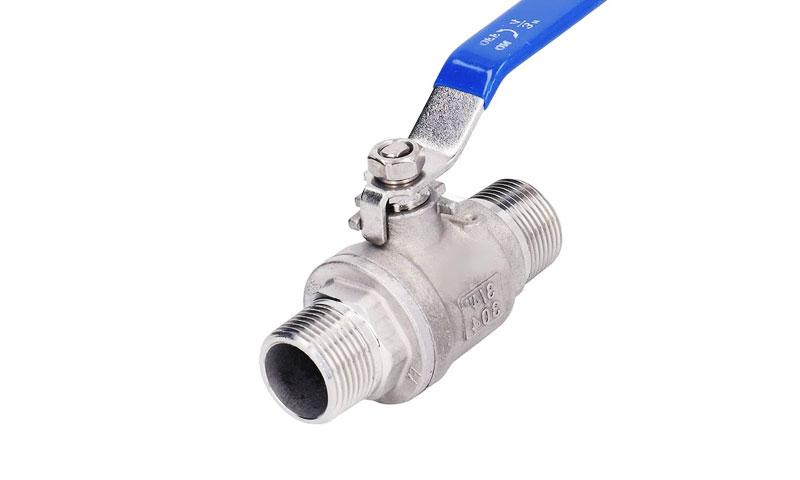
| 油 & ガス | バルブボディ, ポンプインピーラー, 海底コネクタ (ステンレス/二相鋼) | フィルター要素, タングステン重合金バランスウェイト |
銃器 |
受信機, トリガー, サプレッサーコンポーネント (17-4ph) | トリガーメカニズム, 雑誌のフォロワー, リコイルスプリング |
| 産業機械 | ポンプハウジング, バルブボディ, ギアボックス (ステンレス/鋳鉄) | ギア, カム, ローラー, ベアリング, プレートを着用してください |
| 電気 | 開閉装置コンポーネント, ヒートシンク | 電気接点, 磁気コア, ブラシホルダー |
| 消費財 | ケースを見る, 金具, 装飾品 | ロックコンポーネント, ジッパーパーツ, 小さな括弧 |
11. インベストメント鋳造の利点と限界
利点
- 並外れた幾何学的複雑さ – アンダーカット, 内部パッセージ, 薄い壁, 有機形状.
- 幅広い合金の柔軟性 – ほぼすべての鋳造可能な金属, 超合金やチタンを含む.
- 優れた表面仕上げ – Ra 1.6~6.3 µm(鋳造のまま); 鏡に近い状態まで磨くことができます.
- ニアネットシェイプ – 材料の無駄を最小限に抑える; バイ・トゥ・フライ比率 <1.5:1.
- ドラフトは必要ありません – 垂直の壁が可能.
- 耐圧鋳物 – 溶接および熱処理が可能.
- 実証済みの伝統 – 何千年も; 広範なデータと標準.
制限
- 高い労働集約性 – シェルの構築は手動です, スキル依存.
- サイクルタイムが遅い – パターンからパーツが完成するまでの日数.
- サイズ制限 – 実際の最大値 ~150 kg.
- 少量ではコストが高くなる – 工具の償却.
- 気孔リスク – 収縮とガス気孔率には堅牢なプロセス制御が必要.
- 鋳造可能な合金に限定される – 高融点, 鋳造できない材料は使用できません.
12. 粉末冶金の利点と限界
利点
- 優れた材料利用率 - >95% スクラップフリー; 持続可能な.
- 高い生産率 – プレスサイクル <1 2番; 連続焼結.
- 優れた寸法安定性 – 金型で制御された精度.
- 部品あたりのコストが低い 大音量で.
- 制御された気孔率 – フィルター用, 自己潤滑ベアリング, バッテリー電極.
- 大丈夫, 均一な穀物構造 – 鋳造欠陥なし.
- 合金をブレンドする能力 – 溶融では不可能な独自の組成を作成します.
- 優れた機械性 – 多くの PM 合金には、機械加工を強化する元素が含まれています.
制限
- 幾何学的な複雑さが限られています – 本質的には 2.5D; アンダーカットなし, 内部パッセージ.
- 必要な抜き勾配角度 – 金型からの部品の取り出し用.
- 機械的特性が低い – 残留気孔率により延性と疲労が低下します.
- サイズと重量の制限 - <10 kg, <300 典型的なmm.
- 気孔が気密性を制限する – 流体取り扱い用途にはシーリングが必要.
- 合金の柔軟性が制限されている – チタン, アルミニウム, 超合金は難しいか高価である.
- 工具コストが高い – ダイセットは高価です; 損益分岐点のボリュームが高い.
13. インベストメント鋳造 vs 粉末冶金: 包括的な比較表
| 基準 | インベストメント鋳造 | パウダー冶金 |
| プロセス原理 | セラミックモールド内での液体金属の凝固 | 粉末圧縮 + 焼結 |
| 出発物質 | ワックスパターン + 溶融金属 | 金属粉 + 潤滑剤 |
| 幾何学的複雑さ | 非常に高い (3d, アンダーカット) | 適度 (2.5d, アンダーカットなし) |
| 最小壁の厚さ | 0.5‑1.5mm | 1.5‑2.5mm |
| 表面仕上げ (ra, µm) | 1.6‑6.3 (AS -CAST) | 3‑12 (焼結済み) |
| 寸法耐性 | ±0.1~0.3mm/25mm | ±0.05~0.1mm/25mm (サイズ調整後) |
| 密度 | 99‑100% | 85‑98% |
| 気孔率 | 低い (収縮/ガス) | 固有の (残留物) |
| 耐圧性 | 素晴らしい | 貧しい (密封が必要) |
| 合金範囲 | とても広い (鋼鉄, ステンレス, スーパーアロ, の, アル, ブロンズ) | 限定 (fe, cu, w, いくつかのステンレス; Ti/Al レア) |
| 抗張力 | 精巧な (良い) | 適度 (気孔率依存) |
| 延性 | 良い (10‑35%) | より低い (2‑15%) |
| 疲労強度 | 適度 | より低い (空隙による応力上昇) |
| ツーリングコスト | 適度 | 高い |
| 工具寿命 | 50k〜200kサイクル | 500k‑1,000k サイクル |
| 材料の利用 | 85‑95% | >95% |
| サイクル時間 (パーツごと) | 数分から数時間 | <1 2番 (プレス) |
| 労働集約度 | 高い | 低い |
| 損益分岐点ボリューム | ~100~1,000/年 | ~5,000~10,000/年 |
| 部品ごとのコスト (大音量) | 適度 | 非常に低い |
| 一般的な最大部品重量 | 150 kg | 10 kg |
| 二次的な操作 | 切断, 研削, 熱処理, NDT | サイズ設定, 熱処理, 機械加工 (限定) |
14. 結論
インベストメント鋳造と粉末冶金は、あらゆる状況で競合する技術ではありません; それよりも, 製造上のさまざまな課題を解決します.
インベストメント鋳造は、エンジニアが複雑な形状を必要とする場合に優れています。, 幅広い合金の選択, 優れた機械的特性, 高密度, と構造的信頼性.
航空宇宙部品として依然として好まれている選択肢です。, バルブボディ, ポンプ部品, 医療機器, 高性能産業機器など.
粉末冶金は、寸法の一貫性が求められる大規模生産環境に優れています。, 材料効率, オートメーション, 低い単価が主な目的です.
自動車用ギアなどの用途で主流を占めています, ベアリング, ブッシング, および量産機械部品.
最適な選択は 5 つの重要な要素のバランスに依存します:
- コンポーネントの形状
- 要求される機械的性能
- 材料要件
- 生産量
- 総ライフサイクルコスト
これらの要因を理解することで、メーカーは最も技術的に適切で経済的に競争力のあるプロセスを選択できるようになります。.
FAQ
インベストメント鋳造は粉末冶金よりも強いですか?
ほとんどの構造用途で, はい. インベストメント鋳造コンポーネントは通常、より高い密度を実現します, 低気孔率, 従来の粉末冶金部品よりも耐疲労性に優れています。.
どのプロセスが寸法精度を向上させますか?
シンプルな場合, 大量の部品, 粉末冶金は多くの場合、より厳密な再現性を提供します. 複雑な形状の場合, インベストメント鋳造は通常、全体的な寸法性能が向上します。.
両方のプロセスでステンレス鋼部品を製造できますか?
はい. どちらの技術もステンレス鋼の製造をサポートします, ただし、インベストメント鋳造では、合金グレードとコンポーネントの複雑さにおいてより高い柔軟性が得られます。.
どのプロセスがよりコスト効率が高いか?
粉末冶金は一般に、生産量が非常に多い場合にコスト効率が高くなります。. インベストメント鋳造は、低~中規模の生産工程や複雑な部品の場合、より経済的であることがよくあります。.
インベストメント鋳造に最も大きく依存している業界はどれですか?
航空宇宙, 石油とガス, 化学処理, 医療機器, 発電, 食品加工, インベストメント鋳造部品の最大のユーザーは産業機械です。.