1. Perkenalan
Baja tahan karat feritik adalah salah satu keluarga besar baja tahan karat, dibedakan terutama olehnya kubik berpusat badan feritik (BCC) struktur kristal pada suhu kamar dan kandungan kromiumnya yang relatif tinggi.
Berbeda dengan baja tahan karat austenitik konvensional, kadar feritik biasanya mengandung sedikit atau tidak ada penambahan nikel yang sengaja ditambahkan.
Karakteristik komposisi ini dapat memberikan kombinasi ketahanan korosi yang menarik, stabilitas termal, sifat magnetik, dan biaya bahan.
Baja tahan karat feritik digunakan secara luas dalam sistem pembuangan otomotif, peralatan Rumah Tangga, Penukar panas, Komponen Arsitektur, peralatan pemrosesan makanan, dan mesin industri.
Kinerja mereka, Namun, sangat bergantung pada kimia paduan, pengendalian karbon dan nitrogen, stabilisasi, Sejarah Pemrosesan, dan lingkungan layanan.
2. Apa Itu Baja Tahan Karat Feritik?
Feritik baja tahan karat adalah sekelompok paduan besi-kromium yang matriksnya sebagian besar bersifat feritik pada suhu kamar.
Ferit memiliki struktur kristal kubik yang berpusat pada tubuh dan tetap stabil pada rentang suhu yang luas dalam komposisi paduan yang tepat.
Kromium adalah elemen paduan utama yang bertanggung jawab atas perilaku tahan karat.
Setelah kromium mencukupi, bajanya bisa berbentuk tipis, penganut, film pasif kaya kromium yang secara substansial memperlambat korosi lebih lanjut.
Baja tahan karat feritik komersial mencakup rentang komposisi yang relatif luas. Nilai umum mungkin berisi kira-kira 11–30% kromium, sedangkan karbon dan nitrogen umumnya dikendalikan pada tingkat yang relatif rendah.
Beberapa grade dengan performa lebih tinggi juga mengandung molibdenum untuk meningkatkan ketahanan terhadap korosi lokal atau titanium dan niobium untuk stabilisasi.
Berbeda dengan baja tahan karat martensit, baja tahan karat feritik konvensional adalah biasanya tidak dikeraskan melalui perlakuan panas quench-and-temper konvensional.
Sifat akhir mereka terutama ditentukan oleh komposisi kimianya, pemrosesan termomekanis, anil, struktur biji -bijian, dan deformasi dingin.
Oleh karena itu, baja tahan karat feritik paling baik dipahami sebagai kelompok metalurgi yang berbeda dan bukan sekadar alternatif berbiaya lebih rendah dibandingkan baja tahan karat austenitik..
3. Komposisi Kimia Baja Tahan Karat Feritik
Komposisi kimia merupakan salah satu faktor terpenting yang mengendalikan kinerja baja tahan karat feritik.
Kromium memberikan karakteristik dasar tahan karat, sedangkan karbon, nitrogen, Molybdenum, titanium, niobium, dan elemen lainnya disesuaikan untuk mencapai kombinasi ketahanan korosi tertentu, sifat mekanik, kemampuan las, dan stabilitas termal.
Komposisi Kimia Khas
Komposisinya sangat bervariasi antar tingkatan. Nilai-nilai berikut mewakili rentang khas untuk baja tahan karat feritik komersial umum, bukan batas spesifikasi universal.
| Elemen | Kisaran khas / Tingkat | Fungsi Metalurgi Primer |
| Kromium (Cr) | ~10,5–30% | Pasifan, resistensi korosi, stabilisasi ferit |
| Karbon (C) | Umumnya rendah, sering ≤0,08% | Penguatan; tingkat yang berlebihan dapat meningkatkan sensitisasi |
| Nitrogen (N) | Umumnya rendah | Penguatan; kadar yang berlebihan dapat merusak sifat feritik |
| Molybdenum (Mo) | 0–4%+ tergantung kelas | Meningkatkan ketahanan terhadap korosi lubang dan celah |
| titanium (Dari) | Tergantung pada kelas | Menstabilkan karbon dan nitrogen |
Niobium (NB) |
Tergantung pada kelas | Menstabilkan karbon dan nitrogen; meningkatkan kinerja las |
| Nikel (Di dalam) | Biasanya rendah | Dikendalikan untuk menjaga stabilitas fase feritik |
| Mangan (M N) | Biasanya terbatas | Deoksidasi dan kontrol paduan/proses |
| Silikon (Dan) | Biasanya terbatas | Kontribusi deoksidasi dan ketahanan oksidasi |
Batasan yang tepat harus selalu diambil dari spesifikasi material yang relevan, seperti yang berlaku Astm, DI DALAM, Dia, atau standar nasional/internasional lainnya, karena nama kelas nominal saja tidak menentukan setiap batas komposisi yang diperbolehkan.
4. Jenis dan Kelas Utama Baja Tahan Karat Feritik
Baja tahan karat feritik mencakup berbagai paduan berbasis kromium, dari tingkat ekonomis yang dirancang untuk sistem pembuangan otomotif hingga tingkat paduan kromium dan molibdenum tinggi yang ditujukan untuk lingkungan yang menuntut korosi dan suhu tinggi.
Tabel berikut mengatur nilai representatif ke dalam tiga kategori praktis: nilai feritik standar, nilai feritik kromium tinggi, dan cor baja tahan karat feritik.
Nilai Feritik Standar (400 Seri)
Nilai ini banyak digunakan karena memberikan keseimbangan praktis dalam ketahanan terhadap korosi, manufaktur, kinerja termal, dan biaya.
Nilai seperti 409 Dan 430 sangat penting dalam otomotif, alat, arsitektur, dan aplikasi industri umum.
| Nilai | Penunjukan AS | Perkiraan Komposisi | Karakteristik utama | Aplikasi khas |
| 409 | S40900 | Kr 10,5–11,7%; C ≤0,08%; Yang stabil | Baja tahan karat feritik yang ekonomis dengan ketahanan oksidasi yang baik dan ketahanan korosi yang memadai; cocok untuk layanan suhu tinggi | Sistem Knalpot Otomotif, pipa knalpot, komponen konverter katalitik |
| 410L | S41003 | Kr 11,5–13,5%; C ≤0,03% | Karbon yang sangat rendah meningkatkan kemampuan las dan mengurangi risiko sensitisasi terkait pengelasan; Resistensi korosi sedang | Komponen Otomotif, bagian struktural, tangki air, Peralatan Industri |
| 430 | S43000 | Kr 16–18%; C ≤0,08% | Resistensi korosi umum yang baik, perilaku magnetik, Formabilitas yang baik, dan penampilan permukaan yang menarik; tersedia secara luas dan ekonomis | Peralatan, perlengkapan dapur, trim otomotif, Panel Arsitektur |
430L |
S43003 | Kr 16–18%; C ≤0,03% | Versi rendah karbon 430 dengan peningkatan kemampuan las dan mengurangi kerentanan terhadap korosi intergranular | Peralatan yang dilas, peralatan pemrosesan makanan, Komponen Arsitektur |
| 434 | S43400 | Kr 16–18%; Bulan sekitar 0,5–1,0%; C ≤0,08% | Molibdenum meningkatkan ketahanan terhadap korosi lokal dibandingkan dengan konvensional 430; mempertahankan ketahanan oksidasi yang baik | Trim otomotif, komponen knalpot, peralatan yang berhubungan dengan panas |
| 436 | S43600 | Kr 16–18%; Bulan sekitar 0,5–1,0%; Ti/NB distabilkan | Tingkat feritik yang stabil dengan kemampuan las yang lebih baik, resistensi korosi, dan ketahanan terhadap korosi intergranular | Sistem Knalpot Otomotif, Komponen Arsitektur, Peralatan Industri |
Nilai Feritik Kromium Tinggi
Baja tahan karat feritik kromium tinggi mengandung lebih banyak kromium dibandingkan grade seri 400 konvensional.
Beberapa juga mengandung molibdenum dan elemen penstabil seperti titanium dan niobium.
Strategi paduan ini meningkatkan ketahanan oksidasi, ketahanan korosi lokal, dan kinerja suhu tinggi.
| Nilai | Penunjukan AS | Perkiraan Komposisi | Karakteristik utama | Aplikasi khas |
| 439 | S43035 | Kr 17–19%; Yang stabil | Ketahanan korosi dan oksidasi yang baik dengan kemampuan las yang lebih baik; cocok untuk layanan suhu tinggi | Sistem Knalpot Otomotif, Penukar panas, pemanas air |
| 441 | S44100 | Kr 17–19%; Dari + Nb stabil | Struktur feritik yang stabil memberikan kemampuan las yang baik, Resistensi oksidasi, dan resistensi terhadap sensitisasi | Sistem Knalpot Otomotif, komponen konverter katalitik, Penukar panas |
| 444 | S44400 | Kr 17–19%; Bulan 1,5–2,5%; Dari + Nb stabil | Karbon rendah dan nitrogen dikombinasikan dengan Mo memberikan ketahanan tinggi terhadap korosi lubang dan celah; kemampuan las yang baik | Penukar panas, sistem air panas, peralatan air pendingin, peralatan pemrosesan kimia |
446 |
S44600 | Kr 23–27%; rendah c | Kandungan kromium yang sangat tinggi memberikan ketahanan oksidasi yang sangat baik dan kinerja yang baik pada suhu tinggi | Komponen tungku, peralatan perlakuan panas, peralatan pemrosesan kimia bersuhu tinggi |
| 447 | S44700 | Kr 28–30%; Bulan 2,0–3,0%; sangat rendahC | Baja tahan karat super-feritik dengan ketahanan luar biasa terhadap korosi dan oksidasi lokal yang disebabkan oleh klorida | Pemrosesan Kimia, peralatan penanganan air laut, Penukar panas, peralatan lepas pantai |
| 448 | S44800 | Kr 28–30%; Bulan 3,5–4,2%; C/N sangat rendah | Baja tahan karat feritik dengan paduan tinggi menawarkan ketahanan korosi dan oksidasi yang luar biasa di lingkungan yang parah | Peralatan laut, Pemrosesan Kimia, sistem lepas pantai, layanan klorida yang parah |
Catatan: Batas kimia yang tepat bervariasi menurut ASTM yang berlaku, Asme, DI DALAM, atau spesifikasi UNS. Komposisi di atas disediakan sebagai rentang yang representatif untuk perbandingan teknik.
Nilai Baja Tahan Karat Feritik Cor
Beberapa nilai baja tahan karat cor yang umum direferensikan tercantum di bawah ini.
Penting, tidak semua kelas baja tahan karat cor yang mengandung kromium yang tercantum dalam keluarga ASTM A743/A744 benar-benar bersifat feritik pada suhu kamar; nilai seperti CA-15 secara konvensional diklasifikasikan sebagai martensit.
Karena itu, klasifikasi metalurgi tertentu harus selalu dikonfirmasi dari spesifikasi bahan yang berlaku.
| Kelas Pemeran | Penunjukan AS | Karakteristik utama | Aplikasi khas |
| CA-15 | J91150 | Kelas pengecoran tahan karat kromium dengan ketahanan korosi umum yang baik dan kekuatan yang baik setelah perlakuan panas yang tepat; secara konvensional diklasifikasikan sebagai martensit daripada feritik | Komponen pompa, tubuh katup, Komponen turbin, pengecoran industri |
| CA-40 | J91151 | Kekerasan dan kekuatan yang lebih tinggi daripada nilai pengecoran kromium rendah karbon; ketahanan aus yang baik tetapi kemampuan lasnya berkurang | Komponen tahan aus, bagian katup, komponen layanan uap |
CB-30 |
J91330 | Kandungan kromium yang lebih tinggi memberikan peningkatan ketahanan korosi dan oksidasi pada komponen cor | Peralatan pemrosesan kimia, Bagian pompa, Komponen katup |
| CC-50 | J91450 | Kandungan kromium yang sangat tinggi memberikan ketahanan oksidasi dan korosi yang kuat, khususnya di lingkungan bersuhu tinggi | Peralatan pemrosesan kimia bersuhu tinggi, komponen tungku, coran tahan korosi |
5. Sifat Utama Baja Tahan Karat Feritik
Baja tahan karat feritik mempunyai ciri a Kubik yang berpusat pada tubuh (BCC) matriks feritik, kromium sebagai elemen paduan utama, dan umumnya kandungan karbon dan nikel rendah.
Kombinasi ketahanan korosi mereka, perilaku magnetik, ekspansi termal yang relatif rendah,
dan konduktivitas termal sedang hingga baik menjadikannya sangat cocok untuk sistem pembuangan otomotif, peralatan, Penukar panas, Komponen Arsitektur, dan peralatan industri.
Nilai-nilai berikut memberikan titik referensi teknik yang berguna untuk kadar feritik yang umum digunakan:
| Milik | Kisaran Baja Tahan Karat Feritik Khas | Kelas Perwakilan / Nilai | Signifikansi Rekayasa |
| Modulus elastis | ~200–215 IPK | Jenis 430: ~ 200 IPK | Menentukan kekakuan elastis |
| Kepadatan | ~7,6–7,8 gram/cm³ | Jenis 430: ~7,7 gram/cm³ | Relevan dengan berat komponen |
| Koefisien ekspansi termal | ~9–11 × 10⁻⁶/K | Jenis 430: ~10,4 × 10⁻⁶/K | Penting untuk distorsi termal |
| Konduktivitas termal | ~24–27 W/(m · k) | Jenis 430: ~26 W/(m · k) | Mempengaruhi perpindahan panas |
Panas spesifik |
~440–500 J/(kg·K) | Tergantung pada kelas | Digunakan dalam perhitungan termal |
| Resistivitas listrik | ~0,55–0,65 μΩ·m | Tergantung pada kelas | Relevan dengan aplikasi listrik/termal |
| Perilaku magnetis | Feromagnetik pada suhu kamar | Nilai paling feritik | Berguna untuk aplikasi magnetik |
| Rentang leleh | ~1.425–1.510°C | Tergantung pada kelas | Penting untuk pengecoran dan pengelasan |
Angka-angka ini harus diperlakukan sebagai nilai referensi, bukan pengganti spesifikasi.
Untuk desain komponen, ASTM yang berlaku, DI DALAM, Dia, atau standar bahan lainnya dan laporan pengujian bahan bersertifikat harus diutamakan.
Resistensi korosi
Ketahanan terhadap korosi adalah salah satu alasan utama penggunaan baja tahan karat feritik.
Kromium berbentuk tipis, penganut, dan penyembuhan diri film pasif kaya kromium pada permukaan baja.
Ketika kandungan kromium cukup tinggi dan permukaan tetap bersih secara kimia, lapisan pasif ini secara signifikan mengurangi laju korosi di banyak lingkungan atmosfer dan air.
Ketahanan korosi baja tahan karat feritik umumnya meningkat seiring dengan kandungan kromium, sementara penambahan molibdenum selanjutnya dapat meningkatkan ketahanan terhadap korosi lokal, terutama korosi pitting dan celah.
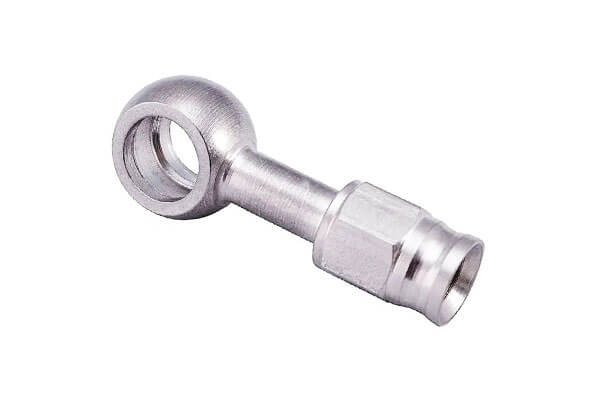
Misalnya, Aisi 430 memberikan ketahanan korosi yang berguna untuk lingkungan dalam ruangan dan agak korosif, sedangkan nilai stabil seperti 439 Dan 441 banyak digunakan dalam sistem pembuangan otomotif.
Nilai paduan yang lebih tinggi seperti 444 memberikan ketahanan yang jauh lebih baik terhadap lingkungan yang mengandung klorida dan cocok untuk aplikasi yang melibatkan air panas dan media kimia tertentu.
Beberapa faktor harus dipertimbangkan ketika mengevaluasi kinerja korosi:
- konten kromium: Cr yang lebih tinggi umumnya meningkatkan ketahanan pasivasi dan oksidasi.
- Konten molibdenum: Mo meningkatkan ketahanan terhadap korosi lubang dan celah.
- Karbon dan nitrogen: Elemen interstisial yang berlebihan dapat menyebabkan penipisan kromium selama paparan panas.
- Stabilisasi: Penambahan titanium atau niobium membantu mengikat karbon dan nitrogen, meningkatkan ketahanan terhadap sensitisasi setelah pengelasan.
- Kondisi permukaan: Menggiling, pemolesan, acar, dan pasivasi dapat sangat mempengaruhi perilaku korosi praktis.
- Lingkungan layanan: Konsentrasi klorida, suhu, ph, kelembaban, dan waktu pemaparan semuanya mempengaruhi kinerja korosi.
Oleh karena itu, baja tahan karat feritik sangat menarik jika diperlukan ketahanan terhadap korosi, namun kinerja korosi ekstrim dari baja tahan karat austenitik yang mengandung nikel tidak diperlukan..
6. Sifat Mekanik Baja Tahan Karat Feritik
Perilaku mekanis baja tahan karat feritik sangat dipengaruhi oleh kandungan kromium, kadar karbon dan nitrogen, Ukuran biji -bijian, stabilisasi paduan, bekerja dingin, dan suhu layanan.
Umumnya, nilai feritik menawarkan kombinasi yang berguna kekuatan sedang hingga tinggi, keuletan yang memadai, resistensi kelelahan yang baik, dan stabilitas dimensi yang baik.
Karakteristik Mekanik yang Khas
| Karakteristik mekanis | Perilaku khas baja tahan karat feritik | Signifikansi teknik |
| Modulus elastis | Sekitar 200 IPK | Memberikan kekakuan elastis dan stabilitas dimensi yang baik |
| Kekuatan luluh | Umumnya sekitar 200–400 MPa untuk banyak nilai standar | Menentukan ketahanan terhadap deformasi permanen |
| Kekuatan tarik | Umumnya sekitar 400–600 MPa, tergantung pada nilai dan kondisi | Menentukan kapasitas beban tarik ultimit |
Pemanjangan |
Seringkali sekitar 15–30%, tetapi sangat bergantung pada kelas | Menunjukkan keuletan yang tersedia selama pembentukan dan beban berlebih |
| Kekerasan | Umumnya sedang dalam kondisi anil | Mempengaruhi ketahanan aus dan kemampuan mesin |
| Dampak ketangguhan | Sangat bergantung pada kelas, Ukuran biji -bijian, suhu, dan pemrosesan | Penting untuk aplikasi suhu rendah dan beban benturan |
Baja tahan karat feritik juga umumnya menunjukkan penguatan terbatas melalui perlakuan panas konvensional.
Berbeda dengan baja tahan karat martensit, mereka biasanya tidak dapat diubah menjadi struktur martensit dengan kekerasan tinggi melalui pendinginan.
Sifat mekaniknya dikontrol terutama melalui paduan, Penyempurnaan biji -bijian, bekerja dingin, dan pemrosesan termomekanis.
Pengerjaan dingin dapat meningkatkan kekuatan dan kekerasan, tetapi deformasi dingin yang berlebihan dapat mengurangi keuletan dan meningkatkan kesulitan pembentukan.
Untuk aplikasi yang menuntut, kondisi material—seperti anil, Dingin digulung, atau distabilkan—oleh karena itu harus ditentukan bersama dengan mutu baja tahan karat.
Pada suhu rendah, ketangguhannya patut mendapat perhatian khusus. Beberapa baja tahan karat feritik dapat menunjukkan a transisi ulet ke getas, yang secara fundamental berbeda dari perilaku banyak baja tahan karat austenitik.
Penghalusan butiran dan kandungan karbon/nitrogen yang rendah dapat meningkatkan ketangguhan, namun kadar feritik harus dipilih secara hati-hati untuk aplikasi yang kritis terhadap dampak atau kriogenik.
7. Kemampuan Las Baja Tahan Karat Feritik
Kemampuan las sangat bervariasi di antara jenis baja tahan karat feritik.
Rendah karbon modern, kadar yang distabilkan umumnya memiliki kemampuan las yang jauh lebih baik daripada formulasi feritik karbon tinggi yang lebih tua, tetapi baja tahan karat feritik masih memerlukan kontrol pengelasan yang lebih hati-hati dibandingkan banyak jenis austenitik umum.
Kekhawatiran metalurgi utama adalah butiran menjadi kasar di zona yang terkena dampak panas (Haz).
Karena baja tahan karat feritik tetap didominasi feritik selama pengelasan, masukan panas yang tinggi dapat menghasilkan butiran kasar. Daerah HAZ yang berbutir kasar mungkin menunjukkan berkurangnya keuletan dan ketangguhan.
Kekhawatiran lainnya adalah pembentukan kromium karbida atau nitrida.
Jika terdapat cukup karbon atau nitrogen, paparan termal selama pengelasan dapat menyebabkan penipisan kromium di dekat batas butir, berpotensi mengurangi ketahanan korosi lokal.
Inilah sebabnya mengapa nilai menjadi stabil titanium atau niobium, seperti 409, 439, 441, Dan 444, biasanya dipilih untuk aplikasi pengelasan.
Pertimbangan Pengelasan Penting
| Faktor pengelasan | Potensi Masalah | Kontrol yang Direkomendasikan |
| Masukan panas yang berlebihan | Butir menjadi kasar dan ketangguhannya berkurang | Gunakan masukan panas yang terkontrol |
| Suhu interpass yang tinggi | Paparan panas yang berlebihan | Kontrol suhu interpass |
| Karbon/nitrogen tinggi | Sensitisasi dan kerentanan terhadap korosi | Lebih memilih nilai C/N rendah atau stabil |
| Pendinginan yang cepat atau tidak terkendali | Stres dan distorsi sisa | Tetapkan prosedur pengelasan yang sesuai |
| Ketidakcocokan pengisi-logam | Mengurangi korosi atau kinerja mekanis | Pilih pengisi berdasarkan kebutuhan layanan |
| Kontaminasi permukaan | Cacat las dan berkurangnya ketahanan terhadap korosi | Pembersihan menyeluruh sebelum dan sesudah pengelasan |
CEKCOK, Saya/mag, pengelasan laser, dan pengelasan resistansi semuanya dapat digunakan tergantung pada geometri komponen, ketebalan, volume produksi, dan persyaratan kinerja.
Setelah pengelasan, acar dan pasif mungkin diperlukan untuk mengembalikan ketahanan terhadap korosi dengan menghilangkan warna panas, kontaminasi besi bebas, dan kontaminan permukaan lainnya.
Untuk komponen penting, Kualifikasi prosedur pengelasan harus memperhatikan tidak hanya kualitas visual las tetapi juga sifat tarik, perilaku korosi, distorsi, dan kinerja HAZ jika memungkinkan.
8. Kemampuan bentuk dan kemampuan mesin
Kemampuan formulir
Baja tahan karat feritik umumnya menunjukkan karakteristik pembentukan dingin yang baik, terutama bila disuplai dalam kondisi anil.
Perpanjangan mereka biasanya jatuh pada 20kisaran –30%. untuk banyak nilai komersial, memberikan keuletan yang cukup untuk membungkuk, gulungan pembentukan, Stamping, dan operasi lembaran logam lainnya.
Namun, kinerja pembentukan bergantung pada lebih dari sekedar perpanjangan saja.
Kekuatan luluh, anisotropi, bekerja keras, ketebalan lembaran, struktur biji -bijian, geometri perkakas, dan pelumasan semuanya dapat mempengaruhi hasil akhir.
Untuk pembentukan presisi, parameter berikut harus dikontrol:
- Radius tikungan minimum
- Arah bergulir
- Izin alat
- Pelumasan
- Urutan pembentukan
- Kompensasi musim semi
- Perlindungan permukaan
Nilai feritik bisa sangat menarik untuk komponen lembaran besar karena menggabungkan keuletan yang wajar dengan perilaku dimensi yang relatif stabil.
Kemampuan mesin
Baja tahan karat feritik umumnya cocok untuk konvensional pemesinan CNC.
Namun, parameter pemesinan harus dioptimalkan untuk tingkat tertentu karena kromium, Molybdenum, kekerasan bahan, dan konduktivitas termal mempengaruhi gaya pemotongan dan umur pahat.
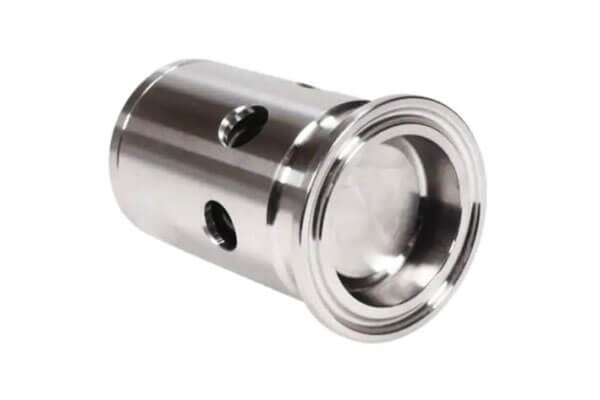
Operasi pemesinan yang umum meliputi:
Pembubutan CNC → penggilingan → pengeboran → reaming → penggilingan → pemolesan
Untuk komponen presisi, toleransi dimensi ±0,01 mm atau lebih rapat mungkin dapat dicapai dalam kondisi pemesinan CNC yang terkendali,
tetapi toleransi yang dapat dicapai bergantung pada geometri komponen, kemampuan mesin, pekerjaan, kondisi material, dan stabilitas termal dibandingkan hanya pada kelas baja tahan karat saja.
Selama pemesinan, panas pemotongan yang berlebihan dapat menyebabkan penyimpangan dimensi. Hal ini sangat penting terutama untuk komponen berdinding tipis dan komponen presisi dengan toleransi posisi yang ketat.
9. Penyelesaian Permukaan untuk Baja Tahan Karat Feritik
Finishing permukaan memainkan peran penting dalam ketahanan terhadap korosi, penampilan, kebersihan, perilaku memakai, dan kinerja dimensi komponen baja tahan karat feritik.
| Permukaan akhir | Karakteristik Khas | Aplikasi khas |
| 2B | Digulung dingin, Perlakuan panas, acar, dan kulit ringan berlalu; halus dan relatif reflektif | Peralatan, komponen industri umum, Panel Arsitektur |
| Ba | Permukaan anil cerah dengan reflektifitas tinggi dan tampilan halus | Trim otomotif, peralatan, Komponen dekoratif |
| TIDAK. 3 | Hasil akhir yang dipoles secara mekanis dan kasar | Komponen arsitektur dan industri |
| TIDAK. 4 | Hasil akhir yang disikat dengan arah halus, umumnya diproduksi dengan sabuk abrasif | Peralatan, Panel Arsitektur, perlengkapan dapur |
Garis rambut |
Bagus, butiran terarah terus menerus | Komponen arsitektur dan interior dekoratif |
| Dipoles dengan cermin | Permukaan yang sangat reflektif dicapai melalui pemolesan progresif | Komponen dekoratif dan aplikasi arsitektur premium |
| Elektropoli | Penghapusan elektrokimia bahan permukaan; permukaan halus dan bersih | Higienis, presisi, dan aplikasi yang sensitif terhadap korosi |
| Acar dan dipasivasi | Menghapus skala, warna panas, dan kontaminasi permukaan dan mengembalikan permukaan pasif yang bersih | Komponen yang dilas dan sensitif terhadap korosi |
10. Aplikasi Baja Tahan Karat Feritik
Baja tahan karat feritik banyak digunakan ketika kombinasi ketahanan terhadap korosi, Resistensi oksidasi, perilaku magnetik, stabilitas termal, kekuatan mekanik sedang, dan efisiensi biaya diperlukan.
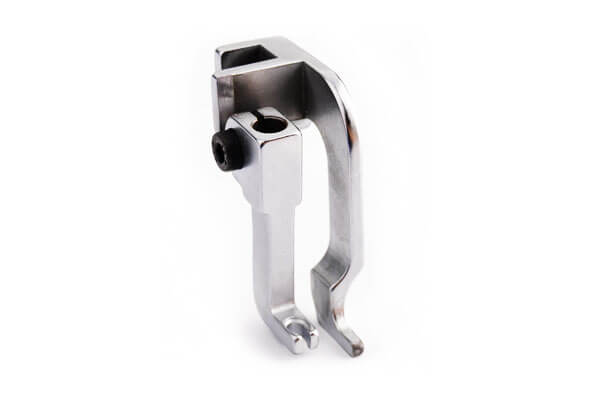
Sistem Pembuangan Otomotif
Otomotif sistem pembuangan adalah salah satu aplikasi terpenting untuk baja tahan karat feritik.
Nilai seperti 409, 439, Dan 441 biasanya dipilih untuk manifold buang, pipa, komponen konverter katalitik, knalpot, dan bagian tahan panas terkait.
Bahannya harus tahan:
- Siklus termal berulang
- Temperatur gas buang yang tinggi
- Oksidasi
- Korosi kondensat
- Getaran dan kelelahan mekanis
Koefisien ekspansi termal yang relatif rendah dan ketahanan yang baik terhadap oksidasi suhu tinggi membuat nilai feritik sangat cocok untuk lingkungan ini.
Peralatan Rumah Tangga
430 baja tahan karat banyak digunakan dalam peralatan karena menggabungkan ketahanan terhadap korosi, penampilan yang menarik, perilaku magnetik, Kemampuan formulir, dan biaya yang relatif rendah.
Produk khasnya meliputi:
- Panel kulkas
- Komponen mesin pencuci piring
- Komponen oven dan kompor
- Perlengkapan dapur
- Pemangkasan peralatan
- Komponen mesin cuci
Sifat magnetisnya juga dapat menguntungkan jika diperlukan keterikatan magnetis.
Penukar Panas dan Peralatan Pemanas Air
Nilai feritik yang distabilkan seperti 439 Dan 444 dapat memberikan kombinasi yang menarik antara ketahanan korosi dan kinerja termal.
Mereka digunakan di:
- Komponen penukar panas
- Pemanas air
- Sistem air panas
- Peralatan air pendingin
- Kondensor
- Peralatan pemrosesan termal
Konduktivitas termal yang relatif tinggi dan ekspansi termal yang rendah dari baja tahan karat feritik dapat membantu meningkatkan stabilitas termal.
Komponen Arsitektur dan Dekoratif
Baja tahan karat feritik juga digunakan untuk aplikasi arsitektur yang memerlukan ketahanan korosi sedang dan tampilan permukaan.
Aplikasi tipikal termasuk:
- Panel dinding interior
- Panel lift
- Trim dekoratif
- Kelongsong arsitektur
- Komponen furnitur
- Peralatan dapur dan interior komersial
Nilai seperti 430 dapat memberikan keseimbangan yang baik antara tampilan permukaan, Kemampuan formulir, resistensi korosi, dan biaya.
Peralatan Industri dan Kimia
Nilai feritik dengan kandungan kromium dan molibdenum yang lebih tinggi dapat digunakan di lingkungan industri tertentu yang memerlukan peningkatan ketahanan terhadap korosi dan oksidasi..
Misalnya, 444 dapat dipertimbangkan untuk lingkungan tertentu yang mengandung air panas dan klorida, sedangkan nilai kromium tinggi seperti 446 cocok untuk komponen tahan oksidasi suhu tinggi.
Namun, baja tahan karat feritik tidak boleh dipilih secara otomatis untuk lingkungan kimia atau kelautan yang sangat agresif.
Media yang tepat, suhu, konsentrasi klorida, dan mekanisme korosi harus dievaluasi sebelum pemilihan material.
11. Analisis komparatif: Feritik vs. Austenitik vs. Stainless steel martensit
Feritik, Austenitic, dan baja tahan karat martensit mewakili tiga keluarga besar baja tahan karat.
Perbedaan mereka terutama berasal dari struktur kristal, kimia paduan, stabilitas fase, dan respon perlakuan panas, yang pada gilirannya menentukan sifat mekanik, resistensi korosi, kemampuan las, perilaku magnetik, dan aplikasi khas.
| Milik | Stainless steel feritik | Baja tahan karat austenitic | Stainless steel martensit |
| Nilai yang khas | 409, 430, 439, 441, 444 | 304, 304L, 316, 316L, 321, 310 | 410, 420, 440A, 440B, 440C |
| Struktur kristal khas pada suhu layanan | Bcc ferit | Fcc austenite | Struktur martensit BCT/BCC Setelah mengeras |
| Konten Cr yang khas | Sekitar 10.5–30% | Sekitar 16–26% | Sekitar 11.5–18% |
| Konten Ni yang khas | Umumnya sangat rendah atau tidak ada | Umumnya 8–20%+ | Umumnya rendah, meskipun beberapa kelas mengandung Ni |
| Kandungan karbon | Umumnya rendah, khususnya di kelas modern | Sangat rendah hingga sedang; banyak nilai rendah karbon yang tersedia | Umumnya lebih tinggi dari nilai feritik dan austenitik |
| Perilaku magnetis | Magnet | Umumnya non-magnetik dalam kondisi anil; kerja dingin dapat menimbulkan daya magnet | Magnet |
| Perlakuan panas untuk pengerasan | Umumnya tidak dapat diperkeras dengan pendinginan konvensional | Umumnya tidak dapat diperkeras dengan pendinginan konvensional | Dapat dikeraskan dengan quenching dan tempered |
Tingkat kekuatan |
Sedang; dapat ditingkatkan dengan pengerjaan dingin | Sedang dalam kondisi anil; kemampuan pengerasan kerja yang sangat baik | Tinggi hingga sangat tinggi setelah perlakuan panas |
| Kekerasan | Umumnya moderat | Umumnya moderat | Sedang hingga sangat tinggi, Tergantung pada kadar dan perlakuan panas |
| Keuletan | Sedang | Bagus sekali | Umumnya lebih rendah, khususnya dalam kondisi mengeras |
| Kekerasan | Sedang; ketangguhan suhu rendah dapat dibatasi | Bagus sekali, termasuk pada suhu rendah | Sedang; sangat bergantung pada kandungan karbon dan perlakuan panas |
| Resistensi korosi | Bagus hingga sangat bagus, tergantung pada konten Cr/Mo | Secara umum sangat baik, terutama untuk grade 316/316L dan paduan yang lebih tinggi | Sedang hingga bagus; biasanya lebih rendah dari nilai austenitik |
| Ketahanan terhadap korosi lubang/celah | Baik pada nilai Cr/Mo tinggi seperti 444 | Sangat bagus hingga luar biasa dalam nilai yang mengandung Mo seperti 316L | Umumnya moderat |
Konduktivitas termal |
Relatif tinggi untuk baja tahan karat; biasanya sekitar 20–30 W/m·K | Lebih rendah; biasanya sekitar 14–16 W/m·K untuk umum 304/316 nilai | Umumnya sekitar 20–30 W/m·K, tergantung pada nilai |
| Koefisien ekspansi termal | Relatif rendah; biasanya sekitar 10–11 × 10⁻⁶/K | Relatif tinggi; biasanya sekitar 16–17 × 10⁻⁶/k untuk 304/316 | Umumnya sekitar 10–11 × 10⁻⁶/K |
| Kemampuan las | Sedang hingga baik untuk nilai C rendah/stabil; pertumbuhan biji-bijian harus dikendalikan | Secara umum sangat baik, khusus untuk 304L/316L | Umumnya terbatas dibandingkan dengan nilai austenitik; perawatan pemanasan awal dan pasca pengelasan mungkin diperlukan |
| Kemampuan formulir | Sedang; cocok untuk pembengkokan dan banyak operasi pembentukan | Bagus sekali, khususnya untuk gambar dalam dan pembentukan kompleks | Sedang hingga buruk dalam kondisi mengeras |
| Kemampuan mesin | Sedang; sangat bergantung pada nilai dan perilaku pengerasan kerja | Sedang; pengerasan kerja dapat meningkatkan kesulitan pemesinan | Umumnya bagus pada grade pemesinan bebas atau anil, tetapi nilai yang diperkeras sulit untuk dikerjakan dengan mesin |
Bekerja keras |
Relatif terbatas | Pengerasan kerja yang kuat, terutama di tingkat metastabil | Terbatas dibandingkan dengan nilai austenitik |
| Kinerja suhu rendah | Dibatasi oleh kemungkinan transisi ulet ke getas | Ketangguhan suhu rendah yang luar biasa | Umumnya terbatas dibandingkan dengan nilai austenitik |
| Ketahanan oksidasi suhu tinggi | Bagus, khususnya pada nilai Cr tinggi | Baik hingga sangat baik tergantung pada kandungan Cr/Ni | Sedang hingga bagus |
| Rute produksi yang khas | Bergulir, Stamping, pembengkokan, pengelasan, pembuatan | Bergulir, gambar yang dalam, Stamping, produksi tabung, pengelasan | Penggulungan/penempaan diikuti dengan perlakuan panas, pemesinan, menggiling |
| Aplikasi khas | Knalpot otomotif, peralatan, Panel Arsitektur, Penukar panas, pemanas air | Pemrosesan Kimia, peralatan makanan, Peralatan Farmasi, perpipaan, Kapal Tekanan, Struktur Arsitektur | Pisau, Instrumen Bedah, katup, pompa, poros, Komponen turbin, bagian tahan aus |
Keuntungan utama |
Ketahanan korosi yang baik dengan biaya paduan rendah, respons magnetis, ekspansi termal rendah | Resistensi korosi yang sangat baik, keuletan, kekerasan, dan kemampuan las | Kekerasan tinggi, kekuatan, dan ketahanan aus setelah perlakuan panas |
| Batasan utama | Ketangguhan dan sifat mampu bentuk pada suhu rendah lebih rendah dibandingkan nilai austenitik | Biaya paduan lebih tinggi, ekspansi termal yang lebih tinggi, dan umumnya perilaku non-magnetik | Resistensi korosi yang lebih rendah, kemampuan las, dan ketangguhan dibandingkan kebanyakan nilai austenitik |
| Paling cocok untuk | Komponen tahan korosi yang sensitif terhadap biaya dan aplikasi yang stabil secara termal | Korosif, lasan, sangat terbentuk, atau aplikasi suhu rendah | Komponen berkekuatan tinggi dan tahan aus yang memerlukan perlakuan panas |
12. Kesimpulan
Baja tahan karat feritik adalah keluarga baja tahan karat penting yang digabungkan resistensi korosi, sifat magnetik, ekspansi termal yang relatif rendah, Konduktivitas termal yang baik, dan efisiensi biaya.
Struktur BCC yang didominasi feritik memberikan profil properti yang berbeda dibandingkan dengan baja tahan karat austenitik dan martensit..
Kunci takeaways
- Baja tahan karat feritik ditandai dengan a Kubik yang berpusat pada tubuh (BCC) struktur, perilaku magnetik, Dan kandungan nikel rendah.
- Resistensi korosi disediakan oleh kromium (10.5–30%); molibdenum dan stabilisator (Dari, NB) meningkatkan kinerja.
- Nilai berkisar dari nilai standar (409, 430) untuk nilai kromium tinggi (446) dan nilai stabil (439, 441, 444).
- Properti utama: Resistensi korosi yang baik, magnet, Konduktivitas termal yang tinggi, ekspansi termal rendah, dan kemampuan bentuk yang baik.
- Batasan: Daktilitas yang lebih rendah, Dbtt, kemampuan las terbatas, dan risiko sensitisasi.
- Aplikasi: Knalpot otomotif, peralatan, arsitektur, Penukar panas, Pengolahan makanan, dan pemrosesan kimia.
- Keuntungan: Hemat biaya, tahan SCC, magnet, dan dapat didaur ulang.
- Kerugian: Ketangguhan suhu rendah yang terbatas, masalah kemampuan las, dan ketahanan korosi yang lebih rendah dibandingkan nilai austenitik.
Untuk aplikasi teknik, pendekatan yang benar adalah mengevaluasi lingkungan layanan secara lengkap—termasuk suhu, paparan korosi, pembebanan mekanis, persyaratan pembentukan, kondisi pengelasan, persyaratan dimensi, dan umur layanan yang diharapkan.
Ketika faktor-faktor ini dipertimbangkan dengan benar, baja tahan karat feritik dapat memberikan kombinasi kinerja yang sangat efektif, daya tahan, dan ekonomi manufaktur.
LangHe – Mitra Tepercaya Anda untuk Suku Cadang Presisi Baja Tahan Karat
Industri Langhe adalah produsen komponen baja tahan karat presisi yang sangat terspesialisasi, memberikan suku cadang khusus berkualitas tinggi ke industri mulai dari peralatan industri dan otomotif hingga ruang angkasa, alat kesehatan, dan sistem penanganan fluida.
Dengan pengalaman puluhan tahun dalam pengecoran investasi, mesin CNC presisi, dan finishing permukaan yang komprehensif,
LangHe menyediakan solusi manufaktur terintegrasi yang dirancang untuk mengurangi kompleksitas rantai pasokan dan memastikan kualitas produk yang konsisten.
LangHe bukan sekadar pemasok casting; kami adalah mitra teknik layanan lengkap.
Dari analisis DFM dan pembuatan prototipe cepat hingga produksi, perlakuan panas, dan jaminan kualitas, kami mengelola seluruh siklus hidup manufaktur.
ISO kami 9001:2015 fasilitas bersertifikat, kemampuan perkakas internal, dan protokol inspeksi yang ketat—termasuk CMM, Ndt, dan pengujian tekanan—memastikan bahwa setiap komponen memenuhi atau melampaui standar internasional.
Hubungi kami hari ini untuk mendiskusikan proyek Anda berikutnya dan mengetahui bagaimana LangHe dapat mewujudkan desain Anda dengan presisi, kualitas, dan efisiensi.
FAQ
Apakah baja tahan karat feritik bersifat magnetis?
Ya. Baja tahan karat feritik umumnya feromagnetik pada suhu kamar karena struktur BCC feritiknya.
Karakteristik ini membuatnya cocok untuk aplikasi yang memerlukan respons magnetis.
Apakah baja tahan karat feritik tahan korosi?
Ya, tetapi tingkat ketahanan terhadap korosi sangat bervariasi antar tingkatan.
Nilai 430 memberikan ketahanan yang baik di banyak lingkungan atmosfer dan sedikit korosif,
sedangkan kadar paduan yang lebih tinggi mengandung molibdenum, seperti 444, memberikan ketahanan yang jauh lebih baik terhadap lubang dan lingkungan yang mengandung klorida.
Apakah baja tahan karat feritik lebih baik daripada austenitik?
Belum tentu; itu tergantung pada aplikasinya.
Nilai feritik lebih baik untuk aplikasi yang membutuhkan sifat magnetik, Konduktivitas termal yang baik, dan resistensi terhadap retak korosi stres (SCC). Mereka juga lebih hemat biaya.
Nilai austenitik menawarkan ketahanan korosi yang unggul, sifat mampu bentuk yang lebih baik, dan ketangguhan yang lebih tinggi pada suhu rendah.
Apa perbedaan antara baja tahan karat feritik dan martensit?
Baja tahan karat feritik tidak dapat dikeraskan dengan perlakuan panas dan memiliki struktur BCC.
Baja tahan karat martensit dapat dikeraskan dengan perlakuan panas (pendinginan dan temper) dan memiliki tetragonal yang berpusat pada tubuh (Bct) struktur. Nilai martensit memiliki kandungan karbon lebih tinggi dan kekerasan lebih tinggi.
Apa DBTT baja tahan karat feritik?
Baja tahan karat feritik menunjukkan suhu transisi yang ulet ke getas (Dbtt) dalam kisaran -50°C hingga +20°C.
Di bawah suhu ini, mereka menjadi rapuh dan rentan terhadap patah akibat pembebanan benturan. Hal ini membatasi penggunaannya dalam aplikasi suhu rendah.
Bagaimana baja tahan karat feritik dibandingkan dengan baja karbon?
Baja tahan karat feritik menawarkan ketahanan korosi yang jauh lebih baik daripada baja karbon karena kandungan kromiumnya. Itu juga lebih mahal.
Namun, ia memiliki beberapa karakteristik yang sama dengan baja karbon, seperti bersifat magnetis dan memiliki struktur BCC.
Bisakah baja tahan karat feritik dikeraskan?
TIDAK, baja tahan karat feritik tidak dapat dikeraskan dengan perlakuan panas. Itu hanya bisa diperkuat dengan pengerjaan dingin (bekerja keras).
Hal ini membedakannya dengan nilai martensit, yang dapat dikeraskan dengan quenching dan tempering.