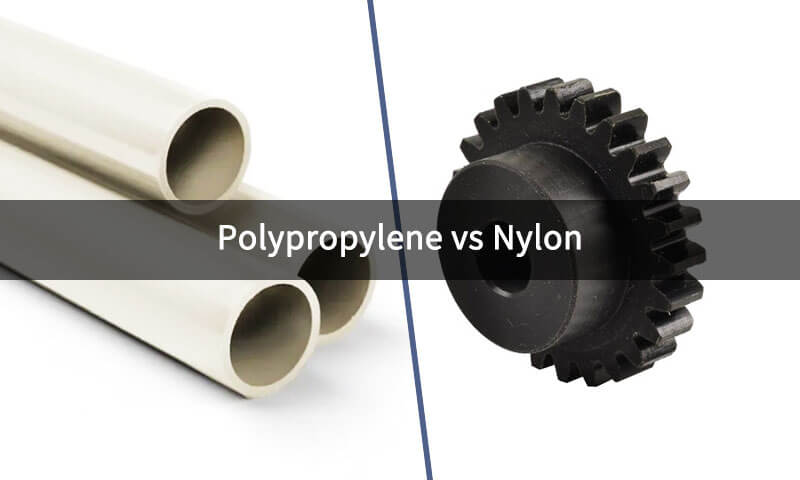
A polipropilén egy félkristályos poliolefin, amely alacsony sűrűségéről ismert, kiváló nedvességállóság, kémiai ellenállás, fáradtság ellenállás, és viszonylag egyszerű a feldolgozása.
Nejlon, poliamid család, általában nagyobb szilárdságáról és merevségéről ismertek, Kiváló keménység, alacsony súrlódás, kopásállóság, és jobb teljesítmény magas hőmérsékleten.
Az is fontos, hogy ne kezeljük egyetlen anyagot sem, rögzített specifikáció. A PP és a nylon anyagcsaládok, nem pedig egyedi minőségek.
PA6, PA66, PA12, üveggel töltött nylon, PP homopolimer, PP kopolimer, ásványi anyagokkal töltött PP, és az üvegerősítésű PP-nek lényegesen eltérő tulajdonságai lehetnek.
Ezért, egy értelmes polipropilén vs nylon az összehasonlítás során nem csak a szilárdságot és a hőmérsékletállóságot kell figyelembe venni, hanem a nedvességfelvételt is, kémiai kompatibilitás, súrlódás és kopás, elektromos teljesítmény, dimenziós stabilitás, fröccsöntési viselkedés, gyártási költség, és a tényleges szolgáltatási feltételek.
1. Mi az a polipropilén?
Polipropilén (PP) egy széles körben használt hőre lágyuló polimer, amely a poliolefin család.
Alacsony sűrűsége miatt értékelik, Kiváló kémiai ellenállás, nagyon alacsony nedvességfelvétel, jó kifáradási teljesítmény, elektromos szigetelés, és hatékony feldolgozhatóság.
A polipropilén különösen vonzó, ha a műanyag alkatrészeknek kis súlyt kell kombinálniuk, vegyi és nedvességállóság, jó keménység, ismételt hajlítási teljesítmény, és költséghatékony gyártás.
A polipropilén alapvetően különbözik a nejlontól molekuláris kémiájában. Polimer váza elsősorban szénhidrogénláncokból áll, ismétlődő metilcsoportokkal (-CH3) a szénvázhoz rögzítve.
Ellentétben a nylonnal, A PP nem tartalmaz olyan poláris amidcsoportokat, amelyek erős hidrogénkötést hoznának létre vízmolekulákkal.
Ez a viszonylag nem poláris molekulaszerkezet felelős a polipropilén számos fontos műszaki jellemzőjéért.
Hozzájárul a nagyon alacsony vízfelvételhez, kiváló ellenállás számos vegyszerrel szemben, stabil elektromos szigetelés, alacsony sűrűség, és jó ellenállás a nedvességgel összefüggő méretváltozásokkal szemben.
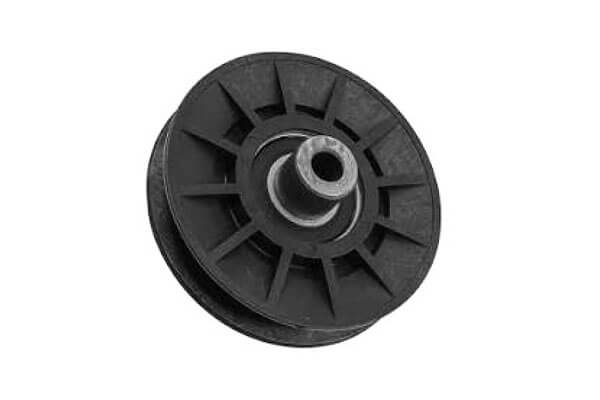
Különböző alkalmazásokhoz különböző készítményeket lehet kialakítani.
Az általános polipropilén kategóriák közé tartoznak:
- PP homopolimer
- PP random kopolimer
- PP ütős kopolimer
- Üvegszál erősítésű PP
- Ásványi anyagokkal töltött PP
- Talkummal töltött PP
- UV-stabilizált PP
- Lángálló PP
- Elektromosan módosított PP
A PP módosításának képessége kopolimerizációval, töltőanyagok, rostok, az adalékanyagok pedig lehetővé teszik a gyártók számára a merevség kiegyensúlyozását, ütési szilárdság, kémiai ellenállás, megjelenés, feldolgozási viselkedés, és a költségek.
A polipropilén előnyei és korlátai
A polipropilén fő előnyei közé tartozik:
- Alacsony sűrűségű: A PP könnyű alkatrészeket gyárt.
- Kiváló nedvességállóság: A vízfelvétel rendkívül alacsony.
- Jó vegyszerállóság: Különösen hatékony számos vizes sav ellen, lúg, sók, és tisztítószerek.
- Kiváló fáradtság ellenállás: Alkalmas ismételt hajlításhoz és éles zsanérokhoz.
- Jó elektromos szigetelés: Hasznos elektromos házakhoz és szigetelő alkatrészekhez.
- Kiváló fröccsöntési tulajdonságok: Az alacsony olvadékviszkozitás és a jó folyás elősegíti a nagy mennyiségű gyártást.
- Alacsony anyagköltség: A PP általában gazdaságosabb, mint a műszaki minőségű nylon.
- Jó tervezési rugalmasság: Különböző színekben gyártható, készítmények, és a felszíni megjelenések.
Viszont, A polipropilénnek is vannak korlátai.
A szabványos PP általában biztosítja kisebb merevség és magas hőmérsékletű mechanikai teljesítmény, mint a nylon.
Tartós mechanikai terhelés alatt, különösen megemelkedett hőmérsékleten, A PP kúszást és deformációt tapasztalhat.
Viszonylag magas hőtágulási együtthatója a precíziós alkalmazásokban is fontos lehet.
Emellett, A módosítatlan PP hosszan tartó ultraibolya sugárzás hatására lebomolhat, így a kültéri alkalmazásokhoz UV-stabilizátorok vagy egyéb védőintézkedések szükségesek.
2. Mi az a nejlon?
Nejlon a mérnöki hőre lágyuló műanyagok családja, amely a poliamid (PA) csoport.
Széles körben használják, amikor a műanyag alkatrészeknek nagy szilárdság kombinációját kell biztosítaniuk, merevség, szívósság, kopásállóság, alacsony súrlódás, fáradtsági teljesítmény, és magas hőmérsékletű képesség.
A nylon alapvetően különbözik a polipropiléntől molekuláris kémiájában.
A polimer gerinc tartalmaz visszatérő amidcsoportok (-CONH-), amelyek erősebb intermolekuláris kölcsönhatásokat hoznak létre, mint a PP nem poláris szénhidrogén szerkezetében jelenlévők.
Ezek az amidcsoportok felelősek a nylon számos kívánatos mérnöki tulajdonságáért.
Hozzájárulnak a mechanikai szilárdsághoz, merevség, szívósság, és képes ellenállni az ismételt súrlódásnak és terhelésnek.
Egy időben, az amidcsoportok poláris természete miatt a nylon felszívja a nedvességet. Ez az egyik legfontosabb szempont az összehasonlítás során nylon vs polipropilén.
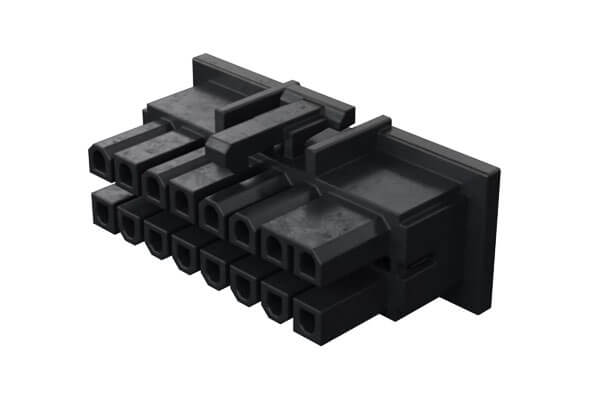
A nylon nem egyetlen anyag. Számos kereskedelmi szempontból fontos poliamid család létezik,
beleértve:
- PA6
- PA66
- PA11
- PA12
- PA46
- Különféle üvegszál erősítésű PA minőségek
- Ásványi anyagokkal töltött PA minőségek
- Égésgátló PA minőségek
- Hőstabilizált PA minőségek
Ezek között, PA6 és PA66 különösen gyakoriak a mérnöki alkalmazásokban.
A nejlont széles körben használják mechanikai alkatrészekhez, mivel a szerkezeti teljesítményt viszonylag alacsony súrlódással kombinálhatja.
Sok fémmel ellentétben, a fogaskerekek számára is könnyű alternatívát jelenthet, perselyek, görgők, útmutatók, és egyéb mozgó alkatrészek.
A nylon előnyei és korlátai
A nylon fő előnyei közé tartozik:
- Magas szakítószilárdság
- Nagy merevség
- Kiváló keménység
- Jó fáradtság ellenállás
- Kiváló kopásállóság
- Alacsony súrlódás
- Jó ellenállás az ismétlődő mechanikai terhelésekkel szemben
- Jobb teljesítmény magas hőmérsékleten, mint a szabványos PP
- Erősen alkalmas mechanikai alkatrészekhez
Korlátai közé tartozik:
- Magasabb nedvességfelvétel
- A nedvességgel összefüggő méretváltozások
- Igényesebb szárítási követelmények
- Magasabb feldolgozási hőmérséklet
- Nagyobb érzékenység a feldolgozási körülményekre
- Magasabb anyagköltség
- A potenciális tulajdonságok változása a száraz és a nedvességgel kondicionált állapotok között
3. Polipropilén vs nylon szilárdság
A nylon nagyobb szilárdsága és merevsége
A polipropilén és a nylon összehasonlításakor a mechanikai szilárdság szempontjából, A nylon általában nagyobb szakítószilárdságot biztosít, merevség, és teherbíró képessége, mint a töltetlen polipropilén.
A tipikus töltetlen PP minőségek szakítószilárdsága kb 25-40 MPa, míg a közönséges PA6 és PA66 típusok jellemzően kb 50–90 MPA, az adott évfolyamtól és a vizsgálati körülményektől függően.
A különbség szorosan összefügg a molekulaszerkezettel. A polipropilénnek viszonylag nem poláris szénhidrogénváza van, míg a nylon poláris amidcsoportokat tartalmaz, amelyek erősebb intermolekuláris kölcsönhatásokat és hidrogénkötéseket hoznak létre.
Ezek a kölcsönhatások korlátozzák a molekuláris mozgást, és lehetővé teszik, hogy a nylon hatékonyabban ellenálljon a deformációnak mechanikai terhelés hatására.
A polipropilén kiváló hajlítási kifáradási teljesítménye
Bár a nylon általában erősebb, A polipropilénnek fontos mechanikai előnye van ismételt hajlítás.
A PP képes ellenállni a kiterjedt ciklikus hajlításnak repedés nélkül, ha az alkatrészt megfelelően tervezték.
Ez különösen alkalmassá teszi élő zsanérokhoz, rugalmas zárak, snap-fit features, és többször hajlított alkatrészek.
Ezért, A nagyobb szakítószilárdság nem teszi automatikusan a nylont a jobb anyaggá minden mechanikai alkalmazáshoz.
A terhelési módot az erővel együtt kell figyelembe venni, merevség, fáradtság, hatás, és kúszási követelmények.
Fokozott erő erősítéssel
Mindkét polimer megerősíthető a lényegesen nagyobb mechanikai teljesítmény elérése érdekében.
Az üvegszállal megerősített PP megközelítőleg elérheti a szakítószilárdságot 70–90 MPA reprezentatív évfolyamokon, míg 30% üvegszál erősítésű PA6 nagyjából elérheti 130-170 MPa, a készítménytől és a vizsgálati körülményektől függően.
A megerősítés növeli a merevséget és a kúszásállóságot is, bár nagyobb anizotrópiát tud bevezetni, fröccsöntési zsugorodási különbségek, és feldolgozási szempontok.
4. Polipropilén vs nylon hőállóság
A nylon magasabb hőmérsékleti ellenállása
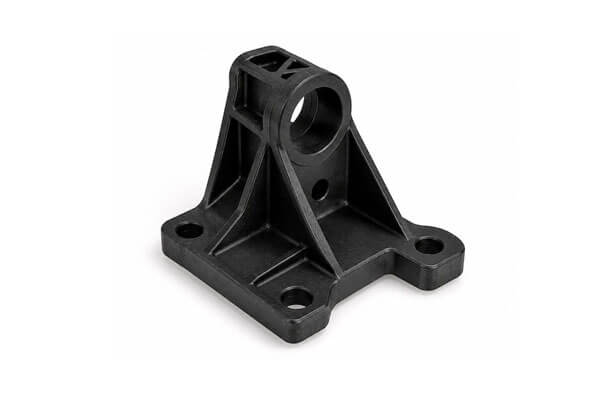
A nylon általában jobb hőállóságot biztosít, mint a polipropilén, különösen akkor, ha az anyagnak meg kell őriznie mechanikai szilárdságát és merevségét magas hőmérsékleten.
A tipikus polipropilén minőségek olvadáspontja kb 160–170 ° C, míg a PA6 kb 220° C és PA66 kb 255° C.
Viszont, Az olvadáspont nem tévesztendő össze a folyamatos üzemi hőmérséklettel.
A hőre lágyuló alkatrészek általában jóval az olvadáspontjuk elérése előtt elvesztik merevségüket és teherbíró képességüket.
A nylon általában megőrzi hasznos mechanikai tulajdonságait magasabb hőmérsékleten.
A minőségtől és a megerősítéstől függően, A nylon lényegesen jobb hőeltérítési teljesítményt és deformációval szembeni ellenállást biztosít.
A polipropilén mérsékelt hőmérsékleti képessége
A polipropilén továbbra is rendkívül hatékony számos, mérsékelt hőmérsékleten működő alkalmazásban.
Alacsony költsége, kémiai ellenállás, és az alacsony nedvszívó képesség gazdaságosabbá teheti, mint a nylon, ha nincs szükség extrém hőmérsékleti ellenállásra.
Például, A PP-t széles körben használják tartályokhoz, csövek, házak, csővezeték alkatrészek, és az autó belső részei, ahol az üzemi hőmérséklet az anyag gyakorlati tartományán belül marad.
5. Polipropilén vs nylon nedvesség- és vegyszerállóság
A polipropilén kiváló nedvességállósága
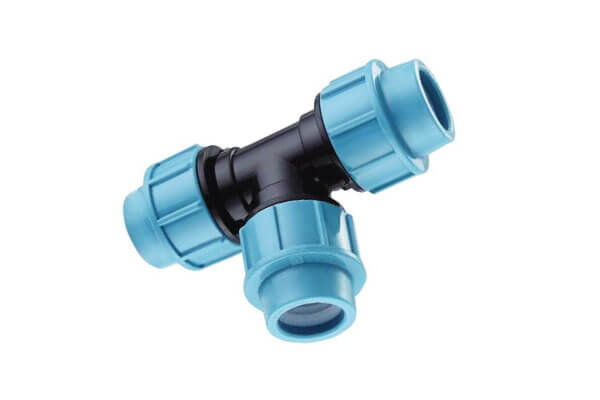
A polipropilén nagy előnye a nejlonnal szemben a nedvességállóság terén. Molekulaszerkezete túlnyomórészt nem poláris, így a víznek nagyon korlátozott kölcsönhatása van a polimer láncokkal.
A tipikus polipropilén minőségek rendkívül alacsony vízfelvételt mutatnak, gyakran körül 0.01% vagy kevesebb után 24 óra, évfolyamtól és vizsgálati módszertől függően.
Ez az alacsony nedvességfelvétel lehetővé teszi, hogy a PP alkatrészek viszonylag stabil méretet tartsanak fenn, súly, mechanikai tulajdonságok, és elektromos jellemzők nedves vagy nedves környezetben.
A nylon nagyobb nedvességfelvétele
A nylon másként viselkedik, mert molekuláris váza poláris amidcsoportokat tartalmaz.
Ezek a csoportok könnyen kölcsönhatásba lépnek a vízmolekulákkal, így a nylon lényegesen több nedvességet szív fel.
A poliamid típusától és a környezeti feltételektől függően, nylon képes felszívni tömegének több százaléka vízben egyensúlyban van.
A PA6 és PA66 különösen érzékeny a nedvességre, mint a polipropilén.
A nedvesség lágyítóként működik a nylonban. A víztartalom növekedésével, A nylon általában rugalmasabbá válik, miközben merevsége és szilárdsága csökken. Egy időben, méretbővülés léphet fel.
Ez a viselkedés különösen fontos precíziós alkatrészek, például fogaskerekek esetében, perselyek, csatlakozók, és szűk tűréshatárú házak.
A polipropilén kiváló vegyszerállósága
A polipropilén kiválóan ellenáll számos vegyszernek is, különösen híg savak, lúg, sók, tisztítószerek, és vizes kémiai oldatok.
A vegyszerállóság és az alacsony nedvességfelvétel kombinációja a PP-t széles körben alkalmazza vegyi tartályokhoz, tartályok, csővezeték, laboratóriumi berendezések, bélés, és folyadékkezelő alkatrészek.
Jó, de alkalmazásfüggőbb a nejlon kémiai ellenálló képessége
A nylon hasznos ellenállást biztosít számos olajjal szemben, üzemanyagok, zsírozás, és ipari vegyi anyagok. Viszont, vegyszerállósága inkább az adott kémiai és üzemi körülményektől függ.
Bizonyos erős savak és agresszív vegyi környezetek megtámadhatják a poliamid anyagokat. A megnövekedett hőmérséklet és a mechanikai igénybevétel tovább befolyásolhatja a kémiai kompatibilitást.
Következésképpen, nejlont nem szabad kizárólag az általános vegyszerállósági besorolások alapján kiválasztani.
A tényleges kémiai koncentráció, hőmérséklet, expozíciós időtartam, stressz szint, és nylon minőségű értékelni kell.
6. Polipropilén vs nylon súrlódási és kopásállóság
A nylon jobb mechanikai kopási teljesítménye
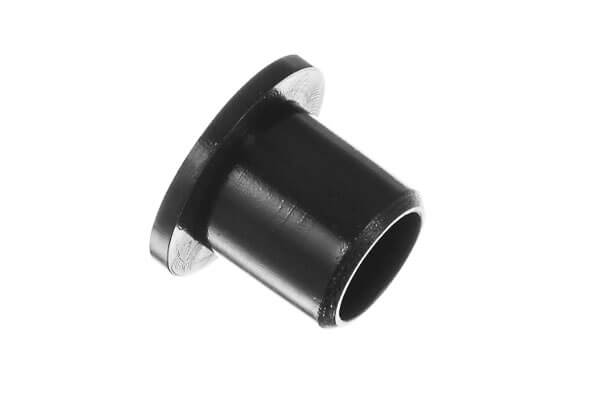
A nylon széles körben elismert hasznos mérnöki anyag a súrlódással járó alkalmazásokhoz, csúszó, és ismételt mechanikai érintkezés.
Az erő kombinációja, szívósság, merevség, és viszonylag alacsony súrlódása alkalmassá teszi hajtóművekhez, perselyek, csapágyak, görgők, viseljen csíkokat, és vezetőelemek.
A nylon tipikus száraz súrlódási együtthatói a hozzávetőleges tartományba eshetnek 0.2–0.4, évfolyamtól erősen függ, ellenoldal, terhelés, csúszási sebesség, felszíni befejezés, és vizsgálati módszer.
A nylon viszonylag nagy mechanikai szilárdsága lehetővé teszi, hogy túlzott deformáció nélkül ellenálljon az érintkezési feszültségeknek, ami különösen fontos a terhelt csúszó alkatrészeknél.
A polipropilén alacsony súrlódási jellemzői
A polipropilén viszonylag alacsony súrlódást mutathat, és jól teljesít bizonyos csúszó alkalmazásokban.
Bizonyos PP-minőségeket olyan helyeken használnak, ahol könnyű, vegyileg ellenálló, és olcsó csúszóanyag szükséges.
Viszont, a súrlódási tényező és a kopásállóság nem azonos tulajdonságok.
Egy anyag súrlódási tényezője alacsony lehet, miközben tartós mechanikai érintkezés esetén viszonylag nagy anyagveszteséget tapasztal.
Erősen terhelt vagy folyamatosan mozgó alkatrészekhez, A nylon gyakran a mechanikai teherbírás és a kopásállóság kedvezőbb kombinációját biztosítja.
A speciális vegyületek javíthatják a kopásállóságot
Mindkét anyag módosítható tribológiai alkalmazásokhoz.
A nejlonvegyületek PTFE-t tartalmazhatnak, grafit, molibdén-diszulfid, szilikon alapú síkosítók, vagy egyéb adalékok a súrlódás csökkentésére és a kopásállóság javítására.
A polipropilén töltőanyagokkal és kenőanyag-adalékanyagokkal is formulázható speciális, alacsony súrlódású alkalmazásokhoz.
Viszont, az erősítést gondosan kell kiválasztani. Az üvegszálak jelentősen növelhetik a merevséget és a teherbíró képességet, de befolyásolhatják a kopási mechanizmust és az illeszkedő felület viselkedését is.
7. Polipropilén vs nejlon elektromos tulajdonságok
Kiváló elektromos szigetelés polipropilénből
A polipropilén kiváló elektromos szigetelőanyag, és különösen értékes, ha stabil dielektromos teljesítményre van szükség.
A reprezentatív PP minőségek dielektromos állandója megközelítőleg lehet 2.2–2.6 és térfogati ellenállása a nagyságrendben 10¹⁶ Ω·cm, bár az értékek a gyakorisággal változnak, hőmérséklet, megfogalmazása, és a vizsgálati feltételek.
A nagy elektromos ellenállás kombinációja, alacsony dielektromos állandó, és a rendkívül alacsony nedvességfelvétel miatt a polipropilén hasznos az elektromos szigeteléshez, kondenzátor filmek, kábel alkatrészek, elektronikus alkatrészek, és egyéb dielektromos alkalmazások.
Jó nejlon elektromos szigetelés
A nylon hatékony elektromos szigetelő is, különösen száraz körülmények között.
A reprezentatív nylon minőségek dielektromos állandókkal rendelkezhetnek 3.5–4.0, bár a pontos érték erősen függ a polimer típusától, frekvencia, hőmérséklet, és nedvességtartalom.
A nylon előnye, hogy az elektromos szigetelést lényegesen nagyobb mechanikai szilárdsággal és szívóssággal ötvözi, mint a hagyományos polipropilén.
Ez hasznossá teszi az elektromos csatlakozókhoz, házak, kábelkezelő alkatrészek, és mechanikailag igényes szigetelő alkatrészek.
8. Polipropilén vs nylon fröccsöntéshez
A polipropilén kiváló fröccsönthető feldolgozhatósága
A polipropilén az egyik legszélesebb körben fröccsöntött hőre lágyuló műanyag, mivel egyesíti a jó olvadékfolyást, viszonylag alacsony feldolgozási igény, alacsony nedvességérzékenység, és rövid ciklusidők.
Viszonylag alacsony olvadékviszkozitása lehetővé teszi, hogy az olvadt PP hatékonyan töltse ki a bonyolult formaüregeket, alkalmassá teszi vékony falú alkatrészekhez, snap-fit features, élő zsanérok, konténerek, házak, és egyéb nagy volumenű termékek.
A PP fő feldolgozási előnye az a gyanta általában nem igényli a nylon által megkövetelt kiterjedt előszárítást.
Mivel a polipropilén nagyon kevés nedvességet szív fel, a gyártók általában közvetlenül vagy viszonylag egyszerű anyagkondicionálási eljárásokkal tudják feldolgozni a megfelelően tárolt PP-t.
A PP viszonylag széles feldolgozási ablakkal is rendelkezik.
A tipikus olvadékhőmérséklet gyakran körülbelül a tartományba esik 200–250 ° C, évfolyamtól és alkalmazástól függően, míg a penész hőmérsékletét általában lényegesen alacsonyabb hőmérsékleten szabályozzák.
A pontos feltételeket a gyantagyártó feldolgozási ajánlásai alapján kell meghatározni.
A nylon nagyobb nedvességérzékenysége
A nylon is kiválóan alkalmas fröccsöntés, de feldolgozási követelményei szigorúbbak.
A legtöbb nylon gyanta higroszkópos, és tárolás közben felszívja a légköri nedvességet.
Formázás előtt, nylon általában kell megfelelően szárítva egy meghatározott nedvességszintre.
Ha túlzott nedvesség marad a gyantában, a víz és a magas olvadási hőmérséklet kombinációja hidrolitikus lebomlást okozhat, csökkenti a molekulatömeget és potenciálisan csökkenti a kész komponens mechanikai teljesítményét.
Ez különösen fontossá teszi az anyagkezelést a nylon megmunkálásakor.
A gyantát nedvességálló csomagolásban kell tárolni, és a szárítási feltételeket az adott PA fokozatnak megfelelően kell szabályozni.
Magasabb feldolgozási hőmérséklet a nylon számára
A nylon általában magasabb olvadási hőmérsékletet igényel, mint a polipropilén.
A PA6-ot általában olvadáspont körüli hőmérsékleten dolgozzák fel 240-280°C, míg a PA66 kb 260–300 ° C, minőségtől és feldolgozási technológiától függően.
A magasabb feldolgozási hőmérséklet növeli az energiaigényt és nagyobb követelményeket támaszt a fröccsöntő berendezésekkel szemben, öntőforma alkatrészek, és a folyamatvezérlés.
Viszont, a nylon magasabb feldolgozási hőmérséklete a magasabb olvadáspontját is tükrözi, és lehetővé teszi olyan alkatrészek előállítását, amelyek nagyobb mechanikai és hőteljesítményt nyújtanak.
9. Polipropilén vs nylon méretstabilitás
| Vonatkozás | Polipropilén | Nejlon |
| Nedvesség felszívódás | Nagyon alacsony | Magas |
| Méretváltozás a páratartalom hatására | Minimális | Jelentős |
| Penészzsugorodás (%) | 1.0–2.5 | 0.5–2.0 |
| Formázás utáni zsugorodás | Mérsékelt | Jelentős (nedvesség kondicionálása) |
| Kúszó ellenállás | Mérsékelt | Jó |
A polipropilén hidrofób természete kiváló méretstabilitást biztosít nedves környezetben.
A nylon felszívja a nedvességet, ami az alkatrészek megduzzadását és a méretek megváltozását okozza. Viszont, A nejlon alkatrészeket nedvességgel lehet kondicionálni a stabil méretek elérése érdekében.
10. Polipropilén vs nejlon: Költség- és gyártási szempontok
Anyagköltség
A polipropilén általában gazdaságosabb, mint a nylon. Alacsony sűrűsége azt is jelenti, hogy tömeg szerint kevesebb anyagra lehet szükség egy hasonló térfogatú alkatrész előállításához.
Nagy volumenű termékekhez, ez jelentős költségelőnyt jelenthet.
A nylon jellemzően drágább, mert mérnöki hőre lágyuló műanyag, nagyobb mechanikai és hőteljesítményű.
Viszont, nagyobb szilárdsága és merevsége lehetővé teheti a tervezők számára a falvastagság vagy az alkatrészméret csökkentését, részben ellensúlyozva a magasabb gyantaköltséget.
Gyártási megfontolások
| Tényező | Polipropilén | Nejlon |
| Anyagköltség | Általában alacsonyabb | Általában magasabb |
| Sűrűség | Alacsonyabb | Magasabb |
| Feldolgozási hőmérséklet | Alacsonyabb | Magasabb |
| Szárítási követelmény | Minimális | Általában kritikus |
| Fröccsöntés | Viszonylag könnyű | Folyamatérzékenyebb |
| Ciklus hatékonysága | Kiváló | Jó |
| Nedvesség érzékenység | Nagyon alacsony | Magas |
| Szerszámozás/folyamat összetettsége | Általában alacsonyabb | Általában magasabb |
| Tipikus alkalmazás-gazdaságtan | Nagy volumenű, költségérzékeny alkatrészek | Teljesítménykritikus összetevők |
A polipropilén feldolgozása általában könnyebb és olcsóbb.
Alacsony nedvességérzékenysége leegyszerűsíti az anyagkezelést, jó folyási jellemzői pedig hatékony fröccsöntést és nagy gyártási mennyiséget tesznek lehetővé.
A nylon alaposabb gyártásellenőrzést igényel. Fröccsöntés előtt, sok nylon gyantát megfelelően meg kell szárítani, hogy megakadályozzuk a nedvesség okozta lebomlást és a formázási hibákat.
A penész hőmérséklete, olvadás hőmérséklete, tartózkodási idő, és a hűtési viszonyok is szorosabb ellenőrzést igényelnek.
11. Polipropilén vs nejlon alkalmazások
Alkalmazási köre polipropilén (PP) és nylon (PA) sok területen átfedésben van, de minden anyag jobban megfelel a különböző működési feltételeknek.
Polipropilén alkalmazások
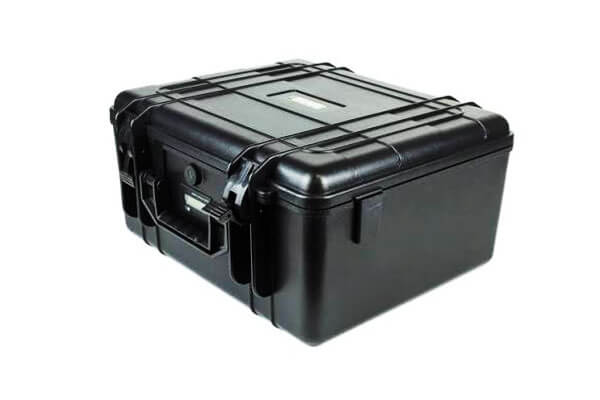
A polipropilént széles körben használják, ahol alacsony sűrűség, alacsony nedvességfelvétel, kémiai ellenállás, fáradtság ellenállás, és gazdaságos nagy volumenű feldolgozás fontosak.
| Alkalmazási ágazat | Tipikus PP komponensek | Miért a PP-t választják? |
| Csomagolás | Konténerek, palackkupakok, lezárások, tálcák, élelmiszer -csomagolás | Alacsony sűrűségű, nedvességállóság, kémiai ellenállás, Feldolgozhatóság |
| Autóipar | Lökhárítók, belső kárpitozás, ajtólapok, akkumulátortokok, folyadéktartályok | Könnyűsúlyú, hatásteljesítmény, kémiai ellenállás, költséghatékonyság |
| Vízvezeték -szerelő & Vízrendszerek | Csövek, szerelvények, szivattyú alkatrészek, öntöző részek | Alacsony vízfelvétel és sok vegyszerrel szembeni ellenállás |
Fogyasztási cikkek |
Tárolódobozok, bútor, készülék házak, háztartási cikkek | Könnyűsúlyú, tartós, gazdaságos |
| Elektromos & Elektronika | Szigetelő alkatrészek, kábellel kapcsolatos alkatrészek, kondenzátor filmek, házak | Jó elektromos szigetelés és alacsony nedvességérzékenység |
| Orvosi & Laboratóriumi termékek | Konténerek, tálcák, fecskendőket, laboratóriumi berendezések | Kémiai ellenállás, alacsony nedvességfelvétel, megfelelő fokozatok állnak rendelkezésre |
| Ipari felszerelés | Tartályok, csövek, konténerek, boríték, folyadékkezelő alkatrészek | Kémiai ellenállás, alacsony súly, gazdaságos feldolgozás |
Nylon alkalmazások
A nylont elsősorban ott használják, ahol erő, merevség, szívósság, alacsony súrlódás, kopásállóság, és emelt hőmérsékletű teljesítmény fontosabbak, mint a minimális anyagköltség és a nedvességfelvétel.
| Alkalmazási ágazat | Tipikus nylon alkatrészek | Miért nejlont választanak? |
| Autóipar | Fogaskerék, csapágyak, perselyek, motor alkatrészek, csatlakozók, zárójel | Nagy szilárdság, merevség, kopásállóság, hőmérsékleti képesség |
| Elektromos & Elektronika | Csatlakozóházak, sorkapcsok, megszakító alkatrészek | Mechanikai erő, szigetelés, dimenziós teljesítmény |
| Ipari gépek | Fogaskerék, görgők, csapágy alkatrészek, tányérokat visel, szállítói alkatrészek | Alacsony súrlódás, kopásállóság, teherbíró képessége |
Rögzítőelemek & Hardver |
Kábelkötegelők, diófélék, klipek, rögzítőelemek, pattintható alkatrészek | Erő, szívósság, fáradtság ellenállás |
| Mechanikai alkatrészek | Perselyek, szíjtárcsák, útmutatók, fogaskerék, szerkezeti zárójel | Nagy merevség és jó tribológiai teljesítmény |
| Rostok & Textil | Ipari szálak, gumiabroncs zsinór, damil, kefeszálak, műszaki textíliák | Magas szakítószilárdság, szívósság, kopásállóság |
| Fogyasztási cikkek | Cipzárak, csatok, szerszámházak, mechanikai alkatrészek | Szívósság, erő, kopásállóság |
Polipropilén vs nejlon: Alkalmazás kiválasztása
A PP és a nylon közötti választás egyszerűsíthető a domináns szolgáltatási igény azonosításával:
- Válasszon polipropilént amikor kis súly, nedvességállóság, kémiai ellenállás, fáradtsági teljesítmény, és az alacsony gyártási költség az elsődleges követelmény.
- Válassz nejlont amikor nagy szilárdságú, merevség, kopásállóság, alacsony súrlódás, szívósság, vagy az emelt hőmérsékletű teljesítmény fontosabb.
- Vegye figyelembe a megerősített PP-t amikor a könnyű szerkezet fontos, de nagyobb merevség és szilárdság szükséges.
- Vegye figyelembe a megerősített nylont amikor az alkatrésznek nagy mechanikai terhelésnek kell ellenállnia, folyamatos stressz, vagy igényes hőviszonyok.
12. Következtetés
A polipropilén és a nylon egymást kiegészítő mérnöki anyagok, nem közvetlen versenytársak.
Mindegyikük egy különálló teljesítményrést foglal el, amelyet alapvető kémiája határoz meg:
A polipropilén alacsony költséget biztosít, kiváló méretstabilitás és nedvességérzéketlenség az alacsonyabb szilárdság és kopásállóság rovására;
a nylon nagy szilárdságot biztosít, kiváló kopásállóság és olajtűrés a magasabb költségek rovására, nedvességérzékenység és a feldolgozás bonyolultsága.
Egyik sem egyetemesen felsőbbrendű. A PP az optimális választás az árualkatrészekhez, precíziós alkatrészek változó páratartalom mellett, melegvíz alkalmazások és költségérzékeny termékek.
A nylon a jobb választás nagy terhelésű szerkezeti elemekhez, alkatrészeket visel, olajnak kitett motorháztető alatti alkatrészek és magas hőmérsékletű alkalmazások üvegerősítéssel.
A leggyakoribb kiválasztási hiba a nejlon megadása, amikor a PP megfelelően teljesít 40-60%-kal alacsonyabb összköltséggel, vagy PP meghatározása nagy terhelésű kopásos alkalmazásokhoz, ahol idő előtti meghibásodás lép fel.
A tényleges működési feltételekkel való szisztematikus összehasonlítás – nem alapértelmezés szerint az ismert anyagoktól – biztosítja az optimális teljesítményt minimális összköltséggel.
GYIK
A polipropilén és a nylon újrahasznosítható?
Igen, mindkét anyag újrahasznosítható. A polipropilént széles körben újrahasznosítják (gyanta kód #5). A nylon újrahasznosítható, de ritkábban hasznosítják újra, mint a polipropilén.
Alacsony hőmérsékleten a nylon vagy a polipropilén törékenyebb?
A polipropilén alacsony hőmérsékleten törékenyebb. Üvegesedési hőmérséklete –10 és 0°C között van, amely alatt törékennyé válik. A nejlon –30 és –40°C között szívós marad.
A polipropilén erősebb, mint a nylon?
Általában, nem. A szabványos nylon általában nagyobb szakítószilárdsággal rendelkezik, merevség, és teherbíró képessége, mint a töltetlen polipropilén. Viszont, a polipropilénnek kisebb a sűrűsége, kiváló a fáradtság- és nedvességállósága.
A megerősített PP-vel lényegesen nagyobb mechanikai teljesítmény érhető el, és bizonyos alkalmazásokban felülmúlhatja a töltetlen nejlont.
A polipropilén hőállóbb, mint a nylon?
Általában, A nylon hőállósága jobb, mint a hagyományos polipropilén.
A közönséges nylon minőségek magasabb olvadási hőmérséklettel rendelkeznek, és általában jobban megőrzik mechanikai szilárdságát és merevségét magasabb hőmérsékleten.
A megerősített minőségek tovább javíthatják mindkét anyag magas hőmérsékleti teljesítményét.
Ami több vizet szív fel, polipropilén vagy nejlon?
A nylon lényegesen több vizet szív fel, mint a polipropilén. A polipropilén rendkívül alacsony nedvszívó képességgel rendelkezik, míg a nylon poláris amidcsoportjai miatt higroszkópos.
A nedvszívó képesség befolyásolhatja a nylon méreteit, merevség, szívósság, és elektromos tulajdonságok.
Ami olcsóbb, polipropilén vagy nejlon?
A polipropilén általában olcsóbb, mint a nylon. A PP-nek is kisebb a sűrűsége, amely tovább csökkentheti az anyagfelhasználást az alkatrész tömegével.
Viszont, a teljes költségnek tartalmaznia kell a feldolgozást, szerszámkészítés, rész tervezés, megerősítés, hulladék, és a szolgálati élet.
Egy drágább nylon alkatrész végső soron gazdaságosabb lehet, ha lényegesen hosszabb élettartamot biztosít, vagy kisebbet tesz lehetővé, erősebb alkatrész-kialakítás.
Amelyiknek jobb a méretstabilitása, polipropilén vagy nejlon?
A válasz a környezettől függ.
A polipropilénnek nagy előnye van a nedvességgel összefüggő méretstabilitásban, mivel nagyon kevés vizet szív fel. A nylon méretei megváltozhatnak, mivel felszívja a nedvességet.
Viszont, A PP-nek viszonylag nagy a hőtágulása, míg a megerősített nylon kiváló méretstabilitást biztosít a hőmérséklet felett, ha megfelelően van kialakítva.
Precíziós alkalmazásokhoz, a mérnököknek értékelniük kell a nedvesség okozta és a hőmérséklet által kiváltott méretváltozásokat is.