

Bevezetés
Az alumínium öntés nagyon különleges és értékes helyet foglal el a fémgyártásban:
ez az Ön által választott útvonal, amikor egy alkatrésznek szüksége van a befektetési öntés geometriai szabadságára, az alumínium alacsony sűrűsége, és a kidolgozás/tűrés szintje jobb, mint amit a homoköntés általában biztosít.
Az alumínium befektetett öntvény stratégiai értéke az általa létrehozott egyensúlyból adódik:
egy terv bonyolultabb lehet, mint egy megmunkált alkatrész, vékonyabb és jobban integrált, mint sok homoköntvény alkatrész, és gyakran alakhatékonyabb, mint egy gyártott szerelvény.
Ez az egyensúly az oka annak, hogy az alumínium befektetett öntvény továbbra is vonzó az általános ipari vasalatokban, házak, könnyű struktúrák, és precíziós funkcionális alkatrészek.
1. Mi az alumínium befektetési öntés?
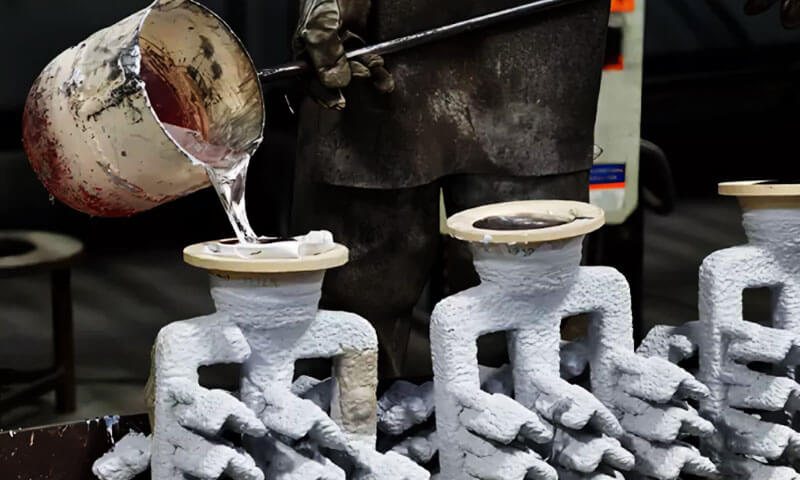
Alumínium befektetési casting a elvesztett viasz, kerámiahéj öntési eljárás alumíniumötvözet alkatrészek gyártására használják komplex geometria, finom részlet, és viszonylag nagy méretpontosság.
Ebben a folyamatban, először viaszos vagy nyomtatott mintát építenek, majd bevonják kerámia szuszpenzióval és stukkóval, hogy héjformát képezzenek.
A viválás után, olvadt alumíniumötvözetet öntenek a kerámia üregébe, hogy létrehozzák a végső öntvényt.
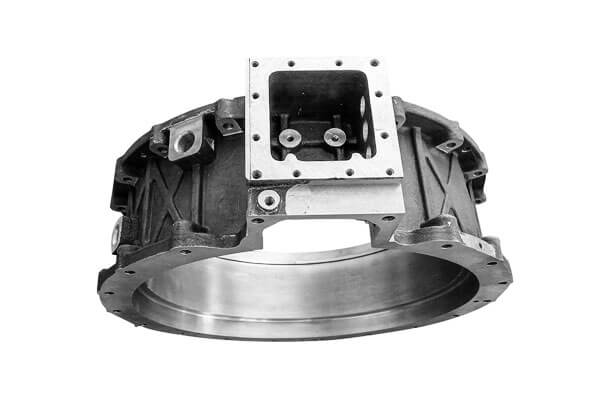
A szabványok szemszögéből, ASTM B618/B618M meghatározza az alumíniumötvözet befektetett öntvényeket általános célú alkalmazások, ami azt mutatja, hogy az eljárást inkább egy fő ipari útként ismerik el, semmint egy niche-specialitásként.
A szabvány azt is egyértelművé teszi, hogy ez a specifikáció nem nagy terhelésű vagy biztonsági szempontból kritikus alkalmazásokra vonatkozik, így a folyamatot inkább a szervizigényhez kell igazítani, mint azt feltételezni, hogy minden alumínium alkatrészhez illeszkedik.
A gyakorlati gyártásban, Az alumínium befektetett öntvényt akkor választjuk, ha egy alkatrésznek nagyobb geometriai szabadságra van szüksége, mint amit a homoköntés általában kínál, de még mindig előnyös az alumínium alacsony sűrűsége és jó önthetősége a megfelelő ötvözetcsaládokban.
A befektetési öntés széles körben elismert a homoköntéshez képest jobb felületi minőséggel és szűkebb tűréssel rendelkező, összetett alakú alkatrészek gyártásában., gyakran csökkenti a szükséges másodlagos megmunkálás mennyiségét.
Jellemzők
Természeténél fogva könnyű
Az alumínium alapvetően különbözik sok más öntvényfémtől, mert az könnyűsúlyú. A tiszta alumíniumot általában kb 2.7 G/cm³, messze az acél alatt.
Finom részletek és összetett geometria
Az alumínium öntvény vékony szakaszokat képes reprodukálni, főnökök, lyukak, felirat, és egyéb részletes jellemzők jó hűséggel.
Ez az egyik fő oka annak, hogy az eljárást olyan esetekben használják, amikor az alkatrészek megszilárdítása vagy bonyolult formája nehéz lenne gazdaságosan megvalósítani önmagában megmunkálással.
Jobb felszíni kivitel, mint a homoköntés, mint
A kerámia héj sokkal simább formafelületet biztosít, mint a szemcsés homok, így a kapott öntvény általában tisztább öntött felülettel rendelkezik.
A felület minősége továbbra is a héj minőségétől függ, fém replikáció, és héjeltávolítási gyakorlat, de az eljárás ebből a szempontból általában erősebb, mint a homoköntés.
Közel hálóforma hatékonyság
Mivel az eljárással a végleges formához közeli alkatrészeket lehet előállítani, csökkentheti a költséges megmunkálást, anyaghulladék, és az összeszerelés bonyolultsága.
Ez stratégiailag vonzóvá teszi, ha a tervezés összetett, de a gyártási mennyiség nem indokolja a drága állandó szerszámok használatát.
2. Általános önthető alumíniumötvözet megnevezések
ASTM B618/B618M boríték alumínium-ötvözet Befektetési öntvények általános célú alkalmazásokhoz,
és a gyakorlatban a legelterjedtebb önthető alumíniumötvözeteket választják ki a 3xx család mert az önthetőség hasznos egyensúlyát kínálják, erőpotenciál, és az öntés utáni hőkezelési reakció.
| Kijelölés | Fő ötvözetcsalád / karakter | Tipikus indulatmegfontolás |
| 319.0 | Hőkezelhető öntött ötvözet a 3xx családban, általában ott használatos, ahol erős önthető alumíniumötvözetre van szükség. | Gyakran használják hőkezelt körülmények között, amikor ingatlanfejlesztésre van szükség. Az öntött alumínium temperálatok általában magukban foglalják T4, T5, T6, és T7 családok. |
| 355.0 / C355.0 | Szilícium-magnézium öntött ötvözetcsalád szabályozott szennyeződésekkel a finomított C355 változatban. | Gyakran hőkezeléssel javítják az erőt és a stabilitást; T6 széles körben használják, amikor a maximális gyakorlati erőre van szükség, míg T7 akkor használatos, ha a stabilitás fontosabb. |
356.0 / A356.0 / B356.0 / C356.0 |
Az egyik legfontosabb alumíniumöntvény család; Az A/B/C változatok főként szennyeződési határértékekben különböznek egymástól, főleg vas. | Nagyon gyakran használják T6 amikor nagy szilárdságra van szükség; T7 akkor is releváns, ha a maradékfeszültség szabályozása vagy a méretstabilitás számít. |
| 357.0 / A357.0 / E357.0 | Egy nagyobb erősségű, hőkezelhető alumíniumöntvény család, amely szorosan kapcsolódik a prémium minőségű öntvényekhez. | Jellemzően hőkezelt; T6 gyakori a nagy szilárdságra, míg T7 a stabilitás-orientált üzemi feltételekhez választható. |
| 206.0 / A206.0 | Magasabb réztartalmú öntött ötvözetcsalád, erősebb hőkezelési reakcióval, mint sok általános célú öntöttötvözet. | Általában hőkezelt körülmények között használják; az alumínium temperáló rendszer felismeri T4/T5/T6/T7 utak öntött ötvözetek számára. |
3. Szabványos, teljes hosszúságú gyártási munkafolyamat
Az alumínium alacsony olvadáspontja alapján, magas oxidációs és hidrogénabszorpciós jellemzők,
az elveszett viasz öntés teljes munkafolyamata az oxidzárványok és a hidrogén porozitás elnyomására van optimalizálva, kiforrott zárt hurkú termelési rendszert alkotva:
DFM szerkezeti megvalósíthatósági optimalizálása
A mérnökök felülvizsgálják az ügyfelek rajzait, hogy kiküszöböljék az éles derékszögű szerkezeteket, amelyek forró szakadást váltanak ki; vastag-vékony csomópontoknál átmeneti filéket adunk hozzá;
hierarchikus felszállóvezetékek tervezése forró pontokhoz a megszilárdulási zsugorodás kompenzálására; a falvastagságnak megfelelő kizárólagos tűrés fenntartása a hűtési deformáció ellensúlyozására.
Viaszmintás gyártás & Fa szerelvény
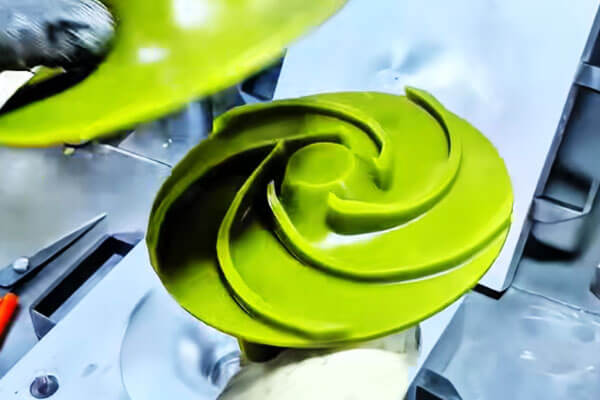
Használjon alacsony zsugorodású, közepes hőmérsékletű viaszanyagokat a nagy pontosságú minták előállításához; kis szériás egyedi alkatrészekhez, alkalmazzon 3D nyomtatott gyantamintákat a penészfejlesztési költségek kiküszöbölése érdekében.
A mintákat rétegezett kapuzati elrendezésű viaszfákra szerelik fel, hogy megvalósítsák a lamináris töltést, valamint megakadályozzák a gázbezáródást és az oxidhajtást.
Alacsony hőmérsékletű kerámia héj előkészítése
Különbözik az acélöntéshez használt magas hőmérsékletű cirkon héjaktól, Az alumínium-dedikált héjak nagy tisztaságú szilícium-dioxid szol kötőanyagot és olvasztott kvarc aggregátumot tartalmaznak.
A többrétegű bevonat szerkezete egy sima felületi réteget és egy légáteresztő tartalék réteget tartalmaz.
A meghosszabbított légszárítási eljárások kötelezőek a maradék nedvesség eltávolítása és a hidrogénforrások alapvető elzárása érdekében.
Vahaszkodás & Shell szinterezés
A viaszmintázatok teljes eltávolításához alkalmazzon gőz autokláv viaszmentesítést; szinter kerámia héjak 850 ℃-950 ℃ hőmérsékleten a szerves maradványok és az adszorbeált víz eltávolítására.
Öntés előtt, melegítse elő a héjakat 250–350 ℃-ra, hogy csökkentse az olvadt alumínium folyékonysági veszteségét és elkerülje a hidegzárási hibákat.
Árnyékolt Olvadás & Gáztalanító tisztítás
Az alumíniumolvadékot inert argon árnyékolás alatt kell megolvasztani a felületi oxidáció megfékezése érdekében. Végezzen kétlépcsős tisztítást:
alkalmazzon finomítószereket a salakzárványok eltávolítására, és forgó gáztalanító berendezést kell alkalmazni az oldott hidrogén eltávolítására;
szigorúan szabályozza a túlhevítési hőmérsékletet 30 ℃-on belül, hogy megakadályozza a szemek túlzott eldurvulását és az intenzív oxidációt.
Ellenőrzött öntés & Szekvenciális megszilárdulás
A gravitációs öntést a hagyományos szerkezeti részeknél alkalmazzák; A vákuummal segített öntést nagy sűrűségű nyomásálló alkatrészekhez alkalmazzák.
A kapurendszer a szekvenciális megszilárdulási elveket követi annak biztosítása érdekében, hogy a felszállók folyamatosan táplálják a forró pontokat, és ellensúlyozzák a térfogat zsugorodását a kásás fázisátalakulás során.
Célzott hőkezelés
Három fő hőkezelési eljárás illeszkedik a különböző ötvözetekhez: T4 megoldás természetes öregedés nagy rugalmasságot igénylő hajlító alkatrészekhez;
T5 mesterséges öregítés költségellenőrzött közepes szilárdságú statikus alkatrészekhez; T6 megoldás fokozott öregedés a nagy merevségű teherhordó alkatrészekhez a csapadék erősítő hatásának maximalizálása érdekében.
Végső & Hierarchikus minőségellenőrzés
Távolítsa el a szárakat és a maradék héjmaradványokat; polírozza a belső áramlási csatornákat a felületi érdesség csökkentése érdekében.
A teljes ellenőrzés kiterjed a mérettűrés észlelésére, vizuális felületi vizsgálat,
Röntgen-roncsolásmentes belső porozitás/zárványvizsgálat, sópermetes korrózióvizsgálat és hidraulikus tömörségvizsgálat nyomástartó alkatrészekhez.
4. Nagyfrekvenciás hibák, Kiváltó okok és optimalizált megoldások
A frontvonal gyártási adataival kombinálva, Hat tipikus hiba, kizárólag az alumínium befektetett öntvényeknél, összefoglalva használható kijavítási stratégiákkal:
| Hibatípus | Core Hazard | Kiváltó ok | Optimalizálási stratégia |
| Hidrogén tűlyuk porozitása | Csökkentse a tömörséget, kiváltó szivárgás és fáradásos hiba | Szárítatlan héj nedvesség, elégtelen gáztalanítás, túlzott túlmelegedés | Minden tűzálló anyagot elősütünk, optimalizálja a rotációs gáztalanítás időtartamát, szabályozza az öntési hőmérsékletet |
| Oxid salak zárvány | Csökkentse a rugalmasságot, fáradási repedéseket idéz elő | Turbulens töltelék, árnyékolatlan olvadás, nem teljes salakeltávolítás | Használjon argon-árnyékolt olvasztást, optimalizálja a lamináris kapurendszert, speciális salakcsapdákat adjon hozzá |
| Forró szakadás | Irreverzibilis lineáris repedéseket hoz létre | Indokolatlan szerkezeti filé, kiegyensúlyozatlan szekvenciális megszilárdulás | Növelje az átmenet-kivágás sugarát, állítsa be a felszálló elrendezését a megszilárdulási feszültség feloldásához |
Hideg bezárás & Egyiptom |
Hiányos vékonyfalú alakítás fúziós vonalakkal | Alacsony héj előmelegítési hőmérséklet, gyenge olvadékfolyékonyság | Emelje fel az előmelegítési hőmérsékletet 300 ℃+-ra, az öntési sebesség finomhangolása |
| Hőtorzítás | Vékony falú részek mérettúltűrése | Egyenetlen hűtési sebesség, túlzott csillapító stressz | Végezzen fokozatos lassú oltást, adjon hozzá kiegészítő erősítő bordákat a DFM tervezés során |
| Koncentrált zsugorodási üreg | Csökkentse a nyomástartó képességet | Nem megfelelő felszálló tápmennyiség | Méretezze át a felszállókat a forró pont térfogata és a megszilárdulás szimulációs adatai szerint |
5. Az alumínium befektetési öntés fő versenyelőnyei
Összetett geometria, közel hálóforma hatékonysággal
Az alumínium öntés különösen értékes, ha egy alkatrész bonyolult geometriával rendelkezik, vékony falak, éles részlet, vagy olyan funkciókat, amelyeket drága lenne szilárd raktárról megmunkálni.
Az elveszett viaszút nagy hűséggel reprodukálja az összetett formákat, ami csökkenti az anyagpazarlást és a másodlagos megmunkálási ráfordítást.
Könnyű teljesítmény hasznos szerkezeti hangolással
Az alumínium alacsony sűrűsége jelentős stratégiai előnyt jelent a súlyérzékeny termékekben.
Ezt az előnyt felerősíti az a tény, hogy az öntött alumíniumötvözeteket hőkezelésre tervezték, tehát a végső erőmérleg, hajlékonyság, és a stabilitás öntés után állítható, nem pedig teljesen az öntött állapotban rögzítve.
Jól illeszkedik vékony falú és részletgazdag alkatrészekhez
Az alumínium öntés az egyik legjobb módszer a vékonyfalú precíziós alkatrészek számára
mert az eljárás finom részleteket és viszonylag finom metszeteket képes reprodukálni, amikor a héj hőmérséklete, öntési hőmérséklet, és az öntési körülményeket megfelelően szabályozzák.
Kiegyensúlyozott átfogó költség
Kis és közepes tételes egyedi megrendelésekhez, A beruházási öntés kiküszöböli a présöntéshez szükséges szerszámnyitási költségeket.
Integrált alakítási karakterisztikája drasztikusan csökkenti a megmunkálási ráhagyást, az átfogó átfogó költségek csökkentése a kovácsolt toldott alkatrészekhez képest.
Változatos felületi alkalmazkodóképesség
A sűrű öntött felület támogatja az eloxálást, kémiai színező, porfestés és tükörfényezés, az ipari funkcionalitás és a csúcsminőségű esztétikus dekoráció kettős követelményeinek kielégítése.
Alkatrész konszolidáció és tervezési szabadság
Egyetlen alumínium öntvény gyakran több megmunkált vagy gyártott alkatrészt helyettesíthet, ami csökkenti a kötőelemeket, ízületek, és az összeszerelés lépései.
Ez különösen hasznossá teszi a folyamatot kompakt csomagolás esetén, funkcionális integráció, és a termelés hatékonysága együtt számít.
6. Az alumínium befektetési öntvények tipikus alkalmazásai
Az alumínium öntvények akkor a legértékesebbek, amikor egy alkatrészre szükség van komplex geometria, vékony falak, finom részlet, és jobb felületi minőséget nyújt, mint amit a homoköntés általában tud nyújtani.
Autóipari és mobilitási alkatrészek
Az alumínium befektetett öntvényeket könnyű alkatrészekhez használják, ahol a forma összetettsége és a tömegcsökkentés együtt számít, különösen azokban az alkatrészekben, amelyek számára előnyös a hálószerű gyártás.
Az alumíniumötvözetek hosszú múltra tekintenek vissza autóipari alkalmazások, és a beruházási öntési útvonal az ilyen alkatrészekhez használt szélesebb alumíniumöntő szerszámkészlet része.
Ipari gépek és berendezések
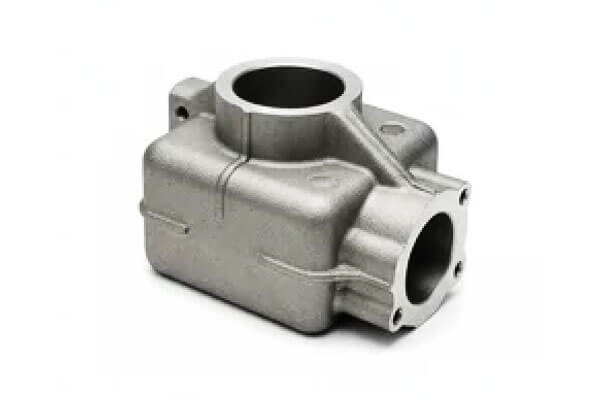
Zárójel, házak, géptestek, boríték, és a szerkezeti csomópontok gyakori célpontok, mert a beruházási öntés olyan funkciókat integrálhat, amelyek külön-külön megmunkálása költséges lenne.
Az eljárás különösen vonzó, ha a kialakításhoz lyukak szükségesek, főnökök, borda, vagy vékony szakaszok egy összevont részben.
Elektronikus házak és műszeralkatrészek
Az alumínium befektetett öntvény jól illeszkedik házakhoz, boríték, és kompakt funkcionális házak, ahol súly, formahűség, és a felület minősége fontos.
Az eljárás erőssége abban rejlik, hogy finom részleteket és vékonyabb falakat lehet előállítani, mint amennyit a homoköntés általában lehetővé tesz.
Készülékek és fogyasztói hardverek
Az eljárást olyan készülékalkatrészeknél és hardverelemeknél is alkalmazzák, ahol mérsékelt mennyiségű gyártás történik, tiszta öntött felület, és a geometriai integráció fontosabb, mint az ultraalacsony alkatrészköltség.
Speciális könnyűszerkezetek
Bizonyos esetekben, Az alumínium befektetett öntvényeket olyan szerkezeti csomópontokhoz vagy kompakt teherátvivő alkatrészekhez választják ki, ahol a tervezés előnye, hogy több funkciót egyetlen hálószerű komponensben egyesít.
Az alumíniumötvözetek továbbra is fontosak a nagy teljesítményű könnyű rendszerekben, mivel szilárdságuk ötvözéssel és hőkezeléssel javítható.
7. A folyamat belső korlátai & Enyhítési stratégiák
Vékonyfalú érzékenységi és tölthetőségi határok
Az alumínium befektetett öntvény erős, de a nagyon vékony szakaszok még mindig érzékenyek a hőveszteségre és az áramlás megszakítására.
A vékonyfalú öntéssel kapcsolatos kutatások azt mutatják, hogy a tölthetőség erősen függ az öntési hőmérséklettől, penész hőmérséklet, nyomófej, és öntési sebesség; ha ezek a változók ki vannak kapcsolva, a fém megfagyhat, mielőtt az üreg teljesen megtelne.
Enyhítés: Használjon ellenőrzött forma előmelegítést, stabil öntési gyakorlat, és geometria-tudatos kapuzás.
A vékonyfalú terveket folyamatszimulációval vagy prototípus-próbákkal korán érvényesíteni kell, hogy a terv ne lépje túl a folyamatablakot.
Porozitás és belső megszakadások
Mint minden öntött alumínium, az öntött alumínium porozitástól vagy zsugorodásból eredő megszakadásoktól szenvedhet etetéskor, megszilárdulás, és a héj állapotát nem szabályozzák jól.
Az ASTM B618/B618M ezért megköveteli a belső megszakítások ellenőrzését mindaddig, amíg az öntöde nem bizonyítja a stabil kapuzási és öntési gyakorlatot.
Enyhítés: Szigorítsa meg az olvadék tisztaságát, Javítsa a kapu tervezését, fenntartani a héj konzisztenciáját, és végezzen radiográfiás vagy jóváhagyott roncsolásmentes vizsgálatot, ha az alkalmazás ezt indokolja.
Torzulás összetett vagy aszimmetrikus részeken
Az összetett alumíniumöntvények hűtés közben deformálódhatnak, különösen akkor, ha a falvastagság változó, vagy ha a hosszú, vékony fesztávokat korlátozza a geometria.
A vékonyfalú tanulmányok és a torzításra összpontosító kutatások egyaránt azt mutatják, hogy a geometria és a hőegyensúly központi szerepet játszik a vetemedés elkerülésében.
Enyhítés: Használjon kiegyensúlyozott faltervezést, kerülje a hirtelen szakaszváltásokat, és szabályozza a hűtést és a hőkezelést, hogy a termikus gradiensek ne húzzák ki az alkatrészt az alakjából.
Felső méretkorlátozás
A héj teherbírása és a szinterelőkemence térfogata korlátozza, A hagyományos alumínium öntvény 50 kg alatti alkatrészekre korlátozódik.
Enyhítés: Ossza fel a túlméretezett szerkezeteket független egységekre a külön öntéshez, és alkalmazzon tanúsított argonhegesztést az összeszereléshez.
Költségintenzitás az egyszerűbb öntési útvonalakkal szemben
A beruházási öntés folyamatigényesebb, mint a homoköntés, és általában speciálisabb, mint a présöntés.
Ez magában foglalja a mintakészítést, héjépítés, kiégés, öntés, takarítás, és ingatlanellenőrzés, így nem a legolcsóbb választás az egyszerű geometriához.
Ezért célszerű olyan alkatrészek számára fenntartani, amelyek valóban hasznot húznak a precíziós geometriából, vékony falú képesség, és a hálóhoz közeli hatékonyság.
Enyhítés: Fenntartja a folyamatot azokra az alkatrészekre, ahol a tervezési szabadság értéke meghaladja a többlet gyártási erőfeszítést.
A legjobb gazdaságos eset általában az, ha az öntvény kiküszöböli a megmunkálást, csökkenti az alkatrészszámot, vagy olyan geometriát old fel, amelyet más módszerekkel nem lehet hatékonyan elérni.
Minősítési korlátok kritikus terhelésű alkatrészekre
Az ASTM B618/B618M egy általános célú specifikáció, és kifejezetten megjegyzi, hogy nem feltétlenül foglalkozik a nagy terhelésű vagy biztonsági szempontból kritikus alkalmazásokhoz szükséges integritásvizsgálattal..
Ez azt jelenti, hogy az igényes szolgáltatási feltételekhez további képesítésre lehet szükség.
Enyhítés: Alkalmazás-specifikus mechanikai tesztelés hozzáadása, hőkezelés ellenőrzése, és roncsolásmentes ellenőrzés, ha az alkatrész megemelkedett terhelést hordoz, vagy kritikus környezetben működik.
8. Folyamatok összehasonlító elemzése: Befektetési casting vs. Die Casting & Homoköntés
Alumínium befektetési casting, fröccsöntés, és homoköntés mind az alumínium alkatrészek főbb útjai, de a gyártási görbe nagyon különböző pontjain helyezkednek el.
| Összehasonlító elem | Befektetési öntés | Die Casting | Homoköntés |
| Forma / szerszámtípus | Viasz vagy nyomtatott minta köré épülő, elhasználható kerámia héj. | Állandó fém matrica. | Elhasználható homokforma. |
| A legjobb folyamatlogika | Közel háló alakú gyártás finom részletekkel és összetett geometriával. | Nagy volumenű gyártás erős alkatrészszilárdítási potenciállal és jó méretkonzisztenciával. | Nagy vagy egyszerűbb alkatrészek, ahol a szerszámköltségnek alacsonynak kell maradnia. |
| Felszíni befejezés | Általában a legjobb a három közül; A befektetési öntvények széles körben ismertek a homoköntéssel szembeni kiváló felületminőségről. | Általában nagyon jó, mert az alkatrész fémszerszámban van kialakítva, a présöntés pedig kiváló felületi minőségről és szoros mérettűrésről ismert. | Durvább öntött felület; másodlagos megmunkálásra gyakran van szükség a funkcionális felületekhez. |
Dimenziós pontosság |
Jobb, mint a homoköntés, és általában akkor választják ki, amikor a geometriai részletek és a méretszabályozás számít. | Erős méretkonzisztencia, különösen akkor, ha a folyamatot mennyiségi termelésre optimalizálják. | Alacsonyabb méretpontosság, mint a másik két útvonalnál. |
| Gyártási lépték | Alacsony és közepes hangerőhöz a legjobb, prototípus, vagy speciális alkatrészek. | Közepestől nagyig terjedő vagy nagy volumenű gyártáshoz a legjobb. | Rugalmas a kötetek között, de különösen vonzó, ha a szerszámköltségnek alacsonynak kell maradnia. |
| Alkatrész összetettsége | Kiválóan alkalmas bonyolult formákhoz és finom részletekhez. | Kiválóan alkalmas összetett alkatrészekhez, ha a geometria megfelel a présöntési tervezési szabályoknak. | Legjobb egyszerűbb geometriákhoz vagy nagyobb alkatrészekhez, ahol durvább kivitel is elfogadható. |
| Szerszámkészítés / beállítási logika | Nagyobb mintázat és héjépítési erőfeszítés, mint a homoköntésnél, de általában kevésbé tartós szerszám-kötelezettség, mint a fröccsöntés. | Magasabb szerszámozási elkötelezettség, de erős méretű gazdaságosság. | A legalacsonyabb szerszámterhelés a három közül. |
9. Következtetés
Az alumínium öntés költséghatékony megoldás, magas korláttal közel háló alakú precíziós alakítási technológia hőkezelhető alumíniumötvözet alkatrészekhez.
Alapvető versenyképessége abban rejlik, hogy képes komplex, integrált szerkezeti elemek gyártására, sűrű mikroszerkezettel, sima felület és testreszabható mechanikai tulajdonságok, az alacsony pontosságú fröccsöntés/homoköntés és a magas költségű precíziós kovácsolás közötti technikai rés kitöltése.
Bár korlátozzák a termelés hatékonyságának szűk keresztmetszete, méretkorlátozások és magasabb költségek a nagy tételes rendeléseknél,
Az alumínium befektetett öntvény továbbra is pótolhatatlan piaci előnyökkel rendelkezik a repülőgépiparban, új energetikai járművek és csúcskategóriás személyre szabott gépgyártás.
A jövőben, az intelligens szimulációs technológia és az additív gyártási minták népszerűsítésével,
Az alumínium öntvény tovább csökkenti az átfogó gyártási költségeket, és világszerte a közepes és felső kategóriás könnyű alumínium alkatrészek preferált precíziós alakítási megoldásává válik.
LangHe alumínium befektetési öntési szolgáltatások
Langhe -ipar nagy pontosságú alumínium öntési szolgáltatásokat nyújt az ipari és gyártási alkalmazások széles körére szabva.
Erőteljes mintafejlesztési képességekkel, héjépítés, olvasztó, öntés, hőkezelés, megmunkálás, és egyedi felületkezelés,
LangHe összetett geometriájú alumíniumöntvényeket tud készíteni, kiváló méretpontosság, könnyű teljesítmény, és egy tiszta, professzionális felületkezelés.
A gyors prototípuskészítéstől a kis szériás gyártásig és a nagy volumenű gyártásig, a szolgáltatást úgy tervezték, hogy támogassa a bonyolult részleteket, gyors fordulat, és stabil ismételhetőség a különböző alumíniumötvözet-minőségeknél.
GYIK
Melyik a legszélesebb körben használt ötvözet az alumínium befektetési öntéshez?
A356 (Al-Si-mg) ötvözet az iparági etalon, kiegyensúlyozott dobhatósággal rendelkezik, hőkezelési potenciál és megfizethető költség a legtöbb precíziós szerkezeti forgatókönyvhöz.
Miért nem lehet az öntött alumínium alkatrészeket présöntéssel helyettesíteni??
A fröccsöntött alumínium alkatrészek nagy mennyiségű gázt tartalmaznak, és nem vethetők alá T6 nagy szilárdságú öregedési kezelésnek; A befektetési öntött alkatrészek nagyobb tömörséget és fáradtságállóságot érnek el a hőkezelés után.
Mire a legalkalmasabb az alumínium befektetési öntés?
Komplexekhez a legjobb, közel háló alakú alumínium alkatrészek, amelyek jobb kidolgozást és szűkebb tűrést igényelnek, mint amit a homoköntés általában biztosít.
Milyen indulatok gyakoriak?
T4, T5, T6, és a T7 a legfontosabb indulatcsaládok, amelyeket meg kell érteni; A T6 általában a maximális gyakorlati erőt célozza meg, míg a T7-et gyakrabban használják, amikor a stabilitás és a maradó feszültség csökkentése fontosabb.
Az alumínium befektetett öntvény repülési célokra szolgál?
Az ASTM B618/B618M lefedi az általános célú alumíniumötvözet öntvényeket, és kifejezetten kijelenti, hogy nem repülőgépipari alkalmazásokhoz készült.

